品牌升级

Search documents
波司登慌了!山东跑出羽绒服大王,70后夫妇一年赚13亿,今要上市
Sou Hu Cai Jing· 2026-01-03 08:52
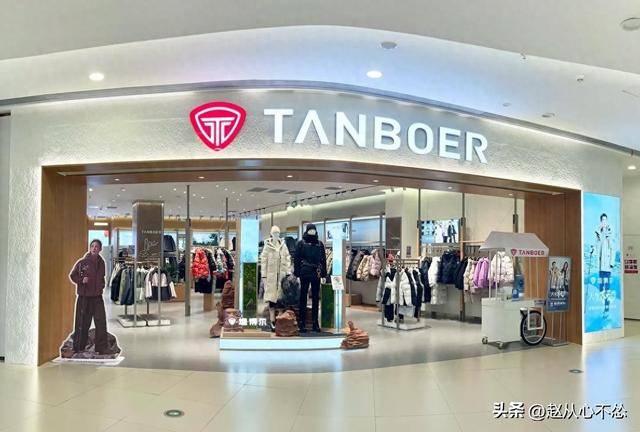
Core Insights - The article highlights the remarkable turnaround of the Chinese down jacket brand, Tanboer, which has successfully positioned itself in the high-value market segment, achieving significant revenue growth and preparing for an IPO on the Hong Kong Stock Exchange in 2025 [1][17]. Company Overview - Tanboer, founded by a couple from Shandong, has transformed from a struggling brand into a competitive player in the outdoor apparel market, generating annual revenues of 1.3 billion yuan (approximately 13 billion) and doubling its revenue over three years [1][17]. - The brand's initial struggles included a heavy reliance on the northern market and a perception of being "outdated," which led to a significant revenue drop in 2016 [5][11]. Market Positioning - The company capitalized on a gap in the market created by leading brands like Bosideng, which shifted focus to high-end products priced between 1,500 to 3,000 yuan, leaving a void in the sub-1,000 yuan segment [9][24]. - Tanboer strategically positioned its products in the 300 to 700 yuan price range, appealing to consumers seeking quality without premium pricing [9][11]. Product Innovation - The brand underwent a "self-revolution," improving product design by hiring a former ZARA designer and utilizing sustainable materials, which enhanced its market appeal [7][19]. - Tanboer's products feature a higher down filling than the industry average, contributing to their durability and warmth, which has led to strong consumer loyalty [11][15]. Sales and Distribution Strategy - The company has shifted from traditional retail to a hybrid model combining online and offline sales, significantly increasing its market presence in southern China [13][15]. - Tanboer's online sales surged, with a notable increase in revenue from 2.26 billion to 6.26 billion yuan, representing a growth rate that outpaces competitors [13][15]. Financial Performance - Tanboer's revenue grew from 732 million yuan in 2022 to 1.302 billion yuan in 2024, with a compound annual growth rate of 33% [15][24]. - In the first half of 2025, the company reported a revenue of 658 million yuan, marking an 85% year-on-year increase [17][19]. IPO and Future Prospects - Tanboer plans to submit its IPO application to the Hong Kong Stock Exchange in October 2025, with the founders controlling 96.64% of the shares [19][24]. - The company aims to use the funds raised for research and development of new materials and to enhance its supply chain capabilities [24][26].

白牌跟品牌,中间到底差着啥?
3 6 Ke· 2025-12-30 08:55
Core Viewpoint - The article discusses the differences between "white label" products and established brands, highlighting the challenges and strategies within the white label industry, particularly in the beauty and skincare sectors. Group 1: White Label Concept and Operations - White label refers to products without a fixed brand, relying on OEM production and marketing to generate quick profits without investing in R&D or quality control [7] - The "Xiamen Gang" is a group of white label players known for their rapid market entry and aggressive marketing strategies, particularly in the beauty sector [8] - White label operations typically follow a three-step process: product selection based on trends, extreme cost-cutting to offer low prices, and aggressive marketing through high-volume advertising [10][13][14] Group 2: Challenges Faced by White Label Products - White label sales are heavily reliant on advertising, making them vulnerable to changes in platform algorithms or negative publicity [17] - Many white label brands inflate their sales figures through practices like fake orders, leading to questions about the sustainability of their sales [18] - The average lifecycle of white label products is short, with sales quickly declining once initial consumer interest wanes [19] Group 3: Differences Between White Label and Established Brands - White label businesses prioritize short-term profits and rapid market entry, while established brands focus on long-term value creation and customer trust [20] - The operational logic of white label companies is results-driven, often neglecting brand management and long-term strategy [25] - Established brands benefit from systematic management practices that ensure consistent quality and brand integrity, which white label companies often lack [25] Group 4: Future of White Label Products - The white label industry is facing increased competition and pressure to evolve, with many companies needing to transition towards brand-building strategies to survive [26] - Successful transitions from white label to brand status require a shift in mindset, focusing on long-term growth and brand management rather than short-term gains [30] - Key elements for this transition include developing unique brand identities and enhancing operational capabilities across multiple channels [32]

县城之王准备收割北上广了?
虎嗅APP· 2025-12-24 23:54
Core Viewpoint - The article discusses the innovative strategies of Shangmei Zhizhi, particularly its focus on the lower-tier market and the introduction of unique hotel room designs to attract younger consumers, highlighting the shift in consumer preferences and the need for differentiation in the hotel industry [5][10][19]. Group 1: Company Overview - Shangmei Zhizhi, led by CEO Ma Yingyao, ranks second in the economic hotel market in China and first in small cities, with 4,826 hotels globally, making it the fourth largest in China [5][10]. - The company has achieved a 100% coverage in third-tier cities and 90% in fifth-tier cities, positioning itself as an "invisible champion" in the lower-tier market [5][10]. - Shangmei Zhizhi operates a brand matrix that spans from economy to luxury, leveraging 136 million members for private traffic penetration into first and second-tier cities [5][10]. Group 2: Market Strategy - The company aims to break the "one-size-fits-all" model in the economy hotel sector by introducing unique room types such as the "window view room," which caters to the social media-driven preferences of younger consumers [11][19]. - Shangmei Zhizhi's new hotel model, Shangke You 7, incorporates features like indoor infinity pools and large-screen viewing rooms, traditionally found in luxury hotels, into the economy segment, aiming to redefine consumer expectations [7][11][19]. - The pricing strategy for these unique room types is set at a premium of only 200-300 RMB per night, significantly lower than luxury hotel counterparts, which typically exceed 1,000 RMB [17][21]. Group 3: Operational Challenges - The company faces challenges in maintaining cost efficiency while innovating room designs, as the construction costs for unique room types can be high [21][25]. - The shift to a direct management model with plans to open 100 direct-operated hotels by 2026 indicates a strategic pivot to ensure quality and service consistency amid rising competition in first and second-tier cities [25][27]. - The hotel industry is entering a rational consumption phase, where brands must balance brand strength and product quality to compete effectively against established players [19][27]. Group 4: Consumer Trends - The article highlights a significant shift in consumer behavior, particularly among the post-2000 generation, who prioritize unique experiences and social media shareability over traditional hotel offerings [11][40]. - Younger consumers are less interested in comprehensive amenities and more focused on standout features that can be shared on social platforms, indicating a need for hotels to adapt to these changing preferences [11][40]. - The trend suggests that the future of the hotel industry may lean towards flexibility and personalized experiences rather than strict standardization [40][42].

福瑞达20151223
2025-12-24 12:57
Summary of the Conference Call Company Overview - **Company**: 福瑞达 (Furida) - **Industry**: Cosmetics and Probiotics Key Points 1. Product Adjustments and Market Strategy - The **爱尔博士 (Aier Doctor)** probiotic series will suspend shipments by the end of 2024 due to market pricing issues, with a transition to the higher-margin **287 series** expected to complete by early 2026, alongside the launch of a new product, **王江酸 (Royal Jelly Acid)**, anticipated to drive growth in 2026. This strategy aims to protect brand integrity despite a potential short-term revenue decline of 5-10% [2][3][6] - The **颐莲 (Yilian)** brand is projected to grow rapidly in 2025, benefiting from the upgrade from **1.0 to 2.0 spray** products and effective endorsements, with expectations of double-digit growth for the year [2][5] 2. Channel Management and Inventory Control - The company has effectively addressed market pricing issues, with data indicating that the chaotic pricing phenomenon has been largely eliminated. This was achieved through a comprehensive channel management strategy, including the suspension of shipments to restore pricing integrity [2][6][7] - The company plans to increase the number of offline stores to enhance brand presence and scale, responding to the decline in online traffic benefits [8][9] 3. Product Performance and Future Expectations - The **287 series** has performed well, maintaining user retention despite price increases, and is expected to fill gaps left by declining other products [13] - The **王江酸** product, currently limited in promotion due to budget constraints, has received positive feedback and is expected to see significant growth with increased investment in 2026 [11][20] 4. Marketing and Sales Strategy - The company plans to collaborate with mid-tier influencers instead of top-tier ones, as the latter have shown declining efficiency. This shift is expected to enhance the effectiveness of marketing efforts [12] - The **颐莲** brand's marketing strategy includes a focus on high-margin non-spray products, aiming to reduce the spray product's share from 70-80% to around 65% by 2026 [15] 5. Financial Projections - The overall growth rate for **颐莲** is expected to be between 15-20% for 2025, despite a decline during the Double Eleven shopping festival being within expectations [14] - The company anticipates maintaining a gross margin of 80-85% for new products and aims to reduce costs through in-house production of raw materials and efficient packaging strategies [27] 6. Research and Development Focus - The company is prioritizing **王江酸** due to its high research barriers and broad application potential in skincare, health supplements, and medical aesthetics. This product is seen as a significant opportunity for future growth [20][21] 7. Challenges and Opportunities - The company acknowledges the challenges posed by regulatory scrutiny in the health supplement sector but is actively working to enhance its capabilities in this area, aiming to capitalize on the growing market [23][24] - The company is also exploring acquisition opportunities in the medical aesthetics and related pharmaceutical sectors, focusing on familiar fields to ensure successful integration and growth [26] 8. Internal Structure and Market Adaptation - Improvements have been made in aligning R&D with market needs, ensuring that product decisions are made collaboratively between teams to enhance market responsiveness [19] This summary encapsulates the key insights and strategic directions discussed during the conference call, highlighting the company's proactive measures in addressing market challenges and its optimistic outlook for future growth.

瑞幸拟竞购蓝瓶咖啡:高端化与全球化背后的战略豪赌
Xin Lang Cai Jing· 2025-12-24 10:04
Core Viewpoint - Luckin Coffee, China's largest coffee chain, is considering acquiring Blue Bottle Coffee, a premium brand owned by Nestlé, marking a significant move towards the global high-end coffee market [1][10]. Group 1: Strategic Implications - The potential acquisition is part of Luckin's globalization strategy, aiming to enhance its brand image and enter the high-end market dominated by Starbucks and independent cafes [2][11]. - Luckin Coffee has surpassed Starbucks in store count in China but is perceived as a budget brand, while Blue Bottle represents a premium positioning with a focus on quality and aesthetics [2][12]. - The acquisition could provide Luckin with over 100 international store locations, particularly in the U.S. and Japan, enhancing its global footprint [1][3][10]. Group 2: Financial Performance - As of Q3 2025, Luckin reported a net revenue of $2.1 billion, a 50% year-on-year increase, and a net profit of approximately $180 million, indicating strong financial health post-scandal [3][13]. - The financial strength supports the feasibility of a large-scale acquisition, allowing Luckin to pursue its strategic goals [3][13]. Group 3: Challenges and Risks - The acquisition faces significant challenges, including high valuation risks, as Blue Bottle's worth has likely increased since Nestlé's 2017 acquisition for approximately $425 million [4][14]. - Cultural integration poses a challenge, as Luckin's operational model differs significantly from Blue Bottle's emphasis on artisanal coffee and customer experience [4][15]. - Operational complexities arise from differing business models and supply chain management, which could hinder efficiency post-acquisition [4][15]. Group 4: Competitive Landscape - The coffee market in China is becoming increasingly competitive, with new entrants like Luckin's former executive's brand and aggressive pricing strategies from competitors [5][15]. - Luckin's profit margins are under pressure, with a reported 2.7% decline in net profit and a net profit margin of 8.26%, the lowest since 2022 [5][15]. - The global coffee industry is evolving, with major players like Starbucks expanding aggressively, indicating a shift from mere store count competition to brand positioning and capital strategies [7][17].
得利斯集团有限公司党委书记、董事长郑思敏荣获第十届山东省省长质量奖
Zhong Guo Zhi Liang Xin Wen Wang· 2025-12-24 06:13
Core Insights - Delisi Group has been awarded the Provincial Quality Award, highlighting its commitment to quality management and product excellence under the leadership of Chairman Zheng Simin [1] Group 1: Quality Management - Delisi has established a comprehensive quality management system, achieving certifications such as ISO9001 and HACCP, ensuring strict control over the entire production process [1] - The company emphasizes that any quality defect in the food industry represents a breach of trust with consumers, reflecting its dedication to quality [1] - Delisi aims to achieve a revenue of 17.7 billion yuan in 2024, successfully reaching its goal of becoming a "billion-dollar enterprise" [1] Group 2: Digital Transformation and Branding - Zheng Simin proactively initiated the establishment of an e-commerce department in 2015, recognizing the potential of digital transformation [2] - The company has embraced live-streaming sales, with Zheng personally engaging with consumers to promote products and brand values [2] - Delisi has launched a new brand image "Good Meat Delisi," incorporating cultural elements to enhance product appeal and value [2] Group 3: Sales Channels and Market Expansion - Delisi is implementing an all-encompassing marketing strategy, achieving a single live-streaming GMV of up to 8.68 million yuan [3] - The company is expanding its physical presence by investing 93 million yuan in a new operational center in Shanghai to enhance market coverage [3] - Delisi has formed partnerships with major B-end players like Sam's Club and Haidilao, creating a more robust marketing network [3] Group 4: Industry Integration and Future Outlook - Delisi adheres to a "trade, industry, and agriculture integration" strategy, establishing a comprehensive green supply chain from farm to table [3] - The company has developed a robust industrial system focusing on pig slaughtering, meat processing, and deep processing of beef products [3] - Under Zheng Simin's leadership, Delisi is poised to evolve into a century-old brand while maintaining its commitment to quality and innovation [3]

梁朝伟,代言175亿水井坊
2 1 Shi Ji Jing Ji Bao Dao· 2025-12-24 03:02
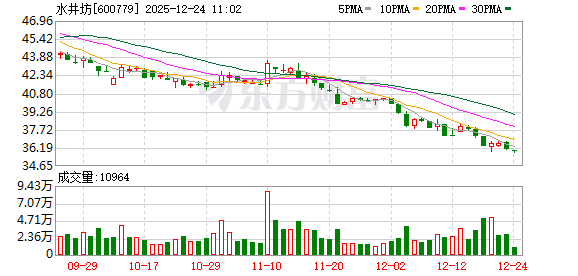
Core Viewpoint - The collaboration between Liang Chaowei and Shuijingfang aims to enhance brand recognition and drive sales for the high-end liquor segment, particularly the "Diyifang" brand, amidst declining overall revenue for the company [5][6][7]. Group 1: Brand Endorsement and Product Launch - Liang Chaowei has been announced as the first brand ambassador for Shuijingfang's high-end brand "Diyifang," which is positioned as a "museum-level old liquor" priced above 800 yuan [3]. - The first strategic product launched under "Diyifang" is the "Diyifang·Jingshi," priced at 1499 yuan per bottle, directly competing with premium brands like Moutai [4]. - The marketing strategy includes leveraging Liang Chaowei's popularity to boost sales of both "Diyifang" and other Shuijingfang products, such as the "Zhenniang Eight" series [4][6]. Group 2: Financial Performance and Market Challenges - For the first nine months of the year, Shuijingfang reported a revenue of 2.35 billion yuan, a year-on-year decline of 38%, with net profit dropping over 70% to 330 million yuan [6]. - The average revenue per 1,000 liters of liquor is approximately 340,000 yuan, with a price decline of about 20% [6]. Group 3: Strategic Initiatives and Market Expansion - The management is pushing for the high-end brand "Diyifang" as a response to the urgent need for change in the current challenging market environment [7]. - Future strategies include deepening brand recognition through emotional and situational marketing, with products tailored for traditional festivals [8][11]. - The company plans to introduce lower-alcohol products to attract younger consumers and expand into emerging markets in North America, East Asia, and Southeast Asia [11].

九毛九求“鲜”
Bei Jing Shang Bao· 2025-12-23 16:03
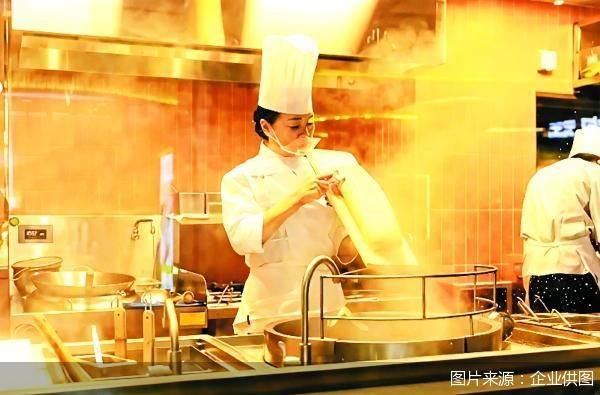
Core Insights - The core focus of the news is on the recent strategic adjustments made by Jiumaojiu Group to address performance pressures and enhance market positioning through brand upgrades and new restaurant concepts [1][6]. Group 1: Brand Expansion and New Concepts - Jiumaojiu Group has opened its first "Jiumaojiu Shanxi Restaurant" in Guangzhou, emphasizing fresh ingredients with a menu featuring signature Shanxi dishes [3][4]. - The new restaurant model includes a focus on "freshness," similar to the previously launched "Tai Er" brand, which has introduced a "5.0 Fresh Model" highlighting live fish and fresh meats [6][7]. - The company has also launched its first barbecue brand, "Chao Nabei," further diversifying its offerings [6]. Group 2: Performance Metrics and Challenges - Recent data indicates a decline in same-store daily sales across Jiumaojiu's main brands, with a year-on-year decrease of 9.3% for Tai Er, 19.1% for Song Hotpot, and 14.8% for Jiumaojiu [6][8]. - The total number of Jiumaojiu's stores has decreased from 824 to 686 over the past year, reflecting the company's struggle to maintain growth [6][8]. Group 3: Strategic Adjustments and Market Trends - The company is responding to industry trends that shift focus from price competition to value enhancement, emphasizing ingredient quality and customer experience [7][9]. - Jiumaojiu Group is implementing measures such as menu transparency and enhanced ingredient sourcing to improve customer trust and satisfaction [8][9]. - The group aims to strengthen brand synergy across its various offerings, optimizing supply chain and marketing strategies to reduce costs and improve efficiency [9].
开新餐厅、爆改旗下品牌 九毛九集团想靠“新鲜”求生
Bei Jing Shang Bao· 2025-12-23 11:05
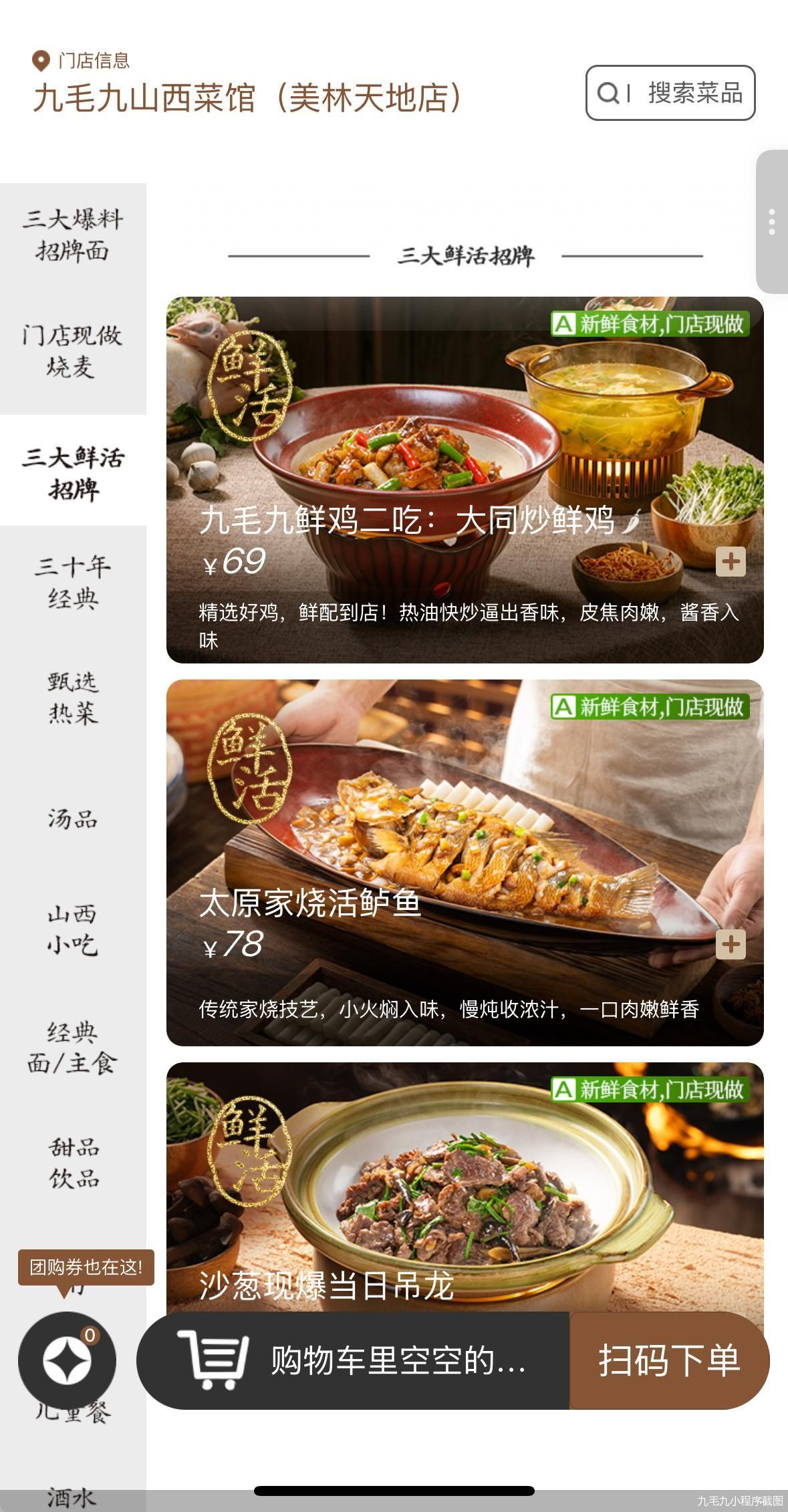
Core Insights - The core viewpoint of the news is that Jiumaojiu Group is actively implementing strategic adjustments to address growth challenges and stabilize its market position, as evidenced by the opening of new restaurant concepts and a decline in same-store sales [1][7]. Group 1: New Brand Initiatives - Jiumaojiu Group has launched its first "Jiumaojiu Shanxi Restaurant" in Guangzhou, focusing on fresh Shanxi cuisine with a tagline emphasizing "freshly made" dishes [5]. - The new restaurant features signature dishes priced between 69 to 78 yuan, highlighting the use of fresh ingredients [5]. - The company is also testing a new model for its Shanxi cuisine, with plans for future expansion yet to be disclosed [6]. Group 2: Performance Challenges - Jiumaojiu Group's same-store daily sales have seen a decline, with a drop of 9.3% for Taier, 19.1% for Song Hotpot, and 14.8% for Jiumaojiu in the latest quarter [7]. - The total number of stores has decreased from 824 to 686 over the past year, indicating significant operational pressure [7]. - Despite these challenges, there are signs of improvement, with Taier's same-store sales showing a narrowing decline and positive growth in major cities [8]. Group 3: Strategic Adjustments - The company is undergoing a brand upgrade and model transformation, including the introduction of a new "5.0 Fresh Model" for Taier, which emphasizes fresh ingredients [7]. - Jiumaojiu Group is also launching its first barbecue brand, "Chao Nabei," as part of its diversification strategy [7]. - The shift in focus from price competition to value-driven offerings reflects a broader industry trend, with consumers increasingly prioritizing ingredient quality and dining experience [8]. Group 4: Brand Synergy and Market Positioning - Jiumaojiu Group is working to enhance brand synergy by eliminating special dining rules and exploring delivery options [9]. - The company aims to establish a transparent menu system for Taier, categorizing dishes based on ingredient freshness to improve customer choice [10]. - There are concerns about potential brand confusion as Jiumaojiu expands into Shanxi cuisine, necessitating a clear communication of the brand's identity and culinary focus [11].
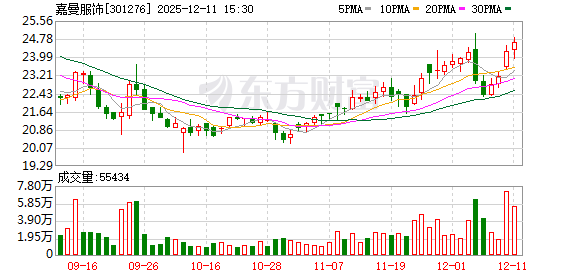
嘉曼服饰:公司未来各童装品牌将不断地持续升级更新产品和服务
Zheng Quan Ri Bao· 2025-12-11 12:42
Core Viewpoint - The company emphasizes continuous product and service upgrades across its children's clothing brands to enhance consumer experience and emotional value [2] Group 1: Product Development and Strategy - The company will focus on research and development, improving product quality, enriching product functionality, and strengthening brand culture [2] - The company aims to optimize marketing strategies to provide greater emotional value to consumers [2] Group 2: Brand Focus and Positioning - For the HushPuppies brand, the company will enhance product offerings and adjust channels to concentrate on classic casual styles [2] - The company believes that popular product design and high-quality products are fundamental for long-term brand development [2] Group 3: Marketing and Channel Strategy - The company plans to optimize products around family-oriented and vacation-themed leisure scenarios [2] - The company will continue to select quality channels for store expansion and promote the HushPuppies brand in alignment with its brand philosophy to enhance brand value [2]