汽车安全标准

Search documents
公安部将限制汽车百公里加速小于5秒
券商中国· 2025-11-12 23:43
Core Viewpoint - The article discusses new safety standards for motor vehicles, particularly focusing on electric and hybrid vehicles, aimed at enhancing safety measures and reducing risks associated with vehicle operation and battery incidents [1][2][3][4]. Group 1: Speed and Acceleration Requirements - Passenger vehicles must have a default state where the acceleration from 0 to 100 km/h takes no less than 5 seconds after each start [1]. - Electric and hybrid vehicles are required to have a pedal misapplication acceleration suppression feature that detects and suppresses power output during stationary or creeping conditions [1]. Group 2: Battery Safety Measures - Electric and hybrid vehicles must be equipped with a function to cut off the power circuit automatically when there is a significant speed change or when irreversible restraint devices are deployed [1]. - Vehicles should monitor the battery's working status and provide automatic monitoring, recording, and warning for abnormal battery conditions, including a clear signal to alert occupants in case of thermal events [1]. Group 3: Driver Assistance Systems - Vehicles with driver assistance features must confirm that the driver has completed training through biometric or account login before continuing to drive [2]. - When the vehicle speed exceeds 10 km/h, the display devices in the driver's area must be turned off, prohibiting entertainment and gaming functions to prevent driver distraction [2]. Group 4: Door and Emergency Exit Requirements - Each passenger vehicle must ensure that occupants can exit through at least two different doors, with mechanical release functions for door handles [3]. - In the event of an accident or thermal event, non-collision side doors must automatically unlock, and windows must meet specific visibility and safety standards [4].


全隐藏式门把手或被禁用,网友:终于等到这一天
Qi Lu Wan Bao· 2025-09-26 06:02
Core Viewpoint - The Ministry of Industry and Information Technology (MIIT) of China has released a draft for mandatory national standards on automotive door handles, aiming to enhance safety and address new technological demands in electric vehicles [2][3]. Group 1: New Standards and Requirements - The draft requires that both internal and external door handles must have a mechanical release function, allowing doors to be opened in case of an accident while locked [2]. - External door handles must provide a hand operation space of at least 60mm x 20mm x 25mm, equating to a minimum of 30 cubic centimeters [2]. Group 2: Impact on Automotive Industry - The new standards may lead to a ban on fully concealed door handles commonly found in electric vehicles, potentially resulting in a return to traditional mechanical door handles [3]. - In April, approximately 60% of the top 100 selling electric vehicle models in China featured concealed door handles, which are perceived as aesthetically pleasing but have raised safety concerns among consumers [4][6]. Group 3: Industry Response - Multiple automotive companies, including Geely and Leap Motor, have expressed their commitment to comply with the new regulations and are adapting their designs accordingly [6][8]. - Geely has been involved in the research and formulation of these standards and has developed various technical solutions to meet the new requirements [6].

全隐藏式门把手或被禁用 工信部强标出手整治汽车安全隐患
Zhong Guo Jing Ying Bao· 2025-09-25 14:33
Core Viewpoint - The Ministry of Industry and Information Technology (MIIT) of China has released a draft for public consultation regarding new safety technical requirements for automotive door handles, aiming to enhance safety standards in response to emerging technologies and safety needs in the automotive industry [4]. Group 1: New Standards and Requirements - The draft outlines new mandatory national standards for both interior and exterior door handles, emphasizing the need for mechanical release functions in case of emergencies [4]. - Each car door (excluding the tailgate) must be equipped with an exterior door handle that allows for mechanical release, ensuring that doors can be opened without tools during emergencies such as battery thermal events [4]. - The design mandates that the operational space for the exterior door handle must not be less than 60mm x 20mm x 25mm, equating to a minimum of 30 cubic centimeters [4]. Group 2: Implementation Timeline - The new standards are proposed to take effect on January 1, 2027, with a phased implementation for new vehicle models [5]. - For new models, compliance with most requirements is expected from the effective date, while full compliance is required by July 1, 2027 [5]. - Existing models must meet all requirements by July 1, 2028, following the implementation of the new standards [5]. Group 3: Industry Response - Geely Automobile has expressed support for the new standards, aligning with its commitment to prioritize safety in vehicle manufacturing and addressing consumer concerns regarding vehicle safety [5].

工信部立规!全隐藏式门把手可能将“退市”,不少车企的相关方案要调整
Mei Ri Jing Ji Xin Wen· 2025-09-25 11:06
Core Viewpoint - The Ministry of Industry and Information Technology has proposed a mandatory national standard for automotive door handles, which aims to eliminate fully concealed door handles due to safety concerns [1][2]. Group 1: Safety Concerns - Fully concealed door handles have been found to pose various safety risks, including insufficient strength, potential control logic failures, and difficulties in operation during emergencies [2][3]. - Issues such as power failure during collisions can render electric door handles inoperable, complicating rescue efforts in emergencies like fires or accidents [2][3]. Group 2: Regulatory Changes - The new standard mandates that each car door must be equipped with a mechanical release function for the door handle, ensuring that doors can be opened without tools in case of emergencies [3][5]. - The proposed implementation date for the new regulations is January 1, 2027, with a transition period allowing manufacturers to comply by July 1, 2028, for already approved models [5]. Group 3: Industry Impact - Approximately 60% of the top 100 electric vehicle models in China currently feature concealed door handles, indicating a significant need for manufacturers to adjust their designs in response to the new regulations [4][5]. - Companies like Toyota are already planning to integrate mechanical handles within concealed designs to enhance safety in case of collisions [5].

工信部公开征求意见!汽车门把手强标要来了(附专家解读)
Zhong Guo Qi Che Bao Wang· 2025-09-25 03:14
Core Viewpoint - The Ministry of Industry and Information Technology (MIIT) is soliciting public opinions on the mandatory national standard for "Automotive Door Handle Safety Technical Requirements," aimed at enhancing the safety and performance of automotive door handles to protect public safety and property [3][9]. Group 1: Background and Industry Issues - The development of the standard is driven by the increasing use of electric hidden door handles and the need to address new safety requirements and technological advancements in the automotive sector [5][10]. - The MIIT organized the National Automotive Standardization Technical Committee to create this standard, focusing on improving the safety of door handles and addressing common industry issues [5][7]. Group 2: Technical Requirements of the Standard - The standard outlines technical requirements and testing methods for door handles, including definitions, structural types, layout positions, redundancy design, and strength [6][8]. - Key aspects include ensuring operational space for door handles, mechanical redundancy for emergency access, and clear visibility and identification of door handles to reduce user errors [6][10]. Group 3: Research and Development Process - The standard's development involved extensive research, including surveys of over 230 vehicle models and consultations with more than 100 industry experts [7][8]. - The process included multiple rounds of technical validation and the establishment of safety performance standards based on real-world accident scenarios [7][8]. Group 4: Implications for Consumers and Industry - The standard aims to enhance the safety performance of door handles, addressing consumer pain points related to usability and safety in electric hidden door handles [10][11]. - It is expected to guide the healthy development of the door handle industry, improve occupant escape and rescue safety, and contribute to the high-quality development of the automotive industry [10][11].

汽车门把手国标征求意见稿发布
Mei Ri Jing Ji Xin Wen· 2025-09-24 13:12
Core Points - The Ministry of Industry and Information Technology has publicly solicited opinions on the mandatory national standard for "Safety Technical Requirements for Automotive Door Handles" and three related amendments [1][2] - The new safety requirements specify that each car door (excluding the tailgate) must be equipped with an external door handle that has a mechanical release function, allowing the door to be opened without tools in case of emergencies [1][2] - The design mandates that the external door handle must provide a hand operation space of at least 60mm×20mm×25mm relative to the vehicle's surface [1][2] - The proposed implementation date for these safety requirements is January 1, 2027 [3]

汽车全隐藏式门把手将“退市”
财联社· 2025-09-24 12:21
Core Viewpoint - The article discusses the new mandatory national standard for automotive door handles, which prohibits the design of "fully hidden" external door handles to enhance safety and usability during emergencies [1][2]. Group 1: New Standards and Regulations - The Ministry of Industry and Information Technology has released a draft for the mandatory national standard titled "Safety Technical Requirements for Automotive Door Handles," which includes specific requirements for external door handles [1]. - The standard mandates that each car door must have a mechanical release function and a designated hand operation space of at least 60mm×20mm×25mm [1][4]. Group 2: Industry Impact and Safety Concerns - The introduction of the standard is expected to address the operational difficulties and safety issues associated with fully hidden electric door handles, which have become popular for their aesthetic appeal and reduced wind resistance [2]. - Data shows that in April, approximately 60% of the top 100 new energy vehicles in China were equipped with hidden door handles, but these designs have been linked to a high failure rate and safety concerns, with only a 67% success rate in side collision tests compared to 98% for mechanical handles [2][3]. Group 3: Implementation Timeline - The proposed implementation date for the new standard is January 1, 2027, with a transition period allowing for compliance in stages for new and existing vehicle models [4]. - The deadline for public feedback on the draft standard is November 22, 2025, with the final standard expected to be published within the year [5].
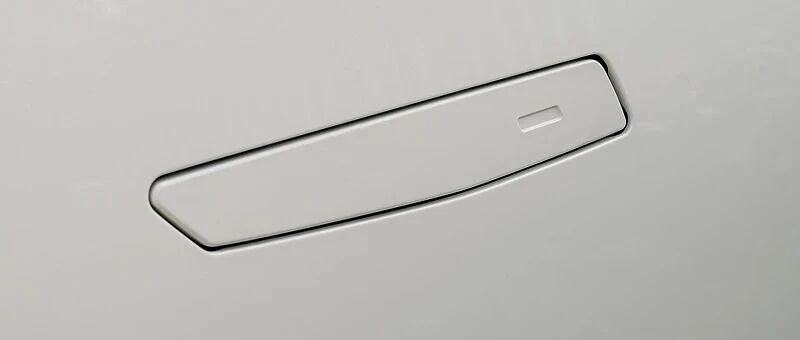
告别“夺命”隐藏式门把手,国家强标出手了
第一财经· 2025-09-24 12:10
Core Viewpoint - The article discusses the introduction of mandatory national standards for automotive door handle safety technology, addressing the safety risks associated with electric hidden door handles and aiming to enhance vehicle safety [3][4]. Group 1: Safety Standards - The new standard, titled "Automotive Door Handle Safety Technical Requirements," aims to regulate and improve the safety of door handles in response to emerging technologies and safety needs [3]. - Hidden door handles have been linked to increased risks during emergencies, such as power failure and difficulty in operation, which can hinder escape during accidents [3][4]. Group 2: Specific Requirements - Each car door (excluding the tailgate) must be equipped with mechanical exterior and interior door handles to ensure accessibility in case of power failure [4]. - The operational space for the exterior door handle must not be less than 60mm×20mm×25mm, ensuring sufficient room for hand operation [4][5]. - Interior door handles must be easily identifiable and accessible, with specific placement guidelines to facilitate quick operation in emergencies [4][5]. Group 3: Implementation Timeline - New models applying for door handle type approval must comply with the operational space requirement within seven months of the standard's implementation, while other requirements take effect immediately [5]. - Existing models will have a grace period of 19 months post-implementation to meet the new standards [5]. Group 4: Industry Impact - Experts believe that the establishment of these standards not only aligns with the trend of vehicle electrification but also addresses user pain points related to door handle operation and safety markings, thereby promoting safer production and usage in the automotive industry [5].

汽车车门把手强制性国标要来了:发生事故时,外把手应能开启车门
Bei Ke Cai Jing· 2025-09-24 09:48
Core Points - The Ministry of Industry and Information Technology (MIIT) is revising the mandatory national standard for automotive door handles, focusing on safety requirements for mechanical release functions in both external and internal door handles [1][2] - The draft specifies that each vehicle door, excluding the tailgate, must be equipped with mechanical release functions for both external and internal handles, allowing doors to be opened without tools in emergencies such as battery thermal events [1][2] - The draft also mandates that vehicle user manuals must include instructions on the use of door handles, detailing their locations and operation, especially in non-standard situations [3] Group 1 - The MIIT is organizing the revision of the national standard for automotive door handles, emphasizing safety features [1] - Each vehicle door must have mechanical release functions for both external and internal handles, ensuring accessibility during emergencies [1][2] - User manuals for vehicles must provide clear instructions on door handle usage, including special circumstances [3]
自动紧急制动系统新国标意见稿发布,拟于2028年1月1日实施
Ju Chao Zi Xun· 2025-05-17 04:42
Core Viewpoint - The Ministry of Industry and Information Technology has released a draft for public consultation regarding the technical requirements and testing methods for Advanced Emergency Braking Systems (AEBS) in light vehicles, with a deadline for feedback set for June 30, 2025 [2] Group 1: Technical Requirements - The AEBS draft will replace the existing GB/T39901—2021 standard and is applicable to M1 and N1 category vehicles [7] - M1 vehicles must activate the system when a collision risk is detected at speeds between 10 km/h and 80 km/h, while N1 vehicles must do so at speeds between 10 km/h and 60 km/h [8] - The system must also activate when a collision risk with vulnerable road users, such as pedestrians and cyclists, is detected at speeds between 20 km/h and 60 km/h [8] Group 2: Implementation and Impact - The new standard is expected to be implemented on January 1, 2028, and aligns with international regulations (UN-R152), enhancing the competitiveness of Chinese automotive products in the global market [8] - Research indicates that AEBS can significantly reduce accident rates, particularly in low-speed and urban environments, thereby improving overall road safety [9] - The new standard provides unified technical specifications for manufacturers, which will help reduce technical discrepancies and quality variations in the market [9]