
渐冻症

Search documents
“已经完全没有语言能力了……”蔡磊深夜发文
券商中国· 2025-09-26 01:06
Core Viewpoint - The article highlights the current condition of Cai Lei, a former vice president of JD.com, who is suffering from ALS (Amyotrophic Lateral Sclerosis), emphasizing his ongoing efforts in research and leadership despite his deteriorating health [1][2][3]. Group 1: Health Condition - Cai Lei has completely lost his ability to speak and is experiencing severe physical limitations, including paralysis and difficulty swallowing [1][2]. - His wife, Duan Rui, reported that he can only consume liquid food and may require a gastrostomy in the future to address his dietary needs [2][3]. Group 2: Ongoing Work and Contributions - Despite his health challenges, Cai Lei continues to manage his team and oversee various operational tasks using eye-tracking technology [2]. - He announced over 50 million yuan in research funding for ALS projects over the past 20 months, indicating a commitment to advancing scientific research in this area [2]. Group 3: Recognition and Support - Cai Lei was awarded the title of "National Self-Reliance Model" on May 18, which he described as a significant honor that encourages both him and the broader ALS community [4]. - On his 47th birthday, his family celebrated with him, and there was a strong community sentiment expressing hope for miraculous outcomes in his condition [6].

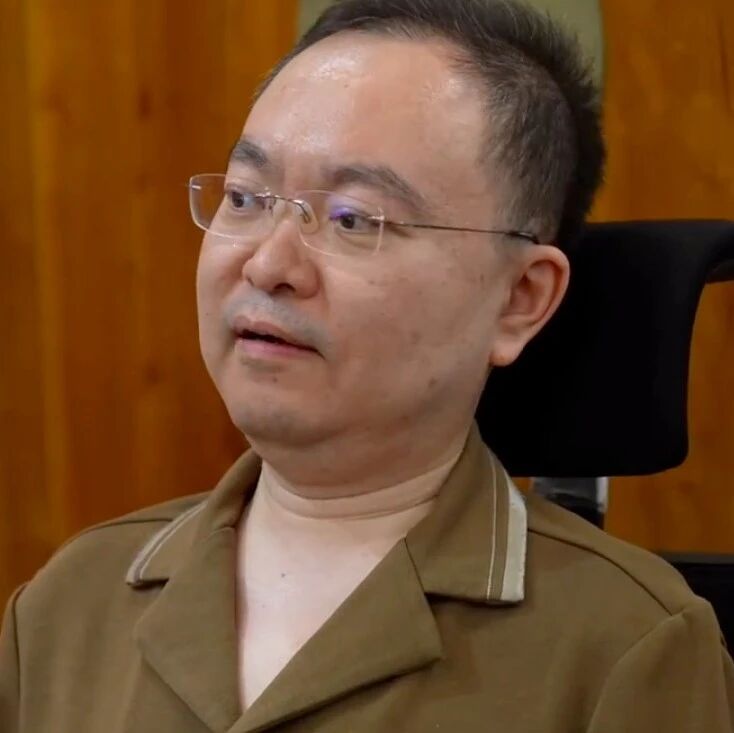
蔡磊妻子透露蔡磊近况:很不好,已经完全没有语言能力
Qi Lu Wan Bao· 2025-09-24 03:29
Core Points - The article discusses the deteriorating health condition of Cai Lei, a former vice president of JD.com, who has lost his ability to speak and move due to amyotrophic lateral sclerosis (ALS) [1][3] - Cai Lei was diagnosed with ALS in 2019, a rare and currently incurable disease that leads to muscle atrophy and eventual death [3][4] - His wife, Duan Rui, highlights the emotional and physical struggles they face, indicating that Cai Lei may soon require a gastrostomy for nutrition [3] Summary by Sections Health Condition - Cai Lei has completely lost his ability to speak and has significant loss of strength in his arms and legs, requiring assistance to stand [3] - He can currently consume only soft food, and there are concerns about future nutritional needs potentially requiring surgical intervention [3] Background Information - Cai Lei was born in May 1978 and served as the vice president of JD.com [3] - He established the "Gradual Recovery Mutual Aid Home" to create a medical big data research platform for ALS patients, connecting thousands of patients [3][4] - Under his initiative, the first pathological research gene sample bank for ALS in China was established, contributing to genetic research on the disease [4]

大医生|樊东升:与万名“渐冻人”并肩寻药
经济观察报· 2025-09-05 09:06
Core Viewpoint - The article highlights the significant contributions of Dr. Fan Dongsheng in the research and treatment of Amyotrophic Lateral Sclerosis (ALS), also known as Lou Gehrig's disease, emphasizing the hope brought by new drug trials and the importance of patient involvement in clinical research [1][2][4]. Group 1: Dr. Fan Dongsheng's Contributions - Dr. Fan Dongsheng is a leading expert in ALS research in China, having treated over 10,000 patients and established the world's largest ALS patient database with over 5,000 entries [2][3]. - He emphasizes the importance of providing hope to patients while being honest about their conditions, often reassuring them about their overall health status [3][4]. - Dr. Fan has been involved in the development of new drug trials, which have become a source of hope for patients who have exhausted other treatment options [5][8]. Group 2: New Drug Trials and Research - Recently, Dr. Fan has led multiple clinical trials for new ALS drugs at Peking University Third Hospital, including a drug developed in collaboration with Tsinghua University, which received approval for clinical trials in August 2023 [8][9]. - There are currently nearly 10 ALS drug trials underway at the hospital, including both international and domestic drug development efforts [10][11]. - The article notes that ALS drug development is particularly challenging, with only a few drugs successfully reaching the market in the past decades, highlighting the need for continued research and investment in this area [10][11]. Group 3: Patient Involvement and Data Collection - Dr. Fan has established a new data platform that allows ALS patients to upload their health information, significantly increasing the amount of real-time data available for research [21][24]. - The platform has collected over ten thousand data points, doubling the previous data collected over two decades, which aids in the rapid recruitment of patients for clinical trials [21][24]. - The article emphasizes the importance of precise patient selection for clinical trials, as different ALS subtypes may respond differently to treatments, thus improving the success rates of trials [12][14]. Group 4: Community and Advocacy - Many of Dr. Fan's patients have become advocates for ALS awareness and research, contributing to community support and fundraising efforts [17][20]. - The article highlights the role of patients like Liu Jijun and Cai Lei in promoting ALS research and support networks, showcasing the impact of patient-led initiatives [17][20]. - Dr. Fan's approach to patient care includes not only medical treatment but also fostering a supportive community among ALS patients, which is crucial for their mental and emotional well-being [16][18].

大医晓病 | 樊东升:早诊断、早治疗对渐冻症患者至关重要
Jing Ji Guan Cha Wang· 2025-09-05 08:45
Core Insights - Amyotrophic Lateral Sclerosis (ALS), commonly known as Lou Gehrig's disease, is characterized by the gradual loss of motor neurons in the brain and spinal cord, leading to muscle atrophy and loss of motor function [2][3] - ALS is classified as a neurodegenerative disease, similar to Alzheimer's and Parkinson's, and is currently considered incurable, with treatment focused on stabilizing or delaying the progression of the disease [2][3] Drug Availability - Currently, there are "two and a half" drugs available for ALS treatment: Riluzole from Sanofi, Edaravone from Mitsubishi Pharma, and Tofersen from Biogen, which is effective for only 2% of patients [4] Patient Symptoms and Disease Progression - Early symptoms of ALS may include insomnia, anxiety, and weight loss, with later stages leading to speech difficulties, swallowing issues, and abnormal bowel and bladder function [5][9] - The disease progresses rapidly, with many patients having a life expectancy of around five years post-diagnosis [4] Quality of Life Improvement - Early diagnosis and treatment are crucial, as the average delay in diagnosis has historically been 10-11 months, but awareness is improving, allowing for earlier intervention [6] - Early diagnosis is also vital for new drug development, as clinical trials often require early-stage patients [6] Disease Mechanisms and Triggers - The exact causes of ALS remain unclear, but potential mechanisms include excessive neuronal excitation, insufficient energy metabolism, and oxidative stress [9][10] - Factors such as weight loss, high-altitude exposure, and physical or mental stress can accelerate the onset of ALS symptoms [9][10] Misconceptions and Myths - There is a condition known as "pseudo-ALS" that mimics ALS but has a clear cause and can be treated effectively, with about 5% of suspected ALS cases falling into this category [11] - The placebo effect is a significant concern in ALS treatment, as patients may perceive improvements that are not clinically substantiated [11] Technological Advancements - Brain-computer interfaces could significantly enhance the quality of life for ALS patients by enabling communication and interaction with the outside world, especially in advanced stages of the disease [12]
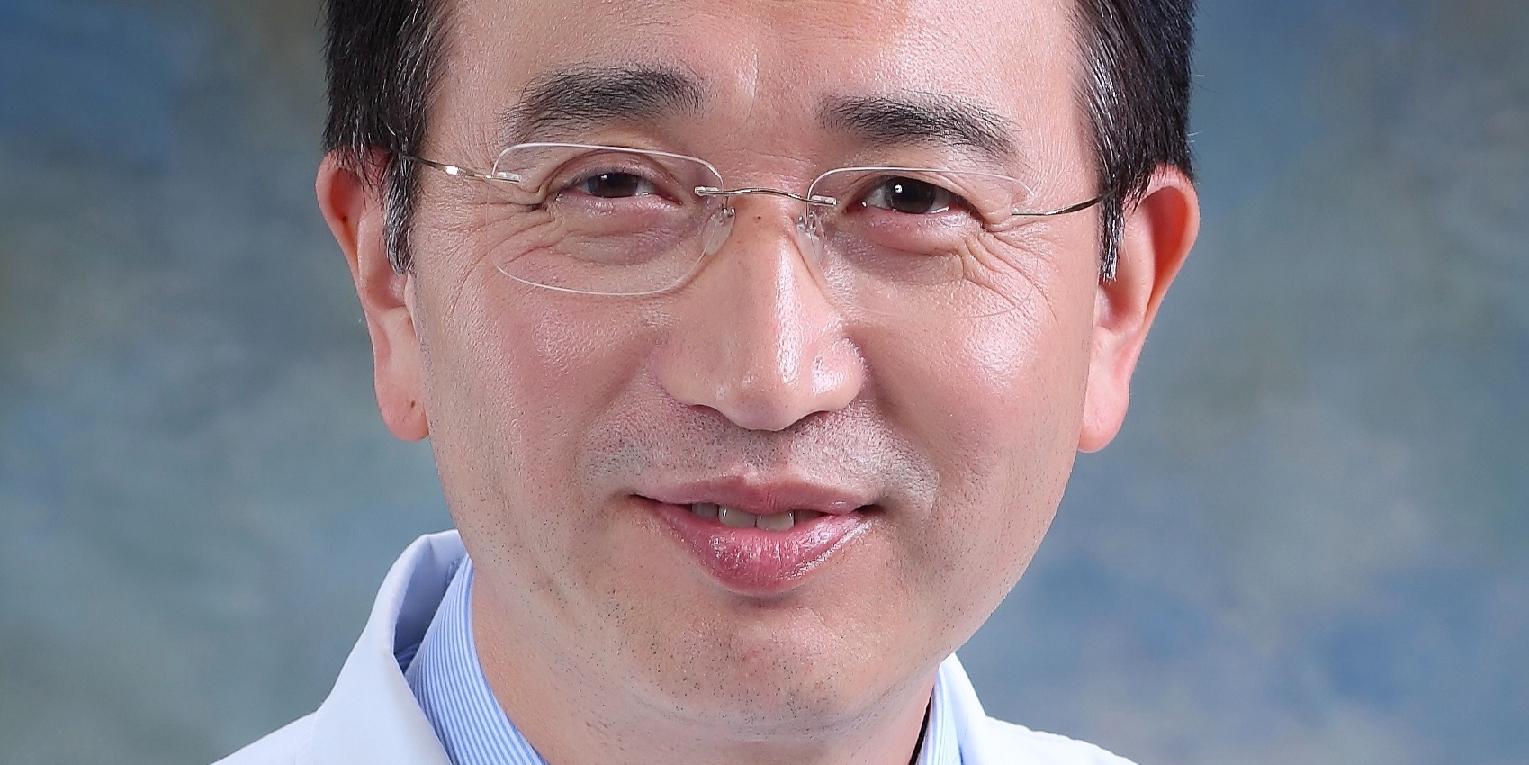
樊东升:早诊断、早治疗对渐冻症患者至关重要
Jing Ji Guan Cha Wang· 2025-09-05 08:35
Core Insights - Amyotrophic Lateral Sclerosis (ALS), commonly known as Lou Gehrig's disease, is characterized by the gradual loss of motor neurons in the brain and spinal cord, leading to muscle atrophy and loss of motor function, making it a neurodegenerative disease that is irreversible [1][2] Group 1: Disease Characteristics - ALS is often referred to as the "most cruel rare disease" because, unlike other neurodegenerative diseases such as Alzheimer's, patients retain cognitive and emotional functions while losing physical abilities, resulting in profound psychological pain [2] - The progression of ALS is rapid, with many patients having a life expectancy of only around five years post-diagnosis, making it more aggressive compared to other neurodegenerative diseases [3] Group 2: Available Treatments - Currently, there are limited treatment options for ALS, including riluzole from Sanofi, edaravone from Mitsubishi Pharma, and tofersen injection from Biogen, which is effective for only 2% of patients [3] Group 3: Patient Symptoms and Diagnosis - Early symptoms of ALS may include non-motor symptoms such as insomnia, anxiety, and weight loss, which can precede the onset of motor symptoms [4] - Early diagnosis is crucial, as it allows for timely treatment and can significantly extend survival rates; the average delay in diagnosis has decreased from 10-11 months to as little as 3-6 months due to increased awareness [4] Group 4: Disease Mechanisms and Risk Factors - The exact causes of ALS remain unclear, but several mechanisms have been proposed, including excessive neuronal excitation, insufficient energy metabolism, and oxidative stress [5][6] - Factors such as weight loss, high-altitude exposure, and physical or mental stress can exacerbate the condition, with studies indicating that rapid weight loss correlates with faster disease progression [6][7] Group 5: Misconceptions and Myths - There exists a condition known as "pseudo-ALS" or "ALS-like syndrome," which can be misdiagnosed as ALS but has identifiable causes and can be treated effectively [8] - The placebo effect is a significant concern in ALS treatment, as patients may perceive improvements that are not clinically substantiated [8] Group 6: Future Technologies - Brain-computer interfaces hold promise for improving the quality of life for ALS patients, particularly in late stages where communication becomes severely limited, potentially allowing patients to express thoughts and maintain a connection with the outside world [9]
遇见你丨“副驾驶坐的是我的家属” 这辆特殊的网约车满载着爱
Yang Shi Wang· 2025-08-04 22:07
Core Viewpoint - The story highlights the resilience and love of a couple, Wang Jie and Cui Wenjun, as they navigate life after Cui's diagnosis of ALS, with Wang becoming a ride-hailing driver to support the family while caring for her husband [1][19][39] Group 1: Personal Background - Wang Jie, 52, became a ride-hailing driver in March 2025 after her husband, Cui Wenjun, was diagnosed with ALS [1][19] - The couple had previously purchased an electric vehicle in 2019, with Cui as the primary driver until his health declined [7][19] - Cui's condition worsened over time, leading to a loss of mobility and independence, which prompted Wang to take over driving duties [9][15] Group 2: Daily Life and Adaptations - Wang Jie drives with her husband in the passenger seat, who provides navigation and support during rides [7][19] - They have created a sign in the car explaining Cui's condition to passengers, which has received positive responses [1][2][4] - Wang Jie and Cui have encountered many kind passengers who offer encouragement and support, enhancing their daily experience [22][24] Group 3: Community Support - The ride-hailing platform has made adjustments to better accommodate Wang Jie’s situation, including training and optimizing the app for her needs [26][30] - Local medical institutions have also provided assistance, including free monthly medical services for Cui [22][24] - The community has shown warmth and kindness, with passengers and organizations offering help and donations [22][32] Group 4: Future Aspirations - Wang Jie expresses a desire to continue driving and exploring new places with her husband, viewing their ride-hailing work as a new beginning [38][39] - The couple aims to maintain hope and positivity despite the challenges posed by Cui's illness, emphasizing the importance of family and support [34][39]

蔡磊妻子:我们会得罪很多人,所以有心理准备
Zhong Guo Xin Wen Wang· 2025-06-21 11:43
Core Viewpoint - The founders of the "Breaking the Ice Station" express their commitment to their mission despite facing criticism and challenges, particularly in their efforts to support research on ALS (Amyotrophic Lateral Sclerosis) [1][5]. Group 1: Company Development - "Breaking the Ice Station" has rapidly grown to over 5 million followers within three years, expanding its product categories from food to jewelry [2]. - The company operates in a highly competitive environment, where survival is a daily challenge, and only the top players thrive [2][3]. - The live streaming platform has diversified its offerings, including niche products like handmade cloisonné, despite the challenges of selling such items [3]. Group 2: Market Strategy - The entry into the jewelry market is driven by both market demand and personal interest, although it poses significant challenges in quality control and consumer trust [3][4]. - The founders acknowledge the potential backlash from competitors in the jewelry sector, indicating a readiness to face criticism [4]. Group 3: Research and Innovation - The team has begun utilizing AI technology to enhance research efficiency, significantly increasing their ability to analyze literature related to ALS [5]. - The company has positioned itself as a global center for ALS research, emphasizing collaboration and support for others in the field [5].
【够科普】同为肌肉严重无力,这三种罕见病大不同
Yang Shi Wang· 2025-06-21 10:15
Group 1: ALS (Amyotrophic Lateral Sclerosis) - ALS is a neurodegenerative disease with an increasing incidence rate in China, currently at 1.62 per 100,000 people, with nearly 24,000 new cases annually [2][3] - The average diagnosis time for ALS is between 10 months to 1 year, and the typical survival time after diagnosis is 3 to 5 years [2][3] - There are over 10 ALS treatment drugs in clinical trials, with some targeting specific genetic mutations like SOD1 [1][3] Group 2: Myasthenia Gravis (MG) - MG is an autoimmune disease with a prevalence of approximately 6.8 per million people in China, primarily affecting young women [5][6] - Recent advancements have led to the approval of targeted therapies for MG, with eight innovative biological drugs available, two of which are included in the medical insurance directory [6][7] - The quality of life for MG patients has improved significantly, with reduced medical burdens reported in recent studies [6][7] Group 3: Spinal Muscular Atrophy (SMA) - SMA is a highly fatal and disabling genetic disorder, with an incidence rate of about 1 in 10,000 newborns, and a carrier rate of approximately 2% in the general population [10][11] - The disease is categorized into four types based on age of onset and maximum motor function achieved, with Type I being the most severe [11] - Genetic screening is recommended for high-risk individuals to prevent the birth of affected children, although there is currently no mandatory screening for all pregnant women in China [12][13] Group 4: Rare Disease Landscape - Approximately 40% of the rare diseases listed are neurological disorders, which are the most numerous and complex among rare diseases [13] - There is a growing recognition of the potential for treatment and clinical cures for these neurological conditions, emphasizing the importance of awareness and understanding [13]
47岁蔡磊与渐冻症抗争6年,妻儿为其庆生,一周前刚获评“全国自强模范”
Xin Lang Cai Jing· 2025-05-25 08:22
Core Points - Cai Lei, a 47-year-old ALS fighter, celebrated his birthday with family, showcasing a supportive environment despite his health challenges [1][3] - He was awarded the title of "National Self-Reliance Model" on May 18, which he expressed as a significant honor for himself and the ALS community [3] - Cai Lei established the "Gradual Recovery Mutual Aid Home" and a gene sample bank for ALS research, contributing significantly to the understanding of the disease [3] - He has invested millions in ALS-related charitable initiatives, including the "Life Science Icebreaking Award" and "Icebreaking Scholarship" [3] Health and Technological Advances - As of December 30, 2024, Cai Lei's condition has severely deteriorated, yet he utilized AI technology to deliver a speech, highlighting advancements in ALS treatment [5] - He emphasized the potential of AI in discovering new treatment targets and drug candidates for ALS [5] - Cai Lei shared personal updates about his health, including significant weight loss and physical changes due to the disease [5][9] Family and Personal Life - Videos shared by Cai Lei depict heartwarming interactions with his son, showcasing moments of joy despite his condition [1][9] - His son, affectionately referred to as "Little Caizai," engages with him, indicating a strong family bond [9]

全球首例渐冻症患者接受洗涤菌群移植后延缓恶化进程
Xin Hua Ri Bao· 2025-05-20 22:01
Core Insights - The article discusses a groundbreaking case of using wash microbiota transplantation in a patient with amyotrophic lateral sclerosis (ALS), also known as Lou Gehrig's disease, which may offer new hope for patients suffering from this condition [1][4] Group 1: Medical Condition Overview - Amyotrophic lateral sclerosis (ALS) is a motor neuron disease characterized by the degeneration of motor neurons, leading to muscle weakness and atrophy, ultimately affecting movement, communication, swallowing, and breathing functions [1] - Most ALS patients typically succumb to respiratory muscle paralysis or lung infections within 3 to 5 years of diagnosis [1] Group 2: Patient Case Study - A 45-year-old patient, Ms. Feng, experienced rapid progression of ALS symptoms, including muscle stiffness and weakness, which severely impacted her quality of life [2] - After undergoing wash microbiota transplantation, Ms. Feng showed significant improvement in her condition, including alleviation of constipation and enhanced mobility [2] Group 3: Wash Microbiota Transplantation - Wash microbiota transplantation is a novel technique within the realm of fecal microbiota transplantation, aimed at rebuilding a healthy gut environment by transferring beneficial bacteria from a healthy donor to the patient [3] - The technique was developed by a team led by Professor Zhang, who has focused on fecal microbiota transplantation for over a decade, enhancing safety and control through an intelligent separation system [3] Group 4: Broader Implications and Future Prospects - Fecal microbiota transplantation has been used to treat over 80 diseases, including Clostridium difficile infection and inflammatory bowel diseases, and is now being explored for its potential effects on ALS [4] - The success of this case may pave the way for further applications of advanced technologies in treating ALS and improving communication for patients [4]