癌症早筛

Search documents
4000名投资者血本无归,港股最大造假?
凤凰网财经· 2025-11-01 10:31
Core Viewpoint - The article discusses the downfall of Nohui Health, once hailed as the "first stock in cancer early screening," culminating in its delisting after over 500 days of suspension due to financial fraud allegations and internal conflicts [4][5][6]. Group 1: Company Background and Rise - Nohui Health was founded in 2015 by three Peking University alumni, focusing on cancer early screening, particularly for colorectal cancer, addressing a significant market need in China [23][24][25]. - The company launched its first product, "Changweiqing," a non-invasive home testing kit for colorectal cancer, in 2016, which gained attention and led to multiple rounds of financing, achieving a valuation exceeding $500 million by 2020 [25][26]. - Nohui Health went public on the Hong Kong Stock Exchange in February 2021, raising approximately HKD 2 billion and reaching a market capitalization of over HKD 41 billion on its debut [26][27]. Group 2: Financial Fraud Allegations - In August 2023, a short-selling report by CapitalWatch accused Nohui Health of inflating revenues by over CNY 300 million in 2022 through questionable sales practices, revealing that actual sales might have been only CNY 76.95 million [8][6]. - The report detailed that Nohui Health's revenue recognition practices involved recognizing sales from expired products, creating a misleading picture of sales growth [8][10]. - Deloitte's refusal to endorse Nohui Health's financial statements in March 2024 raised further concerns, leading to the company's suspension from trading [12][13][15]. Group 3: Internal Conflicts and Leadership Changes - Following the financial scandal, Nohui Health's internal power structure began to collapse, culminating in the resignation of CEO Zhu Yeqing in December 2024 due to health reasons and subsequent removal from the board [19][20][22]. - The board's decision to remove Zhu Yeqing indicated significant disagreements regarding management style and corporate governance [19][21]. Group 4: Investor Impact and Market Reaction - Nohui Health's delisting on October 27, 2023, resulted in a market capitalization loss of over HKD 33.6 billion, leaving investors with a valuation of just HKD 0.01 [30][31][32]. - The complex corporate structure of Nohui Health, registered in the Cayman Islands and listed in Hong Kong, has complicated the legal recourse for investors seeking compensation [32][34]. - Over 4,000 individual investors have registered for potential claims, with total investments exceeding CNY 700 million, highlighting the widespread financial damage caused by the company's collapse [34][35].


艾米森冲港股年营收不足千万元 关联交易撑起半边天
Zhong Guo Jing Ji Wang· 2025-10-30 02:57
Core Viewpoint - The company, Wuhan Aimesen Life Science Technology Co., Ltd. (referred to as "Aimesen"), has submitted an IPO application to the Hong Kong Stock Exchange, but its revenue remains below 10 million yuan, heavily reliant on related party transactions for income [1][6]. Financial Performance - Aimesen's revenue for 2023, 2024, and the first half of 2025 is projected to be 6.233 million yuan, 7.238 million yuan, and 6.513 million yuan respectively, with a year-on-year growth of 103% in the first half of 2025, yet still under 10 million yuan overall [1]. - The company reported net losses of 67.922 million yuan, 38.63 million yuan, and 13.906 million yuan during the same periods, indicating a narrowing loss but still a high loss rate, with an operating loss rate of 328.7% in 2024 [1]. Customer Base - The largest customer for Aimesen in both 2023 and 2024 is Wuhan Aino Medical Laboratory, fully owned by the company's executive director and controlling shareholder, Zhang Lianglu, which accounted for 44.5% of total revenue in 2023 and increased to 52.1% in 2024 [2]. - Aimesen's second major customer is the listed company Capbio, which is also a shareholder, contributing 8.9% of revenue in 2023 and 9.3% in 2024 [5]. - Overall, over 60% of Aimesen's revenue in 2023 and 2024 comes from related parties or shareholder-backed institutions [6].
买公厕粪便造假,明星公司栽了
Guan Cha Zhe Wang· 2025-10-27 13:16
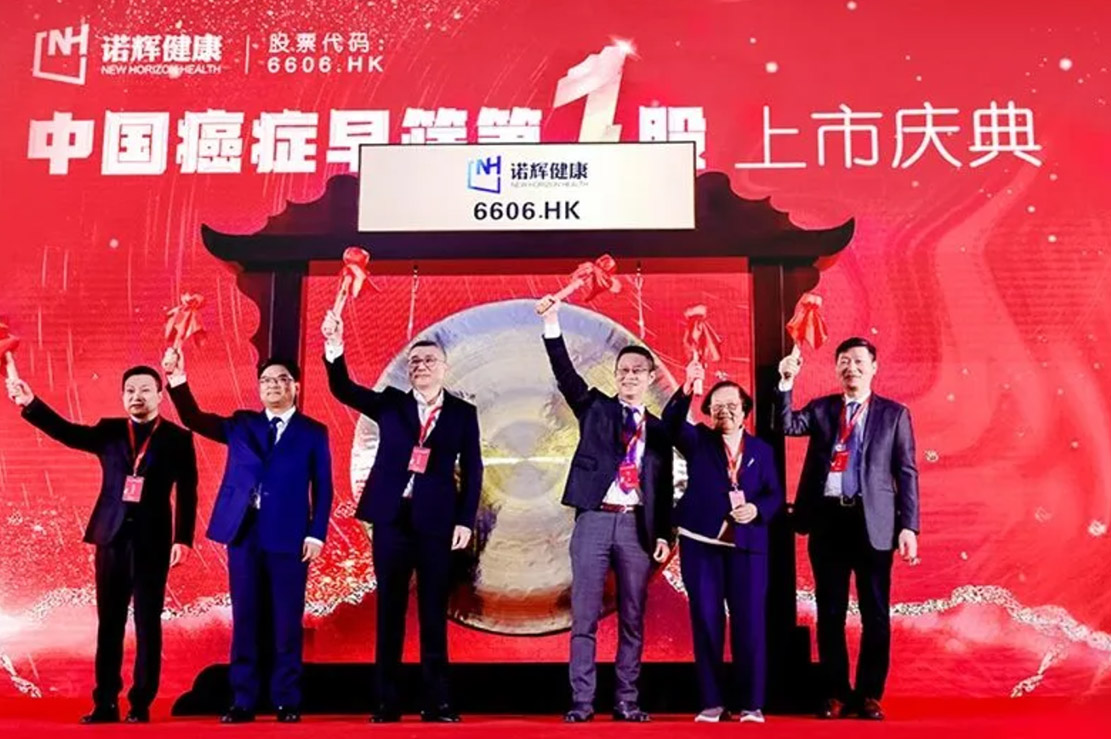
Core Viewpoint - The recent announcement by the Hong Kong Stock Exchange regarding the delisting of Nohow Health marks a significant development in a three-year financial controversy surrounding the company, which was once hailed as a leader in cancer early screening in China [1][4]. Company Overview - Nohow Health was founded in 2015 in Hangzhou, focusing on at-home early screening for high-incidence cancers such as colorectal and gastric cancer, allowing users to collect stool samples without hospital visits [1][3]. - The company went public on the Hong Kong Stock Exchange in 2021, achieving a market capitalization exceeding HKD 30 billion on its first day, representing a pivotal moment for the cancer early screening industry in China [1][3]. Financial Performance - In the first half of 2023, Nohow Health reported a revenue of CNY 770 million for 2022, reflecting a year-on-year increase of 259.5%, with its core product "Changweiqing" contributing CNY 360 million, a growth of 266.2% [3][4]. Controversy and Allegations - In August 2023, a short-selling report accused Nohow Health of financial fraud, claiming discrepancies between reported revenues and actual sales figures, with the report suggesting that the company's sales were inflated by nearly nine times [4][5]. - Following the allegations, the auditing firm Deloitte raised concerns about the authenticity of Nohow Health's sales, leading to the company's suspension from trading in March 2024 [4][5]. Market Challenges - Despite being a leading company in the early screening sector, Nohow Health's aggressive tactics may be linked to its business model, which aims to position cancer screening products as "fast-moving consumer medical products" [5][6]. - The market for cancer early screening in China remains underdeveloped, with a lack of public awareness and acceptance, compounded by high costs and limited access to hospitals [6][7]. Product and Market Position - Nohow Health's flagship product "Changweiqing" is the first officially approved colorectal cancer screening product in China, yet it has only penetrated approximately 26 hospitals, serving around 6,000 patients, with less than 6% of sales coming from public hospitals [6][7].
起底买环卫工粪便造假的“癌症早筛第一股”,幸亏中国医保没买单
Guan Cha Zhe Wang· 2025-10-24 13:22
Core Viewpoint - The article reveals the extensive financial fraud at Nohui Health, a leading cancer early screening company in China, which has led to its impending delisting and potential bankruptcy due to systematic data falsification [1][5][10]. Group 1: Company Background and Operations - Nohui Health was established in November 2015, focusing on home early screening products for high-incidence cancers, with significant market potential projected to grow from $18.4 billion in 2019 to $28.9 billion by 2030 [12]. - The company's core product, Changweiqing, received approval in November 2020, claiming a sensitivity of 95.5% for colorectal cancer detection [12][14]. - Nohui Health went public on February 18, 2021, raising HKD 2 billion, with its stock price soaring over 200% on the first day, reaching a market capitalization of over HKD 30 billion [14]. Group 2: Fraudulent Practices - The company engaged in fraudulent practices by purchasing fecal samples from sanitation workers and splitting samples among multiple fake testing accounts to inflate sales figures [1][7]. - Sales personnel were encouraged to provide test kits to distributors without upfront payment, leading to a cycle of falsified sales reports and inflated revenue [7][8]. - A report indicated that Nohui Health's actual sales for 2022 were only CNY 76.95 million, a staggering 90% less than the reported CNY 765 million, highlighting the extent of the deception [8]. Group 3: Financial Consequences and Market Impact - Following the exposure of the fraud, Nohui Health's stock was suspended for 18 months, leading to a forced delisting announcement on October 22, 2025 [2][5][10]. - The company's valuation plummeted, with estimates dropping to HKD 0.01, nearly reaching zero, as major investors were forced to repeatedly downgrade their valuations [9]. - The fraudulent activities not only harmed investors but also jeopardized the future of the entire cancer early screening industry in China, potentially raising barriers for other companies seeking to enter the market [18].
诺辉健康退市警示录:从“早筛第一股”到“粪便造假”,资本狂欢下的风险失控
Xin Lang Zheng Quan· 2025-10-24 07:13
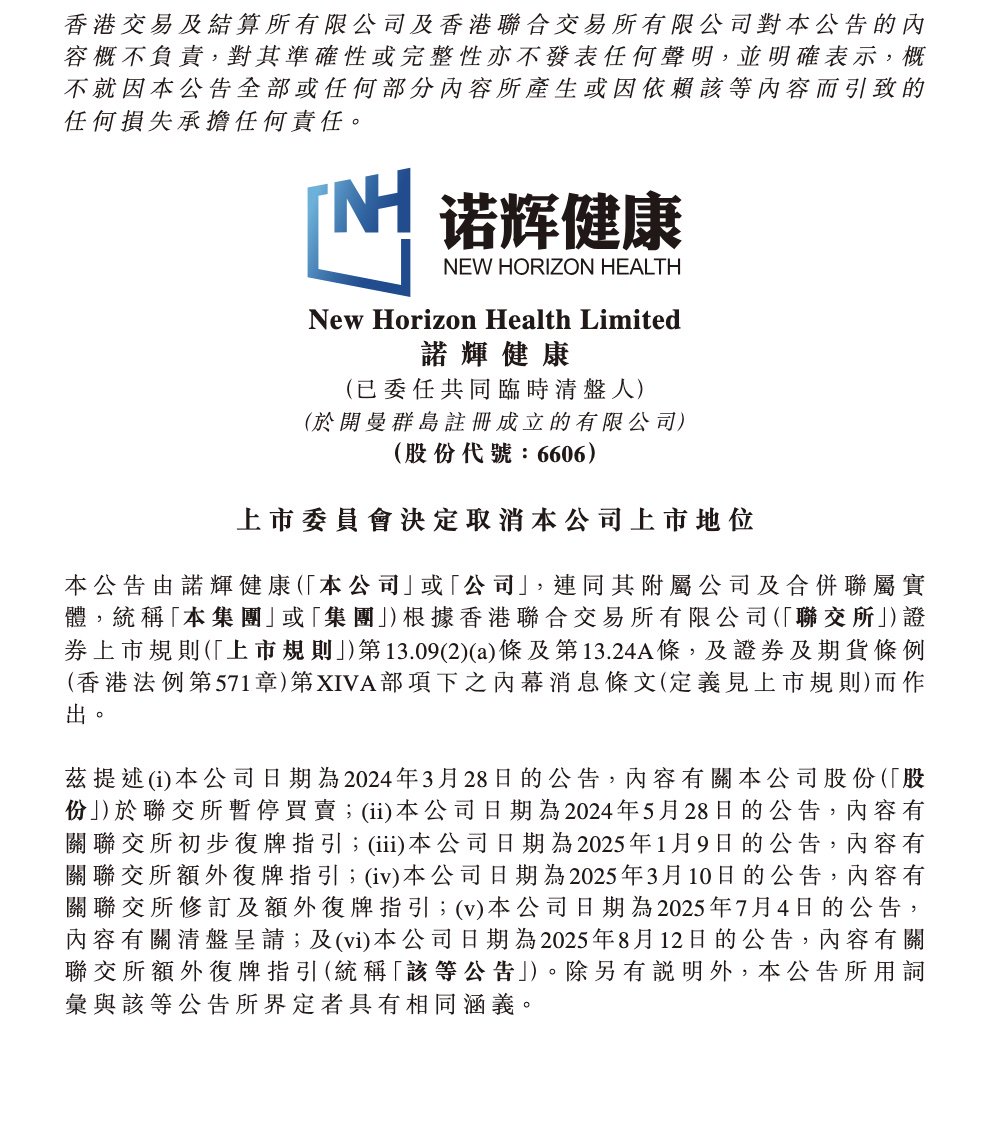
Core Viewpoint - The downfall of Nohui Health, once hailed as "China's first cancer early screening stock," highlights a broader crisis of capital frenzy, governance failure, and industry trust issues, culminating in its delisting from the Hong Kong Stock Exchange effective October 27, 2025 [1] Company Overview - Nohui Health was established in 2015 and went public on the Hong Kong Stock Exchange in 2021, quickly becoming a darling of investors with products for early screening of colorectal and gastric cancers [2] - At its peak, the company's stock price reached 89.65 HKD, with a market capitalization exceeding 40 billion HKD [2] - The company reported impressive financials, with 2022 revenue of 765 million CNY, a year-on-year increase of 259.5%, and 2023 H1 revenue of 823 million CNY, surpassing the previous year's total [2] Governance and Audit Issues - In March 2024, Deloitte, the auditing firm, unexpectedly refused to endorse Nohui Health's 2023 financial statements, raising concerns about the authenticity of sales data [3] - Following the audit controversy, the company faced significant management upheaval, with the CFO and other executives resigning, and the founder and CEO stepping down in December 2024 due to governance discrepancies [3] Fraud Allegations - In October 2025, media reports revealed shocking details of fraud, including the purchase of public toilet feces for testing samples and the creation of multiple fake accounts to inflate testing data [4] - These actions severely undermined the credibility of its core product, "Changweiqing," which is set to expire in November 2025 [4] Industry Impact - The Nohui incident has led to increased caution among investors in the early screening sector, with venture capitalists categorizing "non-blood early screening" as a "red light" area, effectively halting new investments [5] - In Q1 2025, private equity financing in the IVD sector plummeted by over 40%, indicating a chilling effect on the industry [5] Industry Reflection - Despite the potential of the early screening market, the collapse of Nohui Health serves as a warning that the medical industry requires genuine technological advancement rather than speculative capital games [6] - The industry is in urgent need of stricter regulatory mechanisms, more transparent data verification systems, and robust business models [6] - Nohui Health has entered temporary liquidation, with investors facing significant losses and the company's valuation nearing zero, marking a pivotal moment for the industry to return to rationality [6]
竟然用公厕粪便造假 诺辉退市启示录
Jing Ji Guan Cha Wang· 2025-10-24 05:11
Core Viewpoint - Nohui Health, once hailed as "China's first cancer early screening stock," has announced its delisting after over 500 days of suspension due to failure to meet resumption guidelines, reflecting severe issues within the IVD industry [1] Company Overview - Nohui Health was founded in 2015 by three graduates from Peking University, focusing on the early screening market for high-incidence cancers [2] - The company's core products include "Changweiqing" and "Pupuguan," specifically designed for China's 120 million high-risk colorectal cancer population [2] - In November 2020, Nohui Health achieved a significant milestone by obtaining the first approval for cancer early screening products in China [2] Financial Performance - Nohui Health raised over $100 million through seven rounds of investment from various VC/PE firms between 2015 and 2021 [3] - The company went public on the Hong Kong Stock Exchange in February 2021, with a market value exceeding HKD 30 billion at its peak [3] - In 2022, Nohui Health reported revenue of CNY 765 million, a year-on-year increase of 259.5%, and in the first half of 2023, revenue reached CNY 823 million, surpassing the total for 2022 [3] Downfall and Controversies - Allegations of financial data fraud surfaced in August 2023, claiming that the actual sales figures were significantly lower than reported [4][5] - Reports indicated that Nohui Health engaged in unethical practices, such as purchasing human waste for testing samples and falsifying data [4] - Following the fraud allegations, the company's market value plummeted to HKD 6.345 billion, leading to a suspension of trading [5] Industry Implications - Nohui Health's downfall highlights critical vulnerabilities in the IVD industry, including unsustainable business models and unverified clinical value [6][7] - The IVD sector is currently facing a "winter" characterized by supply-demand imbalances, intensified competition, and a retreat of capital investment [6][7] - The first half of 2025 saw a dramatic decline in private financing for IVD companies, with a drop of over 40% year-on-year [7]
诺辉健康下周一退市,成港股18A首家被强制退市的Biotech
Di Yi Cai Jing· 2025-10-24 03:40
Core Insights - Nohui Health is set to be delisted from the Hong Kong Stock Exchange on October 27, 2023, after failing to meet the resumption guidelines by the September 27 deadline [2][3] - The company has faced significant scrutiny regarding its financial practices, including allegations of revenue inflation and sales authenticity issues [3][4] - The expiration of the National Medical Products Administration registration certificate for its main revenue-generating product, Changweiqing, is approaching on November 8, 2023 [5] Company Overview - Nohui Health was established in Hangzhou, Zhejiang in 2015 and became the first Chinese cancer early screening stock listed on the Hong Kong Stock Exchange in 2021 [3] - The company’s primary product, Changweiqing, received approval for domestic market launch in November 2020, amidst challenges faced by competitors in obtaining clinical product certifications [2] Financial and Market Performance - In August 2023, Nohui Health faced a short-selling report from Capitalwatch, which claimed that the company had inflated its sales revenue by 90% through inventory manipulation [3] - The company had projected its first profitable year in 2023, but subsequent negative developments led to a suspension of its stock and delays in financial reporting [3][4] - As of March 2024, Deloitte refused to endorse Nohui Health's financial statements, raising further concerns about the authenticity of its sales [4] Valuation Adjustments - Multiple fund companies have drastically reduced their valuations of Nohui Health, with some estimating the stock at nearly zero, such as Xinyi Fund and Ping An Fund, both adjusting their valuations to HKD 0.01 per share [6]
癌症早筛公司艾米森IPO:营收额不足千万靠缩减费用减亏 关联方或股东贡献超6成营收
Xin Lang Zheng Quan· 2025-10-24 02:40
Core Viewpoint - Wuhan Aimesen Life Science Technology Co., Ltd. has submitted its prospectus to the Hong Kong Stock Exchange, aiming to become a leader in early cancer screening, but faces significant challenges including low revenue, high losses, and reliance on related party transactions [1][2][3]. Financial Performance - Aimesen's revenue for 2023, 2024, and the first half of 2025 was 6.233 million, 7.238 million, and 6.513 million yuan respectively, with a year-on-year growth of 103% in the first half of 2025, yet overall revenue remains below 10 million yuan [1][2]. - The company reported net losses of 67.922 million, 38.63 million, and 13.906 million yuan for the same periods, with a high operating loss rate of 328.7% in 2024 [2]. - Aimesen has reduced its operating expenses, with total expenses decreasing by 36.42% in 2024 compared to 2023, and further declining by 38.63% in the first half of 2025 compared to the same period in 2024 [2]. Customer Structure - The largest customer, Wuhan Aino Medical Laboratory, accounted for 44.5% and 52.1% of Aimesen's total revenue in 2023 and 2024, respectively, raising concerns about revenue sustainability due to high reliance on related party transactions [2][3]. - The second-largest customer, Cap Bio, contributed 8.9% and 9.3% of revenue in 2023 and 2024, respectively, indicating that over 60% of Aimesen's revenue comes from related parties or shareholders [3]. Product Development and Market Challenges - Aimesen has over 20 cancer screening products, with five approved as Class III medical devices, but these products are primarily for symptomatic patients rather than healthy individuals [4][6]. - New regulatory standards for cancer screening products require evidence of benefits in reducing cancer mortality and multi-center clinical trials, which Aimesen currently lacks [6]. - The market penetration for liver cancer screening in China is only 0.7%, and for urinary tract cancer screening, it is as low as 0.5%, indicating a significant challenge in consumer acceptance and willingness to pay for early screening [6]. Industry Context - The early cancer screening industry is characterized by high investment and slow returns, with market acceptance being a critical factor for development [6]. - The recent financial scandal involving Nohui Health, a leading company in the early screening sector, has damaged industry credibility and may lead to stricter scrutiny from capital markets [7].
“早筛第一股”诺辉健康退市在即
2 1 Shi Ji Jing Ji Bao Dao· 2025-10-23 23:41
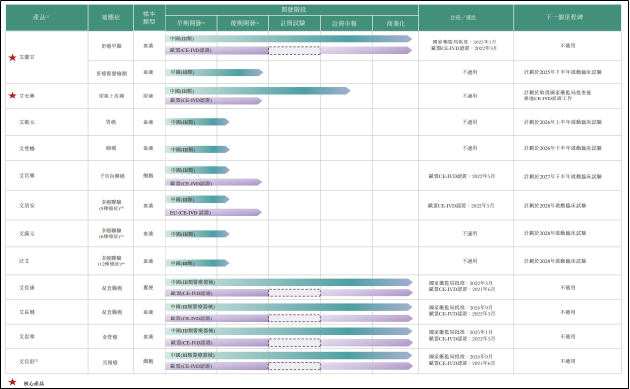
Core Viewpoint - Nohow Health, once hailed as "China's first cancer early screening stock," is set to be delisted from the Hong Kong Stock Exchange due to failure to comply with resumption guidelines, marking a significant collapse in both capital and industry trust [1][4]. Company Summary - Nohow Health was established in 2015 and went public in February 2021, initially seeing its stock price soar to 89.65 HKD, with a market capitalization exceeding 40 billion HKD [2]. - The company reported impressive financials, with 2022 revenue at 765 million CNY, a 259.5% year-on-year increase, and 2023 H1 revenue at 823 million CNY, surpassing the previous year's total [2]. - A short-selling report in August 2023 accused Nohow Health of inflating revenue through "channel stuffing," revealing that the actual sales for 2022 were only 76.95 million CNY, nearly nine times lower than reported [2][3]. - Following management's strong denial of the allegations, the auditing firm Deloitte withdrew its endorsement of the 2023 financial statements, leading to a suspension of trading [3]. - The company faced significant management upheaval, with key executives resigning, including the founder and CEO due to health reasons [3][4]. - Nohow Health's fraudulent practices included purchasing human waste for testing samples, severely undermining the credibility of its core product [4]. Industry Summary - The colorectal cancer screening market in China is expanding, with a market size reaching approximately 2.954 billion CNY in 2023, driven by factors such as an aging population and increased health awareness [5]. - The market for molecular screening technologies is also growing, with a size of about 596 million CNY in 2023, indicating a broad potential for development in this sector [5]. - The fallout from Nohow Health's scandal has exposed vulnerabilities in the industry, such as the lack of sustainable funding and the premature commercialization of clinical technologies [6]. - The investment landscape for non-blood early screening technologies has become increasingly cautious, with a significant decline in private equity financing for the IVD sector, dropping over 40% year-on-year in Q1 2025 [6].
从早筛第一股到粪便造假,昔日400亿巨头退市在即
21世纪经济报道· 2025-10-23 13:26
Core Viewpoint - The article discusses the downfall of Nohui Health, once hailed as "China's first cancer early screening stock," which faced delisting from the Hong Kong Stock Exchange due to fraudulent activities, including the purchase of human waste for testing samples, leading to a significant loss of investor trust and impacting the entire IVD industry negatively [5][11]. Company Summary - Nohui Health was established in 2015 and went public in February 2021, initially achieving a market capitalization exceeding 40 billion HKD with a peak stock price of 89.65 HKD [8]. - The company reported impressive revenue growth, with 2022 revenue at 765 million CNY, a 259.5% increase year-on-year, and 2023 H1 revenue at 823 million CNY, surpassing the previous year's total [8]. - However, a short-seller report in August 2023 revealed that the actual sales figures were significantly lower, with a reported sales figure of only 76.95 million CNY for 2022, indicating potential systematic fraud [8][11]. - Following the report, Nohui Health faced a series of management upheavals, including the resignation of its CEO due to health reasons, and ultimately failed to submit a revival plan, leading to its delisting on October 22, 2025 [9][10][11]. Industry Impact - The scandal surrounding Nohui Health has cast a shadow over the entire IVD industry, highlighting vulnerabilities such as the lack of sustainable funding and the premature commercialization of clinical technologies [6][14]. - The colorectal cancer screening market in China is projected to grow, with a market size of approximately 2.954 billion CNY in 2023, driven by factors like aging population and increased health awareness [13]. - However, the negative fallout from Nohui's actions has led to a significant decline in venture capital investment in non-blood early screening technologies, with a reported over 40% drop in private financing in the first quarter of 2025 [14].