
科技强国建设

Search documents
研究与试验发展(R&D)经费投入稳定增长投入强度较快提升
Guo Jia Tong Ji Ju· 2025-10-09 01:21
Core Insights - The total R&D expenditure in China for 2024 is projected to exceed 3.6 trillion yuan, marking an 8.9% increase from the previous year, indicating a stable growth trend in R&D investment [2] - China ranks second globally in R&D expenditure, following the United States, and has a higher growth rate than major economies [2] - The R&D expenditure intensity (R&D expenditure as a percentage of GDP) is 2.69%, up by 0.11 percentage points from the previous year, reflecting a faster increase than the average since the 14th Five-Year Plan [2] R&D Expenditure Breakdown - In 2024, R&D expenditures from enterprises, government research institutions, and higher education institutions are 28,211.6 billion yuan, 4,231.6 billion yuan, and 3,065.5 billion yuan respectively, with growth rates of 8.8%, 9.7%, and 11.3% [3] - Enterprises contribute over 75% of total R&D funding, with a contribution rate of 77.1% to the overall growth of R&D expenditure [3] - High-tech manufacturing and equipment manufacturing sectors show R&D expenditure growth rates of 10.2% and 10.5%, respectively, outpacing the overall growth rate [3] Basic Research Investment - Basic research funding reached 250.09 billion yuan, with a growth rate of 10.7%, while applied research and experimental development funding grew by 17.6% and 7.6% respectively [4] - The proportion of basic research funding in total R&D expenditure is 6.88%, the highest in history, with government research institutions and universities contributing significantly to this growth [4] Fiscal Support and Tax Incentives - National fiscal science and technology expenditure for 2024 is 12,629.2 billion yuan, a 5.3% increase from the previous year, focusing on basic research and scientific research facilities [5] - Tax incentives for R&D have led to a 16.7% increase in the number of enterprises benefiting from R&D expense deductions and a 25.5% increase in the amount of expenses claimed compared to 2021 [5] Regional Development and Innovation - R&D expenditures in eastern, central, western, and northeastern regions of China are 23,773.0 billion yuan, 6,582.1 billion yuan, 4,759.8 billion yuan, and 1,211.9 billion yuan respectively, all showing significant growth [7] - Key regions like Beijing, Shanghai, and Guangdong have R&D expenditures exceeding 5,000 billion yuan, highlighting their role as innovation hubs [7] - The Yangtze River Economic Belt and Yellow River Basin regions also show robust R&D expenditure growth, indicating effective regional collaboration in innovation [7]
强化科技人才引擎 激活创新发展动能
Ke Ji Ri Bao· 2025-09-30 01:30
Core Insights - Talent is the foundation of innovation, and during the "14th Five-Year Plan" period, China's technological achievements have significantly improved, with the national comprehensive innovation capability ranking rising from 14th in 2020 to 10th in 2024 [1] Group 1: Achievements in Talent Development - The scale of the scientific and technological talent workforce has steadily expanded, with R&D personnel increasing from 7.553 million in 2020 to 10.225 million in 2023, a growth of 35.4%, maintaining the world's largest number [2] - The structure of the scientific and technological talent workforce has been optimized, with over 80% of participants in national key R&D programs being under 45 years old, and significant growth in talent in central and western regions [2] - The innovation capability of scientific and technological talent has continuously enhanced, with the number of high-citation scientists in mainland China increasing from 770 in 2020 to 1,405 in 2024, representing a global share increase from 12.1% to 20.4% [3] Group 2: System and Mechanism Improvements - The development system and mechanism for scientific and technological talent have become more robust, with ongoing reforms in talent evaluation and compensation systems, focusing on innovation capability and contributions [4] - The legal framework for talent development has been strengthened, with revisions to laws enhancing the legal basis for talent construction and promoting a respectful environment for knowledge and innovation [5] Group 3: Future Focus Areas - To address challenges in talent development, emphasis will be placed on improving talent cultivation capabilities aligned with innovation needs, optimizing educational structures, and fostering interdisciplinary skills [6][7] - A systematic support framework for scientific and technological talent will be established, ensuring stable and continuous policy and funding support, particularly for young talent [7] - Continuous improvement of talent evaluation and incentive mechanisms will be pursued, focusing on innovation quality and contributions, while reducing non-research burdens on researchers [8]
国家统计局:研究与试验发展经费投入稳定增长 投入强度较快提升
Sou Hu Cai Jing· 2025-09-29 07:57
Core Insights - The total R&D expenditure in China for 2024 is projected to exceed 3.6 trillion yuan, marking an 8.9% increase from the previous year, indicating a stable growth trend in R&D investment [2] - China's R&D expenditure intensity is expected to reach 2.69% of GDP in 2024, up by 0.11 percentage points from the previous year, reflecting a faster increase compared to the average growth rate since the 14th Five-Year Plan [2] R&D Expenditure Growth - R&D expenditure from enterprises, government research institutions, and higher education institutions for 2024 is projected at 28,211.6 million yuan, 4,231.6 million yuan, and 3,065.5 million yuan respectively, with growth rates of 8.8%, 9.7%, and 11.3% [3] - Enterprises contribute over 75% of total R&D funding, with a contribution rate of 77.1%, making them the primary driver of R&D growth in China [3] Basic Research Investment - Basic research funding is expected to reach 250.09 billion yuan in 2024, growing by 10.7%, and its share of total R&D expenditure has reached a historical high of 6.88% [4] - Government research institutions and higher education institutions are the main contributors to basic research funding, accounting for 52.0% and 40.0% of the growth respectively [4] Fiscal Support for R&D - National fiscal expenditure on science and technology is projected to be 12,629.2 million yuan in 2024, an increase of 5.3% from the previous year, focusing on basic research and scientific research plans [5] - Tax incentives for R&D have shown effectiveness, with the number of enterprises benefiting from R&D expense deductions increasing by 16.7% compared to 2021 [5] Regional Development and Innovation - R&D expenditure in various regions, including East, Central, West, and Northeast China, is expected to grow at rates of 9.0%, 8.4%, 9.2%, and 8.6% respectively in 2024 [7] - Key regions such as Beijing, Shanghai, and Guangdong are leading in R&D expenditure, with Guangdong surpassing 500 billion yuan [7][8]
国家统计局:进一步拓宽R&D经费筹集渠道,巩固深化税费减免等相关政策成效
Sou Hu Cai Jing· 2025-09-29 07:24
Core Insights - The total R&D expenditure in China for 2024 is projected to exceed 3.6 trillion yuan, reaching 36,326.8 billion yuan, marking an 8.9% increase from the previous year, indicating a stable growth trend [1] - China's R&D expenditure intensity is 2.69% of GDP, up by 0.11 percentage points from last year, reflecting a faster increase compared to the average growth rate since the 14th Five-Year Plan [1] Group 1: R&D Expenditure Growth - R&D expenditure from enterprises, government research institutions, and higher education institutions for 2024 is 28,211.6 billion yuan, 4,231.6 billion yuan, and 3,065.5 billion yuan respectively, with growth rates of 8.8%, 9.7%, and 11.3% [2] - Enterprises contribute over 75% of total R&D funding, accounting for 77.1% of the overall growth, making them the primary driver of R&D expenditure in China [2] Group 2: Basic Research Investment - Basic research funding reached 2500.9 billion yuan in 2024, growing by 10.7%, with its share of total R&D expenditure rising to 6.88%, the highest in history [3] - Government research institutions and higher education contribute 52.0% and 40.0% to the growth of basic research funding respectively [3] Group 3: Fiscal Support and Tax Incentives - National fiscal science and technology expenditure for 2024 is 12,629.2 billion yuan, an increase of 633.3 billion yuan or 5.3% from the previous year, focusing on basic research and scientific facilities [4] - Tax incentives for R&D have led to a 16.7% increase in the number of enterprises benefiting from R&D expense deductions compared to 2021 [4] Group 4: Regional Development - R&D expenditure in eastern, central, western, and northeastern regions for 2024 is 23,773.0 billion yuan, 6,582.1 billion yuan, 4,759.8 billion yuan, and 1,211.9 billion yuan respectively, with all regions showing rapid growth [5] - Key regions like Beijing and the Yangtze River Delta are leading in R&D expenditure, with significant contributions to national innovation [5] Group 5: Overall R&D Landscape - In 2024, 12 provinces have R&D expenditures exceeding 100 billion yuan, with 6 provinces surpassing 200 billion yuan, maintaining the previous year's figures [6] - Seven provinces exceed the national average R&D expenditure intensity, collectively accounting for 55.7% of the national total [6]
《中国区域科技创新评价报告2025》发布
Ke Ji Ri Bao· 2025-09-21 03:13
Core Insights - The report titled "China Regional Science and Technology Innovation Evaluation Report 2025" indicates that China's comprehensive science and technology innovation level score is 80.20, an increase of 1.77 from the previous year, reflecting growth in innovation input, output, and high-tech industries, which effectively promote economic and social development [1][3]. Group 1: Regional Innovation Levels - Six provinces and municipalities, including Shanghai, Beijing, Jiangsu, Guangdong, Zhejiang, and Tianjin, lead the nation in comprehensive science and technology innovation levels, with their innovation hubs continuing to enhance collaborative development [3][6]. - The report categorizes 31 regions into three tiers based on their innovation scores: - First tier: Regions scoring above the national average (80.20), including Shanghai, Beijing, Jiangsu, Guangdong, Zhejiang, and Tianjin [6]. - Second tier: Regions scoring below the national average but above 50, including Hubei, Chongqing, Anhui, Shaanxi, and Sichuan [6]. - Third tier: Regions scoring below 50, including Xinjiang, Qinghai, and Tibet [6]. Group 2: Regional Highlights - The Yangtze River Delta is emerging as a leader in China's technological innovation, with Shanghai ranking first nationally and Jiangsu and Zhejiang also showing significant improvements in their rankings [6][7]. - Guangdong ranks fourth nationally in comprehensive science and technology innovation, maintaining the top position in innovation promotion and second in innovation input [6][7]. - The report highlights the continuous improvement of the innovation environment in the Yellow River Basin, with collaborative efforts among nine provinces to enhance technology resource sharing and application [7].


科技部部长阴和俊:未来五年是极具挑战的五年,也是前景广阔、大有可为的五年
Ke Ji Ri Bao· 2025-09-19 07:23
Core Viewpoint - The Ministry of Science and Technology emphasizes five key areas of focus for the "14th Five-Year Plan" period, highlighting the importance of technological innovation and integration with industry [1] Group 1: Key Focus Areas - Strengthening original and leading technological breakthroughs is a primary goal for the upcoming five years [1] - Promoting deep integration of technological innovation and industrial innovation is essential for future growth [1] - Advancing education and talent development in science and technology is a critical component of the strategy [1] - Continuous deepening of the reform of the scientific and technological system is necessary to enhance efficiency and effectiveness [1] - Building a globally competitive open innovation ecosystem is a strategic priority for the next five years [1] Group 2: Future Outlook - The next five years are described as both challenging and full of potential, indicating a strong commitment to progress in building a technologically strong nation [1] - The Ministry expresses determination to work hard, overcome difficulties, and strive for decisive progress in the construction of a technology-driven country [1]
美国再次一票否决安理会加沙决议草案;香港黄金抢劫案7名嫌疑人被曝落网;育儿补贴新规出台:骗取、冒领将被追责丨早报
Di Yi Cai Jing· 2025-09-19 00:29
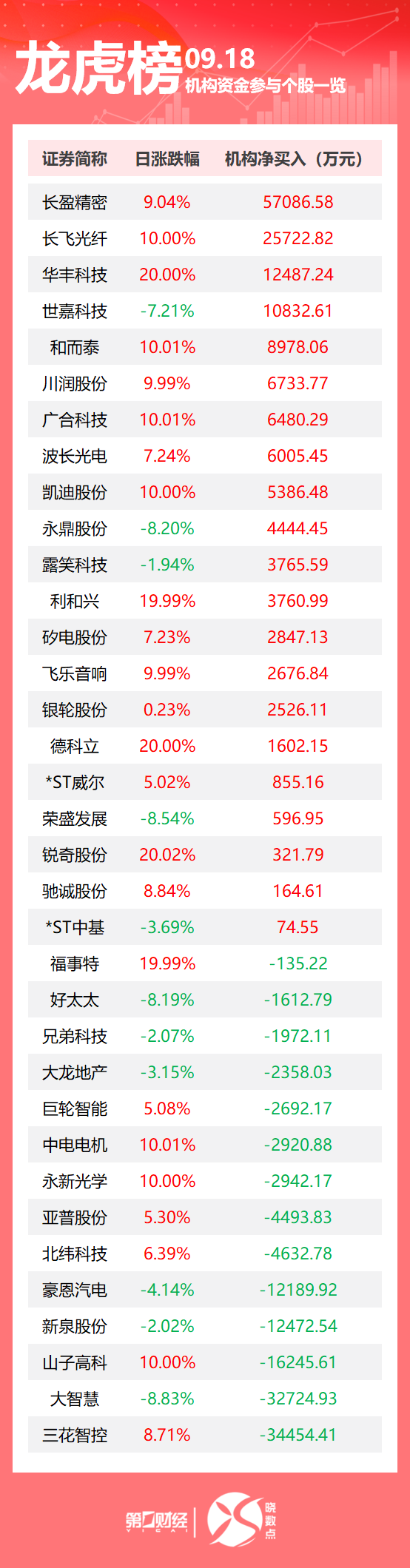
Group 1 - The United States vetoed a UN Security Council resolution regarding a ceasefire in Gaza, with 14 votes in favor and one against [2] - The resolution was proposed by 10 non-permanent members of the Security Council [2] Group 2 - A major gold heist occurred in Hong Kong, with thieves stealing gold worth approximately 57 million HKD and cash [3] - Seven suspects have been arrested, and all stolen gold has been recovered [3] Group 3 - New regulations for childcare subsidies have been introduced in China, emphasizing accountability for fraudulent claims [4] - The regulations require strict supervision and management of subsidy distribution [4] Group 4 - Chinese companies, including Alibaba and ByteDance, reportedly halted orders for NVIDIA RTX Pro 6000D chips, leading to disappointment from NVIDIA's CEO [5] - The Chinese government expressed a commitment to maintaining stable global supply chains and opposed discriminatory practices in trade and technology [5] Group 5 - China's foreign trade in Shenzhen reached 2.96 trillion CNY in the first eight months of the year, maintaining its position as the leading city for foreign trade in mainland China [7][8] - Exports decreased by 4.8% to 1.79 trillion CNY, while imports increased by 9% to 1.17 trillion CNY [8] Group 6 - The Mexican, American, and Canadian governments agreed to continue implementing the USMCA trade agreement, despite potential tariffs from the US [10] - The agreement is seen as beneficial for North American trade development [10] Group 7 - The US government is planning to establish a $5 billion mineral investment fund, with contributions from the US International Development Finance Corporation and Orion Resource Partners [11] - Negotiations on key terms are ongoing, with no guarantees of an agreement yet [11] Group 8 - The US Senate confirmed 48 nominees from President Trump, including key positions related to nuclear safety and diplomatic roles [12] Group 9 - The ongoing impact of US immigration enforcement on South Korean companies has led to project delays and forced vacations for many workers [13] - At least 22 factories related to South Korean companies are reportedly near shutdown due to these issues [13] Group 10 - The US State Department approved the sale of Javelin missile systems to Poland, valued at approximately $780 million [14] Group 11 - Over 500,000 people participated in strikes across France in response to government austerity measures [18] - The protests reflect widespread discontent with the government's financial policies [18] Group 12 - DeepSeek addressed concerns regarding its training data sources, clarifying that it did not intentionally include data from OpenAI [19] - The research paper by DeepSeek was featured on the cover of the journal Nature [19] Group 13 - A supply shortage of lemon water at Mixue Ice City was reported due to delays in imported lemons caused by weather issues [20] - The company assured that overall lemon reserves are sufficient and the situation will be resolved soon [20] Group 14 - Elon Musk clarified that reports of a 10,000-unit order for Tesla's Optimus robots from PharmAGRI were false [21] Group 15 - US stock indices reached all-time highs, with the Dow Jones Industrial Average up 124.1 points, the S&P 500 up 31.61 points, and the Nasdaq up 209.4 points [22] Group 16 - Institutional investors bought into 21 stocks while selling off shares of Sanhua Intelligent Control for 345 million CNY [23][26] - The top three net purchases included Changying Precision, Changfei Optical Fiber, and Huafeng Technology [23] Group 17 - Evergrande's core asset stock price increased by 120%, yet its controlling stake is being auctioned off due to financial difficulties [27] Group 18 - A report revealed that there are 7.48 million ride-hailing drivers in China, with an average age of approximately 39.8 years [28] Group 19 - A survey indicated that about 50% of respondents do not accept pre-prepared meals, highlighting a gap in consumer understanding of food safety [29]
科技部:将从五方面着手开展“十五五”时期科技工作
Xin Hua Cai Jing· 2025-09-18 13:49
Core Viewpoint - The Ministry of Science and Technology emphasizes the importance of integrating education, technology, and talent development to enhance innovation capabilities and establish a strong technological nation during the "14th Five-Year Plan" period [1] Group 1: Strategic Focus Areas - Strengthening original and leading technological breakthroughs by planning new major national science and technology projects and increasing high-quality technology supply [2] - Promoting deep integration of technological and industrial innovation, enhancing the role of enterprises in technological innovation, and accelerating the application of new technologies and products [2] - Advancing the development of education, technology, and talent in a coordinated manner, focusing on cultivating top talent and innovative teams for major technological tasks [2] Group 2: Reform and Global Engagement - Continuing to deepen reforms in the technology system, enhancing collaboration among national strategic technology forces, and accelerating the transformation and application of major technological achievements [2] - Building a globally competitive open innovation ecosystem, actively participating in international scientific plans and projects, and engaging in global technology governance [2]
如何推进“十五五”科技强国建设?科技部回应
Yang Shi Xin Wen· 2025-09-18 07:46
Core Viewpoint - The Chinese government emphasizes the importance of the next five years as a critical period for achieving the goal of becoming a technology powerhouse by 2035, focusing on five key areas of work in the technology sector [1][2] Group 1: Key Areas of Focus - Strengthening original and leading technological breakthroughs by planning and launching new major national science and technology projects, enhancing organized basic research, and continuously increasing high-quality technology supply [1] - Promoting deep integration of technological innovation and industrial innovation, reinforcing the role of enterprises as the main body of technological innovation, and accelerating the establishment of concept verification and pilot testing platforms to facilitate large-scale application of new technologies, products, and scenarios [1] - Advancing the development of education and technology talent in a coordinated manner, enhancing collaboration between education and research, and cultivating top-tier leading talents and innovative teams through major scientific research tasks to build a competitive advantage in talent [1] - Deepening reforms in the technology system, enhancing collaboration among national strategic technological forces, accelerating the transformation and application of major technological achievements, and establishing a favorable environment for unleashing the vitality and potential of technological innovation [1] - Building a globally competitive open innovation ecosystem by continuing to implement the "Belt and Road" technology innovation action plan, actively initiating and organizing international large-scale scientific plans and projects, and participating deeply in global technology governance [2]
财政部:将持续加大财政支持力度,着力提升科技投入效能
Sou Hu Cai Jing· 2025-09-12 09:05
Core Insights - The Ministry of Finance anticipates that national fiscal science and technology expenditure will reach 5.5 trillion yuan during the "14th Five-Year Plan" period, representing a 34% increase compared to the "13th Five-Year Plan" period [1] - Key funding areas include basic research, applied basic research, and national strategic science and technology tasks, with cumulative investment in basic research expected to reach 730 billion yuan, growing at an average rate of 12.3% annually [1] - The fiscal investment is expected to drive rapid growth in overall social R&D investment, with the investment intensity increasing from 2.41% at the end of the "13th Five-Year Plan" to 2.68% by 2024, maintaining the second-largest scale of R&D investment globally [1] Fiscal Support and Policies - The Ministry of Finance has implemented fiscal subsidy policies for specialized and innovative small and medium-sized enterprises (SMEs), supporting the cultivation of 14,600 "little giant" enterprises [1] - New tax reductions and exemptions aimed at promoting technological innovation and advanced manufacturing have totaled 3.6 trillion yuan [1] - Government financing guarantees have supported over 300,000 small and medium-sized technology enterprises in obtaining approximately 800 billion yuan in loans, with the average guarantee fee rate for these enterprises falling below 1% [1] Future Directions - The Ministry of Finance plans to continue increasing fiscal support, focusing on enhancing the effectiveness of technology investment and better implementing the innovation-driven development strategy to accelerate the construction of a strong technological nation [1]