
美伊核协议谈判

Search documents
美国派全球最大航母赴中东
财联社· 2026-02-13 15:49
Core Viewpoint - The article discusses the deployment of the USS Gerald R. Ford aircraft carrier to the Middle East as a strategic move by the U.S. government to apply pressure on Iran regarding nuclear negotiations, amidst warnings from Gulf Arab states about potential military actions leading to regional conflict [1]. Group 1: Military Deployment - The U.S. is sending the USS Gerald R. Ford, the world's largest aircraft carrier, to reinforce its naval presence in the Middle East [1]. - This deployment is intended to support the Trump administration's efforts to pressure Iran into reaching a nuclear agreement [1]. Group 2: Diplomatic Context - Prior to the announcement of the carrier's deployment, President Trump indicated that a new round of U.S.-Iran negotiations was imminent, although these talks have not yet materialized [1]. - An Iranian senior security official has been visiting Oman and Qatar, exchanging information with the U.S. through intermediaries [1]. Group 3: Regional Reactions - Gulf Arab nations have issued warnings that any military strike against Iran could trigger a new wave of regional conflict [1].

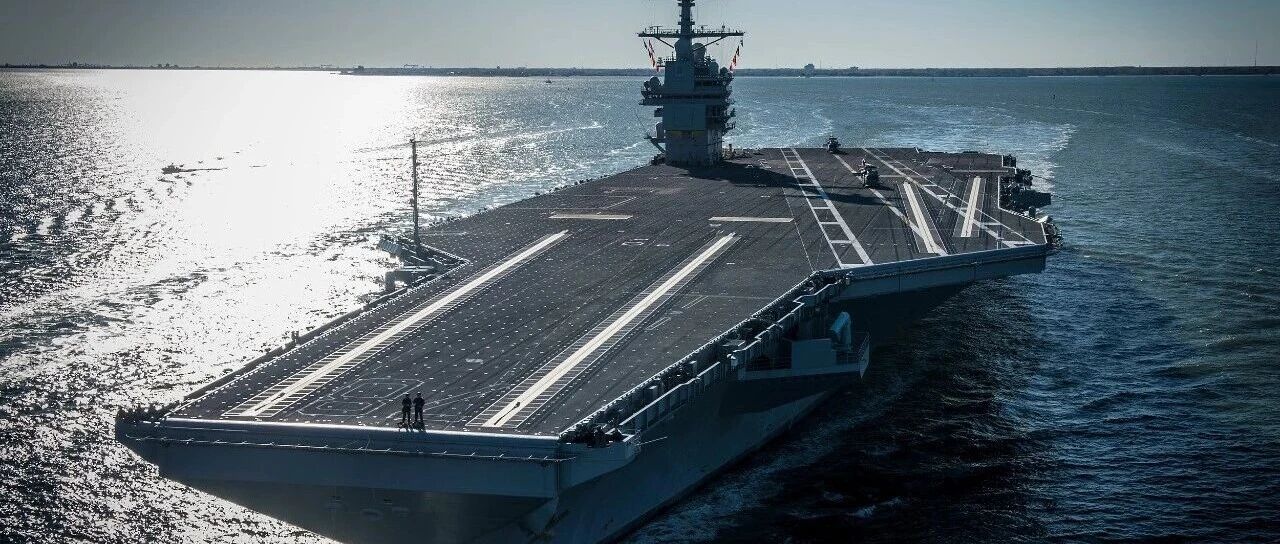
美国派全球最大航母赴中东
Xin Lang Cai Jing· 2026-02-13 15:18
Core Viewpoint - The U.S. is deploying the USS Gerald R. Ford aircraft carrier to the Middle East to bolster its naval presence and apply pressure on Iran regarding nuclear negotiations [1] Group 1: Military Deployment - The USS Gerald R. Ford, the world's largest aircraft carrier, is being sent to reinforce existing naval forces in the region [1] - This deployment is intended to provide additional support for the U.S. government's efforts to pressure Iran into a nuclear agreement [1] Group 2: Diplomatic Context - Prior to the announcement of the carrier's deployment, President Trump indicated that a new round of U.S.-Iran negotiations was imminent [1] - However, these negotiations have not commenced as expected, with an Iranian security official recently visiting Oman and Qatar to exchange information with U.S. intermediaries [1] Group 3: Regional Reactions - Gulf Arab states have warned that any military action against Iran could lead to a new wave of regional conflict [1]
美方下令向中东派遣第2艘航母!特朗普再次威胁伊朗:必须达成协议,否则后果将非常严重
Mei Ri Jing Ji Xin Wen· 2026-02-13 07:40
Group 1 - The U.S. has ordered the deployment of a second aircraft carrier, the USS Gerald R. Ford, to the Middle East, expected to return to its home port by late April or early May [1] - The USS Abraham Lincoln strike group is already stationed in the Middle East [1] Group 2 - Iranian President Pezeshkian stated that Iran does not seek nuclear weapons and is willing to accept any form of verification while pushing for diplomatic dialogue [3] - U.S. President Trump expressed a desire to reach an agreement with Iran within the next month, warning of severe consequences if no agreement is reached [4][6] - Israeli Prime Minister Netanyahu expressed skepticism about the potential for a successful agreement with Iran, emphasizing that any deal must include critical provisions for Israel's security [6] Group 3 - Iranian officials denied claims that Iran had sent any letters to the U.S., indicating that no communication had been made [7][9] - Turkish Foreign Minister stated that both the U.S. and Iran are showing flexibility in negotiations regarding the nuclear agreement, but warned against expanding discussions to include Iran's missile program [9] Group 4 - Reports indicated that the U.S. secretly supplied approximately 6,000 Starlink terminals to Iran during unrest to assist protestors in maintaining communication [10] - This action represents a significant level of covert support for Iranian opposition forces by the Trump administration [10]
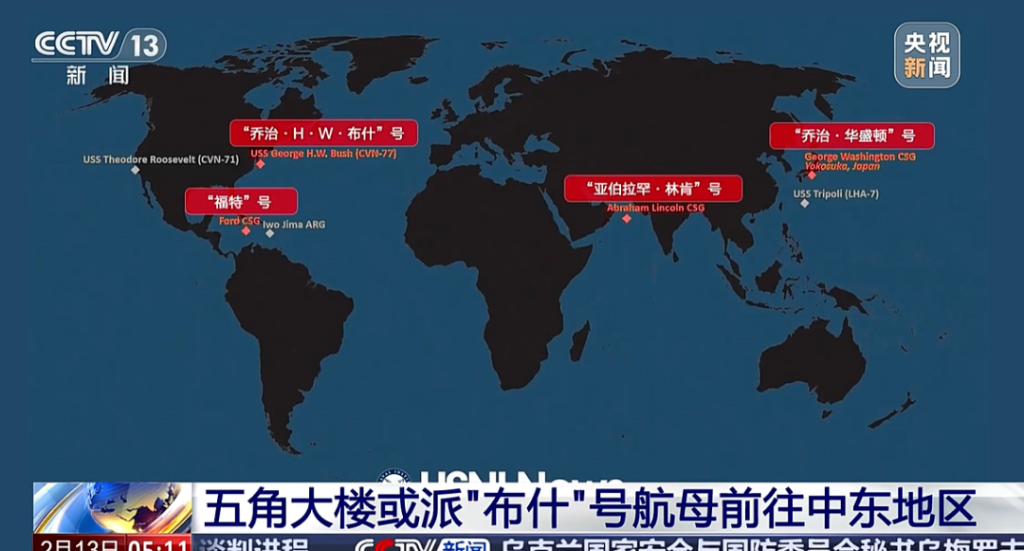
突发!美方下令向中东派遣第2艘航母!特朗普再次威胁伊朗:必须达成协议,否则后果将非常严重;以方主张必须保证伊朗不拥有核武器
Mei Ri Jing Ji Xin Wen· 2026-02-13 07:07
Group 1 - The U.S. has ordered the deployment of a second aircraft carrier, the USS Gerald R. Ford, to the Middle East, expected to arrive by late April or early May [1] - The USS Abraham Lincoln strike group is already stationed in the Middle East [1] Group 2 - Iranian President Pezeshkian stated that Iran does not seek nuclear weapons and is willing to engage in diplomatic dialogue, but will not yield to excessive demands [3] - U.S. President Trump expressed a desire to reach an agreement with Iran within the next month, warning of severe consequences if no agreement is reached [4][5] - Trump emphasized that any agreement must be fair and beneficial, and indicated that failure to reach an agreement would lead to a more difficult situation for Iran [7] Group 3 - Israeli Prime Minister Netanyahu expressed skepticism about the possibility of reaching an agreement with Iran, stating that any deal must include critical provisions for Israel's security [7] - Netanyahu highlighted that any agreement should ensure Iran does not possess nuclear weapons and must limit its missile capabilities and support for regional proxies [7] Group 4 - Iranian officials denied claims that Iran had sent any letters to the U.S., indicating that no communication had been made [8][10] - Turkish Foreign Minister stated that both the U.S. and Iran are showing flexibility in negotiations regarding the nuclear agreement, with Iran willing to accept restrictions on uranium enrichment [10] Group 5 - Reports indicated that the U.S. secretly supplied approximately 6,000 Starlink terminals to Iran during recent unrest to assist protestors in maintaining communication [11] - This action represents a significant level of covert support for anti-government forces in Iran, despite U.S. denials of involvement in the unrest [11]
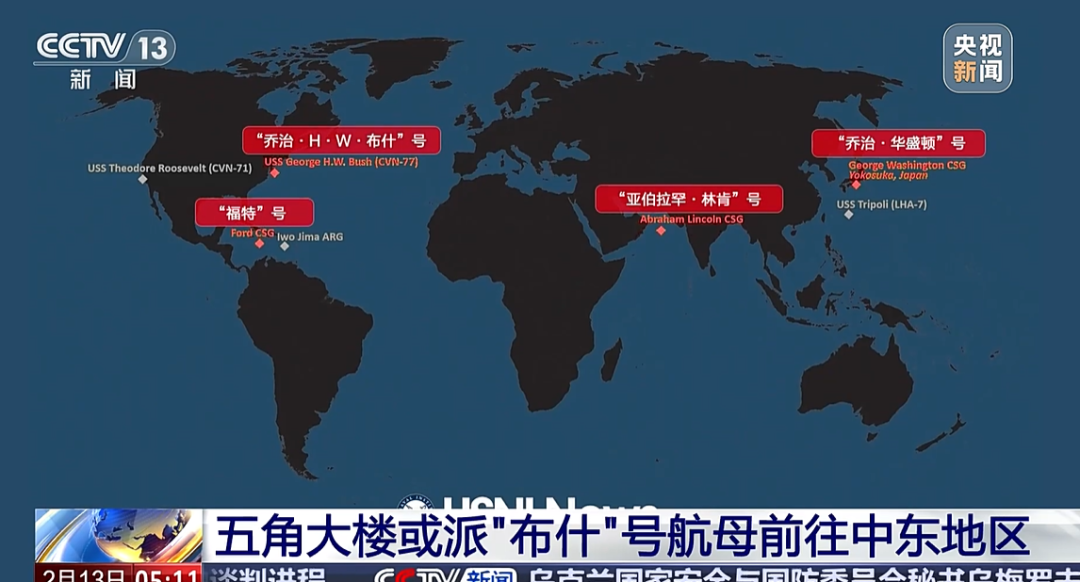
一个月内定生死?特朗普又下最后通牒!伊朗不签协议将代价惨痛
Jin Shi Shu Ju· 2026-02-13 00:32
Group 1 - The core viewpoint of the articles revolves around the expectation of a potential agreement between the United States and Iran within a month, as stated by President Trump, who warned of severe consequences for Iran if no consensus is reached [1] - The U.S. has significantly increased its military presence in the region, deploying the USS Abraham Lincoln aircraft carrier to the Middle East, while Iran has warned against any military intervention [2] - Netanyahu expressed hope that Trump is creating conditions for a favorable agreement with Iran, emphasizing that any deal must include critical elements for Israel, such as halting Iran's nuclear program and limiting its missile capabilities [3][4] Group 2 - The negotiations between the U.S. and Iran resumed after an eight-month hiatus, with the first talks taking place in Oman, indicating a potential shift in diplomatic relations [1][2] - The core issue in the negotiations remains uranium enrichment, with the U.S. demanding Iran to cease enrichment and transfer high-enriched uranium out of the country, which Iran considers unacceptable [2] - Netanyahu's discussions with Trump also covered broader regional issues, including the fragile ceasefire in Gaza and the overall situation in the region, highlighting the close relationship between Israel and the U.S. [4]
美媒:特朗普政府同意伊朗要求,预计6日在阿曼举行谈判
Huan Qiu Wang· 2026-02-04 02:30
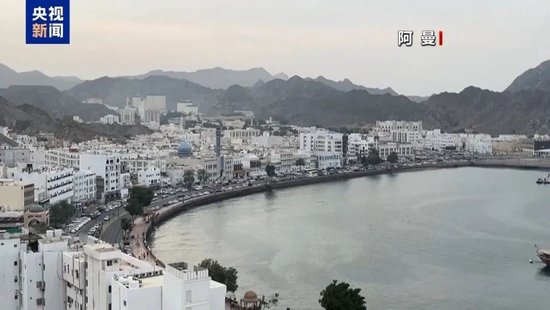
Group 1 - The Trump administration has agreed to Iran's request to change the location and format of the upcoming negotiations, which are now expected to take place in Oman on the 6th [1] - Iran has requested that the talks be held in a bilateral format with the United States, rather than involving multiple Arab and Islamic countries as observers [1] - Discussions are ongoing regarding the potential participation of other regional countries in the negotiations in Oman [2] Group 2 - U.S. officials, including special envoys, were initially expected to meet in Istanbul on the 6th to discuss a possible nuclear agreement [3] - Iranian President Pezeshkian has instructed his negotiator to engage in "fair and just negotiations" with the U.S. [3] - President Trump confirmed that negotiations with Iran are ongoing and expressed hope for a positive outcome, although he did not disclose the meeting location [3]
美伊核谈判开启前变数频生,又分别发生两起军事摩擦:美军击落伊朗无人机,数小时后,伊方船只逼近一美油轮
Xin Lang Cai Jing· 2026-02-03 23:55
Group 1 - The core point of the article is that negotiations between the US and Iran regarding a potential nuclear agreement are facing changes in location and format, with Iran requesting a shift to Oman for bilateral talks instead of Istanbul with multiple countries involved [1][3][21] - The US White House confirmed that the talks are still planned to occur as scheduled despite Iran's request for changes [3][25] - Military tensions have escalated with the US military shooting down an Iranian drone in the Arabian Sea and Iranian vessels approaching a US oil tanker in the Strait of Hormuz [5][9][29] Group 2 - Iran's Foreign Ministry indicated that the negotiation plans are set, with discussions expected to take place in the coming days, and the location is still under negotiation [5][25] - The upcoming talks, if realized, would mark the first face-to-face meeting between senior officials from the US and Iran since the US airstrike on Iranian nuclear facilities in June 2025 [5][25] - Iran's President has instructed the Foreign Minister to engage in "fair and just negotiations" with the US, emphasizing that the talks should align with Iran's national interests [10][32] Group 3 - The US military reported that an Iranian drone was shot down while approaching the USS Abraham Lincoln aircraft carrier, which was operating approximately 500 miles from the Iranian coast [7][27] - Following the drone incident, Iranian vessels threatened to board a US-flagged oil tanker in the Strait of Hormuz, prompting a US naval response to ensure the tanker’s safety [9][29] - Iran's officials claimed that the vessel was illegally entering Iranian waters and had been warned before leaving [9][29] Group 4 - The Israeli Prime Minister met with a US envoy to discuss Iran, expressing distrust in Iran's commitments and emphasizing the need for stringent conditions in any agreement [14][34] - The US President has reiterated military options remain on the table if diplomatic efforts fail, indicating a readiness for potential military action against Iran [15][37] - Israel has outlined three conditions for any agreement with Iran, focusing on halting nuclear development, missile programs, and support for regional proxies [37][39] Group 5 - Reports suggest Iran may be willing to make significant concessions regarding its nuclear program, including potentially transferring enriched uranium to Russia, although this has been denied by Iranian officials [19][39] - The US appears to be maintaining its demands to limit Iran's missile capabilities alongside nuclear discussions, indicating a dual-track negotiation approach [20][40] - Iranian officials have stated that discussions should focus solely on the nuclear program, rejecting any talks on missile projects [20][40]
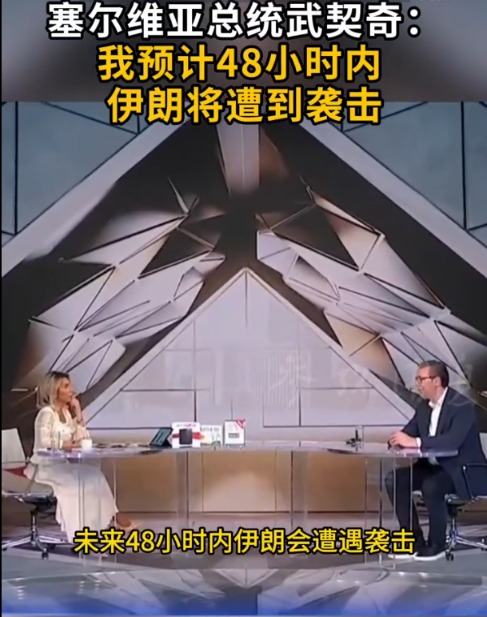
武契奇:“我预计48小时内伊朗将遭袭”
Hua Xia Shi Bao· 2026-02-02 05:24
Group 1 - The core viewpoint of the article highlights the escalating tensions between the United States and Iran, with President Trump expressing hope for a nuclear agreement, while Iran's Supreme Leader Khamenei warns of potential regional war if provoked [1][2] - Trump reiterated the significant military presence of the U.S. near Iranian waters, emphasizing the strength of U.S. naval forces in the region [1] - Iranian Foreign Minister Zarif stated that Iran no longer trusts the U.S. as a negotiating partner, despite ongoing efforts by friendly regional countries to rebuild trust between the two nations [1][2] Group 2 - Zarif mentioned that Iran is open to negotiations if it can continue uranium enrichment for peaceful purposes, indicating a willingness to discuss various details [1] - He also emphasized that Iran's armed forces are fully prepared for any potential conflict, although the country seeks to avoid war [1] - Serbian President Vucic predicted that Iran might face military strikes within 48 hours, linking the timing to documents related to Epstein [1]
特朗普团队提议:伊朗本周就核协议和停火进行谈判
Hua Er Jie Jian Wen· 2025-06-17 03:38
Group 1 - The core viewpoint of the articles revolves around the urgency of negotiations between the U.S. and Iran regarding the nuclear deal, with potential implications for the Middle East conflict [1][2][3] - The U.S. is considering a meeting between Special Envoy Steve Witkoff and Iranian Foreign Minister Abbas Araghchi to discuss the nuclear agreement and a ceasefire [1] - Trump views the U.S. possession of large bunker-buster bombs as a key leverage point to compel Iran to reach an agreement, particularly regarding the Fordow underground uranium enrichment facility [1] Group 2 - The timeline for negotiations is critical, as Trump has set a two-month deadline for discussions with Iran, which is nearing its end [2] - Trump has communicated to Israeli Prime Minister Netanyahu that he believes there is still an opportunity to reach a nuclear agreement with Iran, thus opposing military action at this time [2] - The U.S. administration is increasingly concerned about potential Israeli military actions that could jeopardize the ongoing negotiations with Iran [2][3]
中辉有色观点-20250612
Zhong Hui Qi Huo· 2025-06-12 02:51
1. Report Industry Investment Ratings - No specific industry-wide investment ratings are provided in the reports 2. Core Views of the Report - Gold and silver are expected to remain in high-level oscillations. Gold has high strategic allocation value in the long term, and silver's speculative sentiment and financial attributes have been ignited. Copper is advised to take profit on long positions and look for selling hedging opportunities at high levels, with a long - term optimistic outlook. Zinc, lead, tin, aluminum, and nickel are expected to face pressure on rebounds, and zinc and nickel are recommended for short - selling opportunities at high levels. For lithium carbonate, it is recommended to short at high levels as the fundamental situation is hard to improve [1]. 3. Summaries by Related Catalogs Gold and Silver - **Market Conditions**: Gold is in a high - level oscillation due to factors such as low US inflation, geopolitical escalation, and increased expectations of US interest rate cuts this year. Silver has seen a return of the gold - silver ratio, and its price has been supported by speculative sentiment and capital flow [2]. - **Basic Logic**: Tariff negotiations between China and the US have reached a framework agreement. The Chinese central bank continues to buy gold, and there are uncertainties in the US - Iran nuclear negotiations. US inflation is low, increasing the expectation of interest rate cuts. In the short term, geopolitical variables are large, and in the long term, the global trend of reducing dependence on the US dollar and the dual - loose fiscal and monetary policies remain unchanged [3]. - **Strategy Recommendation**: For gold, focus on the 765 support level and control positions for long - term investment. For silver, short - term long positions can be continued, but control positions due to its high elasticity [4]. Copper - **Market Conditions**: Shanghai copper opened lower overnight and oscillated downward [6]. - **Industry Logic**: Overseas copper ore supply is tight. Domestic electrolytic copper production increased in May but is expected to decline in June. COMEX copper is draining global copper inventories, and there is a risk of a soft squeeze. High copper prices have suppressed downstream demand [6]. - **Strategy Recommendation**: With US inflation lower than expected, long positions in copper should take profit. Speculators should temporarily wait and see, and industrial players should look for selling hedging opportunities at high levels. In the long term, copper is still optimistic. The focus range for Shanghai copper is [77500, 79500], and for LME copper is [9600, 9800] USD/ton [7]. Zinc - **Market Conditions**: Zinc rose overnight but then fell back, oscillating in a narrow range around the integer level [8]. - **Industry Logic**: In 2025, the zinc ore supply is expected to be looser. Domestic zinc ore processing fees increased in June. Refined zinc production is expected to increase in June. Downstream demand is weakening, and the operating rate of zinc - related enterprises has declined [8]. - **Strategy Recommendation**: In the short term, wait and see. In the long term, take short - selling opportunities at high levels. The focus range for Shanghai zinc is [21800, 22400], and for LME zinc is [2600, 2700] USD/ton [9]. Aluminum - **Market Conditions**: Aluminum prices rebounded in the short term, while alumina prices were under pressure [10]. - **Industry Logic**: The overseas macro - trade environment has eased. The cost of the domestic electrolytic aluminum industry decreased in May. Aluminum ingot inventories decreased, while aluminum rod inventories increased. The operating rate of downstream aluminum processing enterprises declined, and the terminal is entering the off - season. Overseas bauxite supply is stable, and domestic alumina production capacity has increased, with a slight inventory build - up [10]. - **Strategy Recommendation**: Short - sell on short - term rebounds in Shanghai aluminum, focusing on inventory changes. The main operating range is [19800 - 20500]. Alumina is expected to operate in a low - level range [11]. Nickel - **Market Conditions**: Nickel prices continued to decline, and stainless steel prices were under pressure [12]. - **Industry Logic**: The overseas macro - environment has eased. The shipment of nickel ore from the Philippines has increased, and the price of Indonesian nickel ore has decreased. Domestic refined nickel production decreased slightly, but inventories are still high. Stainless steel consumption has entered the seasonal off - season, and inventory pressure has reappeared [12]. - **Strategy Recommendation**: Short - sell on rebounds for nickel and stainless steel, focusing on downstream consumption. The main operating range for nickel is [119000 - 125000] [12]. Lithium Carbonate - **Market Conditions**: The main contract LC2507 continued to reduce positions and rebound, rising more than 1% [13]. - **Industry Logic**: Rumors of Tianqi taking delivery from the futures market have driven up prices, but the fundamentals have not changed much. Supply pressure remains high, and terminal demand has entered the off - season. The inventory of new energy vehicles has reached a three - year high, and only the energy storage sector provides some support. The production of lithium carbonate has recovered rapidly, and the expectation of inventory build - up is increasing [14]. - **Strategy Recommendation**: Short at high levels in the range of [60500 - 62500] [14].