
补贴大战

Search documents
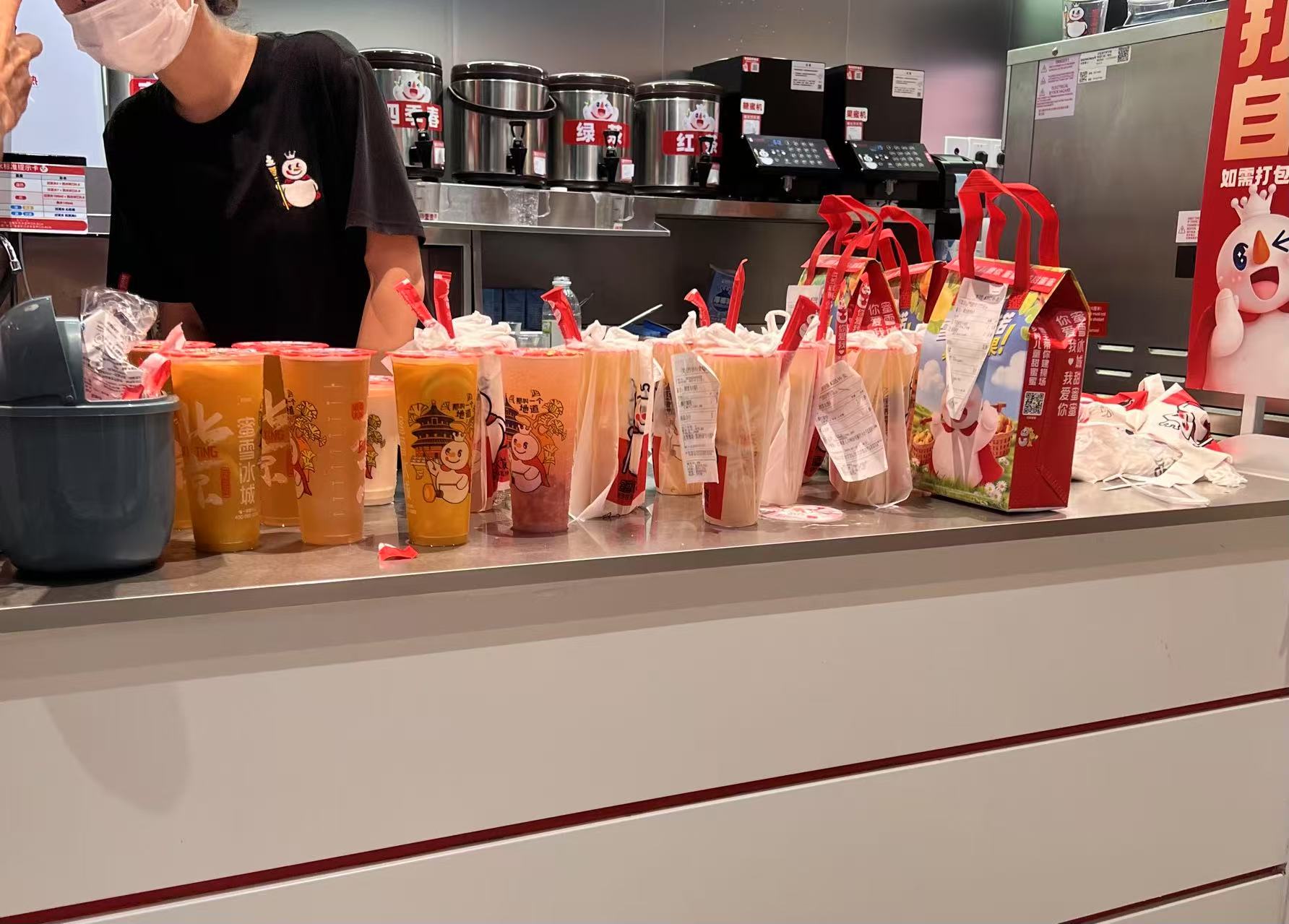
奶茶店提前备战周六外卖大战,瑞银预计补贴持续至双11
Di Yi Cai Jing· 2025-07-12 13:43
Group 1 - The article discusses the upcoming subsidy battle in the beverage industry, particularly focusing on the preparations made by businesses ahead of the weekend sales event [1] - Different stores within the same brand, such as Mixue Ice City, report varying levels of order volume, indicating a lack of uniformity in customer demand [1] - Stores are proactively preparing for the expected surge in orders by stocking up on materials and ensuring adequate staffing for the weekend [1] Group 2 - UBS predicts that the current competitive landscape will persist at least until this year's Double Eleven shopping festival [2] - The impact of the subsidy battle on businesses shows short-term operational pressures, especially for small and medium-sized enterprises, which may face order surges but also bear subsidy costs and increased raw material consumption [2] - The industry is expected to undergo consolidation, with market concentration favoring companies with high supply chain efficiency and strong brand power, as regulatory interventions push platforms to optimize subsidy structures [2]


外卖大战周末继续,用户感慨“喝不完”,闪击战变持久战
Di Yi Cai Jing· 2025-07-12 12:57
Group 1 - The article discusses the preparation and response of merchants and delivery riders ahead of a new round of subsidy wars in the food delivery industry, highlighting a more organized approach compared to the previous weekend's chaos [1][6] - On July 12, a store employee from Mixue Ice City reported that their sales exceeded 10,000 yuan during peak hours, significantly higher than the usual 7,000 to 8,000 yuan, indicating a successful sales day driven by promotional activities [2][5] - Different stores under the same brand experienced varying levels of order volume, with some reporting a significant increase in orders while others saw only a slight uptick, suggesting a disparity in promotional effectiveness [4][5] Group 2 - The competitive landscape in the food delivery sector is intensifying, with Meituan and other platforms engaging in aggressive subsidy strategies, including offering free drinks and substantial discount coupons to attract customers [6][7] - Analysts predict that the current competitive dynamics will persist at least until the Double Eleven shopping festival, with short-term operational pressures on merchants due to increased order volumes and the associated costs of subsidies [7] - The long-term outlook suggests a shift towards market consolidation, favoring companies with strong supply chain efficiency and brand power, as regulatory interventions push platforms to optimize subsidy structures and reduce merchant burdens [7]

当平台补贴退潮,咖啡茶饮终需比拼真功夫
Di Yi Cai Jing· 2025-07-08 11:39
Core Viewpoint - A successful subsidy campaign should not only benefit consumers but also create a win-win situation for platforms, merchants, and delivery personnel [1][3] Group 1: Impact of Subsidy Campaigns - The recent subsidy war in the tea and coffee industry led to a significant increase in orders, with brands experiencing substantial revenue growth despite a slight decrease in profit margins per item [1][2] - The sudden influx of orders has exposed underlying industry issues such as quality fluctuations, service delays, and supply chain pressures [1][2] - Some stores extended their operating hours to accommodate the surge in orders, but staff morale and service quality are at risk due to overwork and fatigue [2] Group 2: Challenges for Brands - The unexpected nature of the subsidy campaigns has forced merchants to quickly adjust inventory and staffing, testing their operational resilience [2] - The subsidy war has intensified the "Matthew effect" in the industry, where larger brands with better resources can more effectively handle increased demand, while smaller brands may struggle [2][3] - The long-term sustainability of brands will depend on their ability to maintain consumer loyalty and market share once the subsidies are removed [2][3] Group 3: Importance of Quality and Supply Chain - As consumer preferences evolve rapidly, brands must focus on product quality and operational excellence to survive beyond price wars [3] - Some brands have recognized the importance of supply chain management, investing in self-owned farms and improving cold chain logistics to enhance product quality and reduce costs [3] - Ultimately, brands that invest in their core competencies and build genuine competitive advantages will be better positioned for long-term success [3]
“外卖七块九,自取九块九,最近一天三杯美式!”大额补贴下外卖订单剧增,商家担忧→
第一财经· 2025-06-11 09:56
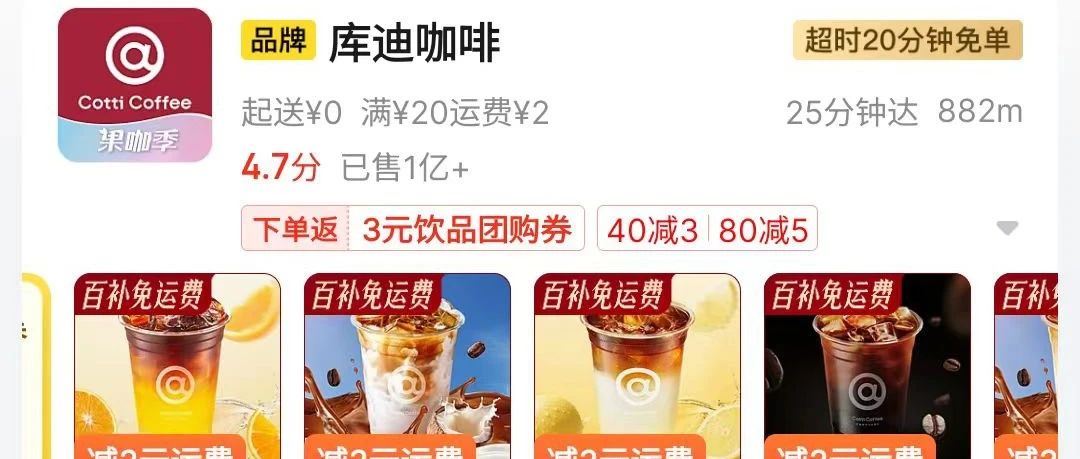
Core Viewpoint - The article discusses the intense competition among food delivery platforms, particularly focusing on the significant subsidies being offered by companies like JD.com, Alibaba, and Meituan, which have led to a surge in orders and changes in consumer behavior [1][2]. Group 1: Impact of Subsidies on Orders - JD.com launched a 10 billion yuan subsidy campaign in April, resulting in daily orders exceeding 10 million by April 22 and reaching 25 million by June 1 [3]. - Alibaba's Ele.me also increased its subsidies, with the combined daily orders from Taobao and Ele.me surpassing 40 million, where non-tea drink orders accounted for 75% [3]. - The coffee and tea categories have seen significant price reductions, with JD.com's Kudi coffee selling for as low as 5.9 yuan and sales exceeding 100 million units [3][4]. Group 2: Merchant Experiences and Concerns - Merchants have reported increased orders and revenue due to the subsidies, with one merchant noting a 50% increase in daily orders since April [5][6]. - However, there are concerns about the sustainability of these subsidies, with merchants fearing a drop in orders once the subsidies are removed [9][10]. - Some merchants are experiencing pressure from the subsidy competition, leading to a situation where they must bear a larger share of the subsidy costs, which could impact their profitability [10]. Group 3: Regulatory and Market Dynamics - Regulatory bodies have begun to take notice of the competitive practices in the food delivery industry, urging platforms to adhere to fair competition and consumer protection standards [11]. - Analysts predict that the current subsidy war may not last beyond 1-2 years, as both merchants and consumers will likely return to more rational behaviors, reducing the effectiveness of subsidies [10][11]. - The competition is expected to shift from price wars to brand marketing, technological innovation, and rider rights protection, emphasizing the need for a more sustainable and balanced market environment [11].


大额补贴刺激外卖订单剧增,“被卷”商家盼行业回归理性
Di Yi Cai Jing· 2025-06-11 05:58
Group 1 - Starbucks announced a price reduction for the first time in 25 years in response to intense competition in the coffee and tea beverage market [1] - The competition among delivery platforms has intensified, with JD.com launching a 10 billion yuan subsidy and Alibaba increasing its subsidies, leading to significant changes in consumer behavior [1][2] - The order volume for JD.com exceeded 10 million on April 22 and reached 25 million by June 1, indicating a substantial increase in demand driven by subsidies [2] Group 2 - The coffee and tea beverage categories are key focus areas for the current subsidy wars, with prices for products like coffee being significantly reduced [2][3] - Merchants are experiencing a surge in orders, with some reporting a 50% increase in daily orders due to the ongoing subsidy promotions [5] - Concerns about the sustainability of these subsidies are rising, as merchants fear that once the subsidies end, consumer demand may drop sharply [7][8] Group 3 - The competitive landscape is shifting towards larger brands, with smaller merchants facing increased pressure and potential profit erosion due to rising subsidy costs [8] - Regulatory bodies are taking notice of the competitive practices in the food delivery industry, emphasizing the need for fair competition and consumer protection [9] - Analysts predict that the current subsidy-driven competition may not last beyond 1-2 years, as both consumers and merchants will likely return to more rational behaviors [8][9]
外卖大战叫停背后:餐饮行业的寒冬,可能才刚刚开始
Sou Hu Cai Jing· 2025-06-10 05:07
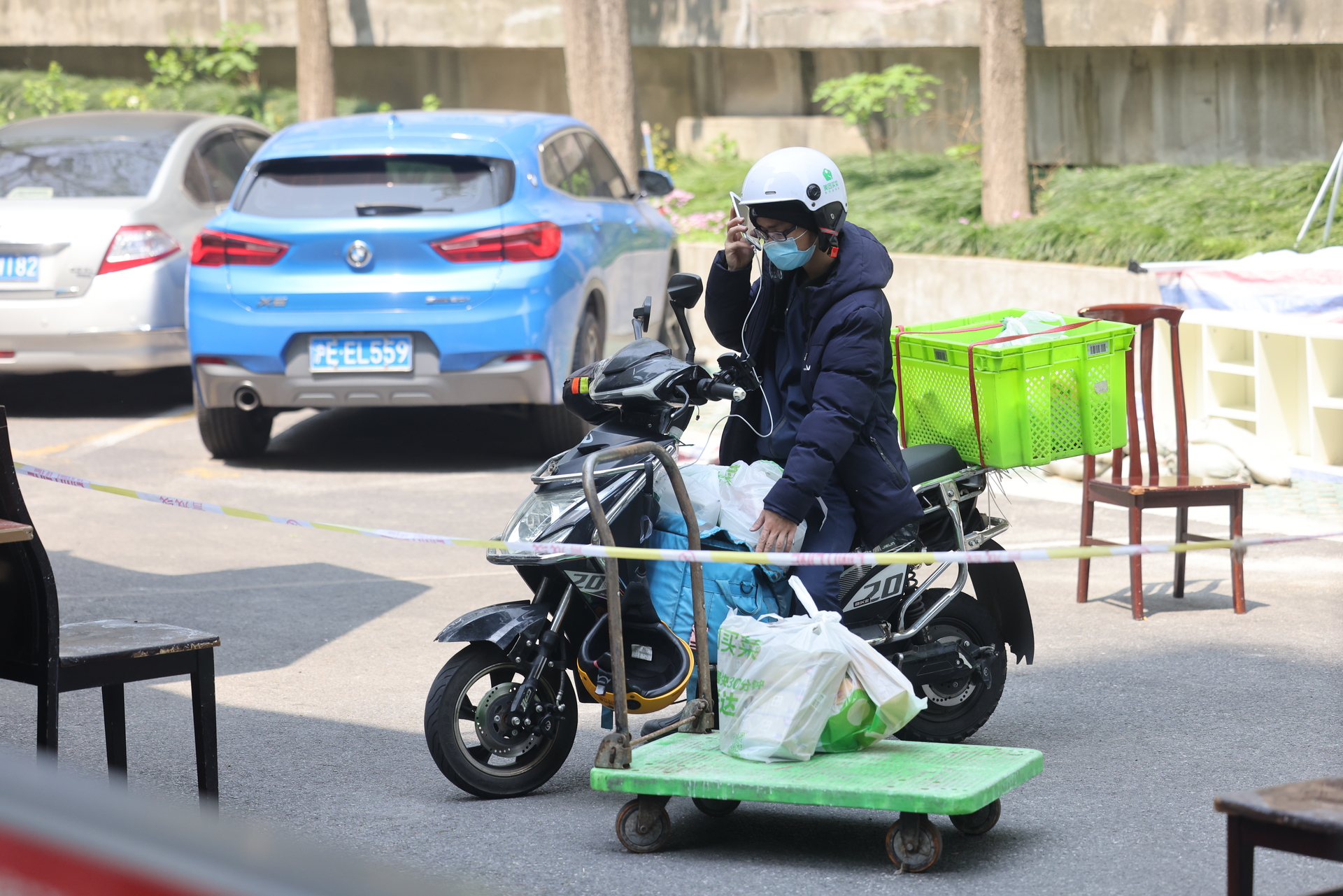
除了京东和饿了么,美团的订单量也在增长。根据《晚点》的数据,近期国内外卖市场每天已经超过1.4亿单,其中美团单量维持在8000万至9000万单。 按照经济学家哈耶克的说法,繁荣背后,往往蕴藏着泡沫。 要知道,去年我国外卖市场的最高值,也不过1亿单每天,且其中大部分都是由美团配送的,只有2000万单来自饿了么。 换句话说,现在京东+饿了么两家就有6000万单,再加上美团,这已经超过了去年全年的峰值。 现在靠着补贴大战,京东和饿了么不到两个月,就多了4000万单,而背后是4000万以上平时不点外卖的人,开始点外卖贡献出来的数据。 这是基于眼下各方外卖补贴预测的结果。 今年的外卖,各方平台烧钱烧出了一个非常罕见的高度。 从数据来看,京东和淘宝闪购加上饿了么分别宣布外卖战果,京东单日订单突破2000万单,而淘宝闪购和饿了么单日订单突破4000万单。 这是什么概念? r and the state of the state of the states of the station of the status and the subject of the station of the station of the sta ...
饿了么紧急入局,补贴大战再升级,外卖市场进入深度博弈期
3 6 Ke· 2025-04-30 08:54
月末,围绕美团、京东、饿了么展开的外卖市场大战再度升级。 饿了么宣布正式启动"饿补超百亿"大促,通过App上线"超百亿"口令词入口,以真金白银补贴消费者, 意图在竞争白热化的即时配送赛道中抢占份额。与此同时,京东与美团股价延续上周跌势,市场对两大 巨头竞争成本激增的担忧持续发酵。 饿了么此时入局,有何新思考? 饿了么今日正式官宣启动"饿补超百亿"大促,用户只需在App搜索"超百亿"关键词,即可领取满减券、 折扣券等多重优惠。 平台明确表示,此次补贴"不打竞争口水仗,只发真福利",这与近期京东、美团围绕骑手"二选一"争议 的舆论战形成强烈反差。 市场分析人士指出,饿了么此举或意在重塑行业格局。公开资料显示,饿了么每年夏季都会推出"免 单"等营销活动,而此次百亿补贴的上线,叠加近期"点餐便宜"等话题登上热搜,极有可能进一步加剧 外卖平台间对用户与骑手的争夺。 目前,饿了么已携手部分品牌推出"爆款1元购"限时活动,数据显示,部分商户订单量环比增长超 30%。 这场补贴大战的背后,实则是京东与美团此前的激烈交锋。4月22日,京东发布《致全体外卖骑手兄弟 们的公开信》,指责竞争对手存在"二选一"行为,并宣布将招收10万 ...