
金融战

Search documents
突发!老美又要来求情了?
大胡子说房· 2025-06-10 04:29
Group 1 - The article discusses the upcoming trade negotiations between the US and China, focusing on specific trade issues such as China's restrictions on rare earth imports [2][4]. - The previous negotiations did not lead to a complete resolution, and significant uncertainties remain between the two countries [5][6]. - The US is seeking to ease external pressures due to internal turmoil, including issues related to immigration and national debt [8][12][15]. Group 2 - The US national debt is projected to reach $36 trillion, with annual interest payments exceeding $1 trillion, surpassing defense spending [17][18]. - There is a conflict between US leadership and figures like Elon Musk regarding the approach to national debt, with Musk advocating for debt reduction [18][22]. - The article highlights the importance of financial stability and the potential risks posed by US financial policies, suggesting that China is taking measures to mitigate these risks [37][41]. Group 3 - The Chinese government is consolidating financial assets through the China Investment Corporation, aiming to stabilize the capital market amid external pressures [31][34]. - The article notes that the Chinese central bank has been increasing its gold reserves, indicating a shift away from US dollar assets [44][46]. - Market sentiment appears optimistic regarding the upcoming negotiations, but the article cautions that significant differences remain, and any market gains may be temporary [48][50].


详解“美丽大法案”:特朗普与马斯克决裂的导火索
吴晓波频道· 2025-06-07 00:47
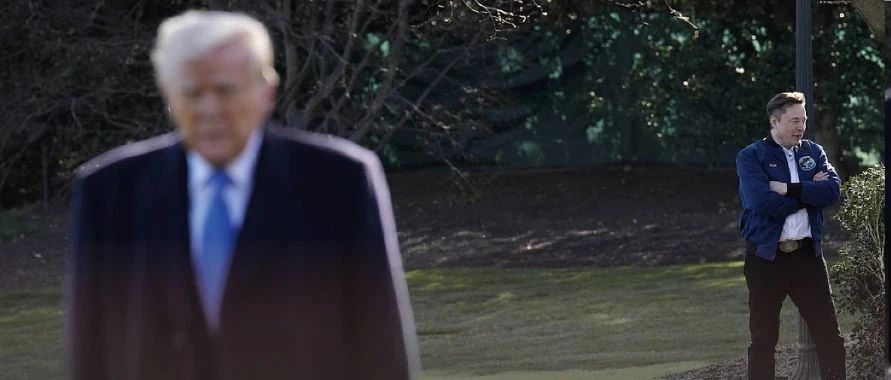
Core Viewpoint - The article discusses the conflict between Elon Musk and Donald Trump, highlighting the implications of the "Beautiful Bill" and the 899 clause, which grants Trump significant power to impose taxes on foreign entities, potentially escalating into a global financial war [1][28][29]. Group 1: The "Beautiful Bill" - The "Beautiful Bill" aims to reduce taxes by approximately $4.6 trillion over the next decade while increasing the national deficit by $3.2 trillion, which represents a 15% increase [12][13]. - It proposes a $1.6 trillion spending cut, primarily affecting medical assistance programs, which could harm low-income individuals [13][26]. - The bill's tax cuts are skewed towards high-income groups, with low-income individuals benefiting less, creating a paradoxical outcome [14]. Group 2: The 899 Clause - The 899 clause allows the U.S. government to impose additional taxes on foreign entities if they are deemed to have discriminatory tax practices against U.S. businesses [29][30]. - It specifically targets three types of taxes: digital services tax, profit-shifting tax, and OECD global minimum tax, which could affect many countries, particularly in the EU [31][33]. - The clause grants the U.S. Treasury Secretary broad authority to define what constitutes "unfair taxation," effectively giving the government "unlimited firepower" in trade disputes [34]. Group 3: Implications for Foreign Investment - The implementation of the 899 clause could lead to significant financial repercussions for foreign investors, including increased taxation on dividends and interest, potentially reducing their returns on U.S. investments [36][38]. - The clause may deter foreign investment in the U.S., as investors might sell off U.S. assets in response to perceived threats, leading to a decline in the stock market and an increase in U.S. Treasury yields [40][41]. - Analysts predict that the stock market could drop by 10% and the dollar could depreciate by up to 5% if the 899 clause is fully enacted [41]. Group 4: Impact on Tesla and the Clean Energy Sector - The "Beautiful Bill" threatens Tesla's profitability by planning to phase out tax credits for electric vehicles, which could significantly impact Tesla's earnings [23][24]. - The conflict between Musk and Trump reflects broader tensions between traditional energy interests and the clean energy sector, with potential implications for future legislation [45][46].
中美金融战开启!美国资本武器化?神秘899条款曝光!影响中国?
Sou Hu Cai Jing· 2025-06-04 20:42
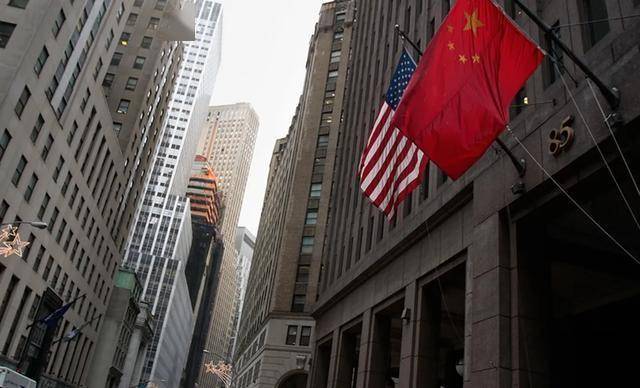
Core Viewpoint - The "899 Clause" hidden in Trump's tax reform proposal, known as the "One Big Beautiful Bill Act," could initiate a financial war between the U.S. and China, as well as with other countries globally [1][2][3]. Summary by Relevant Sections 899 Clause Overview - The 899 Clause allows the U.S. government to impose taxes on countries deemed to have "tax discrimination" by the U.S. Treasury, which includes various taxes such as Under-Taxed Profits Rule (UTPR), Digital Services Tax (DST), and a range of other taxes considered discriminatory [4][7]. Implications for China - If China is classified as a "discriminatory foreign country," entities and individuals related to China could face significantly increased tax rates, potentially up to 50% on U.S.-sourced income, dividends, and other profits [9][11]. - The implementation of the 899 Clause could lead to a reduction in Chinese holdings of U.S. Treasury bonds, as increased tax burdens may force Chinese investors to withdraw from the U.S. financial market [14][16]. Broader Global Impact - The 899 Clause is seen as a tool for the U.S. to exert pressure not only on China but also on its allies, including the EU, Japan, and South Korea, by imposing taxes that could hinder their economic growth [17][18]. - The potential passage of the 899 Clause could lead to significant volatility in global financial markets, marking the beginning of a financial war [18][20].
谈判结束,美3路人马离京,特朗普或将被迫继续向中国认怂?
Sou Hu Cai Jing· 2025-05-27 10:56
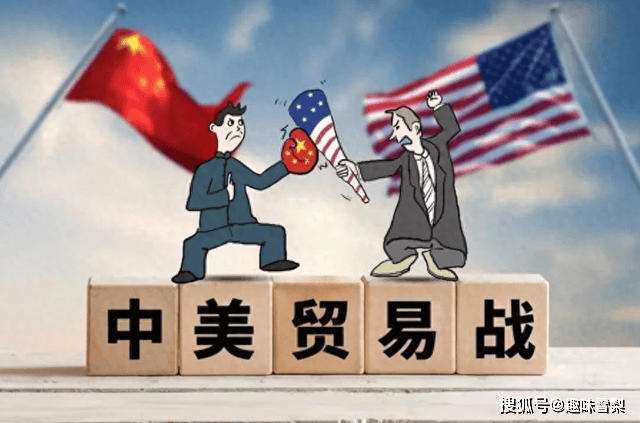
Core Viewpoint - China's selling of US Treasury bonds is putting significant pressure on the US government, forcing President Trump to reconsider his stance towards China amid the ongoing trade negotiations [1][10][17] Group 1: Financial Impact - The US Treasury is facing a daily interest expense of $3 billion, while China's holdings of $765.4 billion in US debt are depreciating by 1% daily [2][5] - The short positions on 10-year US Treasuries have surged to levels not seen since 2008, with $3.8 trillion in capital fleeing from dollar assets [2][10] - If China continues to reduce its US debt holdings by 5%, the Pentagon may need to cut its budget for two aircraft carrier battle groups next year [7][10] Group 2: Currency Dynamics - The recent 13% appreciation of the euro against the dollar threatens the foundation of the petrodollar system [4][10] - China's share of global oil trade settled in yuan has increased to 2.3%, a 15-fold increase from three years ago [5][10] - The Chinese government is allowing companies to use iron ore and copper concentrate as collateral for loans in yuan, facilitating bypassing the dollar in commodity transactions [9][10] Group 3: Strategic Moves - The negotiations in Geneva include a clause where China demands recognition of the yuan's special drawing rights, which would effectively grant the yuan an "international passport" [7][10] - China's reduction of US debt holdings is part of a broader strategy to internationalize the yuan and challenge the dollar's dominance [14][15] - The ongoing trade war has transformed into a financial battle, with the key to victory being the internationalization of local currencies [14][15]
“阵风”战机被击落,“印度优势”破产
Hu Xiu· 2025-05-09 11:56
Group 1 - The military conflict between India and Pakistan has shifted from traditional air combat to drone warfare, with India launching large-scale drone attacks against Pakistan [2][4] - Pakistan's military reported shooting down 25 Israeli-made Harop suicide drones launched by India in a single day [2] - The situation remains tense, with accusations and denials from both sides regarding drone and missile attacks along the Line of Control [2][5] Group 2 - Indian media reported that the Indian Navy conducted an attack on Karachi, Pakistan, marking a significant escalation, but this claim was quickly labeled as false [3] - The conflict has seen a surge in misinformation and sensational news on social media, complicating the verification of claims made by both sides [6][8] - The narrative surrounding the conflict has become a part of the warfare, with both sides engaging in a "war of words" alongside military actions [4][7] Group 3 - The recent escalation in conflict was triggered by a terrorist attack in the Indian-administered Kashmir region, leading to India's Operation Sindoor targeting alleged terrorist facilities in Pakistan [5] - There are ongoing debates about whether the conflict will escalate further, with analysts suggesting that domestic political factors in India may influence its military strategy [12] - The potential for new forms of warfare, such as drone strikes and cyber warfare, is being considered in the context of the evolving military landscape [13][14]
还剩3万多亿储备,央行停购黄金,耶伦希望中方克制,美元已变强
Sou Hu Cai Jing· 2025-05-01 12:36
Group 1 - China has maintained its position as the largest holder of foreign exchange reserves for nearly 20 years, while the US has been increasing its debt and engaging in financial warfare against countries holding US dollars [1][19] - The US is attempting to strengthen the dollar by raising interest rates, which could lead to economic stagnation if not managed properly [3][11] - Other countries, such as Japan and South Korea, are also affected by US monetary policies, with Japan providing significant financial support to the US despite the risks involved [7][9] Group 2 - China is strategically reducing its foreign exchange reserves and has stopped purchasing gold to counteract US financial maneuvers [1][9] - The US's approach to increasing interest rates is seen as a double-edged sword, potentially leading to financial crises in smaller nations while temporarily stabilizing its own economy [5][16] - The financial conflict is characterized as a battle of interests, with the US trying to alleviate domestic inflation through external financial pressure [11][16] Group 3 - The US's financial strategies are perceived as attempts to pressure China, reflecting a broader geopolitical struggle [19][21] - China's economic resilience is highlighted by its substantial foreign exchange reserves and gold holdings, which provide a buffer against external shocks [23][25] - The current global economic landscape is marked by China's growing influence and the need for cooperative relationships among nations to mitigate unilateral pressures [23][25]
425重磅会议,释放哪些信号?
Sou Hu Cai Jing· 2025-04-30 09:07
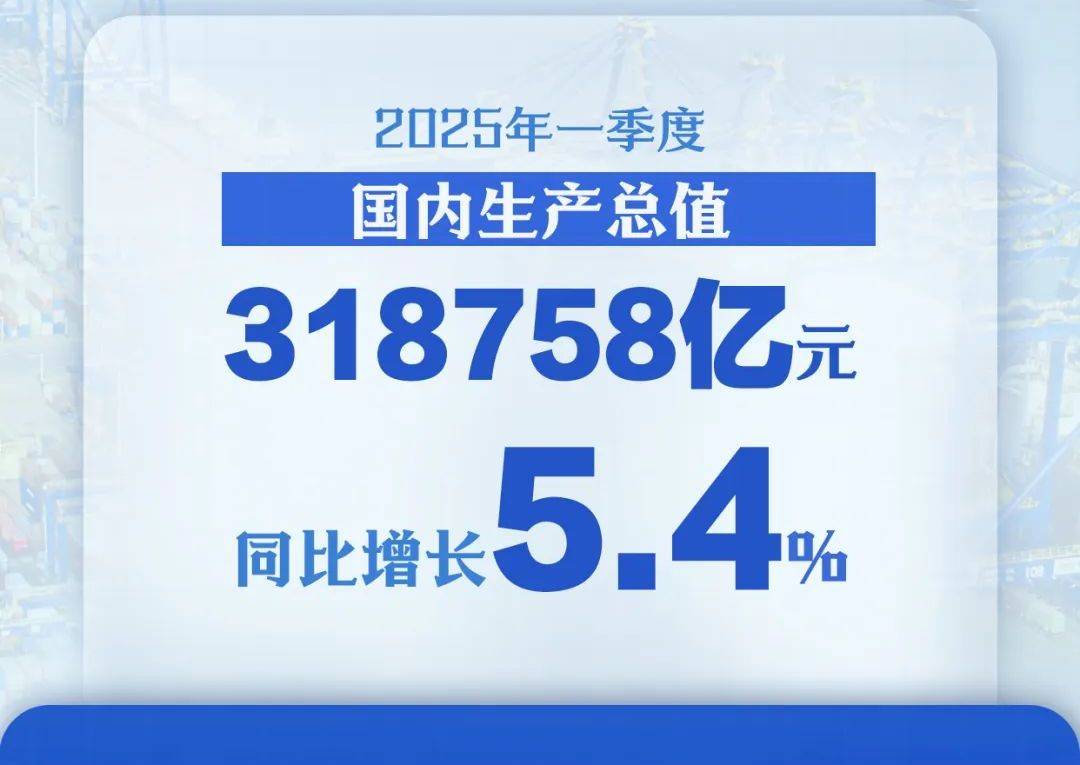
Group 1 - The recent April 25 meeting emphasized the urgency of addressing external trade issues, particularly the need to support foreign trade enterprises amid a long-term trade conflict with the U.S. [2][4] - The meeting highlighted ten economic development tasks for the year, with a focus on rescuing foreign trade companies, especially those with high technological content, to ensure their survival and future growth [2][5][9] - The first quarter economic growth reached 5.4%, driven by significant consumer spending and subsidies, but there are concerns about the sustainability of this growth as consumer subsidies decrease [5][7] Group 2 - The lack of a unified domestic market poses challenges for foreign trade goods returning to domestic sales, potentially impacting the domestic market due to channel and brand deficiencies [7][9] - The government is expected to provide support primarily to technologically advanced foreign trade enterprises, ensuring they have a market to survive until global economic conditions improve [9][10] - The meeting signaled a strategic shift towards stimulating domestic consumption as a key task, addressing consumer confidence and spending behavior [13][14][17] Group 3 - The ongoing trade war is seen as an escalation towards a financial conflict, with potential impacts on traditional assets like real estate and stocks, while service-oriented assets may see price increases [18][23] - The U.S. faces internal conflicts regarding its economic policies, particularly in balancing the interests of the government and financial institutions, which complicates its response to the trade war [21][23] - The meeting reflects a readiness for a prolonged struggle, emphasizing the importance of mutual benefits in trade rather than zero-sum games [25][26]
FT中文网精选:如何防备关税战转向金融战?
日经中文网· 2025-04-24 02:50
Core Viewpoint - The article discusses the unpredictability of Trump's tariff policies and their impact on global markets, emphasizing the significant adjustments in the U.S. stock market following the announcement of new tariffs [2]. Group 1: Tariff Policy Analysis - Trump's initiation of a tariff war has shocked global markets, indicating a departure from traditional economic policies [2]. - The announcement of tariffs was expected to be targeted, but the actual implementation exceeded market expectations, suggesting a more aggressive approach [2]. - Trump's strategy appears to be influenced by internal dissent within his administration regarding the tariff policies [2]. Group 2: Market Reactions - The new tariffs have led to substantial adjustments in the U.S. stock market, reflecting investor concerns over the implications of the trade war [2]. - The potential for retaliatory measures from other countries has been acknowledged, with Trump indicating a willingness to escalate tariffs further if necessary [2].
对华关税或降至50%,“关税闹剧”出现转折点?
吴晓波频道· 2025-04-24 00:27
Core Viewpoint - The article discusses the recent positive signals from the U.S. regarding tariffs on China, indicating a potential easing of trade tensions and a shift in U.S. policy towards a more favorable stance on tariffs [2][3][4]. Group 1: U.S. Tariff Policy Changes - U.S. Treasury Secretary Mnuchin stated that the current trade conflict with China is unsustainable, suggesting a possible easing of tensions [3]. - The Trump administration is considering a tiered tariff system, imposing 35% tariffs on goods not deemed a national security threat and at least 100% on those considered strategic, with a gradual reduction planned [6][7]. - The financial markets reacted positively to these developments, with U.S. stock indices rising for two consecutive days [9]. Group 2: Financial Market Reactions - The article notes that the recent tariff discussions have led to a significant sell-off in U.S. Treasury bonds, indicating a loss of confidence in U.S. credit [15][18]. - The yield on the 10-year U.S. Treasury bond rose sharply from 3.86% to 4.59% within a short period, reflecting increased selling pressure [18]. - The U.S. dollar index has also declined significantly, dropping below 100 points, which signals weakening confidence in the dollar [21]. Group 3: China's Response and Currency Internationalization - In response to the evolving situation, China has made strides in internationalizing the renminbi, with a new action plan aimed at enhancing cross-border financial services [27][28]. - The CIPS system, China's version of SWIFT, is expanding, with coverage now reaching 119 countries and a projected settlement amount of 175.49 trillion yuan for 2024, a 42.6% increase year-on-year [30]. - The article emphasizes the importance of promoting the use of the renminbi in international trade to reduce reliance on the U.S. dollar and enhance China's financial stability [33][34]. Group 4: Long-term Implications and Strategies - The article suggests that the ongoing tariff negotiations will be a protracted process, with U.S. officials indicating that discussions will be challenging [38]. - It highlights the need for China to continue pushing for renminbi internationalization as a strategic response to potential financial conflicts with the U.S. [43][49]. - The article concludes that while the path to replacing the dollar as the world's primary currency is fraught with challenges, the current U.S. policies may provide a unique opportunity for China to strengthen its financial position [49][51].
对华关税或降至50%,“关税闹剧”出现转折点?
吴晓波频道· 2025-04-24 00:27
点击图片▲立即收听 " 对美国认为不构成国家安全威胁的商品征收 35% 的关税,而对涉及所谓 ' 美国战略利益 ' 的商品则征收至少 100% 的关税。 " 文 / 巴九灵(微信公众号:吴晓波频道) " 我不会对中国采取强硬措施; 145%关税非常高,之后不会那么高了。" "对华关税不会是零,但会大幅下降! " 说这些话的,是中美关税战发起人 : "万税爷"、 美国总统特朗普。 自昨日凌晨到今天一早,大洋彼岸的美国罕见释放出关于关税的多重积极信号。 最初是北京时间 23日0点,美国财长贝森特表示:"当前美中贸易冲突的紧张局势有望缓解,这种关税对峙状态对中美两国而言都不可持续 。 " 一个小时后,白宫新闻秘书莱维特在新闻发布会上表示, 美国与中国就达成一项贸易协议的谈判 "进展非常顺利" 。 最后,特朗普在白宫亲自定调: "中国将对最终的关税税率非常满意 。 " —— 《华尔街日报》 而到了昨夜晚间,《华尔街日报》报道称:特朗普政府还在考虑采取一种所谓"分级征税"的方案——对美国认为不构成国家安全威胁的商品征收 35%的关税,而对涉及所谓"美国战略利益"的商品则征收至少100%的关税,并将在五年内逐步实施,最终 ...