AI写作

Search documents
一小时写30万字,AI「血洗」网文作者|深氪lite
36氪· 2025-10-09 09:59
Core Viewpoint - The article discusses the ongoing conflict between human authors and AI-generated content in the online literature industry, highlighting the challenges faced by writers as AI technology evolves and begins to dominate the market [4][9][23]. Group 1: AI Impact on Authors - A significant increase in AI-generated content has been observed on platforms like Tomato Novel, with new book releases skyrocketing from 400 to 5,606 in one year, marking a 1,300% increase [8]. - Many authors report a drastic decline in their readership and income due to the influx of AI content, leading to feelings of frustration and confusion about the platform's management of AI-generated works [10][12]. - The introduction of AI-assisted writing tools has allowed for rapid content production, enabling some authors to generate up to 20,000 words daily, which has further intensified competition [10][21]. Group 2: Market Dynamics - The article notes that AI-generated content is increasingly being produced in bulk, with individuals and small teams using AI to create multiple works simultaneously, often based on popular narratives [24][28]. - Despite the challenges posed by AI, there remains a market for AI writing tools and courses, with some individuals successfully monetizing AI-generated content through copyright sales [30][31]. - The online literature industry is experiencing a shift, with platforms like Tomato Novel and Jinjiang taking measures to regulate AI content, yet the effectiveness of these regulations remains uncertain [39][40]. Group 3: Author Reactions and Resistance - Authors have expressed strong opposition to platforms using their work to train AI, leading to widespread protests and demands for better protection of their rights [37][38]. - Some authors have chosen to leave platforms that do not align with their values regarding AI content, while others are exploring alternative avenues within the industry [14][36]. - The article highlights a divide among authors, with some embracing AI as a tool for collaboration, while others remain skeptical of its ability to replicate the nuances of human creativity [15][20].


番茄小说的AI难题
3 6 Ke· 2025-10-09 02:31
Core Insights - The discussion around AI usage in writing has intensified, particularly on platforms like Tomato Novel, following the introduction of a requirement for authors to declare AI-generated content [2][3][5] - The regulatory framework established by the "Artificial Intelligence Generated Content Identification Measures" has prompted platforms to implement labeling features for AI content [3][5] - Tomato Novel, with over 240 million monthly active users, serves as a significant case study for observing trends and controversies surrounding AI writing in China [3] Group 1: AI and Writing - The requirement for authors to label AI-generated content marks a shift towards compliance in the AI writing industry, moving away from unregulated growth [5] - The integration of AI in writing has led to a variety of discussions among authors regarding the definition and implications of AI-assisted writing [2][3][5] - Tomato Novel has been proactive in implementing AI writing features, offering a range of tools for authors, which sets it apart from competitors [13][14] Group 2: Industry Trends - The rise of AI writing tools has not significantly improved the quality of content on Tomato Novel, prompting the platform to explore traditional content pathways to enhance its offerings [18][24] - Tomato Novel has increased collaborations with publishers and has seen a rise in traditional publication readership, indicating a shift in content strategy [23][24] - The platform's content ecosystem is evolving, with a mix of web literature, short dramas, and literary classics competing for user attention [24] Group 3: Challenges and Controversies - The use of AI in writing has sparked debates over copyright and ethical considerations, with international cases of authors suing AI companies for unauthorized use of their works [9][10] - Tomato Novel faced backlash over an "AI training agreement" that would allow the platform to use authors' works for AI model training, highlighting concerns over copyright ownership [14] - The platform's struggle to balance AI's benefits with the quality of content produced reflects broader challenges faced by the industry in adapting to AI advancements [18][24]

写文效率低?电商运营负责人靠AI工具逆天改命!咋做到的?
Sou Hu Cai Jing· 2025-10-04 03:12
Core Insights - The article discusses how an e-commerce content operations manager, Zhou Yichen, transformed his team's workflow using an AI writing tool, significantly improving efficiency and content quality [1][6]. Group 1: AI Tool Implementation - Zhou Yichen's team faced challenges with traditional content creation methods due to increasing multi-channel operational demands [3]. - After testing various free rewriting tools with disappointing results, Zhou selected the Youcaiyun AI creation platform for its superior performance [3][4]. - The AI tool was configured with specific keywords and features to enhance originality and ensure content quality, including filters for text coherence and spam [4]. Group 2: Efficiency Gains - The AI system can generate 30 qualified drafts per hour, compared to one 500-word product copy taking an hour under traditional methods [5]. - During a recent promotional campaign, AI-assisted copy led to a 45% increase in organic traffic and an 18% boost in conversion rates [5]. Group 3: Future of Content Creation - Zhou Yichen's team has delegated 60% of routine content production to the AI system, allowing core members to focus on creative planning and optimization [6]. - The article emphasizes that AI is not meant to replace creators but to free them from repetitive tasks, enabling more time for creative thinking [6].

从业八年遇瓶颈!AI 文案工具真能帮内容创作者突破困境?
Sou Hu Cai Jing· 2025-10-01 15:51
Core Insights - The article discusses the journey of a content creator, Chen Mo, who faced challenges in maintaining content quality while ensuring daily updates, leading him to explore AI writing tools [1][12] - Chen Mo's experience highlights the importance of precise role setting and effective prompt templates in utilizing AI for content creation [3][4] Group 1: AI Writing Tools and Techniques - Chen Mo evolved his initial AI prompts to include detailed role specifications, which significantly improved the quality of AI-generated content [3] - He collected various effective prompt templates for different scenarios, such as creating scripts for short videos, which streamlined his content creation process [3][4] - The "example imitation method" became a key technique for Chen Mo, allowing him to build a library of high-quality writing samples for AI training [4] Group 2: Building an AI Writing System - In April 2024, Chen Mo transitioned from using scattered AI writing techniques to constructing a comprehensive AI writing system, akin to a production line [4][5] - Through the platform Youcaiyun, he automated the entire content production process, from article acquisition to publication [6][11] - He established fixed content templates and workflows, enabling the system to execute tasks such as collection, original generation, and publishing automatically [7] Group 3: Cross-Platform Content Distribution - Chen Mo achieved significant advancements in cross-platform content adaptation, utilizing intelligent distribution features to optimize content for different platforms [8] - The system automatically adjusted content for platforms like Douyin, Bilibili, and Xiaohongshu, enhancing engagement through tailored messaging [9][10] Group 4: Impact on Content Production - After three months of implementing the AI system, Chen Mo transformed his content production workflow, reducing manual creation time and increasing output frequency [11][12] - His posting frequency improved from three articles per week to two to three articles daily, with an increase in content quality [12] - Chen Mo noted that AI did not replace his creativity but amplified it, leading to personal growth in writing skills [12][13]
实测字节扣子空间:AI助力深度写作,十分钟生成有源丰富长文
Sou Hu Cai Jing· 2025-09-08 02:14
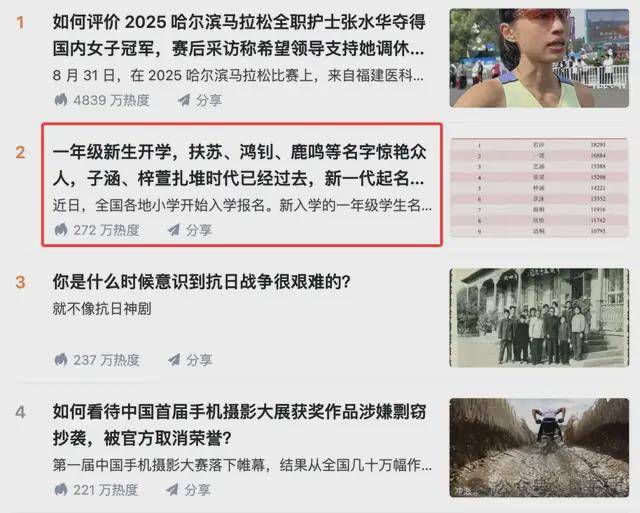
Core Insights - The rapid advancement of AI technology is significantly transforming the content creation landscape, with ByteDance's Kousu Space introducing a deep writing feature that combines systematic thinking and efficient expression [1] Group 1: Innovations in AI Writing Tools - Kousu Space's standout feature is the "one-click optimization prompt" function, allowing users to make precise adjustments on preset templates, thereby lowering the barrier for using AI writing tools [1] - The system demonstrates exceptional capability in structuring academic papers, automatically generating complete frameworks that include abstracts, keywords, and references [1] - In professional content creation, the tool effectively addresses complex topics, such as producing a 3000-word paper on "ethical challenges of AI writing tools," complete with clickable references that correspond accurately to the text [1] Group 2: Analysis of Social Issues - The tool excels in analyzing social topics, as evidenced by its 2500-word exploration of the "new generation naming trends," which includes case studies, authoritative data, and a multi-dimensional analysis [1] - The narrative style combines storytelling with analysis, maintaining professional depth while adhering to the dissemination norms of the new media era [1] Group 3: Limitations in Emotional Content Creation - In emotional content creation, the tool shows noticeable limitations, such as generating travel essays that occasionally include English terms and time discrepancies, highlighting the gap between technical rationality and human warmth [2] Group 4: Comprehensive Creative Ecosystem - Kousu Space has built a complete creative ecosystem, supporting real-time adjustments from outline previews to multi-format exports (PDF/Markdown/Docx), enhancing the overall content creation process [3] - The tool's multimedia generation capabilities allow for simultaneous production of images, web versions, and podcast scripts, significantly improving content dissemination efficiency [3] Group 5: Performance Metrics - The tool demonstrates a significant advantage in data collection and structured presentation, enabling self-media practitioners to complete the entire process from topic selection to draft in just ten minutes, with generated content backed by credible data [4] - However, in creative writing, the system struggles with narrative pacing, producing outputs that resemble analytical reports rather than literary creations when tasked with mimicking Hemingway's style [4]
别再被AI写作绑架了
Hu Xiu· 2025-08-18 05:47
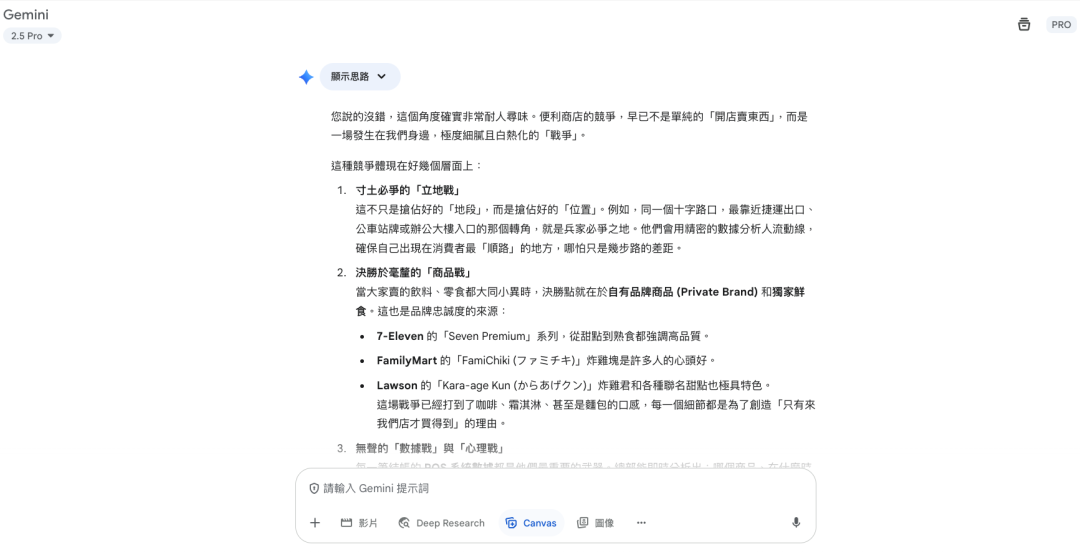
Group 1 - The article discusses the limitations of AI tools in writing, emphasizing that a "write for you" AI may not be the best solution for content creators due to issues like hallucination, memory, and context [1][2] - A combination of traditional writing tools and AI can create a more effective writing workflow that aligns with existing habits [2][7] - The writing process is divided into stages: brainstorming, organizing, and writing, with specific tools recommended for each stage [3][17][26] Group 2 - For the brainstorming phase, tools like Gemini can help clarify thoughts and provide multiple angles on a topic, rather than generating full text [3][10][12] - During the organizing phase, visual tools like YouMind and Miro can effectively organize materials and stimulate ideas, offering a more efficient alternative to traditional browser tabs [4][19][22] - In the writing phase, it is suggested to revert to a non-AI environment to maintain personal writing style and avoid the "AI flavor" in the text [27][28][30] Group 3 - The article highlights the importance of human involvement in the writing process, as AI should serve as a tool for reflection and brainstorming rather than a replacement for the writer [16][29][36] - It notes that while AI tools are evolving, the essence of writing remains a balance between expression and control, requiring writers to find their own rhythm [37]
让AI创作不千篇一律,提示词随机插词汇就行
量子位· 2025-08-16 03:58
Core Insights - The article discusses the findings of a recent study that challenges the notion that AI-generated writing is inherently homogeneous, suggesting that the "initial conditions" provided by humans play a significant role in the diversity of AI writing outputs [2][3][10]. Group 1: Research Findings - The study reveals that when humans provide an opening or insert random words before AI writing begins, the resulting text exhibits greater diversity [2][8]. - It was found that human writing in the Short Stories dataset showed lower stylistic variance compared to AI models, which displayed richer stylistic diversity [5][23]. - The research introduces a new set of evaluation metrics and datasets to benchmark the diversity of language models, addressing previous limitations in assessing creative diversity [12][11]. Group 2: Data Collection and Analysis - The study analyzed short stories sourced from Reddit's r/shortstories and r/WritingPrompts, focusing on human responses to writing prompts and independent narrative texts [13][14]. - A total of 100 writing prompts and their corresponding human responses were collected, ensuring a quality selection by retaining only the top responses based on votes [15]. - The analysis included various dimensions of text homogeneity, categorized into stylistic, semantic, and sentiment metrics [17][20][21]. Group 3: Homogeneity Metrics - The study employed metrics such as Unique-N and variance of stylistic features to assess the diversity of writing styles across human and AI-generated texts [20][23]. - Semantic homogeneity was evaluated by comparing the average similarity of text embeddings, revealing that human works exhibited higher semantic diversity than AI-generated texts [24][27]. - Sentiment analysis indicated that while human stories often displayed a mix of positive and negative emotions, AI-generated narratives tended to lean more towards positive sentiments [32][34]. Group 4: Implications for AI Writing - The findings suggest that providing more context or random words in prompts can enhance the diversity of AI outputs, indicating a potential area for further exploration [35][41]. - The study's results imply that while AI models still lag behind human creativity in terms of diversity, there are methods to improve their outputs significantly [40][41].

用AI写作,最重要的是学会与AI对抗
Hu Xiu· 2025-08-04 09:05
Group 1 - The article discusses the integration of AI in writing, emphasizing its role in enhancing efficiency and managing complexity in a fast-paced world [8][9][11] - It highlights the importance of human judgment and the unique qualities that human authors bring to writing, such as responsibility, experience, and intent, which AI lacks [18][19][21] - The author expresses concerns about the over-reliance on AI, which can lead to a loss of personal voice and creativity in writing [30][31][32] Group 2 - The article outlines specific behaviors that can lead to distrust in AI-generated content, such as fully outsourcing writing tasks to AI or using AI to dictate research and outlines without critical engagement [24][26][28] - It emphasizes the need for a structured approach to using AI, where human thought remains central, and AI serves as a tool for enhancing clarity and depth in writing [42][47][49] - The author advocates for a collaborative process with AI, involving critical dialogue and iterative refinement to ensure the final output reflects the author's unique perspective [44][46][54]
在你学会使用AI之前,机器早已在帮助人类写作了
Di Yi Cai Jing· 2025-08-01 03:58
Core Viewpoint - The essence of AI writing is that it is cultivated by human writing rather than AI possessing inherent writing abilities [1][2] Historical Context of AI Writing - The book "How Machines Learn to Write" explores the historical development of writing machines, tracing back to examples like the "zairajah" device mentioned by the historian Ibn Khaldun [3][5] - Historical inventions such as the "mathematical organ" and the concept of programmable computers by Charles Babbage and Ada Lovelace contributed to the evolution of writing tools [8] AI and Human Interaction - The relationship between humans and AI is characterized by a collaborative evolution, where AI development has been influenced by various disciplines and cultures over time [9][10] - The increasing capabilities of machines in writing are leading to a shift in their role from serving humans to potentially replacing traditional human writing skills [11] The Role of AI in Literature - AI's ability to generate content has led to a rise in AI-generated literature, particularly in genres like online novels, where interactivity plays a significant role in the creative process [12] - The development of AI tools has made writing more accessible, but it also raises concerns about new inequalities emerging in the data-driven age [12]
致爱康国宾:危机公关时不要用 AI 写稿
虎嗅APP· 2025-07-31 09:50
Core Viewpoint - The article discusses the crisis communication failure of iKang Guobin in response to a customer's cancer diagnosis, highlighting the inadequacy of AI-generated responses in building trust during critical moments [3][4][19]. Group 1: Company Response - iKang Guobin's CEO stated that one cannot expect comprehensive disease detection from a low-cost health check, which became a focal point of public criticism [4]. - The company's reaction involved a strong denial and legal action against the customer, rather than addressing the emotional concerns of the public [3][10]. Group 2: AI in Crisis Communication - The article suggests that the company's public statement may have been generated by AI, characterized by a template-like structure and lack of genuine human emotion [5][6]. - AI's inability to convey trust and authenticity in communication is emphasized, as it lacks personal experience, intent, and accountability [8][9]. Group 3: Human Element in Communication - Effective crisis communication requires human empathy and the ability to acknowledge emotions, which AI cannot replicate [10][20]. - The absence of human oversight in AI-generated responses can lead to the amplification of irrational emotions and poor decision-making [12][15]. Group 4: Broader Implications - The reliance on AI for communication reflects a broader issue of undervaluing genuine human interaction in corporate settings [17]. - The article argues that communication should be viewed as a relational process rather than a mere transactional task, emphasizing the need for time and emotional investment [20].