国产化替代

Search documents
合成树脂:成功构建现代产业体系
Zhong Guo Hua Gong Bao· 2025-12-12 02:49
Core Insights - The "14th Five-Year Plan" period is a critical stage for China's synthetic resin industry, transitioning from scale expansion to quality improvement and from technology following to independent leadership [1] Group 1: Industry Growth and Capacity - The synthetic resin industry achieved historic breakthroughs during the "14th Five-Year Plan," reversing the reliance on imports, with domestic production and consumption expected to reach 127 million tons and 137 million tons respectively in 2024, marking increases of 7.4% and 5.2% year-on-year [2] - The self-sufficiency rate of synthetic resins improved from 73% in 2020 to 90% in 2024, with many previously imported varieties now produced domestically [2] Group 2: Product Structure Optimization - The industry has developed a collaborative growth pattern of "general + engineering + specialty" resins, with general resin capacity reaching 122 million tons in 2024, accounting for 80% of total capacity [3] - Engineering plastics production is globally leading, with polycarbonate (PC) production increasing from 610,000 tons in 2015 to 3.81 million tons in 2024, and nylon 66 rising from 275,000 tons to 1.261 million tons in the same period [3] Group 3: Technological Advancements - Significant breakthroughs in core technology and equipment have been achieved, with major ethylene and aromatic production technologies now largely autonomous, and coal-to-olefins (MTO) technology leading globally [4] - The competitiveness of equipment exports has been highlighted, with companies exporting to over 130 countries and regions [4] Group 4: Circular Economy and Sustainability - The synthetic resin industry has established a closed-loop ecosystem covering the entire lifecycle from synthesis to recycling, integrating deeply into national strategic emerging industries [5][6] - Breakthroughs in physical recycling and chemical recovery technologies are expected to increase the plastic recycling rate to over 30% by 2025 [6] Group 5: Internationalization and Regional Development - The industry is actively integrating into a "dual circulation" pattern, with synthetic resin exports projected to exceed 17 million tons in 2024, expanding markets beyond Asia and Europe to the Middle East, Africa, and South America [7] - Regional clusters have formed in China, with five provinces accounting for nearly half of the national production, leveraging local resources to build a closed-loop industrial chain [7]
研判2025!中国血气分析仪行业发展历程、市场政策、产业链图谱、发展现状、竞争格局及发展趋势分析:国产化替代空间巨大[图]
Chan Ye Xin Xi Wang· 2025-12-12 01:28
Core Viewpoint - The blood gas analyzer market in China is experiencing a transition from large hospitals to grassroots medical institutions, with a significant increase in procurement in 2023, followed by a decline in 2024 and 2025 due to various factors including medical insurance cost control [1][5][9]. Overview - Blood gas analyzers are high-tech diagnostic instruments used to measure parameters such as pH, PCO2, and PO2 in arterial blood, featuring automated calibration and diagnostics [2][3]. - The market for blood gas analyzers is entering a deep adjustment period, with procurement volumes and values showing significant fluctuations [1][9]. Market Policy - The Chinese government emphasizes the development of the medical device industry, including blood gas analyzers, through various policies aimed at ensuring product quality and patient safety [6][7]. Industry Chain - The upstream of the blood gas analyzer industry includes suppliers of raw materials and core components, while the midstream involves R&D and manufacturing, and the downstream consists of hospitals and healthcare institutions as the primary demand market [7][8]. Current Development - In 2023, the total procurement of blood gas analyzers in China reached 965 units, a year-on-year increase of 22.77%, with a total procurement value of 0.95 billion yuan, up 9.20% [1][9]. - The market is seeing a shift in demand from high-end hospitals to grassroots healthcare facilities, with a notable decline in procurement expected in 2024 and 2025 [1][9]. Competitive Landscape - The market has historically been dominated by foreign brands like Radiometer and Wofun, but domestic companies such as Libang and Kangli are gaining market share, with Libang achieving a market share of 24.28% in 2025 [10][12]. - The overall market share of domestic blood gas analyzers reached 48.44% in 2025, indicating a significant shift towards local production and innovation [10][12]. Future Development Trends - The integration of AI algorithms with blood gas analyzers is expected to enhance diagnostic accuracy and provide preliminary treatment suggestions, while advancements in 5G and IoT will facilitate remote data access and device management [14]. - The trend towards miniaturization and ease of use in portable blood gas analyzers is anticipated to grow, catering to various clinical scenarios [14].


东方钽业:近年来不断加大国内高温合金、半导体用钽靶材及高纯铌材等产品的科技攻关力度
Zheng Quan Ri Bao· 2025-12-11 12:41
Core Viewpoint - The company emphasizes the increasing domestic demand for high-value products such as high-temperature alloys, semiconductor tantalum targets, and high-purity niobium materials due to the ongoing development of high-tech and new infrastructure industries in China [2] Group 1: Industry Development - The domestic demand for high-value products is gradually rising as high-tech and new infrastructure sectors continue to develop [2] - The domestic production capacity for high-temperature alloys, semiconductor tantalum targets, and high-purity niobium materials is being enhanced through technological upgrades and production line improvements [2] Group 2: Company Strategy - The company is focusing on technological breakthroughs in high-temperature alloys, semiconductor tantalum targets, and high-purity niobium materials to meet the growing domestic demand [2] - The company is implementing a strategy for self-sufficiency in the supply chain, transitioning from single product breakthroughs to systematic solutions, which provides a solid foundation for the growth of tantalum, niobium, and their alloy products [2]

华大九天:获实控人2.5亿元委托贷款 用于支持科技项目
Ju Chao Zi Xun· 2025-12-11 11:42
Core Viewpoint - The actual controller of Huada Jiutian plans to provide a loan of 250 million yuan to the company to support the orderly advancement of technology projects [1][3] Group 1: Loan Details - The loan will have a term of one year with an interest rate of 1.50% [1] - The funds are sourced from the state-owned capital operating budget and constitute a related party transaction [3] Group 2: Impact on Company Operations - The introduction of low-cost and relatively stable funding is expected to alleviate temporary financial pressures during project construction and enhance the efficiency of technology project implementation [3] - The transaction does not involve any change in company control and will not adversely affect daily operations [3] Group 3: Company Profile and Financial Performance - Huada Jiutian specializes in the development, sales, and technical services of EDA tools required for integrated circuit design, manufacturing, and packaging [3] - The company reported a total operating revenue of 805 million yuan for the first three quarters of the year, representing a year-on-year growth of 8.24% [3] Group 4: Strategic Goals - The funding support from the actual controller is expected to ensure the smooth implementation of key technology projects and increase R&D investment in critical areas such as advanced processes and domestic substitution [3] - The initiative aims to enhance the security of the integrated circuit industry chain and supply chain, fostering new productive forces [3]

东方钽业(000962) - 000962东方钽业投资者关系管理信息20251211
2025-12-11 10:06
Group 1: Company Overview and Operations - The company, Ningxia Dongfang Tantalum Industry Co., Ltd., is involved in the production of tantalum and niobium products, with a focus on ensuring a stable supply chain for raw materials [1][5]. - The company has a comprehensive production line from raw material processing to product manufacturing, enhancing supply chain control [5]. Group 2: Product Pricing and Market Strategy - Product pricing is determined through a cost-plus model, influenced by market demand, inventory structure, and customer orders, with a lag in the transmission of raw material price changes to finished product prices [4]. - The company is actively increasing its production capacity for high-value products such as high-temperature alloys and semiconductor materials, responding to rising domestic demand [10][11]. Group 3: Fundraising and Project Investments - The company plans to raise funds for three major projects, including a digital factory for tantalum and niobium wet metallurgy with a total investment of approximately 67.87 million RMB [6][7]. - Additional projects include the renovation of smelting production lines and the construction of high-end product production lines, with expected annual outputs of 860 tons of niobium and 80 tons of tantalum [7]. Group 4: Supply Chain Security - The company has secured a significant supply of raw materials through a contract with Taboca Mining Company, ensuring the procurement of approximately 3,000 tons of alloy materials valued at 540 million RMB [5]. - The acquisition of Taboca Mining Company enhances the stability and control of the raw material supply chain, supporting the company's production needs [5]. Group 5: Future Development and Market Trends - The company is adapting to urban development challenges by relocating its wet metallurgy production line to meet modern environmental and safety standards [9]. - The domestic market for high-value products is expected to grow, driven by advancements in high-tech industries and infrastructure development [10].
基于欧洲和中东油气市场的压力控制校准器前景分析
QYResearch· 2025-12-11 02:36
Core Insights - The article discusses the significance of pressure control calibrators in the oil and gas industry, highlighting their role in high-precision pressure measurement and calibration, which is essential for exploration, drilling, transportation, and equipment maintenance [1]. Market Analysis - The development of pressure control calibrators in the European and Middle Eastern oil and gas markets is driven by energy security transitions and the establishment of digital verification systems. The demand for measurement, monitoring, and safety calibration equipment has significantly increased due to the diversification of energy sources post-Russia-Ukraine conflict [2]. - According to QYResearch, the global market for pressure control calibrators is expected to reach $330 million by 2031, with a compound annual growth rate (CAGR) of 8.1% over the coming years [2]. Supply Chain Overview - The upstream supply chain includes critical components such as high-pressure motor assemblies, servo pump bodies, pressure sensor cores, seals, and corrosion-resistant metal housings. The cost of pressure sensor cores accounts for approximately 35% to 40% of the total cost, influencing overall measurement accuracy and temperature stability [5]. Technological Trends - Key technological advancements include: - Smart and remote control capabilities with ±0.005% FS stability, supporting Bluetooth, Modbus, and Ethernet communication for integration into oilfield monitoring networks [6]. - Lightweight and portable designs with built-in battery systems for independent operation in remote locations [6]. - Enhanced corrosion resistance and explosion-proof features, compliant with ATEX and IECEx certifications [6]. - Integration with SCADA systems for automatic data upload and compliance reporting [6]. - Energy-efficient and low-noise motors to reduce operational noise in oil and gas environments [6]. Industry Policies - Energy independence policies in Europe are increasing investments in natural gas storage and oilfield longevity, raising standards for equipment testing and maintenance [8]. - Stricter safety and compliance regulations, such as the EU's ATEX Directive and Pressure Equipment Directive, mandate that pressure testing instruments meet specific safety and accuracy standards [8]. - The strengthening of metrology certification systems, including ISO/IEC 17025 and EN ISO 9001, is driving demand for high-end pressure control calibrators [8]. Market Development Factors - Driving factors include: - Growing demand for high-precision measurement in the oil and gas sector, particularly with the expansion of deep-sea drilling and unconventional gas facilities [9]. - The promotion of automated calibration and digital factory initiatives, leading to increased adoption of pressure control calibrators with smart control modules [9]. - Enhanced safety and efficiency in testing processes, particularly in hazardous environments [9]. - The aging of global energy facilities necessitating maintenance and calibration, increasing the frequency of instrument calibration [10]. Barriers to Growth - High-end technology barriers and cost constraints, with electric calibrators priced between $5,000 and $15,000, making them 2 to 3 times more expensive than manual or pneumatic devices [11]. - Differences in metrology standards and certification barriers across countries, leading to high costs and long cycles for product export certification [12]. - Lack of a robust metrology regulatory framework in emerging markets like the Middle East and Africa, limiting the demand for high-precision calibration [13]. - Environmental challenges such as high temperatures and humidity affecting the performance of pressure control calibrators [14]. Development Opportunities - The trend towards digital operations and predictive maintenance in the oil and gas industry presents opportunities for pressure control calibrators to integrate with monitoring systems for self-calibration and remote data management [16]. - The rise of local manufacturing capabilities in markets like China and India is driving the trend of import substitution, with domestic companies gradually capturing the mid-range market [17]. - Potential for cross-industry applications, including nuclear power, pharmaceuticals, aerospace, and hydrogen energy testing, particularly as hydrogen pressure testing requirements increase [17]. - Innovations in low-power and explosion-proof products are becoming a focus for new product development, with integrated designs expected to dominate the market in the coming years [17].
AI算力封装的关键材料:Low CTE电子布为何迎来爆发?
材料汇· 2025-12-10 15:51
Group 1 - The core viewpoint of the article emphasizes that Low CTE electronic cloth is a key material for advanced AI packaging, significantly reducing warpage and stress mismatch, thereby enhancing long-term reliability. The demand for Low CTE electronic cloth is expected to surge due to the explosive growth in AI computing chip shipments and the increasing size of chip packaging areas, alongside rising demand for smartphone motherboards [2][18]. Group 2 - The demand explosion for Low CTE electronic cloth is driven by two main factors: the packaging of AI computing chips and the upgrade of consumer electronics. The application scenarios include AI servers, data center switches, and high-end consumer electronics. The demand for Low CTE electronic cloth is projected to exceed 600 million meters by 2025, with a compound annual growth rate of nearly 100% [18][19]. Group 3 - The supply of Low CTE electronic cloth is currently scarce, with Nitto Denko being the leading global supplier. However, its production capacity is not expected to increase in the short term. Domestic companies like Zhongcai Technology and Honghe Technology are beginning to fill the gap, having completed customer certifications and started mass production [3][6][12]. Group 4 - The article highlights that the Low CTE electronic cloth market is characterized by a concentrated supply structure, with ongoing shortages expected to worsen. The demand for Low CTE electronic cloth is anticipated to double this year, reaching over 6 million meters, while the supply gap is projected to exceed 30% [6][12]. Group 5 - The production of Low CTE electronic cloth involves high technical barriers, with only a few companies globally mastering stable mass production technology. The production process includes multiple stages, such as melting, weaving, and post-treatment, each facing various technical challenges [13][14][17]. Group 6 - The article discusses the advanced packaging technology CoWoP (Chip-on-Wafer-on-Substrate) as a significant growth area for Low CTE electronic cloth, particularly in AI servers. This technology allows for larger and more integrated packaging, which is crucial for AI applications [3][34][53].



昂瑞微(688790) - 昂瑞微首次公开发行股票并在科创板上市招股说明书
2025-12-10 11:20
退市风险高等特点,投资者面临较大的市场风险。投资者应充分了解科创板的投资风险 及本公司所披露的风险因素,审慎作出投资决定。 北京昂瑞微电子技术股份有限公司 (北京市海淀区东北旺西路 8 号院 23 号楼 5 层 101) 首次公开发行股票并在科创板上市 招股说明书 (北京市朝阳区安立路 66 号 4 号楼) 保荐人(主承销商) 本次发行股票拟在科创板上市,科创板公司具有研发投入大、经营风险高、业绩不稳定、 北京昂瑞微电子技术股份有限公司 招股说明书 声 明 中国证监会、交易所对本次发行所作的任何决定或意见,均不表明其对发行 人注册申请文件及所披露信息的真实性、准确性、完整性作出保证,也不表明其 对发行人的盈利能力、投资价值或者对投资者的收益作出实质性判断或保证。任 何与之相反的声明均属虚假不实陈述。 根据《证券法》规定,股票依法发行后,发行人经营与收益的变化,由发行 人自行负责;投资者自主判断发行人的投资价值,自主作出投资决策,自行承担 股票依法发行后因发行人经营与收益变化或者股票价格变动引致的投资风险。 1-1-1 北京昂瑞微电子技术股份有限公司 招股说明书 北京昂瑞微电子技术股份有限公司 致投资者的声明 ...
ETF日报 | 摩尔线程大涨超16%!哪些板块涨幅居前?
Sou Hu Cai Jing· 2025-12-10 07:33
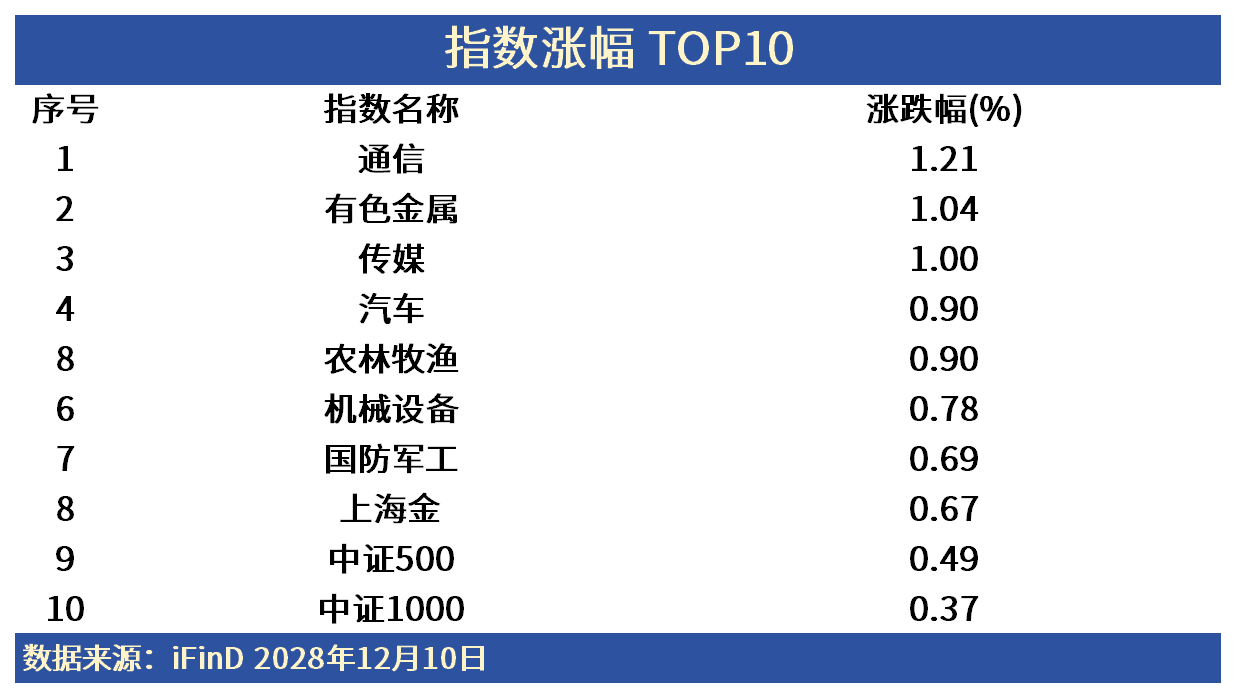
Communication Sector - The successful maiden flight of the Zhuque-3 rocket and the upcoming launch of the Chang Zheng-12A highlight the rapid development in the satellite communication industry [2] - Huaxi Securities emphasizes the long-term growth potential in the TMT sector, particularly in 6G, domestic substitution, and military applications, which could catalyze market opportunities [2] - The Communication ETF Guangfa (159507) saw a rise of 1.10% today, reflecting positive market sentiment [2] Non-Ferrous Metals Sector - The non-ferrous metals sector is experiencing multiple favorable factors, including rising expectations for a Fed rate cut and a tightening of domestic copper smelting capacity, leading to an 8.41% decrease in social inventory of electrolytic copper [3] - The price of cobalt continues to rise due to export quotas in the Democratic Republic of Congo and delays in raw material arrivals [3] - Guokai Securities projects that the price of aluminum may exceed $3,000 per ton in 2026, with domestic aluminum prices potentially reaching 23,000 yuan per ton [3] Media Sector - The media industry is witnessing significant developments, such as OpenAI's launch of GPT-5.1-Codex-Max and ByteDance's new video editing model Vidi2, which enhances video understanding capabilities [4] - Guoxin Securities suggests a positive outlook for the gaming and IP toy sectors, as well as potential improvements in film and television content due to policy shifts [4] - The largest media ETF (512980) has reached a scale of 2.795 billion yuan, indicating strong investor interest [4] Banking Sector - Dongguan Securities notes that the migration of funds to the banking sector is driven by the search for safety in a low-interest-rate environment, with continued demand for high-dividend, low-valuation bank stocks [6] - The financial real estate ETF (159940) is gaining attention as it tracks the overall financial and real estate index [6] Hong Kong Innovative Pharmaceuticals - Dongfang Securities highlights the supportive policies from the National Medical Insurance Bureau for the high-quality development of innovative drugs, indicating a positive trend for leading domestic innovative drug companies [7] - The largest Hong Kong innovative drug ETF (513120) has a recent scale of 24.928 billion yuan, with significant net inflows over the past trading days [7]
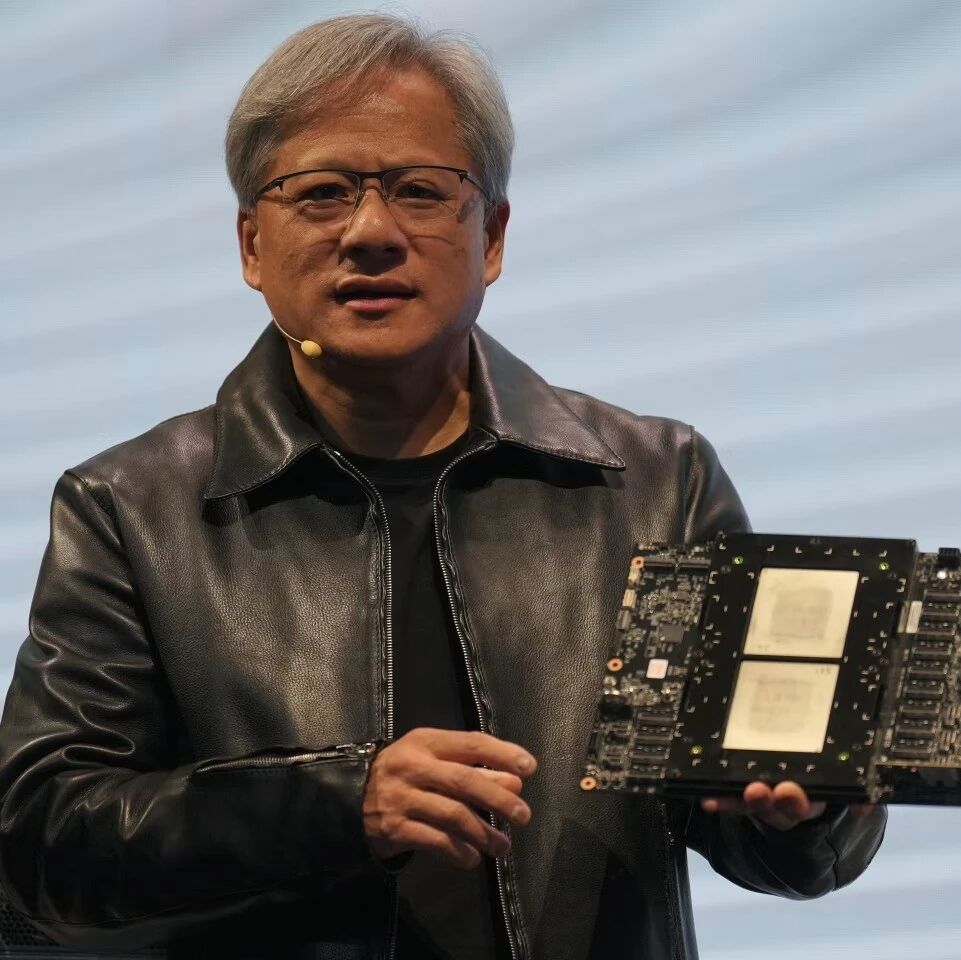
英伟达H200被许可出口中国,但我们祛魅了
首席商业评论· 2025-12-10 04:58
Core Viewpoint - The article discusses a significant shift in U.S. export policy regarding AI chips, particularly Nvidia's H200 chip, which is now allowed for export to approved customers in China and other regions, marking a potential reopening of the Chinese AI market for U.S. companies [2][4]. Group 1: Export Policy Changes - The U.S. government announced on December 8, 2025, that Nvidia can export H200 AI chips to approved customers in China, indicating a major shift from previous strict export controls [2]. - The H200 chip, based on the "Hopper" architecture, is less advanced than Nvidia's latest chips, which reduces concerns about technology leakage, making it a key opportunity for U.S. companies to regain access to the Chinese market [4][6]. - The U.S. government will receive 25% of the revenue from H200 sales, a higher percentage than the previously mentioned 15%, reflecting a stronger negotiating position [6]. Group 2: Market Implications - Nvidia's revenue from China is expected to recover in the short term, as there is still significant demand for high-performance computing among Chinese customers [8]. - Despite the reopening of exports, there is uncertainty regarding the long-term purchasing behavior of Chinese clients, as domestic AI chip development is progressing rapidly, potentially leading to a shift towards local alternatives [6][10]. - The Chinese regulatory stance on foreign chips remains cautious, with potential restrictions on the actual procurement and use of H200 chips in sensitive areas [10]. Group 3: Competitive Landscape - The emergence of domestic competitors, such as Moore Threads, indicates a growing confidence in the Chinese market's ability to develop local alternatives, even as Nvidia's exports resume [12][14]. - AMD poses a competitive threat to Nvidia by offering cost-effective products that may be more appealing for AI inference and deployment, with certain AMD GPUs reportedly outperforming Nvidia's in memory capacity and bandwidth [18][20]. - Despite the competitive pressures, Nvidia maintains a leading position in AI training due to its mature software ecosystem and the high switching costs for customers transitioning to other platforms [21]. Group 4: Future Outlook - The new export policy could help Nvidia and other U.S. chip manufacturers to regain access to the lucrative Chinese AI market, potentially boosting revenue growth [23]. - However, the unpredictable nature of U.S. policies may complicate the operational landscape for American firms and provide more time for competitors to catch up, reinforcing the trend towards domestic chip development in China [23].