
绿色金融

Search documents
以金融“五篇大文章”为战略支点 提升价值创造 助力金融强国建设——对话招银理财董事长吴涧兵
Sou Hu Cai Jing· 2026-01-26 00:37
Core Viewpoint - The financial "Five Major Articles" are essential for the banking asset management institutions to serve China's modernization and achieve high-quality development [1][4][5] Group 1: Financial "Five Major Articles" - The "Five Major Articles" include the development of technology finance, green finance, inclusive finance, pension finance, and digital finance, which serve as both a task list and a guideline for high-quality development [5][6] - The banking asset management sector is a crucial link between residents' wealth and the real economy, with a total scale exceeding 33 trillion yuan [1][4] Group 2: Strategic Implementation - The company has established a dual-layer structure of "leadership group + special task groups" to systematically promote the implementation of the "Five Major Articles" [5][6] - By the end of 2025, the company aims to support over 2 trillion yuan in funding for the real economy, demonstrating its commitment to the mission of contributing to the construction of a financial power [6] Group 3: Unique Advantages of Banking Asset Management - The company has a strong inclusive finance foundation, having served over 65 million clients by the end of 2025, which enhances its ability to promote inclusive and pension finance [7][8] - The synergy within the banking group allows for efficient collaboration across various financial services, providing a comprehensive financial service model [7][8] Group 4: Business Development Paths - The company employs a systematic approach to break down macro strategies into specific business capabilities, forming a supportive "combination punch" across different areas [7][8] - In technology finance, the company emphasizes understanding technology and rational support, having launched 47 technology finance-themed products by the end of 2025 [8][9] Group 5: Challenges and Responses - The company faces common challenges such as the need to enhance equity research capabilities, improve investor education, and advance digitalization [11][12] - To address these challenges, the company focuses on enhancing two core capabilities: aligning funding with national strategies and improving value creation through high-quality, low-volatility financial products [11][12]

2亿授信加持!新塍大米成嘉兴碳认证首个
Xin Lang Cai Jing· 2026-01-25 23:27
Core Viewpoint - The article highlights the achievement of "Xinchang Rice" in receiving the first carbon footprint certification for rice products in Jiaxing City, along with a significant financial support of 200 million yuan from Hecheng Rural Commercial Bank to promote green upgrades in the rice industry chain [1] Group 1: Certification and Financial Support - "Xinchang Rice" has been awarded the first carbon footprint certification for rice products in Jiaxing City, showcasing its commitment to sustainability [1] - Hecheng Rural Commercial Bank has provided a credit line of 200 million yuan to support the green transformation of the rice industry, focusing on ecological planting technology research and low-carbon processing equipment upgrades [1] Group 2: Green Finance and Ecological Value - The integration of green finance and carbon footprint certification is transforming intangible ecological value into tangible development capital, promoting a more sustainable agricultural model [1]
耕沃野而兴百业 护青山以泽千秋
Xin Lang Cai Jing· 2026-01-25 22:24
Core Viewpoint - The Agricultural Development Bank of China, Guizhou Branch, has significantly contributed to rural revitalization and agricultural development in Guizhou province through targeted financial support, with a total loan issuance of nearly 300 billion yuan over the past five years, enhancing food security and promoting sustainable agricultural practices [12][14]. Financial Support for Agricultural Development - The bank has provided 82 billion yuan in credit to support the development of the Hongyingzi sorghum industry, facilitating a complete supply chain from production to sales [13]. - A total of 353 billion yuan has been allocated for grain and oil loans, reinforcing the bank's position as a key player in the grain financial market [14]. Rural Infrastructure and Urban-Rural Integration - The bank invested 2.16 billion yuan in upgrading rural infrastructure in Wanfenglin, improving transportation and promoting local tourism [19]. - Over 300 billion yuan has been directed towards water conservancy projects, enhancing water supply systems and ensuring water security for urban and rural areas [20]. Ecological and Environmental Initiatives - The bank has allocated 2.81 billion yuan for ecological restoration projects, including wetland rehabilitation, which has led to the development of an eco-tourism industry [22]. - Innovative financial products like "Green Water and Green Mountain Loans" have been introduced to support ecological protection and sustainable development [23]. Support for Poverty Alleviation and Employment - The bank has provided 456 billion yuan in loans for post-relocation support, aiding displaced populations in establishing stable livelihoods [24]. - The bank's financial services have been tailored to meet the needs of local industries, fostering job creation and economic stability in rural areas [18]. Future Outlook - The bank aims to continue its commitment to rural revitalization and agricultural modernization, focusing on enhancing financial support for key projects and initiatives in Guizhou province [25].

绿色低碳改造提速 驱动企业生产模式加快转型
Zhong Guo Zheng Quan Bao· 2026-01-25 21:06
Core Viewpoint - The green and low-carbon transformation of enterprises is essential for high-quality development, requiring enhanced management capabilities, technological reserves, and financial support to drive deep transformation [1][2][3] Group 1: Industry Actions and Developments - Multiple listed companies have announced initiatives for green low-carbon transformation, covering sectors such as steel, non-ferrous metals, and energy equipment, focusing on improving production efficiency and creating new market opportunities [1] - Liugang Co. plans to raise up to 300 million yuan for a high-quality technology upgrade project aimed at enhancing product quality and reducing emissions [1] - Zhongjin Lingnan is implementing a project to expand lead-zinc ore processing capacity, which will significantly improve resource utilization efficiency [1] Group 2: Technological and Strategic Considerations - The transition to green low-carbon practices has shifted from a strategic choice to a necessary operational requirement, particularly for high-energy-consuming industries [3] - Companies face challenges in selecting suitable technologies that balance advanced capabilities with cost-effectiveness, emphasizing the need for a strategic assessment of technology compatibility with long-term low-carbon goals [4] - The evaluation of technology should consider maturity, economic feasibility, environmental benefits, and adaptability to existing production lines [3][4] Group 3: Financial and Support Mechanisms - The contradiction between green investment and profitability is becoming more pronounced, with significant capital requirements and long payback periods posing challenges for companies [5] - Green finance faces issues such as mismatched loan terms and high entry barriers for small and medium-sized enterprises, which often struggle to access necessary funding [5][6] - Innovations in green financial products are expected in 2026, including transition bonds and asset securitization, to better support corporate transformation efforts [6]
绿色债券周度数据跟踪-20260125
Soochow Securities· 2026-01-25 06:26
本周(20260119-20260123)绿色债券周成交额合计 635 亿元,较上周减 少 13 亿元。分债券种类来看,成交量前三为非金公司信用债、金融机 构债和利率债,分别为 300 亿元、241 亿元和 74 亿元;分发行期限来 看,3Y 以下绿色债券成交量最高,占比约 80.43%,市场热度持续;分 发行主体行业来看,成交量前三的行业为金融、公用事业、交运设备, 分别为 266 亿元、113 亿元和 34 亿元;分发行主体地域来看,成交量前 三为北京市、广东省、湖北省,分别为 187 亿元、81 亿元和 45 亿元。 ◼ 估值偏离度前三十位个券情况: 证券研究报告·固定收益·固收点评 固收点评 20260125 绿色债券周度数据跟踪 (20260119-20260123) [Table_Tag] [Table_Summary] 观点 ◼ 一级市场发行情况: 本周(20260119-20260123)银行间市场及交易所市场共新发行绿色债券 20 只,合计发行规模约 84.00 亿元,较上周减少 11.61 亿元。发行年限 多为 3 年、5 年;发行人性质为央企子公司、地方国有企业、大型民企、 中央金融企业 ...
【智库圆桌】深耕普惠金融促发展惠民生
Xin Lang Cai Jing· 2026-01-25 00:45
Core Viewpoint - The development of inclusive finance in China reflects a people-centered approach, emphasizing the importance of financial services for all social strata, particularly small and micro enterprises, to promote social equity and inclusive growth [2][3]. Group 1: Importance and Achievements of Inclusive Finance - Inclusive finance is defined as providing appropriate and effective financial services at affordable costs to all social groups, focusing on equal opportunities and commercial sustainability [2]. - Since the concept was introduced by the UN in 2005, China has made significant progress in inclusive finance, with policies established since 2013 to support its development [2][3]. - The 2023 State Council's implementation opinions highlight the need for high-quality development of inclusive finance to promote common prosperity for all [2]. Group 2: Support for Micro and Small Enterprises - Inclusive finance is crucial for enhancing the vitality of micro and small enterprises, which play a vital role in stabilizing employment and promoting innovation [3]. - Challenges such as high financing costs and difficulties in obtaining subsidies persist for these enterprises, necessitating improved financial services [3][4]. - Financial institutions are innovating products and services tailored to the unique needs of small enterprises, leading to increased loan volumes and reduced costs [5]. Group 3: Policy and Service System Development - China has established a comprehensive policy and service system for inclusive finance, significantly improving service coverage, accessibility, and satisfaction [4]. - By the end of 2024, there will be an average of 1.62 bank outlets per 10,000 people, with nearly 98% coverage in rural areas [4]. - The development of digital financial services has led to a substantial increase in mobile payment transactions in rural areas, reaching 339.33 billion transactions in 2024, a 33.03% increase year-on-year [4]. Group 4: Technological Empowerment - The integration of advanced technologies such as big data and artificial intelligence is transforming the operational model of inclusive finance, addressing challenges of high costs and risks [6]. - Digital banks are innovating lending models that significantly enhance loan application efficiency, such as the "310" model, which allows for quick loan processing [6]. Group 5: Reform Pilot Zones and Innovations - Various pilot zones for inclusive finance reform have been established, focusing on different regional needs and challenges, such as supporting rural revitalization and small enterprises [7][8]. - Innovations in credit information sharing and risk-sharing mechanisms have been implemented to enhance financial support for rural areas and small businesses [8][9]. Group 6: Enhancing Financial Services for Vulnerable Groups - Inclusive finance targets five key groups: micro enterprises, agricultural workers, new urban residents, the elderly, and flexible employment individuals, each facing unique financial challenges [12]. - Efforts are being made to improve the quality of financial services in the livelihood sector, ensuring that financial products are better suited to the needs of these groups [12][13]. Group 7: Future Directions and Recommendations - Continued emphasis on policy coordination and incentive mechanisms is necessary to support financial resources in underserved areas [15]. - The development of a national integrated financing credit service platform is recommended to enhance data sharing and improve financial service delivery [15]. - Financial institutions are encouraged to innovate products that cater to the specific cash flow characteristics of small enterprises and flexible employment [15].
李学峰:深入推进普惠金融改革试验区建设
Xin Lang Cai Jing· 2026-01-25 00:45
Core Viewpoint - Inclusive finance is crucial for supporting the sustainable development of small and micro enterprises and effectively implementing rural revitalization in China [1] Group 1: Development of Inclusive Finance Pilot Zones - The People's Bank of China initiated the construction of inclusive finance reform pilot zones in 2016, with Lankao County in Henan Province being the first [1] - Multiple pilot zones have been approved, focusing on different regional characteristics, such as traditional agricultural areas, private economy support, and poverty alleviation in revolutionary old areas [1] Group 2: Mechanism Innovation and Risk Sharing - Pilot zones have achieved significant results by innovating mechanisms, such as establishing a multi-level risk-sharing and credit enhancement system [2] - In Ganzhou City, a "whole village guarantee" financing model was created to encourage banks to increase credit support for rural revitalization, integrating government risk compensation and bank credit resources [2] Group 3: Industry-Specific Financial Services - Pilot zones are innovating financial service models that align with local industry characteristics, such as the development of agricultural supply chain finance in Linyi City [2] - Specific financial products like "breeding loans" and "Yimeng food development loans" have been introduced to support local agricultural industries, with loan amounts up to 10 million yuan and terms up to 10 years [2] Group 4: Digital Empowerment in Financial Services - Digital technologies are being utilized to enhance the efficiency and accessibility of inclusive financial services in rural areas [3] - The Tianfu Credit Platform, guided by the People's Bank of China, integrates various agricultural data to support credit cultivation and financing for agricultural entities [3] Group 5: Green Finance Integration - Pilot zones are promoting the integration of green finance with inclusive finance to support the green transformation of small and micro enterprises [3] - Initiatives in Jiangxi Province include the establishment of a green inclusive finance mechanism and the introduction of various green credit products to promote sustainable practices [3] Group 6: Collaborative Governance and Modernization - Pilot zones emphasize policy guidance and collaborative governance to enhance the business environment and infrastructure [4] - Initiatives in Ganzhou City involve collaboration between local banks and community organizations to embed financial services into grassroots governance [4] Group 7: Future Directions and Replication - The results of these pilot zones are regionally specific, and there is a need to transform local experiences into widely applicable models [4][5] - The government aims to further promote inclusive finance practices in rural and underdeveloped areas, ensuring the continuity of poverty alleviation and rural revitalization efforts [5]
香港金融业如何对接“十五五”?
Xin Lang Cai Jing· 2026-01-24 10:16
Core Viewpoint - The financial industry in Hong Kong will focus on "consolidating advantages, innovation-driven, internal and external linkage, and safety control" over the next five years, with a strategic emphasis on four key areas [6]. Group 1: Integration with National Development - The Hong Kong Legislative Council passed a motion to align the region's development vision with the national "14th Five-Year Plan," emphasizing the need for a long-term development strategy [3]. - A high-level dedicated agency is proposed to coordinate and implement long-term planning, addressing the current lack of comprehensive planning in Hong Kong [3]. Group 2: Financial Industry Development Strategies - The Hong Kong government has outlined four strategic areas for the financial industry to integrate with national development, focusing on market advantages, financial security, internal and external linkages, and innovation [6][7]. - The government aims to enhance Hong Kong's market competitiveness, particularly in the stock market and offshore RMB business, while attracting family offices and optimizing the tax system [6]. Group 3: Financial Security Measures - The government will work closely with regulatory bodies to improve market supervision and prevent systemic risks, as highlighted in the "14th Five-Year Plan" [6]. Group 4: Internal and External Linkages - The Hong Kong government plans to expand connectivity through existing frameworks like Stock Connect and Bond Connect, and will promote new initiatives such as including REITs in connectivity mechanisms [7]. - Hong Kong aims to play a pivotal role in facilitating mainland enterprises' international expansion while attracting foreign businesses and international capital [7]. Group 5: New Growth Opportunities - The financial sector will focus on technology finance, assist mainland tech companies in financing, and explore new opportunities in commodities and green finance [8]. - In 2024, Hong Kong is expected to issue over $84 billion in green and sustainable debt, maintaining its position as the leading market in Asia [8]. Group 6: Gold Market Developments - The Hong Kong Monetary Authority has introduced new policies to promote green finance, including the inclusion of manufacturing and ICT sectors in sustainable finance classifications [9]. - Plans are underway to expand gold storage capacity at Hong Kong International Airport to over 2,000 tons within three years, aiming to establish an international gold trading center [9][10].

厦门银行打造债券服务矩阵 助实体经济高质量发展
Jin Rong Jie· 2026-01-24 03:34
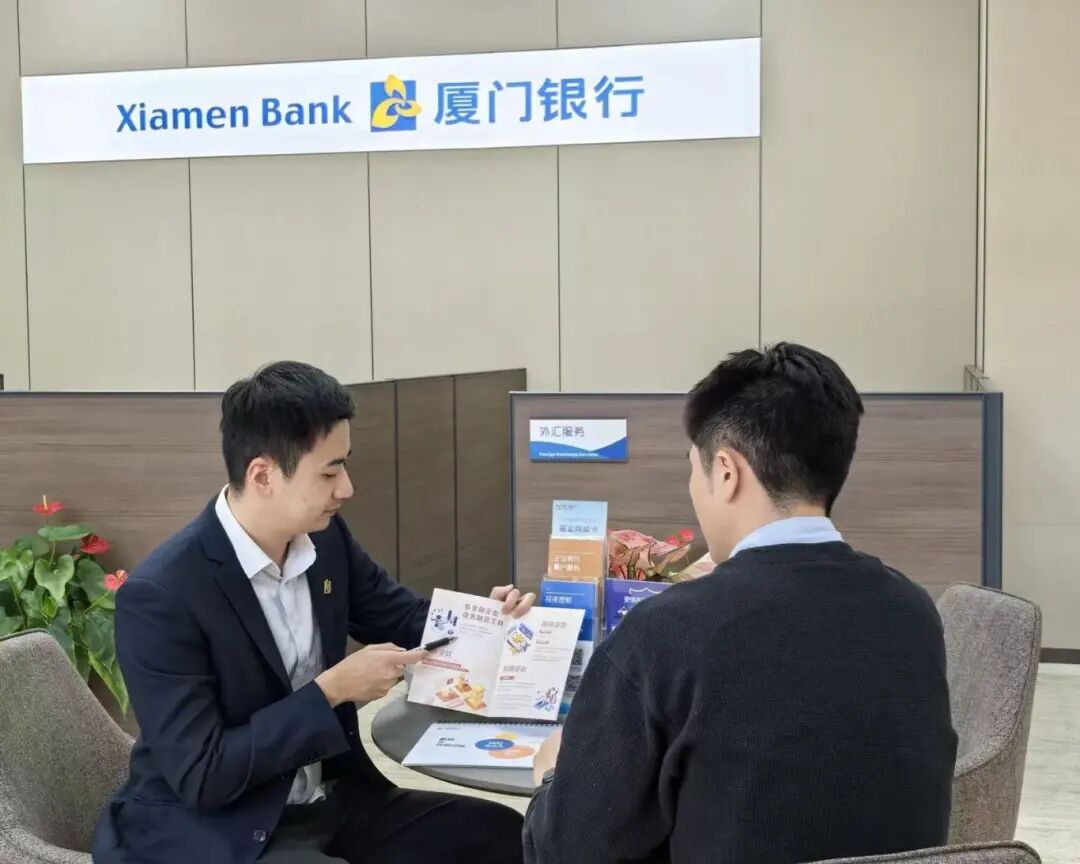
作为深耕本土的城商行,厦门银行始终将服务民营企业作为支持地方发展的重要工作之一,持续打造区域领先的民企债券服务品牌。截至2025年末,该行 已累计为十余家民营企业提供专业、高效的债券承销、发行支持,助力企业拓宽融资渠道、优化财务结构。在夯实服务基础的同时,厦门银行积极创新民 营企业债券融资支持模式。通过主动创设信用风险缓释凭证(CRMW),为包括弘信电子等多家民营企业债券发行提供市场化增信支持,有效降低投资 者信用风险顾虑,提升债券市场认可度。这一创新举措,不仅帮助民营企业特别是科创型企业突破融资瓶颈,也有力地推动区域直接融资生态的持续完 善,实现"信用赋能、融资通畅"的良性循环。 创新发行金融债券精准滴灌重点产业 在助力企业发债的同时,厦门银行也通过自主发行专项金融债券,拓宽资金供给来源,实现对重点领域的靶向支持,助力企业降低融资成本。2025年,厦 门银行先后成功发行30亿元绿色金融债券,资金专项用于基础设施绿色升级、节能环保产业以及清洁能源产业等领域,助力企业绿色低碳转型;发行10亿 元科创金融债券,重点支持集成电路、生物医药等战略性新兴产业发展,为科创企业注入创新成长新动能。这一系列举措不仅有助于降低 ...
中国银行业理财市场年度报告(2025年)
银行业理财登记托管中心· 2026-01-24 02:10
Investment Rating - The report does not explicitly provide an investment rating for the industry Core Insights - The banking wealth management market in China reached a total scale of 33.29 trillion yuan by the end of 2025, reflecting an 11.15% increase from the beginning of the year, with 3.34 million new wealth management products issued, raising 76.33 trillion yuan in funds [6][20] - The report emphasizes the importance of the wealth management industry in supporting the real economy, with approximately 21 trillion yuan allocated to support various sectors [6] - The number of investors holding wealth management products reached 143 million, a growth of 14.37% year-on-year, generating returns of 730.3 billion yuan for investors throughout the year [6] Summary by Sections Development Environment of the Wealth Management Industry - The report highlights the complex changes in the development environment, including global geopolitical tensions and domestic economic challenges, while emphasizing the resilience and potential of China's economy [8] - The "14th Five-Year Plan" and the upcoming "15th Five-Year Plan" outline the strategic direction for the financial sector, focusing on technology finance, green finance, inclusive finance, pension finance, and digital finance [8][9] Wealth Management Products - By the end of 2025, the total number of wealth management products in the market was 46,300, with a total scale of 33.29 trillion yuan, marking a 14.89% increase in the number of products [21][24] - The report indicates a shift from single-asset driven strategies to multi-asset allocation, with a focus on risk management and dynamic adjustments to enhance portfolio resilience [26][27] - Fixed income products dominate the market, accounting for 97.09% of the total scale, while mixed and equity products remain relatively small [32][33] Investor Profile - The report notes that the wealth management industry has seen a significant increase in the number of investors, with a focus on enhancing investor protection and appropriate management of wealth management products [19][40] - The risk management framework is emphasized, with a focus on compliance and transparency to safeguard investor interests [14][16] Market Institutions and Services - The report discusses the establishment of various wealth management companies and the importance of digital financial services, including the use of AI and big data in wealth management [10][12] - It highlights the role of wealth management companies in supporting the pension finance sector and the ongoing development of a centralized data exchange platform for wealth management products [7][12]