京津冀协同发展

Search documents
从走得了到走得好,跨省通勤族收获协同发展新福利
Xin Lang Cai Jing· 2026-01-17 09:29
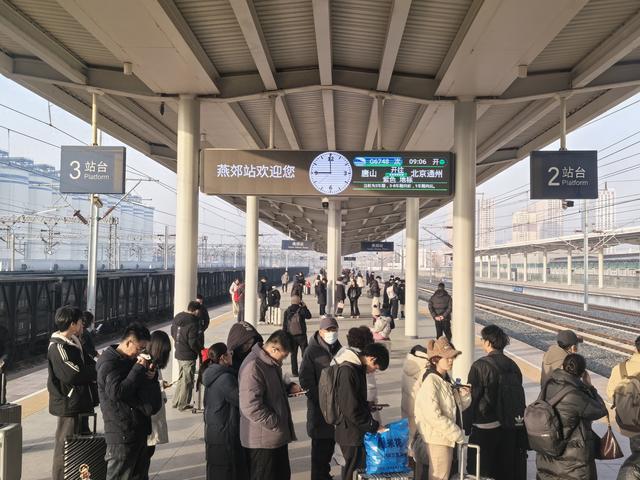
Core Insights - The integration of transportation networks in the Beijing-Tianjin-Hebei region is enhancing cross-province commuting, making it more efficient and comfortable for residents [1][4]. Transportation Developments - The Beijing-Tangshan Intercity Railway has been fully opened, allowing direct travel from Yanjiao to Tongzhou in just 12 minutes, significantly reducing commuting time compared to previous bus routes [2][3]. - Customized express buses have been introduced, providing door-to-door service for commuters in the region, with a focus on convenience and speed [4]. Commuter Experience - Commuters like Ms. Zhang have shifted from traditional bus routes to high-speed rail, allowing for better time management and a more pleasant commuting experience, including the ability to sleep longer in the morning [2][3]. - The new transportation options are not only beneficial for daily commuters but also facilitate family visits and tourism, enhancing overall connectivity between the two regions [3]. Regional Connectivity - The opening of the Anshi Road connecting Xianghe County and Beijing's Tongzhou District has improved travel times by at least 20 minutes, promoting economic and social interactions between the areas [9][11]. - The enhanced transportation infrastructure is expected to drive regional development, allowing for better access to markets and services, thus benefiting local industries and public services [9].

服务京津冀,国联北京金融运营中心揭牌运营
Jing Ji Guan Cha Wang· 2026-01-17 08:00
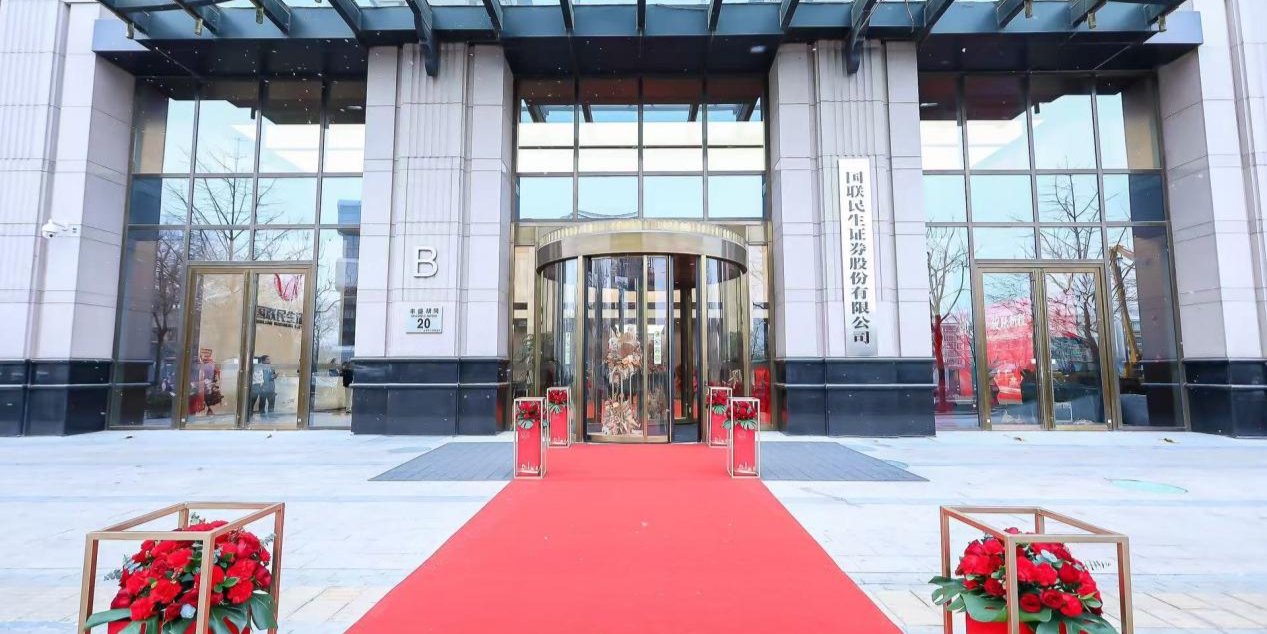
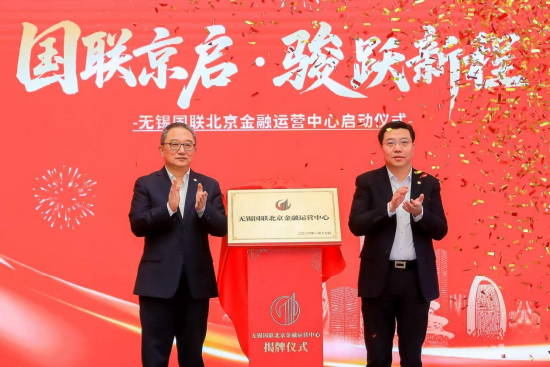
服务京津冀,聚力产业兴。1月17日,国联北京金融运营中心在北京西城区金融街正式启动运营。无锡国联集团党委书记、董事局主席许可,党委副书记、 总裁顾伟为中心揭牌,北京西城区政府、北京金融街服务局、北京金融街街道办事处相关负责人出席启动仪式,国联集团在京企业主要负责人参加活动。 近年来,国联集团认真贯彻落实无锡市委、市政府关于四大区域创新合作平台建设的战略部署,履行国企担当,发挥特色优势,目前在首都都市圈已累计完 成IPO项目11单,服务财富客户近20万户,托管资产超680亿元,与央企合作建设环保能源项目13个,合作设立基金规模超630亿元。通过国联北京、上海两 大金融运营中心以及广深区域子公司共同构建的跨区域金融服务平台,国联集团将加快创新步伐,推动在京津冀、长三角、粤港澳大湾区等地的产业链、创 新链、资金链上的协同联动服务,助力区域联动和产业发展。 国联北京金融运营中心是国联集团2024年设立上海金融运营中心后的又一战略性运营中心,地处北京西城区金融街核心区域,建筑面积约2万平方米,集中 了证券、期货、创投等金融子企业,是集团立足长三角、面向全国发展的又一关键落子,更是国联集团"十五五"时期锚定打造"国内一流 ...
京津冀首次开行环线高铁方便通勤
Xin Lang Cai Jing· 2026-01-17 07:28
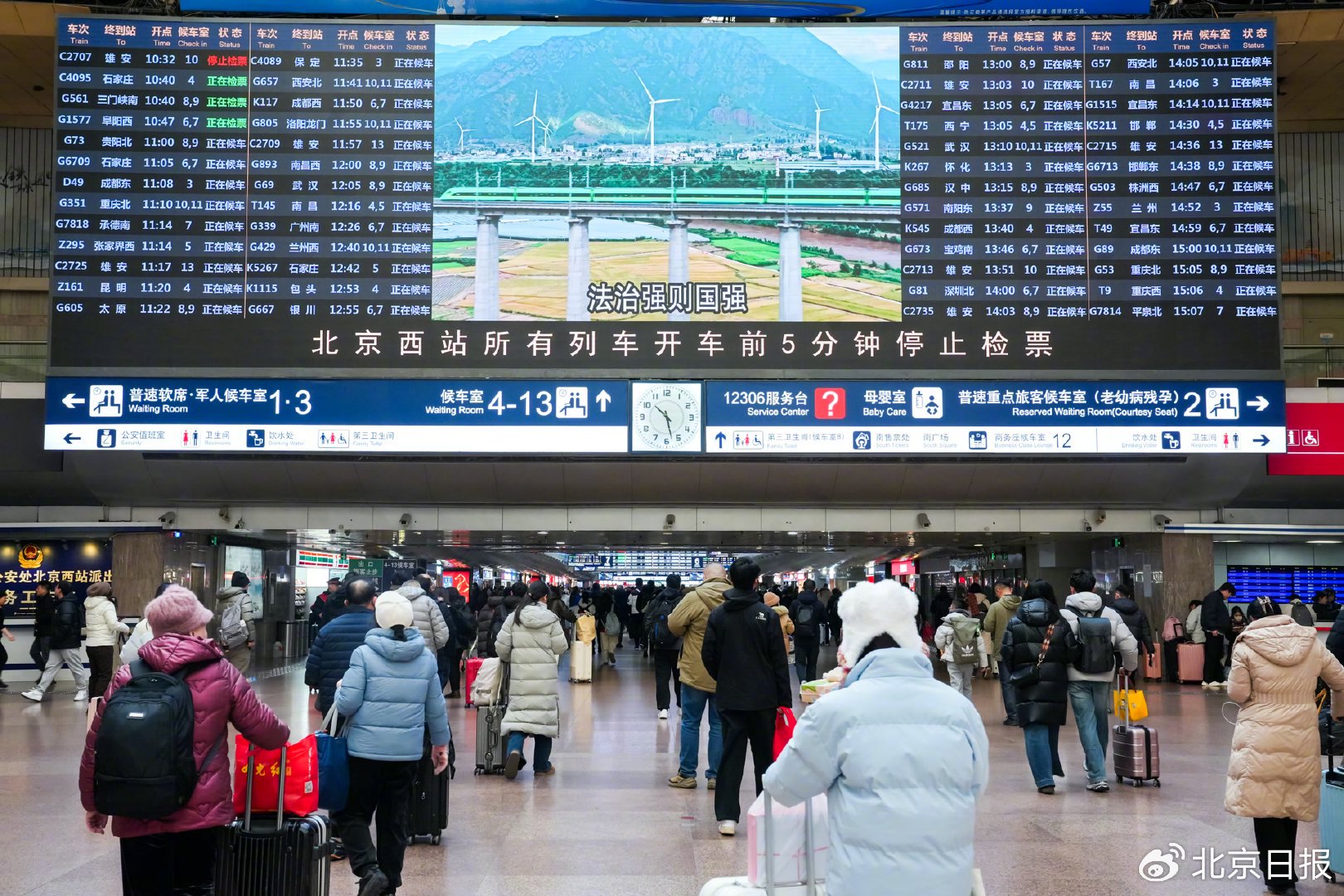
Group 1 - The new train operation schedule will be implemented nationwide starting from January 26, significantly affecting train services in the Beijing-Tianjin-Hebei region [1] - A new high-speed train service will connect Beijing and Yan'an for the first time, reducing travel time to 5 hours and 42 minutes, which is a reduction of 4 hours and 37 minutes compared to the previous schedule [1] - The new schedule aims to support the national strategy for coordinated development in the Beijing-Tianjin-Hebei area, particularly aiding the construction of the Xiong'an New Area [2] Group 2 - The new schedule introduces additional commuter trains between core cities, especially those connecting to Xiong'an New Area, including a new high-speed circular line in the Beijing-Tianjin-Hebei region [2] - During peak hours, new high-speed train pairs will operate between Beijing West and Tianjin West, enhancing transportation convenience between Beijing, Tianjin, and Xiong'an [2] - The new schedule also includes increased commuter train services with additional stops at stations such as Yanjiao and Shunyi West, totaling 15 new stops [2]
国联北京金融运营中心在金融街揭牌运营
Xin Lang Cai Jing· 2026-01-17 06:44
国联集团根植江苏无锡,成立于 1999 年,历经 26 年的创新发展,已拥有20 家一级子企业,构建全牌 照综合金融服务平台、能源纺织细分领域龙头实业经营平台和跨境联动股权投资平台。拥有国联民生、 华光环能、远程股份(维权) 3 家上市公司,总市值近1000 亿元,累计管理基金规模2900亿元,管理 金融资产规模超2.2 万亿。刚刚过去的 2025 年,国联集团圆满完成"十四五"收官, 总资产跨越两个千 亿台阶到 3200 亿元,净资产倍增到 860 亿元,年利润基本实现翻番到 45 亿元,平均经营性净资产收益 率 8.12%。 炒股就看金麒麟分析师研报,权威,专业,及时,全面,助您挖掘潜力主题机会! 服务京津冀,聚力产业兴。1月17日,国联北京金融运营中心在北京西城区金融街正式启动运营。无锡 国联集团党委书记、董事局主席许可,党委副书记、总裁顾伟为中心揭牌,北京西城区政府、北京金融 街服务局、北京金融街街道办事处相关负责人出席启动仪式,国联集团在京企业主要负责人参加活动。 国联北京金融运营中心是国联集团2024年设立上海金融运营中心后的又一战略性运营中心,地处北京西 城区金融街核心区域,建筑面积约2万平方米 ...

京津冀首开环线高铁方便通勤
Bei Jing Ri Bao Ke Hu Duan· 2026-01-16 22:18
Core Points - The new train operation schedule will be implemented nationwide starting from January 26, significantly affecting the Beijing-Tianjin-Hebei region [2] - High-speed trains will now connect Beijing and Yan'an for the first time, reducing travel time to 5 hours and 42 minutes, a decrease of 4 hours and 37 minutes compared to the previous schedule [2] - The introduction of new high-speed trains aims to enhance red tourism and cultural heritage by linking important revolutionary sites [2] Group 1 - The new schedule includes increased commuter trains between core cities, particularly benefiting the Xiong'an New Area [3] - A new high-speed rail line will operate between Beijing West and Tianjin West, with added services during peak hours to facilitate travel between Beijing, Tianjin, and Xiong'an [3] - The early morning and evening peak services will significantly reduce travel times, with journeys from Beijing West to Baiyangdian taking just 1 hour and 5 minutes [3] Group 2 - Additional commuter trains will be introduced to meet the regular commuting and business travel needs, with 15 new stops added in the Beijing area [4] - The opening of the Baoyin High-Speed Railway will add 8.5 pairs of passenger trains, enhancing connectivity between North and Northwest China [4] - New high-speed services will also be established between Beijing Chaoyang and Changbai Mountain, improving transport capacity for Northeast revitalization strategies [4] Group 3 - The travel time from Shijiazhuang to Shanghai Hongqiao has been reduced to a maximum of 4 hours and 56 minutes, improving connectivity between the Beijing-Tianjin-Hebei and Yangtze River Delta regions [5] - Four pairs of conventional trains will be upgraded to high-speed trains, enhancing passenger comfort and operational efficiency [5] - The introduction of new train services from Yangquan to Beijing will support economic development in the Jin Dong revolutionary area [5]
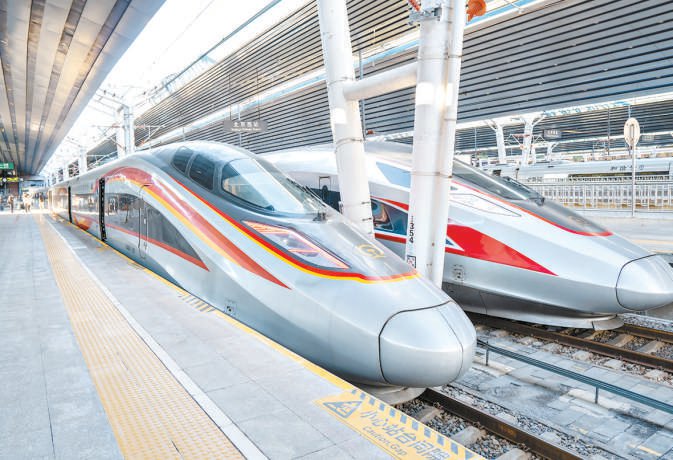
1月26日铁路调图如何影响京津冀?首开环线高铁,六大变化解读
Bei Jing Ri Bao Ke Hu Duan· 2026-01-16 08:02
Core Points - The new train operation schedule will be implemented nationwide starting from January 26, significantly affecting train services in the Beijing-Tianjin-Hebei region [1] Group 1: New Train Routes and Services - A new high-speed train route from Beijing to Yan'an will be launched, reducing travel time to 5 hours and 42 minutes, a decrease of 4 hours and 37 minutes compared to the previous schedule [3] - The introduction of a high-speed rail loop in the Beijing-Tianjin-Hebei area aims to facilitate commuting, with new services connecting Beijing West to Baoding East and Tianjin West during peak hours [4] - Additional commuter trains will be added to the Beijing Railway network, enhancing connectivity for travelers from Yanjiao, Shunyi West, Huairou South, and Langfang [5] Group 2: Enhanced Connectivity and Efficiency - The opening of the Baoyin High-Speed Railway will add 8.5 pairs of passenger trains, improving connections between North China and Northwest regions, with travel times to Yinchuan and Xining reduced to approximately 6 hours [6] - The Beijing to Shanghai high-speed rail will see an increase in service frequency, with 5 new pairs of passenger trains added, enhancing the overall capacity and efficiency of the rail network [6][7] Group 3: Service Upgrades and Passenger Experience - Four conventional trains will be upgraded to high-speed trains, improving passenger comfort and operational efficiency [9] - New train services from Yangquan to Beijing will be introduced, supporting economic development in the Jin Dong revolutionary area [10] Group 4: Infrastructure Improvements - The completion of the Shijiazhuang North Station renovation will allow for 59 scheduled passenger trains daily, enhancing the station's capacity and passenger experience [11] Group 5: Freight Services Optimization - New freight services will be introduced to improve cargo transport efficiency between the Beijing-Tianjin-Hebei region and the Yangtze River Delta, enhancing the logistics network [12]
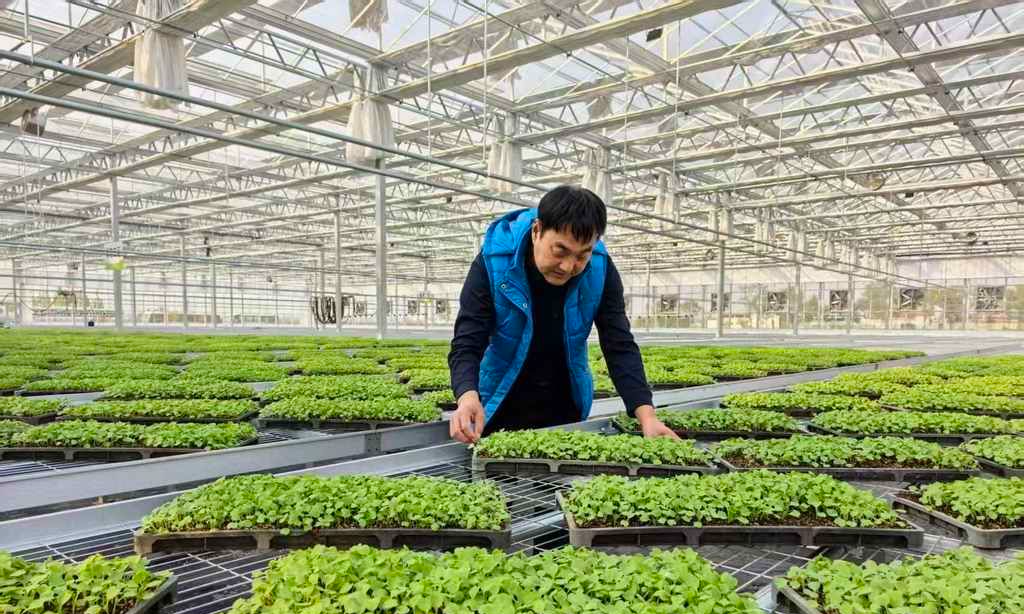
冀时评丨“菜园子”紧连“菜篮子”:京津冀协同的民生答卷
Xin Lang Cai Jing· 2026-01-16 04:41
Core Insights - In 2025, Hebei's vegetable market share in Beijing reached 43.04%, an increase of 0.54 percentage points from the previous year, marking a historical high [1] - This growth signifies that nearly half of the vegetables on Beijing's dining tables come from Hebei, showcasing effective regional collaboration and supply chain management [1] Group 1: Supply Stability - Hebei, as a major northern facility vegetable province, has established a comprehensive supply structure with five complementary production areas, ensuring year-round supply [2] - The region supports a stable supply capacity of nearly 100,000 to 200,000 tons daily, with a "1-hour supply circle" around Beijing, featuring 7.18 million acres of vegetable production areas and 183 emergency supply bases [2] Group 2: Collaborative Development - The collaboration between Hebei and Beijing is driven by mutual benefits, with Hebei leveraging its agricultural strengths to create the largest northern greenhouse leafy vegetable base and the largest summer mushroom base in the country [2] - The partnership enhances supply chain efficiency and quality control through joint base construction and contract farming, resulting in a more effective and shorter supply chain [2] Group 3: Quality Improvement - Hebei is advancing its vegetable industry by establishing three national research centers and a digital quality indicator system for high-quality vegetables, ensuring scientific standards for produce [5] - The integration of production and market demand through the Beijing-Tianjin-Hebei information coordination mechanism has improved market access for Hebei's "clean vegetables," benefiting both consumers and farmers [5]
揭牌!中远海运特运华北分部正式成立!
Xin Lang Cai Jing· 2026-01-15 14:14
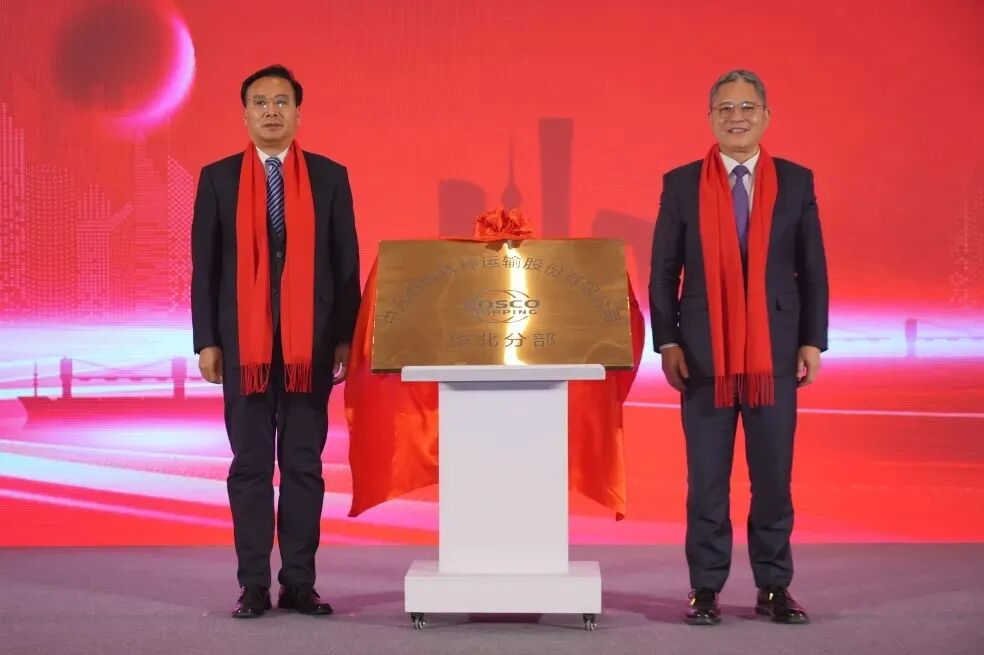
1月14日下午,中远海运特种运输股份有限公司(下称"中远海运特运")在北京举行客户答谢会暨华北分部揭牌仪式。天津港保税区管委会副主任赵学森 与中远海运特运董事长、党委书记张炜共同为华北分部揭牌。来自政府主管部门、重点央国企与产业客户、港航及金融机构等100多家合作伙伴的200余位 代表出席活动。 继去年华东分部在上海揭牌后,中远海运特运在华北再落关键一子。该公司表示,此举是其落实"专业化、区域化、属地化"发展战略、深化国内区域经营 的重要布局,也是在京津冀协同发展等国家战略框架下推进区域协同、提升服务效能的具体实践。华北分部的设立将进一步增强公司在华北区域的资源整 合能力与客户响应速度,为区域经贸与产业链供应链稳定运行提供更有力的综合物流支撑。 围绕货主、港口、航运等关键主体的核心需求,精准对接业务场景,找准合作"最大公约数",以全链条协同创造综合价值,打造辐射北方、提升区域合作 能级的协调中枢。 二是坚持以资源集聚强化合力。 积极整合内外部资源,打造功能多元、响应敏捷、依托全球网络的一站式服务平台,向客户提供更定制化、更具韧性的整体物流解决方案。 三是坚持以属地管理前置服务。 通过充分授权赋能,推动服务与管 ...


北京往返霸州定制快巴1月19日试运营
Zhong Guo Xin Wen Wang· 2026-01-15 06:18
Core Viewpoint - The Beijing-Tianjin-Hebei customized express bus service between Beijing and Bazhou is set to begin trial operations on January 19, 2026, addressing commuting challenges and enhancing transportation integration in the region [1][3]. Group 1: Service Details - The new bus line will focus on core commuting needs, featuring an "appointment-based travel, flexible stops, online verification, and remote security checks" operational model [1]. - The service will utilize dedicated bus lanes and expedite entry through checkpoints, significantly improving travel efficiency compared to self-driving, high-speed rail, and regular buses [1]. - The line will cover approximately 90 kilometers with two main routes, connecting key transportation hubs and densely populated areas [2]. Group 2: Operational Schedule - Route one will operate between Bazhou Bus Station and Tiangongyuan Subway Station, with departures from Beijing at 05:40 and 06:20, and returns at 17:50 and 18:20 [2]. - Route two will connect Bazhou Bus Station with Songjiabao Subway Station, with a departure from Beijing at 06:00 and a return at 18:00 [2]. Group 3: Future Plans and Expansion - The Beijing-Tianjin-Hebei customized express bus service currently operates 12 main lines and over 50 branch lines, providing robust support for intercity travel [3]. - The launch of the Beijing-Bazhou line further strengthens the commuting network around Beijing, aligning with the collaborative development strategy of the Beijing-Tianjin-Hebei region [3]. - Future plans include expanding service coverage and enhancing service quality to support the construction of a "one-hour commuting circle" around Beijing [3].
2025北京宣传思想文化答卷:守正凝聚力量 创新迸发活力
Bei Jing Ri Bao Ke Hu Duan· 2026-01-14 23:59
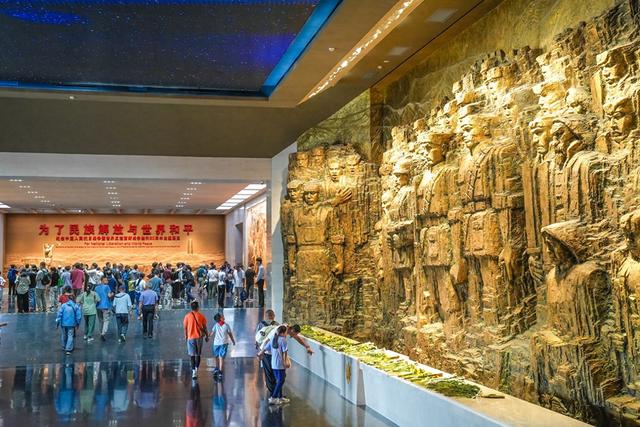
转自:北京日报客户端 当思想的伟力与文化的魅力相结合,当历史的厚重与时代的创新相激荡,一座城市便能焕发出引领风 尚、驱动发展、活力无限的璀璨光芒。 2025年是中国式现代化进程中具有重要意义的一年,是"十四五"收官、"十五五"谋篇布局之年,也是中 国人民抗日战争暨世界反法西斯战争胜利80周年。一年来,在习近平文化思想指引下,北京宣传思想文 化战线守正创新,勇毅前行,写就浓墨重彩的中国式现代化崭新篇章。 2025年7月8日,中国人民抗日战争纪念馆《为了民族解放与世界和平——纪念中国人民抗日战争暨世界 反法西斯战争胜利80周年主题展览》对观众开放。本报记者 武亦彬摄(资料照片) 高擎思想旗帜 铸就时代之魂 守正凝聚力量 创新迸发活力 ——2025年北京宣传思想文化事业开创新局面 这一年,深学细悟,全域覆盖,新时代首都理论学习高潮迭起,生机勃勃—— 学习贯彻党的二十届四中全会精神行动迅速、成效显著。市宣讲团和各级各类宣讲团开展集中宣讲、特 色宣讲12.6万场,线上线下受众达9100万人次;市习近平新时代中国特色社会主义思想研究中心围绕全 会重要部署列出重点选题,推进研究阐释工作。 理论研究阐释更加系统、更有学理。市 ...