
农业农村现代化

Search documents
为首都“十五五”开好局起好步作贡献!市政协委员第四季度学习体会摘编
Bei Jing Ri Bao Ke Hu Duan· 2025-12-22 10:26
Group 1 - The Beijing Municipal Political Consultative Conference (CPPCC) emphasizes the importance of studying Xi Jinping's Thought on Socialism with Chinese Characteristics for a New Era and the spirit of the 20th Central Committee to enhance the quality of governance and contribute to the capital's development during the 14th Five-Year Plan [1][2] - Various learning activities organized by the CPPCC, such as seminars and reading groups, aim to deepen understanding of the Party's innovative theories and facilitate the transformation of learning outcomes into actionable proposals and community engagement [1][5][9] - The CPPCC members are encouraged to integrate their professional expertise with their responsibilities, contributing to high-quality development in their respective fields, such as architecture and cultural industries [3][4][5] Group 2 - The 14th Five-Year Plan highlights the need for high-quality development in Beijing, with a focus on cultural innovation and the integration of technology in various sectors, including agriculture and education [10][19] - The role of technology, particularly artificial intelligence, is emphasized as a driving force for modernizing industries and enhancing educational quality, with a call for the integration of AI in educational practices [17][18] - The CPPCC members are tasked with addressing pressing societal issues, such as improving public services and enhancing the quality of life for citizens, through thorough research and community engagement [10][20]
院坝会里共话发展
Xin Lang Cai Jing· 2025-12-21 20:41
Core Insights - The article discusses the development of the sugarcane industry in Yunnan, emphasizing the need for modernization and increased productivity through community engagement and expert guidance [1][2]. Group 1: Industry Development - The average yield of sugarcane is currently low, and there is a call for agricultural experts to provide hands-on training in management techniques [1]. - The local government aims to address issues such as low average yield, slow adoption of biodegradable film, and low mechanization levels to enhance the sugarcane industry [1][2]. - The planned sugarcane planting area for the 2024/2025 season in Laozhai Village is 9,969.17 acres, with an expected output value of 23.08 million yuan, leading to an average income increase of over 7,000 yuan per farmer [2]. Group 2: Future Goals - Yunnan County has set a goal to reach 400,000 acres of sugarcane planting by 2030, with an additional 220,000 acres for alternative planting [2]. - The county plans to develop 102 full industry chain projects centered around sugarcane, aiming for a total industry chain output value exceeding 30 billion yuan [2].
向新而行|操其要于上,而分其详于下
Yang Shi Wang· 2025-12-21 12:39
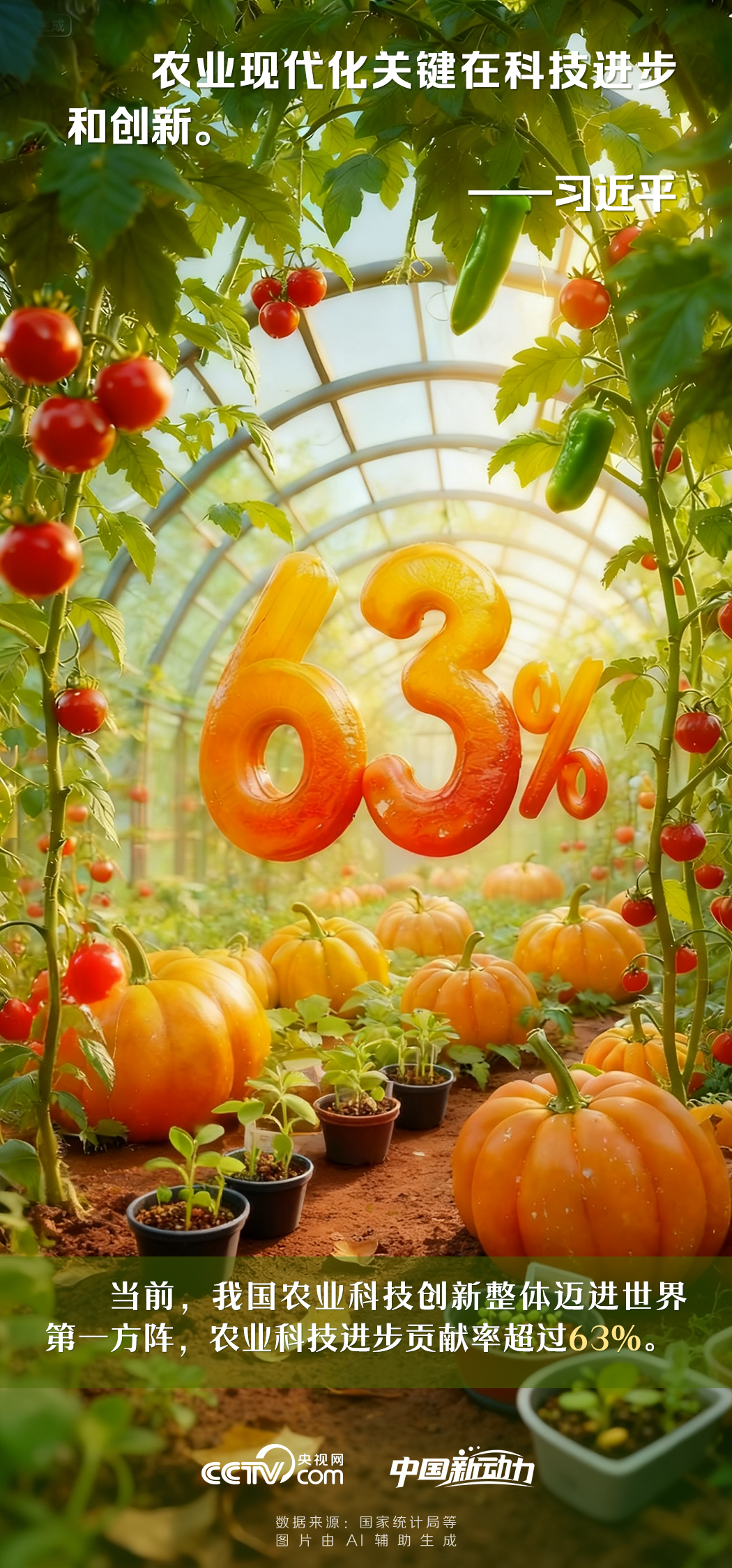
Group 1 - The central economic work conference emphasizes accelerating the construction of a new development pattern and promoting high-quality development [1] - The new development pattern focuses on domestic circulation as the main body, with mutual promotion of domestic and international circulation, highlighting the importance of urban-rural economic circulation [1] - "Promoting agricultural and rural modernization" is identified as a key focus area for constructing the new development pattern [1] Group 2 - Agricultural technology innovation in China has advanced significantly, with the contribution rate of agricultural technology progress exceeding 63% [3] - China's grain production has achieved "22 consecutive years of growth," with a target to stabilize production at over 1.4 trillion jin by 2025 [4] - By the end of 2024, there will be 94,000 agricultural leading enterprises at the county level and above, including 2,285 national key leading enterprises [7] Group 3 - By the end of 2024, a total of 346,000 village-level logistics service stations will be established, with over 90% of administrative villages having access to 5G [11] - The total length of rural roads is expected to reach 4.64 million kilometers by the end of 2024 [11] - The focus is on consolidating and expanding the achievements of poverty alleviation and effectively connecting rural revitalization efforts [13]

两岸姐妹共话发展信心共叙家国情怀
Xin Lang Cai Jing· 2025-12-19 22:31
Core Viewpoint - The article highlights a series of women's empowerment events in Pingtan Comprehensive Experimental Zone, focusing on the spirit of the 20th Central Committee's Fourth Plenary Session and the Global Women's Summit, aiming to unite women from both sides of the Taiwan Strait and promote their roles in community development and national progress [1][2][3] Group 1: Event Overview - Various gatherings took place in Pingtan, including community settings like courtyards and pavilions, where women shared stories and insights related to the aforementioned political events [1] - The theme "Gathering Women's Hearts, Advancing in the New Journey" was central to the discussions, fostering a collaborative atmosphere among women from different backgrounds [1][2] Group 2: Engagement and Participation - Women representatives, including grassroots women's federation officials and outstanding female figures, participated actively, sharing personal stories and community service examples that illustrated their commitment and responsibilities [2] - The events featured informal discussions, allowing participants to express their thoughts in a relatable manner, thereby making complex policies more accessible to the general public [2][3] Group 3: Policy Interpretation and Community Impact - The discussions translated the spirit of the 20th Central Committee's Fourth Plenary Session into practical applications, such as community services, family education, and support for Taiwanese compatriots [2] - The initiatives aimed to connect women's roles with broader goals like rural revitalization and high-quality development in the Pingtan area, emphasizing the importance of women's contributions to these objectives [3]
筑牢“三农”根基 绘就振兴画卷 交通银行全力支持农业强国建设
Jin Rong Shi Bao· 2025-12-16 02:46
Core Viewpoint - The modernization of agriculture and rural areas is crucial for China's overall modernization, and the focus is on accelerating rural revitalization through financial innovation and support for key agricultural sectors [1][9]. Group 1: Financial Support for Agriculture - The company has established a dedicated leadership group for rural revitalization, ensuring a solid management system from strategic decision-making to grassroots execution [2]. - A "Four Special Mechanism" has been implemented to enhance credit support, including specialized policy guidelines and a dedicated approval channel for agricultural loans [2][3]. - The company has developed innovative financial products such as "Yinong e-loan" and "Agricultural Trade e-loan" to support agricultural product development and enhance supply security [3]. Group 2: Technology and Risk Management - The company utilizes big data risk control models to automate loan approvals, significantly reducing approval times and enhancing service accessibility in rural areas [3]. - A proactive credit service model has been introduced, leveraging mobile banking to extend financial services to rural communities [3]. Group 3: Food Security Initiatives - The company emphasizes food security as a national priority, supporting the agricultural supply chain in key grain-producing regions like Hebei, which produces over 700 billion jin of grain annually [6]. - A comprehensive financial ecosystem has been established to support the entire grain industry chain, from seed research to market circulation [6]. Group 4: Support for Local Industries - The company focuses on activating local特色产业 (characteristic industries) by providing tailored financial support to align with local resources and promote unique agricultural products [7]. - The "Agricultural Breeding Loan" product has been developed to assist livestock farmers in overcoming financing challenges through a data-driven approach [8]. Group 5: Future Commitment - The company is committed to continuing its support for rural revitalization and aligning its strategies with national development plans, aiming to contribute to the modernization of rural areas in China [9].


赵刚主持召开省政府第四十三次常务会议
Shan Xi Ri Bao· 2025-12-16 00:24
Core Viewpoint - The provincial government is focusing on rural revitalization, urban renewal, and the construction of the Xi'an regional science and technology innovation center, emphasizing the need for effective implementation and planning to achieve agricultural modernization and urban development goals [1][2]. Group 1: Rural Revitalization - The meeting highlighted the importance of implementing Xi Jinping's important discourse on "three rural issues" and the experience from the "Ten Thousand Projects" initiative, aiming for high-quality agriculture, livable rural areas, and prosperous farmers [1]. - A comprehensive plan for the province's "14th Five-Year" agricultural modernization will be developed, focusing on orderly and categorized construction models to promote regional development [1]. - Key areas of focus include enhancing rural industry development, construction, and governance, ensuring food security, and preventing large-scale poverty [1]. Group 2: Urban Renewal - The meeting emphasized the need for a systematic approach to urban renewal, identifying weaknesses and enhancing problem-solving capabilities to optimize urban structure and promote green transformation [1]. - The goal is to build a modern, innovative, livable, beautiful, resilient, civilized, and smart city, with strong organizational leadership and multi-party participation [1]. Group 3: Science and Technology Innovation - The provincial government is committed to implementing the central government's decisions regarding the Xi'an regional science and technology innovation center, focusing on national and provincial development needs [2]. - Key tasks include advancing three reforms and the Qin Chuang Yuan initiative, integrating technological and industrial innovation, and fostering the growth of technology-based SMEs and high-tech enterprises [2]. - The meeting also discussed the draft amendment to the "Implementation of the Law on Farmers' Professional Cooperatives" for review by the provincial People's Congress [2].
助力走好秦巴山水振兴路
2 1 Shi Ji Jing Ji Bao Dao· 2025-12-15 10:12
Core Viewpoint - The article highlights the efforts of the Guangdong Branch of China Construction Bank (CCB) in supporting agricultural modernization and rural development in Han Yin County, showcasing various projects aimed at improving local living conditions and economic opportunities. Group 1: Agricultural Modernization Initiatives - CCB has actively engaged in projects that enhance agricultural capabilities, such as the construction of irrigation systems to address seasonal water shortages, benefiting over 3,000 acres of farmland and 2,000 acres of orchards [2] - The bank has supported the development of local specialty products, including the introduction of health food products like mulberry leaf buns, by facilitating funding for automated production equipment [4] - The "One Village, One Live Streaming Room" initiative aims to promote local agricultural products through digital marketing, contributing to a 19% year-on-year increase in online retail sales of agricultural products [5][6] Group 2: Infrastructure Development - The construction of a 1.1-kilometer cement road in Shui Tian Village aims to improve transportation for local farmers, enhancing access to markets and facilitating the growth of the local economy [3] - CCB has coordinated donations for water supply projects, ensuring that local communities have reliable access to water for both domestic and agricultural use [2] Group 3: Community Support and Education - CCB plans to provide financial support for educational initiatives, including assistance for 100 left-behind children in Han Yin County, addressing their needs for learning materials and personal care [6] - The bank has also committed to improving the living conditions in rural schools by funding the installation of air conditioning units to create a better learning environment [6] Group 4: Financial Contributions and Partnerships - In 2024, CCB coordinated donations totaling 2.7 million yuan from 33 charitable enterprises to support various projects in Han Yin County [7] - The bank has purchased over 5 million yuan worth of local specialty agricultural products as part of its efforts to bolster rural revitalization and economic development [7]
仇焕广:提高强农惠农富农政策效能
Jing Ji Ri Bao· 2025-12-15 00:07
Core Viewpoint - The 20th Central Committee of the Communist Party emphasizes the need to enhance the effectiveness of policies aimed at benefiting agriculture and farmers, which is crucial for accelerating agricultural modernization and promoting comprehensive rural revitalization [1][2]. Group 1: Policy Effectiveness - The effectiveness of the strong agricultural support policies is essential for addressing new challenges and ensuring food security for over 1.4 billion people in China, requiring internal resource optimization and efficiency improvements [2]. - Enhancing policy effectiveness is a strategic choice for rural revitalization, addressing development challenges, and responding to farmers' needs for stable income and improved living conditions [2][3]. Group 2: Key Focus Areas - Focus on stabilizing the production and supply of important agricultural products by improving the precision and targeting of agricultural subsidies, ensuring that grain farmers benefit directly [3]. - Establish a regular mechanism to prevent poverty and ensure support for low-income populations, enhancing internal development capabilities and maintaining a baseline to prevent large-scale poverty [3]. - Promote industrial prosperity by directing resources towards cultivating local industries, supporting deep processing of agricultural products, rural e-commerce, and rural tourism, while ensuring farmers share in the value-added benefits [3]. Group 3: Public Services and Resource Allocation - Improve basic public service guarantees in rural areas by enhancing both hard infrastructure (water, electricity, roads, communication) and soft services (education, healthcare, elderly care, culture) to reduce urban-rural disparities [4]. - Release rural vitality by addressing key resource bottlenecks in land, capital, and talent, promoting efficient use of land, and implementing policies to attract new farmers back to rural areas [4]. - The enhancement of policy effectiveness is a systematic project that requires scientific policy formulation, inter-departmental collaboration, and a robust evaluation mechanism to ensure continuous improvement [4].
提高强农惠农富农政策效能
Jing Ji Ri Bao· 2025-12-14 22:31
Core Viewpoint - The 20th Central Committee's Fourth Plenary Session emphasizes enhancing the effectiveness of policies that support agriculture, rural areas, and farmers, reflecting the Party's commitment to rural revitalization and agricultural modernization [1][2]. Group 1: Policy Effectiveness - The need to improve the effectiveness of agricultural policies is crucial for addressing new challenges and ensuring food security for over 1.4 billion people in China [2]. - Enhancing policy effectiveness is essential for driving rural revitalization and addressing development challenges, as agricultural modernization is a significant shortcoming in China's overall modernization efforts [2]. - The current agricultural policy framework has shown significant results, stabilizing food security and reducing income disparities between urban and rural residents [1][2]. Group 2: Key Focus Areas - Focus on stabilizing the production and supply of essential agricultural products by improving the precision and targeting of agricultural subsidies, particularly for grain farmers [3]. - Establish a regular mechanism to prevent poverty and ensure support for low-income populations, enhancing the internal development capacity of impoverished areas [3]. - Promote industrial prosperity by investing in county-level industries, supporting new business models like agricultural product processing and rural e-commerce, and ensuring farmers benefit from industry value-added [3]. Group 3: Public Services and Resource Allocation - Improve basic public services in rural areas by enhancing both hard infrastructure (water, electricity, roads) and soft services (education, healthcare, culture) to reduce urban-rural disparities [4]. - Release rural vitality by addressing key resource bottlenecks in land, capital, and talent, and implementing policies to attract new farmers back to rural areas [4]. - The enhancement of policy effectiveness requires a systematic approach, including improving policy formulation, inter-departmental collaboration, and establishing performance evaluation mechanisms [4].
今年全国粮食稳定在1.4万亿斤以上
Jing Ji Ri Bao· 2025-12-13 00:44
Core Viewpoint - The article highlights that China's grain production has achieved a stable increase in 2023, with a total output of 14,297.5 billion jin, marking a year-on-year increase of 167.5 billion jin or 1.2% [1] Group 1: Overall Grain Production - The total grain output for the year reached 14,297.5 billion jin, which is above 14 trillion jin for the second consecutive year [1] - The summer grain production was 2,994.9 billion jin, showing a decrease of 2.9 billion jin compared to the previous year [1] - Early rice production increased to 570.3 billion jin, an increase of 6.8 billion jin year-on-year [1] Group 2: Autumn Grain Production - The autumn grain sowing area has slightly increased, contributing to a stable overall production in major agricultural regions [1] - The autumn grain production reached 10,732.3 billion jin, which is an increase of 163.6 billion jin or 1.5% compared to the previous year, after accounting for losses due to mold caused by continuous rainy weather in the Huang-Huai-Hai region [1] Group 3: Implications for Agriculture and Economy - The stable grain production above 14 trillion jin lays a solid foundation for accelerating agricultural modernization and promoting rural revitalization [1] - This achievement supports the ongoing economic recovery and high-quality development, while also contributing positively to the stability of the global grain market and food security [1]