全球安全倡议

Search documents
赵乐际会见葡萄牙总理
Yang Guang Wang· 2025-09-10 08:46
Group 1 - The core viewpoint emphasizes the steady development of China-Portugal relations under the leadership of Xi Jinping and President De Sousa, focusing on mutual respect and win-win cooperation [1] - China expresses willingness to work with Portugal to implement the important consensus reached by the leaders of both countries, promoting deeper cooperation in various initiatives [1] - Portugal's Prime Minister acknowledges the deep friendship between the two nations, highlighting mutual respect and understanding as a model for bilateral relations [1] Group 2 - The meeting between Zhao Leji and Prime Minister Montenegro signifies a commitment to enhance legislative exchanges and cooperation between the National People's Congress of China and the Portuguese Parliament [1] - Montenegro's visit to Tiananmen Square and laying a wreath at the Monument to the People's Heroes reflects the respect and acknowledgment of China's historical significance [2]
推进“大金砖合作”,携手构建人类命运共同体
Ren Min Ri Bao· 2025-09-10 01:23
Group 1 - The core message of President Xi Jinping's speech emphasizes the importance of multilateralism, open cooperation, and collective development among BRICS nations to address global challenges [1][2][4] - Xi's suggestions include promoting international relations democratization, enhancing the representation of Global South countries, and reforming the global governance system to better mobilize resources [2][3] - The speech highlights the need for BRICS countries to deepen practical cooperation in areas such as trade, finance, and technology, which will strengthen their economic power and contribute to inclusive economic globalization [2][3][5] Group 2 - The speech underscores the significance of fair participation in international cooperation for developing countries, with examples of successful projects under the Belt and Road Initiative in Egypt and Indonesia [3][4] - It advocates for an open world economy where countries can share opportunities and benefits from globalization, which is crucial for national development and improving living standards [3][4] - The BRICS nations are positioned as a stabilizing force in the current geopolitical landscape, promoting peace, security, and collaborative development amidst rising unilateralism and protectionism [5][6]
为构建人类命运共同体提供清晰可行路径
Jing Ji Ri Bao· 2025-09-08 00:01
Core Viewpoint - The article discusses China's new global governance initiative proposed by President Xi Jinping, aimed at creating a more just and reasonable global governance system, which is part of a series of initiatives addressing global challenges [1][2]. Group 1: Global Governance Initiative - The global governance initiative is introduced as a significant public product from China, following previous initiatives focused on development, security, and civilization, each addressing different dimensions of global stability [1][2]. - The initiative emphasizes five core principles: sovereign equality, adherence to international law, multilateralism, a people-centered approach, and action-oriented strategies, providing clear answers to fundamental questions about global governance [2][4]. Group 2: Historical Context and Development - The initiative is timely, emerging from a historical context marked by regional turmoil, economic challenges, and a rise in anti-globalization sentiments, highlighting the need for a reformed global governance system [2][3]. - China's previous global initiatives have been launched in response to significant international events, demonstrating the country's ability to address pressing global issues with solutions rooted in Eastern wisdom [3][4]. Group 3: Diplomatic Philosophy - The initiative reflects China's diplomatic philosophy, which values global cooperation, respect for each nation's development choices, and the pursuit of international fairness and justice [4]. - The four global initiatives collectively represent a clear and actionable path towards building a community with a shared future for humanity, emphasizing collaboration and mutual development opportunities [4].
做国际秩序的维护者,中国坚定不移(望海楼)
Ren Min Ri Bao Hai Wai Ban· 2025-09-07 22:16
Group 1 - The core viewpoint of the articles emphasizes China's commitment to global governance and its role in promoting a fair and reasonable global governance system, as articulated by President Xi Jinping during the "Shanghai Cooperation Organization+" meeting [1][5] - China has consistently supported the United Nations' central role in international affairs, increasing its financial contributions and committing to over 20% of the UN's regular budget from 2025 to 2027 [3] - Since joining the World Trade Organization (WTO) in 2001, China has actively fulfilled its commitments, significantly reducing import tariffs to an average of 7.3% and opening nearly 120 out of 160 service sectors [4] Group 2 - The global governance initiative proposed by China focuses on five core principles: sovereign equality, adherence to international law, practice of multilateralism, human-centered approach, and action-oriented strategies, aligning with the UN Charter's purposes [5][6] - China's initiatives, including the Global Development Initiative and Global Security Initiative, reflect its proactive stance in addressing global challenges and enhancing international cooperation [5] - The rise of the Global South is highlighted as a significant trend in the current global landscape, with China actively engaging in multilateral cooperation and proposing over 36 important initiatives since assuming the rotating presidency of the Shanghai Cooperation Organization [6]
全球瞭望丨加蓬媒体:中国提出的全球治理倡议意义重大
Xin Hua Wang· 2025-09-07 12:48
Core Viewpoint - The article emphasizes the significance of the Global Governance Initiative proposed by Chinese President Xi Jinping, highlighting its timely relevance in addressing current global challenges and aligning with the common aspirations of people worldwide [1]. Group 1 - The Global Governance Initiative was introduced at the Shanghai Cooperation Organization Tianjin Summit, aiming to promote a more just and reasonable global governance system [1]. - This initiative follows previous proposals such as the Global Development Initiative, Global Security Initiative, and Global Civilization Initiative, showcasing Xi Jinping's vision and responsibility as a major world leader [1]. - The initiative sends a clear message that China will continue to uphold multilateralism and advocate for unity and cooperation rather than division and confrontation [1]. Group 2 - China emphasizes cooperation and mutual development from the Belt and Road Initiative to the Global Governance Initiative, indicating a consistent approach in its international relations [1]. - The gradual implementation of the Global Governance Initiative is expected to lead to the practical influence of Chinese ideas and solutions in various fields within the international community [1].
“书写了人类历史上的重要一页”——访阿尔及利亚老战士部部长拉比加
Ren Min Ri Bao· 2025-09-07 06:22
Group 1 - The victory of the Chinese people in the Anti-Japanese War is a significant symbol of resistance against invasion and colonialism, showcasing the determination and will of the Chinese people to defend national sovereignty and human dignity [2] - The deep values embodied in the victory of the Anti-Japanese War resonate with the Algerian people's struggle for liberation, highlighting the sacrifices made by both nations in their quests for independence [2] - The commemoration of the 80th anniversary of the victory serves as an opportunity to reflect on core values such as dignity, sovereignty, and freedom, emphasizing the importance of remembering history and upholding justice for a better future [2] Group 2 - China made significant contributions to the global anti-fascist war, weakening Japanese forces and delaying their military plans, which was crucial for the Allied victory [3] - The signing of the United Nations Declaration by China and other nations helped form the international anti-fascist alliance, establishing China's important role in post-war peace and stability [3] - China's efforts laid a foundation for a more just and reasonable global governance system, earning it widespread respect and a prominent position in the international community [3] Group 3 - The commemoration of the 80th anniversary of the victory holds significant contemporary relevance amid challenges to the international order, with a focus on maintaining world peace and promoting a fair international order [4] - China plays a vital role in this process, contributing to global initiatives such as the Belt and Road Initiative and advocating for dialogue and cooperation in crisis mediation [4] - The future of China-Algeria relations is viewed positively, with the commemoration reinforcing the principles that unite peace-loving nations and peoples [4]


习近平总书记在纪念大会上的重要讲话引发热烈反响
Yang Shi Xin Wen Ke Hu Duan· 2025-09-07 00:44
Group 1 - The speech by General Secretary Xi Jinping commemorates the 80th anniversary of the victory in the Chinese People's Anti-Japanese War and the World Anti-Fascist War, emphasizing the historical significance and the need to remember history, honor the martyrs, cherish peace, and create a better future [2][4][16] - The speech highlights the immense sacrifices made by the Chinese people during the Anti-Japanese War, marking it as the first complete victory against foreign invasion in modern history, which contributed significantly to the preservation of human civilization and world peace [4][8] - Various officials express that the speech has invigorated national pride and spirit, urging the population to carry forward the great spirit of resistance and to work towards the rejuvenation of the Chinese nation and the construction of a community with a shared future for mankind [6][19][22] Group 2 - The speech is seen as a call to action for all sectors, including education, culture, and national defense, to integrate the spirit of the Anti-Japanese War into their work and to foster a strong sense of patriotism among the youth [13][21][22] - Officials from different departments emphasize the importance of Xi Jinping's thoughts in guiding future policies and actions, particularly in maintaining national security, social stability, and promoting economic development [15][19][22] - The speech serves as a reminder of the role of the Communist Party in the victory of the Anti-Japanese War, reinforcing the need for unity and collective effort in achieving national goals [8][19]
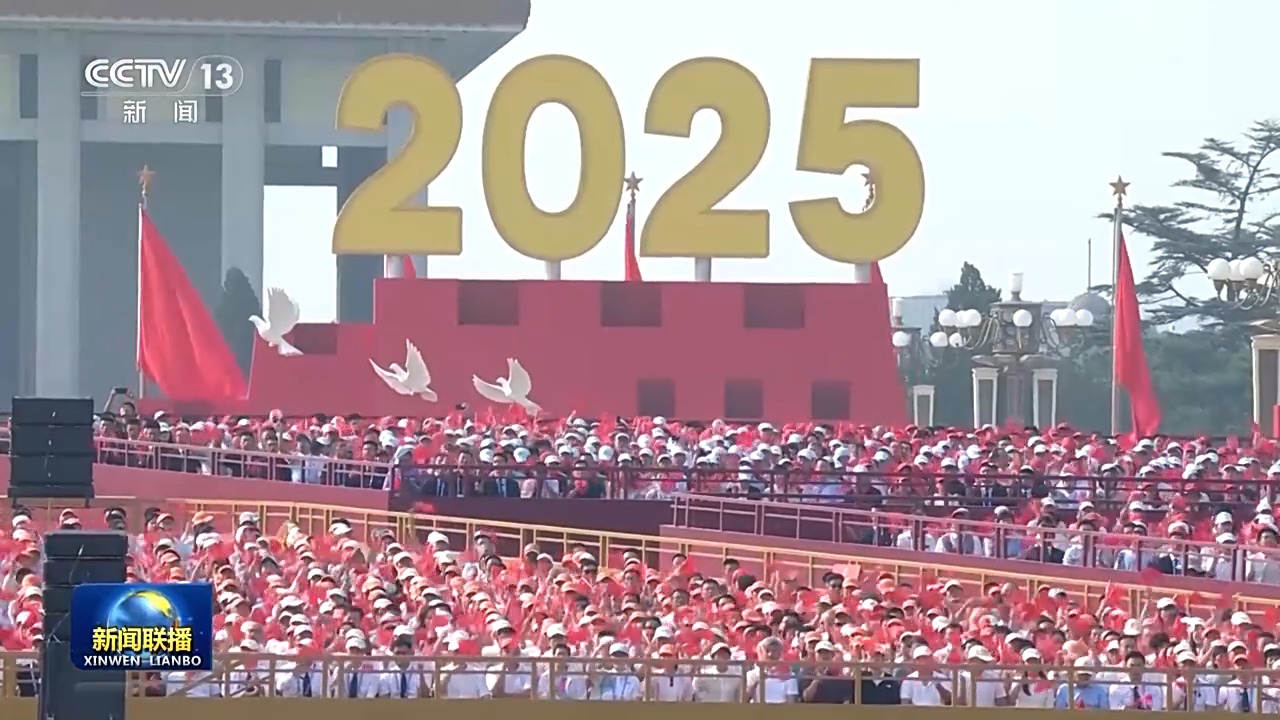
高端访谈丨专访联合国秘书长古特雷斯
Yang Shi Xin Wen Ke Hu Duan· 2025-09-06 13:11
Group 1 - The core message emphasizes the importance of China's contributions to the victory in World War II, which should be recognized globally [1][18][38] - The UN Secretary-General Antonio Guterres highlighted the significance of the Shanghai Cooperation Organization (SCO) in promoting peace and development, marking its largest summit in 24 years with over 20 foreign leaders and 10 international organization heads attending [4][38] - Guterres expressed that the current geopolitical landscape necessitates a multipolar world where all cultures and civilizations can cooperate, with the SCO playing a crucial role in this transition [9][38] Group 2 - Guterres acknowledged China's active role in various UN core areas, including peace and security, sustainable development, and human rights, emphasizing China's importance in multilateralism [15][24] - The global governance initiatives proposed by China, including the Global Development Initiative and Global Security Initiative, were welcomed by Guterres as they align with the UN's objectives [22][26][24] - Guterres called for a renewed focus on international cooperation and the need for a new global security perspective to address rising conflicts and inequalities [26][24] Group 3 - The historical context of World War II was discussed, with Guterres stressing the need for a comprehensive understanding of China's sacrifices and contributions during the war, which began with Japan's invasion in 1931 [18][38] - Guterres reiterated the importance of remembering the sacrifices made by the Chinese people in the fight against fascism, which played a decisive role in the Allied victory [18][38] - The 80th anniversary of both the victory in World War II and the founding of the United Nations serves as a reminder of the need for continued international collaboration [24][38]
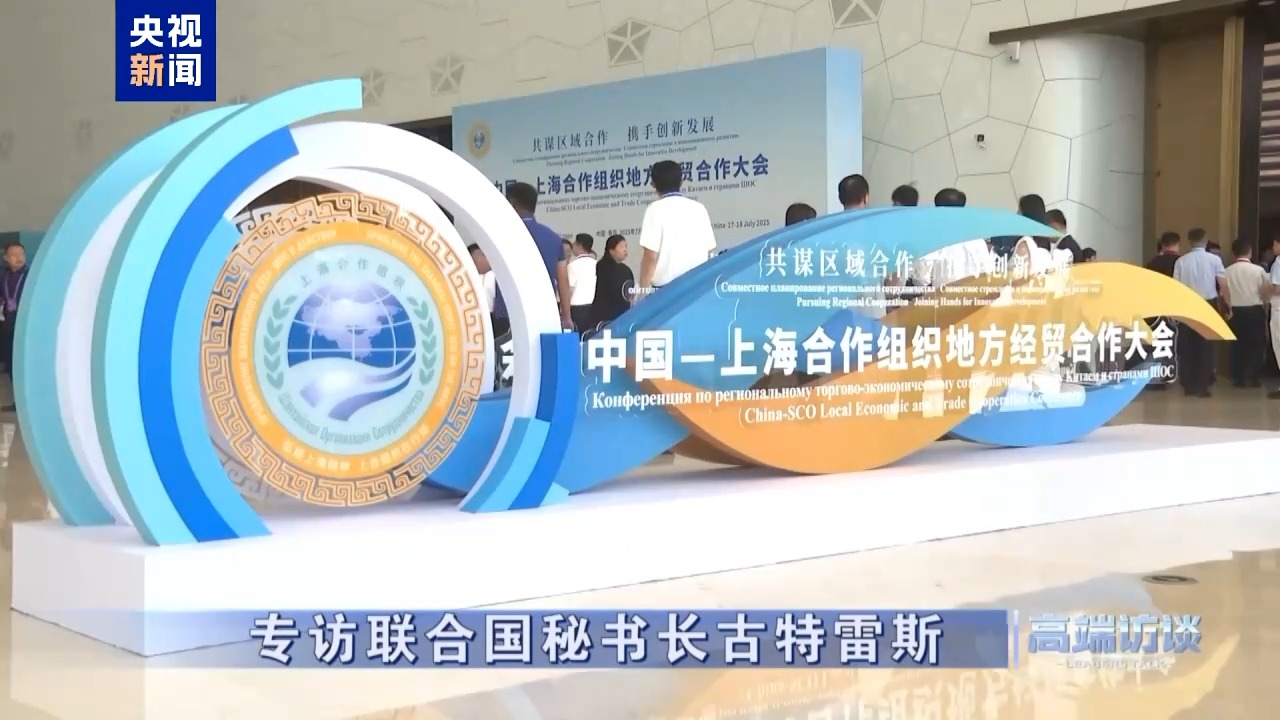
肯尼亚媒体:上合组织天津峰会是中国全球领导力的有力证明
Xin Hua Wang· 2025-09-06 10:54
Group 1 - The core viewpoint of the articles highlights the increasing global influence of the Shanghai Cooperation Organization (SCO) as demonstrated by the recent summit in Tianjin, which gathered over 20 foreign leaders and 10 heads of international organizations [1][2] - The summit emphasized China's global governance initiative, which aligns with previous initiatives such as the global development, security, and civilization initiatives, addressing various aspects of human society [1] - The current geopolitical landscape is characterized by rising political confrontations and regional conflicts, alongside long-term challenges like climate crises and economic downturns, necessitating new visions and actions to restore global stability [1] Group 2 - The SCO is positioned as an ideal platform for initiating global governance reform dialogues, actively promoting a multi-polar world, regional stability, and economic cooperation [2] - The organization has expanded from six founding member countries in 2001 to ten member countries, along with additional observer states and dialogue partners, enhancing its role in global governance discussions [2] - The SCO, alongside other global cooperation platforms like BRICS, aims to amplify the voices of Global South countries, advocating for a more inclusive, sustainable, stable, and prosperous world [2]
中国驻丹麦使馆举办纪念中国人民抗日战争暨世界反法西斯战争胜利80周年电影暨图片展
人民网-国际频道 原创稿· 2025-09-06 07:03
Core Points - The event commemorating the 80th anniversary of the victory in the Chinese People's Anti-Japanese War and the World Anti-Fascist War was held at the Chinese Cultural Center in Copenhagen, Denmark [1] - Chinese Ambassador to Denmark, Wang Xuefeng, emphasized the significant contribution of the Chinese people in the Anti-Japanese War as part of the global fight against fascism, highlighting the ongoing global instability and China's commitment to peace and development [2] Group 1 - The event was attended by nearly a hundred people, including various dignitaries [1] - The documentary "The Sinking of the Lisbon Maru" was screened, along with a themed photo exhibition on the Chinese People's Anti-Japanese War [5][6][7] - Wang Xuefeng called for international cooperation to build a community with a shared future for mankind through various global initiatives [2]