
基层治理

Search documents
用听得懂信得过的方式“给个说法”(一线行走)
Ren Min Ri Bao· 2025-08-03 22:04
Core Viewpoint - Effective conflict resolution requires a balance of law, reason, and emotion to truly connect with the community and address their concerns [1][2]. Group 1: Conflict Resolution Strategies - The approach to mediation should not be rigidly legalistic; instead, it should be communicated in a way that the community understands and trusts [2]. - Involving respected community figures, such as local leaders, can enhance the credibility of the mediation process and lead to successful resolutions [2]. - The establishment of dedicated legal personnel and community mediators is crucial for improving grassroots governance and ensuring minor disputes are resolved locally [2]. Group 2: Legal Awareness and Education - Legal education should be integrated into mediation efforts, emphasizing practical understanding rather than just theoretical knowledge [2]. - Setting up public legal service offices in villages, where lawyers can provide direct assistance, is more effective than traditional methods like distributing flyers [2]. - Using relatable stories and real-life cases to explain legal concepts can significantly improve community members' understanding and compliance with the law [2].
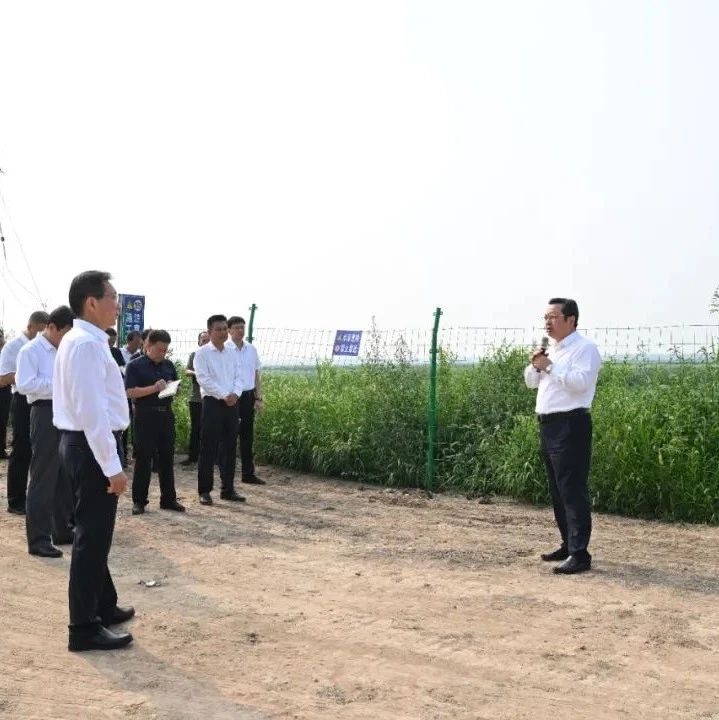
在白洋淀,张国华连发三问
中国基金报· 2025-08-03 13:18
Core Viewpoint - The article emphasizes the importance of ecological protection while developing tourism in Baiyangdian, highlighting the need for a comprehensive approach that considers resource endowment, infrastructure, and governance mechanisms to ensure high-quality development in the Xiong'an New Area [2][4]. Group 1: Tourism Development and Environmental Protection - Baiyangdian is recognized as a significant asset for Xiong'an, and tourism development must prioritize ecological protection [4]. - The development path should be planned based on realistic assessments of local resources and infrastructure capabilities [4]. - High-quality development is deemed essential in the new era, focusing on reducing urban-rural disparities and promoting integrated development [4]. Group 2: Governance and Community Engagement - Enhancing grassroots governance is crucial for addressing community needs and ensuring social stability [4]. - The "Fengqiao Experience" should be utilized to improve service awareness and community engagement [4]. - Effective methods such as "weekly inspections" and "household visits" are recommended to resolve urgent community issues [4]. Group 3: Tourism Quality Improvement Measures - The management of Baiyangdian's extensive waterline and the heavy enhancement tasks require a focus on visitor satisfaction and experience [5]. - Strengthening market governance and industry supervision is necessary for the healthy development of tourism [5]. - Innovative tourism industry models, such as the "company + farmer" approach, should be promoted to enhance rural tourism [5]. Group 4: Infrastructure and Service Optimization - Improving transportation connectivity and implementing smart management solutions are essential for enhancing visitor experiences [5]. - Establishing visitor service centers and cultural tourism stations will contribute to better tourist satisfaction [5]. - Community education and positive cultural promotion are vital for fostering a supportive social environment [5]. Group 5: Grassroots Organization and Capacity Building - Emphasizing the importance of strengthening grassroots organizations and basic capabilities is critical for effective governance [5]. - The role of grassroots party organizations and the exemplary behavior of party members should be leveraged to enhance governance efficiency [5].

外卖员变身“流动小巷管家” 威海“环小蜂”成千万“小哥”温暖港湾
Qi Lu Wan Bao· 2025-08-03 05:40
Core Viewpoint - The article highlights the growing importance of new employment groups, such as delivery riders and gig workers, in urban governance and community integration, emphasizing the need for supportive environments and services to enhance their sense of belonging and contribution to city development [1][2][3]. Group 1: New Employment Groups - The total number of new employment groups in China, including delivery riders, couriers, and ride-hailing drivers, exceeds 84 million, indicating their significant presence in urban areas [1]. - New employment groups are characterized by high mobility and low sense of belonging, making them a variable that requires attention in grassroots governance [1][2]. Group 2: Community Support Initiatives - The "Huan Xiaofeng" rider station was established in Weihai to provide a resting place for delivery riders, equipped with amenities like air conditioning and charging stations [2]. - The community has created a three-tier service system, including party service centers, community stations, and micro-stations, to offer one-stop services such as job onboarding and social security consultations to new employment groups [3]. Group 3: Engagement and Feedback Mechanisms - The "Rider Pioneer" council allows delivery riders to voice their concerns, leading to improved community relations and services tailored to their needs [4][5]. - Community initiatives have successfully implemented suggestions from riders, such as staggered meal times, enhancing their overall work experience [6]. Group 4: Integration into Community Governance - New employment groups are increasingly recognized as essential contributors to community governance, with initiatives like appointing riders as "flowing street managers" to participate in volunteer services and emergency responses [7]. - The community has developed a points-based incentive system to encourage volunteerism among riders, converting their contributions into tangible rewards [8].

全省推进社会治安综合治理中心规范化建设现场会召开
Xin Hua Ri Bao· 2025-08-01 23:18
Core Points - The meeting emphasized the importance of the comprehensive governance center as a key platform for promoting public safety and a carrier for the "Fengqiao Experience" in the new era [1][2] - The focus is on practical effectiveness, advancing the "five standardizations" construction, and promoting the linkage of governance centers at all levels from provincial to village [1][2] Group 1 - The comprehensive governance center has achieved higher construction standards, broader resource integration, and improved effectiveness in addressing difficulties since the start of its standardization work [2] - The current phase is critical for achieving decisive results, requiring further efforts in site setup, resource integration, operationalization, information technology construction, and public guidance [2] - The goal is to enhance the overall quality of services to the public through a "one-stop acceptance, a package of mediation, and a full-chain solution" approach [2] Group 2 - The governance center is expected to strengthen its role as a "central brain" for command and analysis, aiding in the establishment of a robust social security prevention and control network [2] - The center's functions and responsibilities need to be clearly defined to create a well-coordinated work pattern, enhancing collaboration among various departments [2]
萧山“智慧印章”又添新场景 破解小区业委会“微权力”监督难题
Hang Zhou Ri Bao· 2025-08-01 02:26
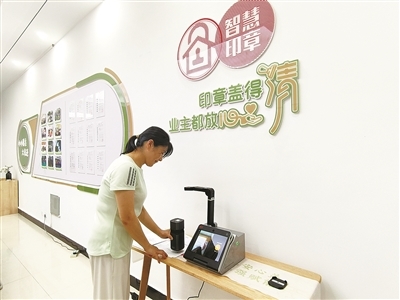
"业委会副主任和主任都审批通过了,现在可以拿合同去盖章了。"近日,在萧山区北干街道湖滨花 园小区,业委会工作人员带着一份"电梯轿厢大理石地面采购合同",前往业委会办公室盖章。这一次盖 章过程与以往大不相同。在配有摄像头、扫描仪和特制公章套筒的设备前,工作人员输入密码,完成人 像信息采集。随着身份验证通过,锁定在套筒内的业委会印章"解封",稳稳按下——整个盖章过程规 范、透明、可追溯。 作为杭州市率先在业委会引入智慧印章系统的小区,湖滨花园小区业委会的这一变化,正是北干街 道在基层治理中破解"微权力"监督难题的创新探索。 业委会的规范运行直接关系到千家万户的切身利益。现实中,"人情章""糊涂章"乃至违规用章侵占 公共收益的现象时有发生。传统公章管理更是面临"事前审批难落实、事中监督难到位、事后追溯难查 询"的困境。值得关注的是,业委会作为居民自治组织,并不在监察监督的法定范围内,这使得对其权 力运行的约束缺乏刚性依据。 作为萧山全域城市化的首发地,北干街道目前共有127个小区,其中组建小区业委会(物管会)112 个,其规范履职直接关系着3.7万余户业主的权益。随着整治群众身边不正之风和腐败问题的深入推 进,健全 ...
广西社会工作开新局起好步
Guang Xi Ri Bao· 2025-07-31 01:49
Group 1 - The core viewpoint emphasizes the importance of social work as a key component of the Party and national work, with a focus on strengthening grassroots governance and enhancing community services [1][2] - Since the establishment of the Guangxi social work system, significant efforts have been made in party building and community service management, including the creation of friendly communities and business circles [1] - The number of community workers per 10,000 urban residents has increased from 12.1 in 2023 to 18.5 currently, indicating a commitment to improving grassroots governance [1] Group 2 - The Guangxi social work system has implemented a series of policy documents and the "Three Districts" talent support plan, resulting in an increase in certified social workers from 15,300 in 2023 to 20,400 [2] - The number of volunteer service organizations has reached 65,000, with a total service duration of 260 million hours, showcasing the growing engagement in volunteerism [2] - International volunteer service projects, such as "Friendship Bridge - Guangxi Vocational Education Training in Cambodia," are being actively promoted, indicating a focus on integrating professional social work with volunteer services [2]

辽宁“一站式”结算服务让商保患者实现“零跑腿”
Xin Hua Wang· 2025-07-30 01:31
Group 1 - The core viewpoint emphasizes the importance of efficient grassroots governance in meeting public expectations for services [1] - Various regions and departments across the country are implementing innovative measures to enhance the efficiency and warmth of grassroots governance [1] - The introduction of a "one-stop" settlement service for commercial insurance at Shengjing Hospital has benefited patients, exemplified by the case of a woman settling her mother's discharge [1] Group 2 - The Liaoning Provincial Health Commission is actively promoting the sharing and interoperability of medical and health institution information [3] - Hospitals in cities like Shenyang and Dalian have recently launched online claims services for commercial insurance, achieving a model of "zero advance payment, zero waiting, zero documentation, and zero running around" for patients [3]

“神经末梢”何以脉动有力(前沿观察)
Ren Min Ri Bao· 2025-07-28 22:30
Core Viewpoint - The article highlights the innovative approaches taken by Jiangxi Province to enhance grassroots governance through talent cultivation, reducing bureaucratic burdens, and fostering community participation in governance [1][5][8]. Group 1: Talent Development - Jiangxi Province is focusing on strengthening grassroots governance by enhancing the structure and vitality of the talent pool, which is crucial for effective governance [2]. - The "talent return" initiative in Xinfeng County has successfully recruited 712 village-level backup talents, with an average age of 38.4 years and 94% holding a college degree, optimizing the leadership structure in 177 villages [3]. - A total of 41,000 backup talents have been reserved across 17,900 villages in Jiangxi, with a focus on selecting outstanding village leaders for higher positions [3]. Group 2: Reducing Bureaucratic Burdens - Jiangxi has implemented measures to reduce the burden of formalism on grassroots officials, streamlining assessment indicators and reducing unnecessary tasks [5][6]. - The city of Xinyu has eliminated nearly 40 APP check-ins and streamlined responsibilities, resulting in clearer roles and improved efficiency [6][7]. - The province has collectively cleared 1,101 extraneous work items and simplified work mechanisms, allowing officials to focus more on serving the public [7]. Group 3: Community Participation - The article emphasizes the importance of transforming governance from a government-centric model to a collaborative approach involving community participation [8]. - In Zhanggong District, a digital governance platform has been established, allowing residents to report issues and participate in decision-making, achieving a 95% resolution rate for public requests [8]. - The "Red, Blue, Yellow Knight" mechanism in Xiangdong District engages delivery workers in community safety and governance, creating a network of volunteers that enhances local governance [9][10].
时政微观察丨读懂习近平要求干部做好这“三招”的重要启示
Yang Shi Xin Wen Ke Hu Duan· 2025-07-28 01:05
Core Viewpoint - The articles emphasize the importance of grassroots research and understanding local conditions for effective governance, as demonstrated by Xi Jinping's approach during his tenure in various leadership roles [3][4][6][7]. Group 1: Understanding Local Conditions - "Recognizing the road" involves familiarizing oneself with local situations and challenges to implement precise policies [4]. - Xi Jinping's insistence on visiting all villages as a county leader and all towns as a city leader highlights the necessity of thorough grassroots engagement [4]. - Since the 18th National Congress, Xi has traveled extensively across the country to identify issues and understand national conditions, setting a standard for the party's emphasis on research [4][6]. Group 2: Building Relationships with the Community - "Recognizing neighbors" means fostering relationships with the public to better understand their needs and concerns [7]. - Xi Jinping encourages leaders to learn from the people and build friendships with grassroots individuals to gain insights into real situations [7]. Group 3: Identifying Local Characteristics - "Recognizing characteristics" refers to planning initiatives based on local realities and scientific principles, avoiding unrealistic expectations [10]. - The focus on industry transformation and upgrading is crucial for high-quality development, with an emphasis on leveraging local resources and conditions [10][12]. - Xi Jinping's remarks on the need for tailored development strategies reflect the importance of understanding regional characteristics to unlock development potential [12]. Group 4: Service to the Community - The shift from requiring citizens to take action to having officials serve the community marks a significant change in governance [15]. - Increasingly, grassroots officials are engaging directly with the public to resolve issues at the local level, enhancing governance capabilities [15].

创新笔谈 | 综合施策提升基层监督效能
Zhong Yang Ji Wei Guo Jia Jian Wei Wang Zhan· 2025-07-28 00:00
Group 1 - Strengthening grassroots supervision is a powerful measure to promote strict governance of the Party at the grassroots level and enhance governance effectiveness [1] - The Qiongshan District Commission for Discipline Inspection and Supervision focuses on issues such as dispersed grassroots supervision forces, insufficient methods, and single approaches, implementing comprehensive strategies from three aspects: mechanism foundation, technological empowerment, and cultural immersion [1][2][3] Group 2 - Mechanism foundation aims to ensure the standardized and orderly operation of power, with the establishment of a supervision checklist and flowchart for village affairs, clarifying responsibilities for key matters [1] - A three-level linkage mechanism is constructed to effectively integrate various supervisory forces and transition from visible coverage to effective coverage [1] - A closed-loop system is created to ensure that problems are genuinely rectified through measures such as case reporting and follow-up checks [1] Group 3 - Technological empowerment enhances supervisory effectiveness by utilizing the "Supervision One Network" platform for real-time problem alerts and cross-departmental data analysis [2] - The "Supervision One Point" platform extends supervision reach, allowing the public to participate in supervision through QR codes in public areas [2] - The construction of a platform for managing rural collective assets aims to achieve transparency and standardization through data sharing and risk warnings [2] Group 4 - Cultural immersion focuses on building a clean culture, with innovative activities such as "Family Assistance for Integrity" and "Integrity Stories" to foster a strong anti-corruption atmosphere [3] - Local integrity culture resources are leveraged to enhance public participation and interaction in integrity education [3] - Warning education is emphasized by analyzing typical cases of "micro-corruption" to guide party members and the public in understanding the consequences and importance of supervision [3]