
跨境支付

Search documents
信雅达跌2.03%,成交额2.30亿元,主力资金净流出4033.89万元
Xin Lang Cai Jing· 2025-09-18 06:28
Company Overview - Xinyada Technology Co., Ltd. is located in Hangzhou, Zhejiang Province, established on July 22, 1996, and listed on November 1, 2002. The company's main business involves software technology development and consulting services [1][2] - The revenue composition of Xinyada is primarily from the IT industry (99.30%), with minor contributions from the environmental protection industry (0.65%) and other business revenues (0.05%) [1] Financial Performance - For the first half of 2025, Xinyada achieved operating revenue of 861 million yuan, representing a year-on-year growth of 11.24%. The net profit attributable to the parent company was -52.635 million yuan, showing a year-on-year increase of 9.76% [2] - Since its A-share listing, Xinyada has distributed a total of 826 million yuan in dividends, with 143 million yuan distributed over the past three years [3] Stock Market Activity - On September 18, Xinyada's stock price decreased by 2.03%, closing at 17.41 yuan per share, with a trading volume of 230 million yuan and a turnover rate of 2.85%. The total market capitalization is 8.119 billion yuan [1] - Year-to-date, Xinyada's stock price has increased by 39.14%, but it has seen a decline of 3.81% over the last five trading days and 10.95% over the last twenty days [1] - Xinyada has appeared on the "Dragon and Tiger List" 11 times this year, with the most recent appearance on July 11, where it recorded a net buy of -12.1013 million yuan [1] Shareholder Information - As of June 30, 2025, Xinyada had 67,300 shareholders, an increase of 13.50% from the previous period. The average number of circulating shares per person is 6,797, which is a decrease of 11.89% [2] - Among the top ten circulating shareholders, Hong Kong Central Clearing Limited is the fifth largest, holding 4.3874 million shares, an increase of 92,000 shares from the previous period [3]

新国都跌2.05%,成交额4.84亿元,主力资金净流出5871.69万元
Xin Lang Cai Jing· 2025-09-18 06:23
Group 1 - The core viewpoint of the news is that New Guodu's stock has experienced fluctuations, with a recent decline in price and significant net outflow of funds, indicating potential investor concerns [1] - As of September 18, New Guodu's stock price was 28.26 yuan per share, with a market capitalization of 16.032 billion yuan and a trading volume of 484 million yuan [1] - Year-to-date, New Guodu's stock has increased by 33.55%, but it has seen declines of 3.29% over the last five trading days, 14.39% over the last 20 days, and 20.95% over the last 60 days [1] Group 2 - New Guodu, established on July 31, 2001, and listed on October 19, 2010, specializes in electronic payment services, providing payment acquisition services and selling electronic payment terminals [2] - The company's revenue composition includes 61.85% from acquisition and value-added services, 35.24% from electronic payment products, and smaller percentages from audit and technical services [2] - New Guodu is categorized under the computer industry, specifically in the segment of other computer equipment, and is involved in concepts such as electronic payment and cross-border payment [2] Group 3 - As of June 30, the number of shareholders for New Guodu increased to 83,400, while the average circulating shares per person decreased by 43.72% [3] - For the first half of 2025, New Guodu reported a revenue of 1.527 billion yuan, a year-on-year decrease of 3.17%, and a net profit of 275 million yuan, down 38.61% year-on-year [3] Group 4 - Since its A-share listing, New Guodu has distributed a total of 1.341 billion yuan in dividends, with 890 million yuan distributed in the last three years [4] - As of June 30, 2025, Hong Kong Central Clearing Limited was the eighth largest circulating shareholder, holding 3.7633 million shares, a decrease of 2.6324 million shares from the previous period [4] - The Southern CSI 1000 ETF entered the top ten circulating shareholders with 3.6473 million shares, while Huabao CSI Financial Technology Theme ETF exited the list [4]

新大陆跌2.04%,成交额3.29亿元,主力资金净流出4208.73万元
Xin Lang Cai Jing· 2025-09-18 05:44
Core Viewpoint - Newland Digital Technology Co., Ltd. has experienced fluctuations in stock price and trading volume, with a notable increase in revenue and net profit year-on-year, indicating potential growth in the company's financial performance [1][2]. Financial Performance - As of September 10, Newland reported a revenue of 4.02 billion yuan for the first half of 2025, representing a year-on-year growth of 10.54% - The net profit attributable to shareholders reached 595 million yuan, showing a year-on-year increase of 12.36% [2]. Stock Performance - On September 18, Newland's stock price decreased by 2.04%, trading at 28.33 yuan per share, with a total market capitalization of 28.701 billion yuan - The stock has increased by 43.54% year-to-date, but has seen a decline of 7.66% over the past 20 days and 10.93% over the past 60 days [1]. Shareholder Information - As of June 30, 2025, Newland had 69,700 shareholders, a decrease of 1.10% from the previous period - The average number of circulating shares per shareholder was 14,449, down by 0.76% [2][3]. Major Shareholders - The second-largest circulating shareholder is Hong Kong Central Clearing Limited, holding 24.3876 million shares, an increase of 11.5104 million shares from the previous period - Southern CSI 500 ETF and Huabao CSI Financial Technology Theme ETF are also among the top shareholders, with varying changes in their holdings [3]. Business Segments - Newland's main business segments include electronic payment products and information reading products (49.30%), merchant operations and value-added services (37.65%), and industry applications and software development (12.92%) [2]. Dividend Distribution - Since its A-share listing, Newland has distributed a total of 2.694 billion yuan in dividends, with 1.062 billion yuan distributed over the past three years [2].

中科软涨2.04%,成交额2.16亿元,主力资金净流入337.93万元
Xin Lang Zheng Quan· 2025-09-18 03:06
Company Overview - Zhongke Soft Technology Co., Ltd. is located in Haidian District, Beijing, and was established on May 30, 1996. The company was listed on September 9, 2019. Its main business involves computer software development, sales, and services [1]. - The company's revenue composition includes 71.83% from software development and services, 26.63% from system integration and services, 1.29% from software products, and 0.26% from other sources [1]. Financial Performance - As of August 29, Zhongke Soft reported a revenue of 2.853 billion yuan for the first half of 2025, representing a year-on-year growth of 1.21%. However, the net profit attributable to shareholders decreased by 43.36% to 107 million yuan [2]. - The company has distributed a total of 1.728 billion yuan in dividends since its A-share listing, with 977 million yuan distributed over the past three years [3]. Stock Performance - On September 18, Zhongke Soft's stock price increased by 2.04%, reaching 21.03 yuan per share, with a trading volume of 216 million yuan and a turnover rate of 1.25%. The total market capitalization is 17.477 billion yuan [1]. - Year-to-date, the stock price has decreased by 1.31%, but it has seen a 1.25% increase over the last five trading days, a 1.30% increase over the last 20 days, and a 9.36% increase over the last 60 days [1]. Shareholder Information - As of August 29, the number of shareholders increased to 66,600, with an average of 12,477 circulating shares per person, a decrease of 2.11% from the previous period [2]. - Among the top ten circulating shareholders, the Southern CSI 500 ETF holds 8.6218 million shares, an increase of 1.185 million shares compared to the previous period, while Hong Kong Central Clearing Limited holds 6.4659 million shares, a decrease of 867,350 shares [3]. Market Position - Zhongke Soft is classified under the computer-software development industry, specifically in vertical application software. It is associated with concepts such as Huawei Euler, intelligent transportation, cross-border payment, Huawei Kunpeng, and smart governance [1].

跨境支付的牌照竞赛
Bei Jing Shang Bao· 2025-09-18 02:12
Core Insights - The cross-border payment industry is entering a new phase characterized by a significant trend of "going global," with companies actively seeking overseas licenses to enhance their competitive edge [1][2][3] Group 1: Company Developments - CoGoLinks International has officially obtained a "money service license" in the UAE, allowing it to operate payment accounts, process transactions, and issue payment tools [2][3] - CoGoLinks is a subsidiary of the Jiehang Technology Group, focusing on providing digital solutions in cross-border trade, including e-commerce and traditional foreign trade [2] - The company has also received preliminary approval from the Monetary Authority of Singapore to prepare for a large payment institution license [3] Group 2: Industry Trends - The competition among cross-border payment institutions has shifted from a "channel war" to a "license arms race," with many companies applying for and acquiring licenses globally [3][4] - As of now, companies like Lianlian Digital and PingPong hold numerous licenses across key markets, indicating a trend towards building a robust compliance foundation [3][4] Group 3: Market Dynamics - The push for overseas licenses is driven by intense competition in the domestic payment market and the higher fees associated with cross-border payments [4][5] - Companies are expanding their services beyond simple payment processing to include local acquiring, multi-currency settlement, and foreign exchange management [6][10] Group 4: Strategic Considerations - Firms are advised to prioritize obtaining key licenses in strategic markets to balance compliance depth with service breadth [8][10] - The focus is shifting from merely acquiring licenses to enhancing comprehensive service capabilities, including technology innovation and localized service [9][10] Group 5: Challenges and Risks - Obtaining overseas payment licenses involves navigating complex regulatory environments and can take 1-2 years, requiring extensive communication with local regulators [7][9] - There are risks associated with license retention, as some countries may revoke licenses if certain market performance indicators are not met [9]
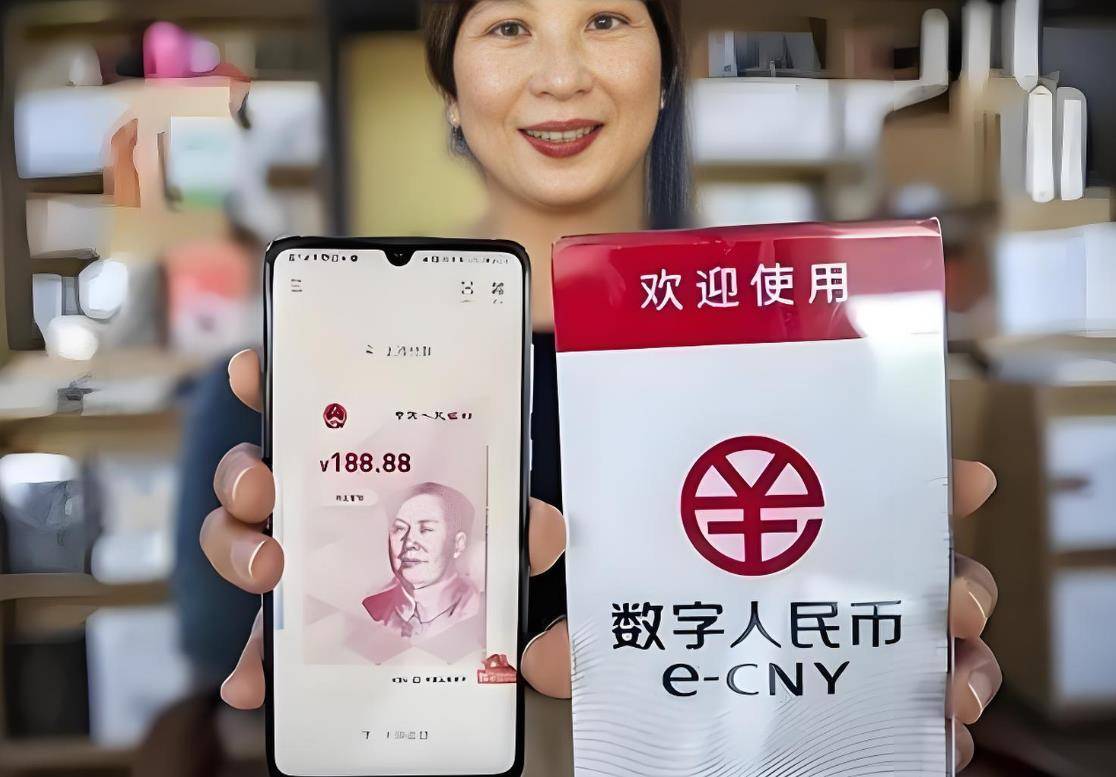
数字人民币真的要来了?9月份开始,移动支付市场或要“大变天”
Sou Hu Cai Jing· 2025-09-18 02:02
Core Insights - The article discusses the upcoming comprehensive promotion of the digital RMB, highlighting its unique features and potential impact on the payment landscape in China [1][15]. Group 1: Digital RMB Overview - Digital RMB is a legal digital currency issued by the People's Bank of China, representing a digital form of the RMB with value characteristics and legal tender status [1][2]. - Unlike third-party payment tools like Alipay and WeChat Pay, digital RMB has a "loose coupling" feature, allowing users to have a digital wallet without a bank account [1][2]. Group 2: Payment Experience Transformation - Digital RMB offers extreme convenience with its dual offline payment capability, allowing transactions without network or power, particularly useful in remote areas [3]. - It incorporates a multi-layered security system, significantly reducing the risk of personal information leakage by not requiring bank account binding [4]. - The introduction of hard wallet cards and wearable devices aims to include populations with limited smartphone usage, enhancing accessibility to digital financial services [5]. Group 3: Market Dynamics - The market share of third-party payment platforms may face adjustments as digital RMB gains traction, with a reported 18.3% share in daily small payments in pilot cities [8]. - Digital RMB is expected to simplify cross-border payment processes, with trials already underway, potentially expanding to over 20 countries by the end of 2025 [9]. Group 4: Consumer Guidance - Users are encouraged to familiarize themselves with the digital RMB app, which is designed to be user-friendly and offers various payment methods [10]. - Promotions and discounts associated with digital RMB usage can lead to significant savings, with an average of 3% reduction in consumer costs [11]. - A strategic approach to payment tools is recommended, using digital RMB for small transactions and traditional payments for larger purchases [12]. Group 5: Future Outlook - The widespread adoption of digital RMB is projected to inject new momentum into China's digital economy, potentially adding over 2 trillion yuan in value and creating more than 2 million jobs by 2030 [15].


“银联模式”出海有术 推动二维码互联互通
Shang Hai Zheng Quan Bao· 2025-09-17 19:28
Core Insights - The article discusses the importance of establishing mutual recognition and interoperability of QR code standards for cross-border payments, highlighting a new solution launched by China UnionPay [2][3] - China UnionPay has initiated cross-border QR code interoperability projects in 19 countries and regions, with a focus on enhancing the payment experience for residents and promoting economic exchanges [2][3] Group 1 - China UnionPay has introduced a "network interconnection" solution that operates on a dual-track model: government-to-government (G2G) and network-to-network (N2N) [2][3] - A pilot project for cross-border QR code interoperability between China and Indonesia has begun, allowing users in China to make payments at over 39 million QRIS merchants in Indonesia [2][3] - The project is expected to be fully operational by 2025, significantly improving the cross-border mobile payment experience for residents of both countries [3] Group 2 - The G2G model involves central banks of both countries creating a cooperation framework, while UnionPay acts as a liaison for business connections with foreign networks [3] - The N2N model is based on commercial cooperation and has already been implemented in markets such as Singapore, Japan, and South Korea [3] - China UnionPay is expanding its digital payment services in nearly 30 markets, including South Korea, Singapore, Malaysia, Vietnam, Pakistan, and Nepal, by launching over a hundred UnionPay standard e-wallets [3]

跨境二维码统一网关有何影响
Bei Jing Shang Bao· 2025-09-17 16:54
Core Viewpoint - The launch of the "Cross-Border QR Code Unified Gateway" aims to enhance the efficiency of cross-border payments and improve the payment experience for foreign users in China [2][6]. Group 1: Key Developments - The People's Bank of China announced the progress of the "Cross-Border QR Code Unified Gateway" to facilitate cross-border payment cooperation among domestic and foreign institutions [2][6]. - Tencent has committed to opening its WeChat Pay service to support more foreign wallets for QR code payments in China, with several international wallets set to be integrated soon [3][4]. - Ant Group's Alipay is among the first institutions to participate in the pilot of the "Cross-Border QR Code Unified Gateway," supporting seven major international card brands and 31 electronic wallets from 12 countries and regions [4][5]. Group 2: Benefits and Features - The unified gateway addresses three main pain points: the complexity of technical integration, cost efficiency, and user experience for foreign wallets entering the Chinese market [6][7]. - By establishing a standardized cooperation framework, the gateway reduces the technical burden and enhances the efficiency of introducing foreign wallets, avoiding market fragmentation [6][7]. - Users can utilize their existing wallet apps without additional registration or complex settings, allowing for a seamless payment experience in China [7]. Group 3: Industry Impact - The initiative is expected to enhance the overall synergy of China's payment industry and improve its international competitiveness [6][7]. - The gateway allows for real-time processing of transaction information, ensuring efficient and orderly cross-border payment operations [7].

不止“扫码自由”!跨境二维码统一网关来了,支付巨头响应
Bei Jing Shang Bao· 2025-09-17 15:09
Core Viewpoint - The launch of the "Cross-Border QR Code Unified Gateway" aims to enhance the efficiency of cross-border payments and improve the payment experience for foreign users in China [2][6]. Group 1: Institutional Responses - Multiple payment institutions, including Tencent and Ant Group, have quickly responded to the People's Bank of China's announcement by implementing measures to support the new gateway [1][3]. - Tencent plans to open its WeChat Pay service to more foreign wallets, allowing them to make payments in China using QR codes [3][9]. - Ant Group's Alipay supports seven major international card brands and 31 electronic wallets from 12 countries and regions for use in China [4][5]. Group 2: Technical and Operational Benefits - The unified gateway addresses the complexities of cross-border payment integration, allowing foreign wallets to connect with multiple domestic payment institutions through a single interface [6][7]. - It reduces costs and improves efficiency by standardizing the integration process, thus enhancing the overall user experience for foreign visitors [7][10]. - The system allows foreign users to use their existing wallet apps without needing to register or switch payment methods frequently [7][8]. Group 3: Future Developments and Ecosystem - The unified gateway is expected to expand its network of participating institutions and enhance cross-border payment interoperability [11][12]. - The People's Bank of China aims to create a more open and inclusive payment ecosystem, supporting the internationalization of the RMB and facilitating Chinese financial services abroad [12]. - Institutions are encouraged to embrace an open ecosystem, enhance compliance risk management, and invest in technological innovation to improve competitive advantages [12].
从申城车间到非洲热土,金融助力跨境贸易“远航”
Zhong Guo Zheng Quan Bao· 2025-09-17 15:05
Group 1 - The article highlights the increasing globalization of Chinese foreign trade enterprises, with a focus on energy solutions in Africa and consumer goods in Southeast Asia [1] - Financial services are evolving to support cross-border trade more efficiently, providing flexible solutions for businesses [1] Group 2 - The introduction of the multilateral central bank digital currency bridge (mBridge) has significantly reduced cross-border payment times from days to minutes, enhancing cash flow for businesses [2] - Companies using mBridge have reported substantial cost savings, with one example showing a reduction in transaction costs by tens of thousands of yuan annually [2] Group 3 - Foreign exchange derivative tools are helping companies manage operational pressures, with businesses able to lock in future exchange rates easily through online banking [3] - Financial institutions are providing credit limits and reducing hedging costs, which is crucial for maintaining profitability amid currency fluctuations [3] Group 4 - Policy measures are facilitating foreign trade, such as expedited registration processes and increased thresholds for special refunds, which enhance operational efficiency for businesses [4] - A comprehensive financial support system, including credit insurance and foreign exchange trading platforms, is being developed to sustain foreign trade vitality [4] Group 5 - Cross-border payment solutions like PingPong are improving transaction efficiency in Nigeria, allowing for instant payments and automated compliance processes [5] - Data from the People's Bank of China indicates significant growth in cross-border RMB transactions and foreign institutional participation in China's bond market [5]