乡愁

Search documents
每于寒尽觉春生
Xin Lang Cai Jing· 2026-01-19 06:50
Core Insights - The article reflects on the significance of the "Great Cold" (大寒) as the final solar term of the year, symbolizing the end of winter and the transition towards spring [2][4] Group 1: Cultural Significance - The Great Cold evokes strong feelings of nostalgia and the desire to return home for the New Year, highlighting a deep cultural connection to family and tradition [4][6] - The poem references the emotional journey of individuals as they navigate the harsh winter, emphasizing that true coldness is often felt in the heart rather than physically [4] Group 2: Natural Phenomena - The Great Cold is characterized by the presence of thick ice, which can support heavy loads, indicating the severity of winter conditions [3] - The article discusses the natural cycle of seasons, where the Great Cold serves as a precursor to spring, marking the beginning of new life, such as the hatching of chicks [5] Group 3: Historical Context - Historical references illustrate how the Great Cold has been perceived through various literary works, showcasing its impact on society and the environment [5][6] - The article mentions the transformation of regions and the connection between climate and agricultural practices, particularly in the context of the southern regions of China [6]

每逢佳节涌乡愁
Xin Lang Cai Jing· 2026-01-14 16:31
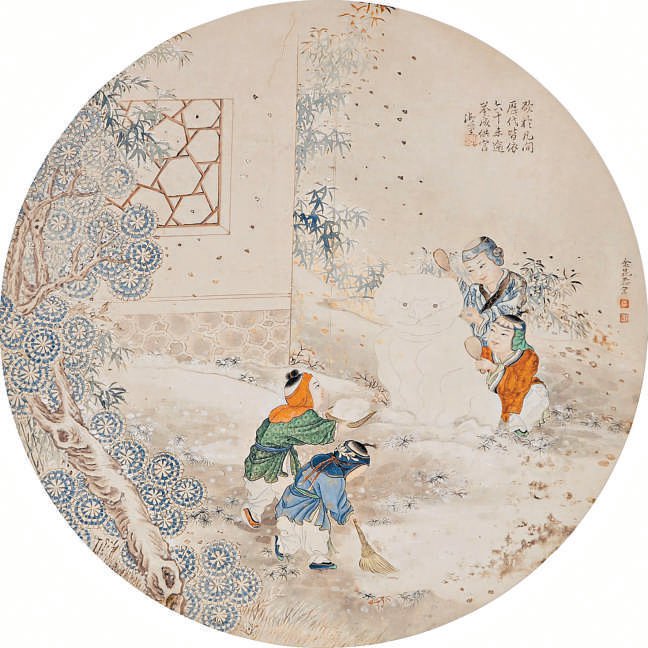
浓浓乡愁绕心上。 乡愁是画, 水墨丹青描故乡; □姚代云 岁月流淌, 腊尽东君晓春光。 元日如期而至, 让人沉醉难忘。 镌刻年少懵懂, 彩绘青云溢馨香。 虽年轮远去, 那份心底的眷恋依然绽放; 似一束深情的温暖, 令人心生向往。 乡愁是曲, 天籁之音婉转悠扬。 故土的独特韵味, 那弯弯曲曲的小巷, 似音符,蕴藏着儿时的梦想; 那绿树成荫的路径, 似旋律,吟唱着走出大山的志向。 乡愁是诗, 意境深邃赋沧桑。 感言难以复制的追忆, (作者系中国作协会员) 抒怀人生苦涩篇章。 那斑驳的老房旧宅, 记载着山里娃奋楫成长; 那抹绚丽的彩虹, 相伴游子渲染诗和远方…… ...
年关“复原老屋”爆单,订单排到4月:“00后”小伙靠这门手艺年入百万
Xin Lang Cai Jing· 2026-01-08 08:42
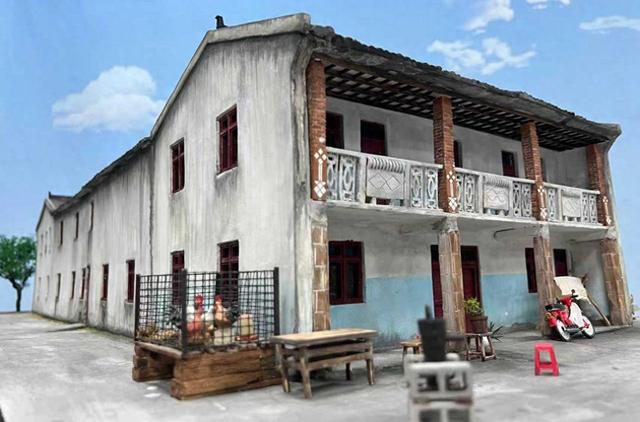
来源:潮新闻 "拆掉的是房子,拆不掉的是回忆。"年关将至,一波"怀旧潮"悄然升温——继年轻人回乡"爆改老屋"刷 屏后,"复原老屋"成了新潮流,越来越多人愿意为"快乐老家"买单。 而撑起这波热潮的人,竟是一位"00后"手艺人芦庆欢。每到年底,他和三十余人的团队就忙得日夜赶 工,仅凭客户的模糊影像和零碎记忆,就能让老屋子"重现"眼前,帮人们找回那些回不去的旧时光。 订单排至4月,网友抢购万元一座的"老屋" 目前,芦庆欢正在赶制的两套浙江绍兴、金华网友定制的"老屋"模型已完成80%,将于1月中旬交 付。"金华东阳的老屋是木质结构,是客户父亲当年拼尽全力建成的,承载着家里几代人的记忆。"芦庆 欢向潮新闻记者介绍。 他接手的"老屋订单"遍布天南地北,每一座老屋都藏着独一无二的家庭故事:浙江湖州网友复原的老 屋,是爷爷挑担子赚钱盖起的,四代人在此结婚生子,如今房子已拆除10年;河南新乡网友家35年前造 的老屋,是村里第一座砖房,凝结着父辈一生的心血;天津客户惦记着老家院子里的两棵槐树,怀念树 下乘凉的时光;辽宁客户则要求复刻冰雪覆盖的老屋,院子里还要有父亲亲手做的冰车…… 浙江湖州 网友下单复原的老屋。受访者供图。 这些 ...
幸福的滋味
Xin Lang Cai Jing· 2026-01-03 19:18
Core Viewpoint - The article captures the essence of family reunion during the winter holiday, emphasizing the warmth and nostalgia associated with traditional activities like barbecuing together, which reflects deeper emotional connections to family and heritage [4]. Group 1: Family Reunion - The protagonist eagerly anticipates a family gathering in the countryside to enjoy barbecued meat, highlighting the joy of togetherness and shared experiences [1]. - Family members arrive from different locations, filling the once-quiet home with laughter and warmth, symbolizing the importance of familial bonds [1]. Group 2: Preparation and Cooking - The mother meticulously prepares the ingredients for the barbecue, showcasing the care and effort put into family meals, which enhances the overall experience [2]. - The grandfather's traditional method of lighting the charcoal evokes a sense of nostalgia and continuity of family traditions, reinforcing the theme of generational connections [2]. Group 3: Enjoyment and Reflection - As the family gathers around the barbecue, the flavors and aromas evoke memories and a sense of belonging, illustrating the emotional significance of shared meals [3]. - The conversation among family members reflects on the past and the changes in lifestyle, emphasizing the contrast between past hardships and present comforts, which deepens the appreciation for family gatherings [3]. Group 4: Emotional Significance - The article conveys that the true essence of "year flavor" lies in the combination of present joy, past memories, and the warmth of food, symbolizing a deep-rooted connection to family and heritage [3]. - The fading charcoal fire and the lingering sense of happiness and nostalgia encapsulate the profound emotional impact of these family traditions, making it a cherished memory of the holiday [3].
三街七巷笔记
Xin Lang Cai Jing· 2025-12-28 17:20
(来源:衢州日报) 转自:衢州日报 周维强 月落天王塔 古街如琵琶,那琴弦,被时光仙子 捏在手上,轻轻弹奏 宛如宋朝的词客,化蝶的诗行 我在天王塔前,注视上空的月亮 带着千古的问候 我看见一只又一只白鸟, 从天王塔旁飞过 仿佛,是月光的影子 是衢州人,乡愁里的闲笔 衢州的月光,略显孤独 被衢江的江水涤荡的月光,落户水亭街 看上去,单薄、孤寂 以及一个诗人,对乡愁的理解和阅读 是的,经卷就是这样铺展的 扁舟一叶,星光点点,四省边际的码头 天王塔,在我的心灵版图上 盖了一个红色章,带着轻盈与风雅 站在古城墙上 眺望衢江 街巷布局如棋盘,我们是黑子 抑或白子,每走一步, 都在破解古城的繁华 衢州的夜,迷离而斑斓 登上古城墙,夜如墨 衢江如墨笔走动的国画, 带着素朴与芬芳 灵魂是一枚薄薄的簧片 被衢州的夜,轻轻吹奏 水亭街,人潮涌动,衢江上,游船缓行 闪烁的灯火,有着虚无的比喻 这一刻,聚集了孔庙的庄重 军营里的磨刀声 还有小巷犬吠,虫吟交织着蝈蝈叫 我的位置,是移动的,看着江水 把心事,和江水绵延相连 这一刻,内心的安宁,是一种抒情 带着对夜晚的感恩,对衢州之美, 亘古的收集 水亭街,所记 线状的古书,不论谁来阅读 ...
卤肉饭与台湾光复节
Xin Lang Cai Jing· 2025-12-26 21:02
Core Perspective - The article highlights the emotional connection of Taiwanese expatriates to their homeland through food, particularly focusing on the significance of traditional dishes like braised pork rice as a means to alleviate homesickness while living abroad [1][5]. Group 1: Cultural Significance of Food - Taiwanese cuisine, including dishes like oyster omelet, three-cup chicken, and braised pork rice, serves as a cultural anchor for Taiwanese immigrants, providing comfort and a sense of belonging in foreign lands [1][2]. - The experience of enjoying traditional Taiwanese food in night markets is portrayed as a way for urban immigrants to cope with nostalgia and homesickness [1][2]. Group 2: Personal Story of a Taiwanese Restaurant Owner - Lucas Yang, a Taiwanese immigrant in London, opened a restaurant to share the flavors of his hometown after years of living abroad, emphasizing the importance of maintaining cultural ties through food [2][5]. - The preparation of dishes like braised pork rice involves careful selection of ingredients and traditional cooking methods, reflecting the challenges faced by Taiwanese immigrants in adapting their culinary practices in a foreign environment [2][3]. Group 3: Historical Context of Taiwanese Cuisine - The evolution of braised pork rice is linked to Taiwan's historical context, particularly during the Japanese colonial period when resource scarcity forced people to create meals from less desirable cuts of meat [4][5]. - The transition from using leftover parts to better quality ingredients post-1945 signifies a shift in Taiwanese cuisine from mere sustenance to a celebrated cultural heritage [5].
跨越海峡的乡愁在故土生根发芽
Qi Lu Wan Bao· 2025-12-21 16:26
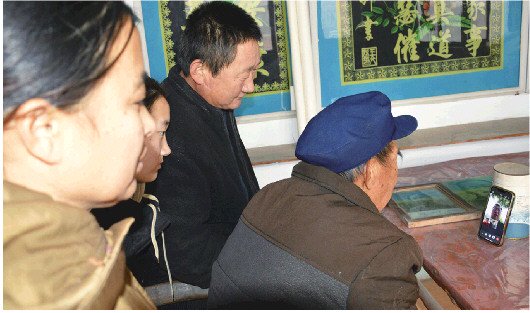
一封台北来信,道出了一家人跨越海峡的乡愁。 "我要把台湾同胞的乡愁情感传递给孩子们。"12月19日,得知台湾同胞要给学校设立奖学金,聊城临清市 赵建庄小学校长张亚奇感慨地说。至此,在壹点公益的帮助和见证下,一段跨越海峡两岸的寻亲、认亲故 事有了更绵长的延续。 记者 王倩 李梦瑶 杜春娜 聊城报道 未了的乡愁化作奖学金 "叔叔,我们想以父亲的名义,为村里的小学设立奖学金。"刚认亲成功的兄弟俩卓然和秉然,将这个消息告 诉了在老家的叔叔史国瑞。 就在几天前,他们一方在台北,一方在山东聊城,相隔近两千公里,双方互不相识。今年55岁的卓然和弟弟秉 然,自从决定寻找在老家的亲人开始,已经无数次想象过和亲人相认时的场景。只是,他们也没想到这一天 来得这么快。 "叔叔,您是家族中的长辈,设立奖学金一事,还是询问您的意见。"卓然通过视频询问道。 "可以!"史国瑞一口答应了侄子。 听到叔叔的回答,卓然继续说:"后续能否请叔叔作为家里的代表,为孩子们颁发奖学金?" "好,好,好!"史国瑞连说了三个"好"。 设立奖学金,他们计划首次先拿出1万元人民币,后续根据实际情况进行补充,"现在上班比较忙,先用这种方 式传递我们的思乡之情,后续 ...
芦稷点心,一百多年忘不了的乡愁
Xin Lang Cai Jing· 2025-12-21 07:21
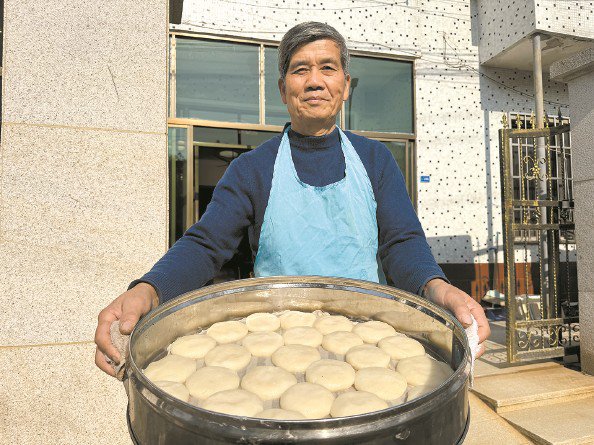
隔着一条华亭古海塘,两边村民的口音完全不同,移民后裔如今说着混合岱山话、奉贤话、上海话的特 殊方言,还保留着许多岱山习俗,比如制作芦稷点心。"这种年糕制作方法简单,味道不错,糯叽叽酸 溜溜,关键是保质期长还顶饿,吃两个可以撑半天。"许燕群说,盐民往往在过年前后集中制作一批作 为过年食材或干粮,浸在盐水中可保存几个月,他们的祖先就是一边啃着芦稷点心一边劳作,把荒凉的 滩涂改造成了如今宜居的家园。 怀旧美食芦稷点心 上午9时,奉贤区柘林镇营房村刘亚云阿姨忙得不亦乐乎。冬至前夕,她正在做芦稷点心。这种高粱年 糕是本地美食,只存在于柘林少数几个村子。它的背后,是一群被称为"海头宁"的移民后裔延续了一个 半世纪的乡愁故事。 刘亚云先在盆中将高粱粉和白粥混合,使劲揉捏,直至面团表面光滑细腻,然后捏成一个个小团,再揉 成圆饼状,高粱年糕便成形了。随后拿到屋后蒸20分钟,批量出锅后浇凉水降温,在室内放置一会儿就 算大功告成。一上午,刘亚云至少能做上百个。 营房村前任村书记许燕群告诉记者,芦稷点心又叫芦稷饼,在上海独此一家,但在浙江一些地区较为常 见。因为这里的村民大多是19世纪中后期,因躲避战乱、自然灾害等迁徙而来的浙江岱山 ...
汾阳,不只是贾樟柯痛城
3 6 Ke· 2025-12-11 02:55
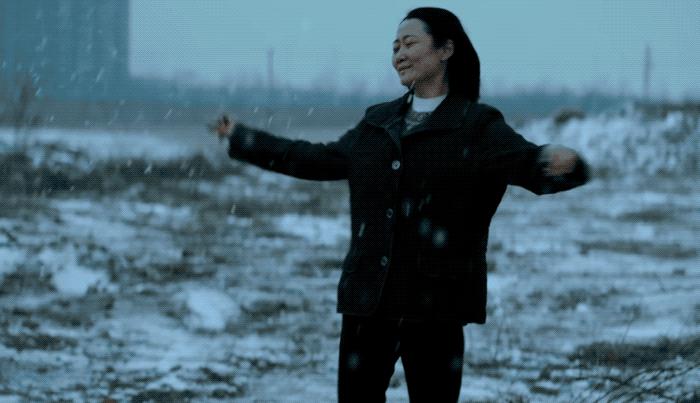
Core Insights - The film "Mountains May Depart" by Jia Zhangke is set to be re-released on December 12, 2025, marking a significant moment as it reflects on the passage of time and the changes in personal and collective memories [1][2][4] - The narrative emphasizes the emotional resonance of the film, highlighting themes of nostalgia, loss, and the desire to reconnect with the past [5][7] Summary by Sections Film and Emotional Resonance - The re-release of "Mountains May Depart" allows audiences to revisit their understanding of the film, deepening emotional connections to its themes of time and change [2][5] - The recurring motif of keys in the film symbolizes the longing for access to the past and the inevitability of change [4][7] Jia Zhangke's Cinematic Universe - Jia Zhangke's films, including "Mountains May Depart," serve as a lens through which viewers can explore the slow evolution of the city of Fen Yang, reflecting both personal and societal transformations [10][12] - The film's settings are rooted in real locations, enhancing the authenticity of the narrative and its connection to the audience's experiences [18][27] Fen Yang as a Cultural and Historical Context - Fen Yang is portrayed as a city with a rich history, where the past and present coexist, and its landmarks, such as the Wenfeng Tower, symbolize the continuity of cultural heritage [20][21][28] - The local architecture and historical sites contribute to the city's identity, making it a significant backdrop for Jia Zhangke's storytelling [32][39] Reflections on Time and Memory - The narrative reflects on the passage of time, emphasizing that while people may change, the essence of the landscape and memories remain [18][44] - The film and its re-release serve as a reminder of the transient nature of life and the enduring significance of personal and collective memories [27][44]
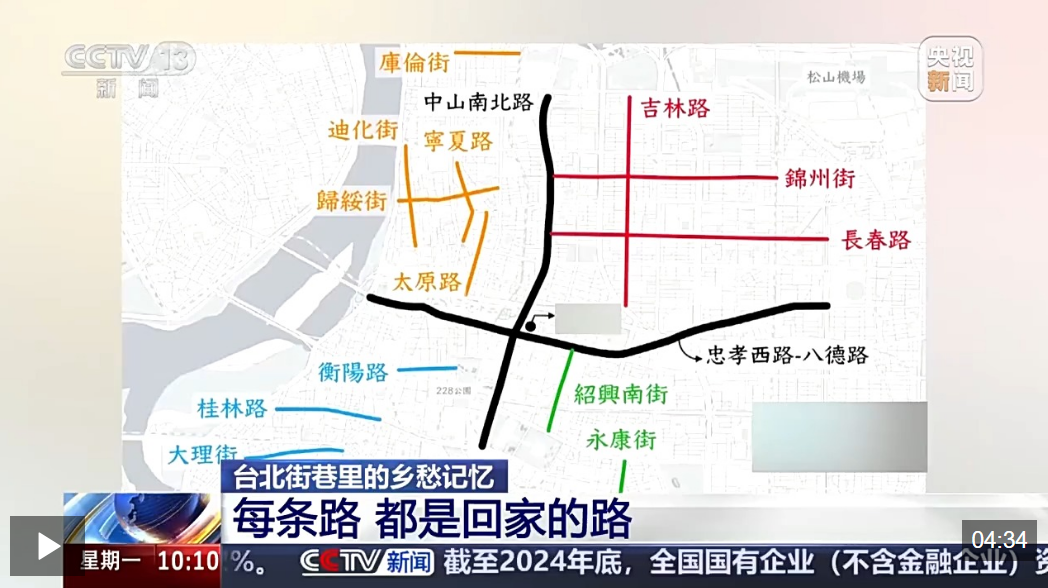
视频丨台北街头的“乡愁地图” 每条路都指向家的方向
Yang Shi Xin Wen Ke Hu Duan· 2025-10-27 07:30
Core Viewpoint - The article explores the cultural and historical connections between Taiwan and mainland China through street names and local cuisine in Taipei, highlighting the shared memories and nostalgia among the Taiwanese people [2][6][8]. Group 1: Street Names and Historical Significance - Taipei features numerous streets named after places in mainland China, reflecting a systematic naming convention based on geographical locations [6]. - After Taiwan's return to China in 1945, many streets were named to eliminate colonial influences, with a notable architect using a map of China to guide the naming process [6][8]. - There are currently 151 streets in Taiwan named "光复" (Restoration), which carry historical significance and are integrated into daily life [4]. Group 2: Culinary Heritage and Market Culture - The South Gate Market in Taipei, with nearly 120 years of history, serves as a hub for traditional mainland Chinese snacks and goods, showcasing the culinary nostalgia of the Taiwanese people [8][9]. - The market features long-standing businesses, such as "合兴糕团店," which has been operating for almost 80 years, offering traditional foods that evoke memories of home [9][11]. - The connection to mainland China is emphasized through the experiences of business owners who maintain their culinary traditions while expressing pride in their heritage [11].