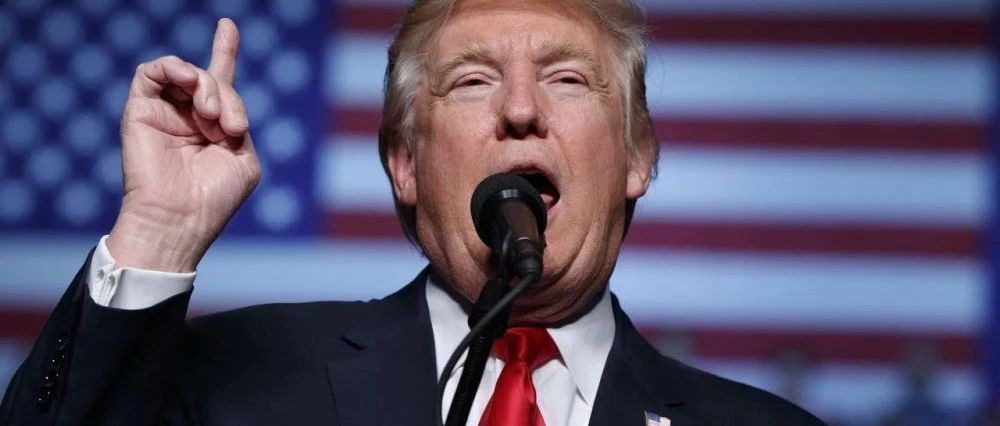
关税制裁

Search documents
治不了中国,还治不了你?美国威胁加征500%关税,将莫迪逼入绝境
Sou Hu Cai Jing· 2025-07-05 23:52
Group 1 - The core issue revolves around the U.S. imposing a potential 500% tariff on countries, including India, that continue to purchase Russian oil, highlighting India's precarious position in the geopolitical landscape [1][2] - India, as the world's third-largest oil importer, relies heavily on oil imports, with 80% of its oil needs met through imports, and has significantly increased its Russian oil purchases due to lower prices [2][5] - The proposed tariff has garnered substantial support in the U.S. Senate, with 82-84 senators backing it, and its implementation hinges on President Trump's decision, which adds uncertainty to India's energy strategy [2][5] Group 2 - India's response to the U.S. threat contrasts sharply with China's, as India appears to be seeking leniency from the U.S. while China has prepared for retaliatory measures against the proposed tariffs [2][5] - The potential implementation of the 500% tariff could severely impact India's economy, particularly its key export sectors like pharmaceuticals and IT, which are heavily reliant on the U.S. market [5][8] - The geopolitical dynamics suggest that smaller nations like India may become collateral damage in the larger power struggle between the U.S. and China, as India attempts to navigate its interests without alienating either side [8]

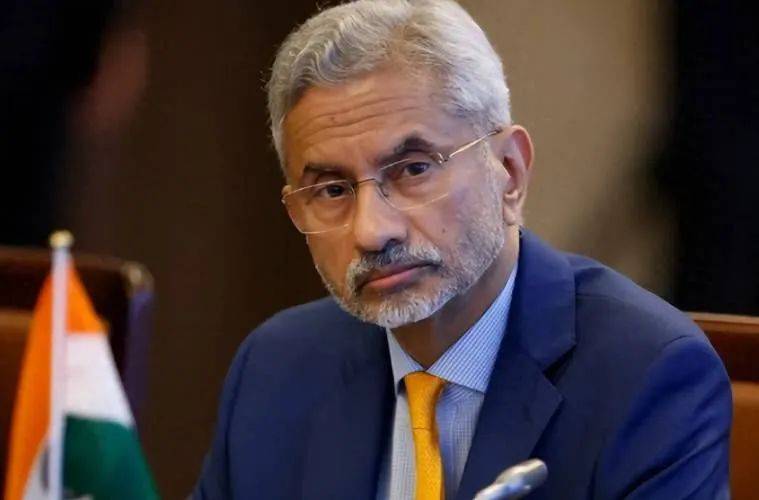
马克龙疑似破防,怂恿美国一起对华加500%关税,遭三面夹击
Sou Hu Cai Jing· 2025-05-19 11:18
最近俄乌局势再次引发关注,俄乌将在土耳其重启直接谈判。俄方已经公布了谈判人员的名单,但并不包括俄罗斯总统普京。乌方则表示,泽连斯基不会与 除了普京之外的俄方代表会谈,所以这次会谈大概率还是外交部门之间的接触,对停火并不抱多大期望。而法国总统马克龙也是借机高强度政治表演,他发 出"最后通牒",普京必须决定是否接受暂时停火,否则将祭出更多制裁。因为普京无视了他的"最后通牒",法国打算对俄罗斯实施"毁灭性经济制裁"。 在威胁制裁的时候,马克龙还表示将讨论在欧盟部署配备核武器飞机的倡议。目前法国只有阵风战机可以携带核弹,但他在讲话和采访中,一个字都没提到 阵风,看来还是"印巴5.7空战"让他还是有点破防的。马克龙一会威胁俄罗斯,一会威胁中国,还是对自身实力没有一点数。 马克龙此人着实难评,之前欧盟对华电动汽车加征关税法案就是法国主导的,然后特朗普要对欧盟加税,他却说美国最主要任务是对付中国,而非欧盟,试 图祸水东引,但特朗普不吃这一套。现在中美在瑞士暂时达成了贸易协议,欧盟着急了。因为特朗普很快就将炮口对准了欧盟,抨击欧盟比中国"还糟 糕""更不公平",明显是磨刀霍霍向欧盟了。此时欧盟本该加强与中国合作,把这当成对付 ...
刚刚!特朗普下令:撤离!
券商中国· 2025-03-29 13:05
Group 1 - The article discusses President Trump's order for the global oil terminal company, owned by oil magnate Harry Sargent III, to withdraw from Venezuela, marking the second U.S. oil company to lose its operating license in the country after Chevron [2][4][5] - Venezuela is highlighted as one of the countries with the largest oil reserves globally and a founding member of OPEC, with the U.S. importing 8.6 million barrels of oil from Venezuela in January [2][7] - The article mentions that the U.S. government's sanctions could significantly impact Venezuela's oil production and exports in the short term [8] Group 2 - The article notes that the global oil terminal company must complete all payments to Venezuelan entities by a specified deadline, indicating the urgency of the withdrawal [5] - Chevron has been operating in Venezuela for many years and has received a temporary extension to cease operations until May 27, following a meeting between Trump and Chevron executives [5][6] - The article also points out that the termination of licenses could severely impact U.S. gasoline prices and increase risks for American companies investing abroad [6] Group 3 - As the April 2 deadline for new tariffs approaches, U.S. ports are warned of unprecedented chaos, with potential congestion and delays in goods delivery due to the complexity of the new tariff system [10] - The article highlights that the U.S. Treasury will assign a "tariff number" to each country, complicating customs processes and increasing logistical challenges for importers [10][11] - Trump's administration is open to negotiations with countries seeking to avoid tariffs, indicating potential changes in trade dynamics [11]

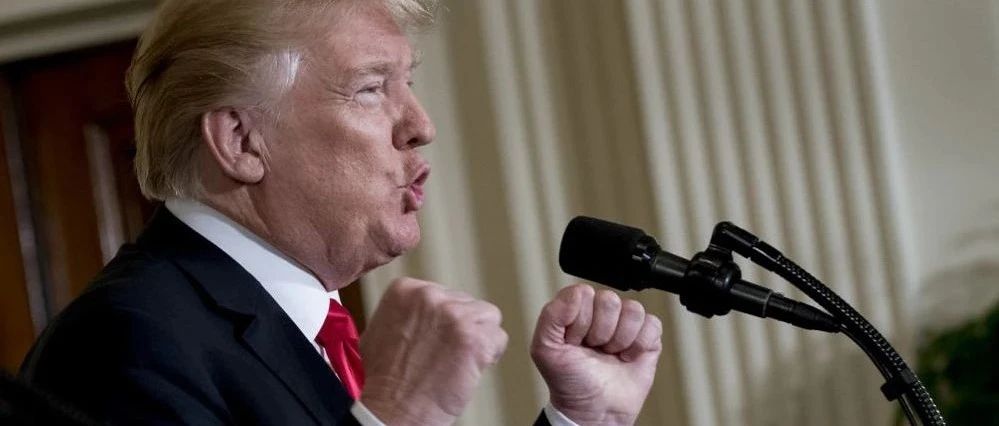
25%关税!刚刚,特朗普签了!
券商中国· 2025-03-25 01:40
Core Viewpoint - The article discusses the recent executive order signed by President Trump imposing a 25% tariff on goods imported from countries that directly or indirectly import Venezuelan oil, effective April 2. This move is expected to impact international oil prices and trade relations significantly [1][3][4]. Group 1: Tariff Implementation - The U.S. will impose a 25% tariff on all goods from countries importing Venezuelan oil starting April 2 [3][4]. - The Secretary of State has the authority to decide on the implementation of these tariffs, which will last for one year from the last import date of Venezuelan oil [3][4]. - Trump referred to this tariff as a "secondary tariff," similar to secondary sanctions aimed at third-party countries [4]. Group 2: Impact on Oil Prices - Following the announcement, international oil prices surged, with WTI crude oil futures rising by 1.21% to $69.11 per barrel, marking the highest level since March 4 [1][4]. - Brent crude oil futures also increased by 1.16%, reaching $73.00 per barrel [1][4]. Group 3: Additional Tariffs - Trump indicated plans to announce additional tariffs on automobiles, wood, and chips in the coming days, suggesting a broader approach to tariffs beyond the Venezuelan oil issue [7][8]. - He mentioned that not all tariffs would take effect on April 2, hinting at potential exemptions for certain countries [7][9]. Group 4: Economic Concerns - Analysts express concerns that escalating tariffs could lead to economic downturns in the U.S., with predictions of a 40% chance of recession this year, up from 30% earlier [10]. - The potential for stagflation, characterized by slow growth and high inflation, is also highlighted as a significant risk [10].