
常态化帮扶

Search documents
农业农村部答21:脱贫人口务工就业规模连续5年超3000万人
21世纪经济报道· 2026-01-22 08:59
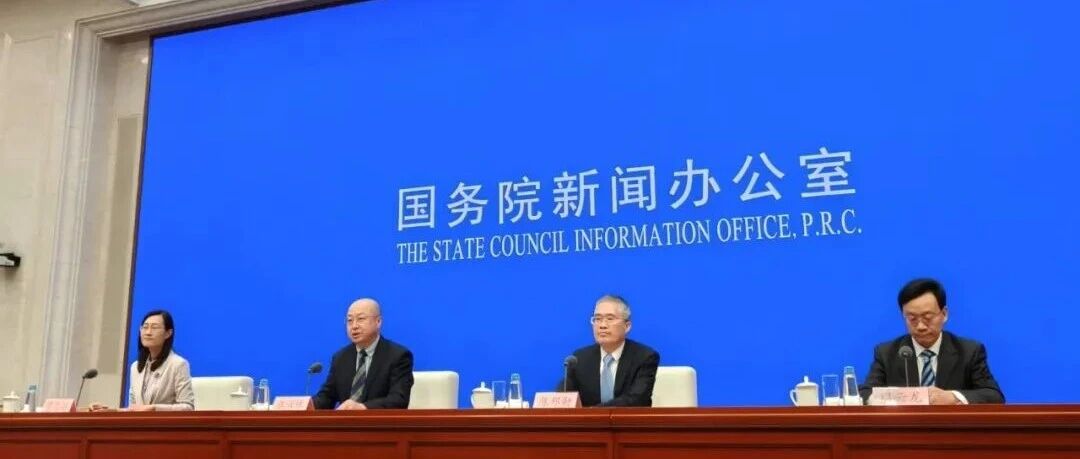
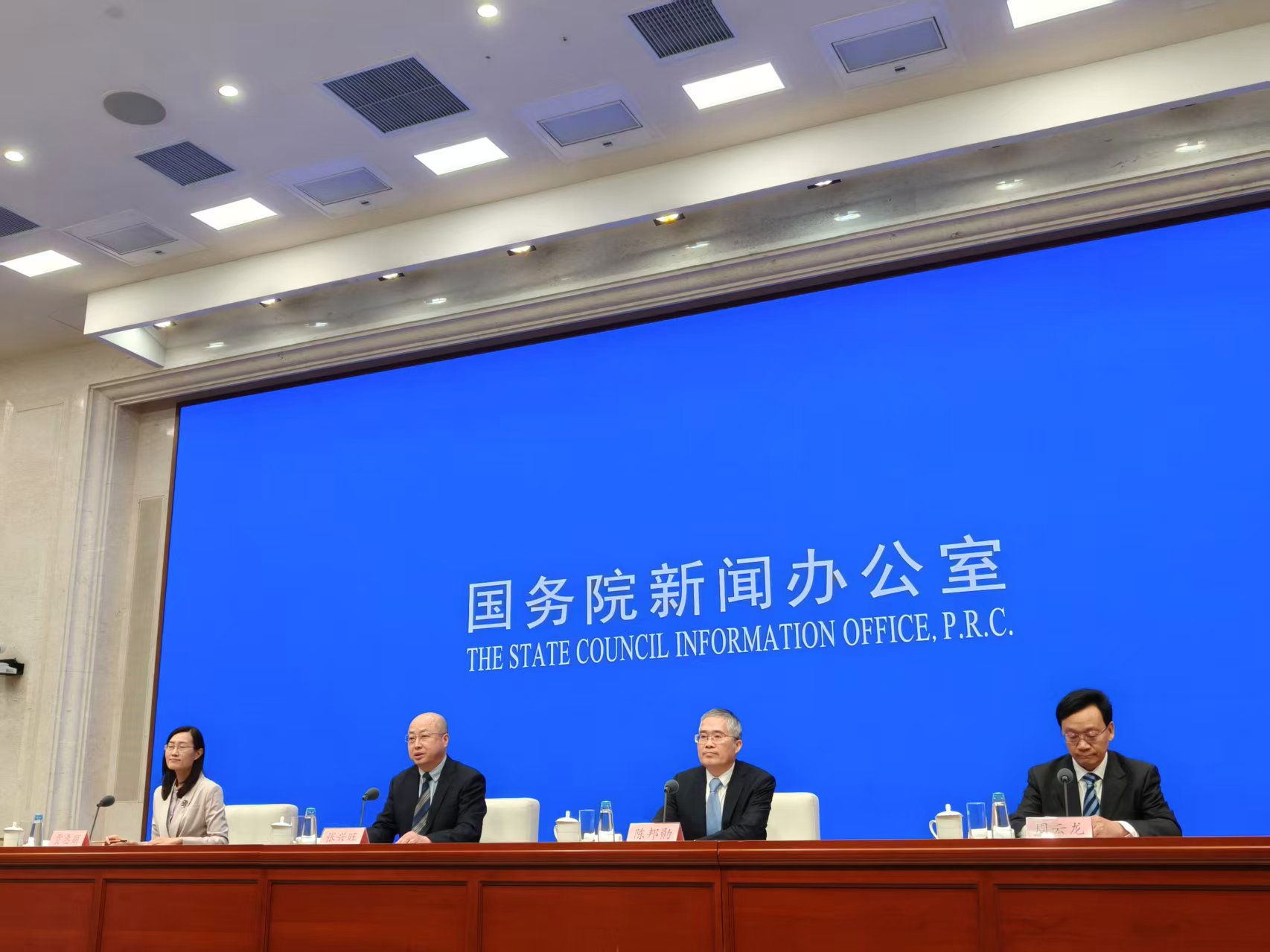
会上南方财经·21世纪经济报道记者提问:巩固拓展脱贫攻坚成果同乡村振兴有效衔接5年过渡 期已经结束,今后转向常态化帮扶的新阶段。请问5年过渡期取得了哪些成效?后续如何推进 常态化帮扶? 发布会现场 李莎摄 农业农村部发展规划司司长陈邦勋回应表示,过渡期以来,监测帮扶机制有效运行,累计识别 帮扶超过700万监测对象稳定消除返贫致贫风险,其余均落实了针对性帮扶措施。帮扶产业发 展壮大,832个脱贫县均培育形成了2—3个优势突出、带动力强的主导产业,超过85%的脱贫 户和监测户至少得到一项产业帮扶措施。就业规模保持稳定,脱贫人口务工就业规模连续5年 稳定在3000万人以上,稳住了脱贫家庭2/3以上的收入。 记者丨 李莎 编辑丨周上祺 视频丨王学权 2026年1月22日上午,国务院新闻办公室举行新闻发布会,介绍加快农业农村现代化,扎实推 进乡村全面振兴有关情况,并答记者问。 2026年是进入常态化帮扶的第一年,陈邦勋指出,农业农村部将认真贯彻落实党中央、国务院 决策部署,保持过渡期后帮扶政策总体稳定,把常态化帮扶纳入乡村振兴战略统筹实施,以有 力有效的开发式帮扶增强内生发展动力,以健全完备的社会保障体系兜牢民生底线, ...

农业农村部:常态化帮扶第一年这样干!
Nan Fang Nong Cun Bao· 2026-01-22 08:30
农业农村部:常 态化帮扶第一年 这样干!_南方 +_南方plus 1月22日上午, 国务院新闻办公 室举行新闻发布 会,介绍加快农 业农村现代化, 扎实推进乡村全 面振兴有关情 况,并答记者 问。 新闻发布会现场。(刘健 摄) 围绕巩固拓展脱 贫攻坚成果同乡 村振兴有效衔接 五年过渡期的成 效,农业农村部 发展规划司司长 过渡期以来,监 测帮扶机制有效 运行,累计识别 帮扶超过700万 监测对象稳定消 除返贫致贫风 险,其余均落实 了针对性帮扶措 施。帮扶产业发 展壮大,832个 脱贫县均培育形 成了2—3个优势 突出、带动力强 的主导产业,超 过85%的脱贫户 和监测户至少得 到一项产业帮扶 措施。就业规模 保持稳定,脱贫 人口务工就业规 模连续5年稳定 在3000万人以 上,稳住了脱贫 家庭2/3以上的 收入。协作帮扶 持续深化,东部 8个省市、310家 中央单位投入帮 扶资金1611.1亿 元,采购和帮助 销售脱贫地区农 副产品7545.4亿 元。发展差距持 续缩小,脱贫县 农村居民人均可 支配收入增速快 于全国农民平均 水平,脱贫人 口"三保障"和饮 陈邦勋进行介 绍。 水安全保障水平 持续巩固提升。 ...

中国已累计帮扶超700万监测对象稳定消除返贫致贫风险
Zhong Guo Xin Wen Wang· 2026-01-22 07:31
陈邦勋表示,2026年是进入常态化帮扶的第一年,将保持过渡期后帮扶政策总体稳定,把常态化帮扶纳 入乡村振兴战略统筹实施,以有力有效的开发式帮扶增强内生发展动力,以健全完备的社会保障体系兜 牢民生底线,确保不发生规模性返贫致贫。(完) (文章来源:中国新闻网) 打赢脱贫攻坚战后,中国官方设立巩固拓展脱贫攻坚成果同乡村振兴有效衔接5年过渡期,2025年是过 渡期最后一年。 对于5年过渡期的成效,中国农业农村部发展规划司司长陈邦勋表示,过渡期以来,监测帮扶机制有效 运行,累计识别帮扶超过700万监测对象稳定消除返贫致贫风险,其余均落实了针对性帮扶措施。帮扶 产业发展壮大,832个脱贫县均培育形成2至3个优势突出、带动力强的主导产业,超过85%的脱贫户和 监测户至少得到一项产业帮扶措施。就业规模保持稳定,脱贫人口务工就业规模连续5年稳定在3000万 人以上,稳住了脱贫家庭2/3以上的收入。协作帮扶持续深化,东部8个省市、310家中央单位投入帮扶 资金1611.1亿元(人民币,下同),采购和帮助销售脱贫地区农副产品7545.4亿元。发展差距持续缩小, 脱贫县农村居民人均可支配收入增速快于全国农民平均水平,脱贫人口"三保 ...
农业农村部:脱贫人口务工就业规模连续5年稳定在3000万人以上
Xin Hua Cai Jing· 2026-01-22 07:13
Core Insights - The Chinese government has established a five-year transition period after winning the battle against poverty, focusing on supporting impoverished areas and populations to prevent a return to poverty [1][2] - A monitoring and assistance mechanism has effectively identified over 7 million individuals at risk of falling back into poverty, with targeted support measures implemented for the remaining individuals [1] - The income growth rate of rural residents in impoverished counties has outpaced the national average for farmers, indicating a reduction in development disparities [1] Group 1: Assistance Mechanisms - The monitoring and assistance mechanism has successfully identified over 7 million individuals, stabilizing the risk of returning to poverty [1] - More than 85% of impoverished households have received at least one form of industrial support, contributing to stable employment for over 30 million individuals for five consecutive years [1] - The eastern provinces and 310 central units have invested 161.1 billion yuan in assistance, purchasing and helping sell agricultural products worth 754.54 billion yuan from impoverished regions [1] Group 2: Future Plans and Strategies - The year 2026 marks the beginning of normalized assistance, with the Ministry of Agriculture and Rural Affairs committed to maintaining stable support policies post-transition [2] - A focus on establishing a precise monitoring and assistance mechanism to prevent a return to poverty, ensuring early detection and intervention for at-risk individuals [2] - Emphasis on developing leading industries in impoverished areas to enhance income and improve asset management for assistance projects [2][3]
农业农村部答21:脱贫人口务工就业规模连续5年超3000万人
2 1 Shi Ji Jing Ji Bao Dao· 2026-01-22 04:21
Core Viewpoint - The Chinese government is transitioning from a five-year poverty alleviation period to a normalized assistance phase, focusing on sustainable rural revitalization and preventing large-scale poverty recurrence [4][6]. Group 1: Achievements During the Transition Period - Over 7 million monitoring subjects were identified for assistance, effectively eliminating the risk of returning to poverty for these individuals [4]. - 832 poverty-stricken counties developed 2-3 leading industries, with over 85% of impoverished households receiving at least one form of industrial support [4]. - The employment scale for the impoverished population remained stable at over 30 million for five consecutive years, securing more than two-thirds of the income for these families [4]. Group 2: Financial Support and Income Growth - Eastern provinces and 310 central units invested 161.1 billion yuan in assistance, purchasing and helping sell agricultural products worth 754.54 billion yuan from impoverished areas [5]. - The per capita disposable income growth rate for rural residents in poverty-stricken counties outpaced the national average for farmers, indicating a reduction in development disparities [5]. Group 3: Future Plans for Normalized Assistance - The Ministry of Agriculture and Rural Affairs will implement stable assistance policies post-transition, integrating normalized support into the rural revitalization strategy [7]. - A monitoring and assistance mechanism will be established to prevent poverty recurrence, focusing on early detection and intervention for at-risk individuals [7]. - Development-oriented assistance will be emphasized, promoting the growth of complete and competitive local industries while enhancing employment support through various channels [7][8].
走得慢但走得稳
Jing Ji Ri Bao· 2026-01-19 22:23
Group 1 - The core viewpoint of the articles highlights the significant development changes in Liangshan Yi Autonomous Prefecture, showcasing a transition from a traditionally impoverished area to one with growing economic vitality and opportunities [1][2] - Liangshan's economic growth is evidenced by projections indicating that by the end of 2025, three counties (cities) will exceed an economic total of 20 billion yuan, with Xichang, the state capital, surpassing 80 billion yuan [1] - The local government is actively promoting the integration of agriculture, culture, and tourism to stimulate regional development, indicating a strategic approach to economic diversification [2] Group 2 - The "14th Five-Year Plan" marks a new phase of normalized assistance, with Liangshan focusing on robust transportation infrastructure development, leading the investment in Sichuan Province for five consecutive years [2] - Improved transportation has facilitated greater interaction and integration with other regions, attracting more investment opportunities to Liangshan [2] - The local sentiment reflects confidence in steady progress, emphasizing a cautious yet determined approach to development that aligns with national growth trends [2]
央企帮扶转向常态化 为乡村振兴注入长效动能
Zhong Guo Jing Ying Bao· 2026-01-16 18:42
Core Viewpoint - Central enterprises are transitioning from temporary support to a systematic and sustainable assistance model for rural revitalization during the "14th Five-Year Plan" period, focusing on education and industrial empowerment [1][3][5]. Education Assistance - China General Nuclear Power Group (CGN) has invested 100 million yuan to build the Bailu School, transforming it into a modern educational facility with advanced teaching spaces and resources [1][2]. - The school now has 30 elementary classes and 7 middle school classes, along with specialized "Bailu Classes" supported by CGN for curriculum development and student incentives [2]. - CGN has organized 23 research activities to broaden students' horizons, fostering aspirations among students, such as a sixth-grade student who aims to become a teacher after participating in a summer camp [2][3]. Industrial Empowerment - COFCO Group is innovating its cooperation model with farmers, engaging in large-scale planting over 3 million acres through order agriculture and cooperative planting to enhance agricultural productivity and farmers' income [4]. - The company aims to create a modern agricultural service model that integrates various agricultural sectors, providing comprehensive solutions from production to sales [4][5]. - Digital technology is being leveraged to enhance agricultural practices, as seen in the smart cultivation of Lingzhi mushrooms in Jilin Province, which has significantly improved yield rates [6]. Transition to Normalized Support - The State-owned Assets Supervision and Administration Commission (SASAC) emphasizes the need for central enterprises to shift from transitional support to a normalized assistance phase, focusing on sustainable development and effective integration with rural revitalization plans [5][6]. - The goal of normalized support is to achieve comprehensive rural revitalization, moving beyond mere poverty alleviation to fostering thriving industries, ecological sustainability, and improved living standards [6].


【好评中国】常态化帮扶要拿出责任担当
Xin Lang Cai Jing· 2026-01-11 01:44
Core Viewpoint - The central rural work conference emphasizes the establishment of a normalized mechanism to prevent poverty and ensure sustainable support for underdeveloped regions, aiming to solidify the achievements of poverty alleviation by 2026 [1] Group 1: Mechanisms and Policies - A long-term process is required to consolidate poverty alleviation achievements, necessitating a "normalized inspection, precise monitoring, and differentiated support" mechanism to identify at-risk populations [1] - The implementation of a comprehensive monitoring system is essential, including village cadre inspections and cross-departmental data sharing to ensure early detection and intervention for those in need [1] - The focus on enhancing social security systems is crucial to safeguard the bottom line of people's livelihoods and prevent large-scale poverty [1] Group 2: Employment and Industry Development - Emphasis on the dual focus of industry and employment as key drivers for increasing self-sufficiency among rural populations [1] - The strategy includes promoting the transformation of agricultural products from raw materials to processed goods and brands, enhancing value-added processes [2] - The introduction of more deep processing projects is aimed at ensuring farmers benefit at every stage of the industrial chain [2] Group 3: Community Engagement and Skill Development - The need to stimulate the internal motivation of the impoverished population is highlighted, leveraging local leaders and experts to assist in development [3] - Regular monitoring and risk assessment are necessary to address the specific challenges faced by vulnerable groups, including the elderly and those with health issues [3] - Initiatives such as skill training for returning laborers and the organization of employment opportunities are critical for improving the livelihoods of the impoverished [3]
常态化帮扶,新阶段怎么干(新年谈“新”·五位干部群众谈常态化帮扶)
Ren Min Ri Bao· 2026-01-08 22:53
Core Viewpoint - The central rural work conference emphasizes the establishment of a normalized mechanism to prevent poverty and ensure continuous support for underdeveloped areas, aiming to consolidate and expand the achievements of poverty alleviation efforts during the 14th Five-Year Plan period [1] Group 1: Mechanism and Strategy - The first year of normalized assistance will begin in 2026, focusing on preventing large-scale poverty and ensuring effective support for vulnerable households [1] - A monitoring and assistance mechanism has been established in Wu Bu County, which includes regular checks, precise monitoring, and differentiated support to identify and assist at-risk households [2][3] - The strategy includes enhancing development capabilities through effective assistance and ensuring a robust social security system to prevent large-scale poverty [3] Group 2: Employment and Industry Development - Emphasis on industry and employment as key areas for development, with plans to enhance local agricultural products and create job opportunities through various initiatives [3][4] - Specific plans include promoting local specialties such as green pears and hand-made noodles, and utilizing labor cooperation and employment assistance projects [3][4] Group 3: Community and Individual Success Stories - Individual success stories highlight the effectiveness of assistance policies, such as the case of Li Guozhi, who improved his family's living conditions through hard work and support from poverty alleviation funds [5][6] - The community's approach includes a detailed management service model to address the needs of relocated populations, ensuring timely assistance and employment opportunities [8][9] Group 4: Cultural and Tourism Development - The development of cultural tourism in Huanghu Village has led to significant increases in visitor numbers and local employment, showcasing the potential of integrating culture with economic development [10][11] - Plans to enhance local tourism infrastructure and promote agricultural products through branding efforts are underway, aiming to increase the economic stability of the community [11][12]
金融何以深度融入常态化帮扶?
Jin Rong Shi Bao· 2026-01-08 01:03
Core Viewpoint - The central rural work conference held on December 29-30, 2025, emphasized the need to consolidate and expand the achievements of poverty alleviation and integrate regular assistance into the rural revitalization strategy to prevent large-scale poverty recurrence [1] Group 1: Poverty Alleviation and Rural Revitalization - Over the past five years, China has successfully transitioned from poverty alleviation to rural revitalization, with stable assistance policies leading to the identification and support of over 7 million monitoring subjects to eliminate poverty risks [2] - The average disposable income of rural residents in poverty-stricken counties reached 13,158 yuan in the first three quarters of 2025, with an annual real growth rate of 7.8% since the transition period began [2] - Financial support has played a crucial role, with a total of 1.88 trillion yuan in microloans for poverty alleviation by June 2023, benefiting 4.38 million households [2] Group 2: Financial Support and Challenges - Financial assistance has enabled many poverty-stricken households to establish self-sustaining development through partnerships with new agricultural entities, although some households face repayment difficulties due to various factors [4] - The monitoring and assistance mechanisms need to be more closely integrated, as existing policies may not effectively address the challenges faced by certain industries and projects [4][5] - Financial institutions are encouraged to leverage their data to enhance the monitoring and early warning systems for poverty risks, transitioning from reactive to proactive assistance [6][7] Group 3: Policy Integration and Future Directions - Future financial support should be more integrated with fiscal policies, optimizing the collaboration between financial and governmental resources to enhance the effectiveness of poverty alleviation efforts [8] - The "insurance + futures" model has shown potential in stabilizing income for agricultural producers, but there is a need for more fiscal support to enhance its effectiveness [8] - The deep integration of financial support into the rural revitalization strategy requires innovative tools and collaborative policies to address poverty prevention and rural development comprehensively [8]