金融支持

Search documents
春节消费市场活力全面迸发 实现民生实惠与经济增长双赢
Yang Shi Wang· 2026-02-27 08:32
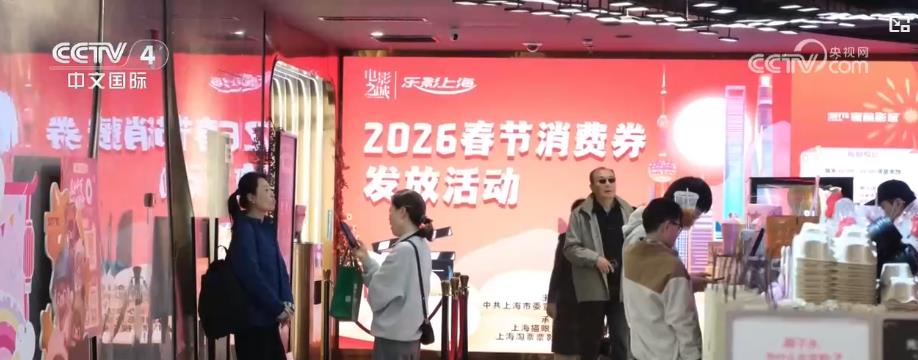
Core Insights - The "2026 Spring Festival Special Event" organized by the Ministry of Commerce aims to enhance consumer experience through various activities, integrating cultural elements with immersive experiences [1] - A total of 20.5 billion yuan is allocated for consumer vouchers and subsidies, effectively stimulating consumer spending during the Spring Festival [3] Group 1: Consumer Spending and Economic Impact - During the Spring Festival, daily sales of key retail and catering enterprises increased by 5.7% compared to the previous year, with a 1.6 percentage point acceleration in growth [6] - The "old-for-new" consumption initiative has benefited over 31 million people, driving sales of 207 billion yuan [4][6] - Various local activities, such as unique temple fairs and lantern exhibitions, contributed to a 12.1% increase in ice and snow consumption and a 29.8% rise in winter vacation spending [6] Group 2: Policy Measures and Collaborative Efforts - The "Spring Festival Shopping" initiative, covering a nine-day holiday period, demonstrates significant policy effectiveness through multi-department collaboration [11] - Key measures include the "old-for-new" program, prize invoices, and financial support, creating a comprehensive consumption promotion framework [11] - The increase in inbound tourism, with a 18.4% rise in orders for inbound travel products, reflects the successful release of consumer vitality [8][11]

乐购新春!首批625亿元国家补贴已到位
Sou Hu Cai Jing· 2026-02-16 12:42
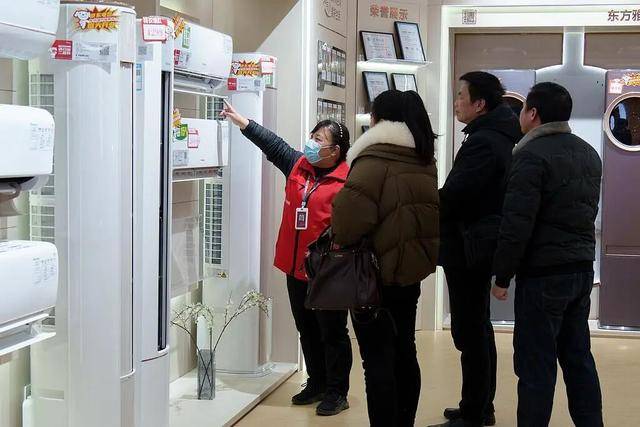
Core Viewpoint - The "Lego New Year" special event initiated by the Ministry of Commerce and nine other departments aims to stimulate consumer spending during the Spring Festival, with a total of 625 billion yuan in national subsidies allocated to support the "old for new" consumption policy [10]. Group 1: Consumer Behavior - Consumers are actively participating in the "old for new" program, with many opting to replace old appliances. For instance, a consumer in Hebei saved nearly 4,000 yuan by utilizing government subsidies and store promotions [3]. - The trend of replacing old appliances is prevalent, with a significant portion of sales attributed to customers engaging in trade-ins, accounting for 70% of year-end orders at a major appliance store [3]. - The demand for energy-efficient and smart appliances is rising, with consumers prioritizing these features when making purchases [7]. Group 2: Government Initiatives - The government has launched a comprehensive support package for consumers, including the "old for new" subsidy, a lottery for invoices, and financial support measures to encourage spending during the holiday [10]. - The "old for new" subsidy program specifically includes support for digital and smart products, offering a 15% subsidy on eligible items priced under 6,000 yuan, with a maximum subsidy of 500 yuan per item [8]. - The Ministry of Commerce is coordinating with various departments to ensure the effective distribution of the 625 billion yuan in subsidies during the nine-day holiday period [10]. Group 3: Market Trends - The Spring Festival has seen a surge in demand for smart and green products, with items like smart glasses becoming mainstream consumer goods rather than niche products [8][11]. - The automotive market is also experiencing a boost, with consumers taking advantage of multiple layers of subsidies to save significant amounts on vehicle purchases [10]. - The overall trend indicates a shift towards modern, energy-efficient, and technologically advanced products as essential items for the holiday season [12].

央行等四部门印发《关于统筹建立常态化金融支持机制 助力防止返贫致贫和乡村全面振兴的意见》
Xin Lang Cai Jing· 2026-02-14 03:43
Core Viewpoint - The People's Bank of China, along with other regulatory bodies, has issued guidelines to establish a normalized financial support mechanism aimed at preventing poverty and promoting rural revitalization, in line with the directives from the 20th National Congress of the Communist Party of China [1][17]. Group 1: Financial Support Mechanism - The guidelines emphasize the need to develop a long-term financial assistance mechanism targeting key populations, optimizing microcredit for impoverished individuals, and ensuring continuous support for those at risk of falling back into poverty [2][18]. - Financial institutions are encouraged to create loans for specialized industries and increase the upper limit for entrepreneurial guarantee loans in eligible regions [2][18]. - A tiered financial support mechanism for underdeveloped areas will be established, prioritizing new financial resources for key rural revitalization counties [2][18]. Group 2: Investment in Key Areas - The guidelines stress the importance of enhancing financial resources in critical sectors, particularly in grain and oil production, to improve agricultural productivity and quality [3][19]. - Development of supply chain financial services, such as accounts receivable financing, will be promoted to meet the financial needs of the entire agricultural industry chain [3][19]. - Increased long-term funding for rural infrastructure projects is highlighted, supporting the integration of agriculture, culture, and tourism [3][19]. Group 3: Financial Service Capacity Building - The guidelines call for strengthening the financial organizational system, with state-owned banks and rural financial institutions playing a crucial role in supporting rural revitalization [11][28]. - Financial institutions are urged to diversify their product offerings and develop tailored financial services to meet the needs of various agricultural stakeholders [11][29]. - The promotion of digital transformation in financial services is emphasized, leveraging technologies like big data and artificial intelligence to enhance efficiency [12][30]. Group 4: Multi-Industry Financial Collaboration - The guidelines encourage the issuance of special financial bonds by local financial institutions to raise stable, low-cost funds for rural revitalization [14][32]. - A comprehensive support system for capital markets will be constructed, facilitating the listing of enterprises in rural areas and providing risk management tools for agricultural products [14][32]. - The development of innovative insurance products to safeguard agricultural projects and enhance service quality is also a focus [15][32]. Group 5: Policy Coordination and Implementation - The guidelines advocate for coordinated policy efforts to ensure sustained financial support for poverty prevention and rural revitalization, with a focus on maintaining low non-performing loan rates in targeted areas [20][33]. - Establishing a dynamic monitoring mechanism to assess the effectiveness of financial assistance policies is crucial for ongoing evaluation and improvement [20][33]. - The promotion of successful case studies and experiences in financial support for rural revitalization is encouraged to foster a positive social environment [20][33].
以旧换新首批625亿元国补资金已下达 多部门联手派发三重新春“大礼包”
Zhong Guo Zheng Quan Bao· 2026-02-11 20:55
Core Viewpoint - The "Happy Shopping Spring Festival" initiative aims to enhance consumer experience during the Spring Festival through various promotional activities and financial support measures, involving multiple government departments and organizations [1][2]. Group 1: Consumer Support Measures - The initiative includes three major support packages for consumers: trade-in programs, prize invoices, and financial support [2]. - The first package involves a trade-in program with an initial allocation of 62.5 billion yuan in national subsidies to be distributed during the nine-day holiday [2]. - The second package features a prize invoice pilot program in 50 cities, with a total of 10 billion yuan in prizes to be awarded during the holiday [2]. - The third package focuses on financial support, where financial institutions will offer various discounts and promotions across multiple consumer sectors, including travel and dining [2]. Group 2: Market Supply and Demand - The Ministry of Commerce emphasizes the importance of ensuring a stable supply of essential goods during the Spring Festival, with measures to strengthen supply organization and reserve adjustments [2]. - Data indicates a robust supply and demand for essential goods, with key supermarket inventories for grains, meat, and eggs increasing by over 20% compared to the same period last month, and vegetable inventories rising by 7.7% [2]. Group 3: Financial Sector Involvement - Financial institutions play a crucial role in the "Happy Shopping Spring Festival" initiative, with regulatory bodies guiding them to optimize resource allocation and innovate financial products [3]. - The financial regulatory authority encourages financial institutions to increase investment in consumer sectors and enhance the quality of consumer financial services [3].
国补资金625亿元就位!
Shang Hai Zheng Quan Bao· 2026-02-11 03:05
Group 1 - The core message of the article highlights the launch of the "Lego New Spring" special event aimed at boosting consumption during the upcoming nine-day Spring Festival holiday, with significant policy incentives introduced by the Ministry of Commerce and nine other departments [1] Group 2 - The first major initiative is a trade-in program, with a total of 62.5 billion yuan allocated for subsidies to encourage consumers to exchange old products for new ones during the holiday [1] - The second initiative involves a prize invoice program, where 10 billion yuan in rewards will be distributed during the nine-day holiday for consumers who obtain invoices over 100 yuan in designated cities [1] - The third initiative focuses on financial support, with the People's Bank of China and financial regulatory authorities guiding financial institutions to offer various discounts across multiple consumer sectors, including airports, hotels, and attractions [1]
创设“香港福建科创中心” 深化闽港协同创新
Xin Lang Cai Jing· 2026-01-28 23:06
Core Viewpoint - The proposal to deepen the collaboration between Fujian and Hong Kong in technological innovation is crucial for enhancing the innovation chain, industrial chain, capital chain, and talent chain, thereby creating a new high ground for regional collaborative innovation [2] Group 1: Establishment of Innovation Center - The establishment of a "Hong Kong-Fujian Innovation Center" is suggested to leverage Hong Kong's role as a "super connector" to efficiently integrate advanced technologies and financial resources from Hong Kong with the industrial advantages of Fujian [2] - The center aims to serve as a comprehensive and open innovation platform that includes functions such as innovation resource matching, joint technology research and development, achievement transformation, financial support, and talent exchange [2] Group 2: Operational Framework - It is recommended to standardize the top-level design and operational model of the innovation center, initially adopting a model of "government guidance, market operation, and social participation" [2] - An expert advisory committee will be formed to provide intellectual support for the center's operations [2] Group 3: Funding Mechanism - A diversified funding input and guarantee mechanism is proposed, including the establishment of government-guided funds and special innovation funds, focusing on potential innovation projects in both regions [2] - The collaboration will focus on key areas and establish a system for achievement transformation, introducing professional intellectual property agencies and technology assessment institutions to provide one-stop services [2] Group 4: Events and Industrialization - Regular technology demand and achievement release conferences will be held in Hong Kong, exploring the establishment of achievement industrialization bases in Fujian to further activate the innovation "dual engines" of both regions [2]
金融激发农业科创新势能
Jing Ji Ri Bao· 2026-01-28 21:59
Core Viewpoint - The Chinese government is focusing on enhancing agricultural technology innovation and financial support for the agricultural sector to ensure food security and promote high-quality agricultural development by 2026 [1][2]. Group 1: Financial Support for Agricultural Innovation - Financial institutions are encouraged to provide targeted financial services to support agricultural technology innovation, with a goal of exceeding 64% contribution from agricultural technology progress by 2025 [1]. - The People's Bank of China and the Ministry of Agriculture and Rural Affairs have issued guidelines to enhance financial support for rural reforms and agricultural productivity [2]. - Financial products such as "Agricultural Machinery Loans" and "Agricultural Science Loans" are being developed to address specific needs in the agricultural sector [5]. Group 2: Policy and Structural Support - The government is implementing policies to create a supportive environment for financial institutions to lend to agricultural technology projects, including fiscal subsidies for equipment updates [3]. - Collaborative efforts between fiscal and financial sectors aim to achieve greater policy effectiveness, with initiatives like the "technology contract + plant variety rights" dual pledge loan model being introduced [6]. - The establishment of a comprehensive support system is crucial for linking financial services with agricultural innovation, ensuring that various stakeholders collaborate effectively [9]. Group 3: Digital Financial Services - The development of digital financial services is being prioritized to enhance efficiency and effectiveness in agricultural financing, with a focus on utilizing big data and cloud computing [8]. - Financial institutions are adopting innovative digital solutions to meet the specific and urgent funding needs of agricultural enterprises, exemplified by the "Yinong Quick Loan" [7]. - The improvement of financial data capabilities in the banking sector is seen as a strategic asset for driving innovation and expanding business boundaries [8]. Group 4: Long-term Investment and Ecosystem Building - There is a need for a long-term vision in creating a comprehensive ecosystem for agricultural technology innovation, moving beyond short-term financial support [10]. - The integration of supply chain finance and collaboration among government, financial institutions, enterprises, and research units is essential for fostering a sustainable agricultural ecosystem [9]. - Attracting social capital through government-guided funds and policy financial tools is crucial for building a diverse and healthy financial ecosystem in agricultural technology [10].

绿色低碳改造提速 驱动企业生产模式转型
Zhong Guo Zheng Quan Bao· 2026-01-25 21:05
Group 1 - The current green and low-carbon transformation of enterprises requires not only improved management levels but also a combination of technological innovation and financial support to promote deeper transformation [1]
金融何以深度融入常态化帮扶?
Jin Rong Shi Bao· 2026-01-08 01:03
Core Viewpoint - The central rural work conference held on December 29-30, 2025, emphasized the need to consolidate and expand the achievements of poverty alleviation and integrate regular assistance into the rural revitalization strategy to prevent large-scale poverty recurrence [1] Group 1: Poverty Alleviation and Rural Revitalization - Over the past five years, China has successfully transitioned from poverty alleviation to rural revitalization, with stable assistance policies leading to the identification and support of over 7 million monitoring subjects to eliminate poverty risks [2] - The average disposable income of rural residents in poverty-stricken counties reached 13,158 yuan in the first three quarters of 2025, with an annual real growth rate of 7.8% since the transition period began [2] - Financial support has played a crucial role, with a total of 1.88 trillion yuan in microloans for poverty alleviation by June 2023, benefiting 4.38 million households [2] Group 2: Financial Support and Challenges - Financial assistance has enabled many poverty-stricken households to establish self-sustaining development through partnerships with new agricultural entities, although some households face repayment difficulties due to various factors [4] - The monitoring and assistance mechanisms need to be more closely integrated, as existing policies may not effectively address the challenges faced by certain industries and projects [4][5] - Financial institutions are encouraged to leverage their data to enhance the monitoring and early warning systems for poverty risks, transitioning from reactive to proactive assistance [6][7] Group 3: Policy Integration and Future Directions - Future financial support should be more integrated with fiscal policies, optimizing the collaboration between financial and governmental resources to enhance the effectiveness of poverty alleviation efforts [8] - The "insurance + futures" model has shown potential in stabilizing income for agricultural producers, but there is a need for more fiscal support to enhance its effectiveness [8] - The deep integration of financial support into the rural revitalization strategy requires innovative tools and collaborative policies to address poverty prevention and rural development comprehensively [8]
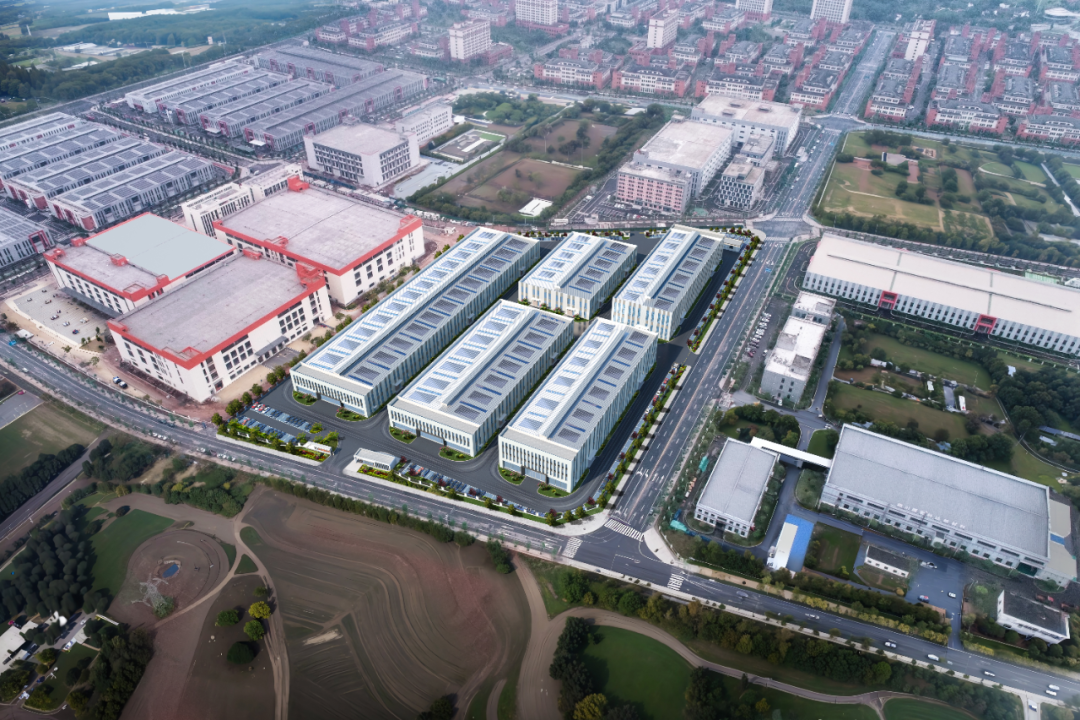
恒丰银行金融活水“川”流不息
Jin Rong Jie· 2026-01-07 08:14
Core Viewpoint - Sichuan's key industrial projects are being accelerated, with a focus on aligning financial services with regional economic development to support the maturation of local industrial systems [1] Group 1: Financial Support for Key Industries - Hengfeng Bank Chengdu Branch is providing targeted financial support to align with regional industrial evolution, facilitating the development of industrial clusters [1] - The bank has approved a total of 3.97 billion yuan in loans for the "next-generation high safety and solid-state battery industrialization customized factory project" in Yibin [2] - A total of 7.3 billion yuan in loans has been allocated for the construction of supporting facilities in the Yibin Sanjiang New Area, enhancing the region's capacity to form a 100 billion yuan battery industry cluster [3] Group 2: Energy and Infrastructure Development - The Nanchong Airport Industrial Park plans to build a 100 MW/200 MWh user-side energy storage power station to improve energy supply capacity, potentially saving core enterprises nearly 5 million yuan in electricity costs [4] - Hengfeng Bank Chengdu Branch has provided 1.76 billion yuan in special credit to support the industrial park's manufacturing stability and project implementation [7] Group 3: Innovation and Emerging Industries - The bank is enhancing resource allocation efficiency through innovative financial products and digital tools, particularly for technology companies in the Chengdu metropolitan area [8] - A drone manufacturing company, recognized as one of China's top ten drone brands, received 500,000 yuan in inclusive financing to support its R&D and production capacity expansion [8] Group 4: Future Outlook - Hengfeng Bank Chengdu Branch aims to continue optimizing financial supply structures to support stable and high-quality local economic development in the new historical phase [10]