
房地产新模式

Search documents
大局已定,房地产该如何破局?哪个才是最关键的救市举措?
Sou Hu Cai Jing· 2025-09-10 06:14
Core Insights - The current real estate market remains sluggish, but the pace of decline is slowing due to multiple favorable policies, making it crucial to stabilize the market quickly [1] - The "buy high, not low" mentality significantly influences market behavior, leading to a rational wait-and-see attitude among potential homebuyers [3] - The real estate sector, being capital-intensive, faces a vicious cycle where lack of funds affects all stakeholders, including developers and consumers [3] - The need for policy adjustments is emphasized, as the market requires regulation to prevent further deterioration [5] - The transition from a rough development model to a refined approach in real estate is underway, indicating a shift towards high-quality urban renewal [7] - A combination of measures is necessary to address the real estate challenges, rather than relying on a single solution [9] Policy and Market Dynamics - The real estate market's supply-demand relationship has changed significantly, necessitating a reevaluation of policy direction [5] - Regulatory measures are essential to manage overheating or cooling in the market, highlighting the importance of government intervention [5] - The development of a new real estate model is seen as a major opportunity, with suggestions for establishing large housing banks to manage inventory and support rental housing [7] - Lowering mortgage rates and related taxes is critical to reducing home buying costs and alleviating financial burdens on residents [7] Future Outlook - The real estate sector is expected to undergo adjustments that are already anticipated, representing a necessary recalibration following a period of overheating [5] - As the economy recovers, consumer confidence in purchasing homes, especially for upgrades, is expected to gradually return [9] - The banking sector is identified as a key player in facilitating this transition, with a call for responsible lending practices [7]


政策动态 | 中央发布城市工作会议落实细则,上海外环外限购解绑(8.25-8.31)
克而瑞地产研究· 2025-09-01 03:37
Core Viewpoint - The article emphasizes the ongoing efforts by central and local authorities to stabilize the real estate market through policy adjustments and the promotion of high-quality urban development, indicating a shift towards a new real estate model focused on quality rather than quantity [2][4]. Central Policies - The central government has issued guidelines to promote high-quality urban development, marking a transition from rapid urbanization to stable development, and from large-scale expansion to enhancing existing urban areas [2][4]. - The new real estate model aims to increase demand for high-quality housing and support urban renewal initiatives, which include the renovation of old housing and the development of affordable housing [2][4]. Local Policies - In the past week, 13 provinces and cities have announced 15 measures to stabilize the market, with Shanghai's policy adjustments being particularly noteworthy, including the removal of purchase restrictions for non-residents and the optimization of housing loan policies [4][6]. - Shanghai's new measures allow non-residents with one year of social security to purchase homes without restrictions in the outer ring, and single individuals are treated as residents for purchasing limits [4][6]. - Other cities, such as Suzhou, have also made significant policy changes, including the cancellation of a two-year sales restriction on new homes [6][9]. Policy Trends - The frequency of local market stabilization policies has increased, with a notable rise in subsidy-related policies and adjustments to housing fund regulations [9][11]. - The focus on optimizing housing fund policies remains prevalent, with multiple cities adjusting loan limits and providing various subsidies to encourage home purchases [11][13]. - The recent emphasis on high-quality urban development is expected to lead to more related policies in the near future, reflecting a strategic shift in the real estate sector [13][14].

湖北城市更新累计实施项目7800余个 投资额近3500亿元
Zheng Quan Shi Bao Wang· 2025-08-28 15:46
Group 1 - Hubei Province has implemented over 7,800 urban renewal projects with a total investment of nearly 350 billion yuan, benefiting more than 2.7 million households through the renovation of 18,400 old residential communities [1] - Hubei is exploring new real estate development models by restructuring above and below-ground spaces and integrating various support policies, aiming to shift the real estate business model from merely building and selling houses to providing comprehensive services [1] - The province has adopted a "property owner self-renewal" model for dilapidated housing, with 48 projects advancing under this method, allowing over 6,500 residents to move into new homes [1] Group 2 - Wuhan has received 1 billion yuan in central government funding for urban renewal and has been approved for special long-term bonds to support the renovation of 4,463 elevators, ranking third in the nation [2] - The city has renovated 1.517 million square meters in 193 urban villages and 608 old residential communities, with plans to complete the renovation of all old residential communities built before 2000 by 2025 [2] Group 3 - The central government encourages financial institutions to participate in urban renewal projects, with Hubei establishing a multi-department financing coordination mechanism to support these initiatives [3] - As of the end of July, Hubei had 855 projects on its "white list," with credit approvals totaling 311.69 billion yuan and disbursements of 219.78 billion yuan, leading the nation in these metrics [3] - Major banks in Hubei have approved over 150 urban renewal loan projects, with an approval amount exceeding 270 billion yuan and disbursements nearing 90 billion yuan [3]
碧桂园(02007)上半年累计完成交付房屋约7.4万套
智通财经网· 2025-08-22 14:21
Core Viewpoint - Country Garden (碧桂园) reported a significant loss of approximately RMB 15.1 billion for the half-year period ending June 30, 2024, and anticipates a further loss of between RMB 18.5 billion to RMB 21.5 billion for the half-year period ending June 30, 2025, primarily due to a decline in the scale of real estate project settlements and low gross margins [1] Group 1 - The expected losses are attributed to increased asset impairments in property projects, influenced by changes in the industry, market, and operational environment [1] - The company has maintained stable operations by implementing a strict income and expenditure strategy, efficiently utilizing resources, and establishing a diversified dynamic mechanism to enhance operational management [1] - During the reporting period, the company and its joint ventures delivered approximately 74,000 housing units [1] Group 2 - The company is actively addressing debt risk by engaging with stakeholders to promote overall restructuring of offshore debt, reasonable extension of debt maturities, and moderate reduction of financing costs [1] - The company aims to gradually build a long-term and sustainable healthy capital structure through various proactive debt management measures [1] - The company will continue to focus on operational improvements by orderly adjusting organizational structure and resource allocation to ensure the achievement of strategic goals and accelerate the development of core capabilities suited to the new real estate model [1]

万科企业发布中期业绩 实现收入1053.23亿元 经营效益保持在行业细分领域前列
Zhi Tong Cai Jing· 2025-08-22 12:38
Core Viewpoint - Vanke Enterprise reported strong financial performance for the first half of 2025, with significant revenue and sales figures, while also facing operational challenges that the company aims to overcome through strategic initiatives [1][2] Financial Performance - The company achieved a revenue of 105.32 billion yuan and a gross profit of 5.38 billion yuan for the six months ending June 30, 2025 [1] - Sales amounted to 69.11 billion yuan, with a repayment rate exceeding 100% [1] - The company completed the delivery of over 45,000 housing units and engaged in bulk transactions totaling 6.43 billion yuan across 13 projects [1] - The total income from operational services reached 28.42 billion yuan, reflecting a year-on-year growth of 0.6% [1] Financing and Support - Vanke secured new financing and refinancing of 24.9 billion yuan in the first half of the year, excluding shareholder loans [1] - The largest shareholder, Shenzhen Metro Group, provided liquidity support amounting to 23.88 billion yuan, with favorable loan rates and collateral conditions [1] - The company successfully repaid 24.39 billion yuan in public debt, with no foreign public debt maturing before 2027 [1] Operational Challenges and Strategic Focus - The company acknowledges ongoing operational pressures but is optimistic about recovery due to strong support from stakeholders and its talented workforce [2] - Vanke plans to enhance business operations through strategic focus, management improvements, and technological empowerment [2] - The company aims to optimize its business layout and structure, ensuring a return to a healthy development trajectory while providing quality housing and services [2]

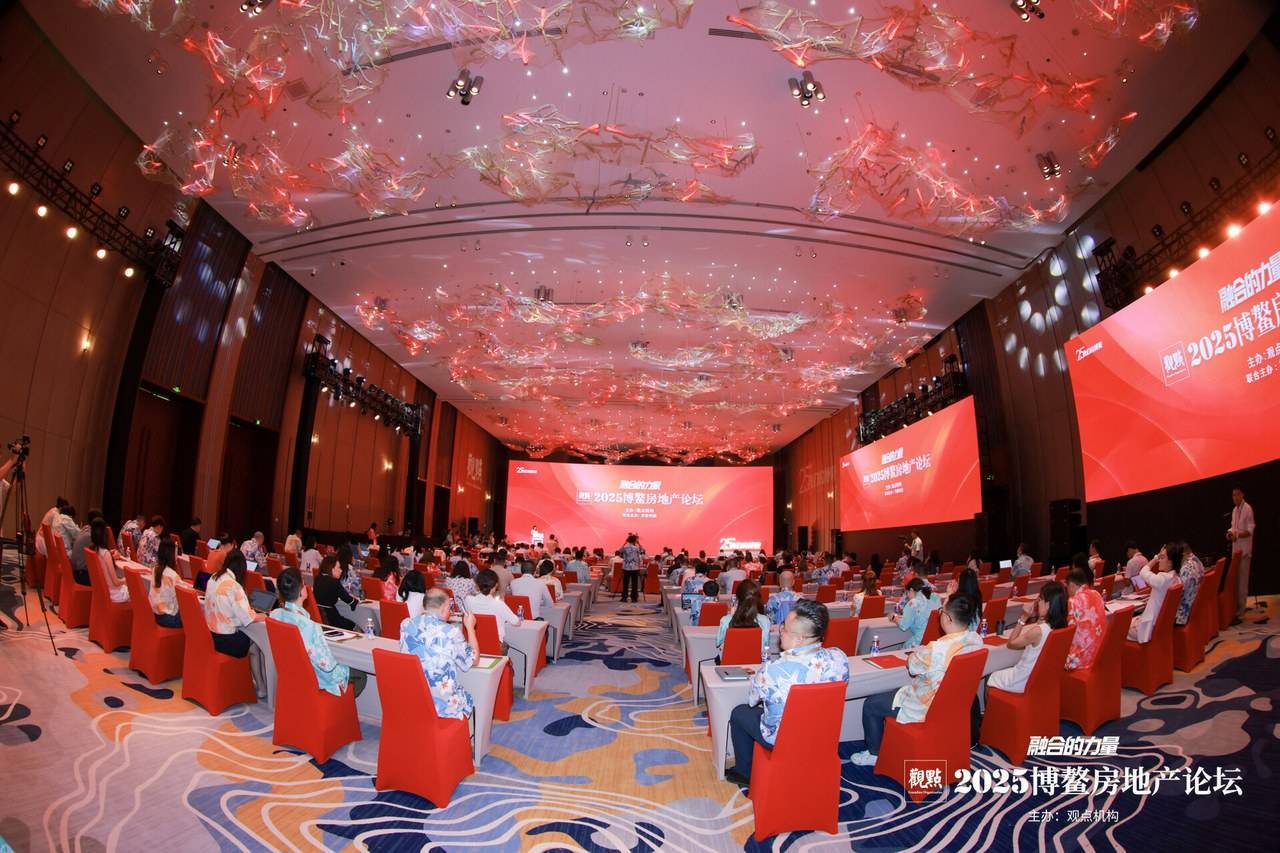
博鳌专家谈|中国房地产市场何去何从?
Sou Hu Cai Jing· 2025-08-15 12:46
Group 1 - The Boao Real Estate Forum highlights the need for innovation and integration in the real estate sector to achieve high-quality development amidst economic transformation [2] - Fan Gang emphasizes that housing consumption is a significant part of overall consumption and suggests that service consumption, particularly in healthcare and entertainment, will be a new growth point [4][5] - Chen Huai advocates for a balanced development model in real estate, focusing on where to build rather than whether to build, addressing urban structural imbalances [5][7] Group 2 - Hong Hao notes that while there is a perception of insufficient consumption, certain sectors like new consumption in Hong Kong are performing well, indicating a complex consumption landscape [8][10] - Wang Chengwei discusses the potential of new technologies to create new markets and demands, suggesting that innovation can help balance supply and demand in the real estate sector [11][13] - Cai Yun stresses the importance for real estate companies to recognize their advantages and leverage them for market adaptation during economic transitions [15][16] Group 3 - Xia Yifeng outlines the future of the real estate industry as focusing on optimizing existing stock and improving the quality of new developments, with an emphasis on urban renewal beyond just residential properties [16][18]
北京万科拟2541万元底价出售10套商业用房
Feng Huang Wang· 2025-08-14 07:30
Group 1 - Vanke plans to sell part of its commercial properties in Beijing, including 7 units in Beijing Vanke Yunlu and 3 units in Beijing Feicui Xihu, with a total minimum selling price of 25.41 million yuan [1] - The commercial properties in Yunlu have a total area of 565.95 square meters, with a minimum price of 19.79 million yuan, while the properties in Feicui Xihu have an area of 513.73 square meters and a minimum price of 5.62 million yuan [1] - The payment terms include a 500,000 yuan intention deposit, a 10% transaction deposit upon signing the sales agreement, and full payment within six months [1] Group 2 - Vanke reported a net loss of at least 10 billion yuan for the first half of the year, with expected losses ranging from 10 billion to 12 billion yuan, and a net profit loss of 9.5 billion to 11.5 billion yuan after excluding non-recurring items [2] - The company aims to improve its operations through strategic focus, operational enhancement, management improvement, technological empowerment, and integrated development to optimize its business layout and structure [2] - Vanke is committed to providing "good houses," "good services," and "good communities" while working towards a healthy development trajectory [2]
万科再“瘦身”:消失的区域公司
YOUNG财经 漾财经· 2025-07-25 12:20
Core Viewpoint - Vanke is undergoing significant organizational restructuring, including the elimination of regional companies and a shift towards a more centralized management model, in response to ongoing financial pressures and anticipated losses in the upcoming financial period [2][3][10]. Organizational Restructuring - Vanke will cancel all regional companies and merge city companies into a total company model, centralizing functions such as procurement and human resources back to the group [2][5]. - This restructuring follows multiple adjustments since 2024, including a previous reduction from seven to five regional companies [3][6]. - The new management structure will transition from a three-tier to a 2.5-tier control system, indicating a move towards greater efficiency [5][7]. Financial Performance - Vanke anticipates a net loss of between 100 billion to 120 billion yuan for the first half of 2025, marking a continuation of financial struggles [3][10]. - The company reported a loss of 98.5 billion yuan in the same period last year, indicating a worsening financial situation [10]. - The projected loss is attributed to a significant decline in project settlement scale and low gross margins, alongside increased asset impairment provisions [11][12]. Support from Stakeholders - Since February, Shenzhen Metro Group has provided Vanke with a total of 211 billion yuan in shareholder loans to help repay public market debts [4][15]. - Vanke has also engaged in asset disposals and secured additional financing, including a recent sale of shares that raised 4.79 billion yuan [15][17]. Industry Context - Vanke's restructuring is reflective of broader trends in the real estate industry, where many companies are consolidating regional and city operations to adapt to market changes [8][9]. - Other firms, such as China Jinmao and China Merchants Shekou, have also streamlined their organizational structures, indicating a shift towards direct management of city companies [8][9]. Future Outlook - Vanke's management emphasizes the need for time to resolve financial risks and improve operational efficiency, with ongoing efforts to enhance cash flow and stabilize financial conditions [16][17]. - The company's ability to navigate these challenges will not only impact its own future but also influence the overall direction of the real estate sector [18].
万科:对业绩深表歉意
第一财经· 2025-07-14 14:52
Core Viewpoint - Vanke (000002.SZ) continues to experience losses, with a projected net profit loss of 10 billion to 12 billion yuan for the first half of 2025, compared to a loss of 9.852 billion yuan in the same period last year [1] Group 1: Financial Performance - The net profit loss excluding non-recurring gains and losses is expected to be between 9.5 billion and 11.5 billion yuan, compared to a loss of 7.613 billion yuan in the previous year [1] - Basic earnings per share are projected to be a loss of 0.8433 to 1.0120 yuan, compared to a loss of 0.8309 yuan per share in the same period last year [1] - The company achieved sales of 69.11 billion yuan in the first half of the year, with a repayment rate exceeding 100% and a project opening absorption rate over 80% in multiple locations [2] Group 2: Operational Challenges - The decline in profit is attributed to a significant decrease in the settlement scale of real estate development projects and low gross profit margins [1] - The company has increased asset impairment provisions due to heightened business risk exposure and some large asset transactions and equity transaction prices falling below book value [1] Group 3: Strategic Initiatives - Vanke aims to improve operations through strategic focus, operational enhancement, management improvement, technological empowerment, and integrated development [1] - The company has completed the delivery of over 45,000 housing units and has revitalized projects worth approximately 57.5 billion yuan, with a total of 64 projects revitalized since the beginning of 2023, involving a saleable value of about 785 billion yuan [2] - Vanke has raised and refinanced 24.9 billion yuan in the first half of the year and has repaid 16.49 billion yuan in public debt, with no foreign public debt due before 2027 [2]
万科:2027年前已无境外公开债到期,对业绩深表歉意
Di Yi Cai Jing· 2025-07-14 14:06
Core Viewpoint - Vanke is expected to report a significant net profit loss of 10 billion to 12 billion yuan for the first half of 2025, continuing its trend of losses from the previous year [2] Group 1: Financial Performance - The net profit loss attributable to shareholders is projected to be between 10 billion and 12 billion yuan, compared to a loss of 9.852 billion yuan in the same period last year [2] - The net profit loss after excluding non-recurring gains and losses is expected to be between 9.5 billion and 11.5 billion yuan, compared to a loss of 7.613 billion yuan in the previous year [2] - The basic earnings per share are projected to be a loss of 0.8433 to 1.0120 yuan, compared to a loss of 0.8309 yuan in the same period last year [2] Group 2: Reasons for Loss - The company cites a significant decrease in the scale of real estate project settlements and low gross profit margins as primary reasons for the losses [2] - Increased asset impairment provisions were made due to heightened business risk exposure in light of industry and market changes [2] - Some large asset and equity transaction prices fell below their book values, contributing to the losses [2] Group 3: Operational Highlights - Despite the losses, the company successfully delivered over 45,000 housing units and achieved sales of 69.11 billion yuan, with a repayment rate exceeding 100% [3] - The company signed large transactions worth 6.43 billion yuan and revitalized 64 projects, involving a total saleable value of approximately 78.5 billion yuan [3] - Vanke has raised and refinanced 24.9 billion yuan in the first half of the year and has completed 16.49 billion yuan in public debt repayment, with no foreign public debt due before 2027 [3]