
房地产行业转型

Search documents
前10月全国房地产开发投资7.36万亿元;华夏幸福被债权人龙成建设申请预重整 | 房产早参
Mei Ri Jing Ji Xin Wen· 2025-11-16 23:41
Group 1: Real Estate Investment Trends - In the first ten months of the year, national real estate development investment reached 73,563 billion yuan, a year-on-year decrease of 14.7% [1] - The sales area of newly built commercial housing was 71.9 million square meters, down 6.8% year-on-year, while the sales revenue was 69,000 billion yuan, a decline of 9.6% [1] - The funds available to real estate development enterprises amounted to 78,900 billion yuan, reflecting a year-on-year decrease of 9.7% [1] - The inventory of unsold commercial housing at the end of October was 75,606 million square meters, a reduction of 3.22 million square meters compared to the end of September [1] Group 2: Regulatory Actions in Real Estate - Shanghai has initiated a special rectification action to regulate online real estate information dissemination, targeting websites, self-media accounts, and real estate intermediaries [2] - The focus of this action includes cracking down on negative narratives about the Shanghai real estate market, distorting policies, false low-price listings, and malicious speculation [2] - This initiative aims to create a clear, truthful, and orderly real estate information environment, thereby stabilizing market expectations [2] Group 3: Corporate Restructuring - Huaxia Happiness has been applied for pre-restructuring by creditor Longcheng Construction due to its failure to repay debts and lack of repayment capability, despite having restructuring value [3] - The company has not yet received court documents regarding the acceptance of the restructuring application, indicating significant uncertainty about entering the restructuring process [3] - This application represents a critical turning point in addressing Huaxia Happiness's debt crisis, providing a judicial guarantee and efficient platform for debt resolution [3] Group 4: Leadership Changes - The chairman of China Merchants Shekou Industrial Zone Holdings, Jiang Tiefeng, has resigned due to work reallocation, with Zhu Wenkai appointed as the new chairman [4] - Zhu Wenkai's appointment signals a strategic adjustment within the real estate sector of China Merchants Group, indicating deeper integration between China Merchants Shekou and China Merchants Land [4] - This leadership change is expected to enhance management synergy, resource complementarity, and overall performance improvement [4] Group 5: Debt Recovery Initiatives - CITIC Trust has listed 1.408 billion yuan of non-performing debt related to 160 properties in Baoneng City for sale, with the collateral located in Nanshan District, Shenzhen [5] - The debt includes a principal of 1 billion yuan, interest of 226.5 million yuan, and other fees totaling 1.816 billion yuan [5] - The properties are subject to multiple liens and judicial seizures, with a court hearing expected in the fourth quarter of this year [5][6]

国家统计局:全国二手房价格仍在下滑,今年以来房地产调整对投资增速下拉明显
Guan Cha Zhe Wang· 2025-11-14 05:09
(文/孙梅欣 编辑/张广凯) 11月14日上午,今年10月份的全国70个大中城市房价,及今年以来全国房地产开发投资数据出炉。 国家统计局公布的数据显示,10月份全国各线城市二手房住宅价格环比和同比全线下滑。环比降幅中, 徐州降幅最大达到1.2%。北京、三亚、南昌等城市的环比降幅均超过1%。 统计显示,一线城市二手住宅销售价格环比下降0.9%,降幅比上月收窄0.1个百分点。其中,北京、上 海、广州和深圳分别下降1.1%、0.9%、0.9%和0.9%。二线城市二手住宅销售价格环比下降0.6%,降幅 收窄0.1个百分点。三线城市二手住宅销售价格环比下降0.7%,降幅扩大0.1个百分点。 二手住宅的同比降幅则更为明显,一线城市二手住宅同比平均降幅达到4.4%,较上月降幅继续扩大1.2 个百分点。 一线城市中,广州二手房价同比降幅最大,达到6.4%个百分点,上海、广州、深圳则分别为4.7%、 3.4%和3.3%。 10月行情的亮点,依然靠少数城市的新房价格拉动。 其中,上海连续数月新房环比价格保持全国领跑的姿态,10月环比涨幅达到0.3%,居于全国首位。沈 阳、乌鲁木齐和韶关则以0.2%的环比涨幅紧随其后。另外,杭州、 ...


五矿地产董事长换人,公司刚完成私有化退市
Di Yi Cai Jing· 2025-11-13 13:21
Core Viewpoint - After announcing plans for privatization and delisting, a major change in leadership has occurred at the state-owned developer, Wulian Real Estate [2][3]. Group 1: Leadership Changes - He Jianbo has resigned from his positions as executive director, chairman of the board, and various committee roles due to personnel rotation and succession planning by China Minmetals Corporation [2]. - Dai Pengyu, the executive director and managing director, has been appointed as the acting chairman of the board until a new chairman is officially appointed [2]. - He Jianbo has confirmed that there are no disagreements with the board and is aware of matters that need to be communicated to shareholders [2]. Group 2: Company Performance - During He Jianbo's tenure, Wulian Real Estate experienced rapid expansion, achieving sales of 19.36 billion yuan in 2020, a year-on-year increase of 124%, and further increasing to 26 billion yuan in 2021 [3]. - However, due to industry adjustments, sales have contracted significantly, with projected sales of 7.02 billion yuan in 2024 [3]. - The company reported a revenue of 9.883 billion HKD in 2024, a year-on-year decline of 21.8%, with a net loss of 3.748 billion HKD [3]. - In the first half of the current year, Wulian Real Estate generated a revenue of 1.976 billion HKD, with a net loss of 580 million HKD [3]. Group 3: Privatization Plans - On October 23, Wulian Real Estate announced plans for privatization and intends to apply for the cancellation of its listing on the stock exchange, with a proposed share cancellation price of 1 HKD per share [3]. - If the privatization is successful, there may be potential integration and restructuring with another real estate brand under China Minmetals, "China Metallurgical Group" [3]. Group 4: Industry Insights - He Jianbo has publicly stated that the main task for the real estate sector is to "reduce inventory," with the primary contradiction being "supply-demand imbalance" [4]. - Despite government measures to stimulate consumption, the industry is expected to gradually transition into an era focused on existing housing stock, necessitating transformation and change among real estate companies [4]. - Future strategies for real estate firms should extend beyond merely building and selling properties, focusing instead on developing a comprehensive industrial system based on their core competencies [4].
别再信豪宅保值了?
Sou Hu Cai Jing· 2025-11-10 08:36
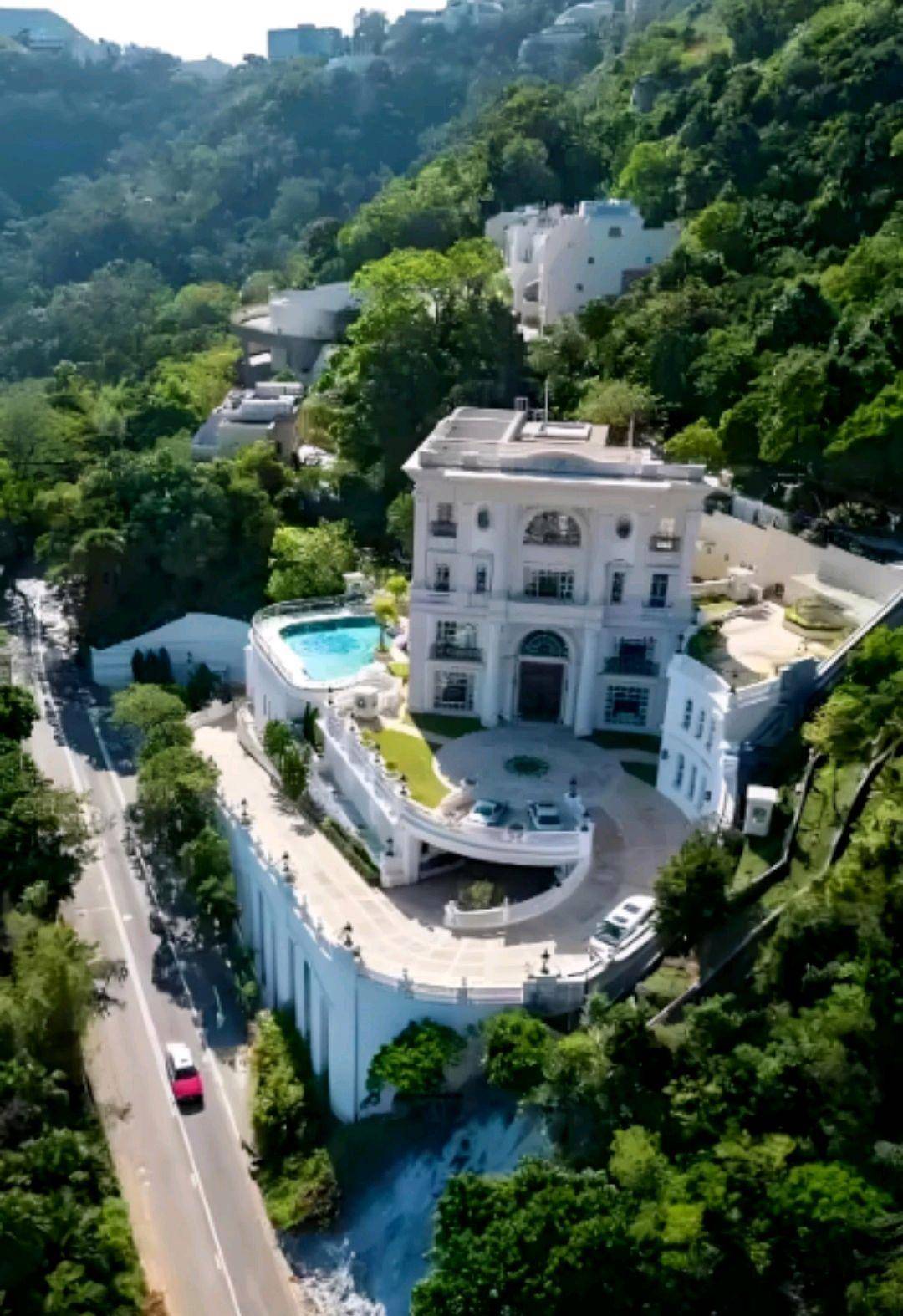
Core Viewpoint - The luxury real estate market in China is experiencing significant price declines, challenging the long-held belief that luxury properties are immune to market fluctuations [3][22][23] Group 1: Market Trends - Recent transactions indicate that luxury properties are being sold at steep discounts, with examples showing reductions of up to 75% from previous listing prices [2][6] - In 2024, only 1,497 units of second-hand luxury homes priced over 30 million yuan were sold in 30 major cities, a stark contrast to the 65% increase in new luxury home sales [6][10] - The trend of declining prices is not limited to first-tier cities but is also spreading to second and third-tier cities, with some properties experiencing drops of over 70% [8][9] Group 2: Factors Influencing Price Declines - An oversupply of new luxury homes is drawing potential buyers away from the second-hand market, leading to decreased demand for older properties [10][12] - Economic downturns have made wealthy individuals more cautious with their spending, impacting the luxury real estate market [13][14] - The previous speculative nature of luxury home prices has diminished, with current buyers being more discerning and focused on actual value rather than inflated prices [14][15] Group 3: Changing Perceptions of Luxury Real Estate - Luxury properties, once seen as a stable asset, are now viewed as potential liabilities, with reports indicating that they may no longer serve as effective wealth preservation tools [17][22] - The belief that real estate will always appreciate in value has been challenged, as many now recognize that properties can depreciate and become financial burdens [20][23] - The market is expected to further differentiate between genuinely scarce luxury properties and those that are merely overbuilt, with the latter likely to struggle in terms of value retention [22][24]
远洋建管连下两城,专业代销能力获市场认可
Xin Lang Zheng Quan· 2025-10-27 06:13
Core Insights - The company, Yuanyang Group's light-asset construction management platform, Yuanyang Construction Management, has successfully secured two sales projects in late October, indicating its growing influence in the real estate sector [1][2] Group 1: Project Acquisitions - Yuanyang Construction Management won the bid for the Guiyang Yanyan District Salt Street Innovative Functional Area project, which includes residential, office, apartment, and commercial complex developments [1] - The company signed a project management cooperation agreement for the Shangdong New World Garden Phase II project with Zhongshan Hehe Industrial Co., Ltd., covering a total sales area of approximately 129,000 square meters [1] Group 2: Sales Performance - The successful sales of these projects highlight Yuanyang Construction Management's precise planning and efficient execution capabilities across different cities and product types [2] - In September, the Dalian Huanan Hui project achieved remarkable results with 206 units sold and a transaction amount of 93 million yuan, becoming the top-selling apartment project in Dalian [1] - The Guangzhou Zengcheng City Investment Nanxiang Yaju project, managed by Yuanyang Construction Management, generated over 100 million yuan in sales within just 10 days of its initial opening in May [1] - The Qingdao Fanhua Li project, taken over by Yuanyang Construction Management, achieved a complete sell-out in just four months, marking it as a phenomenon in the local market [1] Group 3: Industry Context - The real estate industry is undergoing a transformation, and professional construction management services are becoming a key force in resolving project challenges and revitalizing regional markets [2] - Yuanyang Construction Management has established itself as a strong competitor in this sector due to its systematic and market-validated operational capabilities [2]
驶出债务深水区:金地集团预计明年完成公开债清偿
Feng Huang Wang· 2025-10-17 02:06
Core Viewpoint - The real estate industry is currently undergoing a deep adjustment period characterized by weak sales and tight funding, with companies facing significant debt pressure. In this context, companies like Gindal Group are actively working to reduce debt and restore operational momentum to ensure sustainable development through enhanced internal risk resistance capabilities [1]. Debt Management - Gindal Group has been transparent about its debt reduction efforts, maintaining a stable debt ratio and steadily decreasing interest-bearing debt. The company successfully redeemed its five-year bond "20 Gindal 01" on October 13, which is expected to alleviate liquidity pressure [1][2]. - As of mid-2025, Gindal Group's interest-bearing debt was approximately 69.7 billion yuan, a 6% decrease from the beginning of the year. The average cost of debt financing was 3.96%, down 9 percentage points from the end of 2024 [3]. Business Development - Gindal Group has emphasized enhancing product and service capabilities, showcasing a steady development trend and continuous product innovation through successful project launches. The company is also exploring new real estate development models and nurturing "non-residential" business lines to create a second growth curve [1][5]. - The company is transitioning from a high-leverage developer to a cash flow-focused operational service provider, actively engaging in non-residential sectors such as asset management and property services [5]. Market Outlook - Industry experts believe that with the implementation of various stabilizing policies, the real estate market will continue to stabilize. Future policies are expected to focus on maintaining market confidence and promoting healthy, high-quality development [4]. - Gindal Group's stock has seen a cumulative increase of 10.85% over the past 20 trading days, with several brokerage firms issuing "buy" ratings, indicating positive market sentiment towards the company's long-term value [8].

每经热评|换帅之后,万科明天的太阳从哪里升起
Mei Ri Jing Ji Xin Wen· 2025-10-13 14:36
Core Viewpoint - The recent leadership change at Vanke, with the resignation of Xin Jie and the appointment of Huang Liping, reflects the company's strategic adjustments during a critical period in the real estate industry, emphasizing stability and continuity in operations [2][3]. Group 1: Leadership Change - Xin Jie submitted his resignation as non-executive director and chairman of Vanke on October 12, citing personal reasons, and will no longer hold any position within the company [2]. - Huang Liping, who has been a director at Vanke for four years and is familiar with the company's operations, has been appointed as the new chairman [2]. Group 2: Financial Support and Stability - Vanke has faced significant market volatility, prompting urgent meetings with financial institutions, where the Shenzhen State-owned Assets Supervision and Administration Commission and Shentie Group expressed their commitment to support Vanke [3]. - Shentie Group has provided substantial financial assistance to Vanke, including nine shareholder loans this year, making it a stable external funding source [3]. Group 3: Strategic Adjustments - Vanke plans to deliver over 180,000 units in 2024, aligning with national priorities for housing stability and reflecting a shift from high-leverage expansion to a focus on social welfare [4]. - The company's debt management strategy, which includes focusing on core businesses and exiting non-core areas, may serve as a reference model for the industry [5]. Group 4: Future Outlook - The new leadership under Huang Liping, with experience in infrastructure and development, is expected to drive Vanke's growth in integrated development and urban renewal projects [5]. - Vanke's ability to navigate the current market challenges and achieve a soft landing will be crucial for restoring confidence in the real estate sector and providing valuable insights for industry transformation [6].

政策创新!这座大城宣布买商办类房产也能落户
Di Yi Cai Jing· 2025-09-30 09:21
Core Viewpoint - Wuhan has introduced new policies to support the commercial real estate market, aiming to boost consumption and facilitate the de-inventory of commercial properties [1][2]. Group 1: Policy Measures - The new policies, referred to as "Han Eight Measures," include eight specific initiatives to promote stable and healthy development in the real estate market [1]. - Key measures include increasing housing provident fund loan limits and allowing individuals purchasing new commercial properties to apply for household registration [1]. - The policies support the conversion of existing commercial buildings' functions, provided they meet safety requirements and maintain their original structure and property rights [1]. Group 2: Market Impact - The new policies aim to accelerate the de-inventory of new commercial properties through tax subsidies and support for the transformation of existing buildings into new business formats like long-term rentals and industrial parks [2]. - This approach is expected to enhance the efficiency of existing resources and promote a dual development model focusing on both new and existing real estate [2]. Group 3: Comparison with Other Cities - Wuhan's new policies are similar to those previously introduced in Shanghai, which also support the functional conversion of commercial buildings under certain conditions [3]. - Both cities have set a maximum period of 15 years for these conversions, emphasizing the need for regulatory oversight and decision-making by local governments [3].
每经热评丨王健林被“限高”又取消 商业大佬如何面对人生低谷
Mei Ri Jing Ji Xin Wen· 2025-09-29 14:04
Core Insights - Wang Jianlin, due to a 186 million yuan enforcement case related to Wanda's cultural tourism project, was issued a high consumption restriction order, which was later rescinded within 36 hours, attributed to "information asymmetry" by Wanda Group [1] - The situation reflects the broader challenges faced by the real estate industry in China, transitioning from a phase of rapid expansion to a more rational approach [1] - The high-leverage, high-turnover model that characterized the industry is now outdated, with Wanda Group facing significant financial pressures, including 10 enforcement cases totaling 5.262 billion yuan and over 70 billion yuan in total enforcement amounts across its subsidiaries [1][2] Group 1: Financial Challenges - In 2023, Wanda has sold over 85 Wanda Plazas, including a significant sale of 48 plazas to a consortium of institutions in May 2025 [2] - The company has divested from various assets, including 100% of Wanda Hotel Management and 30% of Quick Money Financial, while also liquidating overseas assets [2] - Projections indicate that Wanda will dispose of over 90 billion yuan in assets in 2024 and 2025, indicating a shift from diversification to a focus on "commercial management + cultural tourism" [2] Group 2: Strategic Shifts - Wang Jianlin recognized the need for a strategic shift from heavy asset investment to a lighter asset model as early as 2015, aiming to reduce operational risks and restructure the business model [2] - The company has not pursued debt restructuring but has focused on asset sales to maintain creditworthiness, reflecting a commitment to market-driven solutions [2][3] Group 3: Public Perception and Resilience - Wang's approach to debt repayment has garnered public respect, as he continues to manage his obligations without resorting to evasion or bankruptcy [3][4] - The narrative surrounding Wang emphasizes the importance of accountability and reputation in business, suggesting that resilience in the face of adversity is a valued trait [3][4] - Despite the challenges, Wang is actively seeking new investment opportunities, demonstrating a commitment to recovery and adaptation within the industry [3]
每经热评 | 王健林被“限高”又取消,商业大佬如何面对人生低谷
Mei Ri Jing Ji Xin Wen· 2025-09-29 07:39
Core Viewpoint - The recent restriction on Wang Jianlin reflects not only his personal challenges but also the broader transformation pains within the Chinese real estate industry, particularly commercial real estate [1] Group 1: Company Situation - Wang Jianlin was issued a consumption restriction order due to a 186 million yuan enforcement case related to a Wanda subsidiary, which was later rescinded, attributed to information asymmetry [1] - Wanda Group currently has 10 enforcement records totaling 5.262 billion yuan, with over 70 billion yuan in total enforcement amounts across its subsidiaries [1] - Since 2023, Wanda has sold over 85 Wanda Plazas, including a significant sale of 48 plazas to a consortium of institutions in May 2025 [2] Group 2: Strategic Shifts - Wang Jianlin has been selling off assets, including 100% of Wanda Hotel Management and stakes in various overseas assets, aiming to recover funds and reduce debt [2] - The company is expected to dispose of over 90 billion yuan in assets by 2024 and 2025, focusing on a streamlined business model centered on commercial management and cultural tourism [2] - Wang has recognized the shift from heavy asset investment to a lighter asset model since 2015, aiming to reduce operational risks and restructure the business model [2] Group 3: Industry Context - The high-leverage, high-turnover expansion model prevalent in the past is no longer viable, indicating a significant industry shift towards rationality [1][2] - Wang Jianlin's approach to asset sales rather than debt restructuring has kept his credit record intact, but it has concentrated pressure on achieving quick and profitable sales [3] - The ongoing challenges faced by Wang and Wanda illustrate the broader industry trend where even prominent figures must adapt to changing market conditions [3][4] Group 4: Entrepreneurial Spirit - Despite the challenges, Wang Jianlin continues to seek new investment opportunities, demonstrating resilience and commitment to his business [4] - The true entrepreneurial spirit is highlighted by the ability to endure hardships and maintain integrity in the face of adversity, serving as a model for other entrepreneurs [4]