
数字资产监管

Search documents
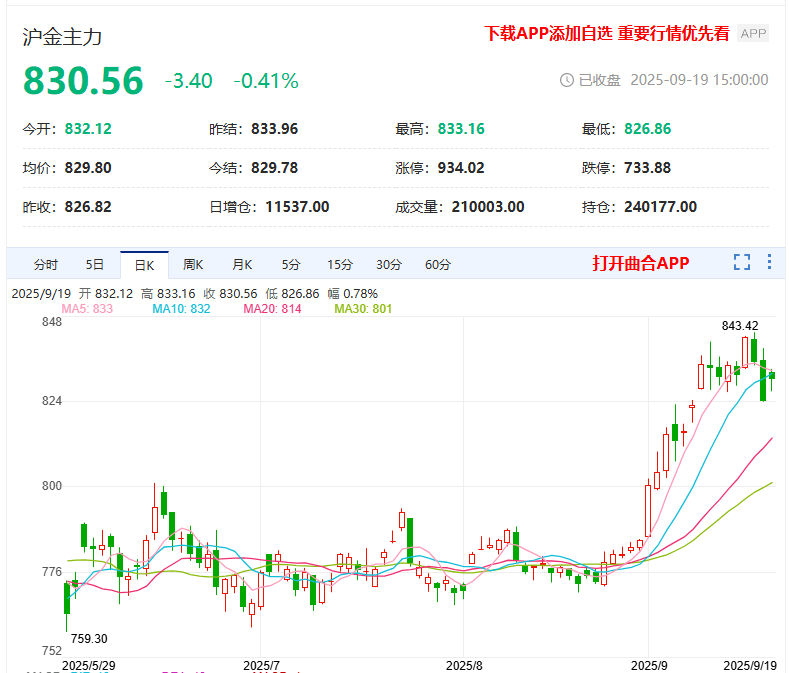
黄金短期下跌 长期仍涨
Sou Hu Cai Jing· 2025-09-19 07:56
Group 1 - The Trump administration requests the U.S. Supreme Court to allow the dismissal of Federal Reserve Governor Cook, indicating potential political influence on monetary policy [1] - Trump expresses disappointment in Putin and emphasizes the need to further lower oil prices, which may impact energy markets and geopolitical dynamics [1] Group 2 - Nvidia invests $5 billion in Intel to collaborate on developing PC and data center chips, signaling a strategic partnership in the semiconductor industry [2] - This investment highlights the competitive landscape in the chip market, where collaboration may be essential for innovation and market share [2] Group 3 - Elon Musk's "Giant Hard Plan" reveals new actions to build a computing cluster from scratch, completing in 6 months what OpenAI and Oracle took 15 months to achieve, showcasing advancements in AI and computing capabilities [3] - This rapid development could disrupt existing timelines in the tech industry and enhance competitive positioning for Musk's ventures [3] Group 4 - The U.S. continues to ease digital asset regulations, with the SEC significantly lowering the application threshold for "digital coin ETFs," which may encourage more investment in cryptocurrencies [4] - This regulatory shift could lead to increased market participation and innovation in the digital asset space [4] Group 5 - The number of initial jobless claims in the U.S. fell significantly to 231,000, a decrease of 32,000 from the previous week, marking the largest drop in nearly four years [5] - The decline in jobless claims may influence precious metals markets, as weaker employment data and expectations of liquidity easing could support gold and silver prices [5] - Despite the short-term benefits already priced in for gold, ongoing employment decline and inflationary pressures may provide continued support for precious metals [5]

如何观察香港稳定币?新浪财经专访Union CEO:香港稳定币监管平衡“安全与创新”“链上银行”或为未来方向
Xin Lang Zheng Quan· 2025-08-29 08:43
Core Viewpoint - Hong Kong is emerging as a significant global digital asset observation point, with the potential to lead industry direction in the future [1] Regulatory Developments - The Hong Kong Stablecoin Regulation came into effect on August 1, aiming to establish a licensing system for fiat-backed stablecoin issuers and fill regulatory gaps in virtual asset activities [2] - Any entity issuing fiat-backed stablecoins in Hong Kong must apply for a license from the Hong Kong Monetary Authority and meet strict compliance standards regarding reserve asset management and user redemption mechanisms [2] - The regulation reflects a substantial step in digital asset oversight, balancing financial stability with room for innovation [2] Comparative Analysis - The regulatory approach in Hong Kong is characterized as "gradualism," positioned between excessive leniency and over-regulation, which is seen as advantageous compared to the U.S. "Genius Act" [3] - The core of Hong Kong's policy is to maintain a balance that ensures financial safety while allowing for enterprise innovation, aligning with the development patterns of the digital asset industry [3] Trends in Stablecoin Applications - There is a growing trend of stablecoin adoption globally, with businesses beginning to use stablecoins for payments, indicating a shift towards "on-chain banking" as a future direction [4] - Innovations in the credit card sector, such as Ethereum cards, are enabling users to transact using digital currencies, suggesting a transformation in traditional financial services [4] Development of Virtual Assets in Hong Kong - The virtual asset industry in Hong Kong is described as "well-developed," but achieving widespread acceptance of stablecoins requires attracting top digital asset companies and professionals to create an industry cluster [5] - Regulatory bodies need to ensure that stablecoin benefits effectively reach end-users and enhance the usage rate of stablecoins in payment scenarios to achieve large-scale adoption [5]
如何观察香港稳定币?新浪财经专访Union CEO:香港稳定币监管平衡“安全与创新”“链上银行”为未来方向
Xin Lang Cai Jing· 2025-08-29 08:43
Core Insights - Hong Kong is emerging as a significant global digital asset observation point, with potential to lead industry direction in the future [1] - The implementation of the Hong Kong Stablecoin Regulation aims to establish a licensing system for fiat-backed stablecoin issuers, addressing regulatory gaps in virtual asset activities [2] - The regulatory framework in Hong Kong is seen as a balanced approach, avoiding excessive leniency or strictness, which is crucial for fostering innovation while ensuring financial stability [3] Regulatory Developments - The Hong Kong Stablecoin Regulation came into effect on August 1, aiming to fill regulatory voids in virtual asset activities [2] - Issuers of fiat-backed stablecoins must obtain a license from the Hong Kong Monetary Authority and comply with strict asset management and redemption mechanisms [2] - The regulation reflects a significant step in digital asset oversight, balancing financial security with innovation opportunities [2][3] Market Trends - There is a rising global demand for stablecoins, with discussions within Hong Kong's industry increasing in intensity [2] - The trend of integrating stablecoins into payment systems is gaining traction, with predictions of a shift towards fully on-chain banking services [4] - Innovations in the credit card sector, such as Ethereum cards, are emerging, allowing users to transact using digital currencies [4] Industry Development - The virtual asset industry in Hong Kong is described as highly developed, but further efforts are needed to achieve widespread acceptance of stablecoins [5] - Attracting top digital asset companies and professionals to Hong Kong is essential for creating an industry cluster [5] - Regulatory bodies must ensure that stablecoin benefits are effectively passed to end-users and enhance the usage of stablecoins in payment scenarios to achieve widespread adoption [5]
硅谷 VC 巨头重金游说美国国防
阿尔法工场研究院· 2025-08-28 00:04
Core Viewpoint - The venture capital giant Andreessen Horowitz (a16z) is significantly increasing its lobbying efforts in Washington, focusing on various issues including digital asset regulation, stablecoins, AI, and now defense policy, with a lobbying expenditure of $1.49 million in 2023, surpassing its industry peers [2][3]. Group 1: Lobbying Expenditures - a16z's lobbying expenditures for 2024 are projected to reach $1.8 million, a substantial increase from $950,000 in 2023 [2]. - In comparison, other major venture capital firms have much lower lobbying expenditures, with Sequoia Capital at $120,000 and General Catalyst at $500,000 [3]. Group 2: Policy Focus - a16z's lobbying strategy is characterized by a bipartisan approach, supporting candidates who advocate for a technology-driven future while opposing those who threaten significant technologies [3][5]. - The company has expanded its lobbying agenda to include national defense issues, specifically targeting the National Defense Authorization Act since Q3 2023 [4]. Group 3: Strategic Direction - a16z is actively recruiting policy talent to enhance its influence in regulated industries such as defense and industrial sectors, which are central to its "American Dynamism" business strategy [5]. - The recent hiring of Anne Neuberger, former Deputy National Security Advisor, indicates a strategic focus on American vitality, AI, and cybersecurity [5]. Group 4: Political Influence - a16z is also involved in political action committees (PACs), supporting initiatives like the new AI PAC network "Leading the Future" to further its political influence [6].

最新金融监管变革:虚拟货币交易平台迎政策转机,XBIT优势凸显
Sou Hu Cai Jing· 2025-08-27 14:53
Group 1 - The dismissal of Federal Reserve Governor Lisa D. Cook has raised significant concerns in the financial market, particularly regarding the future of regulatory policies for digital assets and cryptocurrency trading platforms [1][3] - Cook is accused of providing false information in mortgage agreements, which has led to questions about her integrity and professional capabilities as a financial regulator [3] - The ongoing legal battle initiated by Cook to contest her dismissal may create uncertainty in the regulatory landscape, potentially impacting the direction of financial policies, especially in the digital asset sector [3][5] Group 2 - The recent changes in personnel at the Federal Reserve are expected to reshape the financial market dynamics, with a Senate hearing scheduled to assess the nomination of a new Fed governor [5] - The increase in U.S. tariff revenues, projected to exceed $500 billion annually, is anticipated to provide financial support for regulatory reforms, potentially benefiting emerging financial services, including cryptocurrency trading platforms [8][9] - The XBIT decentralized exchange platform is positioned to leverage its technological advantages in a changing regulatory environment, offering users a secure and efficient trading experience without the need for centralized oversight [6][9]
炒币合法吗?最新政策明确边界,XBIT重塑数字资产交易生态
Sou Hu Cai Jing· 2025-08-22 09:18
Core Insights - The U.S. government is experiencing a significant shift in digital asset regulatory policies, providing clearer guidance on the legality of cryptocurrency trading and creating unprecedented opportunities for decentralized trading platforms [1][2]. Group 1: Regulatory Developments - The U.S. Department of Justice (DOJ) has redefined enforcement boundaries, stating that decentralized projects with true decentralization and automation will not face criminal charges under the 1960 statute, even if there is criminal intent [2]. - The Commodity Futures Trading Commission (CFTC) has launched a new digital asset sprint initiative to implement recommendations from a market working group, focusing on federal-level spot trading of digital assets [3]. - Pennsylvania's state legislature is proposing a bill to prohibit public officials from profiting from cryptocurrencies, indirectly affirming the legality of cryptocurrency trading for the general public [6]. Group 2: Market Implications - The DOJ's new stance alleviates investor concerns regarding the legality of cryptocurrency trading, providing a legal safety net for developers of decentralized protocols [2]. - The CFTC's initiative aims to clarify regulatory frameworks, addressing key issues such as leverage, margin, and retail trading, which will enhance the clarity of policies for digital asset trading activities [3]. - The evolving regulatory environment is expected to improve liquidity conditions in the digital asset market, as the Federal Reserve signals a potential shift towards interest rate cuts if labor market conditions worsen [8]. Group 3: Platform Innovations - XBIT.Exchange, a decentralized trading platform, operates without KYC verification and offers users complete control over their private keys, aligning with the DOJ's latest enforcement standards [2]. - The platform's decentralized architecture ensures compliance with regulatory requirements while providing a secure trading environment for users [3]. - XBIT's innovative technology promotes transparency and trustlessness in transactions, safeguarding user assets from exchange-related risks [8].
美国经济学家萨克斯:大湾区创新力压硅谷,美元霸权十年式微
2 1 Shi Ji Jing Ji Bao Dao· 2025-08-12 15:46
Group 1 - Jeffrey Sachs emphasizes that China is providing a new solution for global sustainable development, distinct from the long-dominant Western paradigm [3][6] - The Guangdong-Hong Kong-Macao Greater Bay Area is emerging as a more pragmatic and inclusive innovation engine compared to Silicon Valley, paving the way for sustainable development for 85% of the world's population outside the West [3][6] - Sachs predicts a significant reduction in the dominance of the US dollar within the next decade, with a new multi-currency order accelerating [3][18] Group 2 - The Greater Bay Area is expected to become a core engine for China's export growth, with previously marginalized regions looking to China as a key provider of technology and solutions for sustainable development [8][9] - Sachs highlights China's role as the largest industrial nation and a major supplier of advanced green and digital technologies, which is crucial for leading inclusive and equitable sustainable development [8][9] - The recent advancements in the Greater Bay Area's tech sector, including the establishment of numerous innovative enterprises, underscore its growing significance in the global innovation landscape [10][12] Group 3 - Hong Kong's unique advantages under the "one country, two systems" framework position it as a key financial hub capable of addressing the financing needs of developing economies [18][19] - The implementation of the stablecoin regulation in Hong Kong marks a significant step in the global regulatory landscape, positioning the region as a leader in digital asset regulation [19] - Sachs views the Belt and Road Initiative as a highly strategic diplomatic approach to sustainable development, which has evolved significantly over the past decade [18][23] Group 4 - The US's erratic trade policies and withdrawal from international agreements reflect a trend of self-isolation, which could impact global cooperation [22][23] - Sachs argues that China is becoming a pillar of multilateralism, gaining international recognition through its effective practices in sustainable development and financial innovation [23]

许正宇:香港证监会正就数字资产交易服务提供者和数字资产托管服务提供者发牌制度咨询公众
智通财经网· 2025-07-31 02:31
Core Viewpoint - The Hong Kong Securities and Futures Commission (SFC) is consulting the public on a licensing regime for digital asset trading and custody service providers, aiming to establish a comprehensive regulatory framework for the digital asset industry that balances risk management and investor protection while fostering market development and financial innovation [1] Group 1: Regulatory Developments - The SFC has officially licensed 11 digital asset trading platforms from both local and overseas entities as of early July [1] - An additional 9 license applications are currently being processed, with the timeline for approval varying based on factors such as the completeness of the applicant's information and the responsiveness during the evaluation process [1] - The "Stablecoin Regulation" will come into effect on August 1 [1] Group 2: Financial Innovations - The Hong Kong government has announced plans to regularize the issuance of tokenized bonds in the 2025-26 fiscal budget [1] - The Hong Kong Monetary Authority is preparing for its third issuance of tokenized bonds [1]
加密货币周,美国加密货币监管的关键转折点| 国际
清华金融评论· 2025-07-26 09:38
Core Viewpoint - The passage discusses the recent approval of three key cryptocurrency bills by the U.S. House of Representatives, which are expected to significantly impact capital formation and drive innovation in blockchain technology, thereby reshaping the global digital asset competitive landscape [1][2]. Group 1: Legislative Overview - The week of July 2025 was designated as "Cryptocurrency Week" by the U.S. legislative body, during which three core digital asset bills were submitted for review [2]. - The "GENIUS Act" was passed with overwhelming support, establishing a regulatory framework for stablecoins, which will accelerate their application in payment and settlement scenarios [2]. - The "CLARITY Act" and the "Anti-CBDC Surveillance National Act" faced legislative hurdles but were ultimately approved and sent to the Senate for further consideration [2]. Group 2: Regulatory Framework - The three bills together form a comprehensive regulatory framework for the cryptocurrency industry in the U.S., aiming to enhance the dollar's influence in the global digital currency process [2]. - The regulatory matrix delineates clear responsibilities: the "GENIUS Act" focuses on stablecoin regulation, while the "CLARITY Act" introduces a technical protocol audit framework for blockchain networks [2]. - The "Anti-CBDC Surveillance National Act" prohibits the issuance of central bank digital currencies (CBDCs), ensuring the innovation and competitive vitality of stablecoins [2]. Group 3: CLARITY Act Details - The "CLARITY Act" establishes a framework for regulatory jurisdiction over digital assets, distinguishing between "digital asset securities" (regulated by the SEC) and "digital commodities" (regulated by the CFTC) [5]. - It introduces a "decentralization maturity assessment system" that adjusts regulatory intensity based on the governance structure's decentralization level [5]. - This act aims to fill the regulatory gap in blockchain technology in the U.S. and establish a compliance foundation for stablecoin infrastructure [5]. Group 4: Anti-CBDC Surveillance National Act - The "Anti-CBDC Surveillance National Act" anchors the U.S. strategic direction in cryptocurrency regulation, emphasizing the protection of private sector innovation and market autonomy [7]. - It explicitly prohibits the Federal Reserve from directly issuing or managing retail CBDCs, requiring congressional authorization for any government token projects [7]. - The act aims to mitigate the risks associated with programmable currencies, thereby establishing a legal boundary for citizens' financial privacy [7].

【UNFX课堂】美股再创历史新高,经济数据与科技股引领市场乐观情绪
Sou Hu Cai Jing· 2025-07-19 11:00
Group 1 - The S&P 500 index reached a historical high, driven by strong economic data and impressive earnings reports from technology stocks [1][2] - Economic indicators such as inflation data and retail sales exceeded expectations, boosting market confidence [1] - The real estate market showed positive signs with increases in new housing starts and building permits [1] Group 2 - Technology stocks, particularly led by Nvidia, played a significant role in the market's upward movement [2] - The cryptocurrency market experienced volatility, with Bitcoin reaching a historical high following regulatory developments in the U.S. [2] - Upcoming events include a speech by Federal Reserve Chairman Jerome Powell and key economic data releases, which are expected to influence market direction [2]
