
新型基础设施

Search documents
经济新方位丨两个万亿度,折射经济增长新动能
Ren Min Ri Bao· 2025-10-10 02:56
Core Insights - China's total electricity consumption reached 10,154 billion kWh in August, marking a 5.0% year-on-year increase, and this is the second consecutive month of surpassing the trillion kWh mark [1] - The growth in electricity consumption is attributed to high temperatures and humidity during the summer, which increased residential electricity usage, as well as the development of new productive forces contributing to economic growth [1] Production Sector - The manufacturing sector is transitioning towards "new" and "green" practices, with significant investments in automation and technology upgrades leading to increased electricity consumption [2] - In August, electricity consumption in the manufacturing sector grew by 5.5% year-on-year, the highest this year, with high-tech manufacturing contributing significantly to this growth [2] - The production of wind power equipment and electric vehicles is experiencing rapid growth, with wind turbine gearbox production increasing by 53% year-on-year [3] Consumption Sector - The tourism and cultural sectors are seeing a resurgence, with electricity consumption in related industries increasing significantly due to heightened consumer activity during holidays [4][5] - Online retail has also accelerated, with a 9.6% year-on-year increase in online sales, driven by innovations in logistics and e-commerce [5] Investment Sector - Investment in new infrastructure, such as charging stations and data centers, is on the rise, contributing to increased electricity consumption [6] - The number of electric vehicle charging stations has grown significantly, with a 53.5% year-on-year increase in the total number of charging guns [6][7] - The data industry is also expanding, with a 57.54% year-on-year increase in electricity consumption in data centers [7] Renewable Energy - The share of renewable energy in total electricity consumption is increasing, with wind and solar power accounting for nearly 25% of total electricity generation in the first half of the year [7] - The transition to electric energy in various sectors is contributing to the growth in electricity consumption while also enhancing the "green" aspect of energy use [7]
两个万亿度,折射经济增长新动能
Ren Min Ri Bao· 2025-10-10 00:42
我国月度用电量连续突破万亿千瓦时,为全球首次—— 两个万亿度,折射经济增长新动能(经济新方位) 用电量是经济运行的"晴雨表""风向标"。国家能源局数据显示,8月全社会用电量10154亿千瓦时,同比 增长5.0%。这是继今年7月用电量首次突破万亿千瓦时之后,再度破万亿,在全球也属首次。 "1万亿千瓦时",相当于由乌东德、白鹤滩、三峡等6座梯级水电站构成的世界最大清洁能源走廊全年发 电量的3倍多,也约是我国2015年7月用电量的2倍。 中国电力企业联合会统计与数智部副主任蒋德斌认为,月度用电量连续两月突破万亿千瓦时的背后,有 今夏高温高湿天气来得早持续久,带动居民用电快速增长的拉动,也显示出新质生产力蓬勃发展,正形 成新的经济增长点,推动用电量向上攀升。 生产端:制造业向"新"向"绿"转型成效持续显现 四川成都一家半导体生产企业,全自动生产线满负荷运转。前不久,企业总投资15亿元的扩产项目投 运。"订单量和各项交付指标数据创新高,国庆、中秋假期我们也开足马力赶订单。"企业负责人介绍, 前三季度用电量预计同比增长约50%。 在领克汽车浙江宁波余姚工厂,机械臂仅70秒便可拧紧车底盘的螺丝。"生产线前段时间刚完成智能化 ...
两个万亿度,折射经济增长新动能(经济新方位)
Ren Min Ri Bao· 2025-10-09 22:22
Core Insights - China's total electricity consumption reached 10,154 billion kWh in August, marking a 5.0% year-on-year increase, and this is the second consecutive month of surpassing the trillion kWh mark [1] - The growth in electricity consumption is attributed to high temperatures and humidity during the summer, which boosted residential electricity usage, as well as the development of new productive forces contributing to economic growth [1] Production Sector - Manufacturing is transitioning towards "new" and "green" practices, with significant growth in electricity consumption observed in high-tech manufacturing, which saw a 9.3% increase in value added year-on-year [2] - In August, the electricity consumption of the manufacturing sector grew by 5.5%, the highest this year, with notable recoveries in raw material industries like steel and chemicals [2] - High-tech and equipment manufacturing sectors experienced a 9.1% increase in electricity consumption, outperforming the average growth rate of the manufacturing sector by approximately 4.6 percentage points [2] Green Transition - The wind power industry is experiencing rapid growth, with a 53% year-on-year increase in gearbox production for wind turbines in August [3] - The production of wind power generation units surged by 78.1%, alongside strong performances in electric vehicles and solar batteries, indicating steady progress in green transformation [3] - The first industry’s electricity consumption reached 164 billion kWh in August, reflecting a 9.7% year-on-year increase, driven by agricultural production and rural electrification [3] Consumer Sector - The tourism and cultural consumption sectors are rebounding, with significant increases in electricity consumption during the summer holidays, such as a 23% increase in Tangshan's cultural tourism industry [4] - In Jiangsu, the combination of summer tourism and sports events led to a doubling of electricity load compared to the previous year [4] - Online retail sales grew by 9.6% in the first eight months of the year, with significant contributions from live-streaming and smart logistics, enhancing electricity consumption in retail and transportation sectors [5] Investment Sector - Investment in new infrastructure, including charging stations and data centers, is on the rise, contributing to increased electricity consumption [6] - In Shenzhen, charging stations recorded a 14.31% year-on-year increase in electricity consumption, with plans for further expansion [6] - The total number of electric vehicle charging infrastructure reached 17.348 million by the end of August, a 53.5% increase year-on-year, reflecting the growing demand for electric vehicle charging [6] Data and Computing Sector - The Guizhou supercomputing center reported a 57.54% year-on-year increase in electricity consumption, driven by the demand for data processing in film production [7] - The internet and related services sector saw a 28.8% increase in electricity consumption in the first eight months, fueled by the rapid development of mobile internet and cloud computing [7] - The share of renewable energy in total electricity consumption is increasing, with nearly 25% of electricity generated from wind and solar sources in the first half of the year [7]
我国月度用电量连续突破万亿千瓦时,为全球首次—— 两个万亿度,折射经济增长新动能(经济新方位)
Ren Min Ri Bao· 2025-10-09 22:00
Group 1: Electricity Consumption Trends - In August, China's total electricity consumption reached 10,154 billion kWh, a year-on-year increase of 5.0%, marking the second consecutive month of surpassing the trillion kWh mark [1] - The increase in electricity consumption is attributed to high temperatures and humidity during the summer, which boosted residential electricity usage, as well as the growth of new productive forces contributing to economic growth [1] Group 2: Industrial Growth and Transformation - The manufacturing sector is undergoing a transformation towards "new" and "green" practices, with significant increases in electricity consumption, such as a 50% year-on-year increase in a semiconductor company's electricity usage [2] - In August, electricity consumption in the manufacturing sector grew by 5.5%, the highest this year, with high-tech manufacturing increasing by 9.3% and contributing 28.5% to overall industrial growth [2] Group 3: Renewable Energy and Green Transition - The wind power industry is experiencing rapid growth, with a 53% year-on-year increase in gearbox production for wind turbines, and an overall wind turbine production increase of 78.1% in August [3] - The first industry saw a 9.7% year-on-year increase in electricity consumption, driven by stable agricultural production and rural electrification [3] Group 4: Consumer Demand and Online Retail Growth - The tourism sector has seen a resurgence, with electricity consumption in cultural tourism industries in Tangshan increasing by over 23% during the summer [4] - Online retail sales have grown by 9.6% year-on-year, with significant increases in logistics efficiency and electricity consumption in the wholesale and retail sectors in Sichuan [5] Group 5: Investment in New Infrastructure - Investment in new infrastructure, such as charging stations and data centers, is on the rise, with a 14.31% year-on-year increase in electricity consumption at charging stations in Shenzhen [6] - The total number of electric vehicle charging infrastructure units reached 17.348 million, a 53.5% increase year-on-year, reflecting the growing demand for electric vehicle charging [6] Group 6: Data and Computing Power - The Guizhou supercomputing center has seen a 57.54% year-on-year increase in electricity consumption due to the growing demand for computing power in various industries [7] - The internet and related services sector experienced a 28.8% year-on-year increase in electricity consumption, driven by the rapid development of mobile internet, big data, and cloud computing [7] Group 7: Green Energy Contribution - The proportion of renewable energy in total electricity consumption is increasing, with nearly 25% of electricity generated from wind and solar power in the first half of the year [7]
一财社论:以“新”引领,助力扩大民间有效投资
Di Yi Cai Jing· 2025-09-29 14:04
Core Viewpoint - The Chinese government emphasizes the importance of private investment as a key indicator of economic activity and stability, particularly in the context of the 14th Five-Year Plan, aiming to enhance effective investment and support private enterprises in seizing opportunities in emerging technologies and industries [1][2]. Group 1: Government Initiatives - The National Development and Reform Commission (NDRC) is actively seeking to expand private investment by addressing the challenges of project identification and funding access, referred to as the "two helps" [2][3]. - Recent meetings have highlighted the need for policies that facilitate private sector participation in key national projects, with a focus on new industries and innovative business models [1][2]. - The introduction of a negative list for market access allows private enterprises to enter sectors not listed, thereby promoting greater participation in strategic projects [3]. Group 2: Policy Implementation - The government has been lowering entry barriers for private capital in critical sectors, such as increasing the allowable share of private investment in nuclear power projects from 10% to 20% [3]. - Collaborative efforts among various policies, including industrial, investment, fiscal, and financial measures, are being strengthened to invigorate private investment [3][4]. - A mechanism has been established to share key private investment project lists with banks and insurance institutions, aiming to enhance financing support for private enterprises [3]. Group 3: Future Outlook - The ongoing implementation of supportive measures is expected to provide easier access to financing for private capital, potentially reducing costs and increasing investment activity [4]. - The government is committed to continuously refining policies to better support private investment, with a focus on new opportunities and the "two helps" framework [4][5].
5000亿新型政策性金融工具落地,重点聚焦AI及低空经济等领域
Di Yi Cai Jing· 2025-09-29 13:07
Core Insights - The new policy financial tools are expected to tilt towards private enterprises, aiming to address current investment challenges and promote high-quality economic development [1][6][8] - The scale of the new policy financial tools is set at 500 billion yuan, intended to supplement project capital [1][3] - The implementation of these tools could potentially leverage an investment of approximately 6 trillion yuan, significantly impacting infrastructure investment growth [3][5] Investment Trends - Fixed asset investment in China from January to August reached 32.6111 trillion yuan, with a year-on-year growth of 0.5%, indicating a slowdown in investment growth [2] - Manufacturing investment grew by 5.1%, while infrastructure investment (excluding certain utilities) saw a growth of only 2.0% [2] - The introduction of the new policy financial tools is anticipated to enhance infrastructure investment growth by 3-4 percentage points annually over the next three years [3] Focus Areas for Investment - The new policy financial tools will primarily target sectors such as digital economy, artificial intelligence, low-altitude economy, consumer infrastructure, green and low-carbon transition, agriculture, transportation, and municipal and industrial parks [4][5] - Local governments are actively organizing training and project application meetings to align projects with the new funding opportunities [4] Support for Private Enterprises - The new financial tools are expected to allocate 100 billion yuan specifically to support private enterprises, reflecting the government's commitment to bolster the private economy [6][8] - Measures to promote private investment are set to be announced, focusing on expanding access, addressing bottlenecks, and enhancing support for private capital in emerging sectors [6][7] Policy Coordination - The government plans to implement practical measures to enhance coordination among industrial, investment, fiscal, and financial policies to stimulate private investment [8][9] - The emphasis will be on addressing deep-rooted issues affecting the business environment that have led to a decline in private investment [9]
明阳电气9月23日获融资买入1.18亿元,融资余额3.25亿元
Xin Lang Cai Jing· 2025-09-24 01:37
Core Viewpoint - Mingyang Electric experienced a 5.04% increase in stock price on September 23, with a trading volume of 846 million yuan, indicating strong market interest and activity in the stock [1]. Financing Summary - On September 23, Mingyang Electric had a financing buy-in amount of 118 million yuan and a financing repayment of 106 million yuan, resulting in a net financing buy of 12.07 million yuan [1]. - As of September 23, the total financing and securities lending balance for Mingyang Electric was 326 million yuan, with the financing balance accounting for 3.93% of the circulating market value, indicating a high level of financing activity compared to the past year [1]. - The company had no shares repaid in securities lending on September 23, with 2,600 shares sold, amounting to 123,000 yuan at the closing price, and a securities lending balance of 1.15 million yuan, which is above the 70th percentile for the past year [1]. Business Performance - As of June 30, Mingyang Electric reported a total revenue of 3.475 billion yuan for the first half of 2025, representing a year-on-year growth of 40.51%, and a net profit attributable to shareholders of 306 million yuan, up 24.38% year-on-year [2]. - The company has distributed a total of 471 million yuan in dividends since its A-share listing [2]. Shareholder Structure - As of June 30, 2025, the number of shareholders for Mingyang Electric was 13,200, a decrease of 2.33% from the previous period, while the average circulating shares per person increased by 2.39% to 12,277 shares [2]. - Among the top ten circulating shareholders, notable changes include an increase in holdings by Jianxin New Energy Industry Stock A and the entry of Guotai Junan Value Advantage Flexible Allocation Mixed A as a new shareholder [2].
政策信号持续释放 多举措促进民间投资发展
Sou Hu Cai Jing· 2025-09-19 09:36
Core Viewpoint - Recent policy signals from the National Development and Reform Commission and the State Council emphasize the importance of promoting private investment for sustainable economic development, enhancing investment quality and efficiency, and injecting new vitality into the market [1][3]. Group 1: Policy Initiatives - The State Council meeting, chaired by Premier Li Qiang, highlighted the need to stimulate private investment and expand its scope, particularly in new productive forces, emerging services, and new infrastructure [3]. - The National Development and Reform Commission plans to introduce policies to facilitate private investment, including setting minimum shareholding ratios for private capital in major projects in sectors like railways, nuclear power, and oil and gas pipelines [3][4]. - The use of Real Estate Investment Trusts (REITs) is encouraged to transform "heavy assets" into "light securities," allowing private capital to invest in infrastructure projects with lower initial costs and improved exit efficiency [4]. Group 2: Investment Trends - Data from the National Bureau of Statistics indicates that private investment decreased by 2.3% year-on-year from January to August, but when excluding real estate development, it grew by 3.0% [5]. - Manufacturing sector private investment increased by 4.2% year-on-year during the same period, surpassing the overall private investment growth rate [6]. - In 31 manufacturing sectors, 16 experienced double-digit growth in private investment, with notable increases in automotive manufacturing (22.6%) and transportation equipment (16.2%) [7]. Group 3: Future Outlook - Despite current pressures on private investment due to complex domestic and international environments, the long-term outlook for economic development in China remains positive, providing support for private investment growth [7]. - The introduction of private capital is expected to broaden funding sources, alleviate fiscal burdens, and enhance the market-oriented operation of major projects, fostering technological and management innovations [7]. - The key to realizing policy benefits lies in effectively implementing and refining these policies to ensure private capital can transition from being merely visible to being tangible and profitable [7].

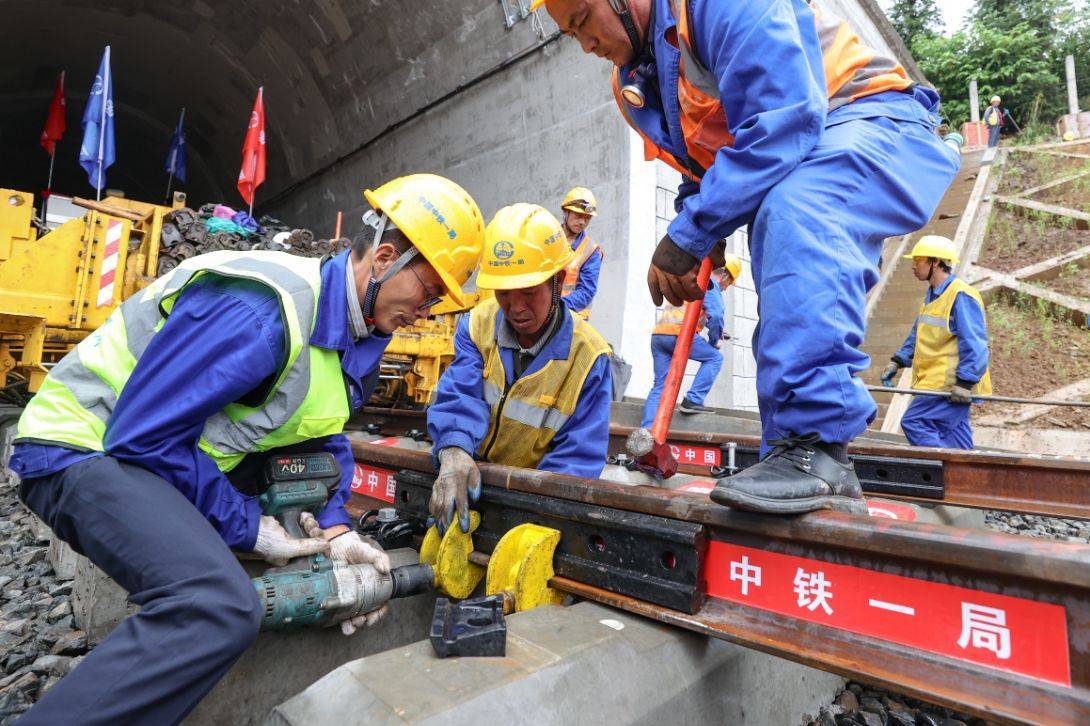
让民间资本有得投、投得好 一系列举措即将落地
Zhong Guo Jing Ji Wang· 2025-09-19 00:37
Group 1 - From January to August, private fixed asset investment decreased by 2.3% year-on-year, with the decline rate expanding compared to the previous seven months [1] - The decline in private investment growth is primarily due to a 16.7% drop in real estate development investment, which lowered the overall private investment growth rate by 4.5 percentage points [1] - Excluding real estate development, private project investment grew by 3% year-on-year, indicating strong investment willingness and capability in the real economy [1] Group 2 - Private investment in the manufacturing sector increased by 4.2% in the first eight months, with over half of the 31 manufacturing categories achieving double-digit growth [1] - The automotive manufacturing sector saw a remarkable investment growth rate of 22.6%, while investment in railway, shipbuilding, aerospace, and other transportation equipment manufacturing grew by 16.2% [1] - Private capital is actively aligning with industrial upgrading trends, increasing innovation investments, and integrating into the modern industrial system [1] Group 3 - Private capital participation in major infrastructure construction is expanding, with a 7.5% year-on-year increase in private investment in infrastructure [2] - The accommodation and catering industry experienced a 17% growth in private investment, while the cultural, sports, and entertainment sectors saw a 7% increase, reflecting the trend of service consumption expansion and quality improvement [2] - Despite challenges faced by some private enterprises, the long-term positive fundamentals of the economy remain unchanged, providing ample space for private investment [2] Group 4 - Future trends in private investment include a shift towards high-quality development sectors, increased capital flow into new productivity, emerging services, and new infrastructure [3] - Investment models are becoming more diversified, with improved government and social capital cooperation, and the normalization of infrastructure REITs to further stimulate private investment [3] - The investment ecosystem is evolving with large private enterprises leading innovation and small and medium-sized enterprises focusing on niche markets, creating complementary advantages [3] Group 5 - To further stimulate private investment, coordinated efforts are needed across multiple dimensions to ensure that private capital can invest effectively and efficiently [3] - The State Council's recent meeting emphasized addressing key concerns of enterprises and implementing practical measures to expand access and enhance support [3] - The National Development and Reform Commission is working on policies to promote private investment development and establish mechanisms for private participation in major national projects [3]
中经评论:进一步激发民间投资活力
Jing Ji Ri Bao· 2025-09-19 00:05
Group 1 - From January to August, private fixed asset investment decreased by 2.3% year-on-year, with the decline rate expanding compared to the previous seven months [1] - The decline in private investment growth is primarily due to a 16.7% drop in real estate development investment, which reduced the overall private investment growth rate by 4.5 percentage points [1] - Excluding real estate development investment, private project investment grew by 3% year-on-year, indicating strong investment willingness and capability in the real economy [1] Group 2 - Private investment in the manufacturing sector showed significant growth, with a 4.2% increase in the first eight months, and over half of the 31 manufacturing categories achieving double-digit growth [2] - The automotive manufacturing sector saw a remarkable investment growth rate of 22.6%, while the railway, shipbuilding, aerospace, and other transportation equipment manufacturing sectors grew by 16.2% [1][2] - Private capital is actively aligning with industrial upgrading trends, increasing innovation investments, and integrating into the modernization of the industrial system [1] Group 3 - Private capital participation in major infrastructure construction is expanding, with a 7.5% year-on-year increase in private infrastructure investment in the first eight months [2] - The accommodation and catering industry saw a 17% increase in private investment, while the cultural, sports, and entertainment sectors experienced a 7% growth, reflecting the trend of service consumption expansion and quality improvement [2] - Despite challenges faced by some private enterprises, the long-term positive fundamentals of the economy remain unchanged, providing ample space for private investment [2] Group 4 - Future trends in private investment include a shift towards high-quality development sectors, increased capital flow into new productive forces, emerging services, and new infrastructure [3] - Investment models are becoming more diversified, with improved government and social capital cooperation, and the normalization of infrastructure REITs to further stimulate private investment [3] - The investment ecosystem is evolving with large private enterprises leading innovation and small and medium-sized enterprises focusing on niche markets, creating complementary advantages [3]