
洗钱

Search documents
现场视频:太子集团陈志被押解回国!太子银行进入清算程序:停止新增业务,贷款人仍需按时还款
Mei Ri Jing Ji Xin Wen· 2026-01-08 09:54
Group 1 - Chen Zhi, the founder of Prince Group, was apprehended and repatriated to China for leading a major cross-border gambling and fraud syndicate [1] - The Cambodian authorities have initiated legal actions against Chen Zhi and his associates, with plans to publicly pursue the group's key members [1] - Prince Bank, one of Cambodia's largest commercial banks, is undergoing liquidation due to a loss of public trust following sanctions from the UK and US governments [3][5] Group 2 - The Cambodian National Bank has appointed Morison Kak & Associates to oversee the liquidation process of Prince Bank, halting all new banking operations [5] - Following the sanctions, the Prince Group is accused of large-scale investment fraud and money laundering, with US authorities seeking to confiscate approximately $15 billion in Bitcoin assets held by Chen Zhi [5] - South Korean banks have frozen assets related to the Prince Group, with transactions exceeding 197 billion KRW (approximately 1.5 million USD) reported [7] Group 3 - In Singapore, authorities have seized six properties and other financial assets belonging to Chen Zhi and the Prince Group, valued at over 1.5 million SGD (approximately 8.2 million RMB) [10] - The Prince Group has publicly denied all allegations, claiming the investigations are baseless and questioning the motives behind the asset confiscation [5]

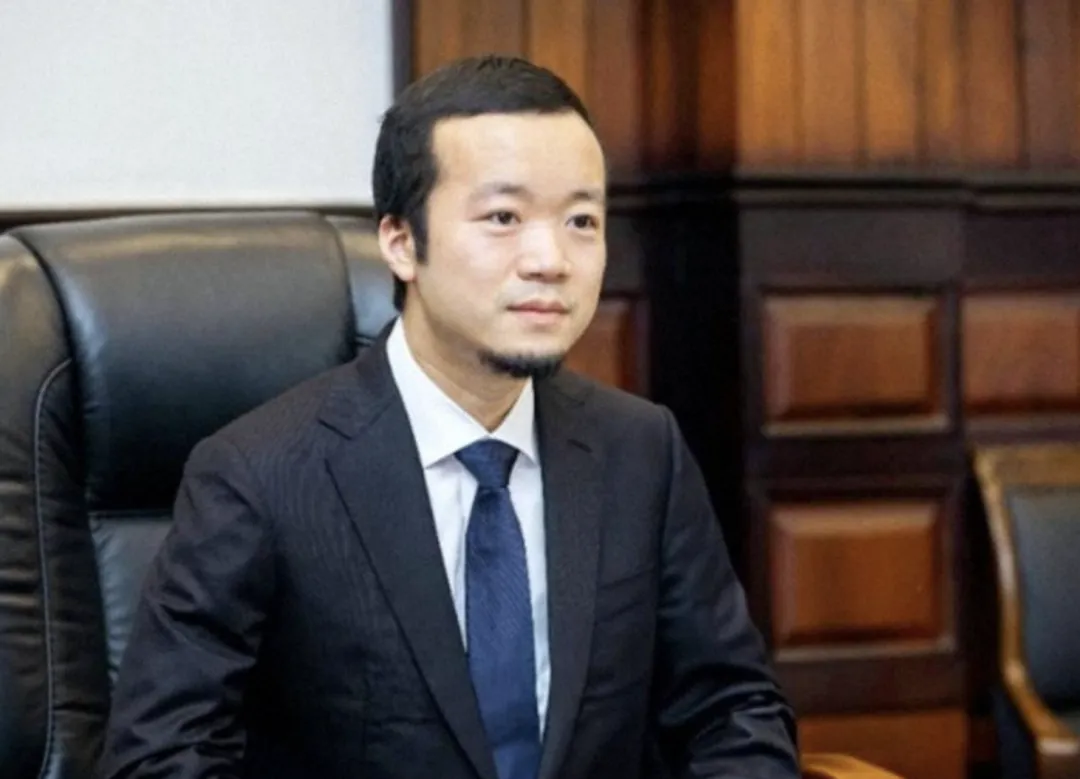
公安部官宣!陈志,被押解回国!
中国基金报· 2026-01-08 09:25
Core Viewpoint - The article discusses the successful repatriation of Chen Zhi, the leader of a major cross-border gambling and fraud crime syndicate, from Cambodia to China, highlighting the effectiveness of law enforcement cooperation between China and Cambodia in combating international telecom fraud [2][5]. Group 1: Background on Chen Zhi - Chen Zhi, born in December 1987 in Fuzhou, China, is a dual citizen of the UK and Cambodia, and the founder and CEO of Prince Group, which has invested over $2 billion in real estate in Cambodia since its establishment in 2015 [7]. - After dropping out of school, Chen Zhi worked as a network administrator and later formed a hacking team to attack websites, eventually fleeing to Cambodia in 2010 [7]. - In Cambodia, he allegedly built a transnational crime network under the guise of real estate development, involving the coercion of laborers into cryptocurrency scams [7]. Group 2: Criminal Activities and Legal Actions - The U.S. Department of Justice issued an international warrant for Chen Zhi in October 2025, accusing him of 23 felonies including telecom fraud and money laundering, and seizing 127,271 bitcoins valued at approximately $15 billion, marking the largest single asset seizure in U.S. history [7]. - In November 2025, Hong Kong police froze assets worth HKD 2.75 billion linked to a criminal group involved in international telecom fraud and money laundering, identified as the Prince Group [8]. - In December 2025, Thailand's Anti-Money Laundering Office froze and seized 289 assets related to Chen Zhi, valued at approximately THB 10.165 billion, connected to major cases of transnational fraud and technical crimes [8].
太子集团创始人陈志在柬埔寨被捕并遣返中国,此前遭到美英等多国制裁
Xin Lang Cai Jing· 2026-01-08 08:42
Core Viewpoint - The arrest of Chen Zhi, founder and chairman of the Prince Group, in Cambodia marks a significant development in the crackdown on international cybercrime, revealing a vast network of fraud and money laundering operations linked to cryptocurrency [1][5][10]. Group 1: Background and Criminal Activities - Chen Zhi, born in a small fishing village in Fujian, China, initially gained wealth through a small online gaming company before engaging in criminal activities, including extortion [1][2]. - After fleeing to Cambodia around 2010, Chen Zhi posed as a real estate developer, capitalizing on the country's real estate boom and eventually becoming a Cambodian citizen in 2014 [2][4]. - The Prince Group, founded by Chen in 2015, expanded rapidly into various sectors, including banking and aviation, while maintaining a facade of legitimacy [4][5]. Group 2: Legal Actions and International Response - In October 2022, the U.S. Department of Justice filed a lawsuit against Chen Zhi, seizing approximately 127,271 bitcoins valued at $15 billion, marking the largest cryptocurrency seizure in U.S. history [1][8]. - Following the U.S. lawsuit, multiple countries, including the UK and Singapore, initiated actions to freeze and confiscate assets linked to Chen Zhi and the Prince Group, totaling over $1.5 billion in Singapore alone [5][9]. - The U.S. and UK imposed sanctions on the Prince Group in October 2025, targeting 146 entities and individuals associated with Chen Zhi for crimes including telecommunications fraud and money laundering [5][6]. Group 3: Operational Structure and Tactics - The Prince Group operated a complex network of shell companies and cryptocurrency wallets to obscure the origins of their funds, engaging in various forms of international crime, including human trafficking and online scams [6][8]. - Reports indicate that the group controlled over ten illegal detention sites in Cambodia, utilizing "phone farms" with 12,50 smartphones to manage over 76,000 fake social media accounts for scamming purposes, with total fraud amounts reaching billions [6][8]. - Internal documents revealed strategies for building trust with victims, emphasizing the use of realistic profiles to enhance credibility in scams [8]. Group 4: Recent Developments and Future Implications - Following the sanctions, the Prince Group began rebranding efforts, changing its name to "Kingsmen Group" and attempting to distance itself from its previous identity, although inconsistencies in their operations were noted [10][11]. - The Cambodian government has publicly stated its commitment to enforcing the law against individuals, regardless of their status, indicating a potential shift in the regulatory environment for foreign investments in the country [11].
曾被美国抄了150亿美元比特币,起底全球“电诈之王”陈志
Guan Cha Zhe Wang· 2026-01-08 08:29
Core Viewpoint - The arrest of Chen Zhi, founder and chairman of the Prince Group, in Cambodia marks a significant development in the crackdown on international cybercrime, revealing a vast network of fraud and money laundering operations linked to cryptocurrency [1][6][12]. Group 1: Background and Criminal Activities - Chen Zhi, originally from a small fishing village in Fujian, China, established a network of fraudulent activities under the guise of legitimate businesses, including real estate and banking [2][5]. - The Prince Group, founded in 2015, expanded rapidly into various sectors, including real estate and aviation, while Chen Zhi gained significant political connections in Cambodia [5][6]. - The group was involved in extensive cyber fraud, utilizing tactics such as "pig butchering" scams to deceive victims globally, with reported losses amounting to billions [1][7][9]. Group 2: Legal Actions and International Response - In October 2022, the U.S. Department of Justice filed a lawsuit against Chen Zhi, leading to the seizure of approximately 127,271 bitcoins valued at $15 billion, marking the largest cryptocurrency seizure in U.S. history [1][9]. - Following the U.S. actions, law enforcement in the UK, Singapore, and other countries initiated asset freezes and sanctions against Chen Zhi and the Prince Group [6][10]. - The U.S. and UK jointly imposed sanctions in October 2025, targeting 146 entities associated with the Prince Group, citing serious allegations of telecommunications fraud and money laundering [6][10]. Group 3: Impact on the Prince Group and Future Developments - The sanctions prompted a rapid disassociation of various businesses from the Prince Group, leading to significant operational downsizing and restructuring within the organization [11][12]. - The group attempted to rebrand itself as "Kingsmen Group" and changed the names of its properties, but these efforts were criticized as superficial and ineffective [12]. - Following Chen Zhi's arrest on January 7, 2023, Cambodian officials emphasized that no individual, regardless of status, would escape legal consequences for their actions [12].
太子集团创始人陈志被遣送中国,此前被美国抄走150亿美元比特币
Sou Hu Cai Jing· 2026-01-08 01:58
Core Viewpoint - The founder and chairman of Prince Group, Chen Zhi, has been arrested in Cambodia and sent back to China for investigation regarding serious criminal charges including telecommunications fraud and money laundering [1][3]. Group 1: Criminal Activities - Chen Zhi is accused of leading Asia's largest transnational crime organization, which has been involved in extensive telecommunications fraud and money laundering activities [5][15]. - The U.S. Department of Justice has seized approximately 127,271 bitcoins, valued at around $15 billion, marking the largest asset forfeiture in its history [3][4]. - The criminal network operated "phone farms" in Cambodia, controlling over 76,000 social media accounts used to perpetrate scams [7][11]. Group 2: Victimization and Exploitation - Hundreds of individuals were reportedly lured or trafficked to Cambodia, forced to work in scam operations under threats of violence and with their passports confiscated [12]. - The operation is described as a combination of modern slavery and high-tech fraud, with many perpetrators also being victims of trafficking and forced labor [12]. Group 3: Legal and Financial Consequences - The U.S. Treasury has sanctioned 146 individuals and entities associated with Prince Group, freezing their assets in the U.S. and prohibiting any transactions with American individuals or institutions [15][16]. - The U.K. has frozen 19 properties linked to Chen Zhi's network in London, valued at over £100 million, highlighting the international scope of the investigation [16]. - If convicted of conspiracy to commit telecommunications fraud and money laundering, Chen Zhi could face up to 40 years in prison [16].
电诈头目、太子集团创始人被遣送回国!被美国查扣150亿美元比特币
Sou Hu Cai Jing· 2026-01-08 00:43
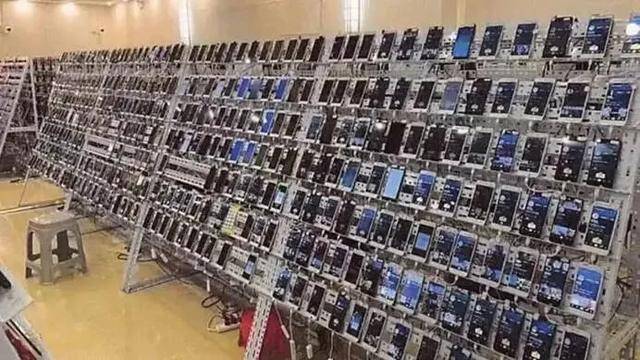
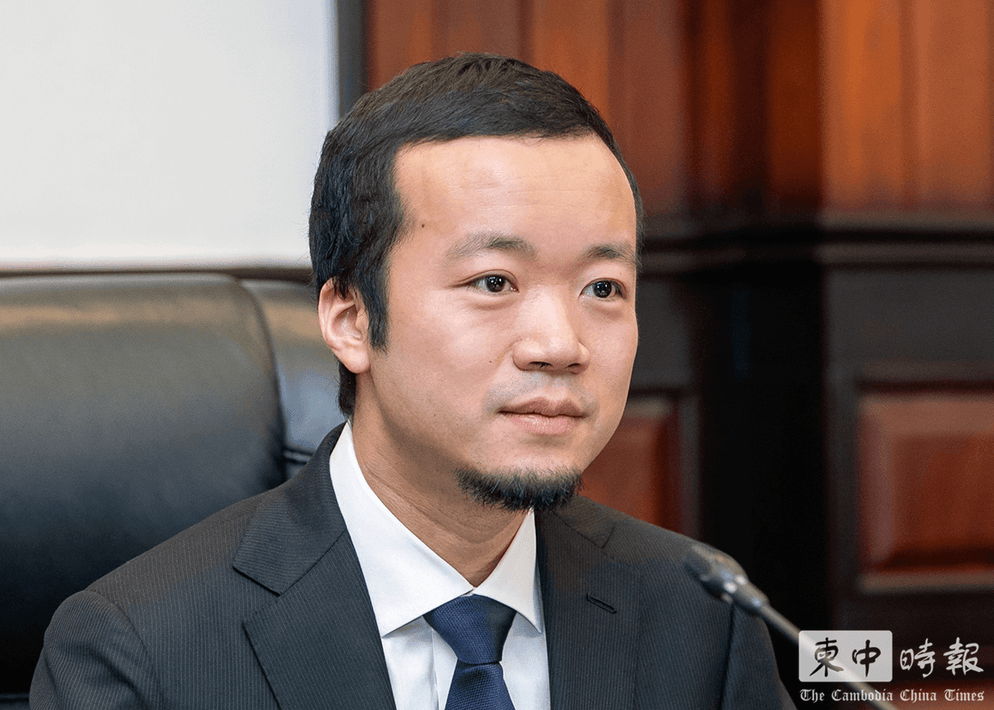
据广西云客户端消息,太子集团(Prince Group)创始人兼董事长陈志在柬埔寨被捕,并已被遣送回中国,接受有关部门调查。 陈志(Chen Zhi),福建籍华裔,为"太子集团(Prince Group Holding)"创办人之一,公开资料显示,他于2009年进入柬埔寨市场,2015年正 式成立"太子集团",短短十年间打造出涵盖地产、金融、能源、通讯及银行等多领域的商业版图。集团旗下拥有太子房地产集团、太子银行 和Awesome全球投资集团等知名子公司。 据媒体报道,陈志运营的太子集团自称为一家跨国商业集团,在柬埔寨布局度假村与酒店等项目,是柬埔寨最大的企业集团之一。但该集团 实际上使用虚假的招聘广告诱骗工人,以酷刑强迫他们进行电信诈骗。工人则诱骗受害者们转移加密货币,以获得巨额的投资回报。 自2015年起,陈志利用太子集团遍布30多个国家/地区的庞大商业网络作为掩护,在柬埔寨秘密建造并运营了至少十个强制劳动诈骗园区。许 多来自世界各地的工人被诱骗至此,遭到囚禁、酷刑,并被迫从事大规模的加密货币投资诈骗活动(俗称"杀猪盘"),骗取了数十亿美元。 为了将诈骗效率最大化,园区内还设有专业的"手机农场",其中两个 ...
突发!被美国抄了150亿美元比特币的电诈头子陈志,遣送回国了
凤凰网财经· 2026-01-07 13:40
Core Viewpoint - The arrest of Chen Zhi, founder and chairman of Prince Group, marks a significant development in a global transnational fraud case involving extensive criminal networks, staggering amounts of money, and various associated crimes, including human trafficking and forced labor [1][15]. Group 1: Criminal Activities and Network - Chen Zhi, a dual citizen of the UK and Cambodia, presented himself as a "business elite" while secretly leading a major transnational crime organization, described by the U.S. Department of Justice as the "largest in Asia" [2][4]. - The Prince Group, under Chen's leadership, established seemingly legitimate businesses in over 30 countries to mask fraudulent activities, with a core operation based in Cambodia's scam parks, which included "phone farms" with 1250 phones and 76,000 social media accounts used for scams [4][6]. - The criminal network employed emotional manipulation through social media to defraud victims, promising high returns on cryptocurrency investments, leading to significant financial losses for individuals [6]. Group 2: Human Trafficking and Forced Labor - The network not only engaged in scams but also involved severe human rights abuses, including human trafficking and forced labor, with hundreds of victims lured or trafficked to Cambodia, where they faced violence and exploitation [6]. - Some perpetrators of the scams were also victims of human trafficking, caught in a cycle of abuse and exploitation [6]. Group 3: Financial Crimes and Asset Seizures - In October 2025, the U.S. Department of Justice filed criminal charges against Chen Zhi, including telecommunications fraud and money laundering, and seized approximately 127,271 bitcoins valued at $15 billion, marking the largest asset seizure in the department's history [9][12]. - Multiple countries, including the UK, Singapore, and Hong Kong, have taken coordinated actions to freeze Chen's assets, with the total value of seized properties and financial assets exceeding $1.5 billion [12][14]. - The U.S. Treasury Department has sanctioned 146 individuals and entities associated with the Prince Group, freezing their U.S. assets and prohibiting any transactions with them [12][14]. Group 4: Broader Implications and Future Actions - The case highlights the complexity and brutality of the Southeast Asian fraud industry and underscores the commitment of multiple nations to combat transnational crime [15]. - As the investigation progresses in China following Chen's return, further details of the criminal network may emerge, and efforts to recover assets for victims will be a key focus [15].
电诈头目、太子集团创始人被捕并遣送中国
Shen Zhen Shang Bao· 2026-01-07 12:52
中国香港特区警方2025年11月宣布,警方已经冻结一个涉嫌参与国际电信诈骗和洗钱活动的犯罪集团价值27.5亿港元(约合人民币25.2亿元)的资产。据报 道,该集团系柬埔寨"太子集团"。 美国司法部在2025年10月8日提交、10月14日启封的起诉书中指控,陈志是这起"庞大的网络欺诈帝国"的幕后黑手。他面临包括电信欺诈和洗钱在内的多 项密谋罪名,如果罪名成立,最高可判处40年监禁。 广西国际传播中心(柬埔寨)国际传播联络站记者获悉,据《柬中时报》报道,太子集团(Prince Group)创始人兼董事长陈志在柬埔寨被捕,并已被遣送回中 国,接受有关部门调查。 警方在声明中称,被冻结的资产包括其通过犯罪所得的现金、股票、基金等。声明称,当局仍在就此进行调查,但目前暂未逮捕任何人。 同时,中国台湾检方表示,他们已查封与"太子集团"相关的总价值超45亿新台币(约合人民币10.3亿元)的资产并拘留了25名嫌疑人。声明称,以陈志为首 的"太子集团"在柬埔寨从事诈欺犯罪,并于多地建立庞大企业网络进行洗钱。 陈志图片来源北京日报客户端 报道称,目前已查封18处不动产,其中包括11处豪华公寓。此外,还有48个停车位及包括劳斯莱斯 ...
太子集团创始人陈志被捕并遣送中国,关联网赌公司涉案金额超50亿元
Sou Hu Cai Jing· 2026-01-07 12:36
Core Viewpoint - The founder and chairman of the notorious Taizi Group, Chen Zhi, has been arrested in Cambodia and sent back to China for investigation related to telecom fraud and money laundering activities [1]. Group 1: Company Background - Chen Zhi, born in 1987 in Fujian, China, is described as a "young business prodigy" who first ventured into entrepreneurship by investing in a small internet café in Fujian [1]. - In 2011, Chen entered the Cambodian real estate market, developing projects in what was termed "uncharted waters" [1]. - The Taizi Group is identified as one of Asia's largest transnational crime organizations, operating ten telecom fraud parks in Cambodia [1]. Group 2: Criminal Activities - The U.S. authorities seized 127,271 bitcoins, valued at approximately $15 billion (about 107 billion RMB), from a large-scale "pig butchering" scam linked to the Taizi Group [1]. - Prosecutors allege that the Taizi Group's executives leveraged political influence across multiple countries and bribed public officials to cover their criminal activities [2]. - The group is accused of conducting virtual currency investment scams, with operations in Myanmar and Cambodia, utilizing technology parks or cross-border e-commerce companies as fronts for their activities [4]. Group 3: Legal and Financial Consequences - The U.S. Treasury has classified the Taizi Group as a transnational criminal organization and imposed sanctions on over 100 related individuals and entities [1]. - Chen Zhi holds dual citizenship in the UK and Cambodia, and the UK government has frozen his assets, including 19 properties in London [4]. - Prior to U.S. legal actions, Chinese law enforcement had already initiated investigations into Chen, with related online gambling companies involved in cases exceeding 5 billion RMB [4].

突发!柬埔寨太子集团创始人、电诈头目陈志落网,已被遣送回中国!此前他遭美国没收近150亿美元比特币
Mei Ri Jing Ji Xin Wen· 2026-01-07 12:31
每经编辑|程鹏 据广西云客户端1月7日消息,广西国际传播中心(柬埔寨)国际传播联络站记者、《柬中时报》记者获悉,太子集团(Prince Group)创始人兼董事长陈 志在柬埔寨被捕,并已被遣送回中国,接受有关部门调查。 ▲陈志 为保护这个犯罪企业,陈志及其同案犯系统性地贿赂多国公职人员。一名同案犯被任命为太子集团的风险控制主管,专门监控调查并与外国执法官员进行 腐败交易。2023年5月,同案犯-2与一位高级别官员进行沟通,该官员表示他可以让太子集团同案犯摆脱麻烦。作为回报,同案犯-2提出"照顾"该官员的 儿子。 此前,美国当局指控"太子集团"涉及大规模投资诈骗、洗钱等跨国犯罪,并申请没收陈志持有的约150亿美元比特币资产。面对各国制裁压力,"太子集 团"11日声明驳斥所有指控,称相关调查"毫无根据",质疑其意图"非法没收数十亿美元资产"。然而美英两国已于10月联手实施制裁,其他国家和地区也 陆续跟进调查。 陈志(Chen Zhi),福建籍华裔,为"太子集团(Prince Group Holding)"创办人之一,公开资料显示,他于2009年 进入柬埔寨市场,2015年正式成立"太 子集团",短短十年间打造出涵 ...