
生态保护修复

Search documents
我国持续开展调查监测,自然资源家底更厚——
Ren Min Ri Bao· 2025-09-11 10:34
Core Insights - The article highlights the significant progress made in China's natural resource management during the "14th Five-Year Plan" period, emphasizing the increase in cultivated land, forest coverage, and marine economic output, alongside major discoveries in oil and gas fields [1][2][3]. Group 1: Agricultural and Land Resources - The total cultivated land area reached 1.94 billion mu, with an increase of 28 million mu by the end of 2024 compared to 2020, establishing a three-dimensional protection framework for quantity, quality, and ecology [2][4]. - The implementation of comprehensive land remediation has resulted in over 10 million mu of land being restored, enhancing urban and rural living conditions [4][6]. Group 2: Mineral Resources - Significant breakthroughs in mineral exploration have been achieved, with the discovery of 10 large oil fields and 19 large gas fields during the "14th Five-Year Plan" [2][3]. - The exploration of strategic minerals such as oil, gas, copper, and lithium has been notably successful, supporting a stable production of 200 million tons of oil and over 240 billion cubic meters of natural gas [2][3]. Group 3: Marine Resources - The marine economy has shown robust growth, with a marine production value of 10.5 trillion yuan, an increase of 2.7 trillion yuan since 2020 [1][3]. - China's marine products output has remained the highest globally for 36 consecutive years, with marine oil and gas becoming key contributors to domestic production increases [3][4]. Group 4: Environmental and Ecological Initiatives - The forest coverage rate has reached 25.09%, making China one of the fastest-growing countries in terms of greening efforts [1][3]. - The "Three North" project has successfully completed 415 projects, restoring 16.4 million mu of land, contributing to significant ecological improvements [5][9]. Group 5: Technological and Governance Innovations - The establishment of a unified management platform for natural resources has improved governance efficiency, resolving previous management conflicts caused by inconsistent standards [7][8]. - The digitization of resource management has enhanced service delivery, with over 2,697.4 million mu of land approved for construction and significant reductions in approval times [6][7].
我国持续开展调查监测,自然资源家底更厚——新发现大中型油气田和矿产地534处(权威发布·高质量完成“十四五”规划)
Ren Min Ri Bao· 2025-09-11 07:06
Core Insights - The article highlights significant advancements in China's natural resource management during the "14th Five-Year Plan" period, emphasizing the importance of resource protection and sustainable development [1][2][8] Group 1: Agricultural and Land Resources - National cultivated land area reached 1.94 billion acres, with an increase of 28 million acres by the end of 2024 compared to 2020, establishing a three-dimensional protection framework for quantity, quality, and ecology [2][4] - Comprehensive land remediation efforts have been implemented, with over 10 million acres completed nationwide [4][6] Group 2: Mineral Resources - Major breakthroughs in mineral exploration have been achieved, including the discovery of 10 large oil fields and 19 large gas fields during the "14th Five-Year Plan" [2][3] - Strategic mineral resources such as oil, gas, copper, and lithium have seen significant exploration and development progress, supporting stable production levels [2][3] Group 3: Marine Resources - The marine economy has shown strong growth, with a marine production value of 10.5 trillion yuan, an increase of 2.7 trillion yuan since 2020 [1][3] - China has become a leader in marine industries, maintaining the world's highest total marine product output for 36 consecutive years [3] Group 4: Ecological and Environmental Protection - Forest coverage has reached 25.09%, with significant increases in forest, grassland, and wetland areas, contributing to climate change mitigation goals [1][3][4] - The "Three North" project has successfully implemented 415 projects, restoring 16.4 million acres of land [4][8] Group 5: National Parks and Biodiversity - The establishment of five national parks has been completed, integrating over 120 existing natural reserves and enhancing ecosystem protection [5][6] - Biodiversity has improved, with significant increases in populations of endangered species such as the wild giant panda and Northeast tiger and leopard [5] Group 6: Digital Governance and Resource Management - The implementation of a unified management platform for natural resources has improved governance efficiency, reducing approval times for land and resource use [7][8] - Innovative projects and international collaborations in geographic information and environmental restoration have been initiated, contributing to global sustainable development [7][8]
权威发布·高质量完成“十四五”规划|新发现大中型油气田和矿产地534处
Ren Min Ri Bao· 2025-09-11 02:47
Core Points - The article highlights the significant progress made in China's natural resource management during the "14th Five-Year Plan" period, emphasizing the importance of resource protection and sustainable development [1][2][3] Group 1: Agricultural and Land Resources - The total cultivated land area in China has reached 1.94 billion acres, with a notable increase of 28 million acres by the end of 2024 compared to 2020 [2] - The country has implemented a comprehensive protection strategy for cultivated land, focusing on quantity, quality, and ecological balance [2][4] Group 2: Mineral Resources - Major breakthroughs in mineral exploration have been achieved, including the discovery of 10 large oil fields and 19 large gas fields during the "14th Five-Year Plan" [2] - The exploration of strategic minerals such as oil, gas, copper, and lithium has significantly advanced, supporting a stable production of 200 million tons of oil and over 240 billion cubic meters of natural gas [2][3] Group 3: Marine Resources - The marine economy has shown strong growth, with the marine production value reaching 10.5 trillion yuan, an increase of 2.7 trillion yuan since 2020 [1][3] - China has maintained its position as the world's largest producer of marine products for 36 consecutive years, with marine oil and gas contributing significantly to domestic production [3] Group 4: Ecological and Environmental Protection - The forest coverage rate has reached 25.09%, making China one of the fastest-growing countries in terms of green coverage [1][3] - Significant ecological restoration projects have been implemented, including the completion of over 10 million acres of land rehabilitation and the establishment of five national parks [4][5][6] Group 5: Digital and Technological Advancements - The integration of digital governance in natural resource management has improved efficiency, with a unified management platform established to resolve previous inconsistencies [8] - China has made strides in international cooperation and technological innovation, contributing to global sustainable development initiatives [8]
我国持续开展调查监测 自然资源家底更厚——新发现大中型油气田和矿产地534处(权威发布·高质量完成“十四五”规划)
Ren Min Ri Bao· 2025-09-10 21:56
Core Insights - The article highlights the significant progress made in China's natural resource management during the "14th Five-Year Plan" period, emphasizing the increase in cultivated land, forest coverage, and marine economic output, alongside major discoveries in oil and gas fields [1][2][3] Group 1: Agricultural and Land Management - National cultivated land area reached 1.94 billion acres, with a projected increase of 28 million acres by the end of 2024 compared to 2020 [2] - The "three-in-one" protection framework for cultivated land quantity, quality, and ecology is gradually taking shape [2] - Over 10 million acres of land have been rehabilitated through comprehensive land management efforts [4] Group 2: Mineral Resources and Energy - Major breakthroughs in mineral exploration have been achieved, with the discovery of 10 large oil fields and 19 large gas fields during the "14th Five-Year Plan" [2][3] - Strategic mineral resources such as oil, gas, copper, and lithium have seen significant exploration and development advancements [2] - The marine oil and gas sector is expected to contribute 70% of the domestic crude oil increase by 2024 [3] Group 3: Environmental Protection and Forestry - Forest coverage rate reached 25.09%, with forest stock volume at 2.099 billion cubic meters, achieving the 2030 climate change target ahead of schedule [1][3] - The "Three North" project has completed 415 projects, restoring 16.4 million acres of land [4] - The area of mangroves has increased, making China one of the few countries with a net increase in mangrove area [4] Group 4: National Parks and Biodiversity - Five national parks have been established, integrating over 120 existing nature reserves, enhancing ecosystem protection [5][6] - The populations of wild tigers and leopards in the Northeast Tiger and Leopard National Park have significantly increased [5] Group 5: Digital Governance and Resource Management - The establishment of a unified management platform for natural resources has improved governance efficiency [7] - Over 5,000 local residents have found employment through ecological protection and management initiatives in national parks [5][6] - The implementation of a digital governance system has resolved over 15 million historical property registration issues [7]
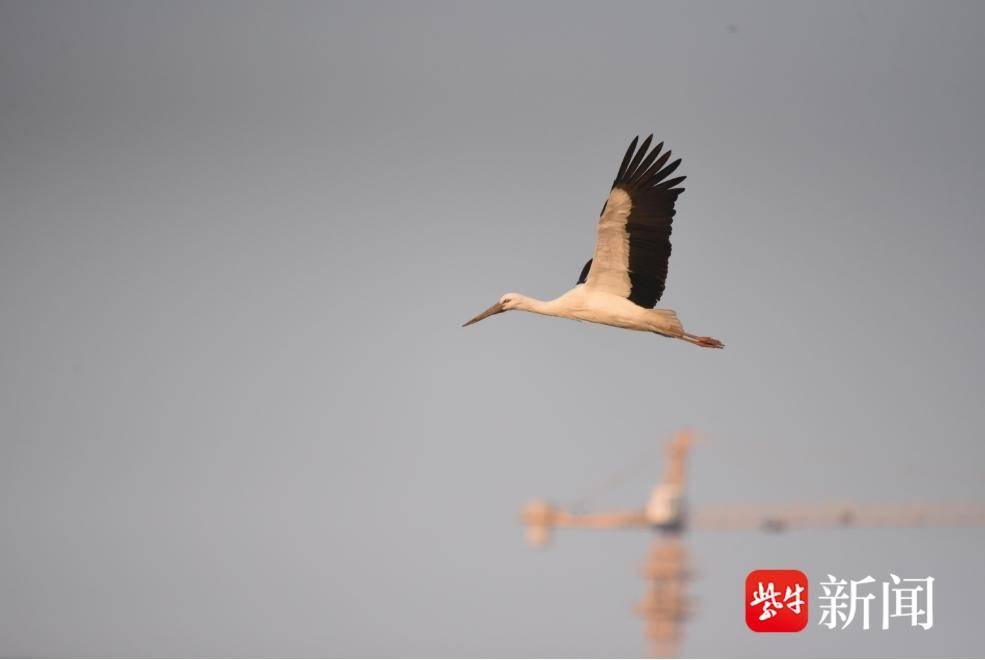
“物种宝库”增至9266种!江苏完成首轮生物多样性本底调查
Yang Zi Wan Bao Wang· 2025-08-28 12:34
Core Insights - Jiangsu Province has completed its first round of biodiversity baseline surveys, recording 9,266 species, an increase of 424 species or 4.6% compared to data published in 2024 [1][3][5] - The province is home to significant ecological areas, including three national nature reserves and a UNESCO World Heritage site, highlighting its unique position in China's ecological security landscape [1][3] Biodiversity Survey Findings - The survey documented 2,913 terrestrial vascular plants, 523 terrestrial vertebrates, 3,216 terrestrial insects, and 2,614 freshwater aquatic organisms [1][3] - Nearly 30 new species were recorded during the survey, including the hairy maple and the umbrella flower ear grass [3][5] Conservation Efforts and Species Recovery - The survey identified 179 species of nationally protected wild plants and animals, with 141 species listed as threatened in China's biodiversity red list [5][7] - The population of the endangered Chinese tiger butterfly has significantly increased, with new distribution points found in Nanjing and Zhenjiang [5][7] - The Yangtze finless porpoise's activity range has expanded throughout the Jiangsu section of the Yangtze River [5][7] Ecological Hotspots and Protection Initiatives - Biodiversity hotspots for terrestrial vascular plants and insects are primarily located in ecologically favorable mountainous areas, while coastal wetlands and Taihu Lake wetlands are rich in terrestrial vertebrates [7] - The results of the survey are being utilized to develop a series of cultural and creative products based on key protected species, exploring new pathways for ecological product value transformation [7]

吉林市:构建立体监测网 守卫松花湖
Zhong Guo Huan Jing Bao· 2025-08-28 01:46
Core Viewpoint - The Jilin Ecological Environment Monitoring Center has dedicated 40 years to monitoring and protecting the ecological health of Songhua Lake, establishing a comprehensive water ecological monitoring system and contributing to ecological restoration efforts [1][2]. Group 1: Monitoring Efforts - Since the 1980s, the Jilin Center has faced challenges such as inadequate equipment and a lack of talent, yet it has successfully conducted exploratory monitoring of Songhua Lake [1]. - The center has developed a valuable biological sample library by systematically identifying plankton and benthic animals, filling a significant data gap [1]. Group 2: Technological Advancements - The Jilin Center has continuously improved its monitoring capabilities by updating professional monitoring vessels, building standard laboratories, and introducing over 20 types of specialized equipment [1]. - In 2023, the center optimized its monitoring system based on the latest national technical guidelines, establishing a three-dimensional monitoring network at key points in Songhua Lake [1]. Group 3: Research Collaborations - The center has actively promoted research collaborations, including a 2016 study with universities on the relationship between nutrients, algae, and pH levels in Songhua Lake [1]. - In 2024, the center will collaborate with the Nanjing Institute of Environmental Sciences to establish a comprehensive ecological quality monitoring station for the Songhua River [1]. Group 4: Ecological Impact - The Jilin Center has identified 109 genera of phytoplankton, 29 genera of zooplankton, and 60 genera of large benthic animals, creating a scientifically sound water ecological monitoring system [2]. - The extensive data accumulated by the center has laid a solid foundation for precise management and ecological restoration, enhancing the ecological reputation of Songhua Lake as a beautiful ecological landmark in Jilin [2].
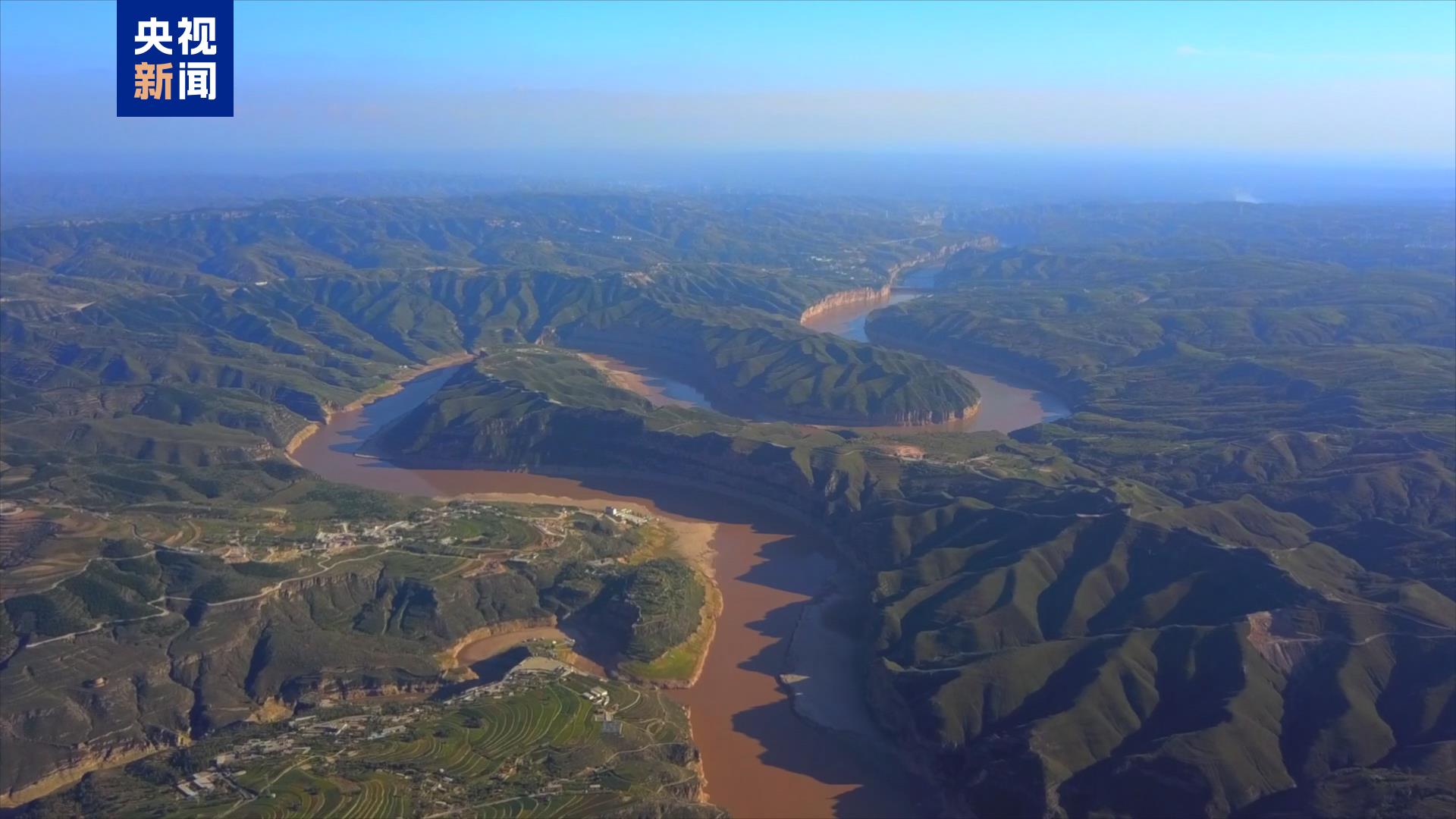
到2035年 山西省黄河流域耕地保有量不低于3991.79万亩
Yang Shi Xin Wen· 2025-08-27 05:20
Core Viewpoint - The Shanxi Provincial Government has approved the "Land Spatial Planning of the Yellow River Basin in Shanxi Province (2021-2035)", emphasizing the need to strengthen land spatial security and set specific targets for agricultural land, ecological protection, and urban development boundaries by 2035 [1][3]. Group 1: Land and Agricultural Planning - By 2035, the agricultural land in the Yellow River Basin of Shanxi Province is required to be no less than 39.9179 million acres, with permanent basic farmland protection of at least 33.2547 million acres [1]. - The ecological protection red line is set to cover no less than 24,400 square kilometers, while urban development boundaries are to be controlled within 3,267.44 square kilometers [1][3]. Group 2: Ecological and Resource Management - The plan aims to systematically optimize land development and protection layouts, consolidating major agricultural production areas and expanding modern agricultural development spaces [3]. - It emphasizes the comprehensive protection and restoration of water sources, mountains, forests, grasslands, lakes, and wetlands, treating upstream and downstream areas as a whole for integrated management [3][5]. Group 3: Infrastructure and Economic Development - The plan includes improving the population, resource, and industry configuration along the Fenwei Ecological Economic Belt, promoting overall coordination of industrial and supply chains [5]. - It aims to construct a modern infrastructure network and enhance disaster prevention and relief infrastructure to improve land spatial resilience [5]. Group 4: Cultural and Heritage Protection - The initiative seeks to promote the Yellow River culture and strengthen the overall protection and systematic revitalization of cultural and natural heritage, integrating heritage management into land spatial planning [5].
采煤塌陷地复垦成良田
Zhong Guo Zi Ran Zi Yuan Bao· 2025-08-27 02:58
Core Viewpoint - The city of Bozhou in Anhui Province is actively promoting ecological protection and restoration of abandoned mines and coal subsidence areas, with significant progress made in various projects [1] Group 1: Project Implementation - Eight abandoned mine projects planned for this year have completed municipal-level acceptance [1] - A total of 41 temporary land reclamation projects in coal subsidence areas have been completed, covering an area of 1,668.84 hectares [1] Group 2: Economic Benefits - The comprehensive management of coal subsidence areas has effectively reduced the land acquisition quantity and costs for mining enterprises [1] - Reclaimed farmland in project areas is returned to residents for cultivation, and water ponds created are used for aquaculture, providing new income channels for local residents [1] Group 3: Ecological Benefits - The combined application of engineering and vegetation measures has continuously improved the conditions for plant growth [1] - The vegetation coverage in the treated areas has significantly increased, curbing soil and water resource degradation and ensuring the diversity and stability of the ecosystem [1] - A complex ecological landscape system has been formed, characterized by interdependence, functional complementarity, and coordinated unity, creating a harmonious and beautiful new appearance for the mining area [1]
国家生态保护修复成效典型案例发布
Jing Ji Ri Bao· 2025-08-24 22:08
Group 1 - The Ministry of Natural Resources has released 10 typical cases of integrated protection and restoration projects for mountains, rivers, forests, fields, lakes, grasslands, and deserts, emphasizing the priority of protection and the establishment of a new ecological security strategy in China [1] - China has implemented the ecological protection red line system, designating over 3.15 million square kilometers for ecological protection, which is a significant measure for managing important ecological spaces [1] - The country is building the world's largest national park system, with 49 candidate areas and significant progress in the first five national parks, showcasing notable achievements in protection patterns, levels, and capabilities [1] Group 2 - China has achieved a forest coverage rate exceeding 25%, contributing approximately 25% of the global increase in greening, through large-scale land greening actions and the implementation of 52 integrated protection and restoration projects covering over 8.3 million hectares [2] - The "Blue Bay," "Beautiful Coast," and "Harmonious Islands" initiatives have restored approximately 1,780 kilometers of coastline and 53,000 hectares of coastal wetlands, with mangrove areas increasing to 30,300 hectares, surpassing the "14th Five-Year" target [2] - The country has established a legal framework for ecological protection, including laws for the Yangtze River, Yellow River, and the Tibetan Plateau, with the National Park Law set to be introduced, enhancing the ecological governance legal system [2] Group 3 - China adheres to the concept of a shared planet and has made new contributions to global ecological governance, with the establishment of the China-Central Asia Desertification Prevention Center and the International Mangrove Center in Shenzhen [3] - The country actively participates in international agreements related to climate change, biodiversity, and desertification, becoming a significant contributor and leader in the global ecological civilization initiative [3]
自然资源部发布30个生态保护修复典型案例!
Ren Min Ri Bao· 2025-08-20 02:08
Core Viewpoint - The Ministry of Natural Resources has released 30 typical cases of ecological protection and restoration, highlighting significant efforts in integrated environmental management and restoration across various ecosystems in China [1] Group 1: Ecological Protection and Restoration Cases - 10 typical cases focus on integrated protection and restoration of rivers, lakes, and important mountain ranges, emphasizing a holistic approach to environmental management [1] - 10 cases are dedicated to ecological restoration of mines, addressing both abandoned and operational mining sites [1] - 10 cases showcase marine ecological restoration, demonstrating successful initiatives to enhance coastal areas and promote harmony between humans and the sea [1] Group 2: Ecological Protection Policies and Achievements - China has implemented an ecological protection red line system, designating over 3.15 million square kilometers for ecological space management [1] - The country is constructing the world's largest national park system, with 49 candidate areas and significant progress in the first five parks, leading to notable improvements in protection patterns, levels, and capabilities [1] - Major ecological restoration projects in key areas have yielded new results, including large-scale land greening actions that have increased forest coverage to over 25%, contributing approximately 25% of the world's new greening area [1] Group 3: Specific Achievements in Ecological Restoration - 52 integrated protection and restoration projects have been completed, covering over 8.3 million hectares, with mangrove areas increasing to 30,300 hectares, achieving the "14th Five-Year" target ahead of schedule [1] - Over 350,000 hectares of abandoned mines have been rehabilitated, and annual carbon sequestration from forests and grasslands exceeds 1.2 billion tons of CO2 equivalent [1]