
离岸金融

Search documents
如何解决人民币流动性不足问题?连平:构建离岸人民币资产池,推动离岸基准收益曲线完善
Xin Lang Cai Jing· 2025-12-22 10:12
Core Viewpoint - The 22nd China International Financial Forum emphasizes the construction of an intelligent financial ecosystem in the digital economy era, highlighting the unique functions and strategic advantages of offshore finance [1][12]. Group 1: Offshore Finance Characteristics - Offshore finance is not merely an extension of onshore finance but possesses unique functions and strategies, allowing for institutional innovation and stress testing outside the existing domestic financial regulatory framework [3][8]. - The process of offshore finance involves three stages: attracting factor aggregation through institutional innovation, enhancing market depth through factor aggregation, and improving pricing power and discourse through market deepening [3][8]. Group 2: Core Values of Offshore Finance - The core values of offshore finance include enhancing global discourse and market power, optimizing resource allocation efficiency, and participating in global financial governance [4][9]. - Offshore finance aims to create high-circulation channels for both inbound and outbound capital flows [4][10]. Group 3: Recommendations for RMB Market Development - To address the insufficient market depth and liquidity of the RMB, recommendations include constructing an offshore RMB asset pool, innovating offshore RMB product offerings, and establishing efficient and controllable interconnectivity mechanisms between offshore and onshore markets [10][11]. - Emphasis is placed on transitioning from merely increasing capital flow to building functional and institutional frameworks to upgrade offshore markets into comprehensive, deep, and reliable financial hubs [10][11]. Group 4: Risk Control in Offshore Finance - A balanced offshore financial risk prevention system is proposed, focusing on effective risk isolation, implementing penetrating supervision, enhancing macro-prudential management, and promoting regulatory collaboration and information sharing [5][6][11]. - The goal is to create a dynamic and stable offshore financial environment through high-level institutional design and technological empowerment, allowing for market vitality while effectively managing risks [6][11].

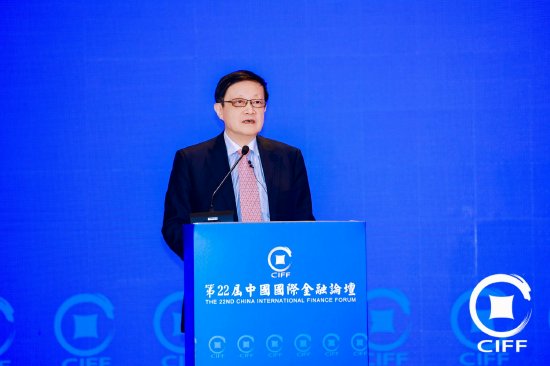
黄莺:香港和上海在金融基础设施方面有巨大合作潜能,数字人民币的协同生态可成为重要抓手
Xin Lang Cai Jing· 2025-12-22 07:03
Core Viewpoint - The 22nd China International Financial Forum emphasizes the construction of an intelligent financial ecosystem in the digital economy era, highlighting the collaboration potential between Shanghai and Hong Kong in offshore finance and digital currency applications [1][6]. Group 1: Financial Centers and Collaboration - Hong Kong is recognized as one of the world's three major financial centers, while Shanghai is the largest onshore financial center in China, both benefiting from significant policy support in offshore finance [3][8]. - The development of offshore finance in Hainan post-closure is expected to accelerate, necessitating a discussion on how these three regions can collaborate and achieve differentiated competition in the coming years [3][8]. Group 2: Technological and Economic Transformations - The world is undergoing three major transformations: a new industrial revolution driven by technology, rapid restructuring of global supply chains, and significant changes in the geopolitical and international monetary landscape [3][8]. - Emerging technologies such as blockchain, AI, and big data are reshaping the financial industry, leading to a rapid evolution of financial infrastructure in the digital economy era [3][8]. Group 3: Digital Currency and Financial Infrastructure - There is substantial cooperation potential between Hong Kong and Shanghai in developing financial infrastructure for the digital economy, including expanding the application scenarios for digital RMB and establishing a collaborative ecosystem with digital HKD [4][9]. - The Shanghai and Shenzhen agreement on the collaborative development of international financial centers includes plans to connect financial infrastructure and accounts, emphasizing the need for forward-looking layouts involving blockchain and digital RMB [4][9]. Group 4: Future Opportunities in Financial Collaboration - The Shanghai Gold Exchange has launched an international version of its designated warehouse in Hong Kong, along with gold trading contracts for delivery in Hong Kong, indicating a step towards expanding cooperation into other commodities [4][9]. - Future collaboration could enhance the role of the RMB from a settlement currency to a pricing and reserve currency, with opportunities for establishing financial information service centers, international credit rating centers, and strengthening international arbitration centers [4][9].


徐璟:上海、海南、香港之间不应是竞争关系,未来合作大于竞争
Xin Lang Cai Jing· 2025-12-22 06:57
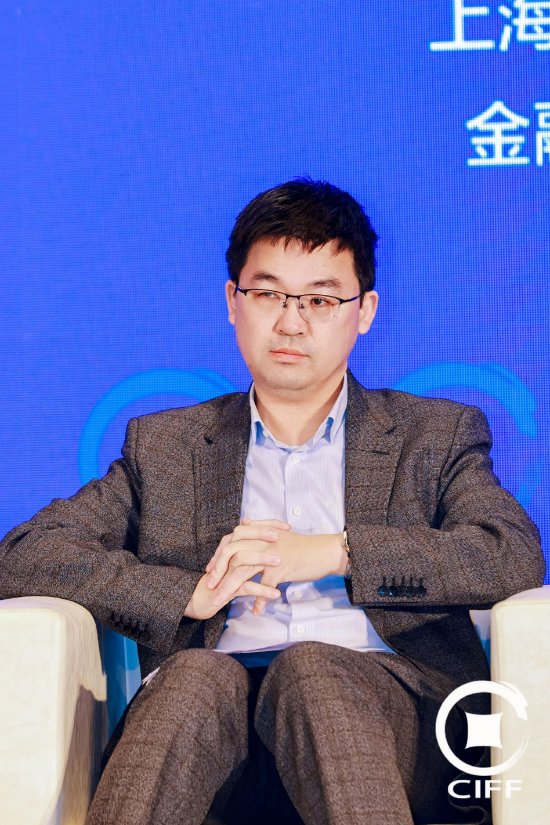
Core Viewpoint - The 22nd China International Financial Forum emphasizes the construction of an intelligent financial ecosystem in the digital economy era, highlighting the role of the Lujiazui Financial City as a platform for rule adoption and institutional transformation [1][6]. Group 1: Offshore Financial Insights - Lujiazui Financial City is not just a financial cluster but a platform for transforming rules into practical business tools for enterprises [3][8]. - The essence of offshore finance is characterized by the separation of goods, money, and documents, necessitating a new regulatory approach to manage risks effectively [4][9]. - The competitive advantage of offshore economic zones lies not in lower tax rates compared to regions like the Caribbean, but in automation and digital governance capabilities that ensure secure business operations [4][9]. Group 2: Strategic Positioning and Collaboration - Lujiazui has become a strategic hub for Chinese enterprises' global layout, gathering numerous financial and professional service institutions to assist companies in managing global assets from Shanghai [4][9]. - The relationship between Shanghai, Hainan, and Hong Kong should be collaborative rather than competitive, with Lujiazui positioning itself as a "command center" for outbound enterprises and a financial hub [4][9]. - The future of cooperation, especially between Shanghai and Hong Kong, is expected to outweigh competition, with a trend of foreign asset management companies potentially shifting their Asia-Pacific headquarters to Shanghai as Chinese business expands [4][9].
我国离岸金融迈入企稳回升新阶段
Xin Lang Cai Jing· 2025-12-21 20:41
Core Insights - The report indicates that China's offshore financial index increased from 106.16 to 106.50 from 2023 to 2024, marking a significant stabilization and recovery phase for China's offshore finance despite complex international monetary conditions [1] Group 1: Offshore Financial Index - The increase in the offshore financial index is seen as a sign of structural optimization rather than mere scale expansion [1] - The score for China's international balance of payments capital and financial projects improved by 7.7% in 2024 [1] - The offshore RMB asset scale continues to expand, with micro-risk indicators improving by over 25% [1] Group 2: Regional Collaboration - The report suggests enhancing collaboration among Shanghai, Hong Kong, and Hainan to create a complementary offshore financial ecosystem [2] - Shanghai is positioned as an "innovation source," focusing on institutional innovation and RMB liquidity supply [2] - Hong Kong is described as a "global hub," emphasizing pricing and clearing advantages [2] Group 3: Future Development - The report anticipates a structural increase in demand for offshore financial services driven by external environments and the deepening of RMB internationalization [1] - Recommendations include building an offshore RMB asset pool and innovating offshore financial products to attract investor participation [2] - The focus of China's offshore financial development is shifting from increasing volume to establishing functions and systems, aiming to create a comprehensive and secure financial hub [2]
第二十二届中国国际金融论坛成功举行,嘉宾热议“离岸贸易制度创新与数字赋能”
Xin Lang Cai Jing· 2025-12-20 15:14
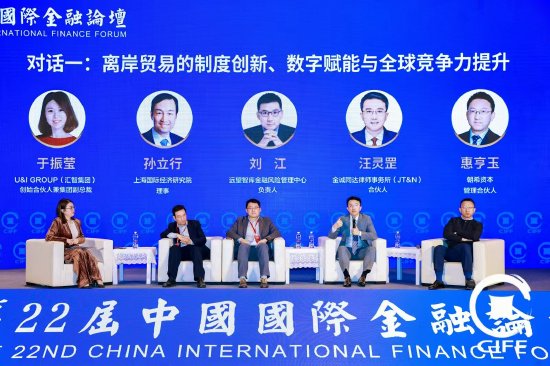
Group 1 - The 22nd China International Financial Forum was held in Shanghai on December 19-20, focusing on the theme of building an intelligent financial ecosystem in the digital economy era [1][5] - The sub-forum on "Institutional Innovation in Offshore Trade, Digital Empowerment, and Enhancing Global Competitiveness" featured discussions led by industry experts including representatives from Huizhi Group, Shanghai International Economic Research Institute, and others [1][5] Group 2 - Wang Linggang expressed that China is not legally prepared to establish offshore finance, emphasizing that offshore financial activities must operate within the framework of China's complex foreign exchange regulations [3][7] - Liu Jiang highlighted the necessity for Chinese enterprises to proactively manage financial risks when going abroad, referencing the saying "If you are not on the table, you are on the menu" to stress the importance of international presence [3][7] - Liu Jiang also stated that offshore finance could serve as a crucial platform for managing financial derivatives and risks, positioning it as a frontline for financial risk management [4][8]
十张全球榜单看上海“五个中心”,“十五五”如何能级提升
第一财经· 2025-12-08 09:38
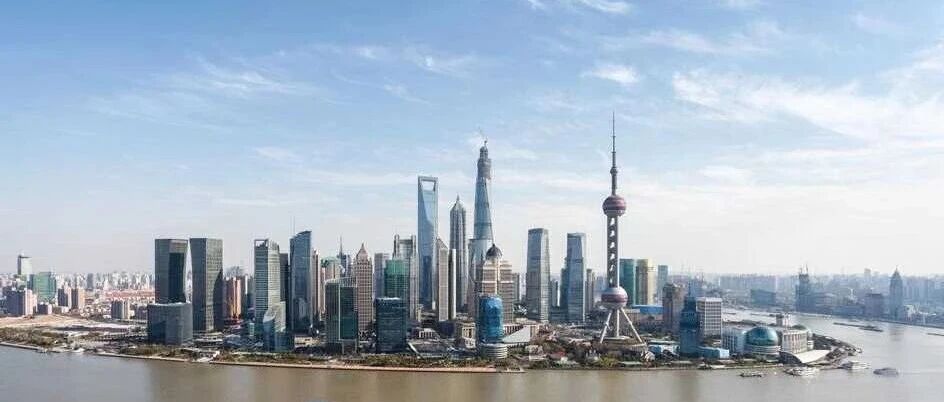
Core Viewpoint - Shanghai has made significant progress in its global rankings over the past five years, positioning itself as a leader in the second tier of global cities and striving to advance to the first tier through the construction of "five centers" [3][6]. Group 1: Economic Performance - In the first three quarters of this year, Shanghai's GDP reached 40,721 billion yuan, reflecting a year-on-year growth of 5.5% [6]. - The output of strategic emerging industries accounted for 44.1% of the total industrial output above designated size, with the three leading industries experiencing an 8.5% year-on-year growth in output [6]. - The total import and export volume from January to October reached 37,000 billion yuan, marking a 5.2% increase year-on-year [6]. Group 2: Financial Center Development - In 2024, the total transaction volume in Shanghai's major financial markets reached 32,842.2 trillion yuan, showing an 11.6% year-on-year increase [6]. - Shanghai has attracted nearly 1,800 licensed financial institutions, with foreign financial institutions accounting for over 30% [6]. Group 3: International Shipping Center - Shanghai Port became the first port to exceed a container throughput of 50 million standard containers last year, and the airport's passenger throughput surpassed 100 million this year [7]. - Shanghai has ranked third globally in the Xinhua-Baltic International Shipping Center Index for six consecutive years [7]. Group 4: Technological Innovation Center - Shanghai ranks sixth globally in the best technology clusters, with continuous improvement in the concentration and activity of technological innovation elements [7]. - The city is encouraged to enhance its capabilities in cross-border finance and maritime arbitration to compete with top international cities [7]. Group 5: Strategic Recommendations - To further advance the "five centers" construction, Shanghai needs to strengthen four major effects: overall effect, platform effect, amplification effect, and radiation effect [8]. - The city should focus on systematic planning, market-oriented platform construction, innovative reforms, and integration with national strategies like the Yangtze River Delta integration [8]. Group 6: Challenges and Opportunities - The global shipping industry is undergoing structural changes, including digital transformation and green low-carbon transition, which present new demands for Shanghai's international shipping center [11]. - Shanghai is advised to enhance its offshore financial system and create a unified offshore financial account system to improve efficiency and attract more business [13].
十张全球榜单看上海“五个中心”,“十五五”如何能级提升
Di Yi Cai Jing· 2025-12-08 08:16
Core Insights - Shanghai has seen a significant improvement in its global rankings over the past five years, achieving six increases, two stable positions, and two decreases across ten authoritative global city rankings, solidifying its position as a leader in the second tier of global cities and striving to advance to the first tier [1][2] Group 1: Economic Performance - In the first three quarters of this year, Shanghai's GDP reached 40,721 billion yuan, reflecting a year-on-year growth of 5.5% [2] - The output value of strategic emerging industries accounted for 44.1% of the total industrial output value, with the three leading industries experiencing an 8.5% year-on-year growth [2] - The total import and export volume from January to October reached 37,000 billion yuan, marking a 5.2% year-on-year increase [3] Group 2: Financial Center Development - In 2024, Shanghai's major financial markets recorded a total transaction volume of 32,842.2 trillion yuan, which is an 11.6% increase compared to the previous year [2] - Shanghai hosts nearly 1,800 licensed financial institutions, with foreign financial institutions accounting for over 30% of this total [2] Group 3: International Trade and Shipping - Shanghai Port became the first port to exceed a container throughput of 50 million standard containers last year, and the airport handled over 100 million passengers [3] - Shanghai has ranked third globally in the Xinhua-Baltic International Shipping Center Index for six consecutive years [3] Group 4: Technological Innovation - Shanghai ranks sixth globally in the best technology clusters, indicating a concentration and vibrancy of technological innovation [3] - The city aims to enhance its role as a hub for international technology innovation by integrating clinical trial resources and optimizing regulatory frameworks [7] Group 5: Strategic Recommendations - To strengthen the "Five Centers" construction, Shanghai needs to enhance four key effects: overall effect, platform effect, amplification effect, and radiation effect [4] - The city should focus on creating a complete offshore financial system and improve the efficiency of offshore RMB payment and settlement [7] - Shanghai is encouraged to leverage its system integration advantages to drive the construction of a modern industrial system through technological innovation [5]

中国离岸银行制度亟须系统性升级
Di Yi Cai Jing· 2025-11-26 14:19
Core Viewpoint - The revision of the "Offshore Banking Business Management Measures" represents a strategic shift for China's offshore finance from "rule following" to "rule contribution," aiming to adapt to the digital era while balancing safety and efficiency [1][18]. Historical Context and Limitations of the Original Measures - The original measures were established in the aftermath of the Asian financial crisis, focusing on preventing capital shocks and providing limited cross-border services through OSA accounts [2]. - By 2002, four pilot banks had served 12,000 overseas enterprises with over $300 billion in settlements, showcasing a balance between safety and openness [2]. Current Challenges and Critiques - The original framework has become outdated due to the international shift towards functional offshore finance and the rise of digital finance, leading to significant capital outflows and limitations on the offshore RMB market [3][4]. - The restrictions on currency types and monopolistic practices by major banks have resulted in inefficiencies and unfair competition, with foreign banks gaining a larger market share [3][4]. Proposed Revisions and Recommendations - A unified offshore account system is recommended to eliminate fragmentation and reduce compliance costs, allowing for better integration with digital applications [6]. - The proposal includes expanding account opening eligibility, removing the $100 million annual cross-border settlement requirement, and supporting various types of enterprises, including those in technology and green finance [7][9]. - The measures suggest optimizing functionalities by allowing RMB and other currencies to be exchanged freely within offshore accounts and integrating digital RMB systems [8]. Regulatory Framework and Oversight - A new regulatory structure is proposed, involving a collaborative approach among the central bank, financial regulatory authority, and foreign exchange administration to enhance oversight and data sharing [13]. - The framework emphasizes a data-driven approach to compliance, moving away from traditional document verification to real-time monitoring of transactions [4][12]. International Cooperation and Governance - The article advocates for enhancing global governance of offshore finance through cooperation with international regulatory bodies and adherence to global standards [14]. - It emphasizes the importance of maintaining regulatory sovereignty while engaging with foreign entities operating in China's offshore market [14]. Principles for Future Management - The proposed principles include aligning the pace of opening with regulatory capabilities, ensuring coordinated development between onshore and offshore markets, and balancing innovation with risk management [16][17].
上海临港特殊经济功能区:国家战略下的开放新引擎
Guo Ji Jin Rong Bao· 2025-11-26 09:51
其三,补齐上海国际金融中心"离岸功能"的短板。通过全品类离岸金融业务布局,形成"在岸监管 规范、离岸自由灵活"的双轮驱动格局,助力上海在2035年建成"全球顶级的国际金融中心"。 上海临港特殊经济功能区的核心底气,源于省级经济社会管理权限的制度赋能。与普通自贸试验区 相比,其拥有三项关键权限:总投资超50亿元的离岸项目由管委会"一站式办结",无需层层上报;自主 对接国际金融机构与跨国总部,统筹离岸资金池和跨境技术转移;获顶层设计支持,可在税收、金融、 数据跨境等领域自主制定专项政策。 然而,受我国分业监管格局影响,核心授权尚未真正落地。比如,金融领域的创新政策需对接多部 委监管要求,部分政策备案后仍需部委合规校验,落地周期长;税收领域因"统一税政"框架,地方自主 空间有限,优惠细则衔接部委政策时推进缓慢;数据跨境领域需国家层面安全评估,流程远超企业预 期。这一落差削弱了功能区的吸引力,使"2030年离岸金融资产突破1.2万亿元"的目标面临落空风险。 欲破解上述困境,需国家明确部委与地方的权责清单,建立跨部门快速协调机制,让省级授权切实转化 为功能区的核心竞争力。这种"权责对等"的探索空间,应借鉴迪拜杰贝阿里自 ...

人民币全球交易量占比升至8.5%,人民币国际化还有多远?
Sou Hu Cai Jing· 2025-11-19 09:45
Core Insights - The global transaction volume of the Renminbi (RMB) has increased to 8.5%, narrowing the gap with the British Pound, indicating a new opportunity for RMB internationalization [1] - The next 10 to 15 years are critical for the deepening development of RMB internationalization, as the international monetary system is undergoing significant changes [1] Group 1 - The International Monetary Fund (IMF) is witnessing a shift towards a diversified reserve currency trend as countries accelerate their de-dollarization processes [1] - The emergence of digital currencies and new international monetary systems is gaining heightened attention from the international community [1] - Offshore finance plays a crucial role in promoting the internationalization of currencies, with Hong Kong serving as a key offshore RMB market [1] Group 2 - Recommendations include consolidating Hong Kong's position as an offshore RMB business hub and promoting coordinated development of global offshore markets [2] - Hong Kong's highly internationalized financial market and legal system make it a vital gateway for foreign investors into the mainland market [2] - The strategy involves leveraging Hong Kong to connect with other international financial centers like London, Singapore, and Luxembourg, while expanding offshore RMB business with countries along the Belt and Road Initiative and the RCEP region [2]