
绿色建造

Search documents
110千伏信华变电站工程获中电建协绿色建造三星评价
Qi Lu Wan Bao· 2025-12-12 10:33
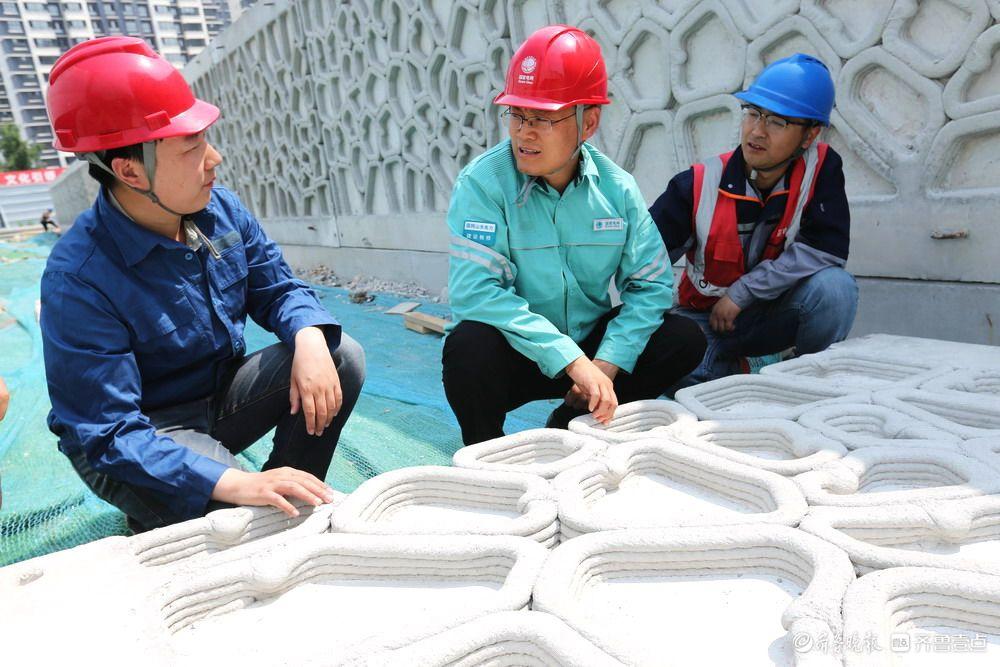
信华变电站还在枣庄电网新建变电站中首座采用环保气体组合电器,全站6个间隔,28个气室,全部为混合环保气体,替代此前的纯六氟化硫 气体。与同类站相比,施工充气方式不同,严格按照30%为六氟化硫气体加70%的比例同时充注,减少六氟化硫使用450千克,在降低温室效 应方面相当于减少二氧化碳排放10756吨。 (通讯员鞠同心刘荀) 信华变电站位于全国百强县——滕州市城区东南部,西接滕州老城区,东联高铁新区,紧挨着城区主干道龙泉路,本期建设2台50兆伏安变压 器。建设中,枣庄供电策划46项具体措施,明确预制消防棚、预制雨水井等9类预制件,使用透水混凝土路面,省内首次采用预制3D打印围 墙,实现外观与周边城区环境融合。他们还分区设置办公、生活、作业范围,采取吸声、隔音措施,应用自动水喷雾、雾炮车等防尘装备,全 场景使用盘扣式脚手架,将绿色建造理念贯穿工程建设始终,建成了一个与现代城区融为一体的核心城区变电站样板。 3D打印围墙是信华工程的最大亮点。传统围墙建造采用砖砌或支模浇筑,现场需要10多名工人,工作效率低且难以把控施工工艺。信华站订 制3D打印围墙86块,全部为利用固体废弃物等可再生资源建造,减低碳排放,艺术化定制 ...

重庆“十五五”规划建议:推动实现高水平住有所居
Cai Jing Wang· 2025-12-08 05:05
Core Viewpoint - The Chongqing government has released a proposal aimed at enhancing housing security and developing a new model for real estate growth, focusing on various aspects of housing supply and quality improvement [1] Group 1: Housing Development Strategy - The proposal emphasizes the need to accelerate the construction of a new model for real estate development, which includes improving the basic systems for commodity housing development, financing, and sales [1] - It aims to optimize the supply of affordable housing to meet the basic housing needs of various struggling urban families [1] Group 2: Quality and Safety Enhancements - The initiative includes the implementation of a housing quality improvement project, promoting green construction, smart construction, and industrialized construction to create safe, comfortable, and environmentally friendly homes [1] - There is a focus on categorically addressing the issues of long-delayed projects, with strategies to expedite the resolution of "long supply without construction" and "long construction without completion" cases [1] Group 3: Lifecycle Management and Service Quality - The proposal advocates for the exploration and establishment of a comprehensive safety management system for the entire lifecycle of housing, particularly for high-rise buildings and dilapidated houses [1] - An action plan is set to enhance the quality of property services, ensuring better management and maintenance of residential properties [1]
国企要闻 | 广州建筑集团亮相广东国际建筑产业博览会
Sou Hu Cai Jing· 2025-12-03 11:56
Group 1 - The 2025 Guangdong Construction Industry Modernization Development Conference and Guangdong International Construction Industry Expo was held, showcasing the achievements of Guangzhou Construction Group in smart, industrial, and green construction [1] - Guangzhou Construction Group's intelligent construction system for large multi-story industrial buildings has been applied in several projects, improving operational efficiency and site flexibility [3] - The MiC modular technology developed by the group has been used in the first 110-meter super high-rise MiC residential project in Hong Kong, achieving over 85% factory production and reducing construction time by 30% while cutting on-site labor by 70% [3] Group 2 - The group has accelerated industrialization in municipal projects, with the Fangcun South Road renovation becoming Guangdong's first fully prefabricated municipal bridge, reducing the planned construction period from three years to one [3] - The Tianhe Smart Utility Tunnel adopted a split assembly structure, shortening the construction time to two-thirds of traditional methods [3] - The BMC steel structure modular technology has been applied in Guangzhou's first "original demolition and reconstruction" urban renewal project, providing a new path for low-carbon updates in old urban areas [3][4] Group 3 - The expo featured a "Hundred Million Project" area, displaying the group's achievements in typical town construction, rural housing renovation, and beautiful countryside projects, with over 40 projects participated in the last three years [4]
顺义首例!北京天玛智控产业基地二期EPC项目基坑气膜顺利起膜
Bei Jing Ri Bao Ke Hu Duan· 2025-12-03 11:23
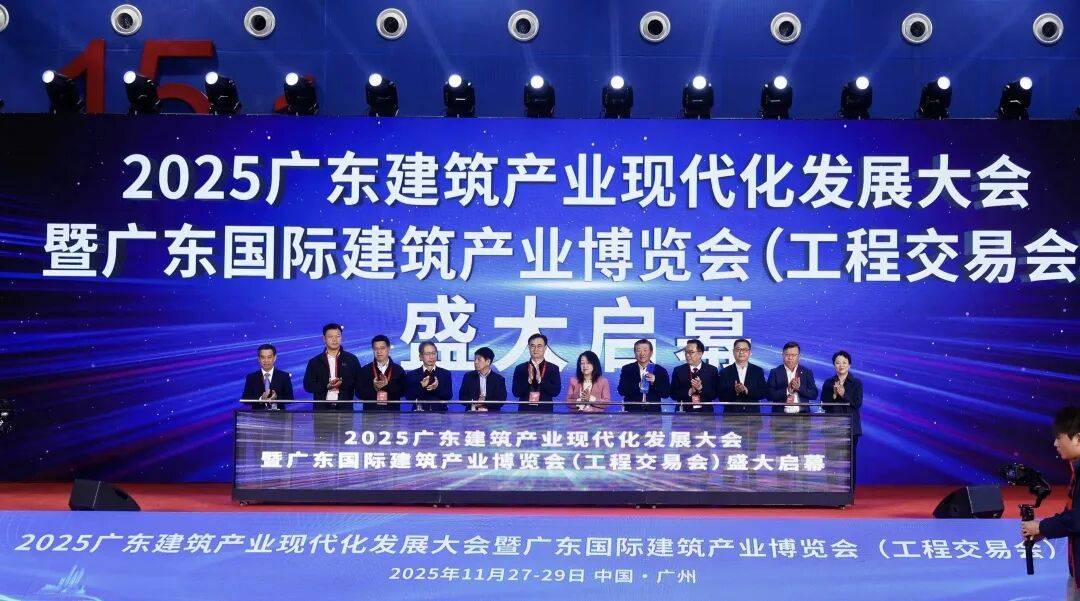
Core Insights - The Beijing Tianma Intelligent Control Industrial Base Phase II EPC project has reached a significant milestone with the successful application of the pit air membrane, marking the first instance of this technology in the Shunyi District, showcasing a breakthrough in innovative and green construction methods [1][3]. Group 1: Technology and Innovation - The air membrane covering system features both airtightness and intelligent control functions, effectively reducing dust, maintaining temperature, and lowering energy consumption during winter, thus creating a controllable "indoor environment" for subsequent pit operations [3]. - The air membrane technology is characterized by its large span, high efficiency, and intelligent features, providing a new solution for complex construction environments [3]. - The main structure of the air membrane is made from high-strength PVDF material, supported by a crisscross steel cable system, creating a highly stable load-bearing system capable of withstanding natural disasters, including typhoons up to level 12 and snow loads of 50 centimeters [3]. Group 2: Environmental Impact and Standards - The air membrane system acts as a fully enclosed, intelligent "protective cover" for the pit operation area, transforming traditional open pit work into a controllable "indoor factory" production, significantly improving the construction environment and reducing dust pollution [3]. - The successful application of the air membrane technology not only ensures the progress and quality of winter construction but also establishes a benchmark for the green and technological transformation of the local construction industry [3].

武汉地下空间科学研究院成立,民营企业领衔进军产业科研
Chang Jiang Ri Bao· 2025-12-02 00:54
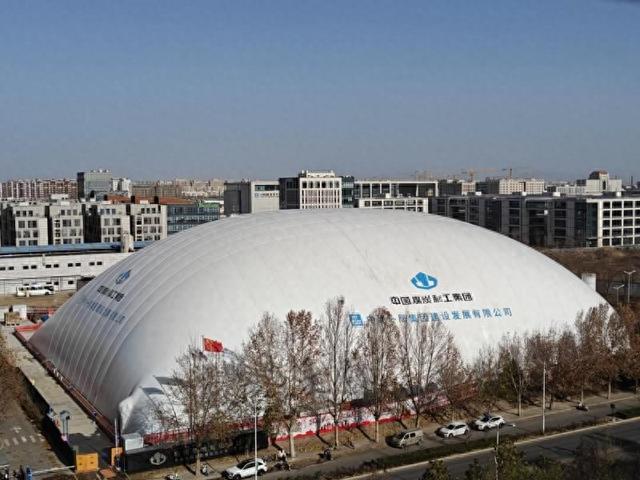
Core Insights - The Wuhan Underground Space Science Research Institute was officially established on November 28, led by the private enterprise Maihao Special Materials Company, in collaboration with several academic institutions [1][3]. Group 1: Company Overview - Maihao Special Materials Company has been deeply involved in the tunnel industry, focusing on new material applications and integrating research, production, sales, and engineering services [7]. - The company has achieved significant milestones, including over 100 million yuan in expected sales this year and an investment of nearly 60 million yuan in technological innovation over the past three years, resulting in 58 patents [7]. Group 2: Research Institute Focus - The research institute will concentrate on seven core areas, including the performance research of shield tunnel segments, structural reinforcement technology, connection technology, fire prevention and sealing technology for large-diameter shield tunnels, and new grouting and equipment technologies [4]. - The establishment of the institute reflects a response to higher engineering technology demands and aims to enhance safety and respect for public property in urban development [4]. Group 3: Project Development - The institute is currently involved in over 10 research projects, including significant studies on intelligent assembly robots for large shield tunnels, structural performance of tunnel joints, and experiments on subway structures [4]. - Following its establishment, the institute plans to increase investment to address emerging technological challenges in tunnel operations, focusing on the development of new technologies and equipment for tunnel reinforcement and sealing [7].
中国十九冶山东公司一项科技成果亮相全省科技创新成果转化应用交流会
Qi Lu Wan Bao· 2025-11-21 12:06
Core Insights - The Shandong Provincial Construction Industry Association held the second Technology Innovation Achievement Transformation Application Promotion and Exchange Conference in Jinan, showcasing innovative achievements from various enterprises [1] - The conference featured 93 achievements from 44 companies, focusing on green low-carbon construction, smart construction, and construction robotics, among other fields [1] - China 19th Metallurgical Corporation Shandong Company presented its "Roller-type Construction Site Vehicle Washing Device," which automates vehicle cleaning, significantly reducing resource consumption compared to traditional methods [1][2] Group 1 - The conference aimed to promote mutual learning and accelerate the transformation and application of technological achievements [1] - Over 360 representatives from construction enterprises, experts, and local construction industry association leaders attended the event [1] - The showcased achievements included innovations in green building materials, green construction, information technology, and energy efficiency in buildings [1] Group 2 - China 19th Metallurgical Corporation Shandong Company has increased its investment in technological research and development, emphasizing the cultivation and introduction of high-level talent [2] - The company has achieved multiple technological breakthroughs in key areas such as green construction and smart construction [2] - Future efforts will focus on integrating technological innovation with project practice, addressing fundamental and practical key technologies, and accelerating the transformation of research achievements to enhance core competitiveness [2]
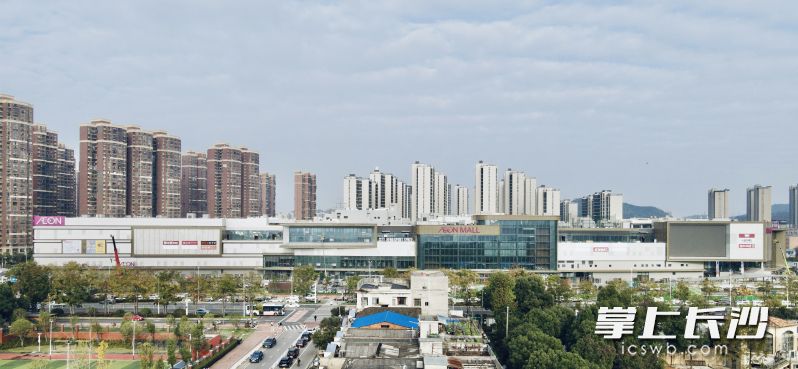
位于湘江新区,这个大型商场月底亮相
Chang Sha Wan Bao· 2025-11-04 11:13
Core Insights - The Yongwang Dream City project in Xiangjiang New District is set to officially open at the end of November, having generated significant anticipation among local residents since its inception [1][6] Project Overview - The project, constructed by China State Construction Engineering Corporation, covers a total area of 236,200 square meters and includes a four-story shopping center and a six-story parking garage [3] - It aims to create a green, three-star commercial complex that integrates dining, furniture, and leisure entertainment, providing a new recreational space for residents [3][6] Construction Achievements - The project was completed in 400 days, nearly four months faster than similar projects, despite facing challenges such as complex geological conditions [3] - Innovative construction methods, including BIM technology and parallel construction techniques, were employed to optimize efficiency and ensure high-quality outcomes [3][5] Sustainability Initiatives - The project targets "Green Building Three-Star + LEED Gold" certification, incorporating sustainable practices throughout the construction process [5] - Low-carbon mechanical and electrical equipment is used, expected to reduce carbon emissions by over 1,000 tons annually, alongside a rainwater recovery system for landscaping [5] Community Engagement - The project team actively engaged with the local community, signing a partnership agreement to minimize construction impact and conducting various public welfare activities [5] - Local residents have expressed positive sentiments about the project, highlighting its benefits for shopping and convenience once completed [5][6]

午评:沪指涨0.06% 北证50指数涨2.05% 锂矿股及量子科技股领涨
Xin Hua Cai Jing· 2025-10-30 05:26
Market Performance - The Shanghai and Shenzhen stock indices opened lower on October 30, with significant declines after initial gap filling, followed by a rebound [1] - The Shanghai Composite Index reached a peak of 4025.70 points, marking a new intraday high for the year [1] - The ChiNext Index also hit a new intraday high of 3331.86 points [1] - By midday, the Shanghai Composite Index was at 4018.86 points, up 0.06%, with a trading volume of approximately 666.8 billion yuan [1] Sector Performance - Sectors such as advertising packaging, transportation services, and die-casting saw significant declines at the opening [1] - Conversely, sectors like China-Korea Free Trade Zone, port shipping, insurance, and steel experienced notable gains [1] - Lithium mining, quantum technology, and military information technology sectors continued to rise during the session [1] Cultural Industry Growth - The cultural industry in China reported a revenue of 1,095.89 billion yuan in the first three quarters of 2025, reflecting a year-on-year growth of 7.9% [4] - Industries characterized by new cultural business models achieved a revenue of 488.6 billion yuan, growing 14.1% year-on-year, outpacing the overall cultural enterprise growth by 6.2 percentage points [4] Policy and Development Initiatives - The Ministry of Housing and Urban-Rural Development emphasized the development of smart and green construction methods to promote high-quality development in the real estate sector [5] - The focus is on optimizing housing supply for urban workers and families in need, while also enhancing the competitiveness of the construction industry globally [5] Financial Support for Emerging Industries - The Export-Import Bank of China completed a task of injecting 100 billion yuan through new policy financial tools, supporting over 360 projects [7] - This financial support is expected to stimulate total project investments exceeding 1.3 trillion yuan, particularly in digital economy and artificial intelligence sectors [7]
10月30日证券之星午间消息汇总:36.74万亿!公募基金总规模年内第六次创历史新高
Sou Hu Cai Jing· 2025-10-30 03:59
Macro News - Shanghai Stock Exchange aims to enhance the integration of artificial intelligence with core productivity, focusing on building advanced computing infrastructure and improving capital market functions to meet large-scale financing needs [1] - Central Huijin and its asset management plans saw their ETF holdings increase by over 200 billion yuan in a single quarter, reaching approximately 1.55 trillion yuan, providing support to the stock market [1] Industry News - The total scale of public funds in China reached 36.74 trillion yuan by the end of September 2025, marking the sixth historical high this year, with significant growth in stock and mixed funds [3] - The Ministry of Housing and Urban-Rural Development emphasizes the need to improve the basic systems for commodity housing development, financing, and sales, aiming to enhance housing supply for urban workers and families in need [4] - OpenAI plans to submit an IPO application as early as the second half of 2026, with a potential valuation of around 1 trillion dollars and aims to raise at least 60 billion dollars [5] Sector Insights - CITIC Securities forecasts that supply tightness will likely drive up prices for copper and cobalt, while lithium prices may benefit from unexpected demand in energy storage [6] - Guosheng Securities notes that electricity prices for thermal power will see an overall increase in 2025, with expectations of improved performance in the third quarter [6] - Galaxy Securities highlights that the consumer electronics industry is navigating challenges and opportunities, with AI becoming a core driver of development, particularly in smart glasses and AI hardware [7]
住建部:因城施策增加改善性住房供给
Zheng Quan Ri Bao Wang· 2025-10-30 03:26
Core Viewpoint - The meeting emphasized the importance of implementing the spirit of the 20th Central Committee's Fourth Plenary Session, which provides fundamental guidance for economic and social development during the 14th Five-Year Plan period [1][3]. Group 1: Implementation of Policies - The meeting highlighted the need to integrate the learning of the Plenary Session's spirit with Xi Jinping's thoughts on socialism with Chinese characteristics for a new era, ensuring that the central government's decisions are reflected in housing and urban construction [2][3]. - A focus on high-quality development was stressed, with an emphasis on urban renewal as a key strategy to optimize urban structure and enhance quality, safety, and sustainability [2]. Group 2: Housing and Urban Development - The meeting called for the establishment of a new model for real estate development, improving the systems for commodity housing development, financing, and sales, while also enhancing the supply of affordable housing to meet the needs of urban workers and families in difficulty [2]. - There is a push for the development of smart and green construction methods, promoting the industrialization, digitalization, and greening of the construction industry to enhance its global competitiveness [2]. Group 3: Quality of Life and Governance - The meeting outlined the need for systematic promotion of high-quality living environments, focusing on the construction of safe, comfortable, and green housing, as well as the renovation of old urban communities [2]. - It was emphasized that governance should be modernized, with increased investment in managing large cities and enhancing community-level governance through improved administrative services and urban management [2][3].