
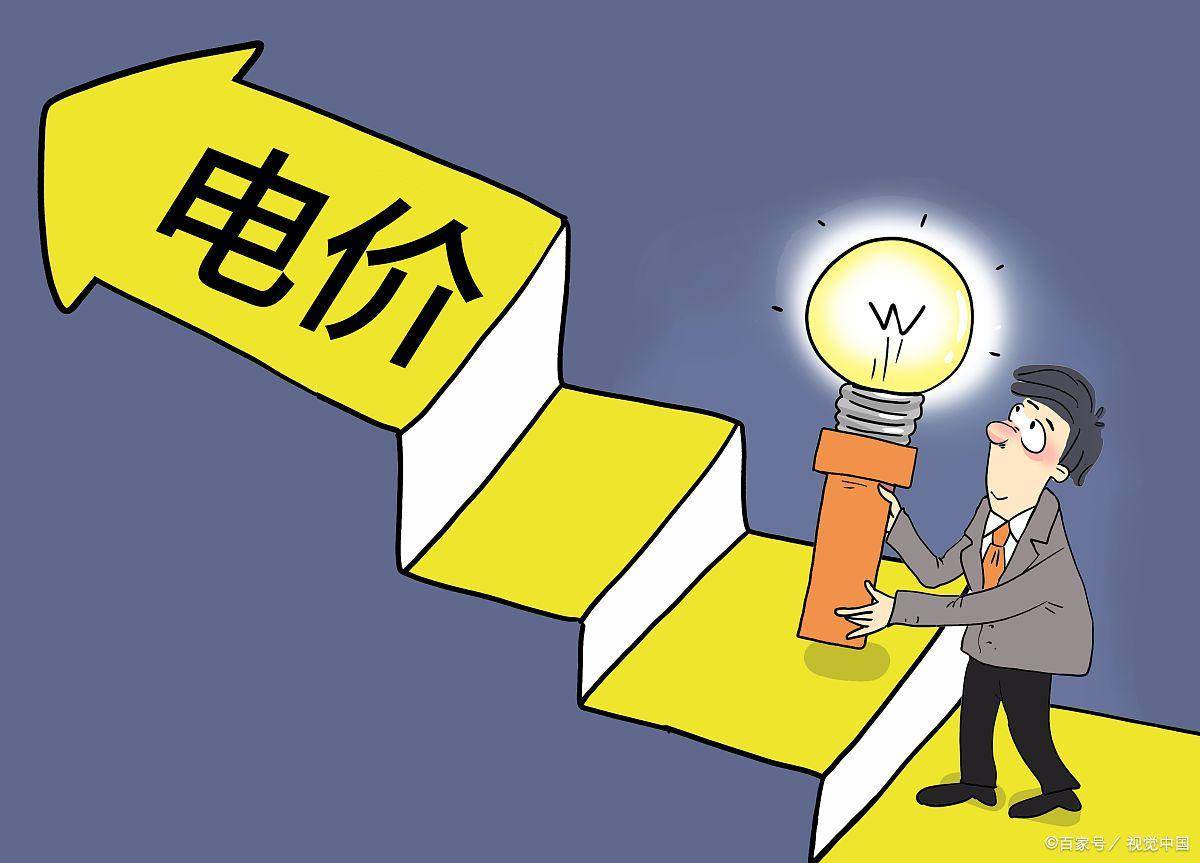
电价调整

Search documents
方正证券:电力行业β偏弱 寻觅结构性α
Zhi Tong Cai Jing· 2025-12-25 01:45
Group 1: Thermal Power - The current year-end electricity price negotiation period is seeing regions like Guangdong, Anhui, Hebei, and Shaanxi implement price difference restriction policies, which are expected to support long-term contract electricity prices for 2026 [1] - The downward pressure on long-term contract electricity prices in 2025 has gained attention from higher authorities, and policies to curb irrational competition are being introduced, which may alleviate the most significant downside risks [1] - The "anti-involution" policy in coal supply is strengthening supply constraints, leading the industry to transition from a phase of "price and volume double decline" to a new stage of "stable prices and increased revenue," potentially driving a revaluation of the sector [1] Group 2: Hydropower - In 2025, hydropower generation in China is expected to stabilize and rebound, with a nearly 30% year-on-year increase in generation during September and October, indicating marginal improvement [2] - As the depreciation of existing units expires and financial costs decrease, the profitability of hydropower companies is anticipated to further improve [2] - Major hydropower companies are characterized by high and sustainable dividend policies, enhancing their defensive attributes and investment value amid an asset scarcity backdrop [2] Group 3: New Energy - The new energy sector is expected to experience a "short-term pressure, long-term positive" trend in 2025, with market price declines in nuclear power suppressing revenue growth [3] - Policy adjustments in regions like Guangdong and the rollback of VAT exemptions for new units are causing structural impacts, but long-term approval acceleration and technological breakthroughs are solidifying growth potential [3] - Wind and solar installations continue to grow significantly, although there are increasing consumption pressures; supportive policies for green electricity consumption and marginal cash flow improvements for some companies are providing support for healthy industry development [3]

波黑塞族共和国拟上调电网费,明年电费或涨10%
Shang Wu Bu Wang Zhan· 2025-12-20 04:24
Core Viewpoint - The Energy Regulatory Commission of the Republika Srpska in Bosnia is set to review a proposal to increase electricity network fees, which could lead to a 10% rise in electricity prices for consumers starting next year [1] Group 1: Proposed Fee Increase - The distribution company in Republika Srpska initially requested a 40% increase in network fees in July, which was later revised to a request for a 46.01% increase [1] - The primary reason for the proposed fee increase is attributed to a rise in the distribution loss price, which has increased by 39.95% [1] Group 2: Regulatory Review - A meeting will be held on Monday in Trebinje to discuss the fee increase proposal submitted by the distribution company [1] - The average distribution price is expected to rise from 40.58% to 46.01% if the proposal is approved [1]
电价迎来重大调整,价差可达4倍?会不会用不起电,交不起电费?
Sou Hu Cai Jing· 2025-11-29 22:13
Core Insights - The recent electricity price adjustments in China are not merely price hikes or cuts but represent a significant overhaul of the entire electricity pricing system, impacting both industrial and residential users [1][10] Group 1: Price Discrepancies - As of January 2025, the peak-valley price difference has exceeded 1 yuan per kilowatt-hour in nine provinces, with Shanghai leading at a peak price difference of 1.81 yuan [3][6] - In Tianjin, the peak-valley price ratio has reached 4:1, with specific time slots designated as low-cost periods, significantly affecting operational costs for businesses [3][4] Group 2: Impact on Industrial Users - Industrial users who adapt their electricity usage to low-cost periods can see substantial savings, with one factory reducing its electricity bill by 30% by shifting energy-intensive processes to off-peak hours [4][7] - Companies are increasingly investing in energy storage systems to capitalize on price differences, turning electricity management into a profit-generating activity [7][8] Group 3: Market Dynamics and Policy Changes - The shift towards market-based pricing is evident, with regions like Shandong implementing a five-tier pricing system that reflects real-time supply and demand [5][6] - The government aims to create a more flexible pricing structure that can respond to fluctuations in energy supply, particularly from renewable sources [8][11] Group 4: Recommendations for Users - Users are advised to understand local pricing policies and adjust their electricity usage accordingly to maximize savings [9][10] - The potential for residential users to benefit from time-of-use pricing, especially those with electric vehicle charging stations, is significant [6][9] Group 5: Future Trends - The trend towards dynamic pricing and real-time adjustments is expected to become more common, requiring both businesses and residential users to adapt their consumption habits [11][12] - The overarching goal of these changes is to optimize energy consumption, support renewable energy integration, and contribute to national carbon neutrality goals [10][12]


12月起电价大调整,居民如何应对节电省钱?
Sou Hu Cai Jing· 2025-11-15 16:59
Core Insights - The article discusses an impending adjustment in electricity pricing in China, set to take effect from December 2025, which has raised concerns among households about potential increases in electricity bills [1][3]. Group 1: Electricity Consumption Trends - The average electricity consumption for households in the past year increased by 12.3% compared to the previous year, indicating a rise in living standards and the proliferation of electrical appliances [1]. - Sales of high-power appliances such as air conditioners and electric water heaters rose by 15.7% year-on-year in the first half of 2025 [1]. Group 2: Changes in Electricity Pricing Structure - The new pricing structure will include a widened difference between peak and off-peak electricity rates, with peak prices potentially increasing by about 20% and off-peak prices decreasing by approximately 10% [3]. - The existing three-tier pricing system may be refined into four or five tiers to better differentiate between varying levels of electricity consumption [3]. - Seasonal pricing adjustments will be implemented, with higher prices during summer and winter peak periods and lower prices in spring and autumn [3]. - A green pricing mechanism will be introduced, offering discounts for electricity generated from renewable sources [3]. Group 3: Rationale Behind Pricing Adjustments - The adjustments aim to balance electricity load and promote energy transition, reducing pressure on the power grid during peak usage times [4]. - If households can shift 10% of their peak electricity usage to off-peak times, it could save approximately 50 billion yuan in annual power equipment investments and enhance grid safety [4]. - The new pricing mechanism is expected to increase the installed capacity of renewable energy sources by about 25% over the next five years [4]. Group 4: Recommendations for Households - Households are advised to analyze their electricity usage patterns to identify areas for potential savings [6]. - Shifting the operation of high-power appliances to off-peak hours can lead to significant savings on electricity bills [6]. - Upgrading to energy-efficient appliances can reduce electricity consumption; for instance, replacing an old refrigerator with a new inverter model can save about 200 kWh annually [6]. - Utilizing smart appliances and monitoring systems can help households optimize their electricity usage based on pricing changes [6][7]. - Implementing small energy-saving habits can accumulate to significant savings over time [7]. Group 5: Community Engagement - Local communities are actively engaging residents through educational initiatives, such as workshops on smart electricity usage and the new pricing structure [9]. - The adjustments in electricity pricing are not merely about increasing costs but are intended to guide rational electricity consumption and optimize energy structure for sustainable use [9].
10月30日证券之星午间消息汇总:36.74万亿!公募基金总规模年内第六次创历史新高
Sou Hu Cai Jing· 2025-10-30 03:59
Macro News - Shanghai Stock Exchange aims to enhance the integration of artificial intelligence with core productivity, focusing on building advanced computing infrastructure and improving capital market functions to meet large-scale financing needs [1] - Central Huijin and its asset management plans saw their ETF holdings increase by over 200 billion yuan in a single quarter, reaching approximately 1.55 trillion yuan, providing support to the stock market [1] Industry News - The total scale of public funds in China reached 36.74 trillion yuan by the end of September 2025, marking the sixth historical high this year, with significant growth in stock and mixed funds [3] - The Ministry of Housing and Urban-Rural Development emphasizes the need to improve the basic systems for commodity housing development, financing, and sales, aiming to enhance housing supply for urban workers and families in need [4] - OpenAI plans to submit an IPO application as early as the second half of 2026, with a potential valuation of around 1 trillion dollars and aims to raise at least 60 billion dollars [5] Sector Insights - CITIC Securities forecasts that supply tightness will likely drive up prices for copper and cobalt, while lithium prices may benefit from unexpected demand in energy storage [6] - Guosheng Securities notes that electricity prices for thermal power will see an overall increase in 2025, with expectations of improved performance in the third quarter [6] - Galaxy Securities highlights that the consumer electronics industry is navigating challenges and opportunities, with AI becoming a core driver of development, particularly in smart glasses and AI hardware [7]
川投能源(600674)2025年三季报点评:来水偏枯拖累单季业绩 大渡河水电放量在即
Xin Lang Cai Jing· 2025-10-22 12:25
Core Viewpoint - The company reported its Q3 2025 financial results, showing a slight increase in revenue but a decline in net profit compared to the previous year [1] Group 1: Financial Performance - For the first three quarters of 2025, the company achieved revenue of 1.14 billion yuan, a year-on-year increase of 4.95%, and a net profit attributable to shareholders of 4.22 billion yuan, a decrease of 4.54% [1] - In Q3 2025, the company reported revenue of 429 million yuan, a year-on-year decrease of 11.30%, and a net profit of 1.76 billion yuan, down 16.96% [1] Group 2: Power Generation and Pricing - The company’s hydropower and photovoltaic generation in Q3 2025 amounted to 2.579 billion kWh and 84 million kWh, representing year-on-year increases of 17.6% and a decrease of 24.3%, respectively [2] - The average on-grid electricity prices for hydropower and photovoltaic in Q3 2025 were 0.119 yuan/kWh and 0.439 yuan/kWh, reflecting year-on-year declines of 28.8% and 9.8% [2] - The total revenue from power generation in Q3 2025 was estimated at 344 million yuan, a decrease of 18.3% year-on-year [2] Group 3: Investment Performance - The company’s investment income in Q3 2025 was 1.762 billion yuan, a decrease of 15.8% year-on-year, primarily due to reduced water flow in the Yarlung Tsangpo River [3] - The company anticipates increased performance contributions from ongoing hydropower projects expected to commence operations in the near future [3] Group 4: Future Outlook - The company projects net profits attributable to shareholders of 4.767 billion yuan, 5.122 billion yuan, and 5.286 billion yuan for 2025, 2026, and 2027, respectively, with corresponding PE ratios of 15.06x, 14.02x, and 13.58x [3]

加纳电价下月上调1.14%
Shang Wu Bu Wang Zhan· 2025-09-25 17:47
Core Viewpoint - The Public Utilities Regulatory Commission (PURC) of Ghana announced a 1.14% increase in electricity prices for all consumer categories effective October 1, while water tariffs will remain unchanged [1]. Group 1: Price Adjustments - Electricity prices will increase by 1.14% for all consumer categories starting October 1 [1]. - Water tariffs will not change, remaining stable despite the electricity price increase [1]. Group 2: Regulatory Mechanism - The decision follows the PURC's quarterly tariff review mechanism, which tracks key economic factors affecting utility service costs [1]. - Key economic factors include the exchange rate of the Ghanaian cedi against the US dollar, domestic inflation, generation structure, and fuel prices, particularly natural gas prices [1].
皖能电力(000543):煤价下行带动盈利能力提升,新投产机组贡献增量
Tianfeng Securities· 2025-09-03 07:15
Investment Rating - The investment rating for the company is "Buy" with a target price not specified [5]. Core Views - The company's profitability has improved due to a decline in coal prices, with new power generation units contributing to incremental growth [2][3]. - The overall revenue for the first half of 2025 was 13.185 billion yuan, a decrease of 5.83% year-on-year, while the net profit attributable to the parent company was 1.082 billion yuan, an increase of 1.05% year-on-year [1][3]. Financial Performance Summary - In the first half of 2025, the average price of coal at Qinhuangdao Port was 706 yuan per ton, down 20.43%, leading to a decrease in operating costs to 11.043 billion yuan, a decline of 10.18% year-on-year [3]. - The gross profit margin for the first half of 2025 was 16.25%, an increase of 4.06 percentage points year-on-year, while the net profit margin improved to 12.30%, up 1.65 percentage points year-on-year [3]. - The company completed investment income of 498 million yuan in the first half of 2025, a decrease of 27.31% year-on-year [3]. Revenue and Profit Forecast - The forecasted net profit attributable to the parent company for 2025-2027 is 2.178 billion, 2.336 billion, and 2.508 billion yuan, respectively, with corresponding P/E ratios of 7.55, 7.03, and 6.55 [4]. - The projected revenue for 2025 is 31.316 billion yuan, with a growth rate of 4.06% [4]. Market Context - The weighted average price of electricity in Anhui Province for 2025 was 412.97 yuan per megawatt-hour, a decrease of 5.35% year-on-year, indicating a slight decline in overall electricity prices [2]. - The total electricity generation in Anhui Province for the first half of 2025 was 138.35 billion kilowatt-hours, down 7.9% year-on-year, which may affect the company's existing power generation units [2].

斯里兰卡电力监管机构:斯里兰卡将家庭用电价格提高15%。
news flash· 2025-06-11 07:51
Core Point - Sri Lanka's electricity regulatory authority has announced a 15% increase in household electricity prices, reflecting the ongoing challenges in the energy sector [1] Group 1: Price Increase - The increase in household electricity prices is set at 15%, which is a significant adjustment for consumers [1] - This price hike is part of broader efforts to address financial sustainability within the electricity sector [1] Group 2: Regulatory Context - The decision comes amid ongoing discussions about energy pricing and regulatory measures in Sri Lanka [1] - The regulatory authority aims to balance the need for revenue generation with consumer affordability [1]