美育

Search documents
全国中小学生绘画书法作品比赛总结颁奖系列活动举行
Zhong Guo Xin Wen Wang· 2025-07-31 08:32
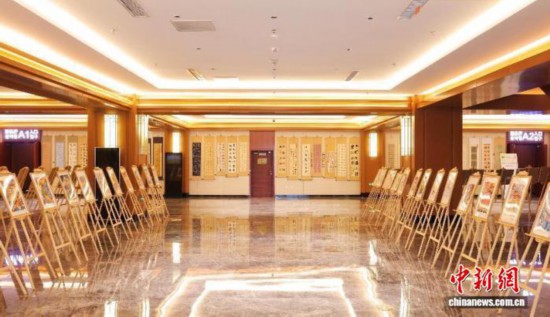
Core Points - The 29th National Primary and Secondary School Painting and Calligraphy Competition summary and award ceremony was held from the 28th to the 31st, with over 1,600 participants including award-winning students, teachers, and representatives from organizing units [1] - The competition received over 1.75 million entries from students across all provinces, regions, and municipalities in China, featuring various types of works including painting, calligraphy, photography, modeling, and digital art [1] - An exhibition titled "Art Blossom Space: Yanbian Tour" showcased 332 selected outstanding works from over 1 million entries [1] Educational Insights - The Director of the China Children’s Center emphasized the importance of aesthetic education as a crucial part of the holistic education system, which enhances aesthetic literacy, moral character, mental health, and fosters innovation [2] - The evaluation of the works adhered to the principle of "professionalism as the measure, education as the foundation," assessing the alignment with the theme, balance between professionalism and childlike innocence, and overall visual impact [2] - The National Primary and Secondary School Painting and Calligraphy Competition has been held for 29 years, establishing itself as a significant national-level public welfare art education event [2]

美育为何重要?北大为中学教师举办的这个夏令营给出答案
Di Yi Cai Jing· 2025-07-30 05:02
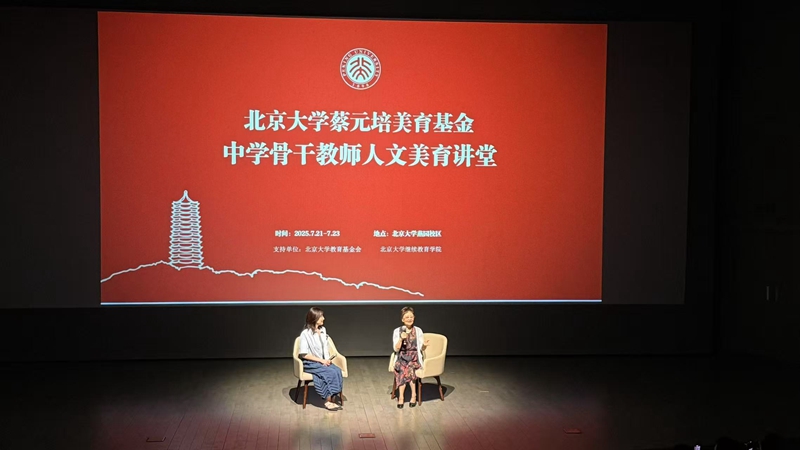
Core Viewpoint - The recent "Aesthetic Education Summer Camp" at Peking University emphasizes the importance of aesthetic education in addressing the challenges faced by students in a highly competitive educational environment, echoing the ideas of educator Cai Yuanpei from over a century ago [1][3][5]. Group 1: Historical Context - Cai Yuanpei was appointed as the president of Peking University in 1916 and proposed the idea of "using aesthetic education instead of religion," placing aesthetic education alongside moral, intellectual, and physical education as the "four educations" [3]. - During his tenure, Peking University established courses in aesthetics and art history, and Cai personally taught aesthetics, which was the only course he taught while president [3]. Group 2: Recent Developments - The Cai Yuanpei Aesthetic Education Fund was established in 2022 by Peking University alumnus Yang Wenbin, aiming to promote aesthetic education and build a strong teaching faculty in this field [5]. - In July 2023, Yang Wenbin set up the Wang Shengmin Aesthetic Education Special Fund to support middle school aesthetic education and facilitate resource connections between Peking University and key middle schools [5]. Group 3: Personal Experiences and Observations - Yang Wenbin shared his personal journey of receiving aesthetic education in middle school, which he believes significantly influenced his academic success at Peking University [6]. - He noted the increasing pressure on students today, contrasting it with his own experience where studying for exams required less repetition, highlighting the detrimental effects of excessive competition on students' creativity and personality development [6]. Group 4: Educational Impact - The summer camp featured lectures from renowned scholars across various fields, reinforcing the idea that aesthetic education is crucial for the comprehensive development of students [3][7]. - A documentary titled "One Life, One Lesson," focusing on Wang Shengmin, a distinguished aesthetic education teacher, will be released in October, further promoting the significance of aesthetic education [7].
奥运精神激荡校园,袋鼠妈妈青春美校园公益行第六站走进西安
Xin Hua Wang· 2025-06-30 11:17
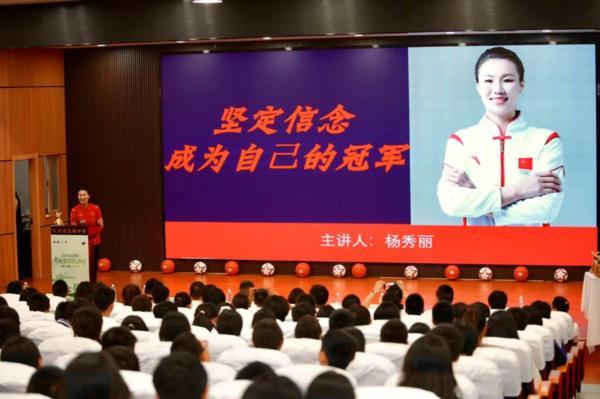
Group 1 - The "2025 Kangaroo Mom Youth Beautiful Campus Public Welfare Tour" focuses on the collaborative development of aesthetic education, moral education, and physical education for youth [1][5] - The event in Xi'an featured Olympic champion Yang Xiuli sharing her experiences and the philosophy of resilience through sports, emphasizing the importance of learning from failures [2][3] - The initiative aims to integrate sports spirit, moral education, and aesthetic pursuits into the daily lives of children, fostering a supportive environment for their growth [8][9] Group 2 - The event included practical skincare education for adolescents, addressing common skin issues during puberty, and promoting scientific skincare practices [6][10] - Local enterprises contributed to the event by donating sports equipment and skincare gift boxes, highlighting community involvement in youth development [9][11] - The Kangaroo Mom Group's commitment to public welfare aligns with national educational goals, aiming to support youth in their growth journey [13]
一场从短视频开始的艺术科普运动
3 6 Ke· 2025-06-19 03:24
Core Insights - The article discusses the emergence of engaging and accessible "aesthetic education videos" on platforms like Douyin, which aim to bridge the gap between art and everyday life, making art appreciation more approachable for the general public [1][2] Group 1: Content Creation and Trends - Creators like @吕宸 and @何老师在发呆 have transformed complex art concepts into relatable short videos, achieving millions of views and likes, thus popularizing aesthetic education beyond traditional classrooms [1][2] - The demand for knowledge-based content is increasing, with platforms prioritizing high-quality content to enhance user retention and ecosystem [2][24] - Creators have shifted from rigid, technical art discussions to more entertaining and relatable narratives, focusing on aesthetic stories that resonate with everyday experiences [2][23] Group 2: Creator Backgrounds and Evolution - The creators @何老师在发呆 and @艺术群星闪耀时 share a background in environmental art design and architecture, which influences their content style and approach [5][6] - After initial struggles, they refined their content strategies, leading to significant engagement and popularity in 2023, with @何老师在发呆 achieving viral success with series like "What is Art?" [6][22] - The creators utilize humor and relatable references to make art content more engaging, breaking down the elitist perception of art [7][15] Group 3: Audience Engagement and Philosophy - The creators emphasize a philosophy of making knowledge accessible and enjoyable, aiming to eliminate the intimidation often associated with learning about art [23][24] - They foster a sense of community by treating their audience as equal participants in knowledge exchange, encouraging interaction and feedback [21][14] - The content appeals to a broad demographic, with a notable female audience, which is atypical for traditional art education platforms [23][26] Group 4: Commercial Opportunities - The rise of aesthetic education content has attracted brand partnerships, with creators integrating advertisements seamlessly into their videos, enhancing viewer experience [24][26] - Monthly advertising revenue for creators can reach significant amounts, indicating a lucrative market for aesthetic education content on social media platforms [26]
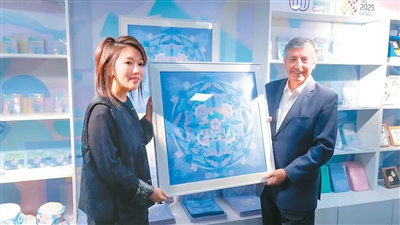
用艺术“点亮”一座城(侨界关注)
Ren Min Ri Bao Hai Wai Ban· 2025-06-15 22:50
Core Viewpoint - The article highlights the artistic contributions of Tian Haisu, a prominent artist and educator from Chengdu, who integrates traditional Chinese culture with contemporary art, particularly in the context of the upcoming 2024 Chengdu World University Games [4][10]. Group 1: Artistic Background and Development - Tian Haisu, a national first-class artist and professor at Chengdu University, aims to bridge Eastern and Western cultures through her art [4]. - She was influenced by the rich history of Tianfu culture and traditional arts from a young age, leading her to explore various painting techniques including ink painting, oil painting, and printmaking [5]. - After studying at the San Francisco Art Institute, she developed a cross-cultural aesthetic paradigm, creating the "Roller Skate Ink Series" that uses roller skates as a medium instead of traditional brushes [5]. Group 2: Notable Works and Contributions - In 2015, she created a significant ink painting titled "Bloodline Mountains and Rivers," which measures 13 meters by 6 meters, showcasing the dynamic potential of traditional ink art [5]. - Tian Haisu returned to Chengdu in 2015 to focus on art education and cultural dissemination, emphasizing her commitment to teaching and community engagement [6]. - She played a key role in designing the mascot "Rongbao" for the 31st World University Games, incorporating elements of Tianfu culture into its design [7][8]. Group 3: Cultural Integration and Public Engagement - Tian Haisu's work includes the "Traveling Panda" series, which combines traditional ink art with modern digital platforms, gaining popularity among the public [9]. - Her creations have led to various cultural products and awards, including the "Happiness Tianfu·Chengdu Gift" special award in 2022 [9]. - In 2024, she was invited to create art for the "World University Games Ronggang Line" train, merging cultural symbols from Chengdu and Hong Kong [10]. Group 4: Philosophy and Future Aspirations - Tian Haisu believes in the power of art to educate and inspire, stating that "art should not be confined to ivory towers" and that everyone can be an artist [11]. - She has dedicated her efforts to social art education, conducting numerous public lectures and donating artworks to various organizations [12]. - Looking ahead, she aims to continue promoting Chinese culture globally and enhancing social art education, believing that art can illuminate lives and cities [12].
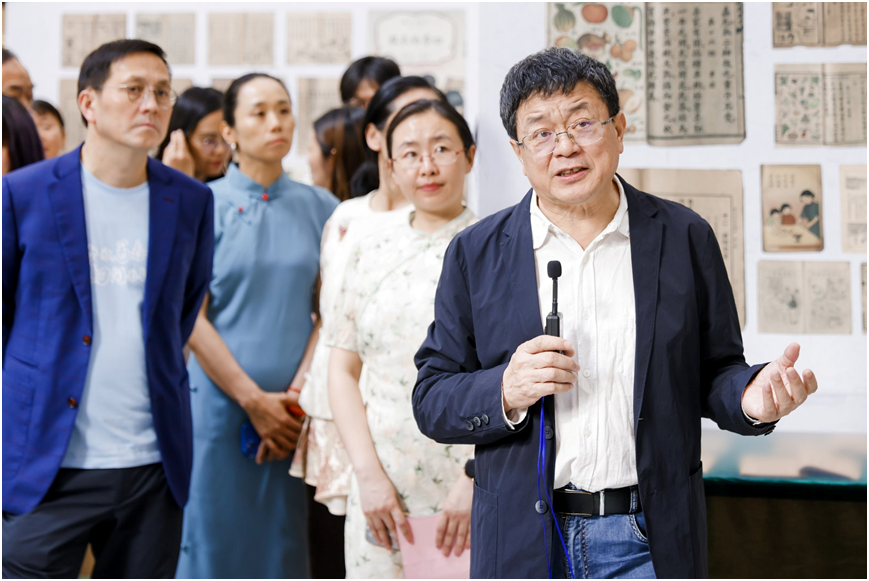
致敬先生
Di Yi Cai Jing· 2025-06-09 11:56
Core Viewpoint - The exhibition "Tribute to the Masters: A Gift for the 120th Anniversary of Fudan University" showcases the contributions of ten prominent educators from the Republic of China era, highlighting their influence on cultural and educational development in China [1][3][18]. Group 1: Exhibition Details - The exhibition is held at the Duoyun Bookstore in Fudan University's Management School and will run until June 25 [3]. - It features a collection of historical materials, including magazines and textbooks, reflecting the educational philosophies and cultural contributions of figures like Ma Xiangbo and Cai Yuanpei [1][6]. - The exhibition is divided into three parts: "Masters," "Magazines," and "Old Textbooks," with the "Magazines" section covering six categories, including news, economics, and literature [4][6]. Group 2: Cultural Significance - The exhibition emphasizes the rich publishing history of Shanghai during the Republic of China, with approximately 80% of the displayed materials published in the city [6]. - It aims to illustrate how educators of that era created high-quality textbooks that significantly impacted youth education amidst a tumultuous historical backdrop [6][12]. - The "Old Textbooks" section showcases how aesthetics were integrated into daily life through education, covering aspects like clothing, food, and living [9][11]. Group 3: Notable Figures - Ma Xiangbo, the founding president of Fudan University, is highlighted for his educational philosophy emphasizing the importance of talent and learning institutions [7][15]. - Other notable figures include Li Denghui, who transformed Fudan into a modern university, and Yan Fuqing, a pioneer in public health education [16][17]. - The exhibition also features biographies of these leaders, detailing their contributions and educational ideals, with a focus on their lasting impact on Fudan University [18].
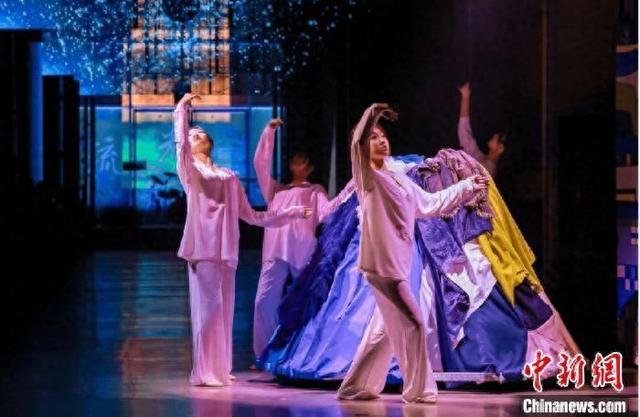
在永定河畔为山区孩子建一间服装设计教室
Zhong Guo Xin Wen Wang· 2025-05-15 07:36
Core Insights - The "Zhu Yi Chang" project, initiated by Beijing Institute of Fashion Technology and the Beijing Municipal Committee of the Democratic Progressive Party, has successfully helped nearly a hundred students from Dayu Middle School gain admission to the institute, establishing it as a quality source of talent [1][4] Group 1: Project Overview - The "8+1" initiative, launched in 2013 under the leadership of the Beijing Municipal Committee of the Chinese Communist Party, aims to support the development of the Mentougou District [1] - The project established a scientific and artistic experimental class in collaboration with Dayu Middle School, creating a new platform for education that integrates science, humanities, and arts [1][5] - Over 11 years, the project has hosted five showcases, allowing students to present their work on stage, including themes like local culture and sustainable development [2] Group 2: Educational Impact - Initial challenges included students' lack of exposure to fashion design, but with guidance, they developed their design concepts and skills [4] - The project has created an immersive aesthetic education environment, enabling students to progress from basic skills to independently completing the entire design process [4] - Students have incorporated local cultural symbols into their designs, enhancing their sense of cultural identity and pride [5] Group 3: Broader Educational Contributions - Beyond the "Zhu Yi Chang" project, the Beijing Institute of Fashion Technology has partnered with six other schools in Mentougou to promote high-quality aesthetic education [5] - The Democratic Progressive Party's Beijing Committee has implemented over 30 projects in Mentougou over 12 years, covering education, culture, and ecology, contributing to the district's comprehensive development [5]
让音乐成为一生的爱好和陪伴(艺近人和)
Ren Min Ri Bao· 2025-05-07 23:00
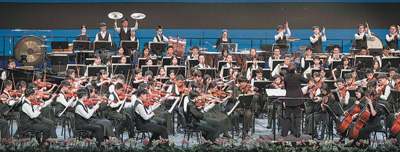
Group 1 - The Guangzhou Youth Symphony Orchestra (GYSO) is the first non-professional youth orchestra in China, established in 2011, and has developed a three-tiered training system for young musicians [1][3] - GYSO has trained nearly 2000 children, with ages ranging from 6 to 25, emphasizing collective music-making and the importance of teamwork in music [1][2] - The orchestra provides professional management and training, with free comprehensive symphonic music training conducted by experienced musicians from the Guangzhou Symphony Orchestra [3][5] Group 2 - GYSO members experience personal growth through music, learning to collaborate and understand the nuances of musical performance, which fosters a sense of community and shared goals [2][4] - The orchestra's activities include international performances, which enhance cultural exchange and allow young musicians to showcase their talents abroad [3][7] - Music education at GYSO integrates various disciplines, promoting a well-rounded development in students, including self-management and critical thinking skills [6][8] Group 3 - The impact of music on personal development is highlighted, with members expressing how their experiences in GYSO have shaped their personalities and life choices [5][6] - GYSO aims to cultivate well-rounded citizens, with only about 15% of members pursuing professional music careers, while the majority carry the love for music throughout their lives [5][6] - The orchestra's philosophy emphasizes the importance of music as a source of joy and personal growth, contributing to the broader cultural and emotional landscape of society [8]
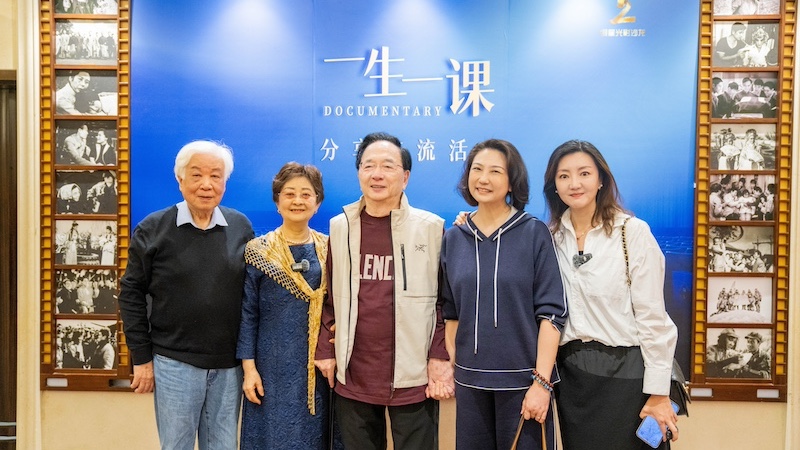
一门40年前开设的美育课,对今天的教育有何启示
Di Yi Cai Jing· 2025-04-24 08:55
Core Insights - The documentary "A Lifetime of Lessons" highlights the significant impact of Wang Shengmin, a pioneer in aesthetic education in China, who has been teaching for 40 years and has influenced thousands of students [1][3] - The film emphasizes the importance of aesthetic education in the context of rapid AI development and challenges faced by traditional education systems [1][4] Group 1: Historical Context - Wang Shengmin began her journey in aesthetic education in 1985, inspired by a UNESCO report that highlighted the lack of artistic and humanistic cultivation among Chinese students [3] - She created the first aesthetic education course in China at Shanghai Nanyang Model High School, which evolved from a 5-minute session to a 45-minute mandatory class [3][4] - Over the years, Wang has authored several works, including "Introduction to Art Appreciation" and "Beautiful Classroom," and was awarded the title of "Specialist Teacher in Aesthetic Education" by the Shanghai government in 1999 [3][4] Group 2: Impact and Legacy - The documentary features interviews with students from different generations, all of whom benefited from Wang's aesthetic education, recalling the value of engaging with art and culture [4][5] - Notable figures, such as composer Chen Gang, have recognized Wang's contributions to aesthetic education, questioning why she remains the only recipient of the "Specialist Teacher in Aesthetic Education" title [4] - The establishment of the Wang Shengmin Aesthetic Education Foundation by her former student Yang Wenbin in 2023 aims to promote aesthetic education further and support the training of more aesthetic educators across the country [5]