
风险减量

Search documents
跨境通赔零障碍 千亿元保障全覆盖
Jin Rong Shi Bao· 2025-11-10 01:37
Core Insights - The 15th National Games, the largest and highest-level comprehensive sports event in China, is being held in Guangdong, Hong Kong, and Macau, marking the first time the event has taken place in these regions [1] - China Life Insurance is the official partner for the event, implementing a "insurance + risk reduction services + technology" model to ensure safety and risk management throughout the event [1][2] Group 1: Risk Management and Technology Integration - China Life Insurance has shifted from a traditional post-claim model to a proactive risk management approach, focusing on risk reduction before and during the event [2] - The company utilizes its proprietary "Wanshang Cloud" platform, integrating AI, big data, IoT, and digital twin technologies to create a comprehensive service system for risk prevention, monitoring, and emergency response [2][3] - A "Sports Center Risk Database" has been established, combining historical insurance claims data with various risk factors to provide scientific risk reduction recommendations [2] Group 2: Comprehensive Insurance Coverage - China Life Insurance has developed a tailored "full-process, multi-dimensional, integrated" insurance plan that covers all aspects of risk from participants to venues, providing over 100 billion yuan in insurance coverage [4] - The insurance products include coverage for athletes, staff, volunteers, and third-party personnel, as well as venue property and equipment [4] Group 3: Cross-Border Claims and Service Efficiency - A collaborative claims mechanism has been established to address the challenges of cross-border insurance services, ensuring information sharing and mutual recognition of claims standards among Guangdong, Hong Kong, and Macau [5][6] - A dedicated green claims channel has been created, allowing participants to submit claims online, significantly speeding up the claims process [6][7] - A 24/7 service hotline and on-site service points have been set up to provide immediate assistance and streamline the claims process for participants [6][7]


保险力量守护“金玉米”政企联动破解秋粮烘干难题
Qi Lu Wan Bao· 2025-10-23 16:19
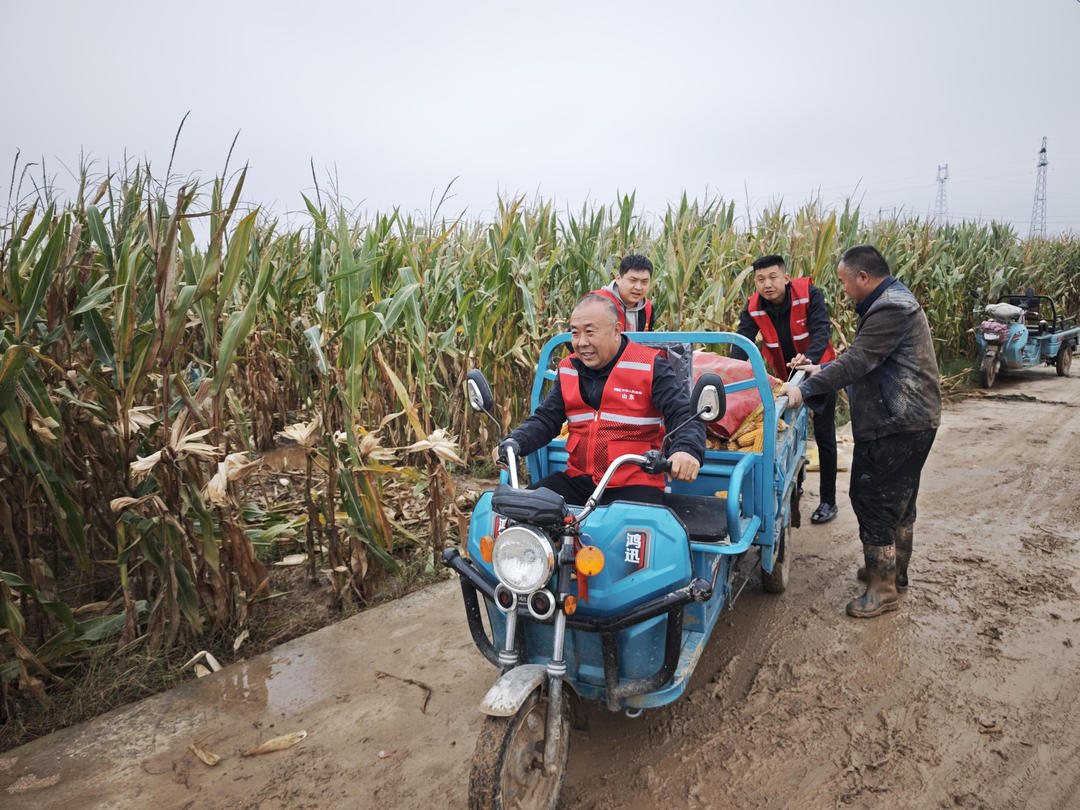
Core Viewpoint - The article highlights the innovative agricultural insurance service provided by China People's Property Insurance in Zaozhuang, which offers free drying services to farmers facing challenges due to continuous rainfall during the autumn harvest, thereby preventing crop spoilage and financial loss [3][5][10]. Group 1: Agricultural Challenges - Continuous autumn rain has led to high moisture levels in harvested corn, reaching 35%-40%, significantly exceeding the safe storage standard of 14% [4]. - Farmers are facing difficulties in selling wet corn due to low purchase prices, around 0.49 yuan per pound, and the risk of spoilage [4][6]. Group 2: Insurance Innovation - The insurance company has shifted its service model from post-disaster compensation to proactive risk prevention by providing free drying services for insured farmers [5][10]. - This initiative is a collaboration between the insurance company, the local finance bureau, and the agricultural bureau, coordinating four drying lines to process up to 80 tons of grain per day [5][6]. Group 3: Risk Management and Support - The insurance service emphasizes a "prevention over compensation" approach, focusing on comprehensive risk management throughout the agricultural production process [6][10]. - The company has established specialized service teams to assist farmers with harvesting, transportation, and drying, thereby minimizing disaster losses [7][8]. Group 4: Policy and Financial Support - The insurance company has upgraded its agricultural insurance policies to include complete cost insurance for corn and wheat, covering all production costs, with per-acre coverage reaching 950-1000 yuan [10]. - Financial support from various government levels covers 80% of the insurance premium, significantly reducing the burden on farmers [10][11]. Group 5: Community Impact - The free drying service and financial support have provided farmers with a sense of security and hope, reinforcing the importance of agricultural insurance in safeguarding their livelihoods [11].


风险减量、信贷支持、及时理赔,山东金融精准护航“三秋”生产
Qi Lu Wan Bao· 2025-10-16 14:01
Core Viewpoint - The article highlights the proactive measures taken by financial institutions in Shandong Province to support farmers during the critical autumn harvest season, particularly in response to adverse weather conditions that have affected crop yields [1][3][14]. Financial Support and Risk Mitigation - Financial institutions are increasing disaster reduction funding and providing specialized financial products to support farmers in their autumn harvest and planting efforts [1][3][12]. - Insurance companies are utilizing technology such as drones and remote sensing to enhance damage assessment efficiency and expedite claims processing [14][15][17]. - The Shandong Provincial Financial Office has organized local financial systems to provide efficient services and support for autumn grain harvesting [3][12]. Agricultural Operations and Equipment - Various financial institutions are coordinating the use of agricultural machinery, such as tracked harvesters and mobile dryers, to assist in the timely harvesting and drying of crops [3][4][7]. - Specific initiatives include the establishment of agricultural machinery reserves and the donation of equipment to enhance drainage capabilities in affected areas [8][4]. Credit and Loan Initiatives - Agricultural banks have been actively providing loans to grain customers, with a reported total of 120.68 billion yuan in loans issued to 11,300 clients this year [11][13]. - The Industrial and Commercial Bank of China has introduced over 40 specialized financing products to meet the diverse needs of farmers during the autumn harvest [12][13]. Technology in Insurance and Claims Processing - Insurance companies are employing drones and remote sensing technology to quickly assess crop damage, with some companies reporting a 50% reduction in the time required for damage assessments [14][15]. - The use of a "green channel" for claims processing has been established to ensure rapid compensation for farmers, with some claims being paid within 24 hours of assessment [14][17]. Community and Volunteer Support - Insurance company volunteers are actively assisting farmers in harvesting crops, demonstrating a community-oriented approach to support during challenging weather conditions [5][7]. - Local financial institutions are also engaging in community outreach to ensure that farmers are aware of available resources and support [11][12].



中国平安推出台风风险地图及巨灾模型,首创行业5大物资应急仓
Hua Xia Shi Bao· 2025-10-13 14:53
Core Viewpoint - The event on October 13 marked the 36th International Day for Disaster Reduction, where China Ping An, in collaboration with various organizations, launched initiatives to enhance disaster resilience and public disaster response capabilities, including the release of the "Typhoon Disaster Prevention and Mitigation System and Guidelines" [1][4]. Group 1: New Tools and Models - Ping An Property & Casualty Insurance introduced the "Ping An Typhoon Risk Map" and "Ping An Typhoon Catastrophe Model," utilizing AI tools for scientific disaster prevention and control [2]. - The "Ping An Typhoon Risk Map" consists of three digital maps that quantify typhoon risks based on historical and observational data, achieving kilometer-level simulation accuracy [2]. - The "Ping An Typhoon Catastrophe Model" estimates the probability and potential losses from typhoon disasters, aiding in catastrophe insurance pricing [2]. Group 2: Emergency Resource Warehouses - Ping An is establishing five emergency resource warehouses across key regions in China, ensuring a 100% response rate to major disasters and covering the entire disaster management process [3]. - The warehouses will provide over 30 types of emergency supplies, including water barriers and pumps, to meet various disaster response needs [3]. - The warehouses are designed for rapid response, with next-day delivery capabilities during disasters [3]. Group 3: Collaborative Efforts and Knowledge Sharing - A collaborative effort led to the publication of a guidebook aimed at enhancing disaster resilience, using case studies from past typhoons to develop a comprehensive knowledge system [4]. - The guidebook offers practical risk assessment and reduction measures tailored for different environments, promoting actionable disaster preparedness [4]. - A strategic partnership was formed between Ping An and the Hainan Meteorological Bureau to enhance data sharing and collaborative development in the meteorological field [5]. Group 4: Community Engagement and Volunteerism - An emergency rescue team composed of volunteers from Ping An pledged to protect public safety through coordinated disaster response efforts [6]. - The event is part of Ping An's broader "Risk Reduction + Public Welfare" initiative, which aims to enhance community disaster preparedness and response capabilities [6]. - The company emphasizes that improving grassroots emergency capabilities is a systematic project, committing to leverage its strengths in insurance, technology, and services for public safety [6].
中国平安推出台风风险地图及巨灾模型 联合发布《台风灾害防灾减灾体系与指南》
Cai Jing Wang· 2025-10-13 13:13
Core Viewpoint - The event on October 13 marked the 36th International Day for Disaster Reduction, where China Ping An, in collaboration with various organizations, launched initiatives to enhance disaster resilience and public disaster response capabilities, including the release of the "Typhoon Disaster Prevention and Mitigation System and Guidelines" [1][4] Group 1: New Tools and Models - Ping An Property & Casualty Insurance introduced the "Ping An Typhoon Risk Map" and "Ping An Typhoon Catastrophe Model," utilizing AI tools for scientific disaster prevention and control [2] - The "Ping An Typhoon Risk Map" consists of three digital maps that quantify typhoon risks based on historical and observational data, achieving kilometer-level simulation accuracy [2] - The "Ping An Typhoon Catastrophe Model" estimates the probability and potential losses from typhoon disasters, aiding in catastrophe insurance pricing [2] Group 2: Emergency Resource Warehouses - Ping An is establishing five emergency resource warehouses across key regions in China, providing comprehensive emergency material services and ensuring 100% response to major disasters [3] - The warehouses will stock over 30 types of emergency supplies, including water barriers and pumps, to meet various disaster response needs [3] - The logistics system allows for next-day delivery of emergency supplies during disasters, facilitating rapid response [3] Group 3: Collaborative Efforts and Knowledge Sharing - A joint publication titled "Typhoon Disaster Prevention and Mitigation System and Guidelines" was released to enhance disaster resilience, using case studies from past typhoons to develop a comprehensive knowledge system [4] - The publication offers practical risk assessment and reduction measures tailored to different environments, promoting actionable disaster preparedness [4] - The event featured discussions among experts and representatives on innovative practices for reducing typhoon disaster risks, emphasizing the collective responsibility of society in enhancing disaster response capabilities [5] Group 4: Community Engagement and Volunteerism - An emergency rescue team composed of volunteers from Ping An's Hainan branch pledged to protect public safety through coordinated disaster response efforts [6] - The event is part of Ping An's broader "Risk Reduction + Public Welfare" initiative, which aims to improve grassroots emergency management capabilities [6] - The company plans to continue leveraging its strengths in insurance, technology, and services to contribute to disaster risk reduction and community safety [6]
AI防风!中国平安推出台风风险地图及巨灾模型联合发布《台风灾害防灾减灾体系与指南》
Jing Ji Guan Cha Wang· 2025-10-13 11:29
Core Viewpoint - The event on October 13 marked the 36th International Day for Disaster Reduction, where China Ping An, in collaboration with various organizations, launched initiatives to enhance disaster resilience and public disaster response capabilities, including the introduction of the "Ping An Typhoon Risk Map" and "Ping An Typhoon Catastrophe Model" [1][2]. Group 1: Disaster Risk Management Initiatives - Ping An Property & Casualty Insurance launched the "Ping An Typhoon Risk Map," which consists of three digital maps assessing typhoon wind, rain, and overall risk, utilizing advanced AI models for kilometer-level simulation accuracy [2]. - The "Ping An Typhoon Catastrophe Model" quantifies the probability and potential losses from typhoon events, aiding in catastrophe insurance pricing [2]. - The "Eagle Eye System" issued 25.9 million disaster warnings and 4.26 billion alerts, covering 64.02 million clients, with an international version, EagleX, introduced for global risk management [2]. Group 2: Emergency Resource Warehouses - Ping An is establishing five emergency resource warehouses across key regions in China, ensuring 100% response to major disasters and providing a full-service loop from pre-disaster to post-disaster [3]. - The warehouses will stock over 30 types of emergency supplies, including water barriers and pumps, to meet various disaster response needs [3]. - The warehouses are designed for rapid response, with next-day delivery capabilities during emergencies [3]. Group 3: Educational and Collaborative Efforts - A collaborative publication titled "Typhoon Disaster Prevention and Mitigation System and Guidelines" was released, aimed at enhancing disaster resilience through a comprehensive knowledge system [4]. - The publication includes practical risk assessment measures for various settings, promoting actionable disaster preparedness [4]. - A strategic partnership was formed between Ping An and the Hainan Meteorological Bureau to enhance data sharing and collaborative development in the meteorological field [5]. Group 4: Community Engagement and Volunteerism - An emergency rescue team composed of volunteers from Ping An pledged to protect public safety through coordinated disaster response efforts [6]. - The event is part of Ping An's broader "Risk Reduction + Public Welfare" initiative, which aims to improve grassroots emergency management capabilities [6]. - The company emphasizes the importance of systematic approaches to disaster preparedness and response, leveraging its strengths in insurance, technology, and service [6].
从灾后赔付到鹰眼预警、无人机巡视:风王“桦加沙”中的保险变革
Di Yi Cai Jing· 2025-09-26 12:01
Core Viewpoint - The article highlights the proactive measures taken by property insurance companies, particularly Ping An Property & Casualty, in response to Typhoon "Haikui," showcasing a shift from traditional compensation roles to risk management and prevention strategies [1][3][12]. Group 1: Proactive Measures and Risk Management - Ping An Property & Casualty established disaster response teams and utilized advanced technology to minimize losses for clients before the typhoon's arrival, sending out 39.6 million warning messages and conducting over 5,000 inspections [1][4][6]. - The company implemented a comprehensive approach to disaster management, focusing on prevention, rescue, and compensation, with a belief that "the best insurance is defense" [4][12]. - Ping An's "Eagle Eye" system played a crucial role in risk assessment, allowing for targeted communication with high-risk clients and facilitating timely interventions [6][13]. Group 2: Timely Compensation and Support - Following the typhoon's impact, Ping An quickly initiated a prepayment compensation plan, disbursing 18 million yuan (approximately 2.5 million USD) for emergency relief efforts [10][11]. - The company set up disaster claim service points in severely affected areas, ensuring rapid response and support for clients, with the first claim payment processed within hours of the disaster [11][12]. - Ping An's commitment to timely compensation reflects a broader industry trend towards enhancing service quality and client support during crises [12][16]. Group 3: Technological Integration and Future Directions - The integration of technology, such as AI and big data, has transformed the insurance model from reactive to proactive, emphasizing risk reduction and management [12][15]. - Ping An's "Eagle Eye" system has evolved significantly, issuing 259,000 disaster warnings and providing extensive on-site services, demonstrating the effectiveness of technology in risk management [15][16]. - The shift towards being a "full-cycle risk management partner" indicates a strategic evolution in the insurance industry, focusing on comprehensive risk management rather than just compensation [12][16].

中国人寿财险滨州市中心支公司防赔并举参与企业安全管理——数据赋能企业风险减量,科技创新保障安全生产
Qi Lu Wan Bao· 2025-09-26 02:23
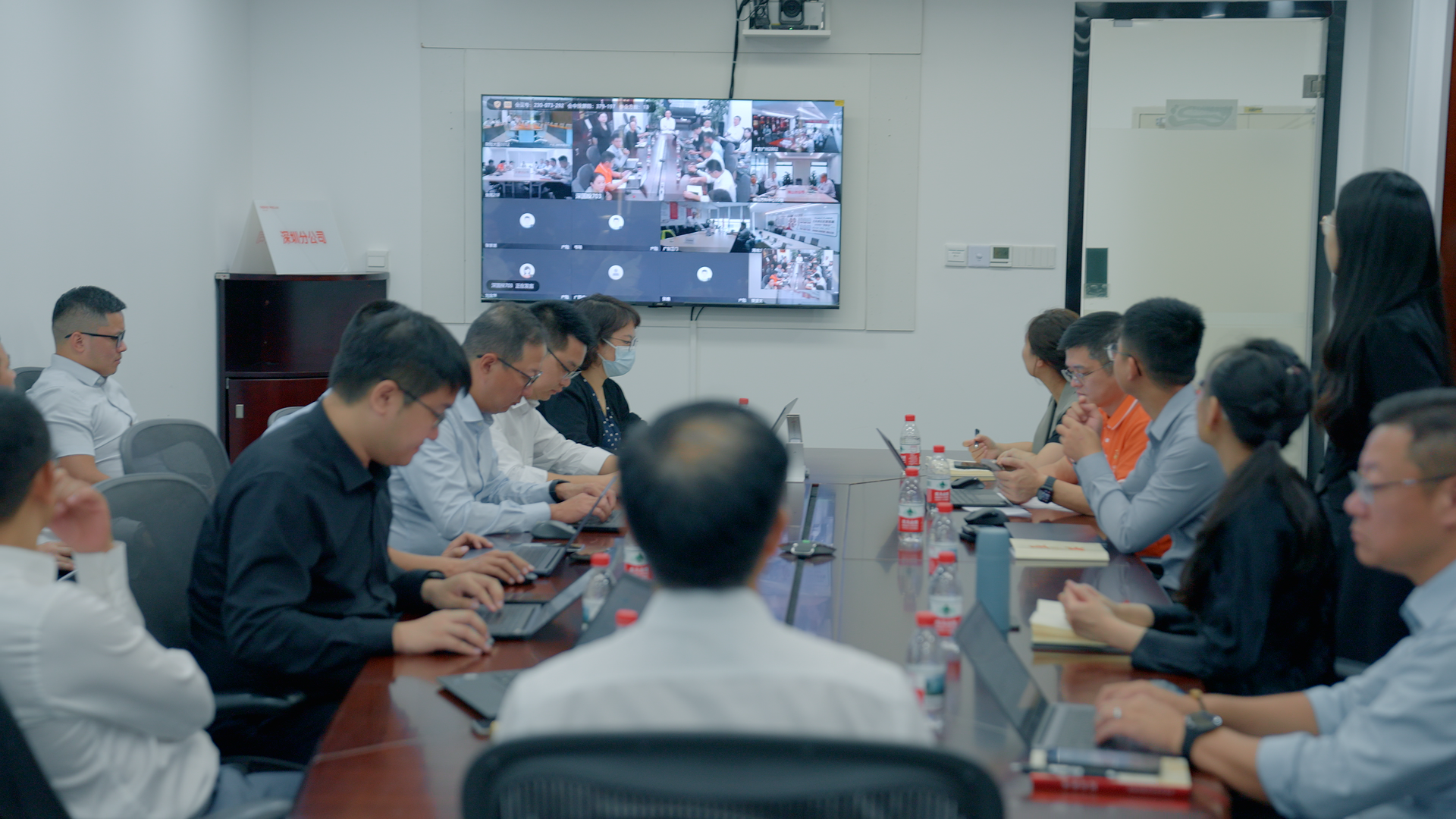
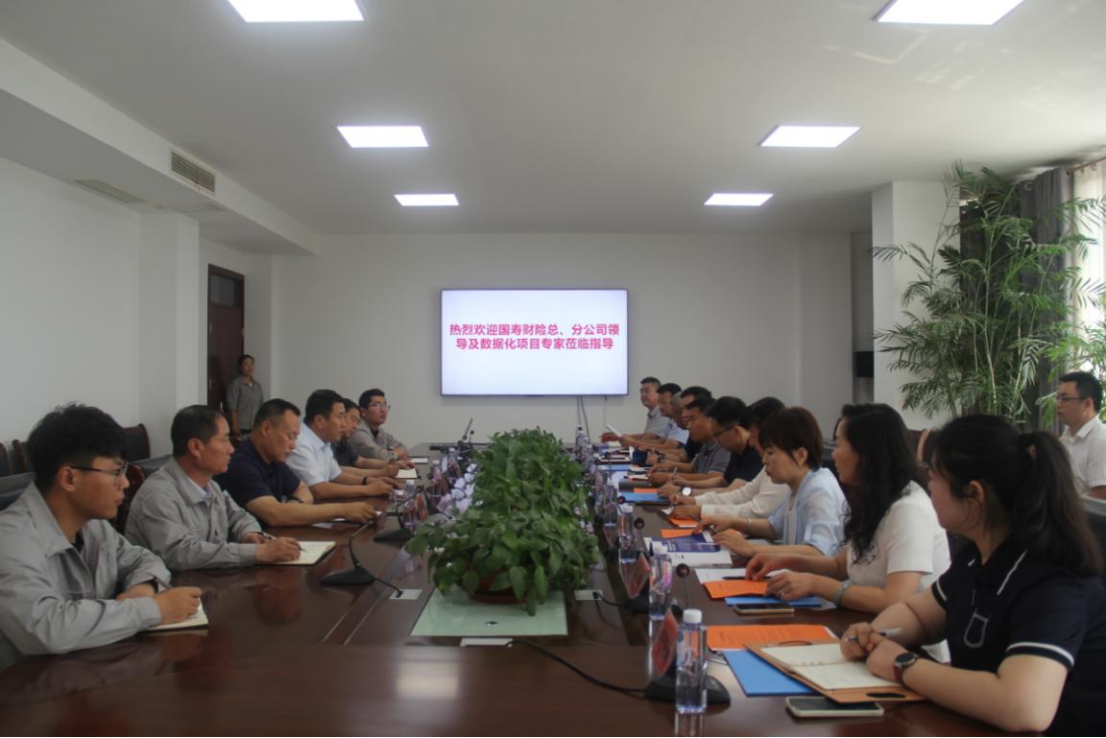
Group 1 - The core idea of the news is the collaboration between China Life Property & Casualty Insurance and Tsinghua University to implement a risk reduction service project focused on safety management through digitalization in enterprises [1][3]. - The project aims to address unsafe behaviors in production, enhance hazard identification, and improve the overall safety culture within companies by utilizing insurance resources and expert training [3][4]. - Since its implementation in April 2024, the project has led to significant improvements in safety management, including the reporting of 803 hazards and a rectification completion rate of 94.52% [4]. Group 2 - The platform enables real-time monitoring, risk warning, and data analysis, enhancing the efficiency of risk management and decision-making in enterprises [4][5]. - The project reflects China Life Property & Casualty Insurance's commitment to customer-centric service and innovation driven by technology, addressing the growing demand for risk management in high-risk industries [5][7]. - Future plans include further optimizing the risk prevention and management service chain, aiming to provide smarter and more comprehensive risk protection solutions for enterprises [7].

从赔付到风控 强台风“桦加沙”应对背后的保险业角色转变
2 1 Shi Ji Jing Ji Bao Dao· 2025-09-24 11:45
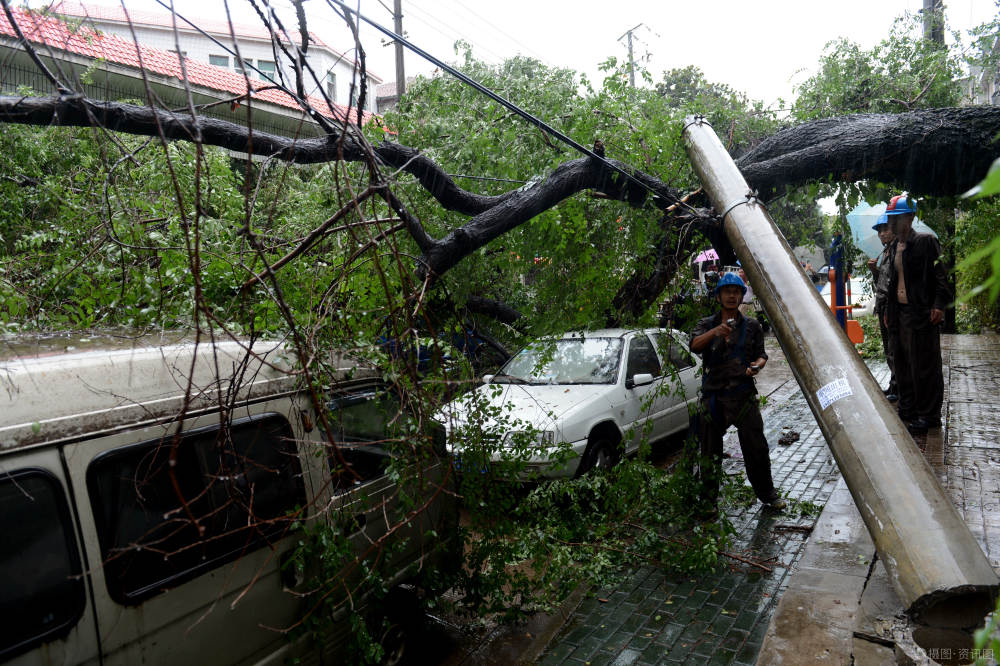
Group 1 - The 18th typhoon "Haikashan" is expected to make landfall in Guangdong from September 23 to 25, with wind speeds reaching 10 to 16 levels and gusts exceeding 17 levels [1] - The insurance industry is proactively preparing for the typhoon, with companies like Ping An Property & Casualty Insurance identifying high-risk clients and initiating risk reduction measures [1][4] - The China Insurance Regulatory Commission has issued a notice to enhance monitoring and response measures, ensuring smooth claims processes for affected individuals [4] Group 2 - China Pacific Insurance has already received 325 claims related to the typhoon by September 24, with 287 claims from auto insurance, 35 from non-auto insurance, and 3 from agricultural insurance [4] - China Life Property & Casualty Insurance has activated a green claims channel, facilitating prompt payments to clients even before the typhoon made landfall, with a total of 6.5 million yuan paid out [5] - Weather index insurance is highlighted as an innovative product that allows for automatic payouts based on predefined weather conditions, streamlining the claims process [5] Group 3 - The insurance industry is transitioning from a reactive claims model to a proactive risk management approach, focusing on pre-warning, prevention, and post-compensation [6][7] - Guangdong has implemented a comprehensive family insurance program to cover common risks, including those from natural disasters, enhancing community resilience [7] - A multi-layered disaster insurance system has been established in Guangdong since 2016, combining fiscal support with catastrophe index insurance to distribute risks from major natural disasters [7][8]
中国人寿财险山东省分公司 为潍坊市秋粮稳产增收“护航”
Zheng Quan Ri Bao Zhi Sheng· 2025-09-21 10:38
Core Viewpoint - The article emphasizes the importance of autumn grain production for national food security and highlights the proactive measures taken by China Life Property & Casualty Insurance in Shandong Province to ensure stable production and support farmers' income through comprehensive risk management and insurance services [1][5]. Group 1: Risk Management and Support Measures - China Life Property & Casualty Insurance has implemented a full-cycle risk management service for crops, including hiring agricultural experts for pest control and promoting high-standard farmland insurance [1][2]. - The company utilizes integrated satellite remote sensing technology to monitor the growth of 279,000 acres of corn and employs drone technology to expedite disaster assessment and claims processing [1][3]. - Collaboration with agricultural departments has led to the distribution of management guidelines and on-site expert guidance to reduce risks associated with crop lodging [2][3]. Group 2: Insurance Products and Coverage - In 2023, the company provided policy-based autumn grain insurance covering 674,500 acres, with a risk guarantee of 640 million yuan, addressing losses from natural disasters and pests [5][6]. - The introduction of supplementary insurance products, such as corn yield insurance and comprehensive meteorological index insurance, allows farmers to choose suitable commercial insurance to bridge the gap between policy insurance and actual income expectations [6][5]. - The shift from production insurance to income insurance has increased the coverage per acre from 950 yuan to 1,000 yuan, enhancing protection for farmers, especially large-scale grain producers [5][6]. Group 3: Technological Integration and Monitoring - The company has partnered with technology firms to conduct remote monitoring of corn growth and disaster conditions, creating monitoring reports to guide farmers in disaster prevention and field management [3][4]. - High-precision remote sensing mapping is being utilized to ensure accurate matching of insured plots with the crops planted, addressing issues of boundary ambiguity and information asymmetry [3][4]. - Continuous inspections of high-standard farmland and facilities are conducted to ensure effective irrigation and drainage during adverse weather conditions [4][3].