高端化发展

Search documents
一块钢板看转型
Liao Ning Ri Bao· 2025-07-27 22:30
Core Viewpoint - The company is focusing on high-end product development to enhance its core competitiveness and address challenges in the steel industry, achieving significant sales growth and quality improvements in its product offerings [1][2]. Group 1: Product Development and Sales Performance - The company has launched 32 new product projects in the first half of the year, achieving sales of 173,900 tons and an increase in profit of 22.72 million yuan [1]. - The sales of flagship products increased by 3.72% year-on-year, while automotive steel sales rose by 5.69% year-on-year [1]. - The quality index, a recognized measure of steel quality in the domestic industry, improved by 13.95% year-on-year [1]. Group 2: Strategic Initiatives for High-End Development - The company is implementing a dual strategy of "technology leadership + product leap" to drive high-end development and transformation [2]. - A core technology list of 56 items has been established, with ongoing technical breakthroughs and monthly progress tracking [2]. - The company has optimized cost indicators in the ironmaking process, achieving the best fuel ratio in nearly a decade and the highest coke ratio in historical terms [2]. Group 3: Smart and Green Manufacturing Practices - The company is advancing smart factory construction and deep data application to enhance operational efficiency, with 26 robotic systems deployed and an 88% CNC rate in key processes [3]. - The company has implemented energy-saving and emission-reduction initiatives, achieving carbon footprint certification for six types of automotive steel products [3]. - The comprehensive energy consumption per ton of steel has reached the highest level in historical terms [3].

工信部:近两年纺织服装行业平均碳排放强度降幅超过14%
Xin Hua Cai Jing· 2025-07-18 08:17
Group 1 - The core viewpoint is that the consumer goods industry is a traditional advantage and important livelihood industry in China, significantly contributing to economic growth and foreign trade exports [1] - In the first half of the year, the added value of the consumer goods industry and the value of export delivery accounted for 27.1% and 25.1% of the total industrial output, respectively [1] - The digitalization of light industry enterprises has reached a tool penetration rate of 86.2%, with management digitalization at 82.3%, laying a strong foundation for the mass production of high-value-added products [1] Group 2 - The textile industry has achieved a numerical control rate of key processes at 65.6% and a digital design tool penetration rate of 84.3% as of the first half of the year [2] - The average carbon emission intensity in the textile and apparel industry has decreased by over 14% in the past two years, indicating ongoing efforts in energy conservation and carbon reduction [2] - The Ministry of Industry and Information Technology has implemented digital transformation plans across various industries, including textiles, light industry, food, and pharmaceuticals, focusing on 82 typical scenarios for intelligent transformation [2]
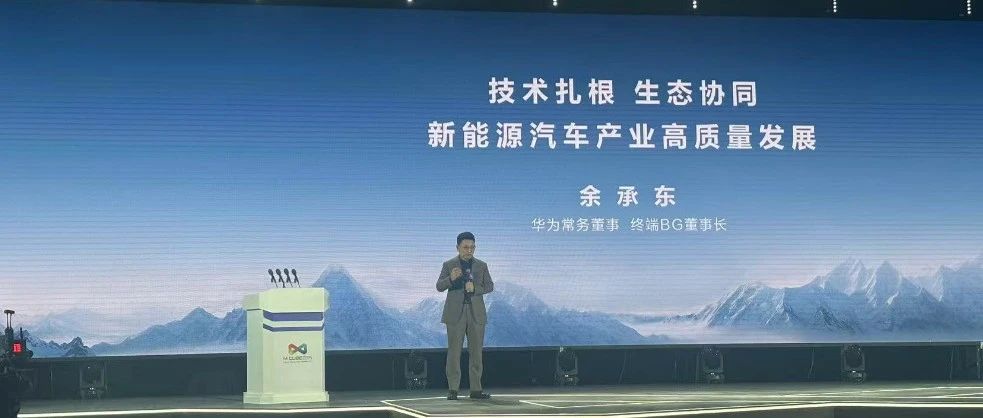
2025年中国微细球形铝粉行业产业链、市场规模、竞争格局及未来趋势研判:国内微细球形铝粉产量领先优势不断扩大,行业规模持续保持增长趋势[图]
Chan Ye Xin Xi Wang· 2025-07-15 01:20
Industry Overview - Micro-fine spherical aluminum powder is a high-performance aluminum powder material, classified as a non-ferrous metal functional powder material. The industry has seen rapid development and expansion in scale due to the accelerating growth of downstream industries such as new energy vehicles and aerospace [1][4] - The industry began in the 1950s in China, utilizing technology from the former Soviet Union to initiate the industrialization process of spherical aluminum powder. Over decades, the application fields have continuously expanded, and the industrial chain has improved [3] Production and Supply - China has become the world's largest producer of micro-fine spherical aluminum powder, with production capacity and output ranking first globally. In 2024, China's annual output increased from 92,000 tons in 2021 to 109,000 tons, maintaining over 60% of the global total output [5][6] - The market supply of coarse and medium-fine powders is relatively sufficient, while fine powder products, essential for solar electronic paste and high-end aluminum pigments, are in short supply due to stringent standards in particle size control and purity [5][6] Market Size and Growth - The market size of China's micro-fine spherical aluminum powder industry is projected to grow from 2.096 billion yuan in 2019 to 2.835 billion yuan in 2024, with expectations to reach approximately 3.789 billion yuan by 2030 [8][10] Downstream Applications - The primary applications of micro-fine spherical aluminum powder are in aluminum pigments and solar electronic paste, which together account for over 55% of the demand for fine powder (average particle size less than 8µm) [10][12] - The production of aluminum pigments has been increasing, with output rising from 42,000 tons in 2018 to around 60,000 tons in 2024, providing strong momentum for the development of the micro-fine spherical aluminum powder industry [10][12] Competitive Landscape - The industry has significant entry barriers, including technical thresholds and capital requirements, leading to a stable competitive landscape. The market is dominated by companies like Xuyang New Materials and Zuxing New Materials, which together hold over 50% market share [14][16] - Xuyang New Materials leads with a market share of approximately 33.98%, while Zuxing New Materials follows with about 24.27% [14] Development Trends - The industry is expected to trend towards micro-fine and spherical products, with increasing demands for product quality and performance from downstream applications [20] - There is a growing emphasis on environmentally friendly and resource-saving practices, driven by heightened public awareness and regulatory policies [21] - The demand for product diversification and customization is increasing, with new application fields emerging as the quality and fineness of aluminum powder improve [22]

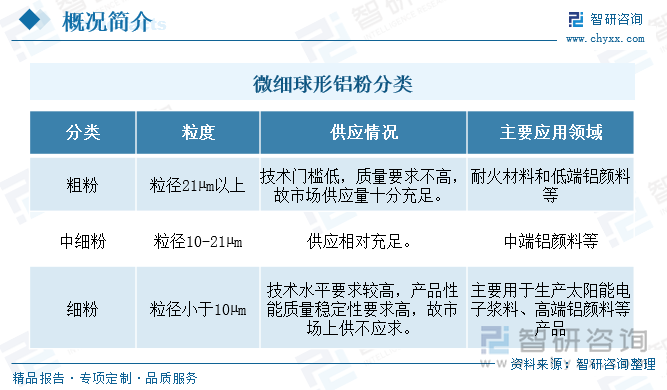
研判2025!中国锂电池注液机行业分类概述、市场现状、代表性企业分析及未来前景展望:市场规模扩大与技术革新双轮驱动,助力产业高质量发展[图]
Chan Ye Xin Xi Wang· 2025-07-01 01:10
Industry Overview - The lithium battery injection machine is a specialized device designed for the electrolyte filling step in lithium battery manufacturing, which is crucial for achieving high performance metrics such as high voltage, energy density, and excellent cycle life [1][4] - The market size for China's lithium battery injection machine industry is projected to reach 8.3 billion yuan in 2024, with a year-on-year growth of 12.16% [1][11] - Recent technological advancements in the injection machine industry, such as vacuum injection technology and intelligent control systems, have significantly improved injection precision and efficiency, supporting the industry's sustained growth [1][11] Industry Development History - The industry has undergone four main stages: 1. Technical accumulation (1990-2000) with low precision and efficiency [4] 2. Technological upgrades (2000-2010) with improved control systems and sensor technology [4] 3. Domestic substitution (2010-2020) where local companies began to break the technology monopoly of Japanese and Korean firms [4] 4. High-end development (2020-present) featuring new types of machines that integrate IoT and AI technologies for enhanced monitoring and maintenance [5] Industry Supply Chain - The upstream of the lithium battery injection machine industry includes raw materials like steel, aluminum, and electrical components, while the midstream involves the manufacturing of injection machines [7] - The downstream is focused on lithium battery production, utilizing injection machines to fill electrolytes into battery cells [7] Market Demand and Growth - The production of lithium-ion batteries in China is expected to reach 29.457 billion units in 2024, reflecting a year-on-year increase of 20.10%, driven by the rapid development of the new energy vehicle and energy storage sectors [9] - The growing emphasis on clean energy and low-carbon transportation is expanding the market for lithium-ion batteries, thereby increasing the demand for efficient and precise injection machines [9] Key Companies and Competitive Landscape - The market is becoming increasingly competitive, with leading companies like Platenus, Greenstone Technology, and Shenzhen Mikan Technology dominating the landscape [13][15] - New entrants are emerging, focusing on niche markets and customized solutions to meet specific customer needs [13] - For instance, Shenzhen Platenus has established a leading position with its pressure dome injection machine technology, widely used by major battery manufacturers [13][15] Future Industry Trends - Continuous technological innovation will drive the industry forward, with a focus on developing new injection technologies and smart control systems [19] - The market demand is expected to grow and diversify, particularly due to the expansion of the new energy vehicle market and the rise of energy storage systems [21] - Increased competition will lead to accelerated industry consolidation, with leading firms leveraging scale and brand influence while new companies seek breakthroughs through innovation [22]




华润啤酒20250617
2025-06-18 00:54
Summary of China Resources Beer Conference Call Company Overview - The conference call discusses **China Resources Beer**, focusing on its sales performance, market strategies, and financial outlook for 2025. Key Points Industry and Market Dynamics - The beer industry is experiencing a complex market environment characterized by **price pressure** and **social devaluation**. Despite these challenges, opportunities for growth remain [2][4][9]. - The company is adapting to changing consumer preferences, emphasizing **diversification**, **personalization**, and **differentiation** in product offerings to maintain competitive advantages [2][8][10]. Sales Performance - In the first five months of the year, sales volume increased by **over 20%**, driven by inventory reduction and brand promotion strategies, including sponsorships of major events like the UEFA Champions League and F1 [2][6]. - The average selling price saw a slight increase, but the overall impact on sales was limited due to changes in the low-end product mix [3][11]. Strategic Initiatives - The company is focusing on **channel inventory management**, having actively reduced inventory levels since the second half of last year, resulting in lower channel inventory pressure [5][7]. - There is a strategic shift from simple promotional activities to enhancing **brand value** and understanding consumer trends to avoid price pressures [2][8]. Financial Outlook - The company aims for **flat or low single-digit growth** in sales volume and selling price for the year, with a target to maintain or improve gross margin by at least **0.95 percentage points** [3][12]. - The dividend payout ratio is planned to increase from **52%** last year to nearly **60%** this year, with a goal of reaching **70%** over the next two years [5][14]. Product Development and Innovation - The company is exploring diversification into other beverage categories, including **soft drinks**, **energy drinks**, and **low-alcohol beverages**, to meet evolving market demands [19][20]. - The **Chao Yong** brand is expected to continue its strong performance, with potential for double-digit growth due to improved packaging and broader consumer appeal [21][22]. Cost Management - The use of cheaper Australian barley and stable packaging material costs have contributed to improved gross margins. The company is also optimizing its product mix to enhance cost efficiency [12][24]. - Overall sales and management expenses are expected to decrease, with a focus on reallocating resources to higher-value projects rather than simply cutting costs [17][18]. Challenges in the White Spirit Market - The white spirit market faces high baseline pressures and inventory issues, prompting the company to focus on specific regions and manage costs to avoid losses [5][13][25]. Channel Strategy - The company is investing in various channels, including nightlife, dining, and emerging channels like instant delivery services, to enhance market presence [7][16]. Impact of External Factors - Hotel capacity restrictions have had minimal impact on beer sales, as the consumer base for beer differs from that of high-alcohol beverages like white spirits [23]. Conclusion - China Resources Beer is navigating a challenging market landscape by focusing on brand value, product differentiation, and strategic channel management while maintaining a positive outlook for growth and shareholder returns.
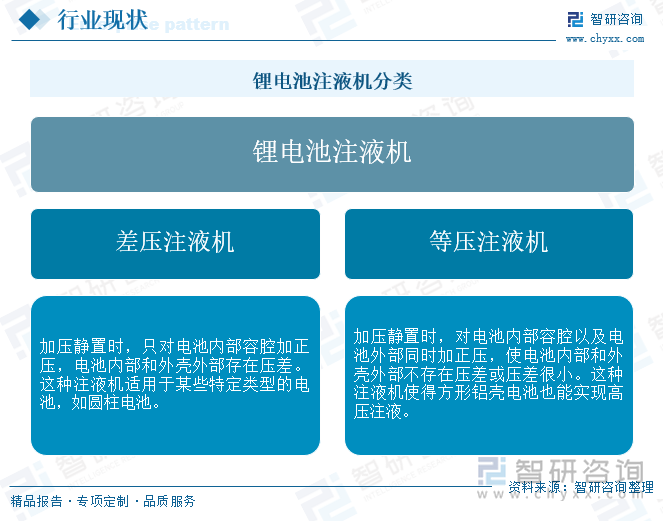
研判2025!中国二甲苯行业分类、发展现状及市场趋势分析:供需宽松与自给率提升施压二甲苯价格,下游需求放缓行业面临挑战[图]
Chan Ye Xin Xi Wang· 2025-06-04 01:36
Industry Overview - The price of xylene with a purity of ≥96% in China is projected to be 6965.37 yuan/ton by the end of 2024, reflecting a month-on-month decrease of 0.57% and a year-on-year decrease of 7.13% [1][9] - Despite the release of new domestic xylene production capacity, downstream demand growth remains stable, leading to a relaxed supply-demand relationship and price suppression [1][9] Industry Development History - The xylene industry in China has undergone five key phases, starting from the introduction of technology in the 1950s to the current focus on green transformation and high-end development [4][5] - The industry saw significant capacity expansion and technological advancements, particularly in the 2011-2020 period, with private enterprises entering the market and achieving breakthroughs in production technology [5][6] Current Industry Status - The xylene industry is characterized by an oligopolistic competition structure, with major players like Sinopec and PetroChina leading the market, while private companies like Hengli Petrochemical and Rongsheng Petrochemical are also gaining ground [13][15] - The self-sufficiency rate of xylene in China is increasing, with a decline in import dependency; in Q1 2025, xylene imports fell to 2.25 million tons, a year-on-year decrease of 4.66% [11] Key Enterprises Performance - Sinopec has a strong technical foundation and production capacity in the xylene sector, with multiple large-scale production bases ensuring high-quality and stable supply [15] - Rongsheng Petrochemical has established the world's largest single-unit refinery project, achieving significant production capabilities and focusing on sustainable development through investments in carbon capture technology [16] Industry Development Trends - The xylene industry is experiencing simultaneous capacity expansion and structural optimization, with leading companies integrating vertically to enhance their competitive edge [18] - Downstream demand is diversifying and becoming more high-end, with traditional markets facing restrictions while new applications, such as electronic-grade xylene, are growing rapidly [19][20] - The international trade landscape is evolving, with increased costs for exports due to mechanisms like the EU's carbon border adjustment, prompting domestic companies to enhance their low-carbon transition efforts [21]




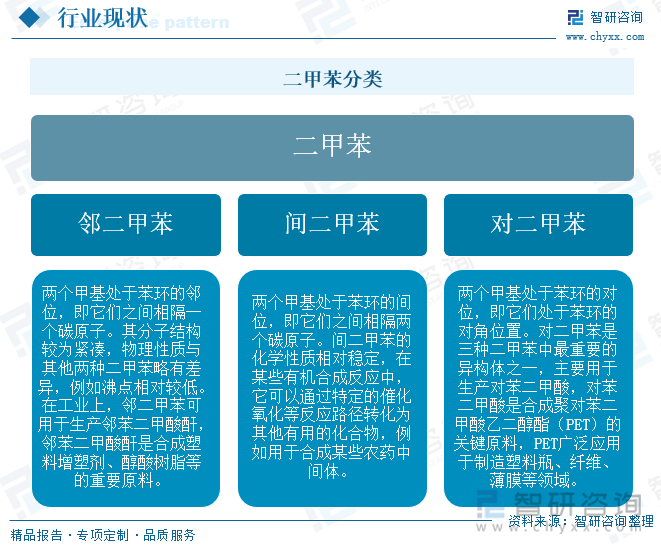
余承东:华为鸿蒙智行只做五个“界”
新华网财经· 2025-06-01 01:21
Core Viewpoint - Huawei's HarmonyOS Smart Mobility has officially launched five vehicle brands in collaboration with various automakers, emphasizing high-quality standards and global competitiveness in the automotive industry [2][4]. Group 1: Brand Development - Huawei has partnered with five automakers to create the brands: Wanjie, Zhijie, Xiangjie, Zunjie, and Shangjie, with the latter being the latest addition [2]. - The company aims to leverage its experience in consumer electronics to assist automakers in reducing errors and enhancing product quality [2]. Group 2: Quality Standards - Huawei's executive emphasizes the importance of maintaining high-quality standards in the automotive industry, advocating for a focus on quality over cost [4]. - The call to action includes encouraging excellence and discouraging mediocrity, as the overall progress of the industry relies on high-quality contributions from all players [4]. Group 3: Industry Collaboration - Executives from partner companies, such as BAIC and Chery, share insights on their collaboration with Huawei, highlighting the importance of aligning strategies and learning from each other [6]. - The collaboration is seen as a way for Chinese automakers to enhance their global presence and adapt to local markets effectively [6].
山东能源新材料公司:舞活销售龙头全力冲刺“双过半”
Zhong Guo Hua Gong Bao· 2025-04-21 02:56
Group 1: Market Expansion and Sales Growth - Shandong Energy New Materials Company actively responds to complex market conditions by implementing strategies to expand markets, optimize products, and adjust structures, resulting in significant increases in revenue and profit [1] - Qichang Tengda, a leader in carbon three and four products, has improved its global sales network and customized differentiated products, achieving an 11% year-on-year increase in export volume in the first quarter [2] - Taixing Company has successfully expanded into emerging markets, gaining six new customers in Southeast Asia and the Middle East, with a 10% increase in export volume [2] Group 2: Product Enhancement and Value Addition - Shandong Fiberglass has shifted its focus from low-value products to high-strength and high-modulus fiber products, resulting in a 108% year-on-year increase in net profit in the first quarter [3] - Dongchen Ruishen has capitalized on the lightweight trend in electric vehicles, achieving a historic sales high in March, with 30% of new customers being domestic replacements [3] Group 3: Differentiation and Transformation - The Calcium-based New Materials Industrial Park has been launched, with differentiated calcium-based products achieving early success [4] - Donghua Technology has filled a regional gap by developing high-standard oil well cement, with the first batch of 500 tons supplied to the high-end market [4] - Fangda New Materials focuses on high-value pipe promotion and has secured over one billion yuan in orders for coated composite steel pipes and lined steel pipes [4]
华润啤酒发布年度业绩 股东应占溢利47.39亿元 同比减少8.03% 高端啤酒销量已经在行业中排在前列
Zhi Tong Cai Jing· 2025-03-18 04:27
华润啤酒发布年度业绩 股东应占溢利47.39亿元 同 比减少8.03% 高端啤酒销量已经在行业中排在前列 面对内外部环境多变、消费分化的存缩量波动时代,集团于2024年实现啤酒销量约10,874,000千 升,表现跑赢主要竞争对手。集团高端化发展持续发力,高档及以上啤酒销量较去年同期取得超过9% 增长,其中,"喜力"在去年高基数的情况下仍取得近两成增长,"老雪"、"红爵"销量基本实现翻倍增 长。根据内部估算,集团在行业高端市场的影响力进一步加大,高端啤酒销量已经在行业中排在前列。 2025年首两个月的初步数据显示,集团啤酒销量在去年高基数的情况下达单位数增长,高端化持续 发展,其中"喜力"销量持续两位数快速增长。受惠于营业额增长及降本增效,集团啤酒业务首两个月未 经审核的未计利息及税项前盈利预计增速快于营业额增速。在去年高基数的情况下,2025年初春节带动 首两个月的表现,为全年表现打好基础。在国家支持提振消费的政策、预计经济稳步增长、之后月份销 量基数不高,以及坚定落实三精的成本费用管理情况下,集团对2025年啤酒业务争取营业额增长和利润 恢复较快增长更有信心,整体表现维持审慎乐观的预期。 华润啤酒(002 ...