
新型能源体系

Search documents
2025第八届中国能源产业发展年会在京举行
Ren Min Ri Bao· 2025-12-04 22:16
党的二十届四中全会《建议》提出,加快建设新型能源体系。持续提高新能源供给比重,推进化石能源 安全可靠有序替代,着力构建新型电力系统,建设能源强国。与会嘉宾认为,构建新型电力系统与建设 能源强国是战略目标与实施路径的深度绑定,建设能源强国是引领电力系统变革的顶层设计,构建新型 电力系统是实现能源强国的必由之路。新型电力系统作为新型能源体系的支撑和关键枢纽,通过关键技 术突破与产业升级,夯实能源强国的技术根基与产业实力。 《 人民日报 》( 2025年12月05日 06 版) 本报北京12月4日电 (渠沛然)12月4日,2025第八届中国能源产业发展年会在北京举行。年会以"构建 新型电力体系 建设能源强国"为主题。 (责编:牛镛、岳弘彬) 关注公众号:人民网财经 本届年会由中国能源报、中国能源研究会主办,G20青年企业家联盟中国总部联合主办,并设置"中东 能源投资论坛"等活动。中央和国家机关有关部门负责同志、外国驻华使节、地方政府主管部门代表、 中外企业负责人和专家学者等参加论坛。 ...
江苏分布式光伏新增装机量已超1650万千瓦
Xin Hua Wang· 2025-12-04 11:18
新华社南京12月4日电(记者何磊静)记者12月4日从国网江苏省电力有限公司获悉,截至今年11月 底的最新数据显示,江苏今年分布式光伏新增装机量已超1650万千瓦,总装机规模已达6221万千瓦,两 项指标均居全国首位。 在全国加快建设新型能源体系背景下,江苏新能源建设不断提速。截至今年11月底,江苏省新能源 装机总量已超1.1亿千瓦,其中分布式光伏占比约72%,成为能源结构调整的重要推动力。 "十四五"期间,江苏分布式光伏从不足800万千瓦,发展到如今超6220万千瓦,年均增量超千万千 瓦。为保障新能源消纳,江苏加快建设新型电力系统,通过提升分布式光伏调控能力、整合建设虚拟电 厂等举措,实现光伏发电高效消纳与灵活调度。 【纠错】 【责任编辑:邱丽芳】 "作为制造业大省,江苏电力需求旺、新能源消纳能力强。分布式光伏'自发自用、余电上网'的特 性,可以匹配广大企业的白昼用电需求,既能降低企业用能成本,又能实现绿色电力就近高效消 纳。"国网江苏电力经济技术研究院能源研究所所长谢珍建说。 ...
重磅!2025中国能源企业500强名单发布
Bei Jing Ri Bao Ke Hu Duan· 2025-12-04 10:07
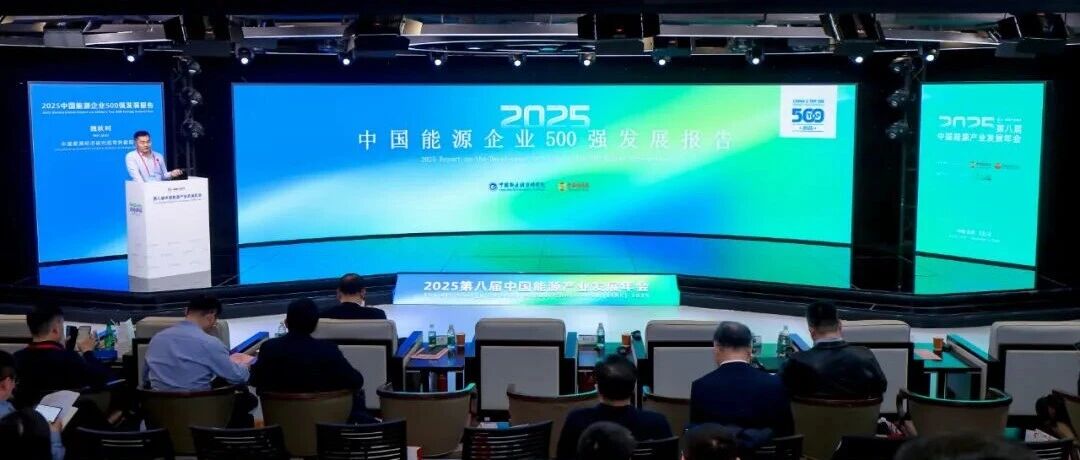
转自:北京日报客户端 重磅!2025中国能源企业500强发展报告发布! 2025中国能源企业500强发展报告发布现场 2024年,全球能源市场呈现供需宽松态势,原油、动力煤价格随市场供给过剩同步下滑,传统能源价格 中枢持续下移。国内层面,鼓励民间投资政策密集落地,能源领域市场准入进一步放宽,核电、储能、 油气支线等重点领域对民企开放力度显著加大,市场活力持续释放。新能源产业面临结构性分化,部分 领域前期盲目扩张导致产能过剩,低价恶性竞争问题日益凸显。电力行业凭借需求端稳步增长与供给侧 结构优化形成共振,实现稳健发展。传统能源领域"增储上产"成效显著,能源安全保障能力持续提升, 但受绿色转型加速和市场需求结构变化影响,转型压力进一步增大。 中国能源企业500强(以下简称"500强")作为能源产业核心力量,是保障安全、推动转型、拉动增长的 中坚力量。本报告基于2024年中国能源企业营业收入等数据,聚焦其规模实力、资本格局、行业发展、 区域分布等角度,为产业高质量发展提供参考。 一 、"500强"营收增速放缓 营业收入总额小幅增长。"500强"实现营收总额33.43万亿元,较上年增长0.01万亿元,同比小幅增长 0 ...




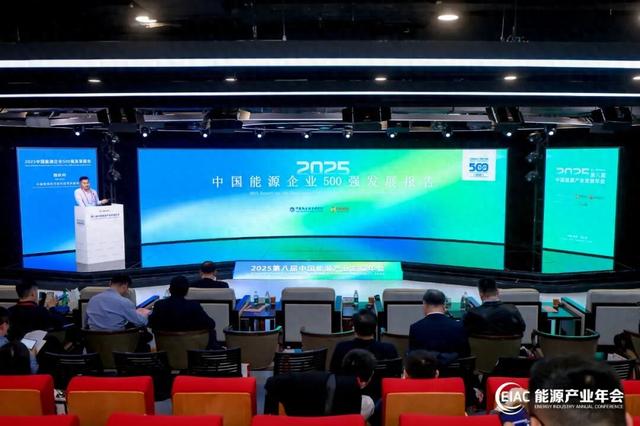
重磅!2025中国能源企业500强发展报告发布!
中国能源报· 2025-12-04 09:01
▲ 2 0 2 5中国能源企业5 0 0强发展报告发布现场 2024年,全球能源市场呈现供需宽松态势,原油、动力煤价格随市场供给过剩同步下滑,传统能源价格中枢持续下移。国内层面,鼓 励民间投资政策密集落地,能源领域市场准入进一步放宽,核电、储能、油气支线等重点领域对民企开放力度显著加大,市场活力持续 释放。新能源产业面临结构性分化,部分领域前期盲目扩张导致产能过剩,低价恶性竞争问题日益凸显。电力行业凭借需求端稳步增长 与供给侧结构优化形成共振,实现稳健发展。传统能源领域"增储上产"成效显著,能源安全保障能力持续提升,但受绿色转型加速和市 场需求结构变化影响,转型压力进一步增大。 中国能源企业500强(以下简称" 500强")作为能源产业核心力量,是保障安全、推动转型、拉动增长的中坚力量。本报告基于2024年 中国能源企业营业收入等数据,聚焦其规模实力、资本格局、行业发展、区域分布等角度,为产业高质量发展提供参考。 一 、" 50 0强"营收增速放缓 营业收入总额小幅增长。" 500强"实现营收总额33.43万亿元,较上年增长0.01万亿元,同比小幅增长0.04%,增幅再次下降(如图1所 示)。 2024年,国 ...

加强能源产供储销体系建设 夯实能源安全供应保障基础
Ren Min Ri Bao· 2025-12-04 01:47
Core Viewpoint - Energy security is a critical issue for national economic and social development, emphasized by Xi Jinping's statements on the importance of energy supply and security [1][2]. Background Situation - China, as the world's largest energy consumer, faces challenges in ensuring energy security amid stable economic growth and increasing energy consumption [2]. - The transition to green and low-carbon energy is ongoing, but renewable energy sources like wind and solar still face reliability issues, impacting grid stability [2]. Main Practices and Achievements - The government has strengthened the energy production, supply, storage, and sales system, effectively meeting energy demands for both livelihood and economic development [3]. - The capacity for energy supply security has been enhanced through the development of renewable energy, with a projected installed capacity of 1.89 billion kilowatts by the end of 2024, accounting for 56% of total installed capacity [4]. - Fossil energy supply has also been improved, with stable crude oil production at 200 million tons and continuous natural gas production increases [4]. Energy Infrastructure Development - A comprehensive energy infrastructure network has been established, enhancing energy transmission capabilities across regions [5]. - By the end of 2024, the length of 220 kV and above transmission lines is expected to reach 960,000 kilometers, with a capacity of 5.78 billion kilovolt-amperes [5]. Energy Reserve Facilities - The construction of coal and gas reserve facilities has been prioritized, improving the government's ability to manage energy supplies [6]. - By the end of 2024, the installed capacity of pumped storage power stations is projected to reach 58.69 million kilowatts, with new energy storage projects increasing by over 130% [6]. Energy Market System - The establishment of a unified national electricity market is underway, with an increasing proportion of market-based electricity transactions [7]. - Reforms in the oil and gas market are being implemented to enhance the efficiency of energy distribution and pricing mechanisms [7]. Ensuring Livelihood Energy Supply - Measures have been taken to ensure energy supply during peak demand periods and major events, with a focus on maintaining stable electricity supply [8]. - Long-term contracts for coal and natural gas are being emphasized to stabilize energy prices and ensure supply [8]. Lessons Learned - A strong energy supply capability is fundamental for energy security, with a focus on both increasing clean energy supply and stabilizing existing fossil fuel production [9]. - The transition to a new energy system must prioritize green transformation while balancing economic and environmental needs [10]. - Coordinated national energy resource management is essential to address the imbalance in energy production and consumption across regions [10].
南方电网持续深耕改革“示范田”
Ren Min Ri Bao· 2025-12-03 22:40
Core Viewpoint - China Southern Power Grid Co., Ltd. (referred to as "Southern Power Grid") is actively implementing reforms in line with national strategies, focusing on high-quality development and establishing itself as a model for state-owned enterprise reform [1][4]. Group 1: Reform and Development - Southern Power Grid is committed to deepening reforms as a fundamental path to promote high-quality development, fostering a culture of proactive reform across all levels of the organization [1][4]. - The company aims to achieve significant breakthroughs and create exemplary practices that contribute to the high-quality development of the industry and the establishment of first-class enterprises [1][4]. Group 2: Function and Mission Enhancement - The company is enhancing its role in technology innovation, industry control, and safety support, aligning its reform direction with national strategies [2]. - Southern Power Grid is integrating digital and green initiatives to promote the construction of a new energy system and a new power system, establishing advanced technology and equipment in its operations [2]. Group 3: Market Development - The Southern Power Market has initiated continuous settlement trials, becoming the first multi-provincial unified electricity spot market in China, facilitating cross-regional optimization of electricity resources [3]. - The green trading system has been established, with a reported cumulative green electricity transaction volume of 4,441 billion kilowatt-hours since 2023, reflecting an annual growth rate of 499% from 2023 to 2025 [3]. Group 4: Institutional Reform - Southern Power Grid is breaking down institutional barriers to create a production relationship that aligns with the modernization process and high-quality development requirements [4]. - The company has integrated party leadership into its governance structure and has become a model for corporate governance among state-owned enterprises [4]. Group 5: Internal Motivation and Responsibility - The company has implemented a new operating responsibility system that emphasizes market-oriented operations and has been recognized as an advanced case in state-owned enterprise reform [5]. - A comprehensive responsibility system has been established to ensure accountability and performance evaluation across the organization [5]. Group 6: Legal Framework and Compliance - Southern Power Grid has developed a legal framework that balances accountability and due diligence, supporting its strategic themes and promoting compliance in operations [6]. - The company emphasizes the importance of reform and innovation as key drivers for success in the current historical context [6].
加强能源产供储销体系建设 夯实能源安全供应保障基础(深学笃行阐释习近平经济思想)
Ren Min Ri Bao· 2025-12-03 22:29
引 言 习近平总书记指出,能源保障和安全事关国计民生,是须臾不可忽视的"国之大者"。《习近平经济文 选》第一卷中的《积极推动我国能源生产和消费革命》一文指出,"能源安全是关系国家经济社会发展 的全局性、战略性问题,对国家繁荣发展、人民生活改善、社会长治久安至关重要。"党的十八大以 来,各有关方面深入学习领会习近平总书记关于能源保供的重要指示批示精神,始终坚持以习近平经济 思想和习近平生态文明思想为指导,深入推进能源产供储销体系建设,多措并举加强供需调节,全面推 进能源高质量发展,不断筑牢能源安全保障根基。 一、背景情况 习近平总书记指出,能源安全事关经济社会发展全局。我国作为世界上最大的能源消费国,如何有效保 障国家能源安全,始终是能源发展的首要问题。从需求端看,我国经济持续稳定增长,终端用能电气化 进程加快,人民对改善生活舒适度意愿增强,带动能源消费较快增长。从供给端看,我国能源绿色低碳 转型持续推进,清洁能源装机占比不断提升,但风电、光伏具有随机性、间歇性和波动性特征,在电量 方面仍处于增量替代阶段,在电力方面难以提供稳定、可靠的电力支撑,在安全方面一定程度上加剧了 电网安全稳定运行风险,实现新能源对传统 ...
“天然铀第一股”中国铀业首日股价涨超280%
Zheng Quan Ri Bao· 2025-12-03 16:13
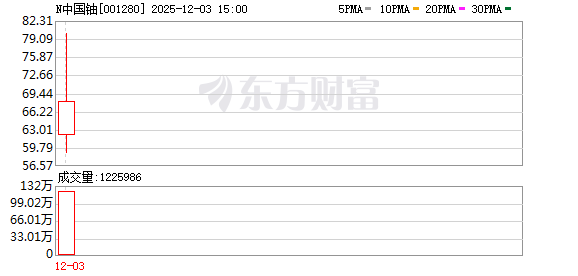
Core Viewpoint - China Uranium Corporation has successfully listed on the Shenzhen Stock Exchange, becoming the first natural uranium stock in the A-share market, with a significant initial price surge and a total market capitalization of 140.62 billion yuan [2][3]. Company Overview - China Uranium is a key subsidiary of China National Nuclear Corporation, specializing in the comprehensive utilization of natural uranium and radioactive co-mineral resources, playing a crucial role in ensuring the supply of natural uranium in China [3][4]. - The company aims to enhance its operational performance and shareholder value through standardized operations and capital empowerment, while contributing to national energy security and the "dual carbon" strategy [2][3]. Financial Performance - Projected revenues for China Uranium from 2022 to 2024 are 10.535 billion yuan, 14.8 billion yuan, and 17.279 billion yuan, respectively, with net profits of 1.52 billion yuan, 1.51 billion yuan, and 1.71 billion yuan [3]. - In the first half of 2025, the company achieved a revenue of 9.55 billion yuan and a net profit of 870 million yuan [3]. Fundraising and Investment Plans - The company plans to raise 4.11 billion yuan through its listing, which will be allocated to domestic natural uranium operations and the comprehensive utilization of radioactive co-mineral resources, as well as to supplement liquidity [4]. - China Uranium holds 19 mining rights and 6 exploration rights across uranium-rich regions in China, establishing a comprehensive production capacity layout [4]. Market Outlook - By 2040, China's nuclear power capacity is expected to reach 200 million kilowatts, with a projected threefold increase in natural uranium demand over the next 15 years, indicating significant growth potential for the company [4]. - The listing is anticipated to accelerate capacity expansion and enhance the domestic supply of nuclear fuel, thereby improving energy independence [4][5]. Industry Trends - The nuclear power sector in China has been experiencing a continuous increase in activity, with approvals for over 10 nuclear power units annually since 2022 [6]. - As of June 30, 2025, China had 58 operational nuclear power units with a total installed capacity of 61,007.74 MWe, and the cumulative power generation from these units increased by 8.06% compared to the previous year [6]. - Investment in nuclear power projects has also seen rapid growth, with a 23.3% year-on-year increase in completed investments from January to September 2025 [6]. Future Prospects - The nuclear power industry is expected to maintain a high growth trajectory, with China Uranium's listing enhancing its resource security and global influence [7]. - The combination of accelerated domestic nuclear power construction and a growing global supply-demand gap is likely to lead to a sustained high prosperity cycle in the nuclear industry for over a decade [7].
规模再创新高,全市场唯一的电网设备ETF(159326)盘中拉升,永福股份领涨
Mei Ri Jing Ji Xin Wen· 2025-12-03 02:34
东莞证券表示,"十五五"规划建议提出加快建设新型能源体系,持续提高新能源供给比重,推进化石能 源安全可靠有序替代,着力构建新型电力系统,建设能源强国。坚持风光水核等多能并举,统筹就地消 纳和外送,促进清洁能源高质量发展。加强化石能源清洁高效利用,推进煤电改造升级和散煤替代。全 面提升电力系统互补互济和安全韧性水平,科学布局抽水蓄能,大力发展新型储能,加快智能电网和微 电网建设。 电网设备ETF(159326)是全市场唯一跟踪中证电网设备主题指数的ETF,从申万三级行业分类上看, 指数成分股的行业分布以输变电设备、电网自动化设备、线缆部件及其他、通信线缆及配套、配电设备 为主,拥有较强的代表性。特高压权重占比高达65%,全市场最高。 12月3日,A股三大指数涨跌不一,电网设备板块企稳明显,截止10点07分,全市场唯一的电网设备ETF (159326)涨幅0.43%,成交额达4303万元,持仓股永福股份、思源电气、华通线缆、双杰电气、东材 科技、海兴电力等股涨幅居前。 电网设备ETF(159326)近期持续获资金关注,已连续4个交易日净流入,合计"吸金"超2.41亿元,最新 规模21.06亿元,创成立以来新高。 ...

吴谋远:深入领会统筹发展和安全 为经济社会发展提供高质量能源保障
Xin Hua Cai Jing· 2025-12-02 14:54
《中共中央关于制定国民经济和社会发展第十五个五年规划的建议》(以下简称《建议》)指出,坚持 统筹发展和安全是"十五五"时期经济社会发展必须遵循的六个原则之一。能源行业作为国民经济和社会 发展中的基础性、支撑性和战略性行业,应准确理解、深入贯彻《建议》要求,将统筹发展和安全内化 于心、外化于行,坚决扛起这一责任使命。 安全是发展的前提,发展是安全的保障。"统筹"意味着要将两者作为一个整体来谋划,而不是"先发展 后安全"或"只安全不发展"。没有安全,发展就是空中楼阁,没有发展,安全就是无源之水,两者必须 相互促进,建立良性循环。 "十五五"期间,我国发展环境面临深刻复杂变化,不确定、难预料的风险因素明显增多,统筹能源发展 和安全的任务更加艰巨。大国博弈竞争升级,单边主义、保护主义抬头,地缘政治局势紧张,能源领域 仍是大国博弈的关键战场。全球经济复苏进程曲折缓慢,新一轮技术革命和产业链供应链转移带来的竞 争更加激烈。地区冲突、市场波动、极端气候等风险频发,任何一方面的"不安全"都可能传导至国内, 冲击我们的发展。我国能源安全面临的风险正从传统能源安全为主向传统能源安全与新型能源安全叠加 转变。一方面,我国油气对外依 ...