营商环境

Search documents
让审计成为助推器、导航仪、瞭望哨(治理者说)
Ren Min Ri Bao· 2025-12-04 22:16
党的二十届四中全会《建议》提出,"加快高水平科技自立自强,引领发展新质生产力"。审计是党和国 家监督体系的重要组成部分,服务新质生产力发展是审计机关的应尽之责。湖北省审计机关对审计的经 济监督定位有了新的认识,自觉围绕大局谋划推进工作,通过有力监督和精准服务,推动新质生产力发 展。 前沿科技瞬息万变,审计必须与时俱进。努力打造复合型审计人才,以"望远镜"视野前瞻布局、"放大 镜"聚焦资金绩效、"显微镜"查找堵点难点、"透视镜"揭示深层问题,定能在加快培育新质生产力、塑 造发展新动能新优势方面展现更大作为,以高质量审计监督服务发展大局。 (作者为湖北省审计厅党组成员、副厅长) 《 人民日报 》( 2025年12月05日 05 版) 夯实技术根基,审计是创新创造的"助推器"。科技创新是发展新质生产力的核心要素。为了支持湖北高 水平科创平台建设,我们在开展科技创新重大资金专项审计中,重点关注武汉光谷科技创新发展,将监 督链条从项目申报、资金拨付延伸至成果转化,既紧盯经费使用的合规性,也评估科研投入的实效性, 推动主管部门优化项目管理流程,疏通"政产学研金服用"之间的堵点,有效提升创新体系整体效能。可 见,审计不是只 ...
湖南武冈税务:以实干之笔 绘就营商环境“清风画卷”
Sou Hu Cai Jing· 2025-12-04 03:02
"前两天申请的37.6万元退税款已顺利到账,我们有资金赶制国外订单了,这样廉洁高效的服务让企业 信心更足了。"近日,湖南康瑄科技有限公司财务负责人杨女士收到退税款后感慨道,现在办理出口退 税全程线上提交资料,款项直达企业账户。这生动的一幕,正是武冈市税务局以实干之笔,绘就营商环 境"清风画卷"的一个缩影。 今年以来,武冈市税务局紧扣"廉洁税务"建设要求,将纪律教育贯穿税收服务全流程,以"廉"筑基、 以"督"提效、以"清"护航,在优化营商环境中筑牢纪律防线,做实税费服务与廉洁文化建设结合文章, 构建"制度筑基、数字赋能、监督护航"三位一体廉洁服务体系,推动全市政治生态日益清朗、风气持续 向好。 针对城乡居民社会保险费征缴等民生领域,武冈市税务局开展"清风护民"专项监督,通过调取系统数 据、实地走访缴费人等方式,核查民生政策执行中的"温差"与"堵点",推动解决"特殊人群参保难""异 地缴费梗阻"等问题7件,确保民生政策在"阳光下"落地落实。 下一步,武冈市税务局将在办税制度、业务流程、内部管理等方面持续创新与完善,推动服务水平在动 态优化中实现规范提升,为辖区经营主体打造一个廉洁高效、方便快捷、诚信友好的税收营商 ...
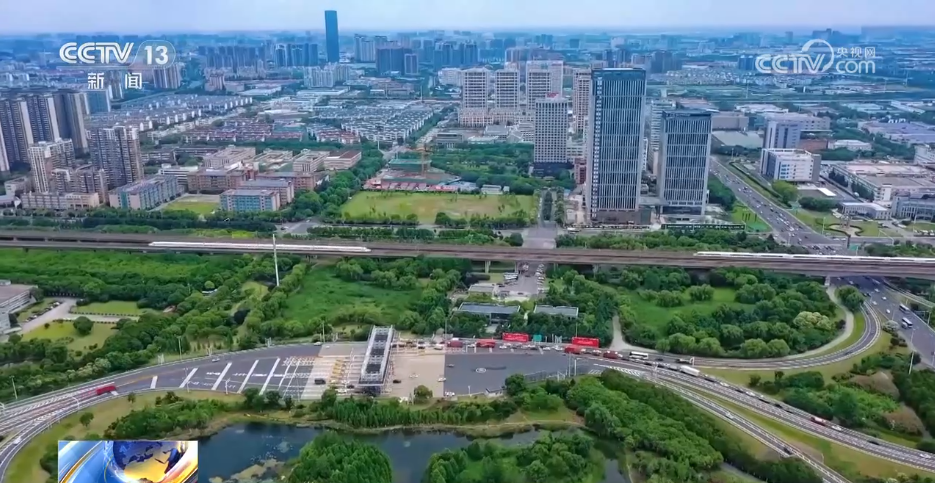
广西日报头版头条 | 全区第一!外资为何青睐钦州
Sou Hu Cai Jing· 2025-12-03 10:56
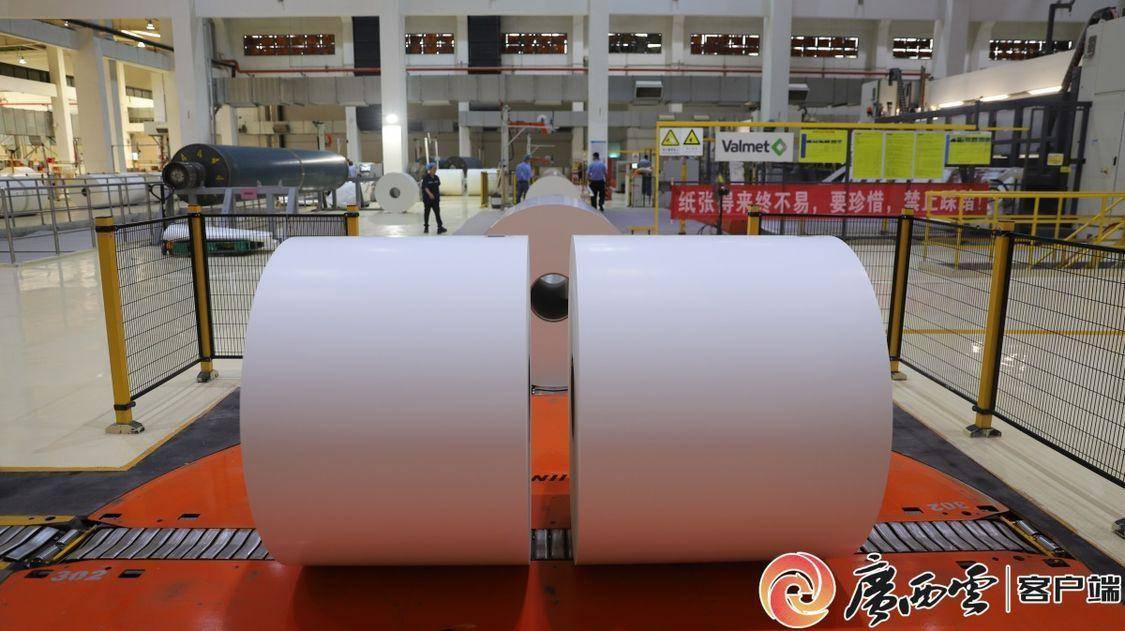
Core Insights - Qinzhou has become an attractive destination for foreign investment due to its strategic location, improving industrial clusters, and favorable business environment [1][2]. Group 1: Foreign Investment and Economic Performance - In the first three quarters of the year, Qinzhou utilized actual foreign investment of $185 million, accounting for 33.7% of the total in the region, maintaining the highest total in the area [1]. - The total import and export volume of Guangxi Jingu Paper Industry Co., Ltd. reached $994 million in the first ten months of the year [1]. - The port's advantages have led to an increase in imports totaling $406 million and exports of $588 million, with 845,000 tons of white cardboard exported [2]. Group 2: Infrastructure and Logistics - Qinzhou has established a robust port infrastructure capable of accommodating 200,000-ton container ships and 300,000-ton oil tankers, with plans to add six new open berths by 2025 [2][5]. - The North Bay Port has opened 91 container shipping routes, covering major ports in coastal China and Southeast Asia, enhancing Qinzhou's role as a maritime gateway [5]. Group 3: Industrial Development and Supply Chain - Qinzhou has developed ten industrial projects with investments exceeding 10 billion yuan, focusing on petrochemicals, new energy materials, and paper production, creating a solid foundation for industrial collaboration [6]. - The presence of leading companies in the China-Malaysia Qinzhou Industrial Park has attracted numerous foreign suppliers, enhancing the local supply chain [8]. Group 4: Business Environment and Support Services - The "one-stop, customized" service model in Qinzhou has facilitated smoother operations for foreign enterprises, allowing for rapid project initiation and completion [10][12]. - The establishment of a cross-border service window in Malaysia has streamlined processes for foreign investment and business operations, enhancing Qinzhou's international business appeal [13][14].

全区第一!外资为何青睐钦州
Guang Xi Ri Bao· 2025-12-03 03:41
Group 1: Economic Development and Investment - In the first three quarters of the year, Qinzhou's actual foreign investment reached $185 million, accounting for 33.7% of the total in Guangxi, maintaining the top position in the region [1] - Qinzhou has attracted 310 foreign enterprises, with 20 new foreign enterprises registered this year, highlighting its appeal to global businesses [1] - The city benefits from its advantageous geographical location, improving industrial chain clusters, and a favorable business environment, making it a preferred choice for foreign investment [1] Group 2: Industry and Infrastructure - Guangxi Jingui Pulp and Paper Co., Ltd. has been operating in Qinzhou since 2006, employing over 2,000 people and generating an annual output value of 10.2 billion yuan, with plans to rank among the top 50 enterprises in Guangxi by 2025 [2] - The North Bay Port has opened 91 container shipping routes, covering major ports in coastal China and Southeast Asia, enhancing Qinzhou's role as a maritime gateway for the western region [3] - Qinzhou has established ten industrial projects with investments exceeding 10 billion yuan each, forming key industrial chains in green chemicals, new energy materials, and food processing [4] Group 3: Logistics and Supply Chain - Guangxi Hongrui Logistics Co., Ltd. has completed the construction of warehouses and yards, providing essential logistics support for the chemical industry in Qinzhou [6] - The completion of the Pinglu Canal is expected to enhance the efficiency of inland transportation, reducing costs for raw materials and finished goods [2] - The presence of major companies like PetroChina and Hengyi has attracted numerous downstream suppliers, strengthening the local supply chain [4] Group 4: Business Services and Support - Qinzhou offers "one-stop, customized" business services, which have significantly reduced operational hurdles for foreign enterprises [7] - The city has established a special service team to assist foreign companies with funding and project modifications, exemplified by the successful capital increase of $160 million for Guangxi Yabo Lithium Industry Co., Ltd. [7] - The establishment of a cross-border service window in Malaysia facilitates foreign investment and provides convenience for overseas enterprises [8]
同翔高新城12个项目集中签约 总投资约180亿元
Zhong Guo Jing Ji Wang· 2025-12-02 05:43
Core Insights - The Xiamen Tongxiang High-tech Zone promotion conference successfully showcased 12 projects with a total planned investment of approximately 18 billion yuan, focusing on key industries such as new energy, new materials, and high-end equipment manufacturing [1] Group 1: Project Highlights - The signing event attracted several industry leaders and national high-tech enterprises, demonstrating the growing industrial cluster advantages and business environment appeal of the Tongxiang High-tech Zone [2] - Major projects include the New Energy An Phase II project with a total investment of 5.7 billion yuan and an additional capacity of approximately 9 GWh, and the Datang Power Xiamen Smart Comprehensive Energy Project with an investment of about 5 billion yuan aimed at creating a modern industrial park with zero net carbon emissions [2] - The Dazhu MicroLED new display laser equipment project has a total investment of approximately 540 million yuan, with its parent company being a leading player in the domestic laser equipment industry [2] Group 2: Supply Chain and Ecosystem Development - Leading companies are driving the establishment of upstream and downstream enterprises, such as Vino, which specializes in mold design and manufacturing, planning to set up operations in Xiamen to enhance supply chain efficiency [3] - The Haifan Machinery project aims to build a high-end handling equipment R&D and production base, with plans for an annual production line of 10,000 high-end new energy forklifts [3] - The signing also includes various quality projects across key sectors, contributing to a resilient and collaborative industrial ecosystem in the Tongxiang High-tech Zone [3] Group 3: Business Environment and Corporate Feedback - Companies expressed that a solid industrial foundation, precise government services, and a favorable business environment were key reasons for their decision to establish operations in the area [4] - The general manager of Kexing Electric highlighted that the port advantages and open nature of Xiamen significantly facilitate product exports, aligning with their strategic goals [4] - The vice president of Puwei Optoelectronics noted that the project timeline from negotiation to construction was halved, saving substantial costs and allowing for a 200% increase in production capacity [4] Group 4: Development Momentum - During the 14th Five-Year Plan period, the Tongxiang High-tech Zone expanded from 10.5 square kilometers to 23.5 square kilometers, attracting over 100,000 residents and initiating more than 70 industrial projects and over 200 supporting projects, with fixed asset investments exceeding 180 billion yuan [5] - The area is gradually forming a trillion-yuan industrial cluster centered on new energy and electronic information, with significant contributions from global leaders like Tianma and CATL [5] - The industrial output value is projected to rise from 16.6 billion yuan in 2021 to nearly 100 billion yuan by 2025, with an average annual growth rate exceeding 50%, making it a crucial engine for Xiamen's economic growth [5]
让民营企业“长壮变强” 河南需解决哪些难点堵点?
Sou Hu Cai Jing· 2025-12-02 01:25
Core Insights - The private economy in Henan has over 11 million entities, ranking first in central China and among the top in the nation, supported by strong government policies aimed at fostering growth [1][2] Group 1: Economic Strengths - Henan's private economy benefits from a complete industrial chain, low logistics costs, and a large market scale, which are crucial for the rapid development of companies like Mixue Ice City [1] - The province's agricultural and manufacturing resources provide strong support for food processing and consumer goods manufacturing, facilitating efficient local supply chain integration [1] - A large population base creates a vast consumer market, while abundant labor resources ensure stable operations for labor-intensive industries [1] Group 2: Challenges and Recommendations - Despite its advantages, Henan's private economy faces challenges in innovation conversion, resource assurance, and industrial upgrading [2] - The province has a high percentage of private enterprises in high-tech sectors, but the efficiency of high-value patent conversion needs improvement [2] - There are ongoing issues with financing for small and micro enterprises, and a talent gap exists [2] - Recommendations include focusing on technology achievement incubation and building a comprehensive, one-stop technology service system to boost innovation [2] Group 3: Policy Support and Environment - Recent policies in Henan aim to enhance the business environment, but there is a need for more systematic and forward-looking approaches [3] - The government has introduced multi-dimensional policy packages to support private enterprises, addressing market barriers and promoting fair competition [4] - A third-party evaluation mechanism has been established to ensure effective implementation of policies [4] Group 4: Future Directions - Experts suggest that the government should create a fair environment for competition and encourage enterprises to learn from successful models [5] - Continuous focus on addressing challenges and enhancing services is essential for the evolution and upgrading of private enterprises in Henan [5]

我国“领跑”全球! 国内有效发明专利拥有量超500万件
Mei Ri Jing Ji Xin Wen· 2025-12-01 14:55
专利密集型产业增加值达到16.87万亿元,占GDP的比重提升到13.04%;全球前5000个品牌中我国品牌 价值达1.81万亿美元,位居全球第二;地理标志产品直接产值接近9700亿元,保持良好增长势头。 鼓励民营经济组织开展高质量知识产权布局 日前,国家知识产权局举行11月例行新闻发布会。 《每日经济新闻》记者在会场了解到,目前,我国已经成为世界上首个国内有效发明专利拥有量超过 500万件的国家,PCT(《专利合作条约》)国际专利申请量连续6年位居全球第一。 我国每万人口高价值发明专利拥有量超15件 国家知识产权局战略规划司司长梁心新介绍,"十四五"以来知识产权工作有三个比较突出的特点。 首先是高价值专利加速积累有力支撑了高水平科技自立自强。截至2025年6月底,我国每万人口高价值 发明专利拥有量达到15.3件,超额实现规划设定的预期目标;其中,战略性新兴产业发明专利有效量超 过140万件,保持较快增长。 从最新国家专利奖获奖情况来看,人工智能、先进制造、集成电路、生物医药、新能源等重点领域涌现 出一大批原创性、引领性创新成果。这充分说明,我国在关键核心技术领域的高价值专利储备不断增 强,正在加快从"量的积累 ...
山东潍坊:“五个逻辑”护航民营经济高质量发展
Zhong Guo Fa Zhan Wang· 2025-12-01 06:27
Core Viewpoint - The city of Weifang is actively enhancing its business environment to support the growth and innovation of private enterprises, aiming for high-quality development of the private economy as part of its broader strategy for urban improvement [1][6]. Group 1: Business Environment - Weifang has established a strong business environment, which is seen as a "lifeline" for the high-quality development of the private economy, recognizing the crucial role of private enterprises in driving market economic growth [8][9]. - The city government has implemented various measures to optimize the business environment, including the establishment of a leadership group for business environment optimization and the introduction of the "Weifang City Business Environment Optimization Regulations" [8][9]. Group 2: Economic Contributions - As of September 2023, Weifang has 1.463 million private economic entities, with private investment accounting for 83.9% of total investment, and the private economy contributing 63% to the regional GDP [6][8]. - The private sector is responsible for 60% of the city's GDP, 70% of investment, 80% of tax revenue, and 90% of employment, highlighting its vital role in the local economy [6][8]. Group 3: Policy and Institutional Support - Weifang has introduced a series of policies aimed at enhancing institutional support for private enterprises, including a streamlined approval process that allows businesses to complete necessary permits in as little as one day [10][11]. - The city has established a project reserve library for private economic projects and is actively promoting private capital participation in major projects, thereby expanding the development space for the private economy [22][23]. Group 4: Innovation and Technology - Innovation is identified as a core driver of growth for private enterprises in Weifang, with the city housing 25 national-level manufacturing champions and 178 provincial-level champions [18][20]. - The local government encourages private enterprises to increase R&D investment and collaborate with universities and research institutions to foster technological innovation [18][20]. Group 5: Talent and Human Resources - Weifang is enhancing its talent attraction strategies by implementing favorable policies to draw high-level talent and innovative teams to the city, thereby invigorating the private economy [15][25]. - The establishment of the Weifang Entrepreneurs' International Alliance aims to consolidate the power of entrepreneurs and facilitate their integration into both domestic and international markets [9][15]. Group 6: Future Outlook - The city is committed to building a modern industrial system and aims to create a first-class business environment to support the sustainable development of the private economy [9][21]. - Weifang's private enterprises are expected to play a significant role in the city's modernization efforts, contributing to a robust and dynamic economic landscape [26].

科技赋能宜居新城,返乡创业正当时!网络传播赋能招商引资专项活动媒体采风团走进株洲
Chang Sha Wan Bao· 2025-11-30 08:09
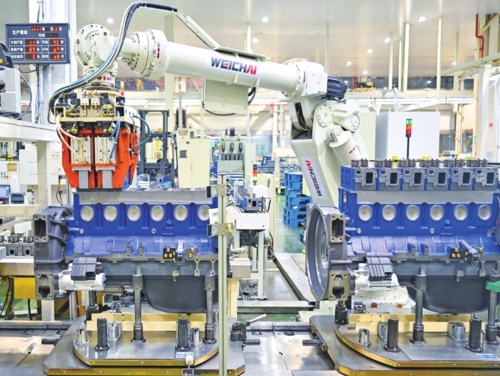
Group 1 - The event "Chain on Hunan, Xiang Create Future" was held in Zhuzhou, focusing on enhancing the industrial ecosystem, business environment, infrastructure, and leading enterprises development [3] - Hunan New Wing Intelligent Technology Co., Ltd. has made significant progress in the low-altitude economy sector, achieving over 1 million flight operations with its logistics drone, the Ark 40, which can carry 10 kg over a distance of 20 km [4] - Hunan Saderet Satellite Technology Co., Ltd. produces over 150 satellites annually using a modular approach that simplifies satellite manufacturing, significantly reducing R&D costs and time [6] Group 2 - The return of local talents has revitalized the county economy, with successful entrepreneurs like Li Hui and Tan Jianguang establishing businesses in Zhuzhou, benefiting from the supportive local business environment [10][11] - Zhuzhou is building a modern industrial system focusing on three advantageous industries (rail transit, aviation power, advanced hard materials) and three strategic industries (electronic information, new energy, high polymer materials) [13] - The continuous optimization of the business environment in Zhuzhou includes policy guidance, financial support, and service guarantees, creating a supportive ecosystem for investors [13]

新闻1+1丨信用修复新规,为企业带来哪些新助力?
Yang Shi Wang· 2025-11-28 17:13
文件征求意见过程中,哪些内容最先达成共识?争议较多的内容又是集中在哪些方面? 央视网消息:近日,市场监管总局公布《市场监督管理信用修复管理办法》,进一步健全信用修复制度,鼓励当事人主动纠正违法失 信行为,重塑良好信用,帮助更多企业"纠错复活"。《新闻1+1》关注:信用修复新规,为企业带来哪些新助力? 新规落地之后 最大的受益群体是什么类型的市场主体? 中国民营经济研究会常务理事 李志起:在我看来,新规出台后,影响面非常大,几乎所有守法经营的企业都会普惠受益。其中可能 最有获得感的企业,是中小企业和个体工商户。我觉得大企业在信用修复方面有自己的能力,有专门的法务团队、公关团队。但是中 小企业,尤其是个体工商户的资源是有限的。一旦信用受损,可能贷款就会被中断,订单就会流失。新规给他们提供了求生通道,可 以用新规来拯救自己的信用,来避免自己面临的巨大风险。 新规最核心的措施是什么?又解决了当下哪些痛点? 李志起:第一点,精细分类,把过失变成轻微、一般、严重三个类别。而且新规中对这三种分类的标准,又做了非常详细、明确的规 定。可能有一些无心之失,过去跟严重的错误一样,被长期公示在社会上,这其实是不公平的,不能够做到过 ...