区域协调发展

Search documents
山东高速主业稳健23年分红217亿 皖通高速携30亿入股加强区域合作
Chang Jiang Shang Bao· 2025-10-22 23:47
Core Viewpoint - The transaction between Shandong Expressway and Anhui Expressway marks a significant development in the A-share highway sector, with Shandong Expressway Group transferring 7% of its shares to Anhui Expressway for approximately 30.19 billion yuan, enhancing strategic cooperation and regional development [3][4][9]. Group 1: Transaction Details - Shandong Expressway Group will transfer 338 million shares (7% stake) at a price of 8.92 yuan per share, totaling about 30.19 billion yuan [4]. - Post-transaction, Shandong Expressway Group's ownership will decrease to 63.57%, while Anhui Expressway will become the third-largest shareholder with a 7% stake [5][9]. Group 2: Strategic Implications - The share transfer aims to optimize Shandong Expressway's equity structure and enhance regional strategic collaboration, improving service quality and operational efficiency [3][9]. - Anhui Expressway, as the only publicly listed highway company in Anhui, seeks to expand effective investments and strengthen its core business through this acquisition [5][6]. Group 3: Financial Performance - In the first half of 2025, Shandong Expressway reported revenues of 10.73 billion yuan, with a net profit of 1.696 billion yuan, reflecting a 3.89% year-on-year increase [6][9]. - Anhui Expressway achieved revenues of 3.741 billion yuan and a net profit of 960 million yuan, marking growths of 11.72% and 4% respectively in the same period [6][7]. Group 4: Operational Overview - Shandong Expressway operates approximately 2,913 kilometers of toll road assets, with a focus on core businesses in toll road operations and diversified investments in related sectors [8][9]. - The company has maintained a high cash dividend policy, distributing a total of 21.739 billion yuan since its listing [9].


【港珠澳大桥开通七年】架起三地融合“快车道”
Yang Shi Wang· 2025-10-22 17:22
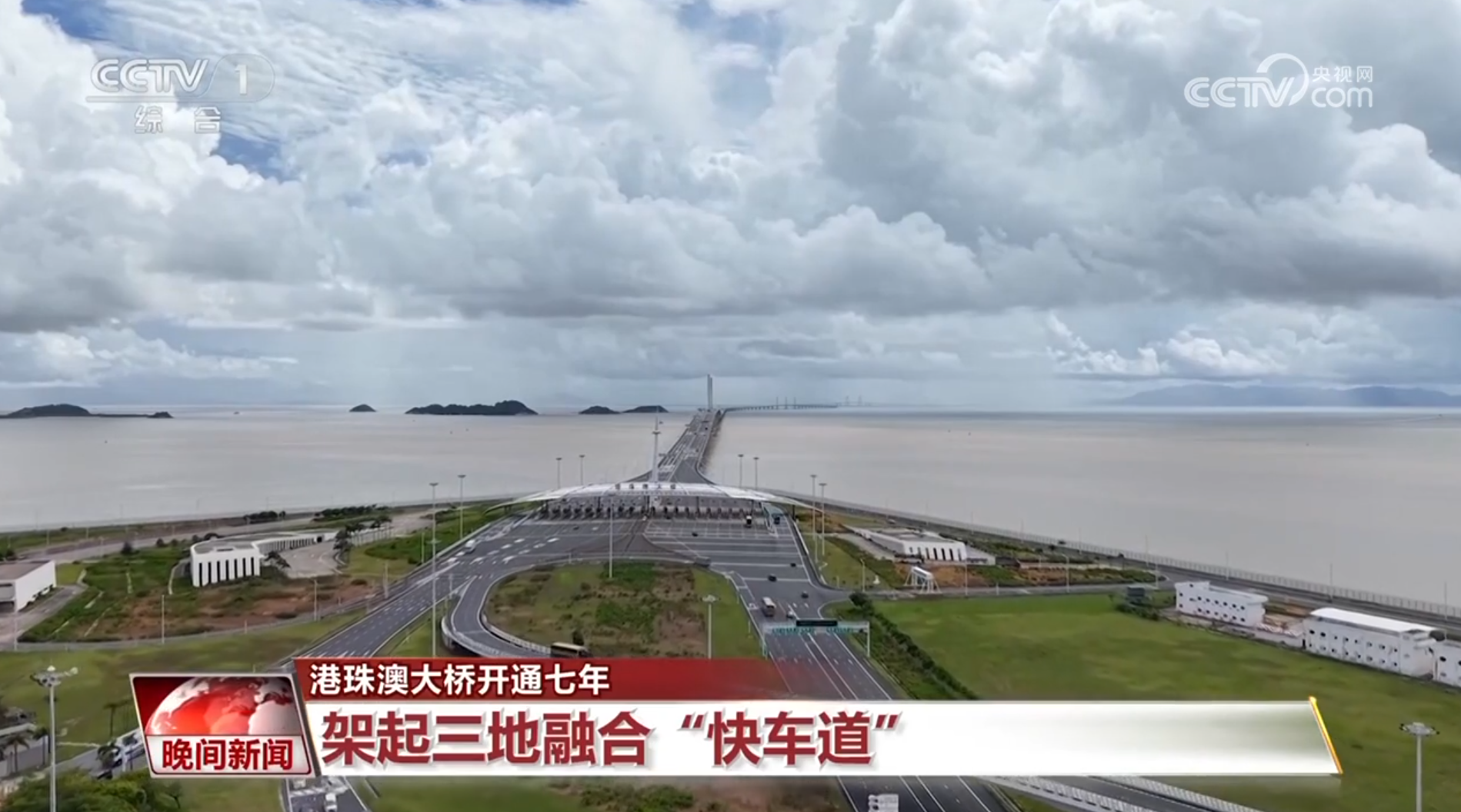
央视网消息:港珠澳大桥自2018年10月23日正式开通以来,已成为粤港澳三地融合发展的重要纽带。7年间,经珠海公路口岸往来三地的旅客数量超 9334万人次,车辆累计逾1942万辆次。 随着内地赴港澳"个人游"城市扩容、"一签多行""一周一行"政策落地,跨城旅游线路广受欢迎,今年以来内地旅客查验量超1015万人次,其中持港澳旅 游签注者超460万人次,均创同期新高。2023 年"澳车北上""港车北上" 政策先后实施,目前边检备案港澳司机超19.9 万人、车辆超16.4 万辆,港澳居民自驾 "北上" 需求大幅增长。 七年来,经港珠澳大桥珠海公路口岸进出口总值累计1.24万亿元,月均进出口值从开通初41亿元升至今年超254亿元,增长超5倍。货物收发地覆盖内地 31省区市及200多个国家和地区。 七年来,港珠澳大桥实现了从"物理联通"到"经济融合""民生互通"的跨越,成为我国推动区域协调发展、扩大对外开放的标志性成果。 ...
无锡连云港专精特新产业园高标准厂房竣工 打造区域产业协同新标杆
Yang Zi Wan Bao Wang· 2025-10-22 11:32
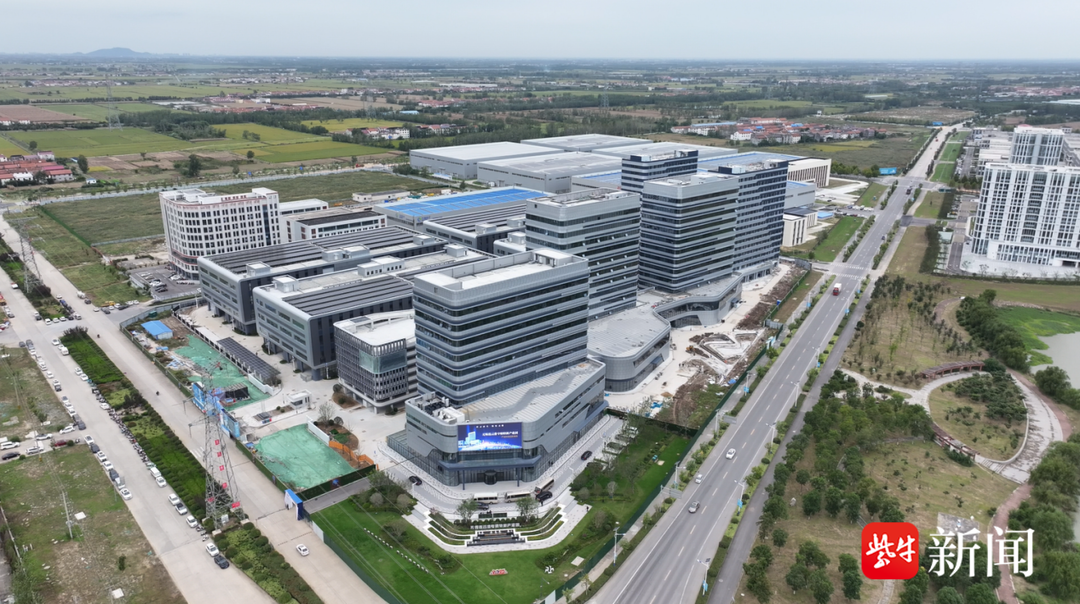
Core Viewpoint - The completion of the high-standard factory buildings in the Wuxi Lianyungang Specialized, Refined, Characteristic, and Innovative Industry Park marks a significant milestone in regional coordinated development and the exploration of new productive forces in the area [1][3]. Group 1: Project Overview - The Wuxi Lianyungang Specialized, Refined, Characteristic, and Innovative Industry Park is the first industrial park project developed by Jiangsu Xilian Industrial Park Investment Development Co., Ltd. in the Wuxi Lianyungang Industrial Park, aiming for high-quality development from the outset [3]. - The project has set multiple records in Lianyungang, including being the first new industrial land project, the first high-rise industrial building project, and the first ground parking building project [3]. - The first phase of the project covers an area of 59,000 square meters, achieving a total construction area of 162,000 square meters with a high plot ratio of 2.7, optimizing land resource utilization and activating new momentum for regional industrial development [3]. Group 2: Quality Management and Construction - To ensure high-standard construction, the project has implemented a comprehensive quality and safety management system, conducting daily inspections with the general contractor and supervision units, and employing a third-party quality inspection agency [3]. - Strict management protocols for material sampling and quality control have been established to guarantee top-notch construction quality and aesthetic appeal [3]. Group 3: Economic Impact and Future Plans - The completed 60,000 square meters of high-standard factory buildings have already shown positive results in attracting tenants, with projects in high-end equipment manufacturing, new-generation information technology, and new energy signed for occupancy [5]. - The park aims to break traditional industrial space limitations by providing a diverse range of spaces for technology research and development, business offices, and commercial finance, creating a "one-stop" industrial service ecosystem [5]. - The park will focus on specialized, refined, characteristic, and innovative industries, enhancing project attraction efforts and optimizing service support to contribute to high-quality economic development in the Haizhou District [6]. - The park has adopted a multi-dimensional investment attraction system, achieving over 50% occupancy rate for signed projects and attracting approximately 3.72 billion yuan in investments, filling regional industrial gaps with key projects [6].

由治水之道悟协调发展
Ren Min Ri Bao· 2025-10-22 03:05
Core Insights - Recent reports highlight significant water management efforts in China, including the completion of the Yellow River water diversion and sediment transport project by 2025, which has effectively alleviated the "suspended river" situation by transporting over 3.5 billion tons of sediment to the sea since 2002 [1] - The South-to-North Water Diversion Project has delivered over 83 billion cubic meters of water to 1.95 million people in 48 major cities along its route, showcasing the importance of optimizing water resource allocation [1] Group 1: Water Management Strategies - The Yellow River's water diversion and sediment transport utilize large flow rates to enhance the coordination of water and sediment relationships, while the South-to-North Water Diversion Project creates a seamless water network for national resource optimization [1] - The approach to water management reflects a broader strategy of balancing resource input and output, addressing the disparities between regions with different water availability [1][2] Group 2: Economic and Regional Development - Water management initiatives have unlocked hidden advantages for regional development, such as transforming Jining's Liangshan Port into a transportation hub and enhancing the food industry in Luoyang, which has exceeded 250 billion yuan in scale [3] - The strategic advantages of regions like Anhui and Xinjiang are being leveraged to promote coordinated regional development, highlighting the potential for industrial transfer and new opportunities in less developed areas [3] Group 3: Challenges and Opportunities - The integration of water management with economic development reflects a commitment to addressing challenges while seizing opportunities, as seen in the revitalization of the Yangtze River and the collaborative development of the Beijing-Tianjin-Hebei region [4] - The focus on resolving urban-rural disparities through new urbanization and rural revitalization efforts demonstrates a holistic approach to development that seeks to balance various socio-economic factors [4][5]
由治水之道悟协调发展(人民时评)
Ren Min Ri Bao· 2025-10-21 21:45
Core Insights - Recent reports highlight significant water management efforts in China, including the completion of water diversion and sediment transport projects in the Yellow River and the South-to-North Water Diversion Project, which collectively address water resource imbalances and enhance water supply for millions [1][2][3] Group 1: Water Management Achievements - The Yellow River's sediment transport project has successfully moved over 3.5 billion tons of sediment to the sea since 2002, alleviating the river's "suspended river" status [1] - The South-to-North Water Diversion Project has delivered over 83 billion cubic meters of water, benefiting 195 million people across 48 major cities [1] Group 2: Balancing Water Resources - The ongoing efforts aim to balance the disparities in water availability, addressing the seasonal and regional imbalances of water resources [1][3] - Strategies include optimizing water resource allocation and implementing the national "river strategy" to enhance the relationship between water input and output [1][2] Group 3: Regional Development and Economic Potential - Water management initiatives have unlocked hidden advantages for regional development, transforming areas like Liangshan Port into key transportation hubs [3] - The introduction of high-quality water sources has accelerated the transformation of industries, such as the food industry in Henan, which has exceeded a total scale of 250 billion yuan [3] Group 4: Addressing Challenges and Opportunities - The approach to water management reflects a commitment to addressing environmental issues while promoting economic growth, as seen in the revitalization of the Yangtze River [4] - Collaborative efforts in the Beijing-Tianjin-Hebei region demonstrate how overcoming challenges can lead to new development opportunities [4] Group 5: Coordination as a Development Strategy - The concept of coordination is emphasized as both a means and a goal for achieving high-quality development, suggesting a holistic approach to resource management [5]
21专访|肖金成:都市圈、城市群的范围并非越大越好
2 1 Shi Ji Jing Ji Bao Dao· 2025-10-21 12:25
Core Viewpoint - The 20th Central Committee of the Communist Party of China is set to review the suggestions for the 15th Five-Year Plan, aiming to outline the blueprint for China's development over the next five years, with a focus on urbanization and regional development [1] Urbanization and Regional Development - During the 14th Five-Year Plan, significant achievements were made in urban construction and regional development, with the urbanization rate expected to reach 67% by the end of 2024, translating to approximately 940 million people living in urban areas [1] - The current phase of urbanization is shifting from rapid growth to stable development, emphasizing quality improvement over quantity expansion [1][3] Key Focus Areas for the 15th Five-Year Plan - The primary task of the new urbanization strategy is to promote the urbanization of the agricultural transfer population, focusing on equal access to public services rather than merely resolving household registration issues [3][7] - The development of metropolitan areas and urban clusters should be based on the connections between cities and their radiating capabilities, with an emphasis on implementing approved metropolitan area plans [3][9] Regional Coordination and Development Strategies - The core of regional coordination development remains consistent, focusing on reducing disparities in GDP per capita, living standards, and public services across regions [3][4] - The new urbanization strategy emphasizes improving the quality of urbanization and enhancing the living conditions of the agricultural transfer population, moving towards a more human-centered approach [4][5] Challenges in Urbanization - The agricultural transfer population faces significant barriers to full integration into urban life, particularly in accessing education, social security, and housing, leading to a situation where it is easier to move to cities than to fully integrate [5][7] - The misconception that household registration is the primary issue in urbanization has led to challenges in providing adequate public services to the agricultural transfer population [6][7] Urban Development Trends - The trend of increasing population movement from rural to urban areas is shifting towards inter-city migration, which should be addressed within the framework of the main functional area strategy rather than the new urbanization strategy [5][8] - The phenomenon of large cities growing larger creates pressure on urban management and exacerbates disparities with surrounding smaller cities, necessitating a shift from a siphoning effect to a radiating effect [8][9] Recommendations for Future Development - To promote coordinated development among large, medium, and small cities, it is essential to enhance transportation networks and establish regional cooperation mechanisms [9][10] - The government and market must collaborate to address the practical issues of metropolitan area planning, including funding and implementation [9][11] Land System Reform - The land system reform during the 14th Five-Year Plan has made progress, particularly in the area of rural land rights, but challenges remain in the pricing and transfer of land use rights [12][13] - Future reforms should focus on the integration of land use rights and the promotion of urban-rural integration, particularly in small towns [14][15] Urban Renewal Initiatives - The focus for urban development is shifting towards high-quality urban renewal, which includes improving living conditions and addressing infrastructure issues [16] - Key actions for urban renewal in the 15th Five-Year Plan should include developing specific urban renewal plans and addressing funding challenges [16]
市委常委会召开会议:牢记嘱托 感恩奋进,全力打造“五个中心”,努力建设现代化大武汉
Chang Jiang Ri Bao· 2025-10-20 13:04
Core Points - The meeting emphasized the importance of implementing Xi Jinping's directives for Wuhan's development, highlighting the need for a strong commitment to high-quality growth and innovation [1][2][3] - The focus is on enhancing technological and industrial innovation, promoting regional coordination, and establishing Wuhan as a significant hub in the domestic and international economic landscape [2][3] Group 1 - The meeting reiterated the significance of Xi Jinping's six visits to Wuhan, which provide guidance for the city's development and underscore the expectations placed on it [1] - There is a strong emphasis on transforming the expectations from the central leadership into actionable strategies for economic and social development [1][2] - The meeting called for a concerted effort to improve urban governance and environmental sustainability, aiming for a comprehensive green transition in economic and social development [2][3] Group 2 - The leadership aims to strengthen the city's core functions and enhance its development capabilities, focusing on the integration of the Wuhan metropolitan area and surrounding regions [2] - There is a commitment to fostering a beautiful Wuhan through ecological protection and continuous improvement of environmental quality [2] - The meeting highlighted the need for a robust political ecosystem that supports reform and development, ensuring a clean and efficient governance structure [2][3]
【理响中国·经视图】新质生产力如何撬动区域协调发展
Zhong Guo Jing Ji Wang· 2025-10-20 11:45
Core Viewpoint - The article discusses the importance of cultivating new productive forces characterized by digitalization and greening, which serve as engines for industrial transformation and solutions for regional development imbalances [2][5]. Group 1: New Productive Forces and Regional Development - New productive forces are essential for driving industrial upgrades and addressing regional development disparities [2][4]. - The development of new productive forces is hindered by structural issues such as industrial homogeneity and uneven distribution of innovation resources [4][6]. Group 2: Strategies for Regional Coordination - A precise layout is necessary to form a collaborative force for high-quality regional development, emphasizing the need for an innovative collaborative network [5][6]. - Eastern developed regions should take the lead in exploring cutting-edge fields and disruptive technologies, while central and western regions should focus on orderly industrial transfer and developing competitive industry clusters [6][8]. Group 3: Institutional Innovations and Reforms - Continuous deepening of market-oriented reforms is crucial to eliminate barriers that hinder the free flow and efficient allocation of factors such as technology, data, and talent [8][9]. - Establishing mechanisms for cost-sharing and benefit-sharing in cross-regional industrial transfers and infrastructure projects is essential for promoting regional cooperation [8][9]. Group 4: Green Development and Economic Transformation - The article advocates for a green development approach to guide regional economic transformation, emphasizing ecological protection and the establishment of mechanisms for realizing the value of ecological products [9]. - Promoting a clean, low-carbon, and efficient regional energy system is vital for building green industrial and supply chains [9].

链接两大国家级经济圈 “无锡实践”打造协同发展新样本
Zheng Quan Shi Bao· 2025-10-19 18:00
Core Insights - The article highlights the collaborative efforts between the Yangtze River Delta and the Guangdong-Hong Kong-Macau Greater Bay Area, emphasizing their roles as key growth engines for China's high-quality economic development [1] Group 1: Regional Collaboration - Wuxi is leveraging its strategic position in the Yangtze River Delta to propose the establishment of a collaborative innovation zone between the Yangtze River Delta and the Greater Bay Area, aiming to break down regional barriers and enhance cooperation [1][2] - The establishment of the Xiganghu Intelligent Robotics Research Institute, led by top research teams, aims to cultivate ten innovative robotics companies within three years, serving as a model for cross-regional innovation collaboration [2][3] Group 2: Innovation and Technology - The Xiganghu Institute has developed a complete innovation chain from basic research to industrial application, focusing on intelligent robotics and smart detection technologies [2][3] - Wuxi has established 17 innovation "outposts" in the Greater Bay Area, facilitating 136 cooperative projects and attracting over 120 companies, thereby enhancing cross-regional innovation dynamics [2][3] Group 3: Financial Integration - Wuxi is actively integrating into the Greater Bay Area's financial ecosystem, hosting events to connect local enterprises with investors and establishing various funds to support technology and industry [5][6] - The city has implemented policies to support high-quality development for listed companies, resulting in 58 companies listed on the Shenzhen Stock Exchange and 26 on the Hong Kong Stock Exchange, fostering a sustainable capital link for regional integration [6]
粤桂连心 鱼跃湾区
Yang Shi Wang· 2025-10-19 10:17
10月18日,"粤桂连心鱼跃湾 八味同鲜宴鹏城'同做一条鱼'深圳美食品鉴会暨'广西库库鱼'区域公 用品牌发布活动"在深圳举行。这场跨越粤桂两地的联动活动,不仅是优质农产品的品牌推介,更是区 域协调发展与东西部协作的生动实践,为广西生态资源与大湾区消费市场搭建起高效对接的桥梁,持续 谱写粤桂优势互补、互利共赢的新篇章。 广西坐拥江河密布、星罗棋布的水库资源,105万亩大水面生态渔业面积为"广西库库鱼"提供了得 天独厚的生长环境。作为广西重点打造的区域公用品牌,"广西库库鱼"严格遵循生态养殖标准,通 过"赋码上市"溯源机制实现从养殖水域到消费者餐桌的全流程透明监管,以"零土腥味、肉质紧实、绿 色安全"的卓越品质,成为广西向外界输出的"生态名片"。此次品牌登陆深圳,既是广西生态优势转化 为经济优势的关键一步,也为大湾区消费者带来了来自绿水青山的"放心鱼",填补了区域高端生态淡水 鱼消费市场的供给缺口。 在签约环节,"广西库库鱼"供应商与深圳多家知名餐饮及供应链企业达成深度合作,现场签约金额 预计达2000万元。这一成果标志着"广西库库鱼"正式进入大湾区主流消费渠道,实现了"活动即签约、 品鉴即转化"的实效突破,更构 ...