生物制造

Search documents
东富龙跌2.01%,成交额6441.71万元,主力资金净流出884.64万元
Xin Lang Cai Jing· 2025-11-20 02:16
11月20日,东富龙盘中下跌2.01%,截至09:52,报16.55元/股,成交6441.71万元,换手率0.68%,总市 值126.74亿元。 分红方面,东富龙A股上市后累计派现17.82亿元。近三年,累计派现5.12亿元。 资金流向方面,主力资金净流出884.64万元,特大单买入0.00元,占比0.00%,卖出112.90万元,占比 1.75%;大单买入589.15万元,占比9.15%,卖出1360.89万元,占比21.13%。 东富龙今年以来股价涨25.62%,近5个交易日跌2.76%,近20日涨11.75%,近60日涨9.53%。 资料显示,东富龙科技集团股份有限公司位于上海市闵行区都会路1509号,成立日期1993年12月25日, 上市日期2011年2月1日,公司主营业务涉及医用冻干机及冻干系统的研发、设计、生产、销售和服务。 主营业务收入构成为:制剂事业部44.92%,生物工艺事业部29.83%,工程事业部9.19%,食品事业部 9.16%,售后服务与配件6.81%,其他(补充)0.09%。 东富龙所属申万行业为:医药生物-医疗器械-医疗设备。所属概念板块包括:互联医疗、基因测序、生 物制造、合成 ...

中信证券:港股市场明年将迎来第二轮估值修复与业绩复苏行情
Zhong Guo Jin Rong Xin Xi Wang· 2025-11-20 01:59
Group 1 - The core viewpoint is that the Hong Kong stock market is expected to benefit from internal "14th Five-Year Plan" catalysts and external economic stimulus measures, leading to a recovery in performance and valuation by 2026 [1][2] - Emerging industries in Hong Kong stocks, as per the "14th Five-Year Plan," include solid-state batteries, brain-computer interfaces, biomanufacturing, quantum technology, and controllable nuclear fusion [1] - Bloomberg consensus forecasts indicate that Hong Kong stock performance will bottom out in 2025, with expected revenue and profit growth rates of 3.6% and 3.5% respectively, and a significant increase to 5.5% and 9.2% in 2026 [1] Group 2 - The liquidity environment in China has shown a notable "wealth effect," with a trend of residents reallocating deposits, which is expected to continue [1] - There is a low allocation of mainland investors in Hong Kong stocks, suggesting that southbound capital will continue to increase its allocation, particularly through ETF channels [1] - The Hong Kong market is poised to benefit from the outflow of liquidity from domestic and international markets, along with the ongoing narrative surrounding AI [1] Group 3 - The Hong Kong stock market is anticipated to experience a second round of valuation recovery and further performance resurgence in 2026, driven by a rebound in fundamentals and significant valuation discounts [2] - Recommended long-term investment directions include: 1) Technology sector, particularly AI-related segments and consumer electronics; 2) Healthcare sector, especially biotechnology; 3) Resource commodities benefiting from rising overseas inflation expectations and de-dollarization; 4) Essential consumer goods expected to see valuation recovery as the domestic economy improves; 5) Paper and aviation sectors benefiting from RMB appreciation [2]

华大集团CEO尹烨:世界将在一两代人内实现“百岁健康”
Huan Qiu Shi Bao· 2025-11-20 00:39
Core Insights - The article highlights the growing importance of biomanufacturing in China's economic strategy, positioning it alongside quantum technology and embodied intelligence as a key future industry [1] - The shift from a generics-based pharmaceutical industry to one focused on innovative drug development has garnered significant global attention [1] Industry Overview - Biomanufacturing is recognized for its potential to revolutionize various sectors, including healthcare and agriculture, with examples such as rice-derived human serum albumin and gene editing technologies [2] - The application of biomanufacturing extends to environmental solutions, such as biodegradable plastics and the production of hyaluronic acid using microorganisms [2] Health and Longevity - China's average life expectancy is projected to reach 79 years by 2024, reflecting advancements in healthcare, though challenges remain in managing diseases like Alzheimer's [3] - A shift in medical focus from treatment to prevention and health maintenance is emphasized, with early disease detection being crucial for improving life quality and reducing healthcare costs [4][5] Global Positioning - China is recognized as a leading player in the biotechnological field, competing closely with the US, and is noted for its cost-effective innovations in drug development [6][7] - The disparity in drug pricing between China and the US is highlighted, with Chinese drugs being significantly more affordable, enhancing accessibility [6] Future Prospects - The article discusses the potential for China's biomanufacturing sector to expand internationally, emphasizing the importance of addressing global health needs rather than solely focusing on high-profit markets [8] - The upcoming implementation of new regulations is expected to bolster the biopharmaceutical industry, positioning China as a global center for biotherapy [10] Areas of Growth - Four key areas for significant advancements in biomanufacturing are identified: biomedicine and high-end medical devices, agricultural biotechnology, bioplastics, and marine biomanufacturing [11][12]
华大集团CEO尹烨接受《环球时报》专访:世界将在一两代人内实现“百岁健康”
Huan Qiu Shi Bao· 2025-11-19 22:44
Core Insights - The article emphasizes the growing importance of biomanufacturing in China's economic development, highlighting its recognition alongside quantum technology and embodied intelligence as a key future industry [1] - The shift from a generics-based pharmaceutical industry to one focused on innovative drugs has garnered significant global attention [1] Industry Position - Biomanufacturing is positioned as a miraculous field with transformative potential, exemplified by companies like He Yuan Biotechnology, which utilizes rice to produce human serum albumin, addressing China's reliance on imports [2] - Gene editing technologies are revolutionizing the treatment of infectious and genetic diseases, showcasing the power of biomanufacturing to alter production and lifestyle [2] Health and Longevity - China's average life expectancy is projected to reach 79 years by 2024, necessitating a focus on preventing diseases to improve quality of life and reduce economic burdens [3] - The medical community is shifting towards a health-centered approach, emphasizing the need to manage diseases like Alzheimer's to extend life expectancy further [3] Technological Advancements - The potential for nationwide genetic testing could significantly enhance disease prevention, particularly for age-related conditions, by making screenings more affordable and accessible [4][5] - The U.S. acknowledges China's rapid rise in biotechnology, with both countries being leaders in the field, particularly in terms of application and industrial transformation [6] Competitive Landscape - The article discusses the comparable capabilities of China and the U.S. in biomanufacturing, noting that both utilize similar foundational tools, which allows for competitive parity [7] - China's biopharmaceutical sector is characterized by a strong engineering workforce and a culture of resilience in competition, contributing to its rapid advancements [7] Global Market Opportunities - Despite potential challenges from U.S. policies, China is encouraged to explore markets in developing regions, emphasizing the importance of technology accessibility for broader populations [8] - The trend of Chinese pharmaceutical companies engaging in international business development and licensing is expected to double, indicating a robust global strategy [9] Future Directions - Significant advancements are anticipated in four key areas: biomedicine and high-end medical devices, agricultural biotechnology, bioplastics, and marine biomanufacturing [10] - The agricultural sector is expected to benefit from improved breeding technologies and sustainable practices, while marine resources are seen as a new frontier for biomanufacturing [10]
加快形成推动未来产业发展的社会合力
Zheng Quan Ri Bao· 2025-11-19 16:21
Core Viewpoint - Future industries are leading the technological revolution and represent a strategic high ground in global competition, encompassing areas such as artificial intelligence, quantum computing, biomanufacturing, and aerospace technology [1] Summary by Categories Technological Innovation - Technological innovation is the core engine driving the development of future industries, with breakthroughs in disruptive technologies being essential for progress. For instance, the "Nine Chapters No. 3" quantum computing prototype developed by the University of Science and Technology of China can solve Gaussian boson sampling problems one quintillion times faster than the fastest supercomputer globally, positioning China as a leader in the quantum computing sector [2] Policy Support - Policy support is crucial for the development of future industries, which are characterized by high investment, long cycles, and significant uncertainty. The Central Committee's recommendations for the 15th Five-Year Plan emphasize the need for forward-looking layouts in future industries and the promotion of sectors like quantum technology, biomanufacturing, hydrogen energy, and sixth-generation mobile communications as new economic growth points [2] Capital Empowerment - Sufficient and diverse capital supply is key to accelerating the transition of technologies from laboratories to markets, thereby forming future industries. China has established a multi-tiered capital market system, including the main board, Sci-Tech Innovation Board, Growth Enterprise Market, New Third Board, and regional equity markets, enhancing the capital market's ability to support technological innovation and high-level self-reliance [2] Talent Development - Talent cultivation is a lasting driving force for future industries, as competition fundamentally revolves around high-end talent. There is a growing need for interdisciplinary talent who understand both fundamental research and industrial applications. Cities like Shanghai and Guangzhou are implementing talent introduction policies to support core R&D personnel in future industries, with financial incentives of up to 500,000 yuan [3] Systematic Integration - The development of future industries is not merely a combination of the four core elements but requires a collaborative and integrated approach. For example, technological innovation provides value targets for capital empowerment, while policy support and talent development facilitate continuous breakthroughs in technological innovation [3]
长城基金赵凤飞:量子科技未来怎么看?
Xin Lang Ji Jin· 2025-11-19 08:06
Core Insights - Quantum technology is transitioning from laboratory research to commercial applications, with significant advancements made by global tech giants and Chinese prototypes like "Zu Chongzhi" and "Jiu Zhang" [1] - The Chinese government has identified quantum technology as a key future industry in its 14th Five-Year Plan, aiming to foster its development as a new economic growth point [1] Industry Development - The quantum technology market in China is projected to reach $9.758 billion by 2029, with a compound annual growth rate (CAGR) of 37.45% from 2024 to 2029 [3] - The industry is currently in a critical transition phase, moving from "0 to 1" to "1 to N," indicating a mix of differentiation and localized breakthroughs [3] Bottlenecks in Industrialization - The main bottlenecks for quantum technology industrialization are technological maturity and supply chain support, particularly in quantum bit stability and error correction efficiency [5] - Key breakthroughs are needed in core technologies like quantum bit stability and the domestic production of essential equipment to ensure the technology's successful application [5] Commercialization Prospects - Quantum communication is expected to be the first area to achieve large-scale commercialization in China, supported by early investments and infrastructure development by major telecom operators [6] - Quantum computing is anticipated to have significant potential in sectors such as biomedicine, new materials development, and logistics optimization, where classical computers struggle with large-scale optimization problems [6] Supply Chain and Domestic Production - There is a strong demand for domestic alternatives for upstream core components and critical equipment, driven by cost reduction and the need for technological independence from Western suppliers [7] Market Sentiment and Investment Evaluation - The recent surge in quantum technology stocks is attributed to technological advancements and policy support, although it is primarily driven by short-term trading sentiment [8] - For evaluating the investment value of quantum technology companies that are still in the R&D phase, the price-to-sales (PS) ratio can be a useful metric, alongside assessments of the company's research team, product positioning, and regional policy support [9]
全球瞭望丨阿根廷媒体:中国是阿根廷关键贸易伙伴
Xin Hua She· 2025-11-19 07:36
Core Insights - China is a key trade partner for Argentina, with significant opportunities arising from this relationship [1] Trade Relations - China is Argentina's second-largest trading partner, importing key products such as soybeans and beef [1] - The emphasis on technological independence and food security in China presents opportunities for Argentina, a major global food producer [1] Technological Advancements - China's advancements in artificial intelligence are notable, with examples including efficient management of container cranes and automated production lines [1] - The "14th Five-Year Plan" in China highlights key areas of focus such as quantum technology, biomanufacturing, and sixth-generation mobile communications [1] Market Dynamics - Argentine visitors to China observe that Chinese products are of high quality and competitively priced, with excellent customer service [1] - The rapid delivery of customized products, such as tailored suits within 24 hours, reflects the efficiency of Chinese businesses [1]
阿根廷媒体:中国是阿根廷关键贸易伙伴
Xin Hua She· 2025-11-19 07:24
Core Insights - China is a key trade partner for Argentina, with significant opportunities arising from this relationship [1] Trade Relations - China is Argentina's second-largest trading partner, importing key products such as soybeans and beef [1] - The focus on technological independence and food security in China presents opportunities for Argentina, a major global food producer [1] Technological Advancements - China's advancements in artificial intelligence are notable, with applications in logistics and manufacturing, enhancing operational efficiency [1] - The "14th Five-Year Plan" in China emphasizes key areas such as quantum technology, biomanufacturing, and sixth-generation mobile communications [1] Market Dynamics - Argentine visitors to China observe that Chinese products are of high quality and competitively priced, with excellent customer service [1] - The rapid delivery services in China, such as custom suits delivered within 24 hours, highlight the efficiency of Chinese businesses [1]
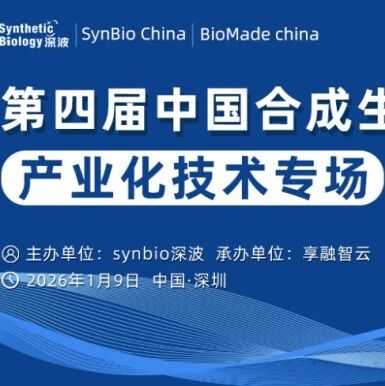
免费培训机会!产业化技术专场--SynBio China 第四届中国合成生物学及生物制造大会!
synbio新材料· 2025-11-19 07:03
Group 1 - The article emphasizes the strategic importance of biological manufacturing as a key industry for future development, highlighted by its inclusion in the 15th Five-Year Plan alongside quantum technology and 6G [2] - The upcoming "SynBio China Fourth Synthetic Biology and Biomanufacturing Conference" will take place in Shenzhen on January 8-9, 2026, focusing on industrialization technology challenges and providing comprehensive solutions for intelligent manufacturing and green production [3][2] - The conference aims to gather experts from academia and industry to analyze the entire process of "design-build-test-learn" in synthetic biology, addressing the optimization and innovation opportunities in various industrialization stages [2] Group 2 - The conference is expected to host around 1,000 participants, indicating significant interest and engagement in the field of synthetic biology and biomanufacturing [3] - There are opportunities for exhibitors from synthetic biology and modern biotechnology sectors to showcase their products and technologies at the conference [9] - Registration for the conference is currently free but limited, emphasizing the need for early registration to secure participation [12]

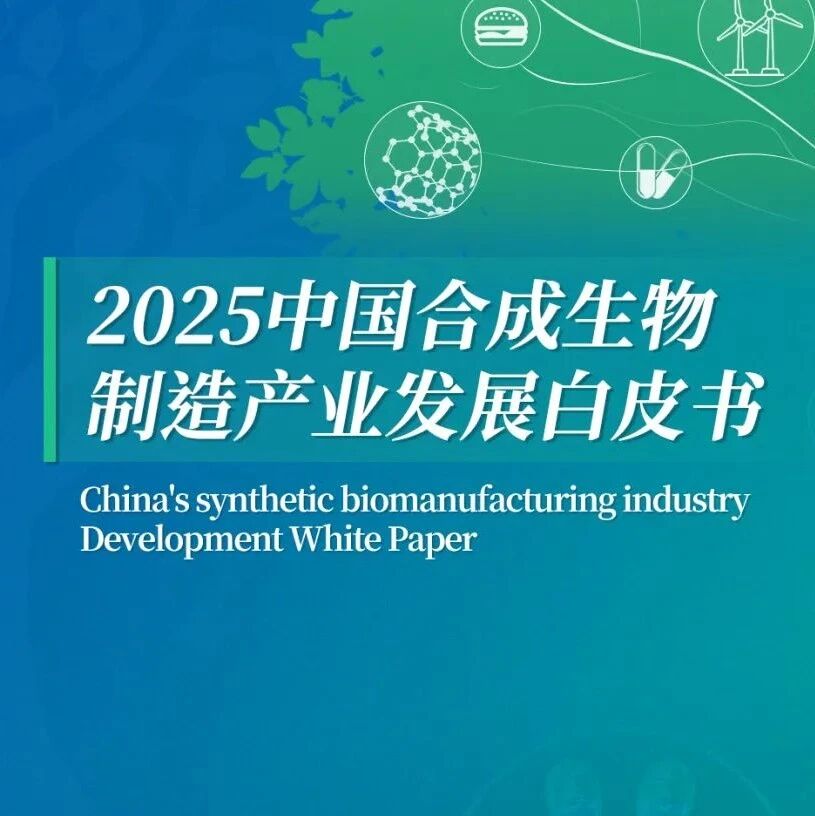
免费领取!《2025中国合成生物制造产业发展白皮书》
synbio新材料· 2025-11-19 07:03
Core Viewpoint - The article emphasizes the rising importance of biomanufacturing as a strategic and innovative field that disrupts traditional production methods, presenting it as a new growth point for optimizing industrial structure and transforming economic models. The release of the "2025 China Synthetic Biomanufacturing Industry Development White Paper" highlights the current state, trends, and challenges of the biomanufacturing industry in China [1]. Group 1: Current State and Trends - The white paper outlines the development status and trends of biomanufacturing, analyzing the global landscape and key platform facilities [5]. - It compares the biomanufacturing sectors of China and the United States, identifying competitive advantages and areas for improvement [5]. - Future development trends in biomanufacturing are discussed, indicating a shift towards more integrated and sustainable practices [5]. Group 2: Policy Landscape - The report details major policies affecting biomanufacturing in both domestic and international contexts, providing insights into regulatory frameworks that shape the industry [5]. - It highlights the importance of supportive policies for fostering innovation and growth in the biomanufacturing sector [5]. Group 3: Industry Map and Applications - The white paper presents a comprehensive map of the Chinese biomanufacturing industry, identifying key players and their roles [5]. - It analyzes the biomanufacturing industry chain and key application areas, including pharmaceuticals, food, personal care, agriculture, chemicals, materials, and energy [5]. Group 4: Key Enterprises and Investment Landscape - The report identifies ten leading enterprises in the Chinese biomanufacturing sector, showcasing their contributions and market positions [6]. - It summarizes the strategic directions of 15 listed companies in synthetic biology, highlighting their investment and development strategies [6]. - The investment landscape for synthetic biology in China is examined, providing data on funding trends and opportunities [6]. Group 5: Challenges and Recommendations - The white paper discusses the challenges faced by the biomanufacturing industry in China, including technological, regulatory, and market barriers [6]. - It offers targeted policy recommendations to address these challenges and promote sustainable growth in the biomanufacturing sector [6].