技术创新

Search documents
江松科技冲刺IPO:光伏“反内卷”中的设备突围
Cai Jing Wang· 2026-01-06 06:36
Core Viewpoint - The article highlights the competitive challenges in the global photovoltaic (PV) industry, particularly the phenomenon of "involution," characterized by price wars and homogenized products. Wuxi Jiangsong Technology Co., Ltd. (referred to as "Jiangsong Technology"), currently in the IPO stage, exemplifies a "counter-involution" trend through its innovative and differentiated approach in the PV battery automation equipment sector [1]. Group 1: Technological Innovation - The essence of the PV industry's involution is the homogenization of technology, leading to price wars as the primary competitive strategy. Jiangsong Technology focuses on technological innovation to break this deadlock by developing advanced automation equipment for PV battery production [2]. - The company has successfully developed automation equipment for various processes in PV battery manufacturing, including diffusion annealing, PECVD, etching, texturing, and alkali etching, making it one of the few domestic manufacturers capable of providing comprehensive production solutions [2]. - Jiangsong Technology's automation equipment features high operational efficiency, precision, low breakage rates, and customization capabilities, enabling smart production and data collection for clients' digital factories [2]. Group 2: Market Position and Growth - Jiangsong Technology's diffusion annealing automation equipment achieves a capacity of 13,500 wafers per hour with a breakage rate as low as 0.01%, outperforming both domestic and international competitors [3]. - The company's PECVD automation equipment has increased production capacity from 4,500-6,000 wafers per hour to 8,500 wafers per hour, significantly aiding in cost reduction and efficiency improvement in PV battery production [3]. - Jiangsong Technology ranks first among PV battery automation equipment manufacturers according to the China Photovoltaic Industry Association's 2022-2023 annual report, with a compound annual growth rate of 58.15% in revenue from 2022 to 2024, indicating strong market recognition [3]. Group 3: Industry Dynamics and Future Outlook - Equipment manufacturers play a crucial role in the PV industry's value chain, influencing production efficiency, quality, and costs. Jiangsong Technology's focus on N-type battery technology positions it well to meet new market demands and facilitate the transition to advanced technologies [4]. - The global PV industry continues to grow, with 2023 witnessing a record 390 GW of new installations, including 216.88 GW in China. This growth is expected to drive demand for equipment manufacturers like Jiangsong Technology [5]. - Jiangsong Technology's IPO funding aims to expand production capacity, enhance product offerings, and strengthen R&D capabilities, reflecting a strategic shift in the Chinese PV industry towards high-end equipment and innovative technologies [5].
标本兼治破解氯碱行业“内卷” | 大家谈 如何破除“内卷式”竞争
Zhong Guo Hua Gong Bao· 2026-01-06 03:27
Core Viewpoint - The chlor-alkali industry is currently facing a "homogeneous products and profit pressure" dilemma, necessitating a multi-faceted approach including technological innovation, structural optimization, and model innovation to establish a new high-quality development pattern focused on "quality improvement, efficiency enhancement, differentiated competition, and green collaboration" [1][3]. Technological Innovation - Technological innovation is essential for breaking the "involution" cycle, focusing on energy-saving and cost-reduction at the production level, as well as smart upgrades to lower costs from the source [1]. - Advanced technologies such as membrane electrolysis and heat recovery from hydrochloric acid synthesis are recommended to enhance energy efficiency [1]. - For instance, Shandong Haohua Chlor-Alkali utilizes a large model for process optimization, equipment maintenance, and intelligent inspection, achieving an annual electricity saving of 4.5 million kWh and generating nearly 10 million yuan in comprehensive benefits [1]. Structural Optimization - The core issues of "involution" stem from a single product structure and supply-demand mismatch, requiring efforts in "eliminating inefficiencies, enhancing high-end production, and supplementing the supply chain" to reshape the competitive landscape [2]. - Strict enforcement of energy efficiency policies to eliminate low-efficiency capacities can alleviate supply pressure [2]. - Traditional chlor-alkali enterprises should aim for value creation by extending into fine chemicals and new materials, as exemplified by Xingfa Group's development of high-end products like electronic-grade caustic soda and PVC resin for lithium battery binders [2]. Model Innovation - The industry must move away from "individual efforts" to address "involution" through integrated industry chains, regional collaboration, and policy guidance to create a collective development force [2]. - Learning from the Shanghai Chlor-Alkali's "Shanghai-Guangxi dual base" strategy, the industry can leverage integrated advantages of chemical parks to form a closed loop with upstream and downstream enterprises, reducing logistics costs and resource consumption [2]. - Promoting deep integration between the chlor-alkali industry and sectors like renewable energy, hydrogen energy, and green electricity can create unique competitive barriers [2]. Transition Path - The path to countering "involution" in the chlor-alkali industry fundamentally involves a shift from "scale expansion" to "quality and efficiency" [3]. - This transition requires establishing a solid foundation for cost reduction through technological innovation, creating differentiated advantages through product upgrades, and building a collaborative ecosystem through model innovation to explore new value creation opportunities [3].
惠而浦:预计2025年年度净利润为5.05亿元左右,同比增加150%左右
Mei Ri Jing Ji Xin Wen· 2026-01-06 03:17
Core Viewpoint - Whirlpool expects to achieve a net profit of approximately 505 million yuan for the year 2025, representing an increase of about 303 million yuan compared to the previous year, which is a year-on-year increase of around 150% [1] Group 1: Financial Performance - The significant increase in profit is attributed to enhanced technological innovation, the advancement of new project development, and strengthened collaboration with customers, leading to an increase in orders and a year-on-year growth in main business revenue [1] - The company has actively promoted transformation and change during the reporting period by implementing lean management and continuous innovation, which has helped to uncover cost reduction opportunities and improve organizational efficiency [1] - Overall profitability has further improved due to the aforementioned factors, resulting in a substantial increase in the company's performance for the year [1]

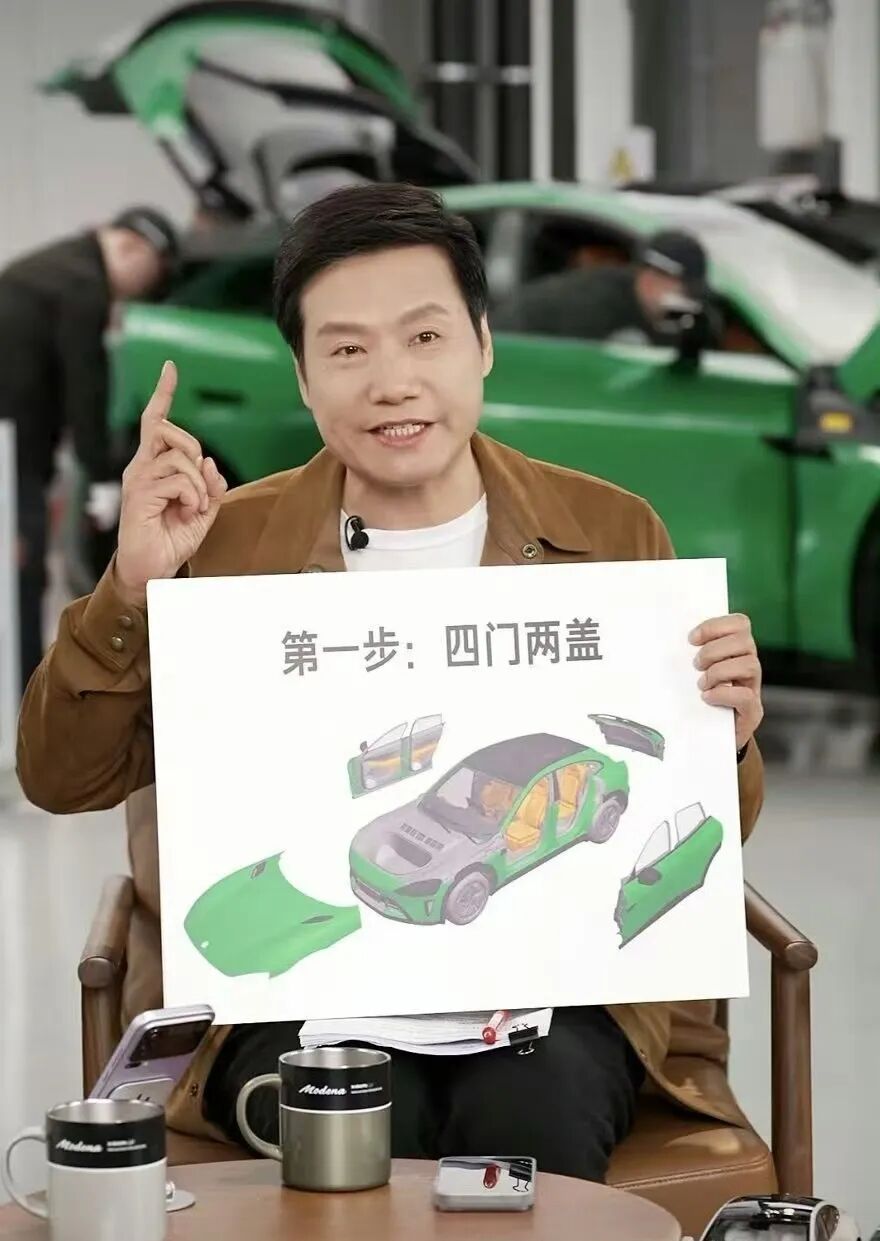
小米硬核拆车,让中国汽车竞争回归质量核心
Zhong Guo Qi Che Bao Wang· 2026-01-06 01:22
Core Insights - The article discusses Xiaomi's proactive approach in addressing public concerns regarding its electric vehicle, the YU7, through a transparent live-streamed disassembly event led by CEO Lei Jun, showcasing the vehicle's safety features and design [1][2][4]. Group 1: Product Transparency and Safety - Xiaomi's live-stream event aimed to dismantle the YU7 to directly address safety concerns, including the vehicle's structural integrity and battery protection mechanisms [1][2]. - The engineering team demonstrated the YU7's safety features, such as a design that allows front wheels to detach during a collision to absorb impact energy, thereby protecting the passenger cabin [1][2]. - Lei Jun acknowledged industry-wide issues like vague marketing practices and committed to improving transparency in promotional materials [2][4]. Group 2: Market Performance and Future Plans - Xiaomi reported impressive delivery figures, with over 410,000 vehicles delivered in 2025, surpassing the initial target of 300,000, and the YU7 achieving 150,000 deliveries within six months of launch [4]. - For 2026, Xiaomi plans to focus on three key areas: investing 200 billion yuan in technology research and development, enhancing AI capabilities, and creating a comprehensive user experience [4]. - The company set a delivery target of 550,000 vehicles for 2026, aiming for overachievement [4]. Group 3: Industry Impact and Consumer Engagement - The live-stream event served as a platform for consumers to better understand automotive technology, making complex safety designs more accessible [5]. - Xiaomi's transparent approach may encourage other companies in the industry to adopt similar practices, fostering a competitive environment focused on product and technological excellence [5][7]. - The event highlighted the importance of innovation and quality in the automotive industry, emphasizing that long-term consumer trust can only be built through transparency and technical advancement [7].


做强实业 爱拼会赢——2025年民营企业迎难而上务实创新
Jing Ji Ri Bao· 2026-01-05 23:07
Group 1: BYD's Global Expansion - BYD's 14 millionth electric vehicle rolled off the production line in Brazil, marking a significant milestone for Chinese automakers in the South American market [1] - In 2025, BYD's overseas sales of passenger cars and pickups exceeded 1.0496 million units, a year-on-year increase of 145%, with a presence in over 119 countries and regions [1] - BYD's strategy focuses on local adaptation, including product customization, localized production, autonomous logistics, and brand contextualization to overcome market barriers [1][2] - The company emphasizes local talent recruitment, with approximately 80% of the workforce at its Brazilian factory being local residents [1] Group 2: Technological Advancements and Market Strategy - BYD plans to enhance its overseas market expansion and increase the global adoption of electric vehicles and renewable energy products [2] - The company aims to strengthen its technological leadership by investing in electric and intelligent technology, ensuring that innovations translate into market competitiveness [2] Group 3: SF Express's Logistics Innovations - SF Express has significantly increased its blueberry shipping volume from 50,000 items in 2018 to over 10 million items in 2025, enhancing the freshness experience for consumers [3] - The company has implemented a drone logistics network in key blueberry production areas, utilizing AI and high-spectral imaging technology to improve product quality [3] - SF Express has introduced a "late delivery compensation" service to enhance customer rights and service quality, initially launched in ten cities [4] Group 4: iFLYTEK's AI Developments - iFLYTEK's AI model has undergone five iterations in 2025, achieving core capabilities in language understanding and mathematical reasoning, supporting over 130 languages [5][6] - The company focuses on using domestic computing power for model training to ensure long-term development security and independence [6] - iFLYTEK has expanded its AI applications across various sectors, including education and automotive, serving millions of users and facilitating significant interaction volumes [6] Group 5: Yili's Industry Growth - Yili Group's intelligent production base in Inner Mongolia has a daily processing capacity of 6,500 tons of fresh milk, emphasizing quality control throughout the production chain [7] - The company has successfully developed technologies that significantly enhance the retention of lactoferrin in long-life milk products [7] - Yili aims to increase its international market share and product value, positioning itself as a leading global health food provider [8] Group 6: Skyworth's New Energy Business - Skyworth's new energy business revenue reached 13.801 billion yuan in the first half of 2025, a nearly 54% year-on-year increase, accounting for 38% of total revenue [9] - The company is developing a comprehensive green energy ecosystem through innovations in photovoltaic technology and integrated energy solutions [9][10] - Skyworth plans to enhance its competitiveness in smart home appliances and expand its presence in the global green energy market [10]




创维新能源业务增长提速
Jing Ji Ri Bao· 2026-01-05 22:07
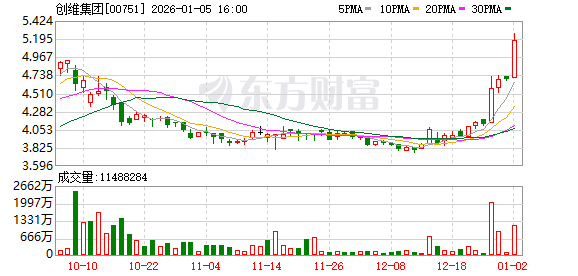
Group 1 - The core viewpoint of the article highlights Skyworth Group's breakthroughs in smart home appliances and new energy sectors, emphasizing the importance of technological innovation as a core competitive advantage [2] - Skyworth Group has introduced the "Chameleon Display Technology Platform," which encompasses a complete picture quality solution covering hardware, algorithms, and calibration [2] - The "Chameleon Micro-Optical Array" technology improves luminous efficiency by 8% compared to peers, while the overall thickness of the product is reduced by over 10% [2] Group 2 - In the first half of 2025, Skyworth Group's new energy business revenue reached 13.801 billion yuan, a year-on-year increase of nearly 54%, accounting for 38% of the total revenue [3] - The company is developing a complete integrated green energy ecosystem through innovations in photovoltaic technology and product development, including core equipment for photovoltaic power stations [3] - Skyworth Group plans to enhance its high-end strategy in smart home appliances and accelerate its "going global" strategy in the new energy sector to expand its share in the global green energy market [3]
“干检修,差一点都不行”
Xin Lang Cai Jing· 2026-01-05 17:41
(来源:劳动午报) 转自:劳动午报 列车超温报警曾是困扰运营的一个难题,尤其在夏季高温天气,频繁报警不仅影响运营效率,还增加了 检修工作量。2018年,赵静伟牵头成立攻关小组,誓要破解这一难题。他带领团队连续一周跟踪记录列 车运行数据,分析不同工况下散热器的工作状态,发现问题根源在于滤网通风效率不足,导致散热效果 不佳。找到症结后,他查阅大量专业资料,对比多种材料性能,最终设计出一种新型可拆卸滤网。这种 滤网不仅通风性更好,还便于清洗维护,安装后列车超温报警发生率下降了80%,每年为公司节省维护 成本数十万元。该改造方案后来在全公司范围内推广,成为技术创新的典范。 2019年,因工作表现突出,赵静伟转型为技术型管理人员。角色转变后,他始终坚持技术引领管理的理 念,一方面持续深耕专业,跟踪行业最新技术动态,不断更新知识储备;另一方面,他着力优化检修工 艺,牵头修订检规20余项,将多年积累的实操经验转化为标准化流程,大幅提升了检修工作的规范性和 效率。为了帮助青年职工快速成长,他整理编写了《常见故障案例汇编》,收录典型案例100余例,详 细记录故障现象、排查思路和解决方案,成为青年职工的实战手册。他还牵头成立技术 ...
爱威科技股份有限公司 关于取得专利证书及医疗器械注册证的自愿性披露公告
Zhong Guo Zheng Quan Bao - Zhong Zheng Wang· 2026-01-05 16:51
Group 1 - The company, Awei Technology Co., Ltd., and its subsidiary Hunan Awei Medical Technology Co., Ltd. obtained 11 domestic patent certificates from October 1, 2025, to December 31, 2025, including 5 invention patents, 1 utility model patent, and 5 design patents [1] - The company also acquired 1 overseas patent and 1 medical device registration certificate, which reflects the company's core technology and enhances its intellectual property protection system [1] - The acquisition of the medical device registration certificate will enrich the company's product variety, meet market demand, and strengthen its core competitiveness [2]

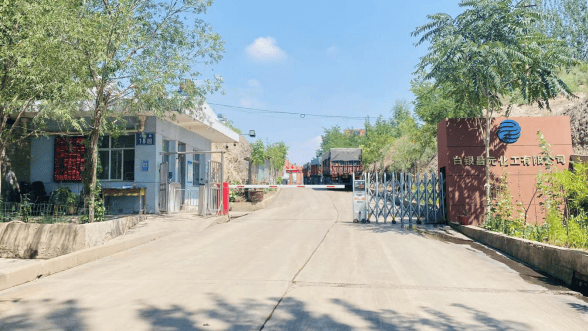
【2025白银民营企业20强风采录(12)】白银昌元化工有限公司
Sou Hu Cai Jing· 2026-01-05 14:33
Core Insights - The article highlights the recognition of Baiyin Changyuan Chemical Co., Ltd. as one of the top 20 private enterprises in Baiyin, showcasing its contributions to the local economy and its commitment to high-quality development [1] Company Overview - Baiyin Changyuan Chemical Co., Ltd. was established in 2012 in Baiyin District, Gansu Province, evolving from Baiyin Gancang Silver Morning Chromium Salt Chemical Co., Ltd. after being fully acquired by Chongqing Changyuan Chemical Group [3] - The company occupies 894.64 acres, has a registered capital of 200 million yuan, total assets of 1.5 billion yuan, and employs 628 staff, including over 90 professionals in R&D [3] Market Position and Products - As a wholly-owned subsidiary of Chongqing Changyuan Chemical Group, the company benefits from its parent’s strong market position, with the parent company holding 60% of the global market share in potassium permanganate [3] - The company focuses on manganese and chromium salts, emphasizing clean production processes, and its products, including "Jialing" brand potassium permanganate and "Yinchen" brand sodium dichromate, are recognized for quality in both domestic and international markets [3] Innovation and R&D - The company prioritizes technological innovation, increasing R&D investment and optimizing its team to attract top talent [4] - It explores high-value applications of manganese and chromium salts in new materials and renewable energy sectors, developing new manganese-based energy storage materials and high-performance chromium-based catalysts [4] Environmental Commitment - Baiyin Changyuan Chemical has received multiple patents for innovative processes, with several recognized as internationally or domestically leading [5] - The company’s production processes have been acknowledged by national environmental standards, promoting energy conservation and pollution reduction [5] Social Responsibility - The company actively participates in social responsibility initiatives, contributing to poverty alleviation and pandemic prevention efforts in Baiyin [6] - It aims for ambitious future goals, including becoming a world leader in its field and developing into a dual-hundred enterprise [6]
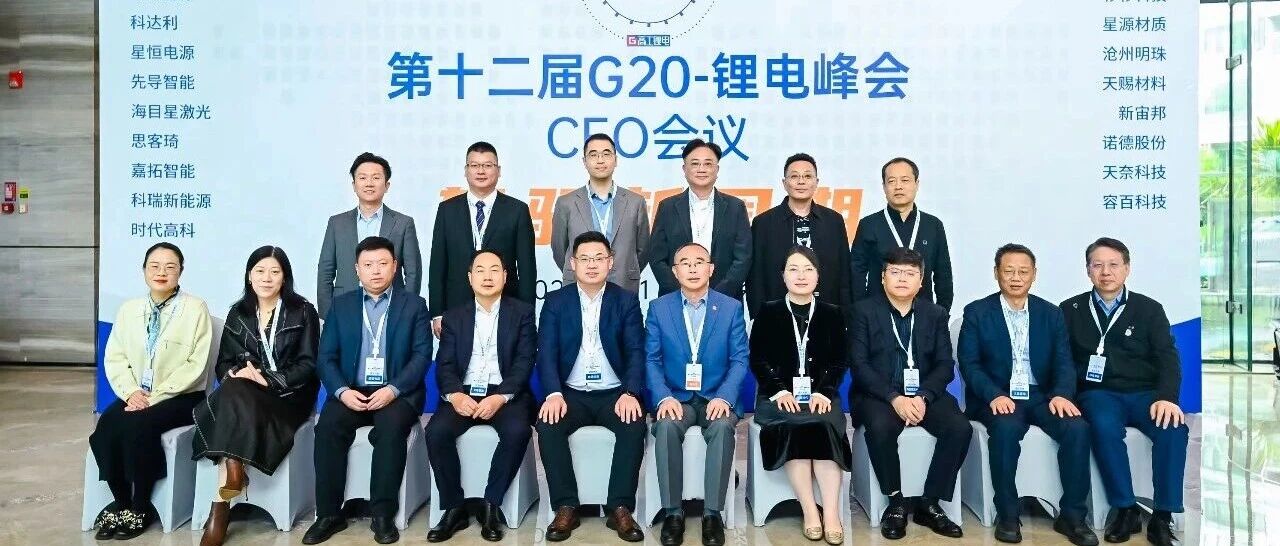
第十二届G20-锂电峰会深圳公报:驾驭新周期
高工锂电· 2026-01-05 10:11
Group 1 - The core viewpoint of the article emphasizes the ongoing rebalancing in the lithium battery industry, characterized by structural opportunities amidst price declines and cost fluctuations, with a focus on supply-demand dynamics and technological evolution [3][5]. - The G20 Lithium Battery Summit highlighted discussions on operational challenges, including the need for supply assurance and price control, as well as the balance between price competition and technological innovation in the equipment sector [3][12][19]. Group 2 - The industry is transitioning from a phase of high supply and demand to a state of localized tightness with overall redundancy, indicating a gradual recovery in utilization rates and a projected increase in output capacity [5]. - In the passenger vehicle market, growth is expected to slow, with a shift towards larger battery capacities for new high-end models, while traditional fuel vehicles continue to decline [7]. - The commercial vehicle sector, particularly heavy trucks, is experiencing demand driven by subsidies and replacement needs, with a cautious outlook on future penetration rates [9]. - The energy storage market is transitioning to a supply-driven model, with ongoing demand growth in various regions, although there are concerns about potential overexpansion risks [10]. Group 3 - In the lithium battery materials sector, there is a notable tension between supply constraints and price expectations, with key materials experiencing localized tightness and price volatility impacting cost structures [12][13]. - The positive outlook for cathode materials is driven by advancements in high-capacity lithium iron phosphate and the emergence of new materials, while an oversupply in graphite processing is leading to price declines [14][16]. - The electrolyte and additive sectors are facing challenges due to supply chain complexities, necessitating a balance between supply assurance and price transmission [15]. Group 4 - Equipment manufacturers are focusing on modular delivery and technological advantages to navigate ongoing price competition, emphasizing the importance of long-term investment in core technologies [20][21]. - The evolution of battery technology is marked by trends towards larger capacities and solid-state battery exploration, with a consensus on the need for sustained engineering innovation and investment [22][24]. - The industry is shifting from quantity expansion to a phase of demand reconstruction and rebalancing, where understanding end-user needs and building a sustainable industrial ecosystem are critical for navigating future volatility [25].