普惠金融

Search documents
城商行三十年 | 从十家联社到国资控股:天府银行的二十年区域深耕与突围
Sou Hu Cai Jing· 2025-12-29 10:16
Core Viewpoint - The article highlights the evolution and transformation of Tianfu Bank over the past two decades, emphasizing its role as a key financial institution in the Sichuan region and its challenges in maintaining growth and profitability amidst changing market conditions [1][10]. Group 1: Historical Development - Tianfu Bank originated from the merger of ten urban credit cooperatives in December 2001, with a registered capital of only 100.7 million yuan, establishing a market-oriented and international standard reform approach [2]. - Over the years, the bank has achieved significant milestones, including the establishment of the first rural bank in China and a comprehensive governance structure, leading to a 100-fold increase in assets and profits by its tenth anniversary in 2011 [3]. - As of now, Tianfu Bank has expanded its network to 11 branches and 122 outlets, with total assets reaching 270 billion yuan, making it a vital financial player in the local economy [4]. Group 2: Recent Challenges - Despite its growth, Tianfu Bank has faced a decline in performance since its rebranding in 2017, with main business revenue dropping from 4.653 billion yuan in 2017 to 2.46 billion yuan in 2023, a decrease of 77.1% [5]. - The bank's net profit also fell significantly during this period, from 1.841 billion yuan to 426 million yuan, with a peak decline of 82.55% [5]. - In 2024, the bank's total assets reached 259.968 billion yuan, a 6.8% increase from the previous year, but its main business revenue continued to decline by 2.48% [6]. Group 3: Strategic Adjustments - In response to ongoing operational pressures, the bank underwent a management restructuring in March 2023, appointing a new chairman with extensive industry experience to lead its transformation efforts [8]. - The bank is focusing on enhancing its inclusive finance services and supporting technology-driven enterprises, launching new digital services and financing models to better serve local businesses [8]. - A significant capital increase of 5 billion yuan was completed in 2024, with state-owned enterprises becoming the majority shareholders, which is expected to improve the bank's capital adequacy and support its long-term development [9]. Group 4: Future Outlook - The bank's credit rating remains stable at AA+, reflecting its importance in the regional financial system and the positive impact of government support [10]. - As Tianfu Bank continues to adapt to market challenges, its commitment to local economic development and support for small and medium-sized enterprises positions it for potential growth and stability in the future [10].
风华三十载 笃行向未来——上海银行迈向高质量发展新征程
Zhong Guo Jin Rong Xin Xi Wang· 2025-12-29 08:12
Core Viewpoint - Shanghai Bank has evolved over 30 years to become a systemically important bank, actively supporting local economic development and embodying the mission of "making life better through finance" [1][4]. Group 1: Support for Local Economy - Shanghai Bank has consistently aligned with the development of Shanghai, supporting major projects and local economic growth through initiatives like the expedited approval "green channel" for financing [2][4]. - The bank has financed over 180 major projects with a total investment exceeding 23 billion yuan since 2025 [2]. - In December, Shanghai Bank restructured its organizational framework to enhance regional competitiveness, planning to inject 300 billion yuan in credit into the Shanghai area by 2026 [4]. Group 2: Long Triangle Integration - Shanghai Bank is focusing on the Yangtze River Delta integration strategy, establishing a committee to enhance financial services in the region [4][5]. - The bank has supported significant infrastructure projects in the Yangtze River Delta, with investments exceeding 27 billion yuan since 2025 [5]. - The bank aims to serve major projects, key industry transformations, and social development in the region [5]. Group 3: Support for SMEs - Shanghai Bank has positioned itself as a "main bank for SMEs," providing over 320 billion yuan in credit to more than 130,000 small and micro enterprises [6][7]. - The bank has innovated financing solutions, such as the "small and micro enterprise policy guarantee credit model," to facilitate access to funding for SMEs [6]. - The bank's "upstream e-chain" system connects core enterprises with their suppliers, providing nearly 500 million yuan in funding support to over 100 small suppliers [7]. Group 4: Services for Urban Residents - Shanghai Bank has developed services tailored for urban residents, including the "Silver Shield" project to protect elderly clients from fraud, successfully preventing losses of 1.7 million yuan [8][12]. - The bank has established over 300 "Beautiful Life Studios" to offer educational courses for the elderly, enhancing community engagement [10]. - The bank has integrated financial services with daily life, creating a "15-minute beautiful life circle" to improve service accessibility [12]. Group 5: Technological Innovation in Financial Services - Shanghai Bank has launched a "12345" technology financial service system to support tech enterprises, with a loan balance nearing 200 billion yuan, reflecting a growth of over 16% year-on-year [14]. - The bank has established five specialized technology branches and a research institute to enhance its understanding of industry needs [13][14]. - The bank has developed an AI trading system for bond market transactions, achieving over 90% accuracy in key factor identification [14][15]. Group 6: Global Reach and Future Vision - Shanghai Bank has partnered with 840 correspondent banks across 72 countries, facilitating over 500 billion yuan in cross-border RMB settlements [15]. - The bank aims to enhance customer experience and value creation while maintaining a commitment to social responsibility and high-quality development [15].


上海银行以金融“活水”润育中小企业 创新实践破解普惠难题
Zhong Jin Zai Xian· 2025-12-29 07:59
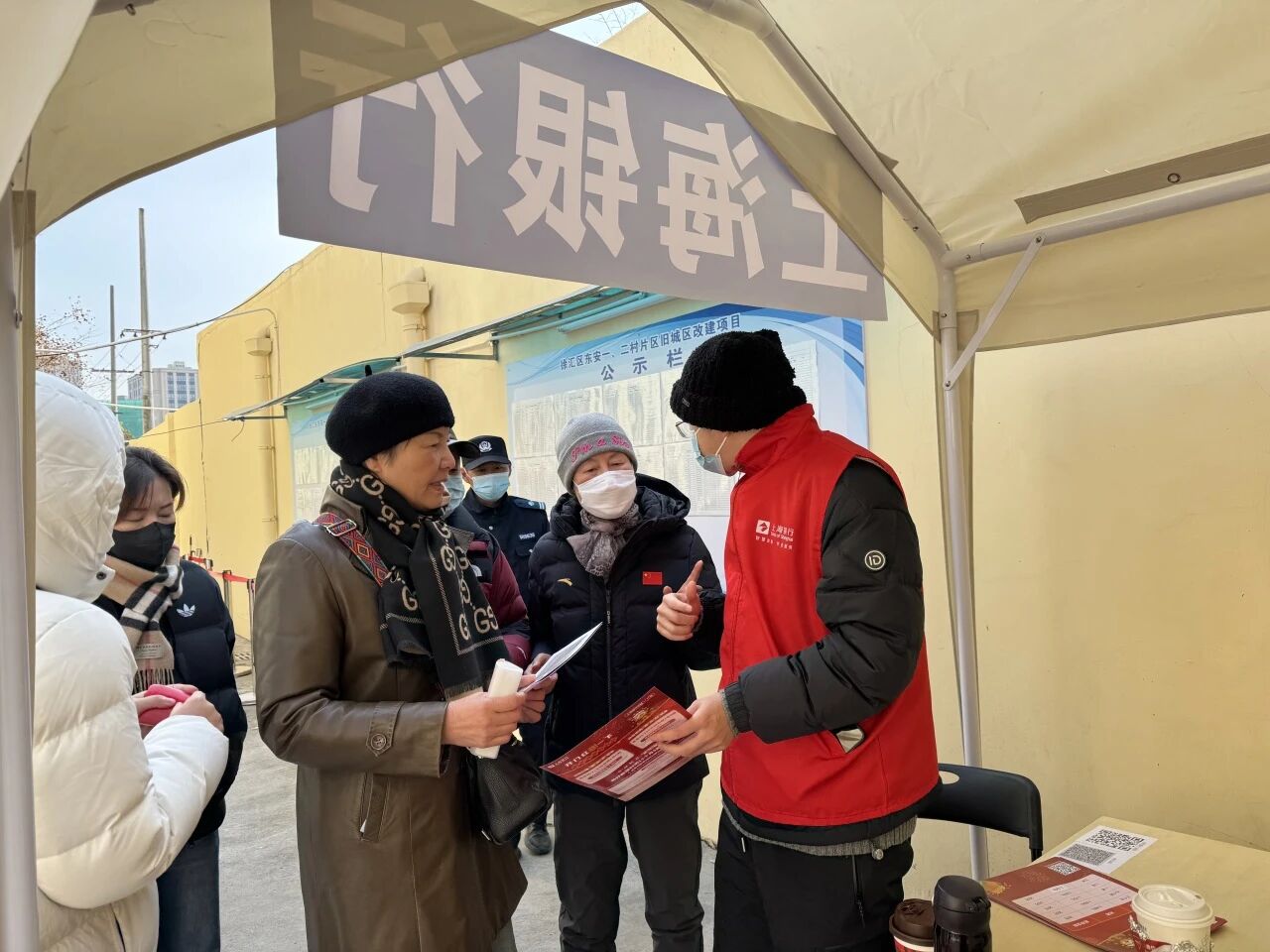
"银行不能只服务参天大树,更要服务漫山遍野的小草和灌木。"三十年来,上海银行始终坚守"中小企 业主办行"定位,通过"视角下沉、创新解题、生态赋能"三维发力,以数字化手段打通普惠金融"最后一 公里",让金融活水精准滴灌实体经济。 在生态赋能层面,上海银行打造"上行e链"系统,通过与核心企业数据互通,惠及链上小微企业。以杭 州某大型通信运营商为例,该行借助该系统为其上游数百家ICT小微供应商提供近5亿元资金支持,持 续践行普惠金融"场景化、生态化、综合化、专业化"策略。 从"输血"到"造血",从"单兵作战"到"生态协同",上海银行正以陪跑者姿态,呵护实体经济星火汇聚成 燎原之势。 在服务下沉方面,上海银行组建专业团队深入企业走访,截至目前累计走访各类小微企业超13万户,授 信金额超3200亿元。宁波象山一家水产引种育种企业曾因资金短缺陷入发展困境,该行通过小微企业融 资协调机制"绿色通道",迅速发放770万元流动资金贷款,助企业预计销售额增长20%以上。 针对小微企业"融资难、融资贵、融资慢"痛点,上海银行以数据增信打破壁垒:2023年推出"批次贷"为 白名单企业免去担保审核,2024年实现创业担保贷款数据线上实 ...
金融服务有温度,宁波银行嘉兴分行助力个体工商户纾困成长
Guan Cha Zhe Wang· 2025-12-29 05:35
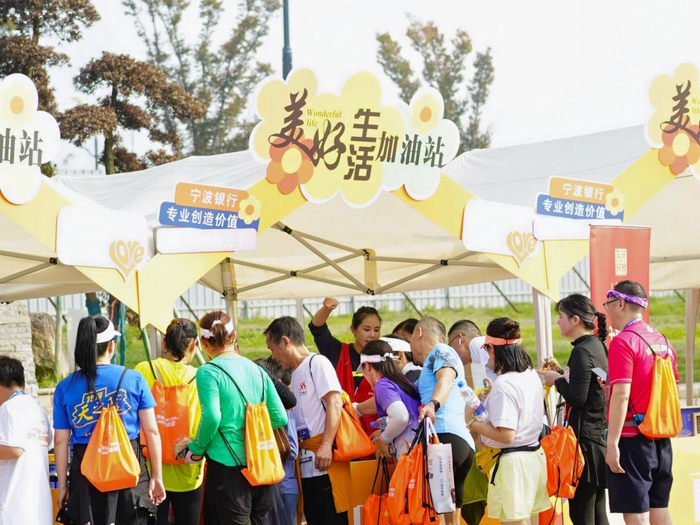
Core Insights - Ningbo Bank's Jiaxing branch is enhancing financial services for individual businesses, focusing on product innovation and service upgrades to support local economic development [1][5] Group 1: Financing Solutions - Ningbo Bank has launched the "Easy Loan" credit product to address the financing challenges faced by individual businesses, particularly those with light assets and lack of collateral [3] - The bank utilizes big data for approval and digital service processes to streamline operations and improve financing efficiency for small businesses [3] - The "No Repayment Renewal Loan" service is promoted to help businesses manage cash flow by seamlessly transitioning between old and new loans, alleviating financial pressure [3][4] Group 2: Market Support Initiatives - Ningbo Bank extends its financial services beyond funding to include operational support, helping businesses connect with markets and expand sales channels [4] - The bank's "Beautiful Life" platform provides online product display and sales opportunities for individual businesses, while offline events like employee purchase fairs and community markets stimulate local consumption [4] - A grape grower benefited from the bank's quick response to a sales issue, with an internal purchase event helping to sell nearly 200 kilograms of grapes in three days [4] Group 3: Future Directions - Ningbo Bank aims to deepen its inclusive financial services, continuously iterating on products and service models to enhance market vitality and support the growth of individual businesses in Jiaxing [5]

深耕实体守初心 金融报国显担当
Jin Rong Shi Bao· 2025-12-29 02:04
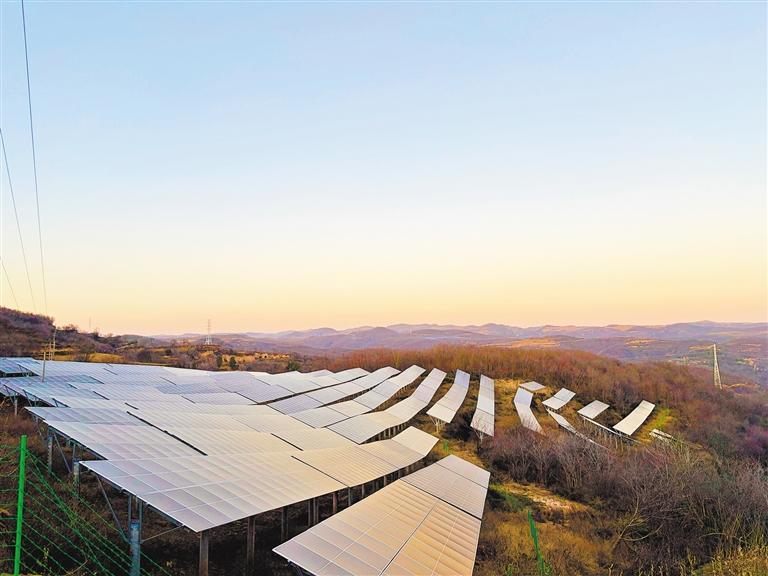
Core Viewpoint - The article emphasizes the commitment of China Everbright Bank to support the national strategy and promote high-quality development during the "14th Five-Year Plan" period, focusing on serving the real economy and enhancing financial services in key areas such as technology innovation, green transformation, and common prosperity [1][2][19]. Group 1: Support for the Real Economy - China Everbright Bank has positioned itself as a key player in financing the real economy, focusing on major national strategies and improving the welfare of the public [2][19]. - The bank has provided financial services to over 300 national key projects, with significant credit support in areas like "new infrastructure" and regional development [2][3]. - The bank has issued over 200 billion yuan in loans for modern transportation systems, including significant support for the Beijing-Shanghai High-Speed Railway project [3]. Group 2: Green Finance Initiatives - The bank has integrated green finance into its development strategy, supporting sectors like green buildings and energy transition, with a green loan balance of 456.61 billion yuan, reflecting a growth of 333.50% during the "14th Five-Year Plan" [4]. - Innovative products such as carbon finance and sustainable loans have been developed to promote environmental sustainability [4]. Group 3: Financial Inclusion and Support for SMEs - China Everbright Bank has focused on empowering small and micro enterprises through automated loan products, with a loan balance of 228.62 billion yuan for its online product system [4]. - The bank has served over 20,000 clients in supply chain finance, with a business balance nearing 600 billion yuan, enhancing efficiency in financing [5]. Group 4: Wealth Management Transformation - The bank is transitioning from product sales to wealth management, achieving a retail asset under management (AUM) of over 3 trillion yuan, with a compound annual growth rate exceeding 10% [8][10]. - A comprehensive product system has been established, including over 1,000 wealth management products, catering to diverse customer needs [10][18]. Group 5: Digital Transformation and Technological Innovation - China Everbright Bank has made significant advancements in digital transformation, utilizing big data and AI to enhance service efficiency across various business processes [13][14]. - The bank has implemented a remote financial advisor model, integrating customer data and behavior analytics to improve client engagement [12]. Group 6: Social Responsibility and Community Engagement - The bank has focused on social responsibility, particularly in serving the elderly and rural communities, with initiatives like the "Thousand Sails Plan" for agricultural supply chain finance [19][20]. - Efforts in public welfare include educational support and disaster relief, reinforcing the bank's commitment to social value [20][21]. Group 7: Future Outlook - China Everbright Bank aims to deepen its financial services in key areas, enhancing its capabilities in governance, customer service, and risk management while contributing to national development goals [22].
扎实做好金融“五篇大文章” 助力陕西经济社会高质量发展
Jing Ji Ri Bao· 2025-12-28 22:02
Core Viewpoint - Agricultural Bank of China Shaanxi Branch actively supports various financial initiatives to enhance economic development in Shaanxi Province, focusing on technology finance, green finance, inclusive finance, pension finance, and digital finance [4][5][7][8][11]. Group 1: Technology Finance - Agricultural Bank of China Shaanxi Branch has issued nearly 200 million yuan in loans to a specialized "little giant" enterprise, supporting its technological upgrade projects [5]. - The bank has introduced innovative financial products like "Kejie Loan" and "Torch Innovation Points Loan" to address the unique challenges faced by technology enterprises [5]. - As of November 2025, the number of technology enterprise loan accounts and loan balances increased by 671 accounts and 4.2 billion yuan year-on-year, leading the industry in growth [6]. Group 2: Green Finance - The bank emphasizes green finance to support sustainable economic development, aligning with carbon peak and carbon neutrality goals [7]. - It provided over 10 billion yuan in financing for a leading coal chemical project, setting a historical approval record for the bank [7]. - The bank's green loan balance and growth rate are among the highest in Shaanxi Province, supporting various projects in renewable energy and resource recycling [7]. Group 3: Inclusive Finance - Agricultural Bank of China Shaanxi Branch has implemented nine policy measures to enhance the accessibility and satisfaction of inclusive financial services [8]. - The bank quickly responded to a small aluminum technology company's financial needs by providing a seamless loan renewal process within five days [8]. - The inclusive loan balance increased by 15.6 billion yuan since the beginning of the year, ranking high among peers [8]. Group 4: Pension Finance - The bank is developing a high-quality pension finance service system to address the challenges of an aging population [9]. - It provided 5 million yuan in loans to a well-known health service company to expand its pension service scale [9]. - The bank has established a "Golden Years" service area to cater to elderly clients, enhancing their overall experience [10]. Group 5: Digital Finance - The bank is advancing its digital transformation to create a high-level digital financial service system [11]. - It has launched a smart campus payment system that serves over 1,000 schools, benefiting more than 440,000 students and parents [12]. - The bank introduced a multi-functional credit card that integrates financial services with transportation and daily life, promoting convenience for the public [12].
“甘霖”三级跳持续优化营商环境
Xin Lang Cai Jing· 2025-12-28 21:32
Group 1 - The core initiative "Ganyin Project" in Xining's Chengxi District focuses on enhancing financial support for enterprises, with a total of 7,260 loans issued amounting to 5.793 billion yuan as of December 9 [1] - The project has evolved through three versions, from broad coverage of inclusive policies to precise services addressing financing difficulties, and now to a model emphasizing ecological empowerment and collaborative development [1] - The integration of a credit system and data sharing has led to the collection of 288 core public credit information data points across 22 categories, facilitating a more efficient financial environment for businesses [1] Group 2 - Chengxi District has pioneered the transformation of data asset value, achieving the first instance in the province of county-level state-owned enterprises registering data assets, thus creating a full-cycle management process for data rights and financing [2] - The establishment of a trusted data space project, utilizing privacy computing and blockchain technology, aims to create a secure and efficient data circulation environment while maximizing data value for financial innovation [2] - The district has successfully launched an online financing channel for government procurement contracts, facilitating the first fully online "government procurement loan" process in the province, providing a new financing pathway for small and micro enterprises [2]
徽商银行:以数智化破解融资难题,做小微企业成长的伙伴
Sou Hu Cai Jing· 2025-12-28 17:31
Core Viewpoint - Huishang Bank is transforming its inclusive finance approach into a "quality improvement and efficiency enhancement" 2.0 era through digital and intelligent transformation, addressing traditional financing challenges for small and micro enterprises [1] Group 1: Digital Transformation and Product Innovation - The bank has launched products like "Fund Flow e-Loan" and "Online No-Repayment Renewal Loan for Small Enterprises," utilizing big data and AI to tackle information asymmetry in financing for small businesses [1][5] - As of September 2025, the bank's inclusive loans for small and micro enterprises exceeded 170 billion yuan, supporting over 380,000 businesses, with average interest rates for new loans declining for three consecutive years [3][4] Group 2: Case Study and Implementation - A case study highlights a metal pipe company that received a 5 million yuan "Fund Flow e-Loan" through a comprehensive service process initiated by Huishang Bank, showcasing the bank's proactive approach to client needs [4][6] - The "Fund Flow e-Loan" product integrates data from the national credit information sharing platform, enhancing credit assessment and risk management through a four-dimensional model [5][6] Group 3: Recognition and Impact - Since its launch in June 2025, the "Fund Flow e-Loan" has disbursed over 100 million yuan and received the "New Service New Momentum Pioneer Case" award, establishing Huishang Bank as a benchmark in the industry for addressing financing challenges [7][8] - The bank's initiatives align with national policies aimed at enhancing credit supply to small and micro enterprises, reflecting a shift from being mere fund providers to becoming growth partners [8][9] Group 4: Future Directions - Huishang Bank aims to enhance its digital capabilities, promote comprehensive services, and implement strategic initiatives to support the high-quality development of inclusive finance [9]

马上消费如何用AI撬动万亿烟火气
Xin Lang Cai Jing· 2025-12-28 17:21
Core Viewpoint - The article emphasizes the role of consumer finance in stimulating China's economy, highlighting the importance of supporting new citizens and rural residents through tailored financial services and technology-driven solutions [7][8][10]. Group 1: Company Performance and Impact - The company, Ma Shang Consumer Finance, has paid over 12 billion yuan in taxes and served more than 220 million users, facilitating 958 million transactions with sales exceeding 1 trillion yuan [7]. - The company has specifically targeted nearly 100 million new citizens, helping around 12 million individuals establish their credit records for the first time [8][9]. Group 2: Technological Advancements - Ma Shang Consumer Finance has invested over 6 billion yuan in research and development, applying for more than 2,900 patents and creating over 1,000 core technology systems [11]. - The company has developed an AI model named "Tianjing," which has improved operational efficiency, achieving a 93% accuracy rate in intent understanding and over 90% in automated approvals and self-service interactions [11]. Group 3: Social Responsibility and Employment Support - The company launched a job-matching platform that has successfully connected 910,000 new citizens with employment opportunities, thereby supporting consumer confidence and spending [13]. - The "Fuhuiyang" smart farming project has created over 6,000 jobs and generated nearly 70 million yuan in income for farmers, demonstrating the company's commitment to rural revitalization [14]. Group 4: Financial Security Measures - The company has established a comprehensive consumer rights protection system and formed the first industry alliance for financial security, which has successfully assisted in the prevention of financial crimes [12][16]. - The "Yulei" system has enabled effective data sharing with law enforcement, leading to the arrest of 65 suspects involved in financial fraud [15].

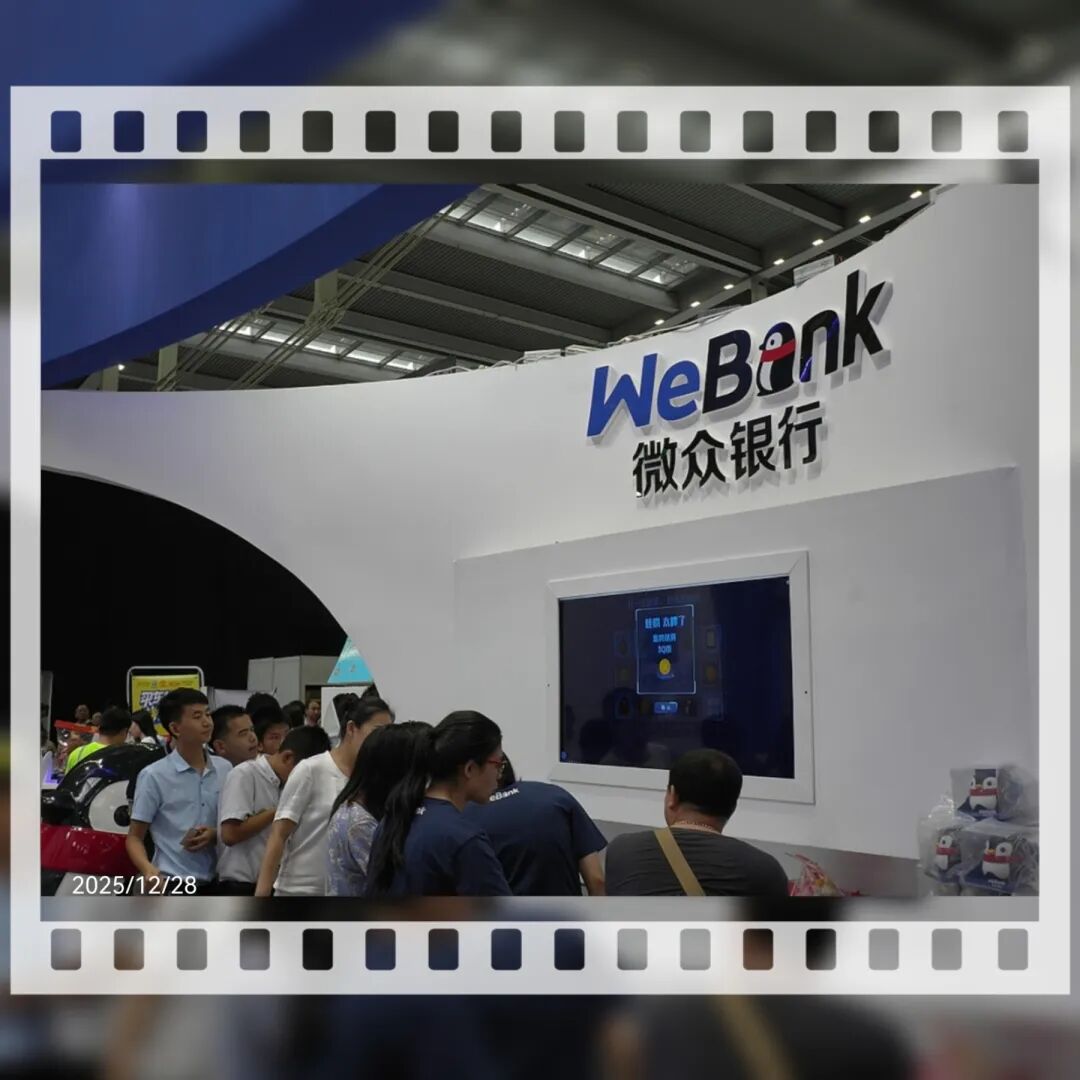
微众银行的大考:一边喊普惠,一边靠违规催收续命
Xin Lang Cai Jing· 2025-12-28 14:50
Core Insights - WeBank, as China's first private internet bank, has faced significant challenges after eleven years of operation, including a decline in both revenue and net profit for the first time in history, ongoing compliance fines, and a rising non-performing loan (NPL) rate [2][11] - The bank's initial focus on inclusive finance has been overshadowed by issues related to risk management and compliance, leading to a tarnished reputation in the private banking sector [2][11] Business Performance - WeBank has served over 430 million individual customers, primarily targeting underbanked low-income groups and small to medium enterprises, which initially contributed to rapid growth [2][11] - However, the rapid expansion has come at the cost of risk management, with the bank increasingly lowering lending standards to maintain growth, particularly targeting high-risk borrowers [4][13] Compliance Issues - Since 2022, WeBank has faced continuous regulatory fines, with at least one fine per year, indicating systemic compliance failures across various operational areas, including account management and anti-money laundering [3][12] - The bank's internal risk management framework has been described as severely compromised, with a significant fine of over 13 million yuan in 2024 highlighting critical compliance failures [3][12] Non-Performing Loans - The NPL rate has escalated from 0.51% in 2018 to over 1.57% in the first half of 2025, marking a historical high, while the provision coverage ratio has declined, indicating weakened risk absorption capacity [5][14] - This deterioration in asset quality has directly impacted WeBank's financial performance, leading to a decline in both revenue and net profit in 2024 and 2025 [5][14] Collection Practices - WeBank has increasingly relied on aggressive collection practices, with over 300 collection agencies engaged, leading to numerous consumer complaints regarding unethical collection methods [6][14] - The bank's collection issues have not been resolved despite new regulations aimed at tightening oversight of collection agencies, indicating a persistent problem in compliance and operational integrity [7][15] Future Outlook - For WeBank to navigate its current challenges, it must address compliance vulnerabilities and overhaul its risk management framework, moving away from a growth-at-all-costs mentality [8][16] - The bank's ability to restore its reputation and adhere to regulatory standards will be crucial for its future viability and the broader health of the private banking sector in China [8][16]