长三角一体化

Search documents
谋划“十五五”|合肥新能源汽车产业需充分协同长三角产业链
Xin Lang Cai Jing· 2025-10-11 02:36
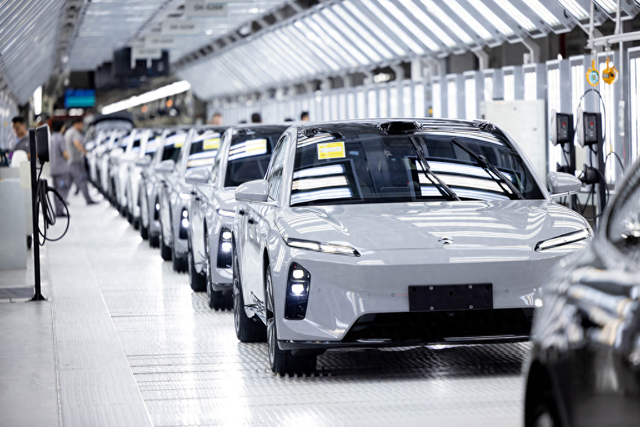
Core Viewpoint - Hefei is positioning itself as a significant player in the rapidly growing new energy vehicle (NEV) industry in China, leveraging its advantages in vehicle manufacturing and battery production to enhance its competitiveness within the Yangtze River Delta region [1][3]. Group 1: Industry Development Strategy - Hefei aims to transition from a "manufacturing strong city" to an "industrial hub" by deeply integrating into the Yangtze River Delta, fostering a collaborative and symbiotic regional industrial chain [3]. - The city is focusing on enhancing the resilience of its industrial chain by promoting mergers and acquisitions among leading vehicle manufacturers and fostering close cooperation with upstream and downstream component suppliers [4]. - Hefei is addressing key shortcomings in areas such as automotive-grade chips and intelligent driving systems through a strategy of "introduction + co-construction," enhancing its industrial structure by attracting high-end component manufacturers from other cities [6]. Group 2: Technological Innovation - Hefei is establishing an innovation ecosystem by leveraging local research institutions and leading enterprises to create a collaborative research and development framework across the Yangtze River Delta [8][9]. - The city plans to build a "Yangtze River Delta New Energy Vehicle R&D Innovation Center" to focus on critical technology areas such as power batteries and intelligent driving [9]. - A cross-regional mechanism for tackling major technological challenges is proposed, with Hefei leading efforts in battery and chip technology while collaborating with other cities on various technological fronts [10]. Group 3: Market Strategy - Hefei's NEV enterprises have a competitive edge in the mid-to-low-end market but need to enhance their presence in the mid-to-high-end market through differentiated market entry strategies [14]. - The city is encouraged to promote cross-regional sales and service systems, collaborating with other cities to unify vehicle procurement standards and share operational resources [15]. - Hefei aims to establish a "Yangtze River Delta NEV Export Alliance" to enhance the global market presence of regional brands [15]. Group 4: Infrastructure Development - Hefei is leading the establishment of a unified charging network across the Yangtze River Delta, promoting standardization and interoperability of charging facilities [17]. - The city is developing smart road traffic systems and collaborating with other cities to enhance traffic data sharing and management efficiency [19]. Group 5: Policy and Talent Support - A "Yangtze River Delta NEV Coordination Group" is proposed to oversee industrial policy coordination and ensure sustainable development [20]. - Hefei is working to create a talent collaboration system across the region, focusing on training high-level engineers and fostering cooperation between universities and enterprises [21]. - The establishment of a regional investment fund for the NEV industry is suggested to attract social capital and support innovation and market expansion [22].




杭衢高铁今日联调联试,跑出最高试验时速385公里
Xin Lang Cai Jing· 2025-10-10 09:54
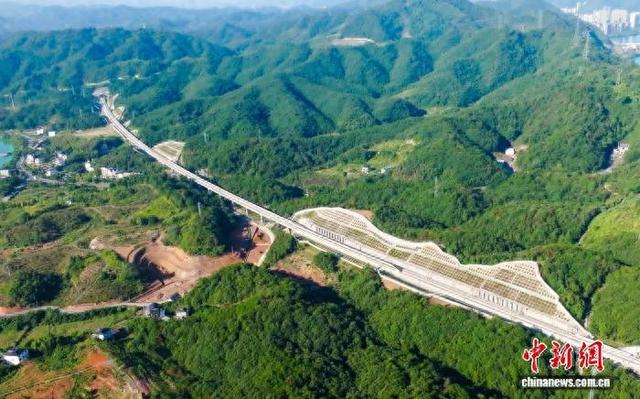
Core Points - The Hangzhou-Quchi High-Speed Railway has successfully achieved a test speed of 385 kilometers per hour, surpassing the design speed of 350 kilometers per hour, marking a significant milestone in the testing phase [1] - The railway spans approximately 131 kilometers and includes six stations, with a bridge-tunnel ratio of 78.7% [1][2] Group 1 - The Hangzhou-Quchi High-Speed Railway is undergoing a phased speed test, which includes both single and multiple train configurations, with the current focus on single train tests [1] - The railway is strategically located between Hangzhou and Quchi, enhancing connectivity in the Yangtze River Delta region and supporting regional economic development [2] Group 2 - The completion and operation of the Hangzhou-Quchi High-Speed Railway will optimize the regional railway network and contribute to the high-quality development of the Yangtze River Delta [2] - It is expected to play a crucial role in promoting the construction of a common prosperity demonstration zone in Zhejiang [2]
杭衢高铁联调联试跑出最高试验时速
Zhong Guo Xin Wen Wang· 2025-10-10 08:55
Core Insights - The Hangzhou-Quchi High-Speed Railway has successfully achieved a test speed of 385 kilometers per hour, meeting its trial objectives [2] - This railway is the first in China to adopt the "PPP+EPC" model, enhancing public-private collaboration in infrastructure development [2] - The railway spans approximately 131 kilometers with a designed speed of 350 kilometers per hour, featuring a bridge-tunnel ratio of 78.7% [2] Summary by Sections - **Testing and Speed Achievements** - The railway conducted a single train speed test, reaching the target speed of 385 kilometers per hour, which is 110% of the designed speed [2] - The testing process includes both single and multiple train configurations, with ongoing tests planned for signal systems and further speed trials [2] - **Operational Readiness and Economic Impact** - The Hangzhou-Quchi High-Speed Railway is expected to be operational by December this year [3] - Once operational, it will serve as a vital transportation link between the Hangzhou Bay Economic Circle and the Jinquli Economic Belt, significantly enhancing regional connectivity and supporting high-quality development in the Yangtze River Delta [3]
城市24小时 | 六大都市圈“建群”,目标“世界级”
Mei Ri Jing Ji Xin Wen· 2025-10-09 15:57
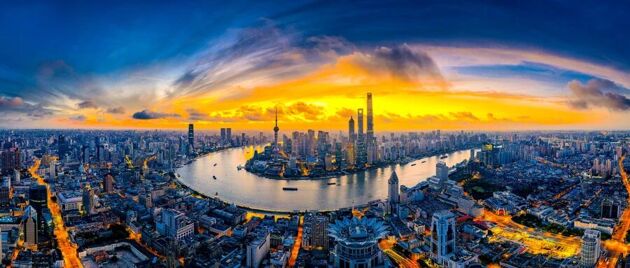
Core Viewpoint - The "Action Plan for Establishing and Improving the System and Mechanism for Coordinated Development of Urban Agglomerations" has been officially issued, proposing 30 specific tasks to enhance the integrated development level of the Yangtze River Delta urban agglomeration, focusing on the "Seven Ones" initiative [1][2] Group 1: Urban Agglomeration Development - The first priority of the "Seven Ones" is to jointly build a cross-regional coordinated development "one group," which includes enhancing the radiation and driving role of central cities and promoting the construction of important nodes in urban agglomerations [1] - The plan emphasizes the need for effective institutional construction and coordination mechanisms, aiming to establish a comprehensive planning, policy, and legislative coordination system [1][5] - The Yangtze River Delta region has six major urban agglomerations, including Shanghai, Nanjing, and Hangzhou, with Nanjing, Hangzhou, and Hefei already approved as national-level urban agglomerations [2] Group 2: Economic Contribution and Growth - In the previous year, the GDP of the Yangtze River Delta exceeded 33 trillion yuan, accounting for nearly 25% of the national economic output and contributing approximately 30% to national economic growth [2] - The Yangtze River Delta urban agglomeration ranks second among the world's six major urban agglomerations, highlighting its strategic position in the global economic landscape [2] Group 3: Challenges and Implementation - Despite notable achievements, there are challenges such as the need for improved operational efficiency of existing frameworks and insufficient implementation of planning guidelines [5] - The "Action Plan" also includes specific tasks related to infrastructure connectivity, collaborative innovation in technology and industry, and optimizing the market environment [5]
创意赋能玩法出新 长三角乡村游如何“热”起来?
Zhong Guo Xin Wen Wang· 2025-10-09 09:45
Core Insights - The article highlights the vibrant rural tourism in Jiaxing, Zhejiang Province, driven by the integration of urban and rural experiences in the Yangtze River Delta region [1][2] Group 1: Tourism Development - The "Biyun Garden" scenic area in Jiaxing has become a popular destination, attracting over one million visitors annually, with a focus on experiential activities such as horseback riding and animal interactions [1] - The demographic of visitors primarily consists of young women aged 20 to 30, who enjoy sharing their experiences and trying new activities [1] Group 2: Regional Integration - The "Xiangyue Jiangnan" village tourism passport connects scenic spots across Shanghai, Jiangsu, and Zhejiang, covering 417 kilometers and featuring 45 unique attractions [2] Group 3: Agricultural and Ecological Integration - The "Jiangxiaojing Paradise" in Yaozhuang Town has successfully attracted visitors by leveraging its environment to promote local citrus fruits, enhancing sales through activities like fruit picking [3] - The "Hongling Village" has developed a range of rice-based products, creating experiential venues that connect agriculture with tourism, such as a "water tower camp" and a "garden farm" [4]
(乡村行·看振兴)创意赋能玩法出新 长三角乡村游如何“热”起来?
Zhong Guo Xin Wen Wang· 2025-10-09 01:25
Core Insights - The article highlights the vibrant rural tourism scene in Jiaxing, Zhejiang Province, particularly in the context of the Yangtze River Delta's integrated development, showcasing the successful blending of urban and rural experiences [1][4]. Group 1: Tourism Development - The "Biyun Garden" in Jiaxing has become a popular destination, attracting over one million visitors annually, thanks to its engaging activities and beautiful flower fields [4]. - The demographic of visitors primarily consists of young women aged 20 to 30, who are keen on sharing experiences and trying new things [4]. - The "Xiangyue Jiangnan" village tourism passport connects various scenic spots across Shanghai, Jiangsu, and Zhejiang, enhancing accessibility and promoting regional tourism [4]. Group 2: Agricultural and Ecological Integration - The "Jiangxiaojing Paradise" in Chenxiang Village has revitalized local agriculture by integrating tourism with fruit picking and product packaging, leading to increased sales and community engagement [5]. - Redling Village has developed a unique culinary experience centered around rice, offering products like rice coffee and rice pudding, which utilize local resources and promote sustainable practices [8]. - The article emphasizes the transformation of rural areas from isolated developments to collaborative regional tourism efforts, showcasing a new model of rural revitalization [8].
黄金周看点 | 从“散落珍珠”到“交响合奏”,长假期检验长三角古镇“破圈”成色
Xin Hua Cai Jing· 2025-10-07 08:33
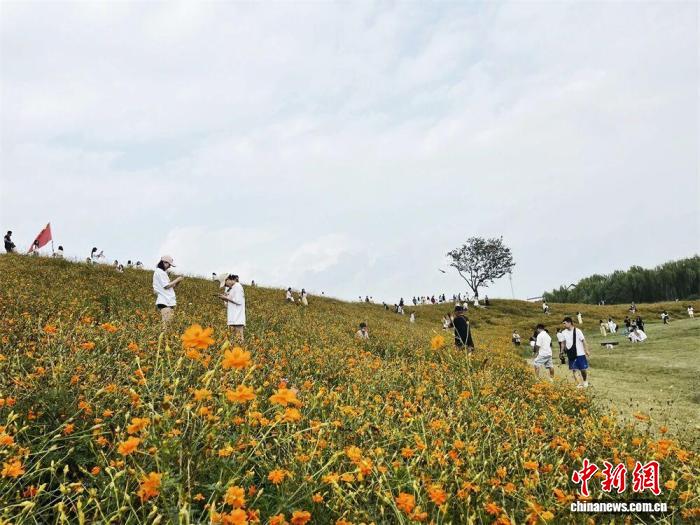
Core Insights - The article highlights the emerging trends in cultural tourism in ancient towns during the National Day and Mid-Autumn Festival, emphasizing the shift from mere sightseeing to immersive experiences [1][2][4]. Group 1: Trends in Cultural Tourism - The "Guofeng Guochao" theme has become central to cultural tourism in the Yangtze River Delta, with activities like wearing traditional costumes and interactive experiences gaining popularity [2][3]. - Tourists are increasingly seeking to become part of the stories of ancient towns, leading to the introduction of various services such as makeup, photography, and themed markets to enhance the immersive experience [3][4]. - The rise of night tourism has been notable, with a nearly 10% increase in night visitor numbers compared to the previous year, showcasing the integration of beautiful scenery and local cuisine [3][4]. Group 2: Addressing Homogeneity - The "thousand towns look alike" issue persists, with many ancient towns sharing similar cultural and architectural features, leading to visitor fatigue [5][7]. - Towns like Wuzhen have successfully differentiated themselves by creating unique travel products and experiences, such as light shows and literary-themed activities, attracting significant visitor numbers [5][7]. - The focus is shifting from ticket sales to creating engaging cultural experiences, with operators encouraged to think like curators of living cultural museums [7][8]. Group 3: Collaborative Development - The integration of transportation networks, such as high-speed rail, is facilitating the growth of a collaborative tourism economy among ancient towns, moving away from a ticket-based model [9][12]. - The article suggests that ancient towns should form a "super Jiangnan ancient town cluster" that offers a rich and complementary experience rather than competing individually [9][12]. - Utilizing big data for shared insights on visitor preferences and behaviors can enhance marketing strategies and improve visitor management across towns [12].

沪苏湖高铁、常泰长江大桥等迎来通车后首次国庆“大考”路网协同,畅享新基建“一路生花”
Xin Hua Ri Bao· 2025-10-06 23:30
Core Viewpoint - The recent infrastructure developments in Jiangsu, including the opening of the Suzhou-Huzhou High-Speed Railway and the Changtai Yangtze River Bridge, have significantly improved transportation efficiency and enhanced the travel experience for citizens during the National Day holiday [1][5]. Group 1: Infrastructure Impact - The Suzhou South Station saw a total of 114,000 passengers from September 29 to October 6, while Shengze Station recorded 43,000 passengers, indicating strong demand for the new high-speed rail services [2]. - The Changtai Yangtze River Bridge managed an average daily traffic of 90,374 vehicles, with peak traffic on the first day of the holiday reaching 100,000 vehicles [2][3]. - The Ningyang Yangtze River Bridge experienced an 850% increase in traffic on October 1, with peak vehicle counts reaching approximately 19,000 [2]. Group 2: Operational Efficiency - Jiangsu's transportation department implemented ten measures to ensure smooth traffic flow, including a smart operation management platform that integrates various monitoring systems [3]. - The province has become the first in China to offer free towing and recovery services on highways, enhancing the overall travel experience [3]. - The Changtai Yangtze River Bridge has identified over 200 abnormal events with an accuracy rate exceeding 95%, demonstrating effective incident management [3]. Group 3: Service Enhancements - The Ningyang Yangtze River Bridge has upgraded its toll stations to mini service areas, providing amenities such as hot meals and electric vehicle charging stations [4]. - Cultural performances at the Shengze Station during the holiday period enriched the travel experience, showcasing local cultural heritage [4]. - The overall improvements in transportation infrastructure not only reduced travel times but also added a sense of warmth and community to the travel experience [4][6].
浙江:杭衢高铁进入开通倒计时
Xin Hua Wang· 2025-10-01 01:09
Core Viewpoint - The newly constructed Hangzhou to Quzhou High-Speed Railway (referred to as Hangzhou-Quzhou High-Speed Railway) has entered the joint debugging and testing phase, with expectations to be operational by the end of the year [2] Group 1: Project Overview - The Hangzhou-Quzhou High-Speed Railway is located within the boundaries of Jiande City and Quzhou City in Zhejiang Province [2] - It is the first high-speed railway in China to adopt the "PPP+EPC" model, which combines public-private partnerships with engineering procurement and construction [2] - The railway has a total length of approximately 131 kilometers and is designed for a maximum speed of 350 kilometers per hour, with a bridge-tunnel ratio of 78.7% [2] Group 2: Economic Impact - Once operational, the railway will create an efficient and convenient transportation artery between the Hangzhou Bay Economic Circle and the Jinqiu-Li Economic Circle [2] - The project is expected to optimize the regional railway network structure and contribute significantly to the high-quality development of the Yangtze River Delta integration [2]
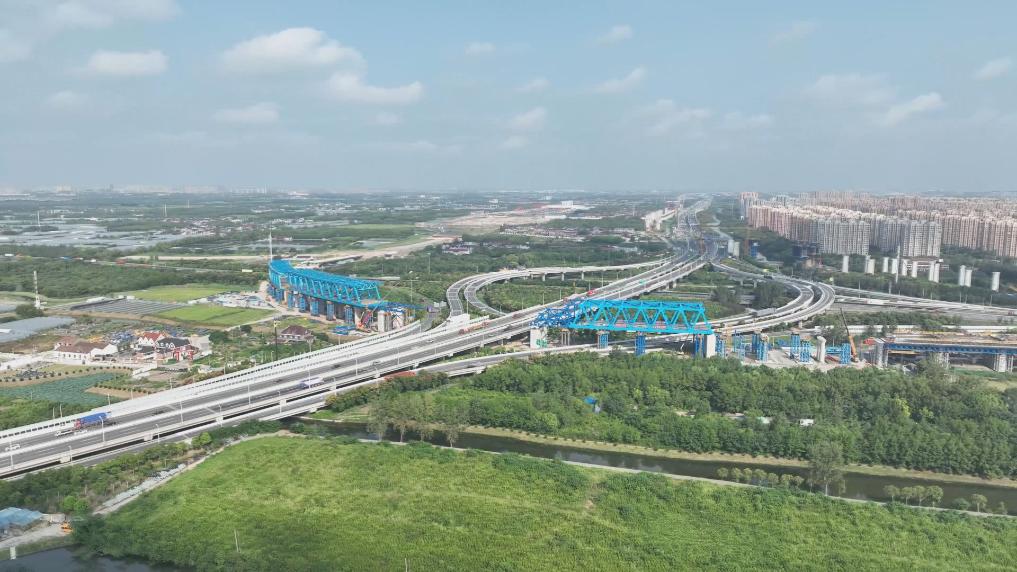
沪渝蓉高铁上海段108米钢桁梁架设完成
Xin Hua Wang· 2025-09-30 13:00
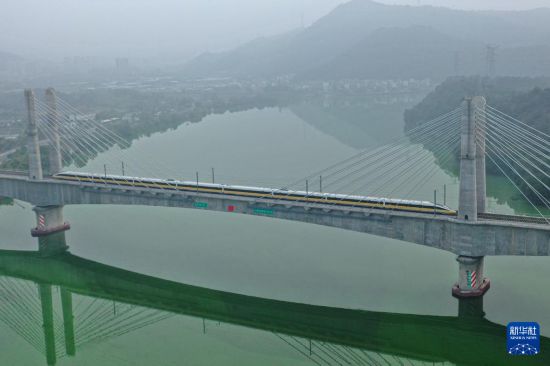
Group 1 - The successful installation of a 2,200-ton steel truss beam marks the completion of the steel beam erection for the Shanghai section of the Huhang Railway project [1] - The project, undertaken by China Railway Fifteenth Bureau, includes the construction of two parallel lines: the Huhang Railway Shanghai Grand Bridge and the Husu-Tong Railway Phase II Shanghai Grand Bridge, with a total length of 19.15 kilometers [2] - The Huhang Railway's Shanghai-Nanjing section is part of the eastern route of the Huhang Railway, which is a significant component of the national "eight vertical and eight horizontal" high-speed railway network along the Yangtze River, with a total length of approximately 554 kilometers and a design speed of 350 kilometers per hour [2] Group 2 - The completion of this project is expected to optimize the railway network layout in the Yangtze River region and contribute to the high-quality development of the Yangtze River Delta integration [2]