
健康管理

Search documents
当人工智能遇上健康管理 健康险风险减量能否破局
Jin Rong Shi Bao· 2026-01-07 07:33
Core Insights - The insurance industry is transitioning from traditional financial compensation models to a customer-centric service model, focusing on risk reduction through proactive health management [1][4] - The establishment of the Ping An Health Management Company marks a significant step in integrating health management services with health insurance, aiming to enhance customer engagement and reduce claims [1][2] Group 1: Industry Trends - The aging population and diverse health needs are driving the transformation of traditional insurance models, necessitating a shift towards proactive health management [1][4] - Health management services are becoming standard in health insurance products, even in basic insurance offerings, indicating a broader industry trend towards integrated health services [2][3] Group 2: Company Developments - In the first half of 2025, Ping An Health's health management services generated service revenue of 159 million yuan, serving over 4.8 million clients, reflecting a year-on-year growth of 21.4% [2] - China Pacific Insurance established a subsidiary focused on health management, aiming to meet the needs of high-end clients through innovative health services [3] Group 3: Challenges and Opportunities - The transition from passive claims to active health management is crucial for the sustainability of health insurance, with a focus on reducing claim rates and increasing customer retention [4][5] - Despite the recognized importance of health management, low user awareness and service utilization rates remain significant challenges for the industry [5][6] Group 4: Technological Integration - The integration of artificial intelligence (AI) in health management is seen as a key driver for improving service delivery and efficiency, with potential applications in personalized health interventions [6][7] - The Chinese government is promoting the use of AI in health management to enhance service capabilities and improve public health outcomes [6][7]
健康险风险减量能否破局
Jin Rong Shi Bao· 2026-01-07 02:25
Core Insights - The insurance industry is transitioning from traditional financial compensation models to a customer-centric service model, driven by aging populations and diverse health needs [1][2] - The establishment of health management companies is becoming a standard configuration in health insurance, with companies like Renbao Health and China Pacific Insurance leading the way [2][3] - Health management services are essential for sustainable development in health insurance, focusing on proactive risk reduction and customer engagement [5][6] Group 1 - Renbao Health's health management subsidiary was officially established in Beijing, aiming to integrate health management services as a key method for risk reduction [1] - In the first half of 2025, Renbao Health's health management services generated revenue of 159 million yuan, serving over 4.8 million customers, reflecting a year-on-year growth of 21.4% [2] - The integration of health management services into insurance products is becoming standard, even for basic insurance offerings [2][3] Group 2 - Major insurance companies are enhancing their core business through health management, with China Pacific Insurance focusing on high-end customer needs in health management and rehabilitation [3][5] - The shift from passive claims to active health management is crucial for the health insurance sector, aiming to lower claim rates and improve customer retention [5][6] - The low user awareness and service utilization rates present significant challenges for the industry, despite the recognized importance of health management [6][7] Group 3 - Regulatory guidance has been issued to promote the integration of health insurance and health management, emphasizing a new health service guarantee system [7] - Artificial intelligence (AI) is seen as a key solution to enhance health management efficiency and effectiveness, with applications in personalized health interventions [8] - The deep integration of AI technology into health management services is expected to address challenges in service delivery and improve overall health outcomes [8]



重新定义智能手表,华为花了十年“笨功夫”
Guan Cha Zhe Wang· 2026-01-03 01:27
Core Insights - The article discusses the transformation of smartwatches from mere smartphone accessories to independent health management devices, highlighting the increasing adoption of these devices for monitoring health metrics like heart rate and sleep analysis [1][2]. Company Overview - Huawei is identified as a key player driving the evolution of the smartwatch industry, with its focus on health management and user experience since the launch of its first HUAWEI WATCH in 2015 [2][10]. - The company has integrated advanced health monitoring features into its devices, such as ECG heart analysis and blood pressure measurement, showcasing its commitment to merging professional medical capabilities with consumer technology [2][8]. Product Development - Huawei has introduced innovative features like the X-TAP smart sensing window for rapid blood oxygen detection, which reflects the company's dedication to refining user experience through technology [3]. - The latest HUAWEI WATCH 10th Anniversary model includes a health dashboard that presents 12 health metrics visually, making it easier for users to track their health [6][8]. User Experience - The company acknowledges the challenge of complex functionalities in smartwatches and aims to simplify user interaction by presenting advanced features in an accessible manner [5][10]. - The upgraded AI assistant, "腕上小艺," enhances user engagement by providing personalized health insights and support during activities, transforming the smartwatch into a more interactive companion [9]. Market Trends - The article notes a growing consumer preference for mid to high-end smartwatches, with an increasing focus on health-related functionalities, indicating a shift in market demand [10]. - Huawei's approach to integrating AI-driven health analysis into its products is seen as a validation of its strategic direction in the competitive smartwatch landscape [10].

体检更精细 健康管理更有效
Xin Lang Cai Jing· 2026-01-02 17:26
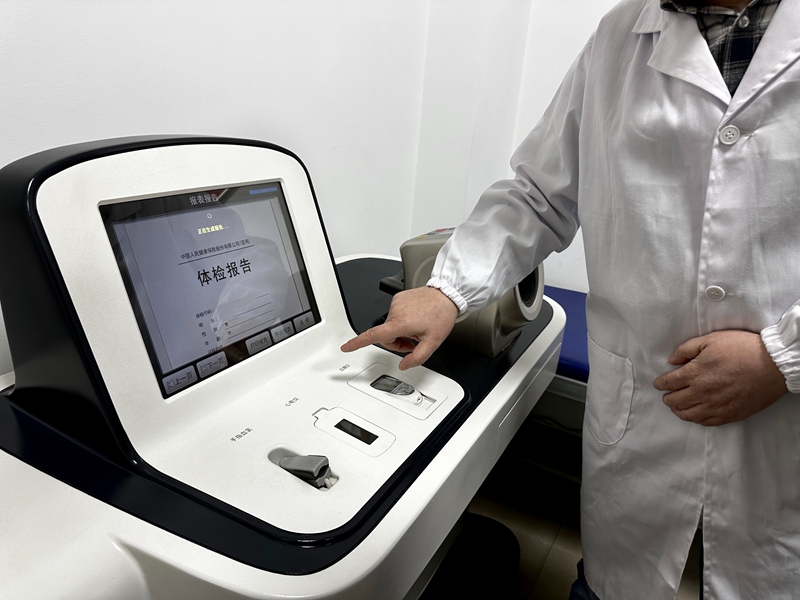
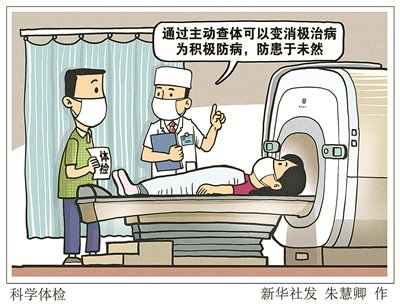
转自:贵州日报 国家卫生健康委员会发布的《成人健康体检项目推荐指引(2025年版)》(以下简称《指引》),引 入"健康体检自测问卷"作为体检前导,并将心理健康量表筛查纳入评估体系,推动体检从"标准化套 餐"向"风险导向型"模式转变,为18岁及以上人群提供更科学、更精准的健康体检指导。 《指引》的推出,有助于进一步规范健康体检行为,维护受检者健康权益,推动健康体检行业高质量发 展。 从被动的受检者转变为主动的健康参与者 "《指引》具有较强的权威性、指导性和实操性。"中华医学会健康管理学分会第五届主任委员郭清教授 说。2009年原卫生部出台《健康体检管理暂行规定》,是相关领域早期指导性文件;中华医学会健康管 理学分会2014年发布《健康体检基本项目专家共识》,并于2022年进一步修订。 《指引》在此前基础上,结合疾病谱变化与医学证据更新,进行系统性修改、完善,推动健康体检向健 康管理模式转变。 成人健康体检的关键任务在于促进加强常见疾病管理与重大疾病早诊早治。《指引》中明确的恶性肿瘤 风险涵盖肺癌、肝癌、胃癌等类型,"通过规范体检,这些肿瘤早期发现的可能性较高。"中华医学会肿 瘤学分会主任委员、四川省肿瘤医院院长 ...
岁末回望 2025保险业:分红险崛起、险资加速入市、健康险革新
Huan Qiu Wang· 2025-12-30 08:55
Core Insights - The insurance industry in 2025 has undergone significant transformations, focusing on dividend insurance products, asset-liability management, and the integration of health insurance with health management [1] Group 1: Changes in Insurance Products - The scheduled interest rates for life insurance products have been reduced to a maximum of 2.0%, with ordinary products dropping from 2.5% to 2.0% and dividend products from 2.0% to 1.75% [3] - The asymmetric reduction strategy for dividend products, with a smaller decrease compared to other types, indicates regulatory recognition of the "guarantee + profit-sharing" mechanism, enhancing the competitive potential of dividend insurance [3] - The persistent low-interest environment has prompted life insurance companies to shift from traditional fixed-income models to a "guaranteed return + floating dividend" model, making dividend insurance a common consensus among insurers [3] Group 2: Asset-Liability Management - The adjustment in product structure has opened a fast track for the development of dividend insurance, driven by meticulous asset-liability management strategies aimed at achieving sustainable development [4] - The draft of the "Insurance Company Asset-Liability Management Measures" aims to integrate regulatory requirements and establish a comprehensive framework for asset-liability management, emphasizing the need for stable cash flow to cover liabilities [4] Group 3: Policy Support for Long-term Investment - Insurance capital has accelerated its entry into the market, supported by policies aimed at enhancing the stability and proportion of commercial insurance funds in A-share investments [5] - By the end of Q3 2025, the proportion of investments in stocks and securities by life insurance companies rose to 15.38%, while property insurance companies reached 16.97% [6] - Insurance capital has engaged in over 30 stake acquisitions in 2025, surpassing previous records, and the number of operational insurance private equity funds has reached 10 [6] Group 4: Innovations in Health Insurance - Insurers are increasingly integrating health management into their offerings, moving beyond traditional policy sales to promote proactive health management [7] - The "Guiding Opinions" issued in September 2025 encourage the integration of health insurance with health management, aiming to create a new health service guarantee system [8] - The return of dividend-type long-term health insurance and the development of long-term care insurance are highlighted as significant advancements in the health insurance sector [8]
如何做到“科学体检”?
Xin Lang Cai Jing· 2025-12-29 17:12
(来源:劳动午报) 转自:劳动午报 在快节奏的现代生活中,健康管理往往容易被人们忽视。定期体检不仅能帮助我们发现潜在疾病风险, 更能实现疾病的早发现、早治疗。今天,北京友谊医院国际医学部副主任医师付丽、主治医师丁蕾蕾将 从定期体检的必要性、异常指标解读,到检后管理,带大家全面了解"科学体检"的关键要点,帮助大家 精准把握自身健康状况。 建议体检当日选择舒适宽松的着装,女士不要戴耳钉、项链、金属装饰的内衣等首饰,避免穿连衣裙、 连裤袜、长筒袜等,不要化浓妆、厚实的美甲和戴隐形眼镜,以免影响对面色、甲床及巩膜的观察。 体检当日,需要保持空腹至少8小时,注意体检的有序性,先做空腹项目,如抽血、腹部超声、呼气试 验等。妇科经腹部超声、泌尿系超声等需要憋尿的检查,要在留取尿标本前完成。妇科经阴道相关的检 查则应该在留取尿标本后进行,避免采样和检查对尿红细胞的影响。 为什么要定期体检? 健康体检是通过医学手段早期发现疾病线索和健康隐患的诊疗行为,体检的本质是治未病,"早筛查、 早评估、早干预",而非等疾病出现再治疗。具体来说,定期体检有三个关键意义: 早发现,捕捉"无症状疾病"信号 像高血压、2型糖尿病、脂肪肝、动脉硬化 ...
共话健康之道,广东资本圈健康沙龙成功举办
Zheng Quan Shi Bao Wang· 2025-12-27 11:45
Group 1 - The event "Intelligent Capital, Enjoy Health" was successfully held in Shenzhen, focusing on the health of professionals in the capital market, highlighting the importance of personal health as a valuable asset in a high-pressure environment [1][2] - Data indicates that nearly 40% of financial industry personnel work over 55 hours a week, with an alarming 84% of individuals over 60 showing abnormal carotid artery detection rates, emphasizing the need for better health management [1][2] - The event aimed to create a platform for sharing health management experiences and promoting a healthier work-life balance among industry professionals [1][2] Group 2 - The Securities Times South China Headquarters aims to be a key information dissemination platform and resource connector while also becoming a co-creator of a health ecosystem, integrating quality resources to support health management for professionals [2] - The concept of "invisible investment" in health management is emphasized, comparing it to long-term investment strategies in the capital market [2] - The event featured discussions on health management principles, including maintaining a positive mindset, balanced nutrition, adequate sleep, and moderate exercise as essential for sustaining professional vitality [3][4] Group 3 - The integration of traditional Chinese medicine and Western preventive medicine was discussed, promoting a scientific approach to health management that adapts to modern lifestyles [4] - Basic principles of health maintenance were outlined, including dietary balance, appropriate exercise, and regular sleep patterns, aimed at preventing health issues before they arise [4] - The event fostered an interactive environment for participants to share health insights and connect with quality resources, promoting a culture of health awareness in the industry [4]


上海体检人群健康“成绩单”出炉
Xin Lang Cai Jing· 2025-12-27 07:24
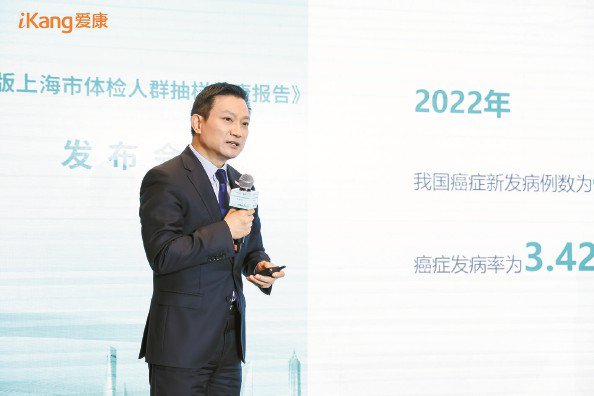
Core Insights - The report highlights a concerning trend in health indicators among the Shanghai population, with seven key metrics showing a continuous increase over five years, signaling a need for individuals to take responsibility for their health [10][13]. Group 1: Health Trends and Findings - The report is based on health data from 673,700 individuals in Shanghai, covering nine statistical dimensions and 23 specific abnormal indicators [10]. - The cancer detection rate in the Shanghai screening population exceeds 2.20‰, indicating the effectiveness of systematic health checks in early cancer detection [11]. - Among the confirmed cancer cases, thyroid cancer is the most prevalent, followed by lung, cervical, breast, and prostate cancers, with a notable trend of younger individuals being diagnosed [11][15]. - The detection rate of lung nodules is 70.93%, with a significant majority being benign, emphasizing the importance of regular follow-ups for early malignant changes [12]. - The overall detection rate of bone density issues is 52.24%, with a concerning 42.02% in the 20-29 age group, indicating a need for early intervention in bone health [13]. Group 2: Gender-Specific Health Issues - For men, common health issues include lung nodules, fatty liver, increased BMI, prostate abnormalities, and reduced bone mass, with detection rates exceeding 50% [14]. - The detection rate of increased BMI among men is 61.28%, highlighting obesity as a significant health challenge that can lead to various diseases [14]. - In women, prevalent health issues include lung nodules, thyroid nodules, breast nodules, reduced bone mass, and fatty liver, with breast nodule detection rates at 43.15% [15]. - The detection rate of high-risk HPV among women aged 20-29 is 14.80%, underscoring the importance of regular screenings for cervical cancer prevention [15]. Group 3: Innovations in Health Management - The introduction of AI and big data in health management is transforming the approach to personalized health advice, with the AI health manager system serving over 1.65 million users [16]. - The shift from traditional health checks to personalized management strategies is emphasized, with a focus on tailored health recommendations based on individual health data [16]. - Experts stress the need for a balance between technological innovation and human care in health management, particularly in cancer screening methods [17]. Group 4: Comprehensive Health Management Strategies - The report advocates for the integration of various health management solutions, including specialized screening packages for high-risk populations [18]. - Simple health indicators like waist circumference and waist-to-height ratio are recommended for routine checks to assess metabolic risks effectively [18]. - The report serves as a basis for targeted health promotion strategies, particularly for the working population, emphasizing the need for continuous health management rather than annual check-ups [19].
华为发布六大健康管理解决方案
Bei Jing Shang Bao· 2025-12-26 03:13
Core Insights - The second Huawei Terminal Health Management Industry Summit was held on December 25, where Huawei Qingtian, in collaboration with multiple industry partners, launched six health management solutions and benchmark cases [1] - The solutions include smart comprehensive health management, grassroots community health, and digital chronic disease management, aiming to transition health management from a labor-intensive model to a technology-driven approach [1] - The initiative promotes a shift in the industry from "passive medical care" to "proactive health" [1]
让体检更科学精准,最新《指引》有这些变化
Xin Lang Cai Jing· 2025-12-25 05:03
转自:北京日报客户端 成人健康体检的关键任务在于促进加强常见疾病管理与重大疾病早诊早治。《指引》中明确的恶性肿瘤 风险涵盖肺癌、肝癌、胃癌等类型,"通过规范体检,这些肿瘤早期发现的可能性较高。"中华医学会肿 瘤学分会主任委员、四川省肿瘤医院院长林桐榆教授介绍。 《指引》有助于推动癌症三级预防理念进一步落地:一级预防关注病因阻断,如通过接种HPV疫苗预防 宫颈癌;二级预防着眼于早诊早治;三级预防则强调规范治疗。"如果在疾病早期通过筛查实现干预, 一定程度上可延缓疾病进展,甚至逆转部分早期病变。"林桐榆说。 国家卫生健康委发布《成人健康体检项目推荐指引(2025年版)》 体检更精细 健康管理更有效 国家卫生健康委员会发布的《成人健康体检项目推荐指引(2025年版)》(以下简称《指引》),引 入"健康体检自测问卷"作为体检前导,并将心理健康量表筛查纳入评估体系,推动体检从"标准化套 餐"向"风险导向型"模式转变,为18岁及以上人群提供更科学、更精准的健康体检指导。 《指引》的推出,有助于进一步规范健康体检行为,维护受检者健康权益,推动健康体检行业高质量发 展。 从被动的受检者转变为主动的健康参与者 "《指引》具有较 ...