
反垄断法

Search documents
美国最高法院维持判决 禁止美航与捷蓝航空结盟
news flash· 2025-06-30 14:27
Core Viewpoint - The U.S. Supreme Court has rejected American Airlines' appeal, upholding a lower court's decision that prohibits the airline from forming a partnership with JetBlue Airways under the "Northeast Alliance," which was deemed a violation of antitrust laws [1] Summary by Relevant Categories Legal and Regulatory - The Northeast Alliance, initiated in 2021, has been ruled against due to antitrust law violations [1] Company Impact - American Airlines is unable to proceed with its planned collaboration with JetBlue Airways, which may affect its competitive strategy in the Northeast market [1]
报道:OpenAI 高管已讨论指控微软存在反竞争行为
news flash· 2025-06-16 20:43
Core Viewpoint - OpenAI executives are discussing allegations of anti-competitive behavior by its primary supporter, Microsoft, during their collaboration [1] Group 1: Allegations and Actions - OpenAI may seek federal regulatory review of its contract terms with Microsoft to determine potential violations of antitrust laws [1] - The company is considering launching public advocacy efforts related to these allegations [1]

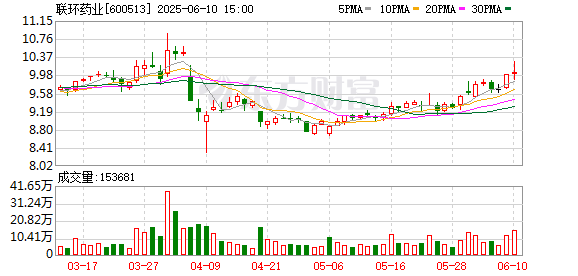
违反反垄断法,联环药业遭罚没6103.82万元
Bei Jing Shang Bao· 2025-06-10 13:05
Core Viewpoint - The company, Lianhuan Pharmaceutical, has been penalized for engaging in anti-competitive practices related to the pricing of dexamethasone phosphate sodium raw materials, violating China's Anti-Monopoly Law [2][3]. Group 1: Regulatory Actions - The Tianjin Municipal Market Supervision Administration issued an administrative penalty decision against the company for forming a monopoly agreement to fix prices, which restricts competition in the sales of dexamethasone phosphate sodium [2]. - The company is required to cease illegal activities and has been fined a total of 61.0382 million yuan, which includes the confiscation of illegal gains amounting to 17.8992 million yuan and a fine based on 8% of the 2023 sales revenue [2]. Group 2: Financial Impact - The total penalty amount represents 2.83% of the company's audited revenue and 72.53% of its net profit attributable to shareholders for the most recent fiscal year [3]. - The penalty will reduce the company's net profit attributable to shareholders by 61.0382 million yuan for the fiscal year 2025 [3].


又一药企因原料药垄断被罚1.95亿元,药品垄断、哄抬药价何时休?
Hu Xiu· 2025-05-07 01:44
Core Viewpoint - The article highlights the issue of pharmaceutical companies engaging in price-fixing and monopolistic practices, leading to significant price increases for essential medications, particularly the drug "新斯的明" (Neostigmine), which has seen price hikes of 11 to 21 times due to collusion among three companies [2][3][19]. Group 1: Price Manipulation and Regulatory Actions - Xianju Pharmaceutical was fined 195 million yuan for its involvement in a monopoly case related to dexamethasone phosphate raw materials [1]. - The price of Neostigmine injection surged from 2-3 yuan to over 30 yuan per unit, representing an increase of over 10 times [6][10]. - The sales revenue of Neostigmine in public medical institutions exceeded 3 billion yuan in 2020, with a year-on-year growth of 446.81% [10]. Group 2: Impact on Patients and Market Dynamics - Neostigmine is critical for treating myasthenia gravis and has no alternative medications, making its price increase particularly harmful to patients [4][14][16]. - The drug was included in the National Shortage Drug List, which pharmaceutical companies used as a pretext for price hikes [11][13]. - By the end of 2024, Neostigmine was included in the tenth batch of centralized procurement, with prices dropping to below 1 yuan per unit, exposing the previous price inflation as unjustified [17][18]. Group 3: Monopolistic Practices and Legal Framework - The collusion among the three companies involved not only price increases but also market division to maintain their market shares [19][20]. - The penalties for monopolistic behavior have historically been light, with the revised Anti-Monopoly Law in 2022 introducing personal liability for executives, marking a shift in enforcement [5][29][35]. - The fines imposed on companies often do not reflect the substantial illegal profits gained from monopolistic practices, leading to calls for stricter enforcement and higher penalties [27][30].
美国当年的石油大王到底有多有钱,远远超出现在的比尔盖茨
Sou Hu Cai Jing· 2025-04-26 16:48
Core Insights - The article discusses the wealth and influence of historical figures like John D. Rockefeller compared to modern billionaires like Bill Gates and Jeff Bezos, highlighting the immense financial power of Rockefeller in the early 20th century [1][3]. Group 1: Wealth Comparison - Rockefeller was the world's first billionaire, with his wealth at its peak in 1914 amounting to 2.4% of the US GDP, equivalent to approximately $456 billion today, which is about five times Bill Gates' current wealth [3]. - Bill Gates currently has assets exceeding $80 billion, which is significantly less than Rockefeller's adjusted wealth [1][3]. Group 2: Industry Control - Rockefeller's Standard Oil Company controlled over 90% of the oil production, refining, and trade in the United States during its time, establishing a monopoly that allowed him to exert significant influence over the American economy [3][5]. - The dominance of Standard Oil led to the introduction of antitrust laws in the US, resulting in the company's breakup into over 20 smaller companies, including Exxon and BP [5]. Group 3: Philanthropy and Legacy - Rockefeller was known for his philanthropic efforts, donating over $500 million throughout his life, which set a precedent for future wealthy individuals [5]. - His personal habits of frugality and philanthropy have influenced many subsequent billionaires, establishing a model for wealth management and social responsibility [5]. Group 4: Historical Impact - The Rockefeller family's influence extended beyond economics; for instance, their control over oil resources played a role in geopolitical events such as Japan's attack on Pearl Harbor due to oil supply issues [7]. - The Rockefeller family's strategic decisions regarding oil information significantly impacted Japan's military actions during World War II [7].
腾讯华为冷处理新分成协议:国内安卓应用市场的抽成黑箱
2 1 Shi Ji Jing Ji Bao Dao· 2025-04-22 11:24
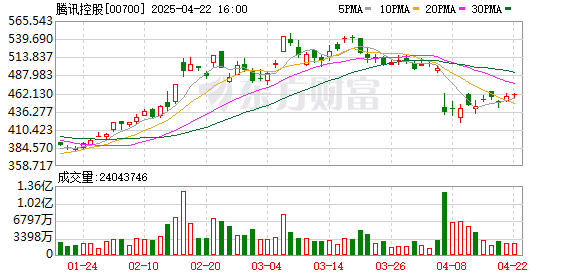
Core Viewpoint - Tencent and Huawei may have reached a revenue-sharing agreement that reduces the in-app purchase commission for Tencent games on Huawei's AppGallery to 10%-20%, which would significantly benefit Tencent compared to the standard 50% rate [2][7]. Group 1: Agreement Details - The reported agreement would allow Tencent to retain a larger share of in-app purchase revenues, enhancing its profitability [2]. - Both companies have remained silent on the authenticity of the report, with Tencent declining to comment and the media outlet retracting the story shortly after publication [2]. - Industry insiders suggest that while most Android channels publicly disclose their commission rates, negotiations can vary significantly, allowing for potential concessions from Huawei to Tencent due to their respective market positions [2][3]. Group 2: Historical Context - Tencent and Huawei have a history of both competition and collaboration, having faced disputes over cooperation agreements in the past [3][5]. - Previous collaborations include the establishment of innovation labs and joint projects aimed at enhancing mobile gaming and technology [5][6]. - The timing of these collaborations often coincides with critical developments in the mobile internet and gaming sectors, indicating a willingness to cooperate when market opportunities arise [6]. Group 3: Market Dynamics - The current commission structure in the industry is largely influenced by the Hard Core Alliance, which sets a standard 50% commission rate for game developers, potentially raising antitrust concerns [7][8]. - The emergence of alternative distribution channels and the dissatisfaction of major game developers with high commission rates have led to increased negotiations between developers and platforms [8][9]. - The negotiation process is often opaque, with agreements being made on a case-by-case basis, complicating the landscape for smaller developers who lack negotiating power [10][11]. Group 4: Regulatory Environment - Recent government encouragement for more apps to be listed on Huawei's HarmonyOS may influence the dynamics of revenue-sharing agreements [6]. - The potential for lower commission rates on HarmonyOS compared to existing Android platforms could reshape industry standards, although the process remains uncertain [11]. - Concerns about compliance with antitrust laws may lead both Tencent and Huawei to avoid public discussions about their agreements to mitigate scrutiny [10][11].

反垄断法和国安法齐上阵,李嘉诚或许没想到,事情会闹到如此严重
Sou Hu Cai Jing· 2025-04-05 04:50
Core Viewpoint - The sale of port operations by CK Hutchison Holdings, led by Li Ka-shing, has faced significant backlash due to political intervention, resulting in a substantial drop in stock price and potential long-term repercussions for the company [1][9]. Group 1: Stock Market Impact - CK Hutchison Holdings experienced a stock price drop of 4.7% in a single trading day, marking the highest decline in nearly two weeks, leading to a loss exceeding 10 billion HKD [1]. - The company's market value has been significantly affected, with losses surpassing 100 billion HKD in just one trading day [1]. Group 2: Political and Regulatory Response - The Chinese government has intervened politically, with the Ministry of Foreign Affairs expressing opposition to foreign commercial bullying, indicating a shift in the regulatory landscape [3]. - The State Administration for Market Regulation announced a formal review of the transaction to ensure fair market competition and protect public interests [4]. Group 3: Strategic Implications - The transaction's rapid progression raised concerns about the lack of competitive bidding, suggesting a potential misalignment with standard business practices [4]. - The potential invocation of the National Security Law against the transaction highlights the strategic significance of the port operations and the implications for national interests [6]. Group 4: Long-term Consequences - The fallout from this transaction may severely impact CK Hutchison's business operations in mainland China, as trust in the company diminishes among local enterprises [9]. - The incident reflects a misjudgment of the current geopolitical climate, particularly in the context of deteriorating US-China relations, which could lead to increased scrutiny of the company's future dealings [11].
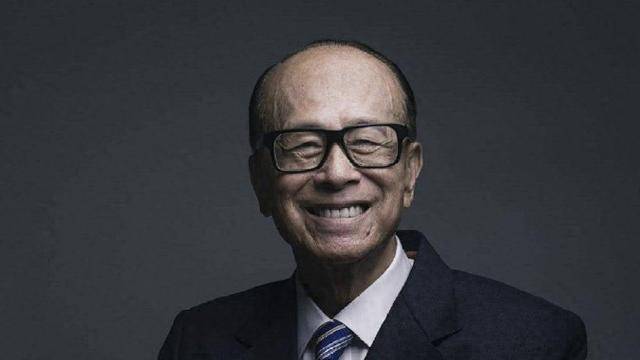
涉嫌违反反垄断法,杜邦中国被立案调查!
证券时报· 2025-04-04 12:26
Group 1 - DuPont China Group Co., Ltd. is under investigation by the State Administration for Market Regulation for allegedly violating the Anti-Monopoly Law of the People's Republic of China [1] - Following the announcement of the investigation, DuPont's pre-market stock price plummeted, with a decline of nearly 10% [3]

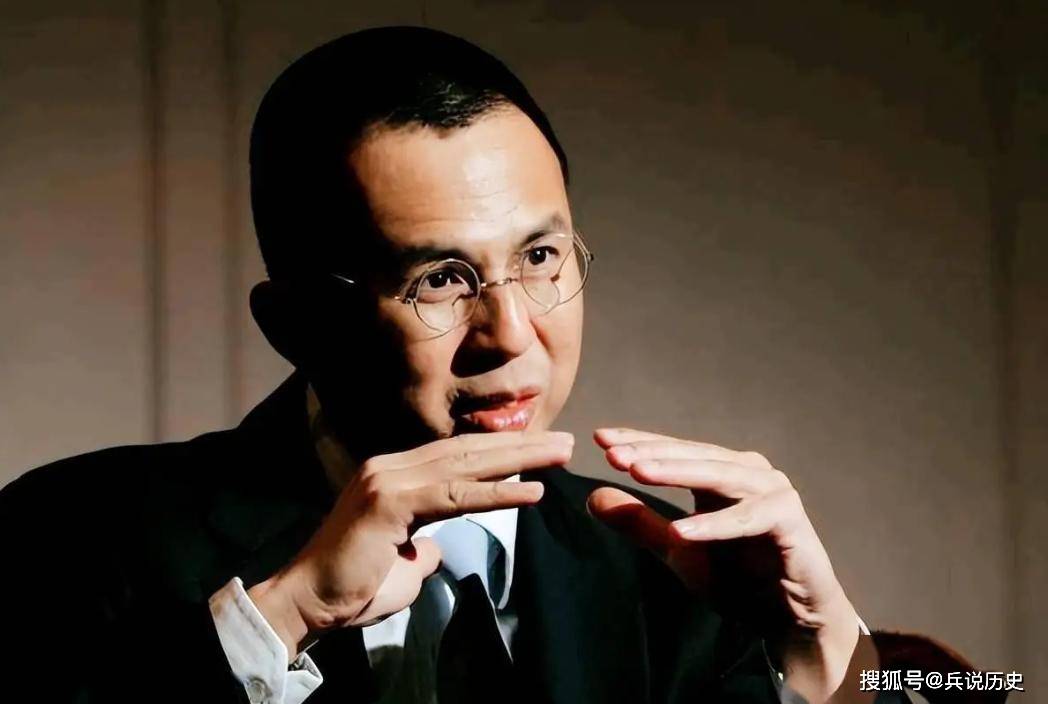
开始害怕了?官方出手审查,李嘉诚次子分家:所有业务独立于长和
Sou Hu Cai Jing· 2025-04-02 14:31
Core Viewpoint - The recent announcement by the Chinese authorities to review the sale of the Panama port by Cheung Kong Holdings has led to significant reactions, particularly from Li Ka-shing's son, Li Zekai, who has declared that all his businesses are now independent from Cheung Kong, raising questions about the motivations behind this separation [1][2]. Group 1: Li Zekai's Independence - Li Zekai has publicly stated that all his businesses are now independent from Cheung Kong Group, despite having previously held positions within the company [2]. - There are indications that Li Zekai's separation from Cheung Kong may not be as clear-cut as it appears, as he still holds significant influence and connections with the group [2][3]. - The timing of Li Zekai's announcement coincides with heightened scrutiny of Cheung Kong's dealings, suggesting a strategic move to distance himself from potential fallout [3]. Group 2: Implications of the Review - The Chinese government's review of Cheung Kong's sale of the Panama port may indicate potential violations of antitrust laws, prompting Li Zekai and others to reconsider their affiliations [3][4]. - Although Cheung Kong has paused negotiations with the U.S., there are doubts about whether the company has genuinely recognized its missteps or is merely buying time [3][4]. - The pressure from the Chinese authorities and public sentiment may force Cheung Kong to abandon its plans with the U.S., but there are concerns that the leadership may still harbor hopes of proceeding with the deal in the future [4].
经营者集中审查行政诉讼第一案判决生效,市场监管总局通报详情
Xin Jing Bao· 2025-03-28 13:33
判决明确了经营者集中制度鼓励经营者通过公平竞争、自愿联合,依法实施集中的总体原则,也表明经 营主体在经营者集中审查中各项权益受到法律严格保护,有助于增强经营主体对经营者集中审查的预 期。同时,判决完整展现了市场监管总局对经营者集中的审查过程,经营主体通过判决书可全面了解审 查过程,提升对审查工作预期。 行政诉讼案背景: 本次行政诉讼涉及市场监管总局于2023年9月依法对先声药业有限公司收购托毕西股权交易作出的2023 年第42号决定。 新京报讯(记者陈琳)3月28日,市场监管总局召开今年一季度例行新闻发布会,通报了经营者集中反垄 断审查行政诉讼第一案的情况。托毕西公司不服总局有关审查决定及行政复议决定,向北京知识产权法 院提起诉讼。经审理,北京知识产权法院依法作出判决,驳回原告托毕西公司的诉讼请求。 该起行政诉讼案涉及2023年总局对先声药业收购托毕西公司股权交易作出的审查决定,该决定依法附加 限制性条件批准此项经营者集中,要求先声药业和集中后实体履行解除独家协议、剥离在研业务、下调 药品价格等义务。托毕西公司对此决定提起行政复议,总局经审理后确认维持审查决定。托毕西公司随 后向北京知识产权法院提起诉讼。北京 ...