
城市发展

Search documents
通讯:用繁华证明自我的中国北方小城康巴什
Zhong Guo Xin Wen Wang· 2025-11-30 11:22
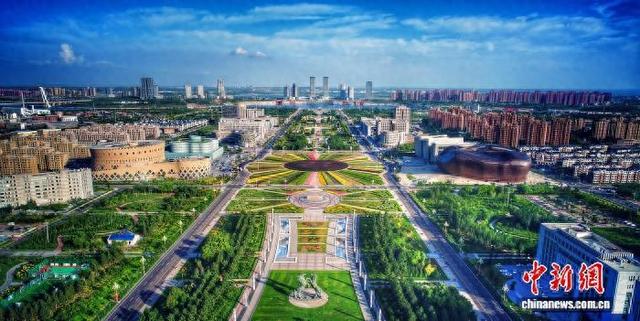
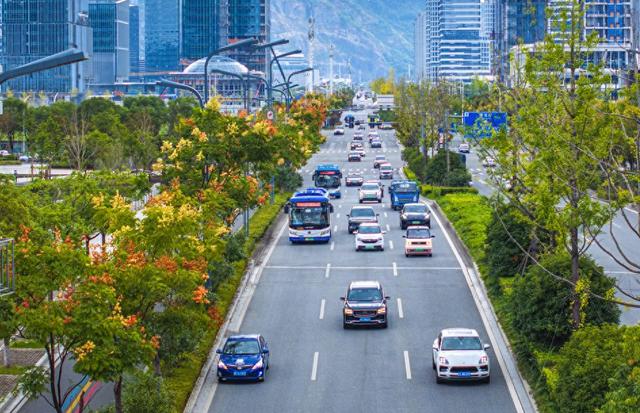
中新网鄂尔多斯11月30日电 题:用繁华证明自我的中国北方小城康巴什 中新网记者李爱平 30日12时,随着主干道上行驶的车辆越来越多,内蒙古自治区鄂尔多斯市康巴什又开始堵车了,市民张 彦摇下车窗说,"现在康巴什道路上的车辆越来越多了。" 在康巴什经商的吉平回忆,康巴什的"三件套"中,最先出场的是音乐喷泉,当交响乐的第一个强音炸 响,无数水柱骤然腾空,正当喷泉的舞蹈达到沸点,烟花瞬间绽放,将所有人的惊叹都定格在仰头的瞬 间,就在烟花歇息的片刻,无人机群悄然升起。 "康巴什作为国家4A级旅游景区,城市本身也是景区,这在整个中国并不多见。"吉平告诉记者,在"三 件套"亮相的时刻,很多游客举着手机不停拍摄并感叹:"完全没想到康巴什有这么现代、这么热闹的城 市夜景,跟印象中的'空城'完全是两个世界。" 冯静是当地融媒体中心的一名记者,她告诉记者,走在今天的康巴什街头,过去那种空旷寂寥之感已荡 然无存,取而代之的是车水马龙的交通、灯火通明的社区、欢声笑语的公园。这座从质疑声中成长起来 的城市,如今以文旅为突破口,完成了自我证明。 图为康巴什的城市面貌。(资料图) 刘雄供图 同一时间,在当地的一些高档酒店,游客若不提前预订 ...

“馆”通湾区丨中国网球新秀集结!十五运横琴智能球场细节拉满
Yang Shi Xin Wen Ke Hu Duan· 2025-11-15 02:16
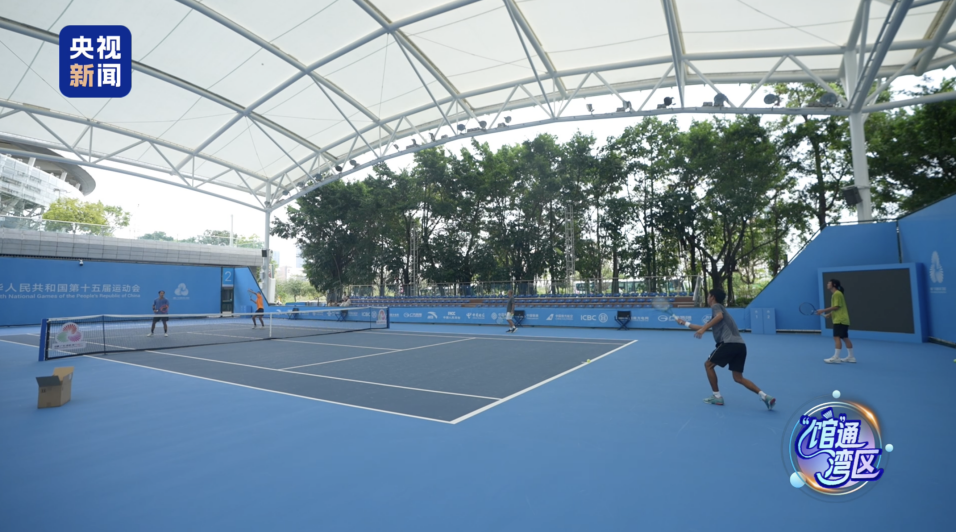
Core Points - The 15th National Games tennis singles competition has commenced, featuring high-ranking players such as Yuan Yue, Zhu Lin, Wang Xiyu, and others [1] - The event is being held from November 9 to 20 at the Hengqin International Tennis Center, showcasing the growth and transformation of Chinese tennis [1] - The event is co-hosted by Guangdong, Hong Kong, and Macau, marking a significant collaboration in hosting international-standard domestic events [1] Venue Upgrades - The Hengqin International Tennis Center has undergone significant upgrades, including the installation of an electric retractable roof for outdoor courts, ensuring uninterrupted training and competition [1] - Additional spectator seating has been added to allow fans to watch matches from outside courts [3] - The court surface has been renovated with a new coating that provides better grip and cushioning, protecting athletes' knees [4] - Smart electric umpire chairs have been introduced, elevating to a high vantage point for better officiating [4] - A membrane structure "soft light roof" has been installed to prevent glare from the sun affecting players [6] Technological Enhancements - The event features advanced systems for lighting, large screens, and timing/scoring, all aligned with international standards [8] - A special intelligent circuit inspector named "Xiao Yun" has been deployed, providing more precise and frequent inspections of electrical systems compared to manual checks [7][10] Youth Development - A new youth team competition has been introduced, targeting players aged 14 to 20, while eliminating the adult team and mixed doubles events [10] - This change is expected to increase the total number of participants and align with talent needs for the 2028 and 2032 Olympic cycles [10] Regional Impact - The hosting of the tennis events in Hengqin is expected to strengthen ties between Guangdong, Hong Kong, and Macau, providing new training opportunities for athletes from Macau [12] - The success of tennis in professional and Olympic arenas has boosted the sport's popularity and contributed to the economic development of the region [12] - Hengqin is positioned to become a hub for tennis, attracting youth from the Greater Bay Area and beyond [12][14]
贵阳“双11”集中挂牌出让39宗地块 总起始价超96亿元
Sou Hu Cai Jing· 2025-11-12 15:08
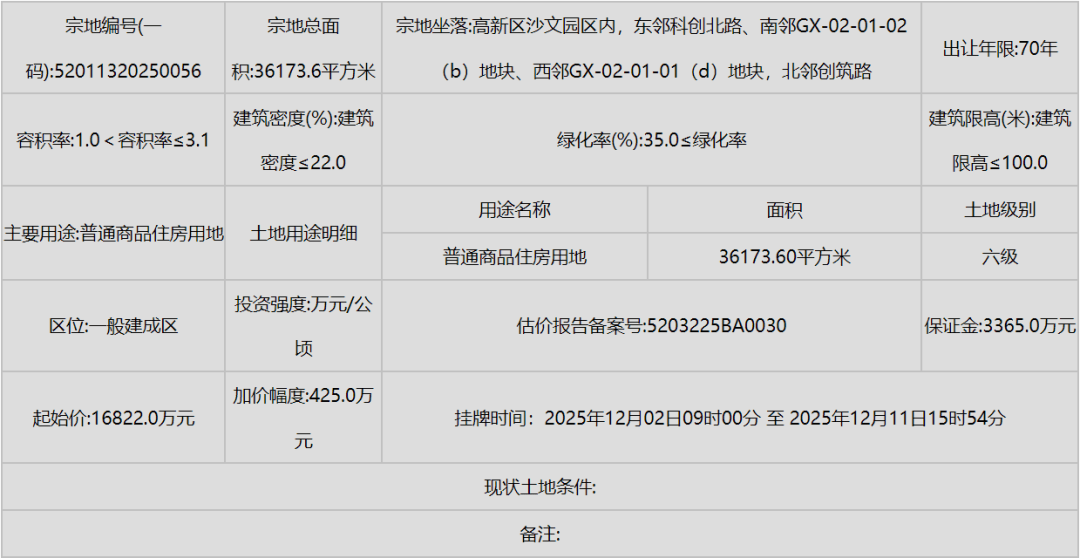
Core Viewpoint - Guiyang's land market is experiencing a year-end supply peak with the release of 39 plots totaling over 9.6 billion yuan, aimed at supporting urban development and economic construction for the upcoming year [1] Group 1: Land Supply Overview - A total of 39 plots were made available for sale, with a starting price exceeding 9.6 billion yuan [1] - The land supply includes various types, covering residential, commercial, and industrial uses, indicating a diverse approach to urban planning [1] Group 2: Residential Land Focus - The majority of the land supply consists of residential plots, with 25 plots designated for ordinary commercial housing, located in key districts such as Nanming, Yunyan, and Guanshanhu [1] - The plots have a floor area ratio ranging from 1.0 to 2.5, with a maximum building density of 22% and a green space requirement of at least 35%, suggesting the development of modern residential communities with moderate density and livable environments [1]
全国1%人口抽样调查正在进行,南京涉及人口超10万人——
Nan Jing Ri Bao· 2025-11-10 03:15
Core Insights - The nationwide 1% population sampling survey, referred to as a "mini-census," has been launched in November to gather timely data on population changes [1] - The survey aims to collect demographic information including name, gender, age, education level, occupation, migration, marital status, fertility, and housing conditions [2] Group 1: Employment Opportunities - The presence of large enterprises in Nanjing is increasing, leading to more job opportunities for residents [5] - The service industry is experiencing growth, as evidenced by individuals like Ms. Fan, who has seen her family benefit from the expanding job market [4][5] - The advanced manufacturing sector is thriving, with individuals like Ms. Dai working in a company that supplies air conditioning systems to various transportation sectors, reflecting the city's industrial development [5][6] Group 2: Urban Development and Quality of Life - The establishment of "Ning Xiao Feng" service stations has improved the quality of life for workers, providing essential services and a sense of security [2] - The city is becoming more attractive to young professionals, with Nanjing being recognized as a "China Software City," drawing talent in fields like 5G communication and artificial intelligence [6] - The survey results indicate that Nanjing has the highest growth in permanent population, urbanization rate, and average education level among the labor force in the province, highlighting its development potential [6]
北京面向全球征集主题歌曲 打造城市“声音名片”
Xin Hua She· 2025-11-07 13:23
Group 1 - The core idea of the news is the launch of a song creation campaign titled "Singing the New Era · Sounding the New Beijing," aimed at collecting songs that reflect the spirit and development of Beijing, with a focus on various aspects of the city's growth and culture [1] - The campaign will run until September 30, 2026, and will implement a monthly review process to provide real-time feedback on submissions, encouraging continuous improvement of potential works [1] - The initiative is supported by various organizations, including the Beijing Municipal Committee Propaganda Department and the China Musicians Association, highlighting the collaborative effort to promote Beijing's cultural identity [2] Group 2 - The campaign emphasizes the need for songs that not only incorporate traditional elements but also resonate with contemporary audiences, reflecting the diverse cultural symbols of Beijing [2] - Music critics encourage creators to capture the pulse of Beijing's urban development and to focus on new aspects such as the construction of the city sub-center and the modernization of agriculture [1][2]
透过4场赛事,见证广州蝶变
2 1 Shi Ji Jing Ji Bao Dao· 2025-11-07 02:24
Group 1 - The 15th National Games will open in Guangzhou on November 9, 2025, marking the first time the event is co-hosted by the Guangdong-Hong Kong-Macao Greater Bay Area, with the opening ceremony and most events taking place in Guangzhou [1] - The history of major sports events in Guangzhou has shown a pattern of urban development and transformation, with past events like the 1987 Sixth National Games and the 2010 Asian Games significantly contributing to the city's infrastructure and international standing [1] - The upcoming 15th National Games is expected to activate a new engine for collaborative development in the Greater Bay Area, continuing the trend of using sports events as a catalyst for urban growth [1] Group 2 - Guangzhou will not construct new large venues for the event but will revitalize 30 existing venues, which not only saves costs but also preserves the city's cultural heritage and urban fabric [2] - Surrounding the 30 venues, Guangzhou has developed 17 refined districts, integrating professional sports facilities into everyday life, allowing the public to enjoy the benefits of the National Games [2] - The history of sports events in Guangzhou over nearly 40 years has consistently provided significant opportunities for the city to advance and evolve, with the 15th National Games poised to be another pivotal moment in this ongoing transformation [2]
杭州西站五千年展览开幕
Hang Zhou Ri Bao· 2025-11-03 02:32
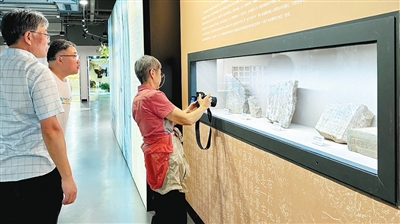
Core Insights - The exhibition "Five Thousand Years at West Station" showcases over 200 artifacts, highlighting the rich historical and cultural heritage of the Hangzhou West Station area, emphasizing its significance as a transportation hub and cultural site [2][3] Archaeological Findings - The exhibition is structured around a clear timeline, detailing significant historical events from 5000 years ago, including the establishment of the Liangzhu civilization, to the present day, illustrating the continuous development of the region [3] - Key archaeological discoveries include remnants from the Liangzhu culture, evidence of early administrative structures from the Qin dynasty, and artifacts from various dynasties, showcasing the area's long-standing historical importance [3][4] Artifacts and Presentation - The exhibition emphasizes storytelling through artifacts, with items like the Liangzhu jade ritual object and Southern Dynasties lamps reflecting the region's ancient beliefs and craftsmanship [5] - Notable exhibits include exquisite incense burners from different periods, highlighting the artistic and functional evolution of local craftsmanship [5] Cultural Significance - The exhibition connects the historical narrative of Hangzhou's development with contemporary urban growth, illustrating the region's role as a cultural and administrative center throughout history [5]
沈奕斐:希望未来有更多数字时代性别平等和城市发展走向的探讨
Di Yi Cai Jing· 2025-10-26 13:19
Core Insights - The conference on sustainable urban development highlighted significant changes in public space development, particularly in addressing women's unique experiences and challenges in urban environments [2] - Improvements in urban safety, public health facilities, and family-friendly spaces were emphasized, showcasing Shanghai's advancements in these areas [2][3] - The discussion on women's consumption patterns pointed out the need for more small retail spaces rather than large shopping malls, reflecting women's preferences and daily convenience [3] - The concept of independent women was discussed, stressing the importance of balance between work and family values, and the need to avoid extreme interpretations of independence [3] - The importance of digital literacy for both genders in the digital age was underscored, with a call for more discussions on gender equality and urban development in the context of technological advancements [4] Urban Development Changes - Significant improvements in urban safety, particularly through enhanced lighting systems, have contributed to a greater sense of security for women in Shanghai [2] - The increase in the ratio and space of women's restrooms, along with the development of mother-baby rooms, reflects a shift towards more inclusive urban planning [2] - The transformation of public spaces to be more family-friendly, allowing for shared parenting experiences, marks a notable change in urban design [2] Consumer Behavior Insights - The preference for smaller, accessible retail options over large shopping malls was highlighted as a key consideration for women's shopping experiences [3] - The role of women in household shopping responsibilities was acknowledged, emphasizing the need for convenient access to essential goods [3] Digital Age Considerations - The necessity for enhanced digital literacy for both genders was emphasized as crucial for social participation and adaptation to the digital era [4] - The potential for Shanghai to lead in gender equality and women's empowerment in the context of urban development and technological change was discussed [4]

温州大道的“民生温度”:铺就龙湾宜居新图景
Xin Lang Cai Jing· 2025-10-22 06:34
Core Viewpoint - The development of Wenzhou Avenue has significantly improved the quality of life for residents, transforming it from a mere transportation route into a vital artery that supports both technological innovation and public welfare [1][15]. Infrastructure and Public Services - Wenzhou Avenue has reduced travel time from New Town Avenue to Longwan to under 30 minutes, enhancing accessibility to medical and educational facilities [3][6]. - The establishment of Wenzhou Medical University Affiliated Second Hospital has provided essential healthcare services, with a capacity of 1,500 beds and an annual outpatient load of 2 million visits [6][15]. - The educational landscape along Wenzhou Avenue has been enhanced by the development of a comprehensive education matrix, ensuring equitable access to quality education for local children [7][15]. Ecological and Environmental Improvements - Wenzhou Avenue spans 10.5 kilometers and features 75,000 square meters of green space, recognized as a "provincial-level greening and beautification road" [8][10]. - The integration of pocket parks along the avenue has revitalized urban spaces, providing recreational areas for residents and promoting community engagement [10][12]. Cultural and Economic Development - The Wenzhou High-tech Cultural Square has become a cultural hub, hosting over 150 performances and attracting more than 70,000 attendees in the past year [12][14]. - The rise of the performing arts economy, with concerts by renowned artists, has enhanced the city's cultural influence and tourism appeal [14][15]. Future Prospects - The ongoing development of Longwan as an "Eastern Hub New City" and "Innovation City" will further enhance the role of Wenzhou Avenue in connecting various development elements and attracting population growth [17].
跨越双城 看世博效应如何激活新消费|《世博双城记》第7期
第一财经· 2025-10-21 03:40
Core Viewpoint - The article discusses the transition from the Shanghai Expo to the upcoming Osaka Expo, highlighting how the Expo economy can drive urban development and innovation in both cities [1]. Group 1: Expo Impact on Urban Development - The Shanghai Expo served as a platform to showcase urban improvement and has left a lasting "post-Expo" effect that continues to influence the city [1]. - The Osaka Expo is positioned as a current event that aims to create a new blueprint for future societies, emphasizing the ongoing relevance of Expo events in urban planning [1]. Group 2: Cultural Exchange and Global Connection - The program "Expo Dual City Chronicle" aims to explore the diverse paths and innovative practices of Shanghai and Osaka over the past 15 years, fostering a global perspective on urban development [1]. - The initiative seeks to highlight the deep connections between Shanghai and the world, while also showcasing Eastern wisdom in envisioning ideal future cities [1].
