
思政教育

Search documents
“强国复兴有我”2025年首都高校新生教育主题“大思政课”在北大举行
Xin Hua She· 2025-11-13 14:01
Core Viewpoint - The event "京'彩文化 青春绽放" is a significant cultural initiative aimed at instilling a sense of national pride and responsibility among university students in Beijing, showcasing the contributions of youth to national rejuvenation through various artistic performances [1][2]. Group 1: Event Overview - The "大思政课" themed performance took place at Peking University, featuring over 300 students and faculty from more than 30 institutions, attracting an audience of over 2,000 university students [1]. - The event included various performances such as a stage play, traditional Chinese opera, and dance dramas, all emphasizing themes of patriotism and cultural confidence [2]. Group 2: Cultural Significance - The initiative is part of a broader effort by the Beijing municipal government to promote cultural education among youth, having conducted over 4,000 activities across 33 universities, reaching 400,000 students since its inception in 2023 [2]. - The performances aimed to inspire students by connecting them with historical narratives of sacrifice and dedication to the nation, fostering a sense of mission and responsibility among the younger generation [2].
巾帼引航聚初心 青春逐梦向未来 ——苏州市妇联“聚心”行动赋能1500余名女大学生成长成才
Su Zhou Ri Bao· 2025-11-06 00:26
Core Insights - The "Gathering Hearts" initiative by the Suzhou Women's Federation aims to empower female college students through inspirational stories and practical experiences, fostering a connection between personal aspirations and national development [2][6] Group 1: Event Overview - The "Gathering Hearts" initiative has been active since April 2024, covering 8 universities in Suzhou and hosting 12 events with over 1,500 female students participating [1] - The initiative features a diverse group of female role models from various sectors, including traditional crafts, technology, and agriculture, who share their experiences to inspire students [2][5] Group 2: Educational Approach - The initiative employs a dual-track model combining "Campus Activities" and "Practical Engagement" to enhance ideological education and real-world application [3][4] - "Campus Activities" involve inviting role models to share their stories and engage in discussions with students, making ideological education more relatable [4] - "Practical Engagement" allows students to visit companies and industry sites, providing them with firsthand experience and insights into potential career paths [4] Group 3: Tailored Support - The initiative is designed based on the specific needs and interests of female students, ensuring that the content aligns with their academic backgrounds and career aspirations [5] - A continuous support mechanism is established, allowing students to maintain contact with mentors for ongoing guidance and advice [5] Group 4: Collaborative Ecosystem - The success of the "Gathering Hearts" initiative is attributed to a collaborative ecosystem involving the Women's Federation, universities, enterprises, and media, creating a comprehensive support network for female students [6] - The initiative aims to enhance its brand influence and contribute to the development of capable women who can take on national responsibilities [6]
当奥运冠军走进思政课堂(师说)
Ren Min Ri Bao· 2025-11-01 22:18
Core Insights - The article emphasizes the importance of integrating sports culture and values into ideological and political education in universities, particularly in sports-focused institutions [1][2][3] Group 1: Educational Approach - The "Champion Ideological and Political Class" led by Olympic champion Sun Yiwen serves as an example of how to inspire students through sports achievements and personal growth narratives [1] - The teaching methodology includes utilizing sports-related stories and values, such as the "Spirit of the Women's Volleyball Team," to instill patriotism and cultural confidence among students [1][2] - The integration of diverse teaching methods tailored to different sports disciplines enhances the relevance and appeal of ideological education [2] Group 2: Resource Utilization - The article highlights the rich resources available in sports for ideological education, advocating for a combination of classroom learning and real-world experiences [2] - Engaging with role models like Olympic champions in interactive classes increases student motivation and participation [2] - The collaboration among faculty to explore cultural and spiritual elements in various sports aims to create a comprehensive educational experience that aligns with ideological goals [2][3]
西藏:办好“行走的思政课”
Xin Hua She· 2025-10-25 06:32
Core Points - The article discusses the implementation of a practical ideological and political education system in Tibet, focusing on the integration of classroom learning with real-world experiences [1][4] - The "walking ideological and political class" initiative has been highlighted, where students engage in hands-on learning about environmental issues and historical sites [1][3] - The establishment of a "7+7" integrated ideological and political education model aims to enhance resource sharing and collaboration across different educational levels in Tibet [4] Group 1 - The practical education initiative involves 150 elementary school students visiting a practice education base in Lhasa to learn about Tibetan history and explore cosmic mysteries [1] - Students from various educational levels, including those from Lhasa Normal University and Lhasa Beijing Experimental Middle School, participate in immersive learning experiences that promote national unity [3] - The integration of different educational stages allows for a multi-layered learning community, enhancing the understanding of historical artifacts and concepts [3] Group 2 - The education department in Tibet has leveraged the inclusion of Tibet University in a national ideological and political education community to create a collaborative model for educational institutions [4] - The "walking ideological and political class" approach facilitates progressive cognitive development for students as they engage with significant historical and cultural sites [4] - The unique ideological education in Tibet emphasizes a "knowledge-action unity" philosophy, fostering a vibrant educational ecosystem that supports the development of students' beliefs and directions [4]

让治理实践更好融入思政大课堂
Ren Min Ri Bao· 2025-10-23 22:29
Core Viewpoint - The integration of practical experiences into ideological and political education is emphasized, highlighting the importance of connecting classroom learning with real-life social governance issues [1][2][3] Group 1: Practical Application in Education - Utilizing social contexts such as community governance, cultural sites, and innovation enterprises is essential for effective ideological education [1] - Engaging students in real-life discussions and problem-solving, such as in the case of pocket parks, enhances their understanding of democratic processes [2] - The focus on youth perspectives in social governance issues makes the educational content more relatable and impactful [2] Group 2: Mechanisms for Participation - Establishing institutional channels for youth participation in social practices is crucial for the effectiveness of ideological education [3] - Collaborations between educational institutions and local governments can facilitate practical learning experiences, such as community research and volunteer services [3] - Encouraging students to engage in community governance not only enriches their educational experience but also deepens their understanding of national and local issues [3]
思政课,一个温暖的“圆”(编辑手记)
Ren Min Ri Bao· 2025-10-20 00:51
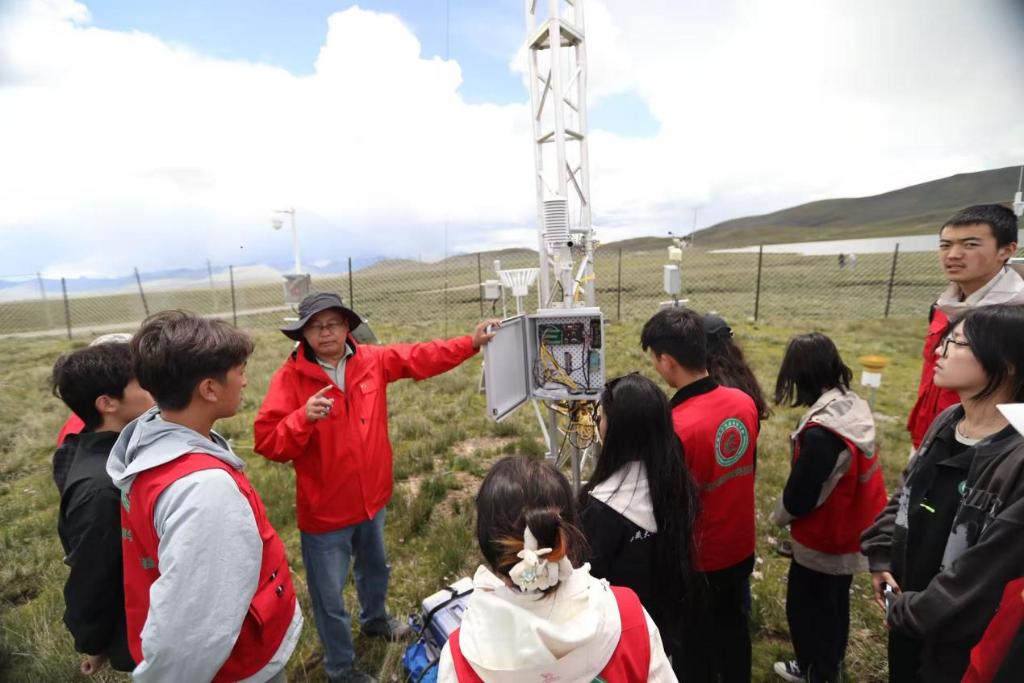
Core Viewpoint - The article highlights the transformation in rural areas, emphasizing the shift from traditional livestock farming to modern practices like drone herding, reflecting broader societal changes and the impact of education on personal aspirations [1]. Group 1 - The phrase "以前比谁家牦牛多,现在比谁家牦牛壮" illustrates the evolution in livestock farming practices, indicating a focus on quality over quantity [1]. - The changes in the community serve as a practical example for ideological education, allowing students to connect with the development of their homeland and the nation's progress [1]. - The personal story of Ni Donglama, who plans to return to her hometown as a teacher after her studies, exemplifies the effectiveness of ideological education in inspiring youth to contribute to their communities [1]. Group 2 - The article emphasizes the role of ideological education in linking the past and future, fostering a sense of connection between individuals and the broader societal context [1]. - The narrative illustrates how education can plant the seeds of growth and development in rural areas, promoting a sense of responsibility and aspiration among the youth [1].
以红色文化资源推动思政教育高质量发展
Ren Min Wang· 2025-10-08 01:30
Core Viewpoint - The article emphasizes the importance of integrating red culture into higher education to enhance ideological and political education, aligning with Xi Jinping's directives on protecting and utilizing red resources as a valuable spiritual asset for the Communist Party of China [1][2]. Group 1: Integration of Red Culture in Education - Red culture is seen as a crucial element in fostering a strong ideological foundation within universities, with a call for university leadership to incorporate red culture into theoretical learning plans [1]. - The article suggests that the revolutionary spirit and contemporary value embedded in red culture should be explored, linking it to current social practices such as rural revitalization [1]. - The effectiveness of red culture education should be included in departmental assessments and faculty evaluations to motivate comprehensive engagement in nurturing students [1]. Group 2: Collaborative Mechanisms for Red Culture - Universities are encouraged to strengthen cross-departmental collaboration to establish a cooperative mechanism for red culture education, led by the Marxism College and involving various departments [2]. - Initiatives like "Red Culture + Innovation and Entrepreneurship" competitions and themed volunteer services are proposed to integrate teaching, practice, and research resources, creating a holistic educational environment [2]. - The article advocates for partnerships with red cultural tourism enterprises and digital technology companies to develop innovative platforms for red culture, enhancing students' creative and operational skills [2]. Group 3: Creating an Engaging Atmosphere - The use of emerging technologies, such as artificial intelligence, is recommended to create interactive red culture landscapes on campus, enhancing the educational environment [3]. - Activities like "red-themed escape rooms," "flash mobs," and "poetry competitions" are suggested to engage students in a fun and relatable manner, moving away from traditional teaching methods [3]. - The establishment of a "short video + social media" ecosystem is proposed to encourage students and faculty to document and share red culture experiences, fostering a vibrant cultural atmosphere [3].
沉浸式戏剧思政课在天津上演
Zhong Guo Qing Nian Bao· 2025-10-07 01:46
Core Viewpoint - The article highlights an innovative immersive drama experience organized by the Tianjin Youth League, aimed at integrating ideological and political education across various educational levels, showcasing the unique cultural advantages of the Youth League in nurturing students [1]. Group 1: Event Overview - The immersive drama experience took place during the third Tianjin University Student Drama Festival, organized by the Tianjin Youth League and other local educational institutions [1]. - The event featured participation from students of different educational levels, promoting a collaborative learning environment [1]. Group 2: Educational Approach - The immersive performance broke away from traditional classroom methods, allowing students to engage directly with historical narratives through drama [1]. - Key historical scenes such as "Ma Jun's Collision with the Pillar," "Li Dazhao's Lecture," and "The Establishment of the Awakening Society" were dramatized, enhancing the educational experience [1]. Group 3: Student Feedback - Participants expressed a deep emotional connection to the historical events portrayed, with students reporting a heightened understanding of revolutionary spirit and its relevance to contemporary life [1]. - A master's student from Nankai University emphasized the impact of the performance on his understanding of Marxist philosophy and historical significance [1]. - A high school student reflected on the powerful message of youth and responsibility conveyed through the performance, indicating a commitment to apply these lessons in daily life [1].
当红色文化遇见AI 江西高校打造思政“智慧课堂”新范式
Zhong Guo Xin Wen Wang· 2025-10-04 00:22
Core Insights - The integration of AI technology with red culture in Jiangxi's higher education is creating a dynamic and interactive educational environment, enhancing the appeal of ideological and political education [1][2][3][4] Group 1: AI Integration in Education - Jiangxi Normal University has developed a "Red Jiangxi VR Experience Hall," allowing students to immerse themselves in historical events like the Jinggangshan meeting, enhancing their understanding of revolutionary spirit through interactive experiences [1] - Gan Nan Normal University introduced an AI companion named "Su Xiaohong," which provides precise support for students studying red culture, significantly improving the depth and autonomy of their learning [1][2] - Nanchang University has created a "Red Culture Intelligent Analysis Platform" that integrates over 1.2 million documents and artifacts, utilizing emotional computing and natural language processing to distill the essence of red spirit [2] Group 2: Personalized Learning Approaches - Jiangxi Applied Science and Technology University developed a "Red Learning Portrait System" that personalizes resource recommendations based on student interests, resulting in a 42% increase in course participation and a 91% satisfaction rate in 2024 [2] - Interdisciplinary practices are being enhanced through AI, as seen in Jiangxi University of Science and Technology, where historical elements are integrated into engineering courses, fostering a sense of craftsmanship and red tradition [2] Group 3: Outreach and Engagement - AI technology is facilitating the expansion of red culture outreach, with Nanchang University's "For the Lovely China" ideological promotion activity attracting over 28 million participants nationwide in 2024, and a Weibo topic reading volume exceeding 1.2 billion [3] - The "AI Red Walk" activity at Jiangxi Applied Science and Technology University combines AR technology and gamified tasks, achieving a 98% participation rate among students [3] Group 4: Teacher Empowerment and Resource Sharing - Jiangxi Normal University has implemented an "AI Empowerment Plan" for ideological teachers, resulting in 87% of educators becoming proficient in using AI teaching tools [3] - In 2024, a "Jiangxi Red Culture Intelligent Education Alliance" was established, uniting 12 universities to create a digital resource pool for shared and standardized red culture educational resources [3] Group 5: Commitment to Authenticity - Despite rapid technological advancements, Jiangxi universities maintain a commitment to preserving the integrity of red culture, ensuring that all AI-generated content is reviewed by party history experts to prevent dilution of red spirit [3][4] - The future of red culture education is anticipated to become more immersive and interactive with the maturation of generative AI and metaverse technologies [3][4]
辽宁经济职业技术学院联合多校开展主题“大思政课”
Xin Hua Wang· 2025-09-28 03:00
Core Viewpoint - The event titled "A Great Ideological and Political Class" was held at Liaoning Economic Vocational and Technical College, emphasizing the integration of historical education with contemporary ideological training for students [1][2]. Group 1: Event Overview - The event featured a performance by students from Shenyang Arts and Preschool Education School, highlighting the cultural significance of the song "On the Songhua River" [1]. - It was organized in collaboration with the Shenyang "September 18" Historical Museum, showcasing a thematic approach to ideological education through four chapters: "Smoke Rising: National Martyrdom," "Red Heart Cast: Saving the Nation," "United Will: Monument Establishment," and "Remembering Victory: Forging Responsibility" [1][2]. - Over 70 ideological and political teachers and nearly 300 students from 20 colleges in Liaoning Province participated in the event, demonstrating a broad engagement with the theme [1]. Group 2: Educational Impact - The event aimed to connect historical events with current realities, fostering a sense of individual and national identity among students [2]. - The collaboration between the museum and educational institutions allowed for a deeper integration of ideological education into real historical contexts, enhancing the learning experience [2]. - Leaders from the Northeast University of Finance and Economics and Liaoning Economic Vocational and Technical College emphasized the importance of continuing to promote ideological education rooted in Liaoning's red culture and significant historical events [2].