数据资产化

Search documents
对话原海南省大数据管理局局长董学耕:数据要素市场化破冰,央国企领航数据要素价值释放
Zheng Quan Shi Bao Wang· 2025-12-09 09:39
Core Viewpoint - The article discusses the transition of data factor marketization from policy framework to practical implementation, highlighting the role of state-owned enterprises (SOEs) as pioneers in this process [1][2]. Group 1: Role of State-Owned Enterprises - SOEs are positioned as key players in the data factor market due to their dominance in critical sectors like energy, electricity, and telecommunications, where they hold significant data resources [2]. - The selection of SOEs as pilot entities aims to leverage their influence to encourage other market participants, including private enterprises, to engage in the orderly release of data resources [2]. Group 2: Balancing Data Security and Value Release - A critical aspect of the pilot program is balancing data security with value release, which is essential for encouraging participation from small and medium-sized enterprises (SMEs) [3]. - The approach involves assessing security needs based on specific application scenarios to ensure that safety measures are appropriately matched to data risk levels [3]. Group 3: Establishing Trustworthy Data Spaces - The concept of a "trustworthy data space" is emphasized as a foundational infrastructure for data circulation, combining technical support with a comprehensive regulatory framework [4][5]. - Two types of trustworthy data spaces are identified: enterprise-level and industry-level, with the former being more practical for current pilot initiatives [5][6]. Group 4: Data Productization and Assetization - The article stresses that data assetization should focus on data products, which are defined by their ability to generate cash flow and provide measurable benefits [8][9]. - The process of data assetization should follow a sequence of productization before moving to assetization, ensuring that data products are linked to stable revenue streams [9]. Group 5: Goals and Feasibility of the Pilot Program - The pilot program aims to engage over 100,000 SMEs by 2027, leveraging the established ecosystems of the participating SOEs to provide data services that meet the needs of various industries [10]. - The initiative is expected to extend its impact beyond directly associated enterprises, encouraging participation from local state-owned enterprises and private companies [10]. Group 6: Long-term Development of the Data Factor Market - For the long-term success of the data factor market, three areas need improvement: institutional development, spatial expansion, and stakeholder collaboration [11]. - SOEs are tasked with leading by example, while local governments and data exchanges play supportive roles in facilitating data product transactions and ensuring policy alignment [11]. Group 7: Integration with Artificial Intelligence - The pilot program also aims to support the development of high-quality industry data sets necessary for training AI models, thereby enhancing the capabilities of technology companies and benefiting SMEs [12].

对话原海南省大数据管理局局长董学耕:数据要素市场化破冰,央国企领航数据要素价值释放
证券时报· 2025-12-09 09:26
数据确权、入表、定价均应围绕数据产品展开。 近期,国家数据局组织12家央企牵头开展首批国有企业数据资源开发利用试点工作,标志着数据要素市场化正式从"政策框架搭建"迈入"实体实践破冰"关键阶段。 作为国民经济关键领域核心数据持有者、产业链供应链枢纽,央国企牵头试点不仅关乎自身数据价值释放,更对全行业确立数据治理规范、打通资产化路径具有全 局示范意义。 面对数据要素价值释放中"不敢开放、不愿流通"的核心堵点,以及数据汇聚、价值挖掘等现实难题,证券时报记者专访了拥有丰富地方大数据治理实践经验的原海 南省大数据管理局局长董学耕,深度剖析央国企试点的独特价值、破局路径与数据要素市场的长远发展方向。 央国企为何成为数据要素市场"先锋队"? 证券时报:数据要素市场化从政策走向实践,央国企作为试点主力,在核心数据禀赋、产业链枢纽地位上的独特价值是什么?"国家队"引领模式对全国数据资源有 序释放有哪些基础作用? 董学耕: 在数据要素市场化从政策走向实践的关键转折期,央国企作为试点主力,其独特价值源于我国经济体制的核心特征,在能源、电力、通信等国民经济关键 基础领域,央国企占据主导地位,核心数据资源也主要由其掌握。因此,由央国企 ...


国家队开挖数据金矿
经济观察报· 2025-12-07 04:31
Core Viewpoint - The new round of state-owned enterprise reform is enhanced by the integration of data as a key resource, aiming to break down industry barriers through data circulation and drive deep changes in corporate governance and business models [1][3][19]. Group 1: Data Utilization and Collaboration - The National Pipeline Corporation is focusing on utilizing over 10 billion core data points accumulated over five years to enhance operational efficiency and safety [2]. - A pilot program initiated by the National Data Bureau and the State-owned Assets Supervision and Administration Commission aims to explore the transition of data from resources to assets and capital, involving 12 central enterprises [3][5]. - The pilot program emphasizes collaboration between state-owned enterprises and private companies to create a "cooperative ecosystem" for data utilization [3][5]. Group 2: Challenges in Data Ownership and Valuation - The primary challenges in the data element process include difficulties in ownership confirmation, pricing, and circulation, which are critical for the marketization of data [3][11]. - The ambiguity surrounding data ownership complicates its classification as an asset, as seen in the case of pipeline pressure data and user consumption data [10][11]. - The lack of clear ownership leads to difficulties in fair market valuation and internal conflicts regarding data sharing within enterprises [11][12]. Group 3: Technological Solutions and Innovations - Companies are adopting technologies like blockchain and privacy computing to create "trusted data spaces" that allow for secure data circulation without transferring ownership [14]. - The establishment of data-sharing ecosystems, such as China Mobile's "Renew Community," aims to facilitate collaborative development and revenue sharing among partners [14]. - The first successful registration of data assets at the Beijing International Big Data Exchange highlights the potential for data to be recognized as intangible assets, opening avenues for financing [14][15]. Group 4: Emerging Industry Chains and Market Dynamics - The pilot program is expected to stimulate a new industry chain driven by data elements, with increased interest from market players in data asset registration and trading [17]. - Small and medium-sized enterprises are benefiting directly from data-driven credit support initiatives, showcasing the practical impact of data resource development [17]. - The evolving landscape of data utilization is prompting a shift in regulatory focus from traditional asset management to capital and data management [18].

数据资产之战开启 国家队开挖数据金矿了
Jing Ji Guan Cha Wang· 2025-12-06 06:32
Core Insights - The National Petroleum and Natural Gas Pipeline Group (referred to as "National Pipeline") is focusing on utilizing over 10 billion core data points accumulated over five years of operation to enhance efficiency and safety in data usage and potential trading [2][3] - The initiative is part of a broader effort to integrate data resource development within state-owned enterprises, aiming to transform data into a marketable asset and address challenges related to data ownership, pricing, and circulation [3][12] Group 1: Data Utilization and Collaboration - National Pipeline is engaged in discussions to facilitate the use of its extensive data network, which includes production, transportation, and transaction information, to break market barriers and activate the industrial chain [2][3] - The State Data Bureau and the State-owned Assets Supervision and Administration Commission have initiated a pilot program involving 12 central enterprises, including National Pipeline, to explore collaborative data utilization with private enterprises and research institutions [2][4] Group 2: Challenges in Data Ownership and Valuation - A significant challenge identified is the ambiguity surrounding data ownership, which complicates the ability to classify data as an asset, particularly in relation to national energy security and user privacy [10][12] - The lack of clear ownership leads to difficulties in pricing and circulation of data, as companies struggle to establish fair market valuations without defined rights [12][13] Group 3: Technological Innovations and Solutions - Companies are adopting technologies such as blockchain and privacy computing to create "trusted data spaces" that allow for secure data circulation without transferring ownership [15] - The establishment of collaborative platforms, like China Mobile's "Huanxin Community," aims to create a closed-loop ecosystem for data sharing, joint research, and scenario co-creation [6][15] Group 4: Emerging Market Opportunities - The pilot program is expected to stimulate a new industry chain driven by data elements, with increased interest from enterprises in data asset registration and trading processes [17][18] - Small and medium-sized enterprises are benefiting directly from data-driven initiatives, such as credit support facilitated by large energy companies using consumer data [17][18] Group 5: Regulatory and Strategic Implications - The integration of data as a measurable and tradable asset poses new regulatory challenges, necessitating a shift in oversight from traditional asset management to include data capital management [18][20] - The evolving landscape of state-owned enterprise reform is being influenced by the potential of data to penetrate industry barriers and enhance operational efficiency [19][20]

人民数据携手德泰控股集团打造国有企业数据资产化“金普样板”
Ren Min Wang· 2025-12-03 01:04
此次合作是人民数据深耕数据资产化服务、助力地方数据要素市场建设的又一成果。近年来,人民 数据聚焦数据交易、数据资产、数据应用、数据研究四项核心业务,积极与各界开展合作,深度参与区 域数字化转型实践,探索数据价值释放新路径,为各地数据要素市场化探索可复制、可推广的模式与经 验。未来,人民数据将持续完善服务体系,推动各地、各领域实现数据优势向治理效能、产业竞争力转 化,为数字经济高质量发展注入新动能。 基于前期合作,人民数据进一步为德泰控股集团量身打造覆盖数据治理、合规确权、资产入表及产 品开发全链条的解决方案,持续助力企业深化数据资产化探索,最终促成此次"社会与公共服务数据 集"及相关数据产品在深圳数据交易所挂牌。该数据集在开发过程中,严格遵循相关法律法规,对涉及 个人信息的数据已进行专业化匿名化处理,确保数据产品不涉及个人隐私,符合数据交易的安全与合规 标准。据了解,该系列社会与公共服务数据产品,可为银行等金融机构提供企业信用状况及经营稳定性 评估支持,助力提升金融服务精准度与安全性,成为数据要素驱动产业高质量发展、激活金融创新活力 的市场化实践样本。 近日,大连德泰控股集团有限公司(简称"德泰控股集团")的 ...
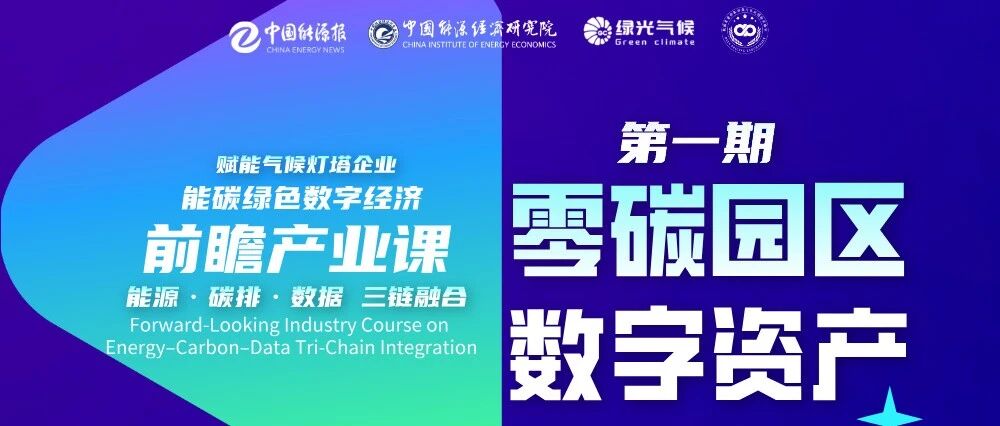
倒计时!能碳绿色数字经济·前瞻产业课丨第一期:《零碳园区与数字资产》
中国能源报· 2025-11-28 06:27
Core Viewpoint - The article emphasizes the integration of energy, carbon, and data as a new industrial paradigm, highlighting the importance of transforming carbon into assets and data into financial resources in the context of China's carbon neutrality strategy and the evolving digital economy [2][3][12]. Group 1: Course Background - The course is organized in response to China's carbon neutrality strategy, transitioning from energy consumption control to carbon emission control, and recognizing data as a critical production factor alongside labor, land, capital, and technology [2][12]. - The integration of carbon and data is seen as a key driver for economic growth, enabling new value creation through assetization and financialization [2][3]. - The course aims to equip entrepreneurs with insights into how to leverage carbon and data for business opportunities in the green digital economy [3][12]. Group 2: Course Objectives - The course aims to build foundational knowledge in national policies, innovative finance, digital economy, and blockchain technology [8][16]. - Participants will learn about zero-carbon park policies, standards, and technical pathways, as well as gain insights into the theoretical and practical aspects of green digital assets and RWA [8][16]. - The course seeks to enhance participants' understanding of international industry trends and strengthen their leadership in green transformation [8][16]. Group 3: Course Highlights - The course features a comprehensive knowledge framework covering low-carbon technologies, blockchain, and the new paradigm of green digital economy [4][16]. - Real case studies will be analyzed to dissect key elements and align with the green digital economy [4][16]. - Expert instructors with solid theoretical and practical backgrounds will lead the sessions, fostering an interactive learning environment [4][16]. Group 4: Course Modules - The course consists of seven modules, including zero-carbon park policies, technical pathways, and the integration of energy, carbon, and data [8][17]. - Specific focus will be on the configuration and reform paths of data elements in the energy-carbon industry, as well as practical case studies on data assetization [8][17]. - Legal compliance and case analysis related to carbon digital asset architecture will also be covered [8][17]. Group 5: Target Audience - The course is designed for platform enterprises, energy and carbon companies, financial institutions, and those involved in cutting-edge technologies such as CCUS, digital energy, and blockchain [9][39]. - It aims to attract participants from various sectors, including carbon asset management, digital asset services, and ESG compliance [9][39].
吉视传媒:数字化转型提速 技术突破与政企协同驱动成长新周期
Zheng Quan Shi Bao Wang· 2025-11-28 02:19
Core Insights - The company is entering a critical phase of strategic transformation, leveraging an integrated "cable + IPTV" operation model to achieve business convergence and enhance digital services for government and enterprises, AI, data elements, and independent technological innovation [1] - The company is transitioning from an expectation-driven phase to a performance-driven phase, with potential for valuation restructuring if core growth variables are realized [1] Group 1: Business Expansion and Performance Recovery - In 2024, the company achieved a historic breakthrough in its government and enterprise business, signing contracts worth 180 million yuan in the emergency sector, expanding its service scope to over 30 industries [2] - The company is accelerating cooperation in key areas such as smart transportation, smart environmental protection, and government information technology, establishing strategic collaborations with entities like Jilin Provincial Highway Group and Jilin Provincial Ecological Environment Department [2] - The ongoing "Digital Jilin" initiative is expected to enhance the company's technical solution advantages and utilization of all-fiber resources in the government and enterprise market [2] Group 2: Technological Innovation and Competitive Advantage - The company's self-developed I-PON technology is seen as a crucial support for future strategic growth, currently in pilot phases in ten provinces including Beijing and Shanghai [3] - If the I-PON technology can establish standardized solutions within the national grid system, it will facilitate the company's transition from a regional network operator to a nationwide technology service provider [3] - The company is also advancing in AI applications and data elements, having developed the "Jilin Cultural Tourism Model" and taking on the construction of the Jilin Provincial Service Center for the Beijing International Big Data Exchange [3]

青岛市构建数据资产“三化”管理体系 打造数字经济发展新引擎
Yang Shi Wang· 2025-11-27 10:05
Core Viewpoint - The development of data assets as a strategic resource is emphasized, with Qingdao City leading the way in establishing a comprehensive management system for data assets, aligning with national strategies for digital economy development [1] Group 1: Institutional Framework - A comprehensive data asset management approach has been established through the issuance of the "Qingdao City Administrative and Public Institutions Data Asset Management Measures (Trial)", consisting of 7 chapters and 34 articles, laying the foundation for the entire lifecycle management of data assets [2] - A progressive revenue distribution mechanism has been created, clarifying data asset rights and establishing a dynamic distribution model to incentivize data sharing and utilization [3] - The first data asset circulation transaction has been initiated, with clear approval processes for the use and income of data assets, ensuring timely and complete revenue collection [4] Group 2: Standardized Processes - A standardized process for data asset development and utilization has been established, including a registration system that has completed data resource registration in 14 fields [5] - The approval process for paid data usage has been reinforced, and a public data operation platform has been developed to facilitate data integration and application [6] - The trading chain has been streamlined, with established pricing negotiations and revenue management practices for data asset transactions [6] Group 3: Market-Oriented Operations - A collaborative data industry ecosystem is being built, with 105 data service providers established and financial policies introduced to support data industry development [7] - Demonstrative data application scenarios have been created, with 5201 data resources identified and 147 data products launched across various sectors [8] - Diverse financing paths for data assets have been explored, enabling companies to convert data resources into development capital, with over 300 million yuan in financing achieved [9]
2025“数据要素×”大赛落幕 183个获奖项目助力数据从“沉睡”到“活跃”
Zheng Quan Ri Bao Wang· 2025-11-26 09:40
Core Insights - The 2025 "Data Element ×" competition has seen significant participation, with over 23,000 teams and more than 117,000 participants, leading to 893 projects advancing to the national finals and 183 awarded projects [1] - The competition has demonstrated breakthroughs in scale, quality, and effectiveness compared to the previous year, highlighting the increasing circulation of data through open, shared, and authorized operations [1] - The integration of public data in projects is notable, with 53% of projects utilizing public data, and over 43% of these projects adopting the new model of authorized operations [2] Data Utilization and Trading - The competition reflects a growing trend in data product and service diversity, with approximately 40% of enterprises offering subscription indices and analytical reports, and 15% providing high-quality industry data sets [3] - Data trading is becoming a crucial method for enterprises to acquire data resources, with over 50% of final projects having engaged in data trading [3][4] - The new model of authorized operations has been widely practiced, ensuring the safe and compliant use of public data while empowering enterprises to develop valuable data products and services [2] Future Directions - The National Data Bureau plans to support the establishment of a comprehensive service system for data circulation and trading, promote new models for industry data integration, and enhance the capabilities of data merchants in developing data products [4]
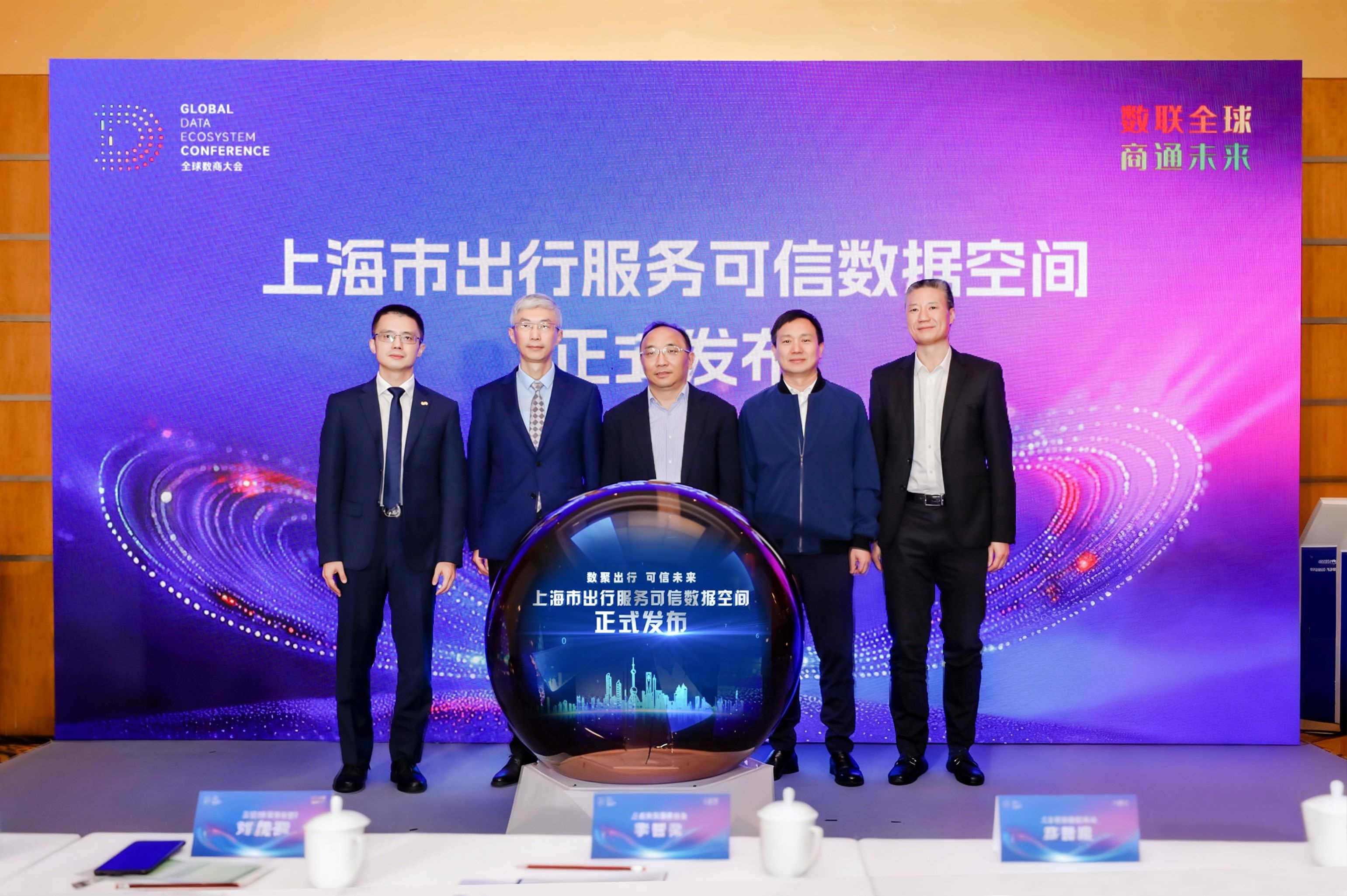
全国首个出行服务可信数据生态在沪发布,打造智慧交通“上海样板”
Di Yi Cai Jing· 2025-11-25 14:47
Core Insights - The "Shanghai Model" for smart transportation has been established through the launch of the "Shanghai City Travel Service Trusted Data Ecosystem" at the fifth Global Digital Business Conference [1] - This ecosystem is the first industry data space focused on transportation in China, aiming to create a collaborative hub for data elements in the travel sector [1][4] - The platform provides a one-stop trusted data service covering all aspects of data aggregation, sharing, circulation, and operation, ensuring full process certification and credibility [1][4] Group 1 - The core advantage of the Shanghai travel service trusted data ecosystem is its provision of convenient and efficient one-stop solutions for various stakeholders [4] - For data providers, the platform helps identify data application scenarios while ensuring compliance [4] - For data users, the high-quality data sets aggregated by the platform can quickly respond to needs, significantly reducing sourcing and collaboration costs [4] Group 2 - The ecosystem has established a diverse collaborative industry alliance, connecting numerous authoritative institutions and leading enterprises across transportation operations, urban construction, technology research, and academic studies [4] - The first batch of partners includes industry leaders, top tech companies, and leading research institutions, showcasing the ecosystem's strengths in professionalism, coverage, and collaboration between academia and industry [4] - The successful implementation of this ecosystem relies on the solid data foundation built by the Shanghai MaaS system, which has integrated comprehensive data from nine categories of transportation scenarios in the city [4] Group 3 - In the future, the platform will deepen applications in urban traffic governance, intelligent driving, and auto insurance, transforming transportation data from static "resources" into high-value "assets" [5] - This transformation will continuously empower Shanghai in its goal to become an international digital city and a benchmark for a strong transportation nation [5]