斩杀线

Search documents
美国的斩杀线为什么火起来了,一方面曾经需要移民建设,另一方面特朗普开始讨厌没钱移民,这背后是美国制度的精准筛选与淘汰机制
Sou Hu Cai Jing· 2025-12-27 15:34
Core Viewpoint - The concept of the "kill line" has gained significant attention, representing a threshold in society where individuals are deemed disposable once they fall below a certain financial status, leading to systemic exclusion and permanent removal from societal support [1][3][10]. Group 1: Economic Conditions - According to the Federal Reserve's 2024 Economic Conditions Report, 37% of American adults cannot access $400 in emergency cash, indicating that over one-third of the population lives on the edge of financial disaster [3][7]. - A cycle of poverty is created where lack of money leads to poor credit scores, which in turn restricts access to housing and employment opportunities, further exacerbating financial instability [4][6]. Group 2: Immigration Policies - The current U.S. immigration policies reflect a shift towards valuing "wealthy contributors" over low-income labor, as seen during Trump's administration, which has led to a more stringent and calculating approach to immigration [4][6]. - The use of economic calculations in immigration enforcement, such as the cost of detaining individuals versus providing them with a one-way ticket home, highlights a shift towards viewing individuals as economic units rather than human beings [6][10]. Group 3: Homelessness and Social Issues - The phenomenon of "employed homeless" individuals, who are often well-educated and previously high-earning professionals, illustrates the growing issue of homelessness among the middle class due to systemic failures in addressing high living costs and healthcare expenses [6][9]. - California has spent approximately $24 billion over the past five years on homelessness, yet the number of homeless individuals continues to rise, indicating a failure to address the root causes of poverty [7][9]. Group 4: Societal Implications - The average life expectancy of homeless individuals in the U.S. is around 50 years, significantly lower than the general population, reflecting the severe consequences of falling below the "kill line" [9][12]. - The treatment of individuals who fall below the economic threshold mirrors corporate practices of optimizing labor costs, suggesting a broader societal trend of valuing individuals based on their economic contributions [10][12].

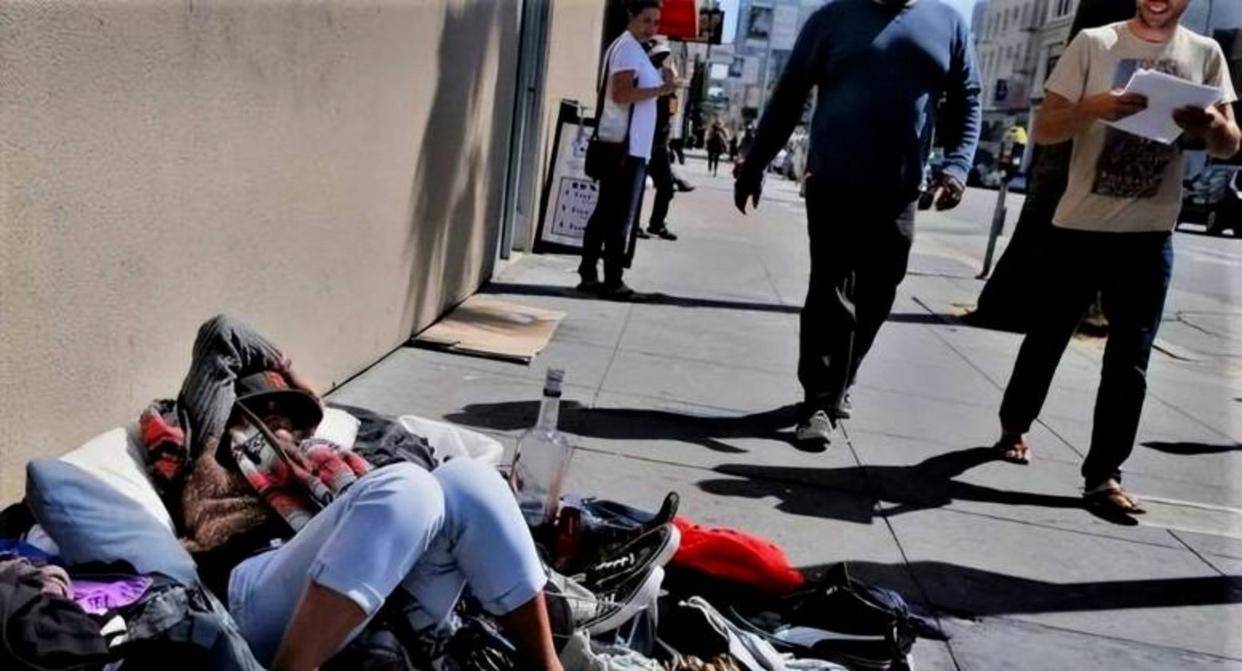
美媒关注“斩杀线”出圈:美国人的生存线还可能继续上移
Xin Lang Cai Jing· 2025-12-27 12:31
Core Insights - The term "Death Line" has gained popularity in Chinese social media, reflecting the precarious financial situation many Americans face, despite the perception of the U.S. as a land of opportunity [1][2] - A significant portion of the American population is living paycheck to paycheck, with 67% of Americans only able to cover basic living expenses, and 59% unable to handle a $1,000 emergency expense [1][5] Economic Conditions - Many middle-class Americans, despite having decent incomes, struggle to save after covering essential expenses such as food, housing, transportation, healthcare, and childcare [2][3] - The cost of living in the U.S. is notably higher than in China, with American families facing greater economic insecurity due to high housing costs and inadequate safety nets [3][5] ALICE Threshold - The ALICE (Asset Limited, Income Constrained, Employed) threshold indicates that 42% of American households live below this line, meaning they earn above the federal poverty level but cannot afford basic expenses [5][6] - The current poverty line calculation in the U.S. is outdated and does not accurately reflect the true cost of living, as it was based on a formula from 1963 [6][7] Policy Implications - The recent tax and spending bill signed by former President Trump will cut over $1 trillion in healthcare funding, potentially affecting up to 10 million Americans' access to health insurance [6][7] - Critics argue that the measures in the "big and beautiful" bill will exacerbate the financial strain on millions of Americans living on the edge of poverty [7]
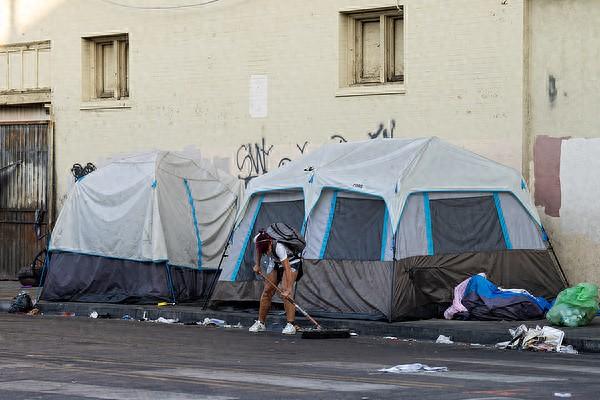
斩杀线,美国中产的噩梦
Sou Hu Cai Jing· 2025-12-27 11:23
Core Concept - The term "kill line" refers to the precarious situation of American middle-class individuals who, upon losing their jobs, face a rapid decline into homelessness, with an average remaining lifespan of only five years for the homeless population [2][10]. Group 1: Economic Conditions of the Middle Class - Many middle-class families operate on a high-leverage model, where their cash flow does not equate to their ability to meet liabilities, leading to a fragile financial situation [3][5]. - A typical engineer in the Bay Area may earn a pre-tax salary of $300,000, but after taxes and living expenses, their disposable income is severely limited, often leaving only a few hundred dollars in free cash flow each month [4][5]. - Approximately 37% of Americans cannot afford to cover an emergency expense of $400, highlighting the financial vulnerability of many households [4]. Group 2: Employment and Job Security - The "at-will employment" system in the U.S. allows employers to terminate employees without cause, which has been exacerbated by recent trends in AI and automation, leading to significant job losses, particularly in the tech sector [7]. - Reports indicate that by 2025, corporate layoffs could reach 1.1 million, a 65% increase year-on-year, with software development roles experiencing a 56% decline in hiring over five years [7]. Group 3: Healthcare and Financial Implications - Unemployment often leads to the loss of health insurance, forcing individuals to either forgo medical care or pay high premiums to maintain coverage, which can be as much as $3,000 per month [8][9]. - Medical expenses are a leading cause of personal bankruptcy, with 66.5% of bankruptcies linked to healthcare costs [8]. Group 4: Social and Psychological Impact - The rapid descent from middle-class stability to homelessness can lead to severe psychological distress, contributing to high rates of substance abuse among those who have lost their jobs [11][19]. - The average lifespan of homeless individuals is significantly reduced due to despair and associated health issues, with 75% of them dying within three years of becoming homeless [10][19]. Group 5: Economic Inequality - The wealth distribution in the U.S. is highly skewed, with the top 10% holding 87.2% of stock wealth, while the bottom 50% possess only 1.1%, indicating a widening economic divide [15][16]. - The median net worth of middle-class families is only $192,900, which is less than 7% of the wealth held by the top 10%, and their disposable income continues to shrink due to rising living costs [17]. Group 6: Broader Implications - The concept of the "kill line" is not unique to the U.S. and may exist in various forms globally, reflecting a universal risk of economic instability faced by the middle class [20][22]. - The current economic environment, characterized by high financialization and competition, has made the middle class a transient and unstable group, dependent on continuous employment for survival [20][22].
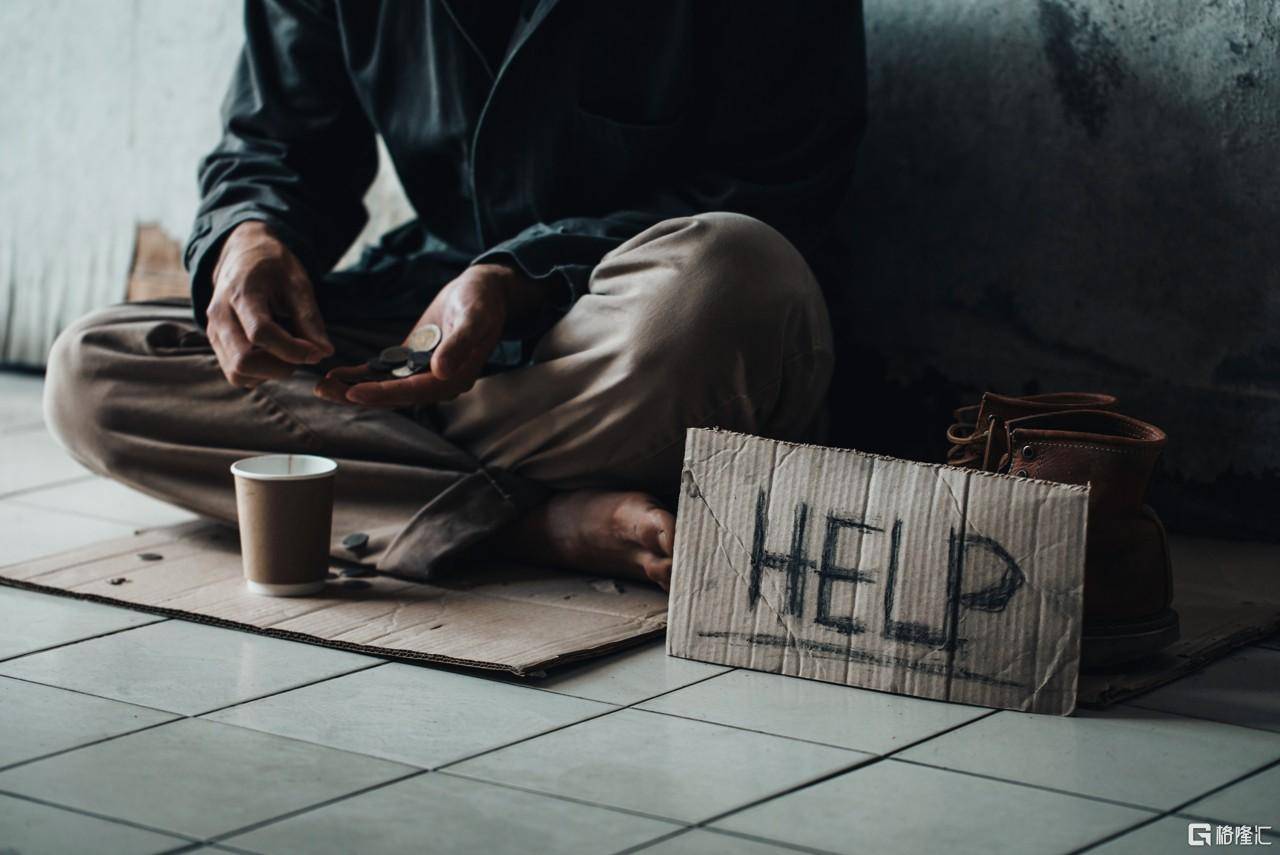
“斩杀线”下的美国:年薪百万的中产,也怕一次意外
创业邦· 2025-12-27 10:33
Core Viewpoint - The concept of "killing line" has emerged in discussions about the precarious financial situation of many Americans, particularly the middle class, who face severe economic pressures that can lead to financial ruin and homelessness [5][8][30]. Group 1: Economic Conditions - The poverty line for a family of four in the U.S. is set at an annual income of $32,150, but a more realistic figure to maintain basic living standards is approximately $136,500, or about 960,000 RMB [11][12]. - A quarter of American households are living paycheck to paycheck, spending nearly all their income on essential expenses [14]. - 37% of Americans cannot cover an unexpected expense of $400, indicating widespread financial vulnerability [15]. Group 2: Homelessness Crisis - The total number of homeless individuals in the U.S. surged by 18% in 2024 compared to the previous year [19]. - Young people under 25 accounted for 27% of the homeless population, with their numbers increasing by 29% [20]. - The number of homeless children rose by 33%, with at least 148,000 minors living in shelters or on the streets [21]. Group 3: K-shaped Economic Recovery - The U.S. economy is experiencing a "K-shaped" recovery, where the wealthy benefit disproportionately from economic growth, primarily driven by technology and capital returns, while the lower-income groups face stagnation [30][33]. - The contribution of AI-related investments to GDP growth reached 1.57 percentage points in the first half of 2025, surpassing that of private consumption [31]. - The manufacturing sector's value added fell below 10% for the first time in 2024, highlighting a shift away from traditional economic drivers [32]. Group 4: Structural Issues - The labor market is characterized by a "double weakness" in supply and demand, with rising unemployment and job instability for low-income workers due to technological advancements [35]. - The average commercial electricity price in the U.S. has increased by about 30% since 2019, contributing to higher living costs for families [36]. - Economic policies have disproportionately benefited the wealthiest, with the lowest income households potentially losing around $1,600 annually due to tax reforms [38]. Group 5: Policy Challenges - Policymakers face the challenge of balancing capital market prosperity with rising living costs for voters, which could lead to significant economic risks if not managed properly [39]. - The ongoing low-interest-rate environment primarily benefits asset markets, offering limited relief to ordinary families struggling with debt [39]. - The structural imbalance in the economy has led to a situation where a single financial shock can trigger a cascade of negative outcomes for vulnerable households [40].

谁设计了斩杀线?
虎嗅APP· 2025-12-27 02:45
Core Viewpoint - The concept of "killing line" has gained significant attention, highlighting the precarious financial situation of many American families who could easily fall into homelessness due to unexpected events [4][6]. Group 1: Definition and Statistics - The "killing line" refers to a threshold where even middle-class families in the U.S. can become homeless due to minor incidents, such as a small illness or an accident [4]. - The "Alice Threshold" indicates that 20% to 40% of the U.S. population lives below this line, meaning they lack sufficient savings and income to meet basic needs [6]. - A recent article by Wall Street investment manager Michael Green states that the current poverty line for American families is an annual income of $140,000, while the official poverty line is over $30,000, and the median household income is over $80,000 [7]. Group 2: Social Commentary - The discussion around the "killing line" reflects a deeper understanding of American society, where many people are unaware of the underlying issues due to the glamorization of American wealth in media [18][19]. - The concept has been linked to various dystopian themes in American literature and film, illustrating the struggles of the lower class and the impact of capitalism on society [21][22]. - The current community structure in the U.S. contributes to social atomization, making it difficult for individuals to seek help during crises, which can lead to a downward spiral into poverty [28][30]. Group 3: Systemic Issues - The "killing line" system is not a result of a single individual's design but rather an evolution of various societal forces, including community structures and economic policies [27][31]. - The existence of a homeless population serves as a deterrent for others, reinforcing societal norms and expectations [35]. - The American political and economic landscape perpetuates a cycle where individuals are marginalized, leading to a lack of basic human rights for certain groups [43][45].

“斩杀线”下的美国:年薪百万的中产,也怕一次意外
凤凰网财经· 2025-12-26 12:44
Core Viewpoint - The term "cut-off line" has emerged from discussions among Chinese expatriates and students in the U.S., highlighting the precarious financial situations faced by many Americans, particularly the middle class, who can quickly fall into financial distress due to rising living costs and unexpected events [1][2][4]. Group 1: Survival Threshold - The official poverty line for a family of four in the U.S. is set at an annual income of $32,150, a figure that is outdated and does not reflect current living costs [6][7]. - To maintain a basic standard of living, a family of four would need an annual income of approximately $136,500, equivalent to about 960,000 RMB [7]. - A quarter of American households are living paycheck to paycheck, with nearly all income going towards essential expenses [9]. - 37% of Americans cannot cover an emergency expense of $400, indicating widespread financial vulnerability [10]. - Even middle-class individuals are not immune, as demonstrated by a programmer in Seattle who, despite a $450,000 salary, faced financial ruin due to high living costs and unexpected medical expenses [12][15]. Group 2: Homelessness Crisis - The U.S. is experiencing an unprecedented homelessness crisis, with the total number of homeless individuals rising by 18% in 2024 compared to the previous year [18][19]. - Young people under 25 now make up 27% of the homeless population, with their numbers increasing by 29% [20]. - The number of homeless children has surged by 33%, with at least 148,000 minors living in shelters or on the streets [21]. - Older adults, particularly those aged 55 and above, are the fastest-growing segment of the homeless population, with many living below the official poverty line [26][27]. Group 3: Economic Disparities - The "cut-off line" phenomenon is rooted in the structural imbalances of the U.S. economy, characterized by a "K-shaped" recovery where wealth is increasingly concentrated among the affluent [29][32]. - The contribution of AI-related investments to GDP growth has surpassed that of private consumption, indicating a shift towards a technology-driven economy [30]. - The manufacturing sector's value added has dropped below 10%, highlighting a shift away from traditional economic drivers [31]. - Wealth creation is heavily skewed towards capital owners, exacerbating the financial fragility of working-class families [32]. Group 4: Policy Implications - The U.S. labor market is facing a "double weakness" in supply and demand, with rising unemployment and job instability for low-income workers due to technological advancements [35]. - The average commercial electricity prices have increased by about 30% since 2019, adding to the financial burden on households [36]. - Economic policies have disproportionately benefited the wealthy, with lower-income families facing net losses while high-income families gain significant tax benefits [36]. - Policymakers are struggling to balance the needs of capital markets with the rising cost of living for ordinary citizens, which could lead to significant economic risks if not managed properly [37][39].
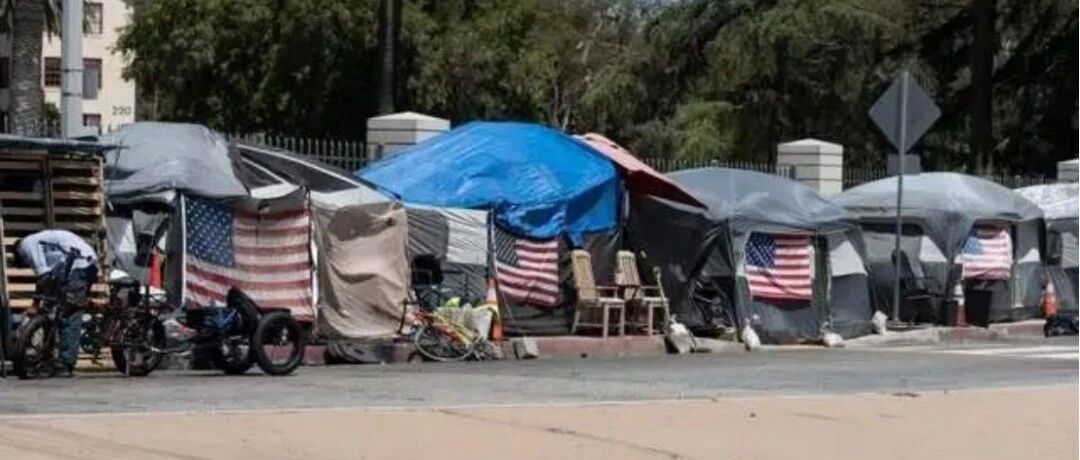
美国体面人的“斩杀线”:户外露宿的人群中,约40%有工作,“有人假装有家、穿戴整洁,维持体面”
Xin Lang Cai Jing· 2025-12-26 00:33
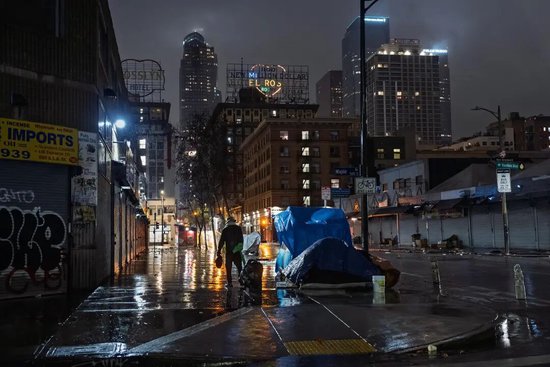
Core Insights - The term "kill line," originating from gaming, is being used to describe the precarious financial situation faced by many Americans, where a single misfortune can lead to poverty or homelessness [1][11] - The number of homeless individuals in the U.S. reached a historic high of over 770,000 in 2024, marking an 18% increase year-on-year [9][21] - A significant portion of the homeless population, nearly half in shelters and about 40% outdoors, are employed, highlighting the struggle of ordinary workers to maintain stability [13][21] Group 1: Current Homelessness Trends - In 2024, the U.S. experienced a surge in homelessness, with a 23% increase in the number of individuals entering shelters from 2019 to 2023 [21] - The demographic of homeless individuals is shifting, with a notable increase in those aged 18-25, where 1 in 10 experienced homelessness at some point in the year, and a 29% increase in this age group compared to the previous year [21] - The number of homeless children rose by 33%, with at least 148,000 minors living in shelters, motels, or on the streets [21] Group 2: Economic Factors and Employment - The official poverty rate in the U.S. for 2024 remains at 12.9%, with a reported official poverty line for a family of four set at $32,150 [19] - However, a recalculated living wage for a family of four to meet basic needs is estimated at $136,500, indicating that the current poverty line does not reflect the high costs of housing, healthcare, and childcare [19] - Many individuals are being "pushed out" of stable living situations due to rising costs and insufficient income, rather than simply "falling" into homelessness [18][19] Group 3: Personal Stories and Systemic Issues - Personal accounts illustrate the struggles of working individuals facing homelessness, such as a hospital technician living in her car with her children, emphasizing the harsh realities of maintaining a facade of stability [15][16] - The cycle of eviction and inability to secure housing due to background checks creates a "civil death" situation for many, where losing a home leads to losing job opportunities [16][18] - The societal expectation that hard work guarantees stability is increasingly being challenged, as many full-time workers find themselves unable to meet basic living needs [19]
年薪45万美元程序员半年变流浪汉:美国中产背后的“斩杀线”!
Sou Hu Cai Jing· 2025-12-25 11:07
Group 1 - The vulnerability of high salaries in the U.S. tech industry has gained widespread attention, exemplified by a programmer earning $450,000 who became homeless within six months after losing his job, highlighting the "kill line" phenomenon where high debt and sudden crises lead to rapid financial collapse [1] - The phenomenon is driven by extreme imbalance between income and expenses, flaws in the social security system, and systemic risks overwhelming ordinary individuals [1] - High-income earners in Silicon Valley often fall into the trap of "lifestyle inflation," leading to low savings rates and a vicious cycle of increasing debt as they spend more than they earn [3] Group 2 - The tech industry has seen frequent "strategic optimizations" since 2024, affecting even senior employees, with one individual submitting 80 job applications and receiving only three interviews due to industry contraction and age discrimination [5] - A significant drop in company stock prices, by 42%, has further weakened the financial resilience of affected individuals, making long-term unemployment a critical issue [5] - A sudden medical emergency can trigger bankruptcy, as illustrated by a programmer facing a $60,000 medical bill, with inadequate insurance coverage exacerbating financial strain [7] Group 3 - The "kill line" reflects a broader imbalance in the socio-economic structure, where 1% of the population holds a majority of wealth, and capital gains tax rates are significantly lower than income tax rates, placing more risk on ordinary workers [9] - Mechanisms such as $1.8 trillion in student loans and high-interest debt create heavy burdens for individuals from the outset of their careers, indicating that the "kill line" is not merely a result of personal financial failure but a systemic issue driven by capital interests [9]
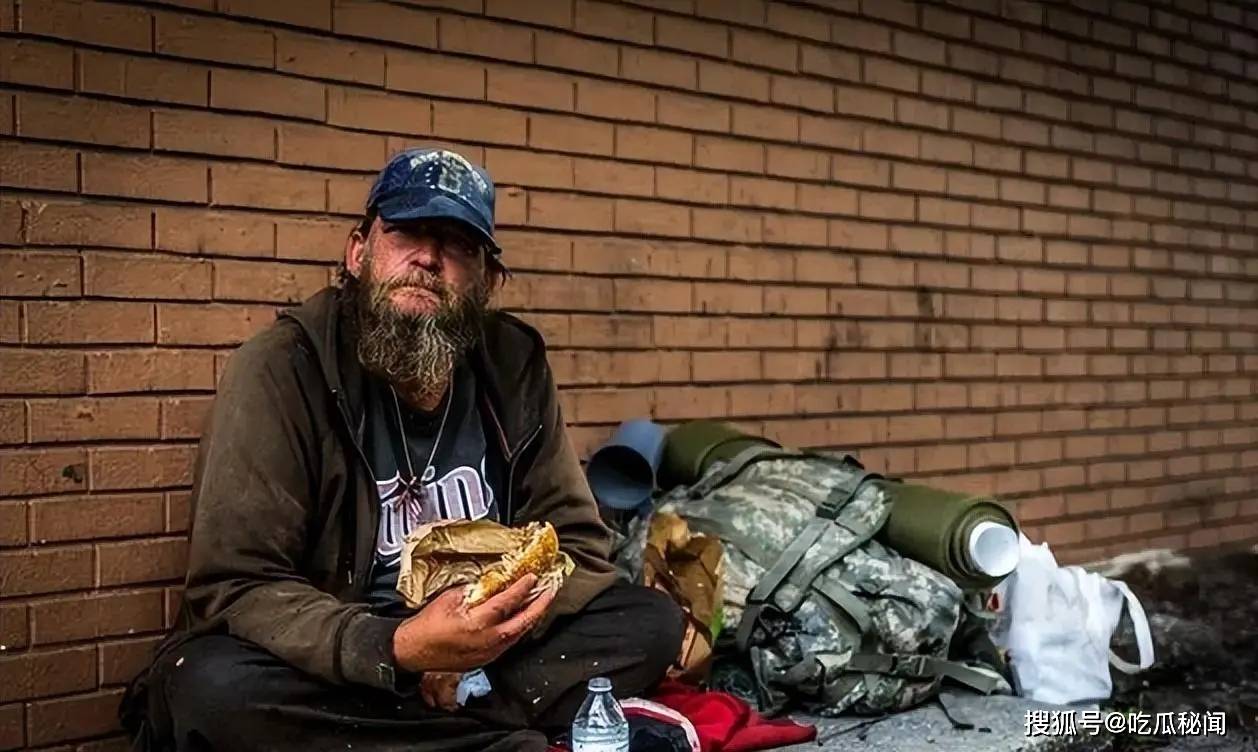
婚姻为何能成为美国头号斩杀线
Sou Hu Cai Jing· 2025-12-25 08:55
昨天 斩杀线那条好多人询问 直接上点干货吧,百分百带数据加案例的 当下美国斩杀线的头号主力是婚姻,离婚财产分割这一刀能把90%中产击垮,直接打成流浪汉。 甚至明星也扛不住,你熟悉的那些明星破产的故事,其实绝大部分,都是倒在这里。 这一招为什么厉害呢?因为他的伤害是锁面板机制。 直接放案例,阿里扎记得吧,当年姚明火箭队队友,还跟着科比拿过总冠军,算是挺优秀的角色球员了吧,场均能拿十几分左右,他就遭遇了离婚官司。 离婚官司的结果是,60%资产,包括房产和现金,都归女方, 一次性的,60万美元的赡养费 以及后续的,每月2.8万的配偶抚养费和孩子抚养费 听起来是不是也还好,毕竟阿里扎大小也算是个球星,收入有目共睹,离婚后再赚回来就是了。 但问题在于这个官司是2023年打的,而他是2022年退役的 这个节点,正好是他资产的最巅峰,后续因为退役,他再也拿不到这么高的收入了。 可离婚财产分割,以及抚养费标准,却始终是按照他球星时代,一年千万级美元的收入来算的。 所以哪怕阿里扎奋战十余年拿到过亿美元的薪酬,也顶不住,最终于2025年宣告破产 类似的是香波特,这个也是老熟人了,当年骑士队跟詹姆斯拿过总冠军的。 在你年薪千万的时 ...

逸语道破:“斩杀线”就是美国的一部分,它的另一个名字叫“资本主义”
Xin Lang Cai Jing· 2025-12-25 05:03
Core Viewpoint - The concept of "slaughter line" has emerged as a cultural phenomenon in the U.S., highlighting the inherent characteristics of capitalism, particularly how it deals with individuals who fall below a certain financial threshold [3][4][8]. Group 1: Definition and Implications of the "Slaughter Line" - The "slaughter line" refers to a critical point where an individual's financial and living conditions become so precarious that a minor setback can lead to irreversible negative consequences, resulting in a rapid decline in their social standing [9][10]. - The existence of the "slaughter line" illustrates the capitalist system's prioritization of capital preservation over individual welfare, leading to a mechanism that quickly discards those who can no longer contribute value [4][6]. Group 2: Societal Consequences - The consequences of falling below the "slaughter line" include increased medical debt, homelessness, and substance abuse, with statistics indicating that 40% of American adults carry medical debt totaling $220 billion, and 66% of personal bankruptcies are related to medical expenses [10][12]. - The phenomenon of homelessness has surged, with over 650,000 individuals reported as homeless in the U.S. as of January 2023, marking a 12% increase from the previous year [10][12]. Group 3: Structural Factors Contributing to the "Slaughter Line" - Wealth and income inequality in the U.S. is stark, with the top 1% of households holding 30.5% of the nation's wealth, while the bottom 50% possess only 2.5% [13][14]. - The lack of a comprehensive social safety net exacerbates the situation, as U.S. social welfare spending is only about 16% of GDP, lower than the OECD average, and many low-income families lack adequate health insurance [13][14]. Group 4: Government Response and Limitations - The U.S. government has implemented measures such as unemployment benefits and emergency rental assistance, but these are often seen as temporary solutions that do not address the root causes of poverty and inequality [19][20]. - Political polarization and limited resources hinder the effectiveness of public policies aimed at addressing the issues surrounding the "slaughter line," leading to a lack of long-term solutions [20][21].