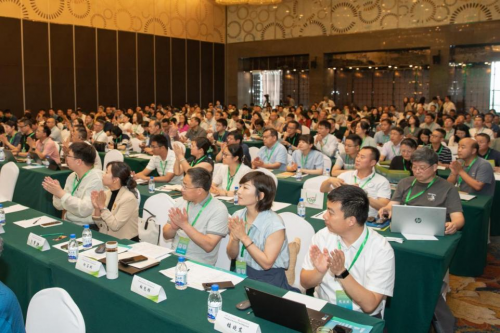
科教融汇

Search documents
高考风向变了!新型研究型大学“八小龙”,搅了985名校的局
2 1 Shi Ji Jing Ji Bao Dao· 2025-07-30 11:31
Group 1 - The emergence of new research-oriented universities in China is reshaping the higher education landscape, attracting high-scoring students and challenging traditional 985 universities [1][2][3] - New research universities such as Fuyou University and Ningbo Oriental University have successfully enrolled high-achieving students, with Fuyou University achieving a minimum score of 658 in Henan province [2][3] - The competitive admission scores of these new universities indicate a shift in student preferences, with some new institutions surpassing established universities in terms of admission scores [5][6] Group 2 - New research universities are characterized by their small and specialized nature, focusing on popular and emerging fields, which contributes to their appeal among high-scoring candidates [7] - The innovative educational approaches of these universities, including early laboratory access and research opportunities, enhance student engagement and practical experience [9][10] - Partnerships with industry leaders, such as Fuyou University collaborating with major automotive companies, facilitate a strong connection between education and industry needs [12][14] Group 3 - The establishment of national-level engineering colleges and innovation research institutes aims to align talent development with regional industrial needs, further integrating education with practical applications [13] - The focus on producing innovative and entrepreneurial talent is evident in the educational strategies of these new universities, which emphasize hands-on experience and real-world problem-solving [14]
福耀科技大学50人招录完成,自称“小白鼠”的636分考生收到录取通知书,5省份投档线均超610分
第一财经· 2025-07-24 15:59
Core Viewpoint - The article highlights the successful first undergraduate enrollment of Fujian Fuyou University, attracting attention and recognition from students and parents, with a focus on integrating education with production and research [1][4]. Enrollment Details - Fujian Fuyou University has enrolled 50 undergraduate students from five provinces, with the highest admission scores exceeding 610 points across all regions [4]. - The highest scores for admission in various provinces include 683 in Henan, 657 in Fujian, 640 in Jiangxi, 635 in Guangxi, and 649 in Hunan, indicating competitive admission standards [4]. Institutional Philosophy - The university emphasizes a philosophy of "everything for students," aiming to cultivate innovative talents with social responsibility and a global perspective [5]. - The institution's approach is to combine research with practical production, preparing students to contribute directly to societal needs [1][5]. Comparison with Other New Universities - Other newly established research-oriented universities, such as Ningbo Dongfang University and Greater Bay Area University, have also seen strong enrollment results, with admission scores comparable to established 985 universities [5][6]. - The emergence of these new universities reflects a trend of rapid development in China's higher education landscape, characterized by high investment and a focus on cutting-edge fields [6][7]. Educational Trends - The article notes that traditional universities are also adapting by innovating their curriculum and talent cultivation models to compete with new institutions [7][8]. - Examples include the establishment of specialized colleges at Wuhan University and Tianjin University, focusing on interdisciplinary studies and emerging fields [8][9].

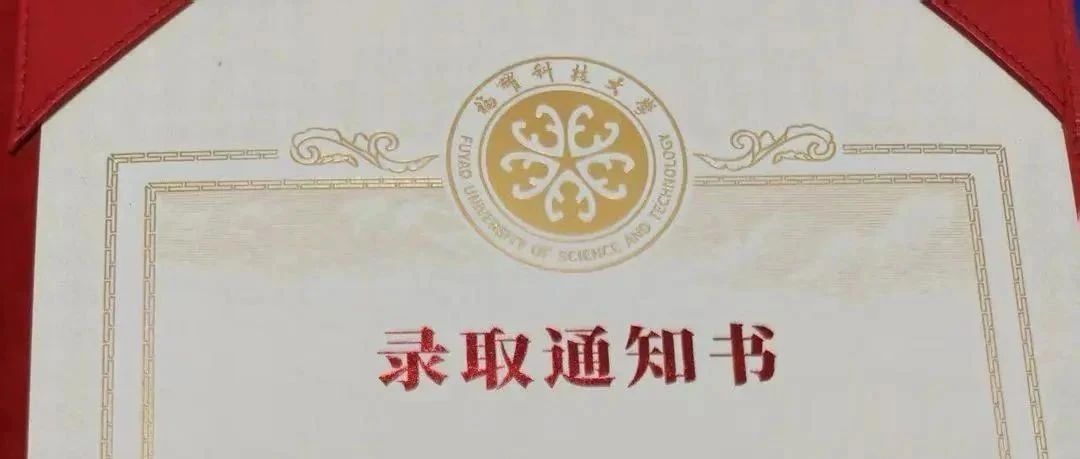
福耀科技大学5省份投档线均超610分,新型大学快速崛起带来了什么?
Di Yi Cai Jing· 2025-07-24 09:35
Group 1 - The rise of new research-oriented universities is accompanied by traditional prestigious institutions accelerating their adjustments in departments and talent cultivation models, increasing investments in emerging disciplines and key areas [1][6] - Fujian Fuyou University has successfully completed its first undergraduate admissions, attracting attention and recognition, with a total of 50 students enrolled from five provinces, achieving admission scores above 610 in all regions [2][3] - The admission scores of Fujian Fuyou University have surpassed those of several 985 and 211 universities in multiple provinces, indicating its competitive standing in the higher education landscape [3][4] Group 2 - Other new research-oriented universities, such as Ningbo Oriental University of Technology and Greater Bay Area University, also reported successful admissions, with scores comparable to top 985 institutions [3][4] - West Lake University has expanded its admissions to provinces outside Zhejiang, achieving competitive scores in both Henan and Chongqing, reflecting the growing prominence of new research universities [4] - The rapid development of new research-oriented universities is characterized by high starting points, significant investments, and a focus on research, aiming to redefine knowledge production and educational ecosystems [4][5] Group 3 - The emergence of these new universities has created a "catalyst effect," encouraging traditional institutions to innovate in their academic offerings and talent training models [6] - Traditional universities, such as Wuhan University and Tianjin University, are establishing new interdisciplinary programs and innovative talent cultivation plans to adapt to the evolving educational landscape [6][7] - Tianjin University is implementing a new engineering leadership program aimed at breaking traditional boundaries in education and focusing on strategic emerging fields, with plans to develop specific training directions by 2025 [7]
有职校分数超211高校
21世纪经济报道· 2025-07-13 09:04
Core Viewpoint - The article highlights the significant transformation and rising appeal of vocational education in China, particularly in the context of the 2025 educational landscape, where vocational schools are increasingly recognized for their quality and relevance to industry needs [2][6][9]. Group 1: Vocational Education Development - Vocational schools are experiencing a surge in popularity, with the number of undergraduate vocational institutions reaching 87, and the "New Double High Plan" expanding to 220 institutions [2][9]. - The perception of vocational schools is changing, as many high-scoring students are now considering vocational education, with some institutions' admission scores surpassing those of traditional universities [2][18]. - The vocational education system is now seen as a critical contributor to the workforce, with over 70% of new employees in modern manufacturing and emerging industries coming from vocational school graduates [12][13]. Group 2: Quality Improvement and Industry Integration - The quality of vocational education has improved significantly, leading to a better alignment with industry requirements and a focus on practical skills [4][10]. - The integration of education and industry is emphasized, with successful examples of partnerships between vocational schools and companies, such as the collaboration between Shunde Vocational and Technical University and KUKA Robotics [14]. - The "New Double High Plan" aims to elevate vocational education standards and support regional development strategies, enhancing the overall quality of vocational training [10][12]. Group 3: Changing Perceptions and Opportunities - There is a growing recognition that vocational education provides valuable skills that meet the demands of the modern job market, countering previous biases against vocational training [6][18]. - The establishment of a vocational examination system aims to create equal opportunities for vocational education alongside traditional higher education, encouraging more students to pursue vocational paths [19]. - The article suggests that as vocational schools continue to improve and adapt, they will attract more students, thereby reshaping the educational landscape in China [2][19].
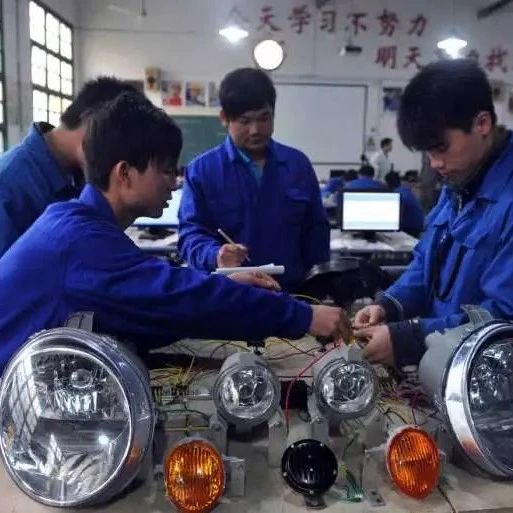
突然!时隔30年再提“包分配包就业”,信号极不寻常
商业洞察· 2025-07-12 03:26
Group 1 - The article discusses the emergence of new research-oriented universities in China, highlighting the establishment of three new institutions this year, including Fuyou University, Greater Bay Area University, and Ningbo Oriental University of Technology [3][4]. - These universities are backed by prominent enterprises and aim to create a talent war by offering guaranteed employment for graduates, similar to the successful model of Shenzhen University of Technology [5][9]. - The new universities are positioned to disrupt traditional higher education institutions by focusing on high-demand fields and innovative educational models, emphasizing engineering, computer science, and biotechnology [17][20]. Group 2 - The new research-oriented universities are characterized by their strong financial backing, high-quality faculty, and targeted professional programs that align with national strategic needs [19][20]. - They adopt a "small but elite" approach, concentrating on a limited number of specialized programs that cater to emerging industries, such as semiconductors and AI [20][21]. - The article notes that traditional universities face increasing pressure to adapt their programs and teaching methods in response to the competitive landscape created by these new institutions [26][32].

2025职教拐点:分数超211? “三江合流”奔赴职校
2 1 Shi Ji Jing Ji Bao Dao· 2025-07-11 11:46
Core Viewpoint - The article highlights the significant transformation and rising popularity of vocational education in China, particularly in the context of the 2025 admissions cycle, where vocational colleges are increasingly seen as viable and attractive options for students, challenging traditional perceptions of vocational education as inferior [1][4][12]. Group 1: Vocational Education Development - By 2025, the number of vocational colleges at the undergraduate level has reached 87, with plans to expand the "New Double High Plan" to 220 institutions, indicating a steady improvement in the quality of vocational education [1][4][6]. - Vocational colleges are becoming essential in supplying skilled workers, with over 70% of new employees in modern manufacturing and emerging industries coming from vocational school graduates [1][9]. - The trend of "upgrading from vocational to undergraduate" is emerging, where some undergraduate students are returning to vocational schools to gain practical skills, reflecting a shift in the perception of vocational education [4][12]. Group 2: Quality and Integration - The "New Double High Plan" aims to enhance the quality of vocational education by promoting high-level vocational schools and integrating education with industry needs [6][9]. - Vocational education is increasingly focusing on research and technology transfer, moving beyond just skill teaching to include applied research, which aligns with industry demands [10][11]. - The integration of vocational education with industry is crucial, as it ensures that the skills taught are relevant to current job market needs, thereby improving employability for graduates [9][10]. Group 3: Student Attraction and Perception - The admission scores for vocational colleges are rising, with some institutions attracting high-scoring students, indicating a shift in perception and increasing competitiveness [1][12]. - The establishment of a dedicated vocational examination system is being proposed to further legitimize vocational education and attract more students [13][14]. - The article emphasizes the need to break down societal biases against vocational education, promoting it as a legitimate and valuable educational pathway [1][7][12].
山东科技职业学院:“厂”入校园 “课”进车间
Ke Ji Ri Bao· 2025-07-04 01:10
Core Insights - The article highlights the innovative achievements of Shandong University of Science and Technology (山科职院) in integrating education with industry, particularly in the field of intelligent manufacturing [1][2][6] Group 1: Technological Innovations - The new generation machine vision optical sorting machine developed by 山科职院 can perform high-precision online automatic detection and identification of complex small parts with an accuracy of 0.01 mm and a detection speed of 300 pieces per minute [1] - The collaboration with 山东悍沃重工 led to the development of a specialized intelligent electronic control platform for agricultural machinery, resulting in a 30% increase in product profit margins [2] - 山科职院 has secured 136 invention patents and generated an economic benefit of 117 million yuan through its technology services in the past three years [1][2] Group 2: Educational Practices - The "校中厂" (school factory) model allows students to engage in real-world projects, enhancing their practical skills in garment production from fabric selection to final product creation [5][6] - The institution has established 14 industry academies and 670 off-campus training bases in collaboration with major companies like 潍柴集团 and 一汽-大众汽车有限公司, creating a "1+1+N" school-enterprise cooperation model [6] - In the past three years, 山科职院 has helped 29 enterprises become provincial-level industry-education integration enterprises and developed 63 customized courses for these companies [6] Group 3: Future Plans - The upcoming 43,000 square meter national intelligent manufacturing industry-education integration training base will provide ample space for more industry-academia projects [7] - The "县校共生计划" (county-school symbiosis plan) aims to extend the "workshop classroom" model to county areas, further deepening the practice of industry-education integration [7]
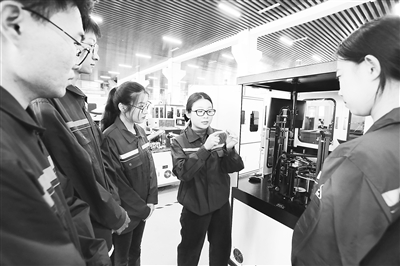
经济强市叠buff,密集迎来“新”大学
Mei Ri Jing Ji Xin Wen· 2025-06-24 14:36
Core Viewpoint - The emergence of new research-oriented universities in China, such as Ningbo Oriental Institute of Technology and Greater Bay Area University, aims to address the lack of high-quality educational resources in economically developed regions, focusing on high standards, precision, research, and internationalization [2][3][10]. Group 1: New University Establishments - Two new research-oriented universities, Ningbo Oriental Institute of Technology and Greater Bay Area University, have received approval from the Ministry of Education to enroll their first undergraduate students this year [2]. - Other similar institutions, including Shanghai Jiao Tong University, West Lake University, Southern University of Science and Technology, and Shenzhen Institute of Technology, have also begun enrollment, indicating a trend in establishing new research universities [2][10]. Group 2: University Characteristics and Focus - These universities emphasize high standards, precision, research orientation, and internationalization, with a focus on engineering and technology [7][12]. - The universities are aligning their programs with "new engineering" disciplines, which require a strong foundation in basic sciences and exhibit interdisciplinary trends [7][10]. Group 3: Regional Impact and Development - The new universities are strategically located in economically developed coastal cities like Ningbo, Dongguan, and Fuzhou, which have a GDP exceeding 1 trillion and a strong industrial base but lack quality educational resources [3][10]. - The establishment of these universities is expected to significantly contribute to the social and economic development of their respective regions, acting as a core engine for innovation [17][19]. Group 4: Collaboration with Industry - New research universities are forming strategic partnerships with leading companies and research institutions to enhance their educational offerings and ensure that their graduates meet industry demands [17][20]. - The focus is on creating a closed loop where industry needs drive research, and research informs teaching, thereby addressing the disconnect between traditional engineering education and market requirements [15][17]. Group 5: Future Aspirations - The universities aspire to benchmark against top global institutions like Stanford and MIT, aiming to create a similar ecosystem that fosters innovation and collaboration between academia and industry [12][14]. - The development of these universities is seen as a crucial step in transforming the educational landscape in China, particularly in regions with a strong manufacturing base [14][20].
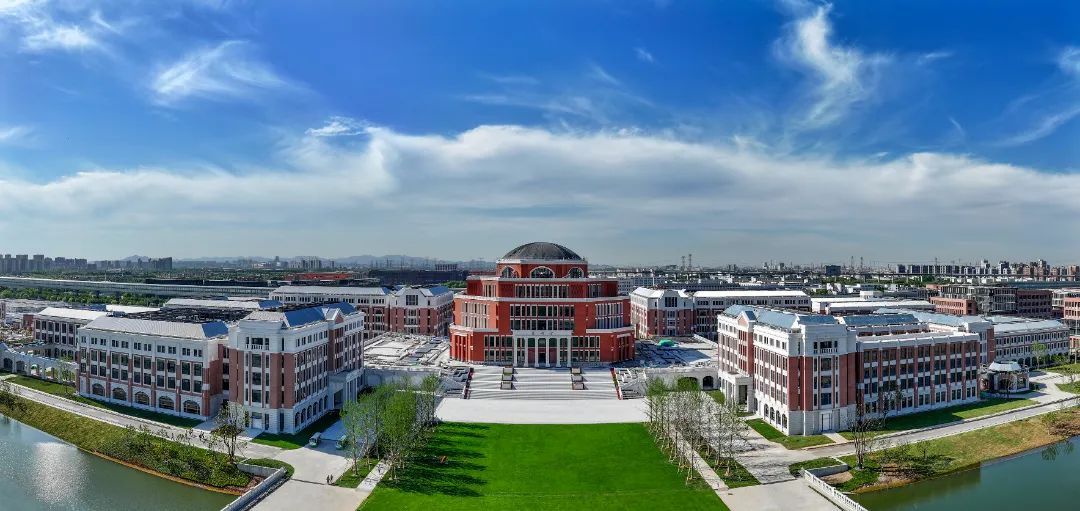
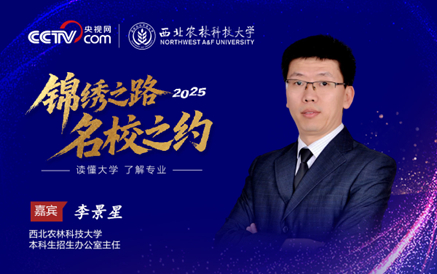
2025央视网名校之约|西北农林科技大学:2025新增5个前沿专业+三维培养体系,在“新农科”沃土绽放青春梦想
Yang Shi Wang· 2025-06-24 07:21
Core Viewpoint - Northwest A&F University is enhancing its undergraduate enrollment and educational offerings to meet the growing demand for high-quality talent in agriculture and related fields, aligning with national educational strategies and the "Double First-Class" initiative [3][4][10] Enrollment and Educational Strategy - The university plans to increase its undergraduate enrollment by 200 students in 2025 to respond to the urgent need for quality talent in society [4] - Currently, the university has 2,610 full-time faculty members and nearly 37,600 full-time students, offering a wide range of academic programs across various disciplines [4] New Academic Programs - In 2025, five new interdisciplinary undergraduate programs will be introduced: Bioinformatics, Digital Economy, Land Science and Technology, Ecological Restoration, and Intelligent Construction [5] - These programs aim to cultivate high-quality, interdisciplinary professionals equipped to meet the demands of modern industries and technological advancements [5] Talent Development Initiatives - The university is implementing a three-dimensional talent cultivation framework that includes the "Strong Foundation Program," "Excellence Classes," and "Micro Majors" to foster innovative talents [6][7] - The "Strong Foundation Program" will expand its enrollment and geographical reach, while "Excellence Classes" will focus on specialized training in various agricultural and environmental fields [7] International Collaboration - The university has established partnerships with 110 renowned universities and research institutions across 34 countries, promoting a multi-faceted international exchange model [8] - Collaborative programs with institutions like the University of Nebraska-Lincoln and Arizona State University will offer students dual degrees and enhance their global competitiveness [8] Flexible Learning Opportunities - The university allows students to enroll in programs by major categories, providing opportunities for students to switch majors without restrictions and pursue dual degrees [9] - A mentorship system and college system are being explored to support personalized student development [9]
产教融合新征程: 大视听专委会启航推进万亿产业高质量发展
Zhong Guo Chan Ye Jing Ji Xin Xi Wang· 2025-06-16 05:01
Core Insights - The forum on "Industry-Education Integration and Modern Industry College Construction" was held in Suzhou, focusing on enhancing collaboration between education and industry to foster high-quality development in the trillion-yuan industry [1][3] - The establishment of the "Big Audio-Visual Special Committee" aims to leverage Zhejiang's strengths in content production, intelligent manufacturing, and artificial intelligence to promote high-quality development in the big audio-visual industry [3][12] Action Plans - Three major action plans were announced, including the Campus Ideological and Political Education Line, the National College Student Writer Cultivation Program, and the Hundred Training Results Support Plan [5][6][8][10] Expert Insights - Various experts presented reports on the challenges and pathways of industry-education integration, emphasizing the need for modern industry colleges to adapt to future challenges and the importance of curriculum reform [14][16][20][22][24] Institutional Practices - Representatives from six institutions shared their unique practices in modern industry college construction, showcasing diverse approaches to integrating education with industry needs [26][30] Forum Consensus - The forum established a high-end platform for collaboration in industry-education integration, emphasizing the need for continuous cooperation among government, schools, and enterprises to address challenges and enhance talent cultivation [31]