租金回报率

Search documents
房贷还在降!15%的首付也救不了楼市?老百姓为何宁愿存钱也不买房
Sou Hu Cai Jing· 2025-08-22 07:49
Core Insights - The latest data from the People's Bank of China indicates a significant cooling in the real estate market, with the total personal housing loan balance reaching 37.74 trillion yuan, reflecting a 0.1% decrease compared to the same period last year, signaling a profound transformation in the market [1][3] Group 1: Loan Dynamics - Personal housing loan balances have experienced negative growth for the second consecutive year, with this year's decline of 0.1% being less severe than last year's 2.1%, indicating that the speed of loan repayments is outpacing new loan issuance [3][5] - In the first half of this year, new housing loans amounted to only 51 billion yuan, while early repayments reached an astonishing scale, with 24 yuan being repaid for every 1 yuan of new loans issued [3][5] Group 2: Market Conditions - The decline in housing loan balances is primarily attributed to weak housing sales, with new residential sales dropping by 5.2% year-on-year to 4.42 trillion yuan in the first half of the year, affecting the growth of loan balances as over 80% of Chinese homebuyers rely on loans [5][6] - Despite the downtrend, the average down payment ratio has fallen to a historical low of 15% for both first and second homes, yet buyers remain hesitant to take on loans due to a defensive savings mentality amid income instability [5][6] Group 3: Changing Buyer Behavior - The appeal of early repayment arbitrage is diminishing as the gap between new loan rates (3.1%) and existing loan rates has narrowed to less than 0.5%, with many families that could repay early having already done so [6][7] - The proportion of homebuyers under 25 has plummeted from 17% in 2020 to 3.8% in 2025, reflecting a shift in attitudes where younger generations prefer renting over taking on long-term debt [6][7] Group 4: Market Recovery Challenges - Although the transaction volume of second-hand homes in 30 major cities increased by 12% in the first half of the year, this growth is largely superficial, as it represents a transfer of debt rather than an increase in overall loan amounts [7] - The anticipated rise in foreclosures, with an expected 210,000 new cases in 2025, poses a significant risk to the housing loan balance, as these properties may become "bad debts" [7] - Government measures to stimulate the market, including a 60% reduction in loan rates from historical highs, have not led to sustained recovery, highlighting the fragile nature of the real estate market [7]


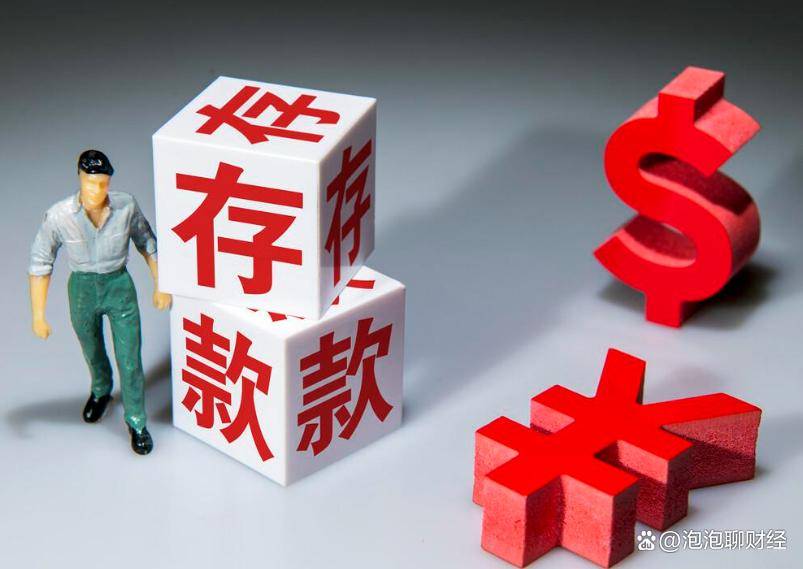
“8字头”变“4字头”!深圳再现“疯狂打折”公寓,部分租金回报率已超5年定存利率
Zheng Quan Shi Bao· 2025-07-24 11:43
Core Insights - The article discusses the challenges in the sales of business apartments in Shenzhen, highlighting significant price reductions and promotional strategies to attract buyers [1][2][3] - Business apartments, once popular due to their unrestricted purchase and loan policies, are now facing substantial inventory pressure and declining investor interest [2][3] Group 1: Market Dynamics - Recent promotions have seen prices for business apartments drop from "80,000" to "40,000" per unit, with some small units renting for up to "12,000" per month [1] - As of June, Shenzhen's non-residential inventory reached "19,416" units with a depletion cycle of "50.7 months," indicating a significant oversupply [2] - The rental yield for some business apartments has risen to "3% to 4%," surpassing current five-year fixed deposit rates, making them attractive for investors [2] Group 2: Regulatory Environment - Many cities, including Shenzhen and Guangzhou, have halted the approval of new business apartment projects, leading to a significant reduction in supply [3] - Some cities are repurposing existing inventory for affordable housing, with initiatives like Shenyang's plan to acquire completed commercial properties for this purpose [3] - Experts suggest that converting non-residential projects into residential ones could help alleviate housing shortages and stabilize the market [3]
中原地产:6月香港楼价回稳 租金持续向上
智通财经网· 2025-07-21 12:55
Core Insights - The latest Central Region Index (CRI) for May shows a rental yield of 3.54%, marking a month-on-month increase of 0.06 percentage points, the highest level since December 2011 [1] - The Hong Kong property market is experiencing a recovery, with increased buyer interest, although second-hand property prices remain constrained due to low promotional prices for new developments [1] - The rental market is active, entering a seasonal peak, which is driving rental yields above the 3.5% level [1] Rental Yield Trends - The CRI_Mass rental yield for May is reported at 3.70%, up 0.07 percentage points month-on-month, while the CRI for small units is at 3.66%, also up 0.07 percentage points [2] - The CRI for large units stands at 2.89%, reflecting a month-on-month increase of 0.02 percentage points, returning to levels seen in February 2012 [2] - In Kowloon, the CRI_Mass yield is 3.73%, up 0.13 percentage points, the second highest since November 2011 [2] Regional Performance - The rental yield in Hong Kong Island for CRI_Mass is 3.67%, up 0.11 percentage points, reaching a 14-year high since November 2010 [2] - New Territories West CRI_Mass yield remains stable at 3.73%, while New Territories East shows a slight decline to 3.63%, down 0.02 percentage points [2] - Among 143 surveyed estates, 133 have rental yields exceeding the H mortgage rate of 2.77%, indicating over 90% of estates are yielding more than rental costs [2] Notable Estates - Estates with rental yields above 4% include: 嘉辉花园 (5.41%), 得宝花园 (5.04%), 南丰新村 (4.96%), 美景花园 (4.57%), and 华景山庄 (4.57%) [2] - Other notable estates include 杏花村 (3.76%), 太古城 (3.51%), and 美孚新村 (4.37%) [3]
近一个月深圳租房成交量创近六年同期新高
Zheng Quan Shi Bao Wang· 2025-07-20 13:35
Group 1 - The rental market in Shenzhen is experiencing a significant increase in demand, particularly during the summer months when many graduates enter the workforce, leading to a peak in rental transactions [1] - From June 16 to July 15, the rental transaction volume in Shenzhen reached a six-year high, with an 11.5% increase compared to the same period last year [1] - The average rental price for commercial housing in Shenzhen during the first half of the year was 74.2 yuan per square meter, showing a slight year-on-year decrease of 0.5% but stable compared to the previous quarter [1] Group 2 - Business apartments are a strong segment in Shenzhen's rental market, particularly those in convenient locations, attracting singles and small families, with rental yields often exceeding 3% [2] - The current rental yield in Shenzhen is 1.7%, benefiting from a decline in property prices, indicating a slight upward trend [2] - Compared to bank deposit rates, the rental yields from ordinary residential properties in Shenzhen are more attractive, suggesting that investing in real estate may offer better returns than keeping funds in banks [2]
仲量联行:香港写字楼及住宅市场略见回稳 优质商铺面临空置率上行压力
智通财经网· 2025-07-14 07:48
Core Insights - Despite significant challenges in the past six months, Hong Kong's office leasing and residential markets are showing signs of slight recovery [1] - The overall commercial prices and rents are expected to decline further in the second half of 2025, while low HIBOR will stimulate residential sales [1][2] - The demand for office leasing may benefit from the upcoming IPO wave, while retail leasing activity is expected to remain active despite increasing new supply [1][2] Office Market - The office market sentiment is improving, with increased leasing transactions and negotiations for prime office spaces in core areas, particularly Central [1] - The overall vacancy rate has risen to 13.6%, but specific areas like Wanchai/Causeway Bay and Tsim Sha Tsui have seen vacancy rates decrease to 9.5% and 7.9%, respectively [1] - A positive net absorption of 130,700 square feet was recorded in the first half of the year, driven by increased transactions in major districts [1][2] Residential Market - The residential market lacks clear direction, with factors such as falling HIBOR, rising stock prices, and stamp duty reductions benefiting the market [2] - However, geopolitical uncertainties and high negative equity levels pose significant challenges, with the second-hand market transaction volume expected to rise to about 20,000 units in the first half of 2025, still 22% lower than the average from 2018 to 2024 [2][3] - The supply of new units in the primary market is approximately 93,000, with a projected absorption period of 56.7 months, necessitating price reductions by developers [3] Retail Market - The vacancy rate for core street shops remains at 10.5%, while the vacancy rate for quality shopping malls has reached a new high of 10.5% due to increased supply [3] - Retail landlords are becoming more flexible in lease terms to attract tenants, including offering longer rent-free periods [3] - The upcoming completion of approximately 600,000 square feet of new retail space in the second half of 2025 is expected to exert upward pressure on vacancy rates, with rents projected to decline by 5% to 10% [4]

未来一线城市的房子租售比可能到4%吗?
集思录· 2025-07-09 14:11
Core Viewpoint - The rental yield in first-tier cities in China is currently around 1.5% to 2%, significantly lower than the 4% benchmark, suggesting that property prices may need to decrease by 40% to 50% to reach a more sustainable rental yield [1][2]. Group 1: Rental Yield Comparisons - Rental yields in major international cities are higher than those in Chinese first-tier cities, with Tokyo at approximately 5% to 6.9%, New York around 6%, Los Angeles at about 4%, and London at approximately 5% [1]. - Historical rental yields in Shenzhen have decreased from 7% in 2007 to an estimated 1.5% in 2025, indicating a long-term downward trend [2]. Group 2: Market Dynamics - The shift from "agreement transfer" to "public bidding" for land sales in 2004 led to increased land prices, which subsequently drove up property prices, with a 40% increase noted from 2004 to 2006 [4]. - The cultural context in China, where homeownership is prioritized over renting, contributes to a higher demand for purchasing homes compared to renting, resulting in a supply-demand imbalance in the rental market [5][6]. Group 3: Future Projections - If rental yields are to improve, societal acceptance of renting as a viable long-term living arrangement must increase, similar to trends observed in other countries [6]. - The potential introduction of property taxes in China could alter the pricing structure of real estate, leading to further declines in property values and increased rental yields [2].

住房租赁进入旺季 市场供应充足租金平稳
Zheng Quan Shi Bao· 2025-07-08 11:57
Group 1: Rental Market Dynamics - The rental market in Shenzhen is experiencing a peak during the summer, with increased demand and a variety of rental options available for young people [1] - The average rental price in Shenzhen for the first half of the year is 74.2 yuan per square meter, showing a slight year-on-year decrease of 0.5% but a 4.1% increase in transaction volume [2] - The rental yield in Shenzhen has shown a slight upward trend, currently at 1.7%, benefiting from a decrease in property prices [2] Group 2: Impact of Policy Changes - The introduction of more accessible conditions for securing affordable rental housing in Shenzhen has allowed a larger proportion of housing to be allocated to individual families rather than just large enterprises [4] - New official rental platforms are being launched in various cities, including Shenzhen, to provide comprehensive and accurate housing information, thereby standardizing the rental market [4] Group 3: National Trends - A report from the China Index Academy indicates that rental prices in 50 major cities have seen a cumulative decline of 1.37%, with first-tier cities remaining relatively stable [5] - The rental yield across these cities has increased by 0.19 percentage points from the low point at the beginning of 2023, indicating a recovery in the rental market [5]
实探丨住房租赁进入旺季 市场供应充足租金平稳
证券时报· 2025-07-08 11:28
Core Viewpoint - The rental market in Shenzhen is experiencing a peak season during the summer, with increased demand and a stable rental environment despite fluctuations in housing prices [2][3]. Group 1: Rental Market Dynamics - The summer season traditionally sees a surge in rental activity, with many options available for young renters in Shenzhen [2]. - Rental prices in Shenzhen have shown slight fluctuations, with an average rent of 74.2 yuan per square meter in the first half of the year, reflecting a year-on-year decrease of 0.5% but a transaction volume increase of 4.1% [4][7]. - The rental market is characterized by a longer transaction cycle, with an average rental transaction period of 68 days, indicating that renters have more time to make decisions [4]. Group 2: Rental Yield Trends - The rental yield in Shenzhen has seen a slight increase, currently at 1.7%, attributed to the decline in housing prices [7]. - The bargaining power of renters has increased, with a bargaining rate of 6.7%, up by 0.3% year-on-year, suggesting a more competitive rental market [4]. Group 3: Affordable Housing Initiatives - Shenzhen has initiated measures to increase the availability of affordable rental housing, allowing more individuals and families to access these options [9]. - The launch of official rental platforms in various cities, including Shenzhen, aims to provide comprehensive and accurate housing information, enhancing market transparency [9].
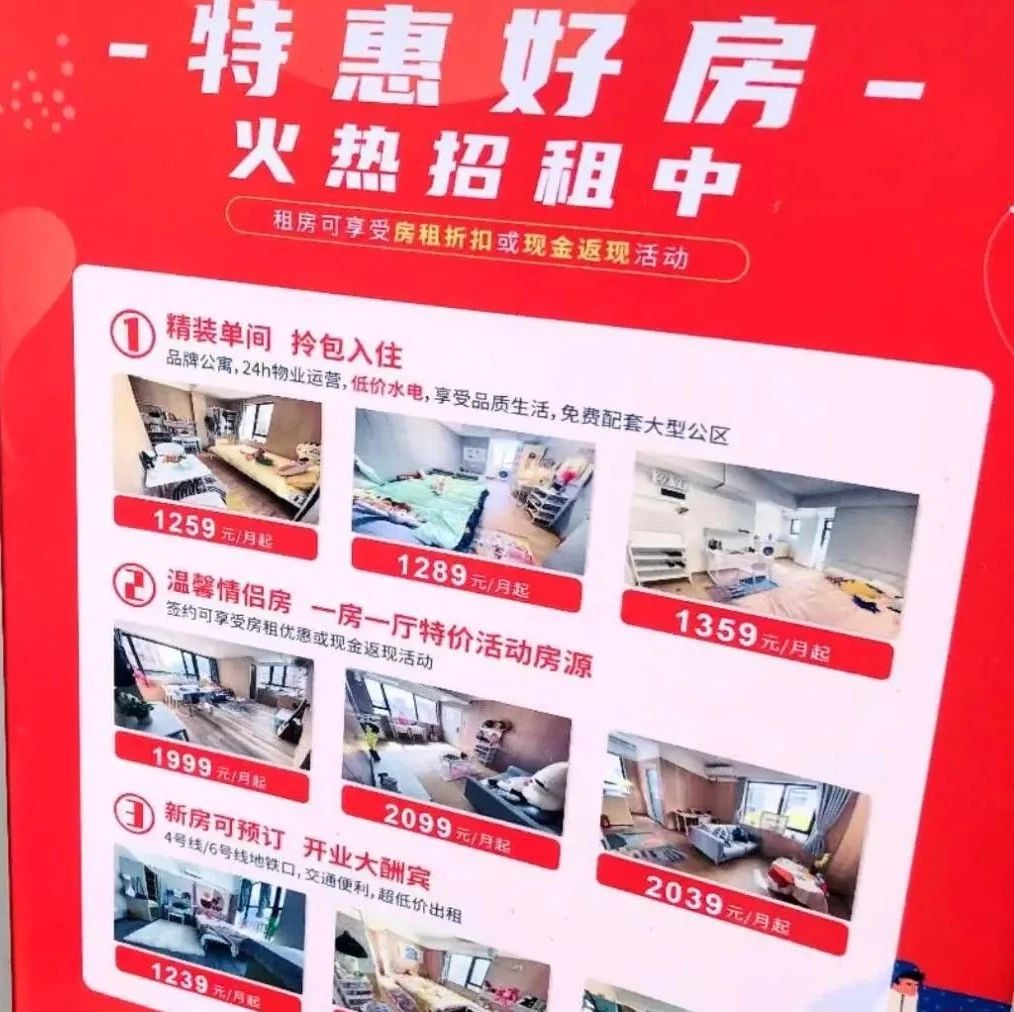
存贷利率“双降”之下 租金回报率逆袭
Zheng Quan Shi Bao· 2025-05-28 17:52
Core Insights - The recent decline in interest rates, particularly the 5-year LPR dropping to 3.5%, has led to a renewed interest in real estate investments, especially in rental properties that offer stable cash flow [1][2] - Many property developers are promoting the "rent-to-pay mortgage" concept, highlighting rental yields exceeding 4%, which are significantly more attractive than traditional savings rates [1][3] Group 1: Market Trends - In Shenzhen, 14 rental projects have rental yields surpassing the mortgage rates for first-time homebuyers, indicating that some rental properties can cover mortgage payments in the current low-interest environment [2] - The rental yield for ordinary residential properties in Shenzhen is currently higher than the one-year fixed deposit rates offered by major state-owned banks, making property investment more appealing than bank savings [3][6] Group 2: Investment Opportunities - The demand for smaller, lower-priced apartments is increasing, as they are seen as easier to rent out, attracting investors looking for rental income or diversification [3] - In Hong Kong, the easing of property transaction taxes has led to a notable increase in the sales of properties priced below 4 million HKD, with rental yields around 4% being a key attraction for investors from Shenzhen [4] Group 3: Economic Indicators - The rental yield rates in major cities like Beijing, Shanghai, Guangzhou, and Shenzhen are reported at 1.49%, 1.68%, 1.63%, and 1.49% respectively, indicating a trend where rental yields are beginning to exceed savings rates [6] - The overall real estate market conditions in first-tier and core second-tier cities are stabilizing, with Shanghai and Shenzhen expected to lead in market recovery [6]
年轻人大迁徙:不是北上广租不起,是西安成都更有性价比
吴晓波频道· 2025-05-28 16:26
Core Viewpoint - The rental market is becoming increasingly competitive for graduates, with many opting for second-tier cities due to lower rental costs compared to first-tier cities like Beijing and Shanghai [1][10]. Rental Market Trends - In major cities, the average rental price as a percentage of monthly income is significantly lower in second-tier cities, with less than 20% in cities like Suzhou and Nanjing, compared to 28% in Beijing and 26% in Shanghai [10]. - Graduates are adopting a "20% rule," where they aim to keep their rent below 20% of their monthly salary, reflecting a more pragmatic approach to housing costs [4][9]. Graduate Preferences - Many graduates are considering moving to lower-rent cities like Suzhou or Nanjing to avoid high rental costs in first-tier cities [4][7]. - The demand for rental properties in first-tier cities is declining, while cities like Chongqing and Xi'an are seeing increased rental demand [9][10]. Rental Price Dynamics - Recent data shows that rental prices in first-tier cities have decreased, with Shenzhen experiencing a drop of over 10%, while cities like Xi'an and Chengdu have seen increases of 2.6% and 6.6% respectively [10][11]. - The demand for rental properties priced between 1001 and 2500 yuan per month has increased significantly, accounting for 35%-40% of the market demand [10]. Government Initiatives - Local governments are responding to the rental market challenges by increasing the supply of affordable housing options, such as the "Qinghe Station" initiative in Hangzhou, which provides temporary accommodation for job-seeking youth [12][13]. - The government's focus on affordable rental housing is aimed at stabilizing rental prices and ensuring a balanced rental market [20][21]. Economic Implications - Rental price trends serve as indicators of economic vitality and consumer purchasing power, with a close correlation to GDP growth [19][25]. - The shift in rental demand from first-tier to second-tier cities reflects broader economic conditions and the challenges faced by graduates in securing employment in high-cost urban areas [18][25].