经济社会发展全面绿色转型

Search documents
财政部:2026年继续实施更加积极的财政政
Jing Ji Guan Cha Wang· 2025-12-28 04:26
Core Viewpoint - The National Financial Work Conference held in Beijing from December 27 to 28 emphasizes the continuation of a more proactive fiscal policy in 2026 [1]. Group 1: Key Tasks for Fiscal Work in 2026 - Expand the fiscal expenditure base to ensure necessary spending intensity [2]. - Optimize the government bond tool mix to better leverage bond effectiveness [2]. - Improve the efficiency of transfer payment funds to enhance local financial autonomy [2]. - Continuously optimize the expenditure structure to strengthen support for key areas [2]. - Strengthen fiscal and financial collaboration to amplify policy effectiveness [2]. Group 2: Support for Domestic Demand and Economic Growth - Focus on domestic demand, supporting the construction of a strong domestic market, boosting consumption, and implementing special actions to stimulate consumption [3]. - Actively expand effective investment, increasing input in key areas such as new productivity and comprehensive human development [3]. - Accelerate the establishment of a unified national market and standardize tax incentives and fiscal subsidy policies [3]. Group 3: Innovation and Development - Support the deep integration of technological and industrial innovation, increasing fiscal investment in technology and enhancing management of fiscal technology funds [3]. - Strengthen the role of enterprises in technological innovation and implement high-quality development actions for key manufacturing industry chains [3]. - Launch new pilot cities for technological transformation in manufacturing [3]. Group 4: Social and Regional Development - Promote urban-rural integration and regional collaboration to expand development space [3]. - Advance comprehensive rural revitalization and support people-centered new urbanization [3]. - Facilitate coordinated regional development [3]. Group 5: Social Welfare and Green Transition - Strengthen basic social safety nets and enhance livelihood security [3]. - Promote employment and income growth, improve education and healthcare services, and refine the social security system [3]. - Accelerate the green transformation of economic and social development, focusing on pollution prevention and ecological protection [3]. Group 6: International Cooperation - Enhance international financial and economic cooperation and support high-level opening-up [3]. - Promote reforms in global economic and financial governance and deepen global partnerships [3]. - Strengthen international economic and trade cooperation and implement favorable tax policies for the Hainan Free Trade Port [3].
推动绿色生产生活方式协同发展
Xin Hua Ri Bao· 2025-12-25 21:09
形成绿色生产生活方式的协同闭环。绿色生产方式与绿色生活方式涵盖了生产与消费两大领域,其内在 包含了完整的再生产循环系统。在绿色生产方式层面,要全面落实生产过程中的生态设计责任,将低 碳、可回收、再循环等要素纳入产品设计规范,系统推进覆盖原材料选取、生产工艺、包装运输直至产 品报废全生命周期的生产过程的生态化改造。促进劳动资料等绿色基础设施建设和生产工具的绿色升 级,将低碳能源技术、资源循环利用技术、清洁生产技术等作为研发重点,通过生产工艺的技术转型、 生产设备的低碳化迭代、清洁能源的规模化应用等,从生产资料层面破除对传统生产方式的依赖,以实 现经济效益、社会效益和生态效益的有机统一。在绿色生活方式层面,要建设完善的垃圾分类、废品回 收与再生利用的基础设施,建立专业化、普及化的再生资源回收网络,提升资源回收循环利用的便捷 性。同时还要善用数字技术赋能公众参与绿色生活的多元形式,搭建集垃圾分类查询、智能回收预约、 绿色积分兑换、环保知识普及于一体的智慧化回收服务平台,有效降低公众参与绿色生活的时间成本与 操作门槛。不断创新绿色消费的激励模式,积极探索通过诸如"蚂蚁森林"等数字化平台引导激励公众绿 色消费,让消费者 ...
十四届全国人大常委会第十九次会议举行联组会议
Xin Lang Cai Jing· 2025-12-24 20:50
Group 1 - The meeting of the 14th National People's Congress Standing Committee focused on the implementation of the Energy Conservation Law and included a special inquiry session [1] - Key topics discussed included the integration of energy conservation and carbon reduction efforts, optimization of residential tiered electricity pricing, and energy management in emerging fields such as computing power facilities [1][2] - The meeting emphasized the importance of legislative and supervisory work in energy conservation, responding to public expectations and enhancing the energy-saving legal framework [2] Group 2 - Vice Premier He Lifeng highlighted the significant reduction in energy consumption per unit of GDP and the continuous improvement in energy-saving efficiency under the leadership of the central government [2] - The government aims to firmly control unreasonable growth in total energy consumption and improve the efficiency of energy resource output to support carbon peak and carbon neutrality goals [2] - The National People's Congress Standing Committee will strengthen follow-up supervision on the suggestions and opinions raised during the inquiry session [2]
省委经济工作会议举行坚持稳中求进提质增效 确保“十五五”良好开局信长星讲话 刘小涛作会议总结 张义珍出席
Xin Hua Ri Bao· 2025-12-22 23:16
Core Viewpoint - The meeting emphasized the importance of maintaining economic stability and growth in Jiangsu Province, highlighting the need for strategic planning and implementation of policies to ensure a successful start to the 14th Five-Year Plan [1][2][3]. Economic Performance and Outlook - Jiangsu's economy has shown resilience and vitality, successfully navigating various challenges over the past five years, with significant achievements in high-quality development [1][2]. - The meeting acknowledged the complex global and domestic economic landscape but affirmed the long-term positive trends supporting China's economy, particularly in Jiangsu [2][3]. Strategic Focus for 14th Five-Year Plan - The meeting outlined the necessity to adhere to the guiding principles of Xi Jinping's thought, emphasizing the importance of expanding domestic demand, optimizing supply, and enhancing both qualitative and quantitative economic growth [2][3]. - Key strategies include deepening reform and opening up, stabilizing employment and market expectations, and ensuring social harmony [2][3][4]. Policy Implementation - The meeting stressed the need for a coordinated approach to policy support and innovation, focusing on enhancing the foundation of the real economy and fostering self-innovation capabilities [3][4]. - Specific actions include boosting consumer demand, promoting major projects, and enhancing the integration of technology and industry [4][5]. Regional Development and Coordination - Emphasis was placed on promoting coordinated development across regions, particularly in the Yangtze River Delta and other key areas, to enhance urban-rural integration and overall economic synergy [4][5]. - The meeting highlighted the importance of expanding high-level foreign trade and investment, aiming for quality improvements in these sectors [5][6]. Social Welfare and Stability - The meeting underscored the commitment to improving people's livelihoods, ensuring employment stability for key groups, and enhancing public resource allocation [5][6]. - It called for a focus on education, healthcare, and social services to promote common prosperity and social stability [5][6].
今日期货市场重要快讯汇总|2025年12月22日
Xin Lang Cai Jing· 2025-12-22 00:28
Group 1: Precious Metals Futures - Palladium futures have surpassed $1800 per ounce, with a daily increase of 0.85% [1] Group 2: Energy and Shipping Futures - WTI crude oil has crossed $57 per barrel, also showing a daily rise of 0.85% [2] Group 3: Macro and Market Impact - The Director of the National Economic Council, Hassett, indicated that there is still ample room for interest rate cuts; the current three-month average core inflation rate stands at 1.6% [3][4] - Hassett mentioned that President Trump hopes the Federal Reserve Chairman will adhere to a "data-dependent" principle for independent judgment, with a significant housing policy proposal expected to be announced in early next year [5][6] - U.S. Secretary of State Rubio expressed confidence in maintaining a strong partnership with Japan while seeking productive cooperation with the Chinese government, drawing attention to U.S. policy direction in the Asia-Pacific region [7] - On December 20, Li Bing, Deputy Secretary-General of the State-owned Assets Supervision and Administration Commission, met with the President of the Hong Kong Monetary Authority, Yu Weiwen, to discuss deepening cooperation with Hong Kong and supporting its status as a financial center [8] - The front page of the People's Daily includes topics such as optimizing regional economic layout under a "one chessboard" approach, promoting comprehensive green transformation in economic and social development, and practices for high-quality energy development by the Southern Power Grid [9]
珠江委完成2025年度节水诊断公益服务工作
Zhong Guo Xin Wen Wang· 2025-12-09 11:55
Core Points - The Pearl River Commission has completed the 2025 annual water-saving diagnostic public service work as part of the Ministry of Water Resources' initiative to promote water conservation [1][2] - The diagnostic service covers five provinces (Yunnan, Guizhou, Guangxi, Guangdong, Hainan) and targets ten types of water-consuming units, including chemical, steel, thermal power, schools, and hotels [1] - A total of 10 diagnostic teams with 39 personnel were dispatched, resulting in 10 diagnostic reports and 38 recommendations for water efficiency improvements [1][2] Group 1 - The Pearl River Commission emphasizes the importance of the water-saving diagnostic public service, organizing and implementing it meticulously [2] - An expert team with rich practical experience in water-saving was formed to support the initiative, providing organizational and technical backing [2] - The service is expected to lead to an annual water savings of 534,000 cubic meters, generating direct economic benefits of 14.57 million yuan and tax exemptions of 1.02 million yuan [2] Group 2 - Technical personnel from various regions participated in the on-site service, gaining experience and encouraging proactive water-saving diagnostics in the five provinces [2] - The Pearl River Commission plans to continue organizing water-saving diagnostic public services, summarizing experiences, and innovating service models to support the construction of a water-saving society and promote green transformation in economic and social development [2]
环境质量持续改善 湖南纵深推进污染防治攻坚
Zhong Guo Xin Wen Wang· 2025-12-09 01:11
Core Viewpoint - Hunan Province has made significant progress in ecological and environmental protection, achieving notable improvements in air and water quality, as well as soil pollution prevention measures, as part of its "14th Five-Year Plan" initiatives [1][2][3] Group 1: Air Quality Improvement - As of January to November 2025, Hunan's PM2.5 concentration was 31.8 micrograms per cubic meter, a year-on-year decrease of 4.2%, with an air quality good rate of 92.2% [2] - The province has implemented the "Guarding Blue Sky" action plan and various policies to combat air pollution, providing a regulatory framework for air quality improvement [2] - Hunan has eliminated 39,761 diesel vehicles and 27,624 old machinery since 2025, while the number of new energy vehicles has increased by 48.59% [2] Group 2: Water Quality Enhancement - By the end of 2024, the average PM2.5 concentration in Hunan is projected to be 36.1 micrograms per cubic meter, a 12.6% decrease from 2019, with a water quality excellent rate of 98.6% for national monitoring sections [1] - The total phosphorus concentration in Dongting Lake has decreased by 13.6% since 2019, with key lakes showing consistent improvements in water quality [1][2] - Hunan has completed the remediation of 247 urban black and odorous water bodies and has closed or relocated 289 heavy chemical enterprises along the Xiangjiang River [1] Group 3: Soil and Groundwater Protection - Hunan has strengthened soil pollution prevention and control measures, achieving a stable safety utilization rate of contaminated farmland at over 93% [3] - The province has initiated comprehensive investigations into heavy metal pollution sources in agricultural land, completing assessments in 27 key counties [3] - The "Beautiful Countryside Construction Work Plan" has been issued, with 20% of the province's rural areas now recognized as beautiful countryside [3]
四中全会精神在基层丨青海海晏县:“五员合一”共护母亲河
Yang Guang Wang· 2025-12-07 04:51
Core Viewpoint - The article highlights the implementation of the "Five-in-One" ecological governance reform in Haiyan County, Qinghai, aimed at enhancing ecological protection and promoting a green transformation in economic and social development [1][2]. Group 1: Ecological Governance Reform - Haiyan County has initiated the "Five-in-One" reform, integrating the roles of ecological protectors, forest and grassland protectors, river management personnel, village cleaners, and road maintenance workers into a single position known as the "All-domain Ecological Protector" [2]. - This reform has led to improved work efficiency and heightened responsibility among the protectors, marking a new chapter in ecological protection for Haiyan County [2]. Group 2: Environmental Improvements - Following the "Five-in-One" reform, there has been a significant improvement in ecological quality, with an increase in the variety and number of rare species, a steady rise in forest coverage, and effective curtailment of grassland degradation [2]. - The awareness of environmental protection among villagers has also increased, with community members actively participating in cleaning and protecting the environment [2]. Group 3: Future Goals - Haiyan County aims to maintain a systematic approach to achieve a comprehensive green transformation in economic and social development, positioning itself as a model for ecological protection in high-altitude regions of China [3].
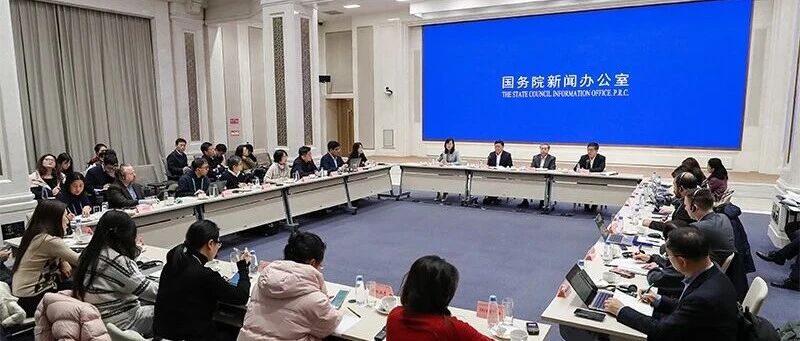
国务院新闻办举行外媒交流会 国家能源局新闻发言人就加快经济社会发展全面绿色转型与记者交流
国家能源局· 2025-12-06 03:41
12月5日,国务院新闻办公室举行外媒交流会,围绕贯彻落实党的二十届四中全会精神,请生态环境部副部长李高,国家发展 改革委资源节约和环境保护司司长王善成,国家能源局新闻发言人、发展规划司司长任育之,就加快经济社会发展全面绿色转 型与记者交流。 外媒交流会现场 国务院新闻办新闻局副局长贾惠丽 生态环境部副部长李高 国家发展改革委资源节约和环境保护司司长王善成 国家能源局新闻发言人、发展规划司司长任育之 大公文汇传媒集团记者提问 香港紫荆杂志记者提问 美国国际市场新闻社记者提问 香港商报记者提问 中国评论通讯社记者提问 凤凰卫视记者提问 真实巴西媒体集团记者提问 新加坡联合早报记者提问 CNBC亚太频道记者提问 澳门月刊记者提问 (图片由 国新网 栾海军 徐想 刘健 摄) (来源:国新网) ...

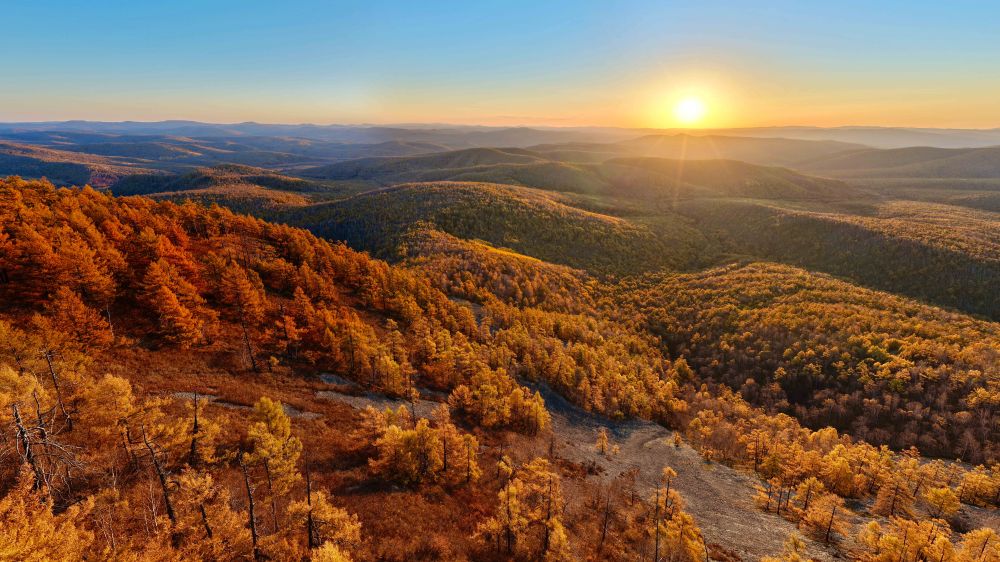
新华鲜报·“十四五”发展亮点|中国“调色盘”增新绿!森林覆盖率超25%
Xin Hua She· 2025-12-06 03:02
Core Points - The construction of a beautiful China is a significant goal for the comprehensive modernization of the socialist nation, with the "14th Five-Year Plan" emphasizing the acceleration of green transformation in economic and social development [1] - During the "14th Five-Year" period, land greening efforts achieved a task completion of 5.49 million acres, with forest coverage exceeding 25%, contributing approximately one-fourth of the global increase in greening area [1] Group 1 - The "Three North" project has made significant progress, completing a greening task of 1.64 million acres, enhancing the ecological security barrier in northern China [3] - Various innovative methods such as road-based, photovoltaic, and industrial sand control have revitalized many regions, showcasing a shift from traditional sand control methods [3] - The integration of tree planting and economic benefits is highlighted, with the national forest and grass industry expected to exceed 10 trillion yuan in total output value by 2024, creating employment for over 60 million people [5] Group 2 - The demand for quality ecological products has increased as people's living standards rise, making it a crucial task in building a beautiful China [7] - Urban greening coverage reached 43.32% in built-up areas and 32.01% in villages during the "14th Five-Year" period, indicating significant progress in urban ecological development [9] - Future plans aim to achieve new major advancements in the construction of a beautiful China, with a focus on enhancing green spaces for the public [9]