轻养生

Search documents
新中式糖水集体杀向江浙沪,这波能走多远?
东京烘焙职业人· 2025-08-31 08:33
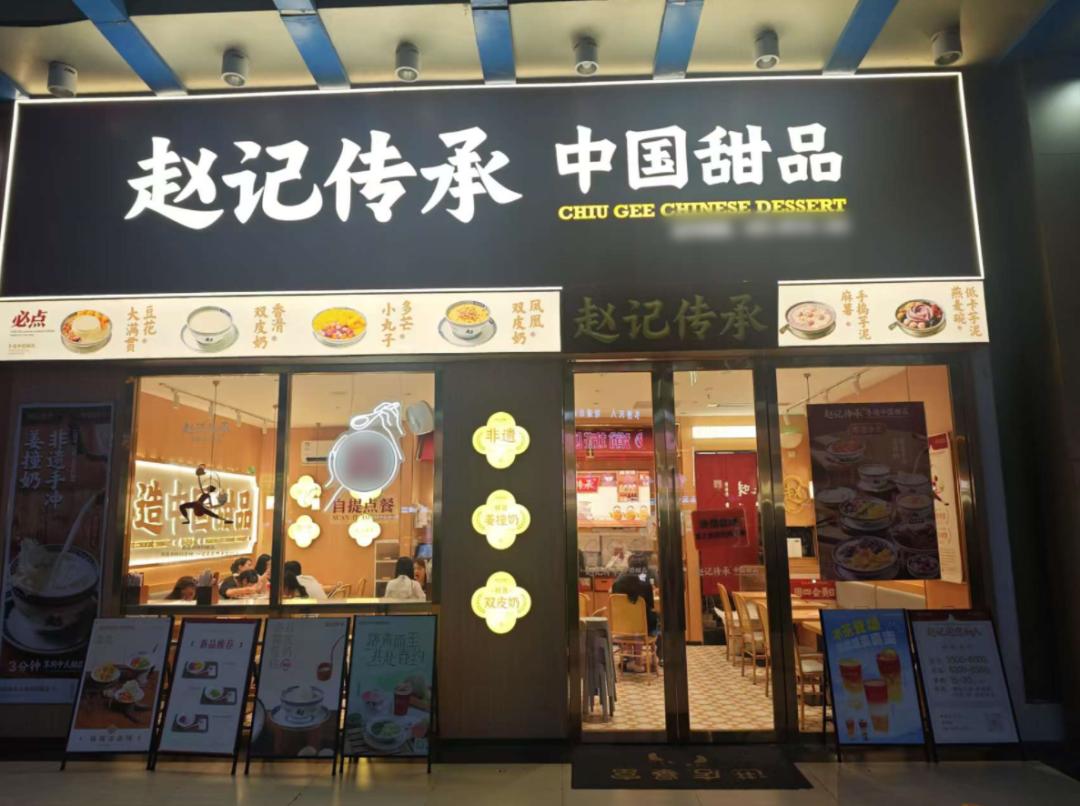
Core Viewpoint - The new Chinese-style dessert market is experiencing rapid expansion, particularly in the East China region, with many brands opening hundreds of stores within a year, indicating a significant growth trend in this sector [4][5][6]. Expansion of New Chinese-style Dessert Brands - Several new Chinese-style dessert brands have opened over 300 stores in the past year, with a notable concentration in East China. For instance, 麦记牛奶公司 has over 400 stores, with nearly 350 opened in the last year, marking a growth rate exceeding 700% [5]. - 糖叙手作糖水铺 has also expanded rapidly, surpassing 100 stores, with nearly 70% opened this year. Brands from Guangdong are increasingly targeting the Jiangsu-Zhejiang-Shanghai market [5][6]. - Established brands like 赵记传承 are accelerating their expansion in East China, adding nearly 100 new stores in the past year [6]. Market Trends and Consumer Behavior - The popularity of dessert shops is rising, with significant engagement on social media platforms regarding "dessert training" and "dessert franchising," indicating a growing interest in this business model [7]. - The average price of desserts has increased to around 20 yuan, with many brands focusing on enhancing product presentation and visual appeal to attract consumers [8][16]. Changes in Store Strategy and Product Offering - New dessert brands are shifting from street-side locations to shopping centers, which offer higher foot traffic and visibility. This strategic change is evident in the locations of new stores for brands like 麦记牛奶公司 and 赵记传承 [8][10][11]. - The store designs emphasize a modern aesthetic, incorporating elements that enhance the dining experience, such as greenery and warm lighting, while also focusing on the quality of ingredients used [12][15]. - The product offerings have diversified, with many brands introducing fusion items alongside traditional desserts, catering to evolving consumer preferences [16][18]. Economic Viability and Investment Potential - The dessert category shows strong profitability potential, with gross margins typically exceeding 65%. Some stores report monthly revenues of up to 160,000 yuan, with net profits exceeding 50,000 yuan [22]. - The investment required for opening a dessert shop is significant, often exceeding 500,000 yuan, but the low technical barriers make the market attractive for new entrants [25]. Regional Market Dynamics - East China is seen as a critical market for dessert brands due to its strong consumer spending power, with per capita disposable incomes in Shanghai, Zhejiang, and Jiangsu exceeding 50,000 yuan [21]. - The local preference for sweet flavors provides a favorable environment for dessert brands, contrasting with the competitive landscape in Guangdong, where established brands dominate [21]. Challenges in Expansion - Despite the growth potential, dessert brands face challenges in expanding beyond their initial regions, including high initial investment costs and seasonal demand fluctuations, particularly in winter [24][26].


新中式糖水集体杀向江浙沪,这波能走多远?
3 6 Ke· 2025-08-20 03:53
Core Insights - The new-style sugar water brands are experiencing rapid expansion, particularly in the East China region, with some brands opening over a hundred stores within a year [1][3][19] - The average price of sugar water has increased to around 20 yuan per serving, with a diverse product structure that includes both traditional and innovative offerings [12][13][15] Expansion Trends - New sugar water brands are focusing on high-traffic locations such as shopping malls instead of traditional street-side shops, enhancing visibility and customer flow [5][7][8] - Brands like 麦记牛奶 and 赵记传承 have significantly increased their store counts in East China, with 麦记牛奶 opening nearly 350 new stores in the past year [1][19] Consumer Preferences - There is a noticeable shift in consumer preferences towards unique and visually appealing products, as younger consumers seek emotional value and experiential consumption [16][18] - The sugar water category aligns with the rising health trends among the younger generation, incorporating ingredients that are perceived as nutritious and beneficial [18] Market Dynamics - East China is seen as a fertile ground for brand growth due to its strong consumer spending power, with per capita disposable income in Shanghai, Zhejiang, and Jiangsu exceeding 50,000 yuan [19] - The sugar water segment is attracting many franchisees due to its high profit margins, with gross margins often exceeding 65% [19][21] Operational Challenges - Despite the high initial investment required for opening stores in prime locations, the low technical barriers in the sugar water category make it susceptible to competition [22] - Seasonal challenges, particularly in winter, pose a risk for sugar water brands in East China, as the colder climate affects the demand for cold dessert products [23]
累计卖3800万杯!轻养生趋势崛起
Sou Hu Cai Jing· 2025-08-13 17:34
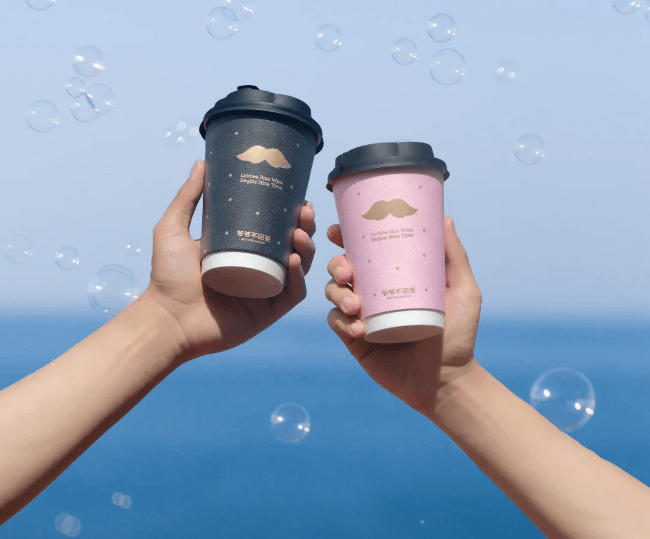
Core Insights - The popularity of rice wine has surged recently, with various brands launching innovative products that quickly become bestsellers, indicating a strong market trend [2][9] - The article identifies four key opportunities for rice wine products in the current market [9][21] Brand Developments - Popular brands like BaWang Tea Ji and Ye Ye Bu Pao Cha have introduced new rice wine products, achieving significant sales milestones, such as Ye Ye Bu Pao Cha's 38 million cups sold [3][8] - Specialty stores focusing on rice wine, such as "Yi Gu San Niang" and "Wang Wai Wai," are also experiencing rapid growth, with some opening over 280 chain stores [2][8] Market Trends - The rise of health-conscious consumption has led to a growing interest in rice wine, which is perceived as a low-calorie and nourishing beverage, appealing particularly to younger consumers [10][21] - The unique texture of rice wine, providing a "chewing sensation," differentiates it from traditional beverages and enhances consumer experience [12][14] Product Innovation - Rice wine can be used in both hot and cold beverages, showcasing its versatility and aesthetic appeal, which is crucial for attracting consumers [16][17] - The introduction of products like the purple crystal brown rice wine not only adds visual appeal but also aligns with consumer expectations for natural ingredients [17][19] Cultural Significance - Rice wine serves as a medium to tell "Chinese stories," with various regional recipes contributing to its cultural richness, making it a compelling product in the beverage market [19][21] - Companies like Mi Po Po leverage traditional brewing techniques combined with modern technology to create innovative products that resonate with contemporary consumers [21]
消费观察|鲜果吃冻的,干果吃鲜的?这届年轻人更愿为“新鲜、健康、悦己”买单
Sou Hu Cai Jing· 2025-08-12 14:25
Core Insights - The report from Hema's 10th anniversary highlights that "fresh, healthy, and self-indulgent" are the three major directions for future consumption trends, with frozen fruits and fresh nuts becoming popular among young consumers [1][12]. Group 1: Frozen Fruits - Frozen fruits have emerged as a new social trend this summer, with various platforms showcasing recipes and tutorials, making bananas, mangoes, and watermelons popular choices [3][6]. - Hema offers a range of specialized frozen fruits, including mixed berries and tropical fruit cups, which are convenient for consumers looking for healthy meal options [3][9]. - The nutritional value of frozen fruits is comparable to fresh fruits, and they are considered healthier than high-sugar ice creams, with industrial freezing techniques preserving their quality better than home methods [6][12]. Group 2: Fresh Nuts - Fresh nuts, particularly fresh walnuts and macadamia nuts, are gaining traction as a new trend, with consumers appreciating their unique flavors when eaten fresh [5][11]. - The supply chain for fresh nuts involves advanced technology, such as low-oxygen storage and rapid processing to maintain freshness [9][11]. Group 3: Consumer Trends - The current consumer demographic favors "no-mess," "single-serving," and "lazy" consumption styles, reflecting a shift towards refined, health-conscious eating habits [11][14]. - The report indicates that young consumers are increasingly interested in DIY food options and are willing to explore new eating methods, which is driving demand for innovative products in retail [11][12]. Group 4: Supply Chain and Innovation - Over the past decade, Hema has established a robust supply chain network with multiple centers and direct sourcing bases, allowing for fresh produce to be delivered nationwide and internationally [12][14]. - The company is continuously updating its standards for freshness and quality across various product categories, including fruits and beverages [12][14].

韩媒:“轻养生”击中韩国年轻人痛点
Huan Qiu Shi Bao· 2025-08-11 22:32
Core Insights - The article discusses the rising trend of "light health" among the younger generation in South Korea, driven by increased health awareness and the convenience of purchasing functional foods [1][2] - Young consumers are increasingly adopting health supplements like probiotics and vitamins as part of their daily routine, particularly after the pandemic [1] - The convenience of purchasing these products from retail outlets, such as convenience stores, has made them more appealing to busy young professionals [1] Industry Characteristics - Health functional foods exhibit three main characteristics: high repurchase rates, strong emotional value, and low consumption barriers [2] - Products are often sold in small packages priced around 5,000 KRW (approximately 26 RMB), making them attractive to consumers [2] - The simplified product structure requires minimal explanation, enhancing their appeal [2] Consumer Behavior - Many young consumers lack a systematic understanding of nutritional components and product efficacy, making them susceptible to exaggerated claims and trendy labels [2] - Some health products on the market are essentially simplified versions of traditional supplements, lacking clear targeting and efficacy, which can lead to consumer misjudgment [2] - A sustainable expansion model for companies should be based on product quality, consumer trust, and scientific consumption concepts [2] Recommendations for Companies - Companies should provide clear nutritional information and usage guidelines to help consumers make informed choices [2]
累计卖3800万杯!这款国民饮品太火了,热门品牌都在跟
3 6 Ke· 2025-08-11 02:06
Core Insights - The surge in popularity of rice wine (酒酿) is attributed to innovative product launches from various brands, with some achieving significant sales milestones, such as 38 million cups sold [1][3] - The market is witnessing a trend towards health-oriented beverages, with rice wine being embraced for its low-calorie and nourishing properties, appealing particularly to younger consumers [6][19] Brand Developments - Popular brands like BaWang Tea Ji and Ye Ye Bu Pao Cha have introduced new rice wine products, contributing to the trend of seasonal bestsellers [1][5] - Brands focusing on rice wine as a core product, such as Baozhu Cheese and Li You Tian, have shown stable growth and unique offerings, with some opening over 280 stores [3][19] Market Trends - The rise of "light health" trends has led to increased interest in rice wine, which is perceived as a healthier beverage option [6][8] - The unique texture of rice wine, providing a "chewiness," differentiates it from traditional drinks, making it appealing in a saturated market [9][11] Product Innovation - Rice wine is versatile, suitable for both cold and hot beverages, enhancing the visual appeal and consumer experience [12][14] - The introduction of products like the purple crystal brown rice wine not only adds aesthetic value but also aligns with consumer expectations for natural ingredients [14][20] Cultural Significance - Rice wine serves as a medium to tell "Chinese stories," with various regional recipes contributing to its cultural narrative [16][19] - Companies like Mi Po Po leverage traditional brewing techniques combined with modern technology to create products that resonate with younger consumers [16][20] Future Opportunities - The beverage industry is evolving beyond simple competition, requiring brands to innovate across multiple dimensions, including health benefits and cultural storytelling [17][19] - Products that combine health attributes with cultural narratives are becoming key strategies for brands to differentiate themselves in a competitive market [19][20]
外卖销量激增500% 奈雪“好运紫”登顶外卖平台TOP1
Zheng Quan Ri Bao Wang· 2025-08-08 07:49
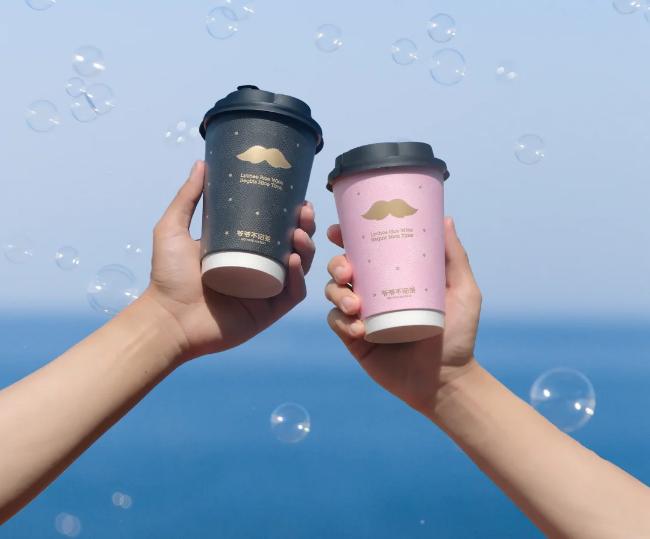
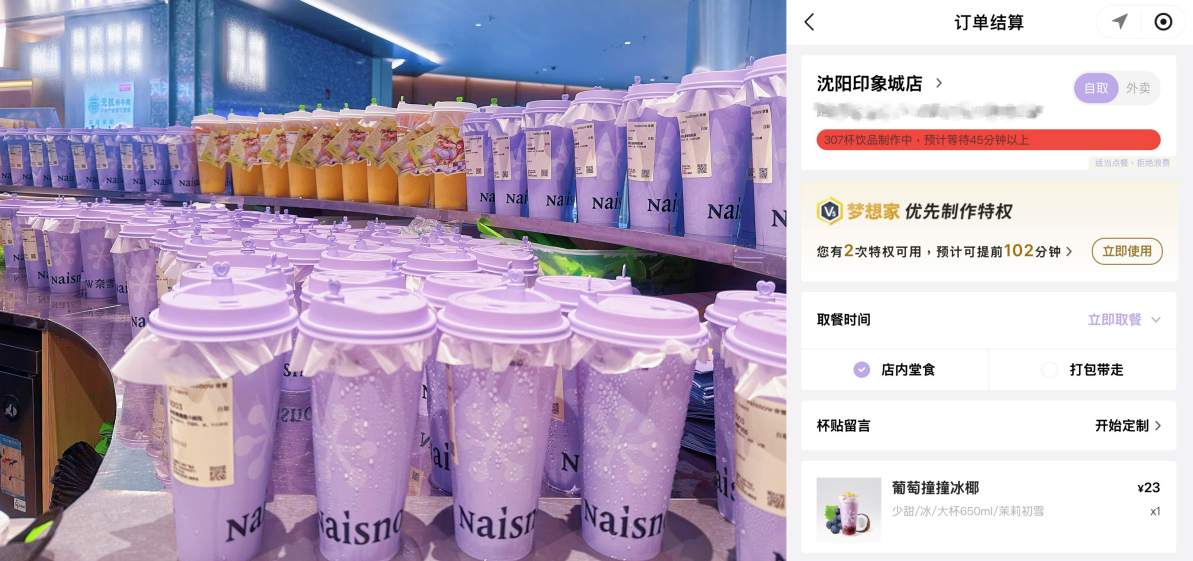
Core Insights - The tea beverage industry is experiencing a surge in sales as the "first cup of milk tea in autumn" trend gains popularity, with Nayuki's Tea leading the charge with its "Lucky Purple" product line [1][3] - Nayuki's sales on the day of the autumn festival saw a remarkable year-on-year increase of 500%, with many stores reporting over 300 cups waiting to be served [1][3] Group 1: Marketing Strategy - Nayuki effectively tapped into the emotional needs of the younger demographic by associating the "Lucky Purple" color with good fortune, creating a strong visual impact that resonates with current fashion trends [3][4] - The use of low-saturation lavender purple packaging not only appeals to aesthetic preferences but also symbolizes auspiciousness, enhancing the product's market appeal [3][4] Group 2: Product Development - The success of Nayuki's "Lucky Purple" series is supported by a focus on health-conscious ingredients, featuring the "66 Blueberry and Mulberry Yogurt Smoothie" made with premium ingredients like Yunnan blueberries and Daliangshan mulberries, along with over 1 trillion CFU of active probiotics [4] - The product's strong sales performance, with over 500,000 cups sold within three days of launch, reflects the growing consumer demand for healthier beverage options [4]
一线品牌押注,网友催上架,这款“黄金奶茶”要爆发?
3 6 Ke· 2025-08-08 02:03
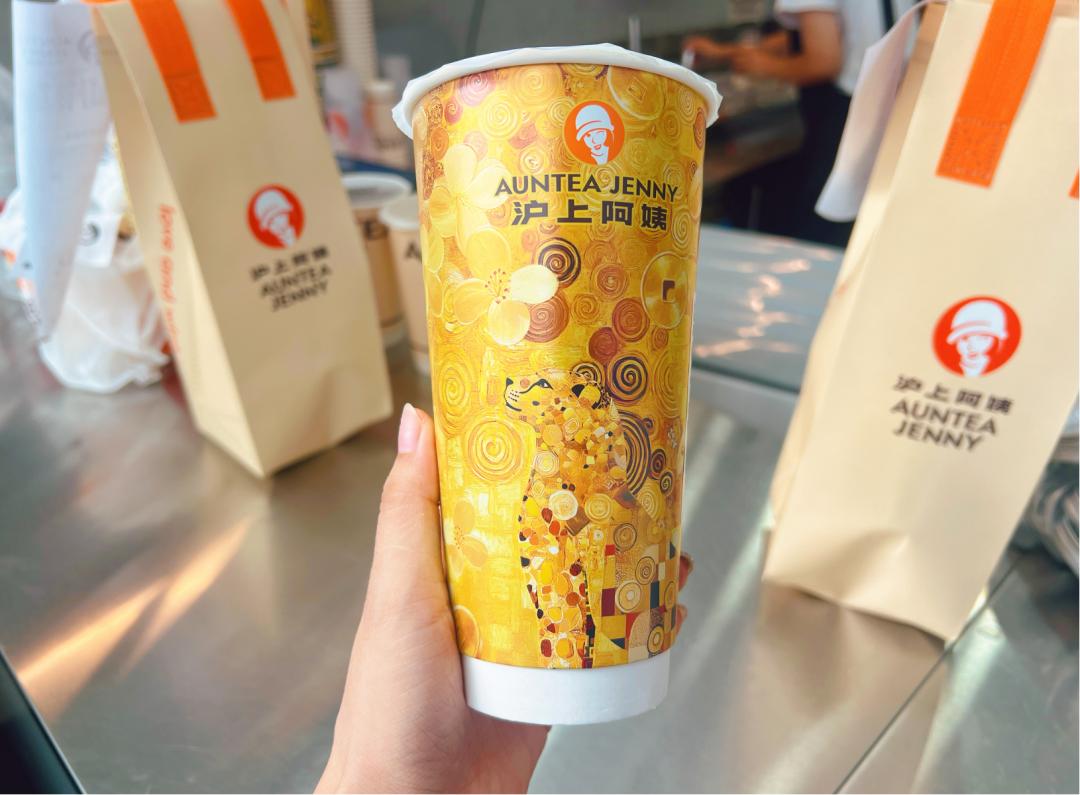
Core Insights - The corn beverage market is expected to experience a significant surge this autumn and winter, driven by rising consumer interest and social media buzz [1][2][10] - Various brands are already launching innovative corn-based drinks, indicating a trend towards healthier and more appealing beverage options [4][5][6][8] Market Trends - Social media platforms like Xiaohongshu and Douyin have seen extensive discussions and high engagement regarding corn beverages, with topics like "corn juice" reaching over 1 billion views [2][6] - Brands such as Hushang Ayi and Mengniu have introduced new corn products, reflecting a growing trend in the beverage industry [5][6] Product Innovations - New corn beverages are being developed with a focus on health benefits, such as high fiber content and low calories, appealing to the "light health" trend among younger consumers [11][13] - The introduction of unique flavors and combinations, such as corn and butter, has been validated by market success, indicating consumer interest in innovative taste profiles [17][19] Nutritional Value - Corn is recognized for its nutritional benefits, particularly its fiber content, which aligns with national health initiatives promoting dietary fiber intake [13][24] - For example, a liter of a specific corn beverage contains approximately 320g of sweet corn, providing significant dietary fiber [13] Visual Appeal and Marketing - The vibrant yellow color of corn beverages enhances their marketability, creating a visually appealing product that resonates with consumers' emotional needs during the autumn and winter seasons [16][24] - The trend of reimagining classic national beverages, such as corn drinks, is gaining traction, allowing brands to leverage nostalgia while introducing modern twists [24]

财经观察丨养生赛道不再是保温杯枸杞,新科技下新风口在哪里?
Qi Lu Wan Bao· 2025-06-25 03:49
Group 1 - The market for traditional Chinese health drinks is rapidly growing, with a projected increase from 450 million yuan in 2023 to 3 billion yuan in 2024, and expected to exceed 10 billion yuan by 2028 [1] - Qingdao Beverage Group has launched the Laoshan Herbal Light Drink series to tap into the significant market potential of traditional Chinese health drinks [1] - The trend of health consumption among young people is reflected in their engagement with various health practices, including traditional exercises and herbal remedies, which have become social symbols for Generation Z [1] Group 2 - The brand Zhenbu'er, established in 2020, has achieved over 1 billion yuan in cumulative sales and is recognized as a top brand in the foot bath category on platforms like Tmall and Douyin [2] - The concept of "light health" is gaining popularity among Generation Z, with products like herbal pillows and neck warmers becoming trendy, indicating a shift towards a more casual approach to health [2] - The rise of content-driven platforms like Xiaohongshu and Douyin has accelerated the growth of traditional Chinese health brands, creating significant business opportunities in the sector [3]
养生潮催生百亿赛道!中式养生水成年轻人“情绪刚需”
Nan Fang Du Shi Bao· 2025-06-24 00:12
Core Insights - The rise of emotional consumption is creating a new growth area in the economy, particularly among the younger generation who are increasingly focused on health and wellness products [1][2][3] - The market for traditional Chinese herbal drinks, particularly health-focused beverages, is experiencing explosive growth, with projections indicating a market size of 30 billion yuan in 2024, up from 4.5 billion yuan in 2023, representing a growth rate of 566% [2][8][9] Industry Trends - The health crisis among young people is driving a wave of self-care and wellness practices, with many adopting new routines to combat health issues exacerbated by work stress and lifestyle choices [3][5][6] - The health and wellness market in China has surpassed 1.2 trillion yuan in 2024, with the 18-35 age group accounting for 62% of this market [6][7] - The demand for convenient, ready-to-drink herbal beverages is reshaping consumer preferences, with a significant portion of young consumers favoring products that are easy to consume and align with their health-conscious lifestyles [8][9] Consumer Behavior - The primary consumers of herbal drinks are aged 18 to 36, contributing nearly 70% of sales, with a notable focus on products that address specific health concerns such as fatigue and sleep issues [13][15] - Young consumers are increasingly viewing herbal drinks as a "health tax," opting for these beverages over traditional sugary drinks to align with their health goals [9][10][15] - There is a notable difference in purchasing preferences based on gender and lifestyle, with women often choosing drinks that promote blood health and men leaning towards those that enhance energy [16][17] Market Dynamics - Major beverage companies are rapidly entering the herbal drink market, leveraging supply chain advantages to capture market share, with brands like Yuanqi Forest achieving a market share of 58.6% in this segment [17][18] - The market is characterized by a proliferation of products, but challenges such as product homogeneity and consumer acceptance of flavors remain significant hurdles [18] - The industry is witnessing a "battle of beverages," with both traditional brands and new entrants competing for consumer attention in the herbal drink space [17][18]