
轻资产战略

Search documents
深度视角 | 从首富到“卖楼狂人”:王健林再卖48座万达广场的背后
Sou Hu Cai Jing· 2025-05-27 13:13
Core Viewpoint - Wang Jianlin's sale of 48 Wanda Plazas for approximately 50 billion yuan is a response to the company's debt crisis and a critical step in its long-term asset-light strategy [1][10][17] Group 1: Debt Crisis and Financial Maneuvering - The debt crisis for Wanda began with a "listing gamble" agreement signed in 2016, which required high-interest buybacks if the company failed to go public [3][4] - After four failed attempts to list on the Hong Kong stock exchange, Wanda faced a 38 billion yuan buyback obligation, severely draining its cash flow [4][5] - By May 2025, Wang Jianlin's equity worth 490 million yuan was frozen, and Wanda's total liabilities exceeded 600 billion yuan, with a significant portion of short-term debt due [5][16] Group 2: Strategic Asset Sales and Market Dynamics - The sale of Wanda's assets is seen as a "bloodletting" to manage debt, with the company transitioning to a light-asset model that focuses on brand management and rental income [10][11] - Major investors like Tencent and JD.com are acquiring assets at a 40% discount, securing guaranteed rental yields of 5%-6% [6][9] - The shift to a light-asset strategy has resulted in a decline in owned properties from 513 to approximately 300, impacting brand control and rental income [14][17] Group 3: Future Outlook and Industry Implications - The case of Wanda reflects a broader trend in the Chinese commercial real estate sector, moving from "scale worship" to a focus on survival and operational efficiency [11][17] - The reliance on high-risk financing tools and the pressure from debt obligations may lead to further asset sales, raising concerns about the long-term viability of the brand [12][18] - The ongoing challenges in the commercial real estate market, including declining rental yields and increased competition from e-commerce, suggest a need for strategic restructuring [14][18]

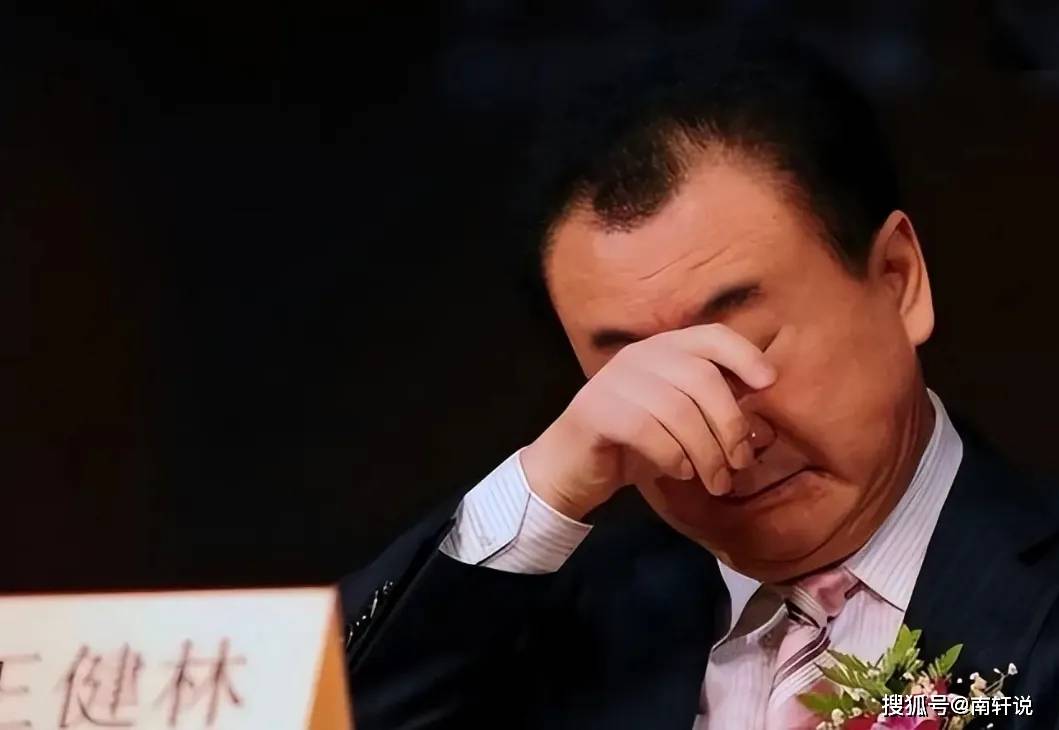
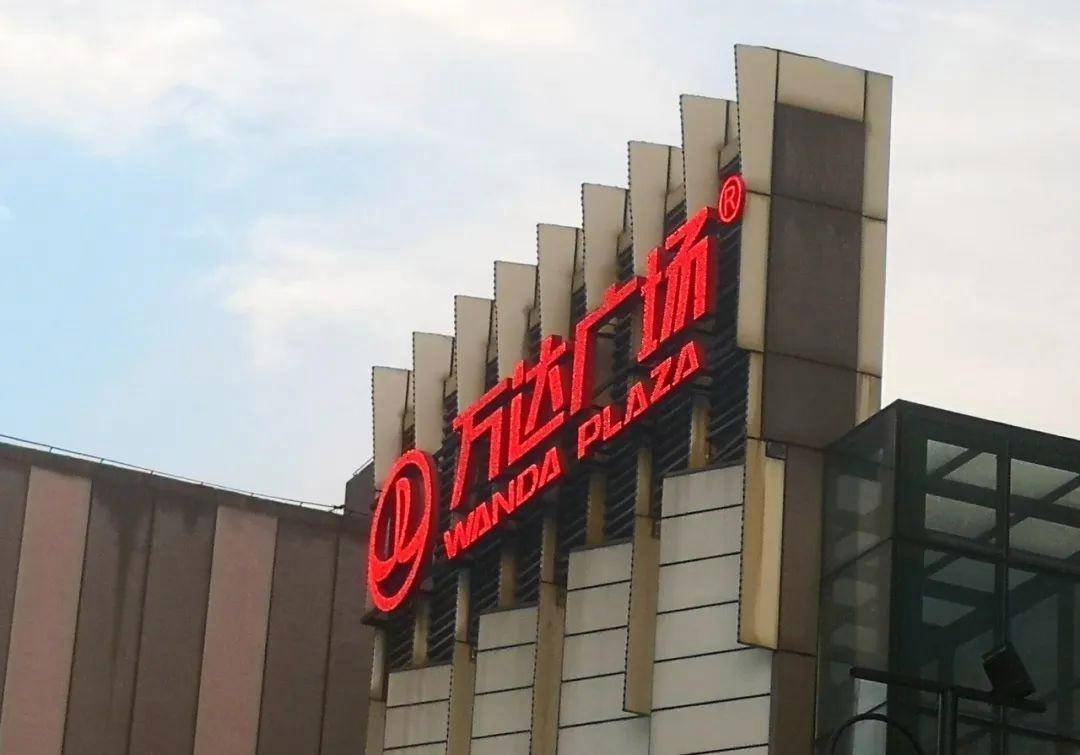
王健林再卖48座万达广场,腾讯等熟人团接盘,万达日子不好过啊
Sou Hu Cai Jing· 2025-05-26 11:07
Core Viewpoint - Wang Jianlin has sold 48 Wanda Plazas, indicating ongoing financial difficulties and a strategic shift towards a light-asset model [1][3][11] Financial Challenges - Wanda's total liabilities are projected to reach 437.8 billion yuan by the end of 2024, with interest-bearing debt at 137.5 billion yuan and only 89.2 billion yuan in cash [3][5] - Previous failed attempts to IPO Wanda Commercial triggered a 30 billion yuan buyback clause, adding to the financial strain [5] - Debt disputes with partners exceed 18 billion yuan, compounding Wanda's financial challenges [5] Strategic Shift - The sale of the 48 Wanda Plazas is part of a broader strategy initiated in 2015 to transition to a light-asset model, focusing on brand and management rather than owning extensive commercial real estate [3][4][11] - Despite managing 472 commercial projects, management fee income was only 4.3 billion yuan in 2023, insufficient to cover debt interest [7] Buyer Insights - The buyers include a consortium of firms such as TPG, Tencent, and Sunshine Insurance, indicating confidence in the value of Wanda Plazas [7][9] - TPG is known for acquiring undervalued assets, while Tencent aims to integrate Wanda Plazas into its smart retail ecosystem [7][9] - Sunshine Insurance is attracted to the stable rental income from commercial real estate, which offers a return rate of 5%-7% [7][9] Market Implications - The sale reflects a significant transformation in the commercial real estate sector, moving from heavy asset development to light asset operations and management [11] - The strategic divestment may provide Wanda with approximately 50 billion yuan, aiding in financial recovery and furthering its light-asset transition [11]
华住集团-S(01179.HK):短期受行业周期扰动 龙头兼顾高质量扩张与内功修炼
Ge Long Hui· 2025-05-23 18:28
Core Viewpoint - The company reported a first-quarter revenue that met expectations, with adjusted net profit remaining stable year-on-year, indicating resilience amid industry fluctuations [1][2][3] Group 1: Financial Performance - In Q1, the company's hotel revenue was approximately 22.5 billion RMB, a year-on-year increase of 14.3%, while total revenue was about 5.4 billion RMB, up 2.2% [1] - The net profit attributable to shareholders was around 894 million RMB, reflecting a year-on-year growth of 35.7, primarily due to foreign exchange gains [1] - Adjusted net profit stood at 775 million RMB, showing no significant change year-on-year [1] Group 2: Domestic Hotel Operations - Domestic segment revenue reached 4.481 billion RMB, a growth of 5.5%, with direct-operated hotels generating 1.913 billion RMB (down 9.4%) and franchise hotels 2.472 billion RMB (up 21.1%) [1] - The overall RevPAR for domestic hotels decreased by 3.9%, with same-store RevPAR down 8.3% [1] - The company had a total of 11,564 hotels in operation by the end of Q1, with 694 new openings and 155 closures, aiming for approximately 2,300 new openings for the year [1] Group 3: International Hotel Operations - Internationally, the company reported a revenue of 918 million RMB, a decline of 11.3%, with direct-operated store revenue down 11.2% [2] - The adjusted EBITDA for the international segment was -77 million RMB, indicating an increase in losses primarily due to the transition to a light-asset model and restructuring efforts [2] - The company plans to continue its loss reduction strategy throughout the year [2] Group 4: Market Outlook and Strategy - The company anticipates a revenue growth of 1-5% in Q2, with domestic segment growth projected at 3-7% and franchise revenue expected to rise by 18-22% [2] - The management noted that the business market is stabilizing, and leisure travel demand remains resilient, with expectations for a narrowing decline in RevPAR in Q2 [3] - The company is focusing on high-quality expansion, with 43% of its operating hotels in third-tier cities and below, and 54% of its upcoming hotels in the same categories [3]
华住集团-S(01179.HK):营收稳健增长 加盟商热情延续
Ge Long Hui· 2025-05-23 18:28
Core Viewpoint - The company reported its Q1 2025 unaudited financial performance, showing stable revenue growth but facing challenges in profit margins and RevPAR due to market conditions [1][2] Financial Performance - In Q1 2025, the company achieved revenue of 5.4 billion yuan, a year-on-year increase of 2.2%, with leasing and owned hotels down 10.0% and franchise and licensed hotels up 21.1% [1] - Adjusted net profit for Q1 2025 was 780 million yuan, reflecting a 0.5% year-on-year growth, impacted by high income tax [1] - The overall revenue performance aligns with previous guidance, while gross margin improved by 0.7 percentage points, and SG&A expenses decreased by 0.6 percentage points [1] Market Conditions - The hotel industry continues to experience supply-demand imbalance, with the company's RevPAR declining by 3.9% in Q1 2025, primarily due to a 2.6% drop in ADR [1] - Same-store RevPAR fell by 8.3%, indicating pressure from product quality upgrades and increased market supply [1] - Despite these challenges, the company opened 694 new hotels in Q1 2025, with a total of 2,865 stores in reserve as of the end of March 2025, 61.1% of which are mid-range and above [1] Future Outlook - The company is expected to generate revenues of 24.857 billion yuan, 26.444 billion yuan, and 28.273 billion yuan for 2025-2027, with corresponding growth rates of 4.0%, 6.4%, and 6.9% [2] - Projected net profits for the same period are 4.222 billion yuan, 5.011 billion yuan, and 5.701 billion yuan, with growth rates of 38.5%, 18.7%, and 13.8% respectively [2] - The company maintains a stable leading position in the market, with significant potential for brand expansion and globalization, leading to a "buy" rating [2]
瑞安房地产(00272) - 2023 H2 - 电话会议演示
2025-05-23 12:21
Financial Performance - Revenue decreased by 37% to RMB 9,752 million due to more sales being recognized as revenue of JV/Associates[11,25,32] - Net profit was RMB 1,397 million[11,25] - Profit attributable to shareholders was RMB 810 million[11,25,33] - Consolidated rental and related income increased by 16% to RMB 2,398 million, driven by new contributions from Shanghai Panlong Tiandi and Shanghai Hong Shou Fang[25,32,88] - Final dividend of HKD 0.058 per share was declared, bringing the full-year dividend to HKD 0.09 per share[11,33,36] Property Sales - Total property sales recognized as revenue amounted to RMB 5,898 million[25,26,32] - Total property sales, including revenue of associates and joint ventures, reached RMB 38,565 million[26] - Contracted sales of RMB 11,396 million were recorded, including residential property sales of RMB 7,208 million, commercial property sales of RMB 2,982 million, and other asset disposal of RMB 1,206 million[60] Financial Position - Total assets amounted to RMB 100,998 million[37,119,124] - Total cash and bank deposits were RMB 8,917 million[11,37,48,119,124] - Total debt was RMB 31,933 million[37,119] - Net debt was RMB 23,016 million[37,47,119] - Net gearing ratio was 52%[11,37,45,119] - Successfully issued the largest ever private green-mortgage-backed onshore CMBS with an issue size of RMB 4,401 million and a coupon rate of 3.9%[11,38] Commercial Portfolio - Total commercial properties valued at approximately RMB 100 billion[20] - Largest commercial landlord in Shanghai with a gross floor area (GFA) of 1.6 million square meters[20] - Total valuation of the projects under management amounted to RMB 290 billion, with a total GFA of 710,000 sq m[89] - Average occupancy of mature office properties reached 90%[97] - Overall sales and shopper traffic reached 106% and 110% of 2021 level, respectively[94]

【环球财经】新加坡凯德投资设立首只在岸人民币母基金 拓展中国房地产投资
Xin Hua Cai Jing· 2025-05-22 13:58
Core Viewpoint - CapitaLand Investment Limited has established its first onshore RMB master fund in China, with a total subscription size of 5 billion RMB (approximately 921 million SGD), focusing on investments in commercial parks, retail malls, rental housing, and serviced apartments in first-tier and strong second-tier cities [1] Group 1 - The master fund has secured participation from a major Chinese insurance company, which will act as the main investor, aligning with CapitaLand's "light asset" strategy [1] - The fund aims to expand into core assets with long-term growth potential through a series of sub-funds, including data centers, logistics parks, and office buildings [1] - CapitaLand Investment (China) CEO Pan Zixiang noted that insurance companies are increasing capital allocation in China's real estate sector, investing in diversified portfolios that provide stable core returns [1] Group 2 - The investment direction of the master fund aligns closely with China's "consumption-driven, innovation-led" national strategy, contributing to urban renewal and new infrastructure development [1] - Since 2021, CapitaLand has raised a total of 54 billion RMB in funds in China [1] - CapitaLand has over 300 real estate projects in China, covering more than 40 cities, with asset types including office buildings, retail, long-term rental apartments, logistics parks, and data centers [2]
华住集团-S:短期受行业周期扰动,龙头兼顾高质量扩张与内功修炼-20250522
Guoxin Securities· 2025-05-22 02:45
Investment Rating - The investment rating for the company is "Outperform the Market" [7] Core Views - The company is experiencing short-term disruptions due to industry cycles but is focusing on high-quality expansion and internal improvements. The first quarter revenue met expectations, with hotel operating revenue around 22.5 billion RMB, a year-on-year increase of 14.3%, and total revenue of approximately 5.4 billion RMB, a year-on-year increase of 2.2% [1][11] - The company aims to maintain a balance between expansion and internal strengthening, with a focus on high-quality growth despite uncertainties in the environment [5][19] Summary by Sections Domestic Hotels - In Q1, domestic revenue was 4.481 billion RMB, up 5.5% year-on-year, with direct-operated hotels down 9.4% and franchise hotels up 21.1%. The overall RevPAR decreased by 3.9%, with same-store RevPAR down 8.3% [2][16] - The company opened 694 new hotels and closed 155, with a total of 11,564 hotels by the end of Q1. The target for new openings in 2025 is approximately 2,300 hotels [2][16] Overseas Hotels - Q1 overseas revenue was 918 million RMB, down 11.3%, with direct-operated revenue down 11.2%. The company is transitioning 10 direct-operated hotels to a light-asset franchise model, which has impacted short-term performance [3][17] - The adjusted EBITDA for overseas operations was -77 million RMB, indicating increased losses primarily due to the transition to a light-asset model and restructuring efforts [3][17] Future Outlook - The company expects Q2 revenue growth of 1-5%, with domestic growth of 3-7% and franchise revenue growth of 18-22%. The management anticipates a narrowing decline in RevPAR in Q2, aiming for at least flat or growth for the year [4][18] - The company continues to focus on brand upgrades, member direct sales, and light-asset strategies, with a significant portion of its hotels in lower-tier cities [4][18] Financial Projections - The adjusted net profit estimates for 2025-2027 are 4.66 billion, 5.37 billion, and 6.13 billion RMB, respectively, with a CAGR of 18%. The dynamic PE ratios are projected to be 17, 15, and 13 times for the respective years [5][19][6]
华住集团-S(01179):短期受行业周期扰动,龙头兼顾高质量扩张与内功修炼
Guoxin Securities· 2025-05-22 02:27
Investment Rating - The investment rating for the company is "Outperform the Market" [7] Core Views - The company is experiencing short-term disruptions due to industry cycles but is focusing on high-quality expansion and internal improvements. The first quarter revenue met expectations, with hotel operating revenue around 22.5 billion RMB, a year-on-year increase of 14.3%, and total revenue of approximately 5.4 billion RMB, a year-on-year increase of 2.2% [1][11] - The company aims for a revenue growth of 1-5% in Q2, with domestic segments expected to grow by 3-7% and franchise revenue by 18-22%. The management anticipates a narrowing decline in RevPAR in Q2, with a goal of at least maintaining or growing throughout the year [4][18] Summary by Sections Domestic Hotels - In Q1, domestic revenue was 4.481 billion RMB, up 5.5% year-on-year. Direct-operated hotels saw a decline of 9.4%, while franchise revenue increased by 21.1%. The overall RevPAR decreased by 3.9%, with same-store RevPAR down by 8.3% [2][16] - The company opened 694 new hotels and closed 155, with a total of 11,564 hotels by the end of Q1. The company plans to open approximately 2,300 new hotels throughout the year [2][16] Overseas Hotels - Q1 overseas revenue was 918 million RMB, down 11.3%. The decline was primarily due to the transition of 10 direct-operated hotels to a light-asset franchise model and the closure of one direct-operated hotel. The adjusted EBITDA for Q1 was -77 million RMB, indicating an increase in losses due to restructuring [3][17] Financial Forecasts - The company maintains adjusted net profit forecasts for 2025-2027 at 4.66 billion, 5.37 billion, and 6.13 billion RMB, respectively, with a three-year CAGR of 18%. The dynamic PE ratios are projected to be 17, 15, and 13 times for the respective years [5][19] - The company has a shareholder return plan of 2 billion USD over three years, which adds marginal appeal to the investment [5][19]
50亿,凯德投资设立首支人民币母基金
FOFWEEKLY· 2025-05-21 10:02
Group 1 - The core viewpoint of the article is that CapitaLand Investment has established its first onshore mother fund in China, with a total commitment of 5 billion RMB (921 million SGD) [1] - The mother fund aims to expand CapitaLand Investment's fund asset management scale in China, contributing an estimated 20 billion RMB (3.7 billion SGD) upon completion of investments [1] - The mother fund will invest through a series of sub-funds focusing on high-quality assets with stable cash flow and long-term appreciation potential, including industrial parks, shopping centers, rental housing, and serviced apartments in first-tier and strong second-tier cities in China [1] Group 2 - Future sub-funds may also explore special opportunity investments in data centers, logistics parks, and office buildings [1]

华住集团-S(01179):25Q1业绩符合预期,成本费用持续优化
CSC SECURITIES (HK) LTD· 2025-05-21 06:39
Investment Rating - The report assigns a "Buy" rating to the company with a target price of HKD 33.5, indicating a potential upside from the current price of HKD 28.70 [1][2]. Core Insights - The company reported Q1 2025 revenue of RMB 5.4 billion, a year-on-year increase of 2.2%, and a net profit of RMB 890 million, up 35.7% year-on-year. Adjusted EBITDA was RMB 1.5 billion, reflecting a 5.3% increase [7]. - The company is focusing on a light-asset strategy, with rental and owned income accounting for 51.7% of total revenue, while management franchise and licensing contributed 46.3% [3][7]. - The overall hotel count reached 11,685, with 11,564 under the main brand and 121 under the DH division, indicating a net addition of 539 hotels in the reporting period [7]. - The gross margin improved by 0.74 percentage points to 33.2%, driven by the light-asset strategy, while the expense ratio decreased by 0.72 percentage points to 14.46% [7]. - The report anticipates a gradual improvement in RevPAR as the peak season approaches, despite short-term pressures from competition and economic factors [7]. Financial Summary - The company is projected to achieve net profits of RMB 3.68 billion, RMB 4.22 billion, and RMB 4.84 billion for the years 2025, 2026, and 2027, respectively, with year-on-year growth rates of 20.6%, 15%, and 14.6% [9]. - Earnings per share (EPS) are expected to be RMB 1.20, RMB 1.38, and RMB 1.58 for the same years, with corresponding price-to-earnings (P/E) ratios of 22x, 19x, and 17x, indicating reasonable valuation [9][12]. - The total revenue is forecasted to grow from RMB 25.15 billion in 2025 to RMB 29.85 billion by 2027, reflecting a steady upward trend [12].